Timor-Leste is a country where the weather decides not just your view but which bed you can actually reach — a dry-season road to Maubisse becomes a landslide in February, and the ferry to Atauro simply stays in port when the strait turns rough. Choosing the right months is the single biggest upgrade you can make to a hotel stay here. Get it right and you'll wake up to sunrise over Mount Ramelau with cold, clean air and a hot shower; get it wrong and you'll be mopping humidity off the walls of an empty guesthouse.
How Timor-Leste's Two Seasons Shape Where You Sleep
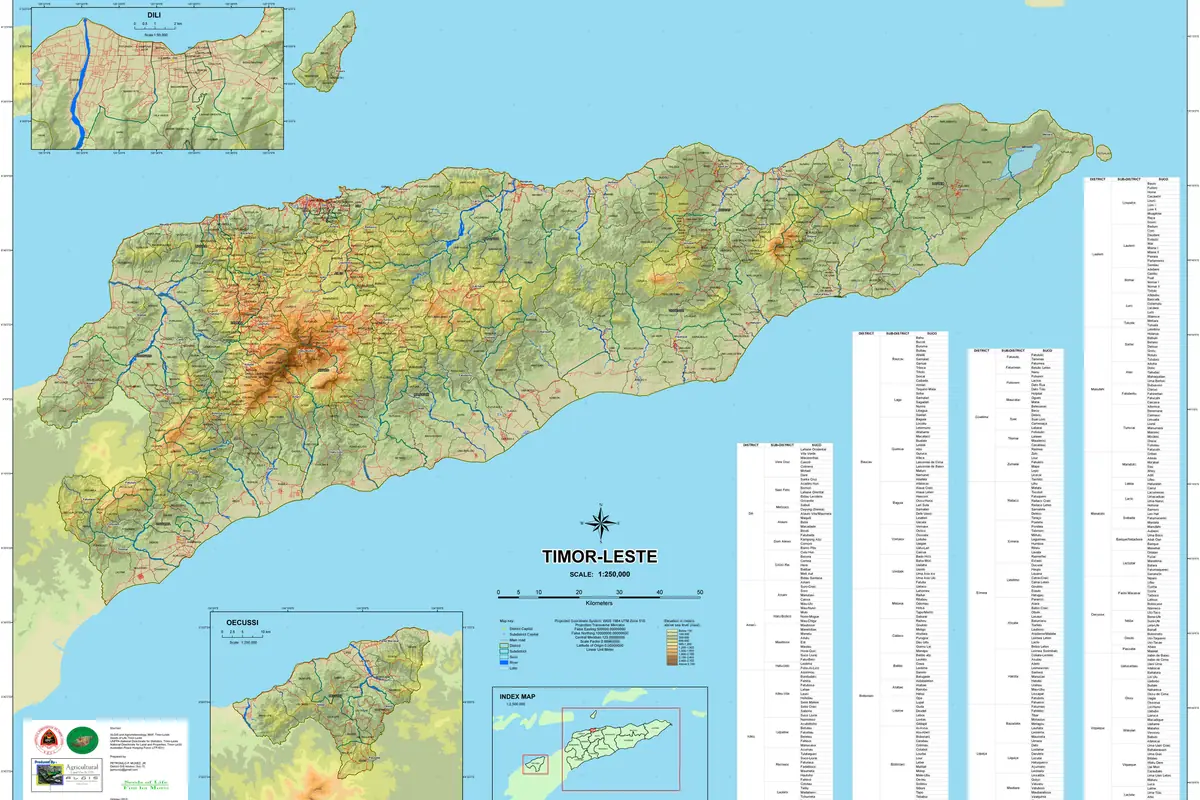
This small half-island nation sits squarely in the tropics, so the year splits into a dry stretch running roughly from May to November and a wet one from December to April. The north coast — Dili, Liquiçá, Bauau — is noticeably drier and sunnier than the south coast around Suai, Same and Viqueque, which catches rain almost year-round and gets soaked in the wet season. That difference matters enormously when you're picking a room: a beachfront place in Dili can be perfectly pleasant while a guesthouse in the southern hills is dripping.
Altitude is the other variable. Coastal hotels sit at sea level and swelter; inland towns such as Maubisse sit around 1,400 metres and can drop to genuinely chilly nights, while the summit of Mount Ramelau at 2,963 metres sometimes sees frost before dawn in the dry season. Packing for a single trip can mean swimwear in Dili and a fleece two hours later.
Practical hotel quality also fluctuates with the season. In the dry months, generators rest, water tanks stay full and rooms smell fresh. In the depths of the wet season, rural guesthouses fight mould, damp bedding and intermittent power, and a hotel's backup generator and water storage become far more important than its pool or view.
May to November: The Dry Season Sweet Spot
June through October is the golden window. Humidity eases, the sea flattens, and roads into the interior hold up well enough to reach the places most travellers come for. This is when you can reliably drive from Dili up to Maubisse and on to Hato-Builico for the classic pre-dawn climb of Mount Ramelau, watching the sun break over the island's highest point. Hotel rooms in Dili fill first, then mountain pousadas, and prices quietly rise through the middle of the year.
Sea conditions are the other draw. Calmer water means the Dili–Atauro ferry runs on schedule, dive and snorkel trips around Atauro Island's reefs go out daily, and boat crossings toward Tutuala and Jaco Island become feasible. October and November bring the hottest weeks of the year, with coastal temperatures pushing into the mid-thirties and little breeze inland, but they also coincide with whale and dolphin activity in the deep straits — a strong argument for booking a room on the north coast late in the season.
August is arguably the most comfortable single month for sleeping: nights are cool enough in the hills that many pousadas hand out extra blankets, and Dili evenings are bearable without air conditioning blasting all night. Expect the best availability in late May and again in early November, the two shoulder pockets either side of the peak.
December to April: Cheaper Rooms, Greener Hills, Real Trade-offs
The wet season empties hotels and slashes rates, and for a certain kind of traveller it's the better deal. The hills around Maubisse and Ainaro turn emerald, waterfalls appear on roadsides, rice paddies flood into mirrors and the light is dramatic. Rooms in Dili are easy to find at short notice, and the coast between Liquiçá and Areia Branca is at its most lush and photogenic.
The trade-offs, however, are not trivial. Heavy rain can flood the coastal road, trigger landslides on the mountain routes and turn unsealed tracks to the far east into mud. Ferry crossings to Atauro get cancelled when the strait chops up, and short flights to outlying districts are more likely to be delayed. Swimming at Dili's city beaches after heavy runoff is unwise, and the south coast around Suai and Viqueque can be rained in for days at a time.
If you do travel in this window, base yourself in Dili or Baucau, prioritise hotels with reliable power backup, sealed-road access and decent drainage, and leave the remote eco-lodges near Tutuala for another trip. Cyclones are uncommon here but not unheard of, so keep a flexible itinerary and a couple of nights' buffer around any boat or flight.
Dili Hotels Versus District Pousadas: Timing Your Base
Dili holds the overwhelming majority of the country's hotel rooms, spread between the waterfront, the leafy streets of Farol and the beachside neighbourhoods of Metiaut and Bebonuk. From here you're minutes from the Cristo Rei statue on Cape Fatucama, the Tais Market, the Resistance Museum and the Santa Cruz cemetery, and the capital works as a base in any month thanks to air conditioning and generators. The catch is that Dili books out fast whenever a national day, conference or sporting event lands.
Outside the capital, accommodation thins to Portuguese-era pousadas and small family guesthouses. Baucau's grand old colonial buildings and its nearby hot springs make it the most rewarding overnight stop on the north coast, with warm nights nearly year-round. Maubisse offers cool mountain air and a handful of rooms that are perfect in the dry season and damp in the wet. Atauro Island's eco-lodges are best booked for the May–November window, when snorkelling and diving off the reef are at their clearest.
Further east, the guesthouses serving Nino Konis Santana National Park and Jaco Island are basic and often reachable only in the dry months — plan those nights for July to October. Oecusse, reached by air or a long overland route, is easier in the dry season when flights are less likely to be scrubbed.

Timing Your Trip Around Timor-Leste's Must-See Sights
Anchor your booking to the sights you care about most. In Dili, allow two or three days for the towering Cristo Rei of Dili and the white sand of Areia Branca below it, the hilltop Resistance Museum tracing the country's hard-won independence, the morning market at Tais and the hill views from Cape Fatucama. These work in any season, though the walk up to Cristo Rei is far more pleasant in the cooler dry months.
The interior rewards timing discipline. Mount Ramelau is a dry-season pilgrimage for hikers, with most people starting the ascent from Hato-Builico around 3am to reach the summit for sunrise; the annual Catholic pilgrimage brings crowds and fills every bed in the area. Maubisse, with its colonial pousada and market gardens, and the hot springs and old town of Baucau are best from June to October. On the north-west coast, the old fort at Balibo, the black sands of Liquiçá and the lakeside village of Maubara make an easy dry-season loop from Dili.
In the far east, Tutuala, the cliffs above Jaco Island and the birdlife and salt lake of Nino Konis Santana National Park and Lake Ira Lalaro are realistically a July-to-October proposition, with three days minimum once you factor in the drive. Atauro Island deserves two or three nights in the calm months, and the reef there is at its most inviting between May and November. Whatever your itinerary, count on slower roads than the map suggests.
Peak Dates to Book Ahead — and the Quiet Windows
Timor-Leste's calendar has a handful of pinch points when every decent room in Dili vanishes. National commemorations in May and at the end of August draw crowds and official delegations, the mid-year marathon fills the capital's hotels, and Easter week brings Timorese visitors home from abroad. Add the Mount Ramelau pilgrimage season and the October–November whale-watching window, and you have several periods where booking one to three months ahead is genuinely necessary.
Outside those dates, the country is wonderfully uncrowded. The first half of May and the whole of November offer dry-ish weather with softer demand, and the early wet-season weeks in December can still be pleasant before the heaviest rain sets in. Rural pousadas often have only a handful of rooms and may not appear in any online listing — a phone call or a message through a local contact is worth the effort.
Finally, bring cash. Outside Dili, card payment is rare and ATMs are scarce, so a guesthouse that looks affordable can become complicated if you can't settle the bill. Combine a flexible booking policy with a slightly generous budget for the wet season, and Timor-Leste's hotels stop being a gamble and start being part of the adventure.
Frequently asked questions
What is the best month to stay in a hotel in Dili?
June to September offers the most comfortable combination of lower humidity, cooler nights and calm seas. Late May and early November are quieter shoulder options with similar weather but far easier room availability.
Is the wet season a bad time to visit Timor-Leste?
Not necessarily. December to April brings lower rates, lush scenery and easy last-minute bookings, but expect flooded roads, possible ferry cancellations to Atauro, landslide risk on mountain routes and damp conditions in rural guesthouses. It suits travellers who stay close to Dili and Baucau.
Can I climb Mount Ramelau year-round?
The climb is realistically a dry-season activity, roughly May to November. Heavy rain makes the trail slippery and the access road to Hato-Builico unreliable. Most hikers start around 3am from Hato-Builico to reach the summit for sunrise, and beds there fill during the annual pilgrimage period.
Should I book accommodation in advance outside Dili?
Yes. Baucau, Maubisse, Atauro and the guesthouses near Tutuala and Nino Konis Santana National Park have very few rooms, and some are not listed online at all. Contact them directly, especially for the June-to-October peak and around national holidays.
How many days should I allow for a Timor-Leste hotel-based trip?
A comfortable minimum is seven to ten days: two or three nights in Dili for the Cristo Rei statue, Resistance Museum and Tais Market, one or two nights in Maubisse or Hato-Builico for Mount Ramelau, a night or two in Baucau, and two or three nights on Atauro Island in the calm months.
Plan it — hotels in Timor-Leste
Live search, booked directly with trusted providers.
Sort the rest of your trip
Everything for Timor-Leste, in one place
Transfer in Timor-Leste
Private driver waiting on arrival — no queues, no surprises.
Book a transfer
Things to do in Timor-Leste
Skip-the-line tickets, guided tours and standout experiences.
See experiences
Stay online in Timor-Leste
Travel eSIM — data the moment you land, no roaming bills.
Get an eSIM