South Korea packs a startling amount into a country you can cross by train in a morning: gilded palace roofs in the middle of a neon megacity, granite ridges that rise straight out of Seoul's suburbs, volcanic cones and lava tubes in the south, and market alleys where dinner is fried in front of you. It rewards travellers who mix the headline sights with a little walking and a lot of eating.
Royal Seoul: Palaces, Gates and Guard Ceremonies
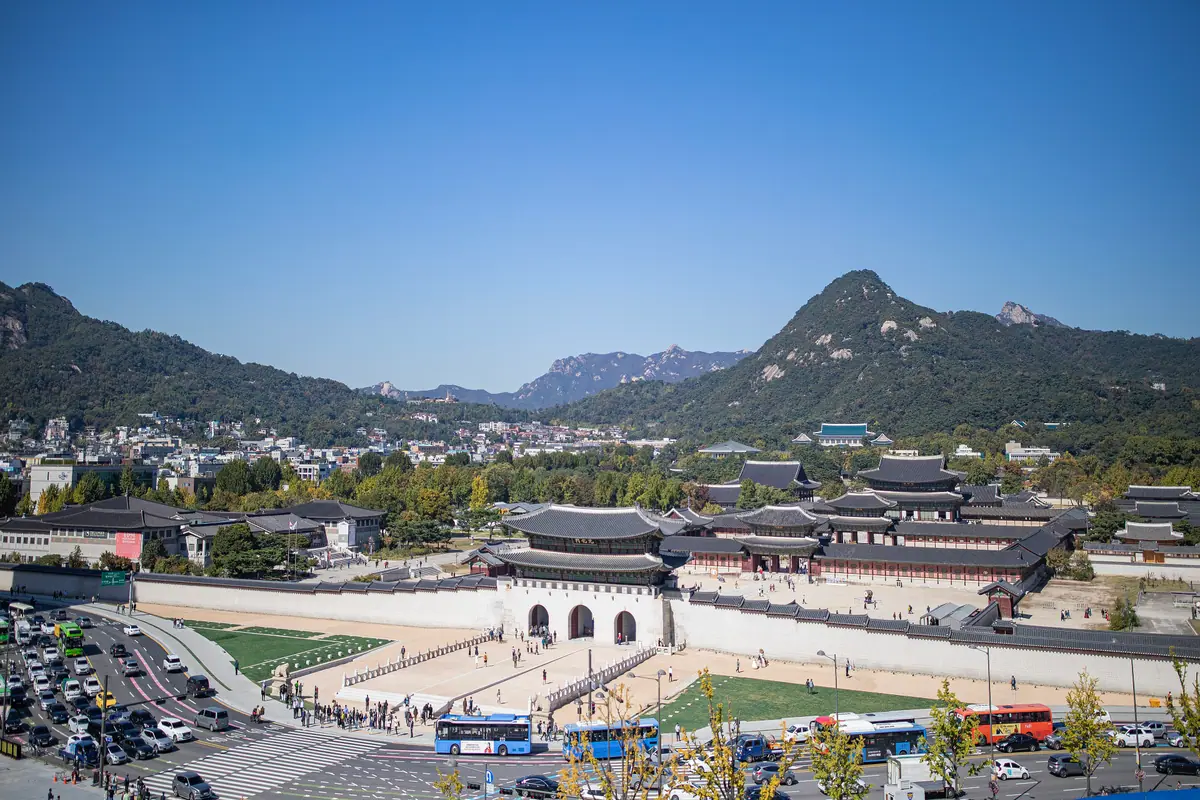
Start at Gyeongbokgung, the grandest of the Joseon dynasty's five palaces and the anchor of any first visit. Founded at the end of the 14th century, it spreads across courtyards, throne halls and lotus ponds, with Mount Bugak framed behind the roofs. Time your arrival for the changing of the royal guard at Gwanghwamun gate, a drum-and-banner spectacle staged twice most days, and allow two to three hours to wander through the throne hall, the pavilion on its island pond and the two museums tucked inside the grounds. The palace closes one day a week, so check before you build a day around it.
Changdeokgung, a short walk east and a UNESCO World Heritage Site, is the more intimate counterpart, its buildings folded into the hillside rather than laid out on a grand axis. Its rear garden, the Huwon, opens only on timed guided walks that sell out quickly in autumn — late October and early November turn it into a corridor of red maples and golden ginkgo. Deoksugung, smaller and stranger, mixes a stone-walled palace with Western-style halls from Korea's late imperial years, and its surrounding stone-wall road is a favourite evening stroll.
One local quirk worth knowing: rent a hanbok, the traditional Korean outfit, and admission to most palaces is free. Rental shops cluster around Anguk and Gyeongbokgung stations, and wearing one makes the whole experience feel less like sightseeing and more like stepping into a period drama.
Hanok Alleys and Traditional Neighbourhoods
Between Gyeongbokgung and Changdeokgung lies Bukchon Hanok Village, a hillside of tiled roofs, curved eaves and lanes so narrow you can touch both walls. It is a living residential district rather than a museum, so keep voices low, respect quiet hours and skip the private doorways. Climb toward the upper lanes for the classic view of rooftops spilling down toward the modern skyline, then drop into Ikseon-dong, a knot of renovated hanok houses now full of tiny cafes, bakeries and craft shops that are best explored without a map.
For a deeper dose of the same atmosphere, leave the capital. Jeonju Hanok Village is the largest cluster in the country, with hundreds of traditional houses, a strong hanbok-rental culture and a city famous for bibimbap. Further southeast, Andong's Hahoe Village — another UNESCO listing — sits in a bend of the Nakdong River with working farms, mask-dance performances and mud-walled lanes that have barely changed in centuries.
Sleeping in one is the real treat. Hanok guesthouses use ondol underfloor heating, so you bed down on a mattress on a warm wooden floor, and many include a simple breakfast of rice porridge and side dishes. Book well ahead for spring and autumn weekends.
Markets, Street Food and the City After Dark
Gwangjang Market in Seoul is the essential food experience: a covered maze of stalls where grandmothers flip mung-bean pancakes, roll mayak gimbap and ladle knife-cut noodles, all under fluorescent light and constant noise. Arrive hungry in the late afternoon and graze. Namdaemun Market, older and broader, is better for browsing everything from ginseng to kitchenware, while Myeongdong's pedestrian streets turn into a grid of hotteok, egg bread and grilled skewers after dark. On the south coast, Busan's Jagalchi fish market lets you pick your seafood downstairs and have it cooked upstairs.
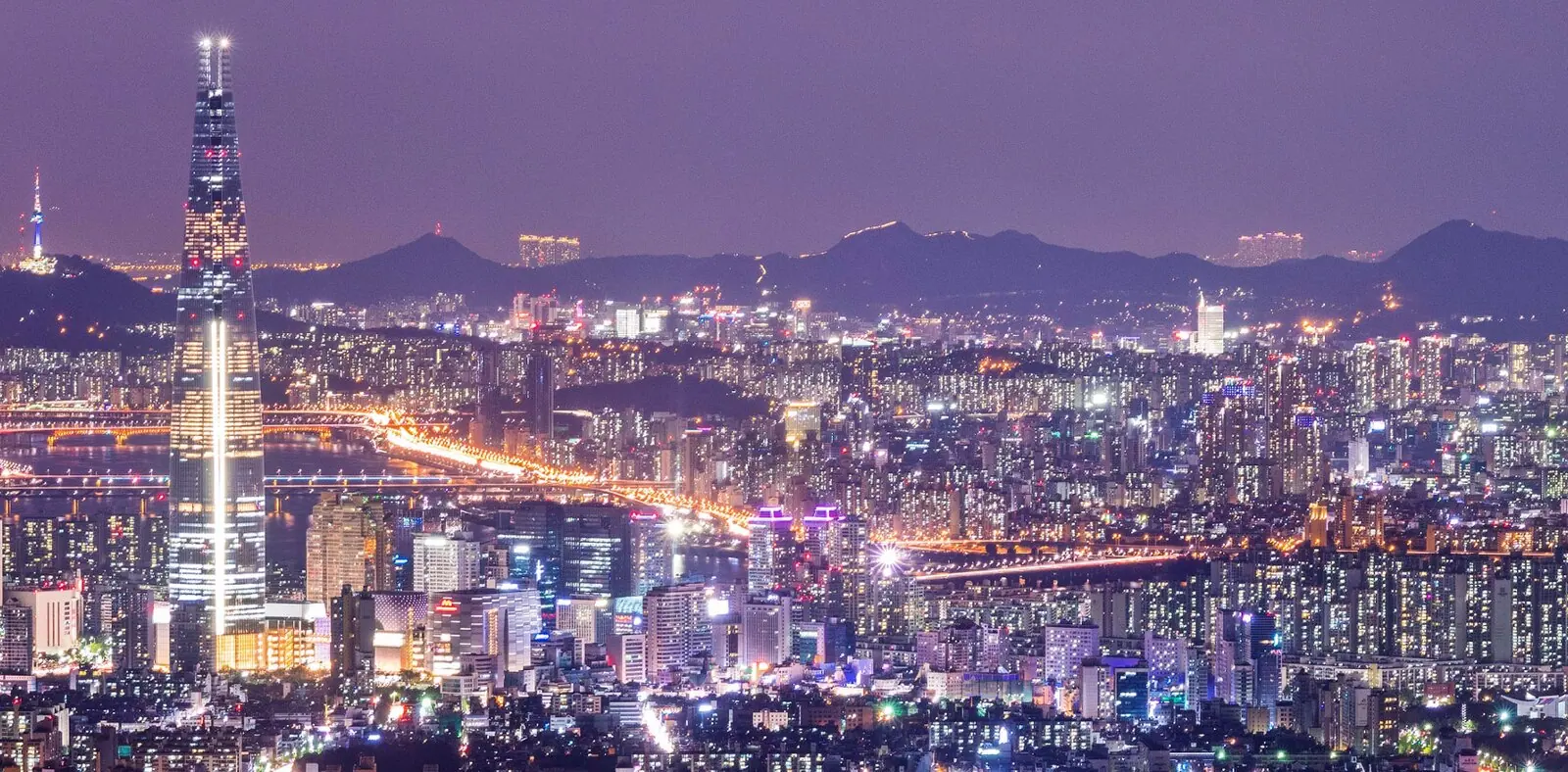
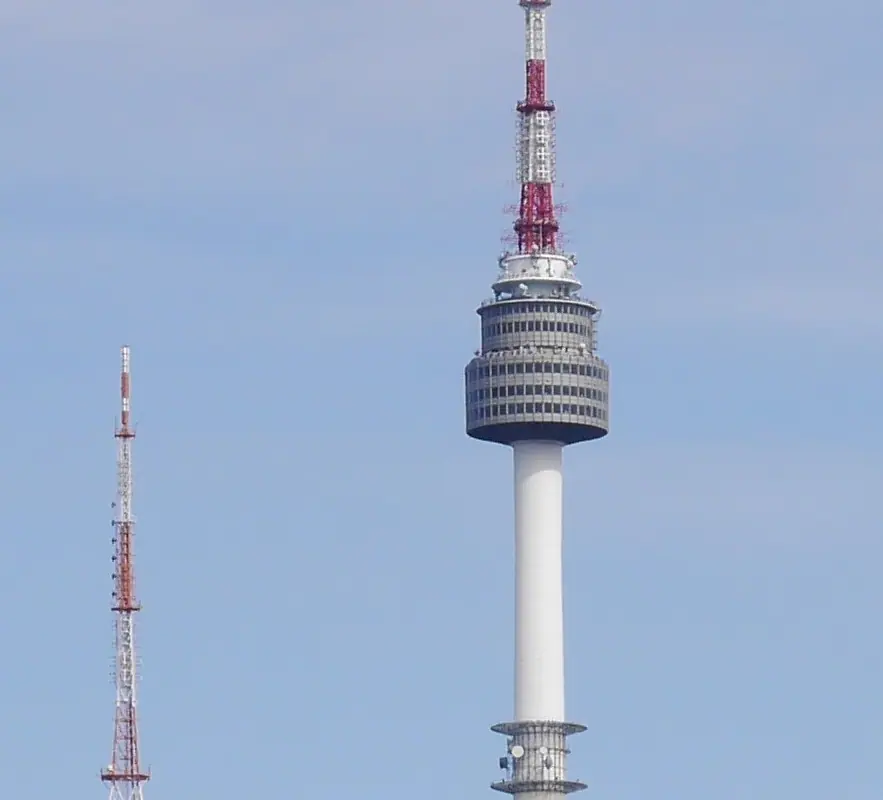
Ride or climb Namsan to N Seoul Tower for the classic panorama — the cable car saves your legs, but the 40-minute walking path through the pine woods is prettier, especially at sunset. Riverside, Banpo Bridge runs its Moonlight Rainbow Fountain from spring through autumn, and the Han River parks fill with picnic mats, rented blankets and fried chicken delivered to the water's edge.
If you want a sobering counterpoint to all this brightness, the Demilitarized Zone is a day trip from Seoul to the border area, taking in an observation point with views into North Korea and a tunnel dug beneath the frontier. Bring your passport, expect tight security and book a few days ahead — this is one of the few places where your itinerary needs a passport check.
Granite Peaks: Hiking the National Parks
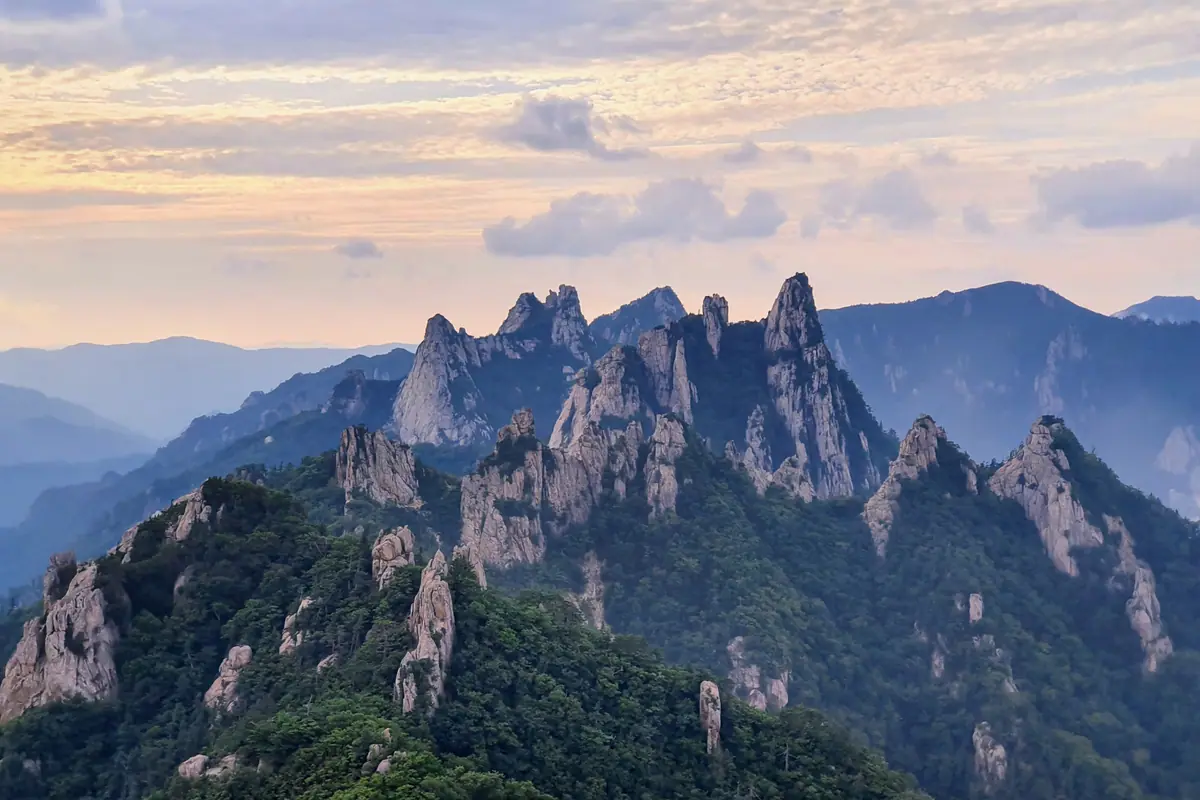
Hiking is not a side activity in South Korea — it is practically a national pastime, and the trails are superbly marked. Seoraksan, in the northeast near Sokcho, is the showpiece: the Ulsanbawi ridge is a four-to-five-hour round trip up a staircase of granite slabs with a spine-tingling final section, and a cable car offers a gentler route to the Gwongeumseong viewpoint. Autumn foliage here peaks around the first half of October, roughly two weeks before Seoul turns.
You do not have to leave the capital for a summit. Bukhansan National Park sits inside Seoul's northern edge, and the climb to Baegundae, its highest point, takes most people four to five hours return through forest and rock. Dobongsan, on the same massif, is shorter and just as scenic. In the south, Jirisan offers multi-day ridge walks between mountain huts, while on Jeju, Hallasan — the country's highest peak at 1,947 metres — can be climbed via the Seongpanak trail in a long but non-technical day.
Practical points: trails in the drier spring weeks sometimes close to protect against fire risk, upper sections of big mountains shut in mid-afternoon for safety, and proper shoes matter more than you think. Start early, carry water, and reward yourself afterwards with a bowl of sanchae bibimbap made from wild mountain greens.
Jeju Island and the Volcanic South
Jeju, an hour's flight from Seoul or a ferry ride from the southwestern ports, is a volcanic island with its own rhythm and dialect. Sunrise at Seongsan Ilchulbong, a tuff cone rising straight from the sea, is the signature experience — a 30-to-40-minute climb to the crater rim to watch the light come up over the ocean. Manjanggul's lava tube is a cool, dark walk underground through one of the world's longest known tunnels of its kind, and the hexagonal basalt columns at Jusangjeolli Cliff show what happens when lava meets surf.
Along the east coast you may spot haenyeo, Jeju's free-diving women, heading out with nets and floats. Rent a car — an international driving permit is required — because buses are slow and the good stuff is spread around the island: black-pork barbecue in Jeju City, tangerine groves in the west, and the island of Udo a short ferry hop away for cycling and clear shallow water.
Back on the mainland, the southern provinces reward a slow day or two: the emerald terraces of the Boseong green tea fields, the vast reed beds of Suncheon Bay at golden hour, and Yeosu's cable car over a harbour scattered with islands. This is the Korea that guidebook highlights often skip, and it is often the most memorable part.
Gyeongju and Busan: Ancient Tombs and a Seaside City
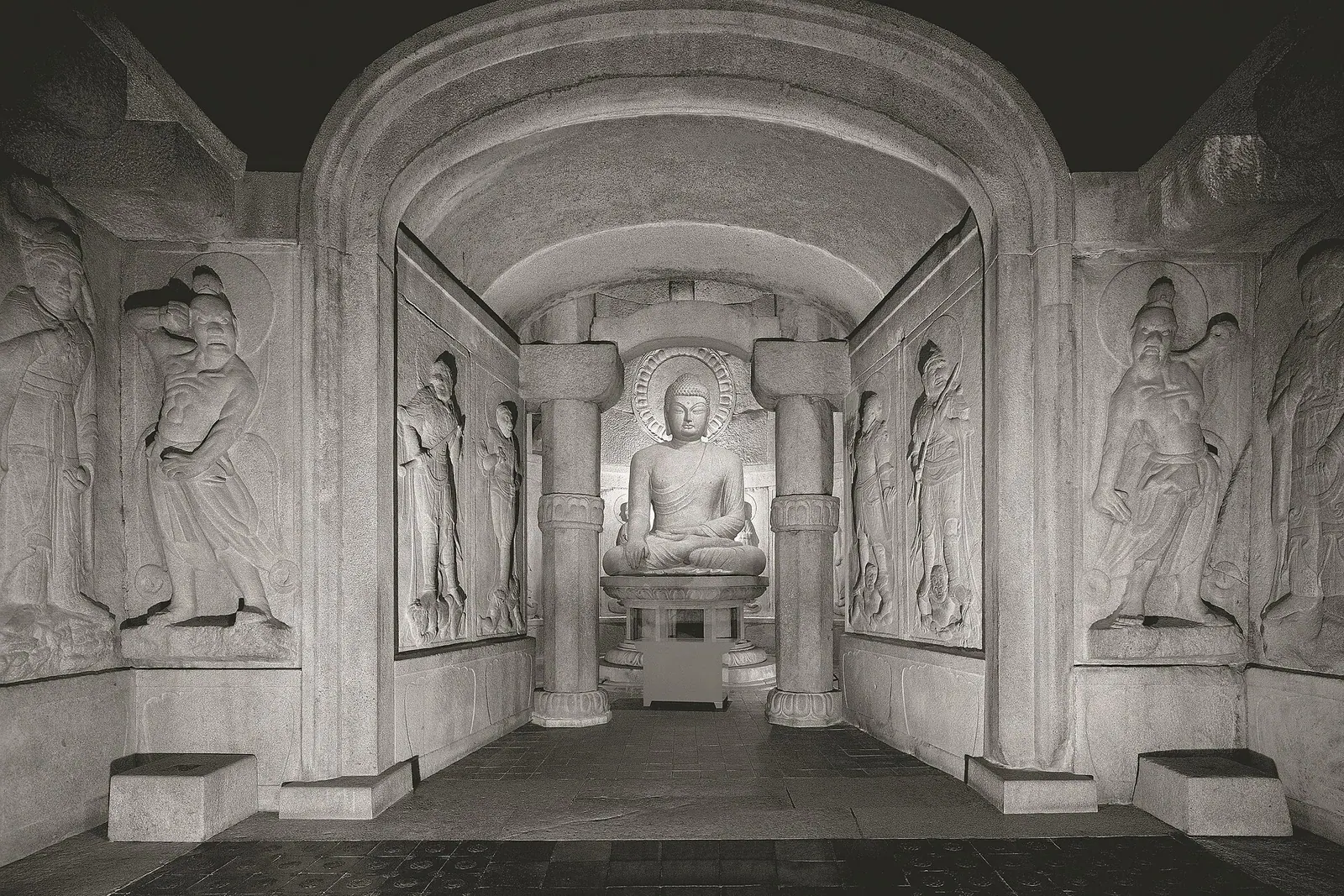
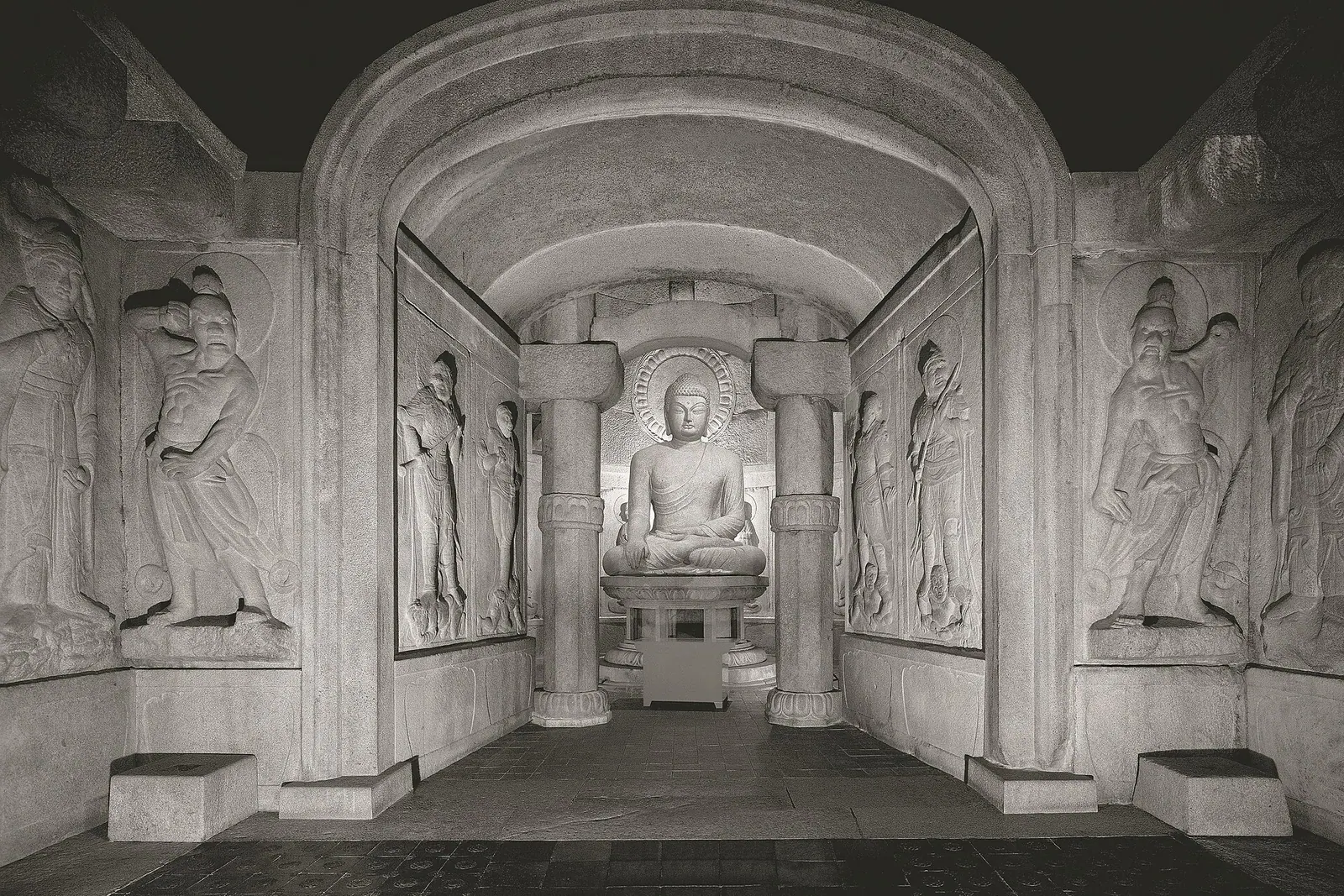
Gyeongju, the capital of the Silla kingdom for nearly a thousand years, is often called a museum without walls. Bulguksa Temple, a UNESCO World Heritage Site, is a masterpiece of stone pagodas and painted eaves set against wooded hills, and the Seokguram Grotto sits a short drive uphill, its granite Buddha gazing out to sea — go early for the light and the quiet. In town, the Daereungwon tomb complex is a park of grassy burial mounds, while Cheomseongdae observatory and the illuminated pavilions of Donggung Palace and Wolji Pond are best seen after dark, reflected in still water.
Busan, 30 minutes away by train, is the country's salty, energetic second city. Haeundae Beach draws summer crowds, but the coast is at its best at Haedong Yonggungsa, a temple built into the rocks with waves crashing below its halls. Gamcheon Culture Village tumbles down a hillside in pastel-coloured houses and small galleries, and Taejongdae's cliff walk and Songdo's curving skywalk give you the sea from above.
Travel between them is easy. High-speed rail links Seoul to Busan in about two and a half hours, making a loop of Seoul, Gyeongju and Busan realistic in a week, with two nights in Busan enough to eat well, see the coast and still catch a sunset from Gwangalli Beach with the bridge lit up behind you.
Frequently asked questions
What is the best time of year to visit South Korea?
Spring and autumn are the sweet spots. Cherry blossoms arrive in early to mid April, with the southern cities blooming first, while autumn colour peaks in the mountains in early October and in Seoul in late October to early November. Summer is hot, humid and rainy from late June into July, with typhoon risk into September. Winter is cold and dry but quiet, cheap and beautiful under snow at the palaces and ski resorts.
How many days do I need for a first trip?
Ten days is a comfortable amount. Give Seoul three or four days for the palaces, Bukchon, the markets and a mountain or border day trip, then add two nights in Busan, one or two in Gyeongju, and three on Jeju if you can. A tighter week works if you stick to Seoul, Gyeongju and Busan, which are all connected by high-speed rail.
Can I get around without speaking Korean?
Yes, for the most part. Subway stations, major sights and long-distance trains have English signage, and younger staff in cities usually manage basic English. Rural buses, small restaurants and taxi drivers are less predictable, so keep addresses saved in Korean script on your phone and use a translation app for menus. Pointing and a polite smile go a long way.
Do I need a car in South Korea?
Not on the mainland — the rail and bus networks are excellent and city subways are fast and cheap. Jeju is the exception: with sights scattered around the coast, a rental car saves hours. You will need an International Driving Permit alongside your licence, and driving is on the right.
Is South Korea expensive to travel in?
It sits in the middle range. Market food, temple stays and hiking are inexpensive, palaces cost little to enter, and public transport is a bargain. Costs climb with city hotels and taxis. A useful trick: renting a hanbok for a few hours usually gets you free admission to the main palaces, and it makes for better photos.
Plan it — experiences in South Korea
Live search, booked directly with trusted providers.
Sort the rest of your trip
Everything for South Korea, in one place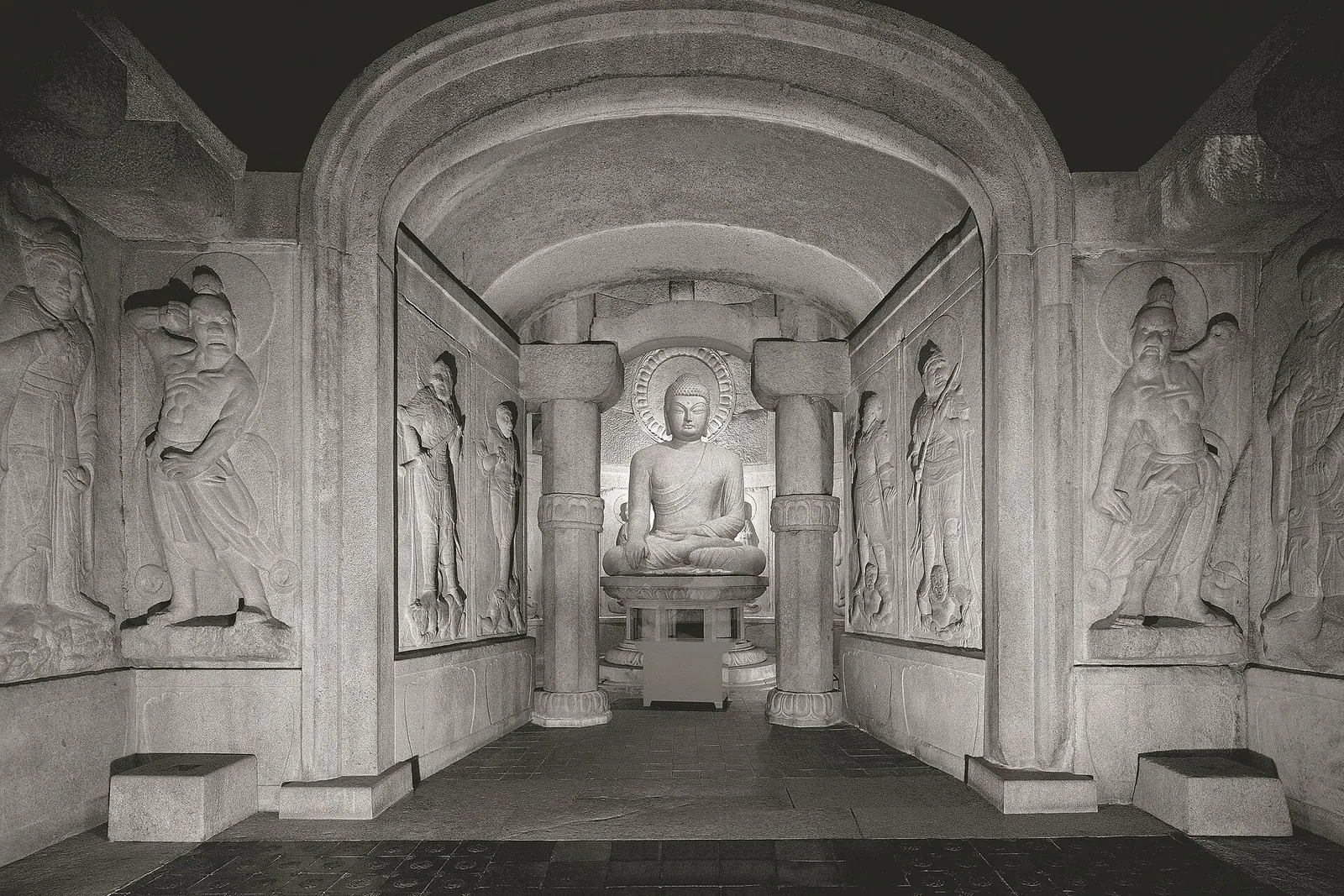
Stay in South Korea
Hotels, guesthouses and apartments — compared in one search.
Search hotels
Transfer in South Korea
Private driver waiting on arrival — no queues, no surprises.
Book a transfer
Stay online in South Korea
Travel eSIM — data the moment you land, no roaming bills.
Get an eSIM