Seoul reinvents itself four times a year, and so does the price of a room. A hotel facing the Han River that feels like a bargain in icy January can triple in cost when the cherry blossoms open along Yeouido. Choosing your season is the single biggest decision you'll make — bigger, even, than choosing your neighborhood.
Spring: Cherry Blossoms, Dusty Skies and the Year's Tightest Availability
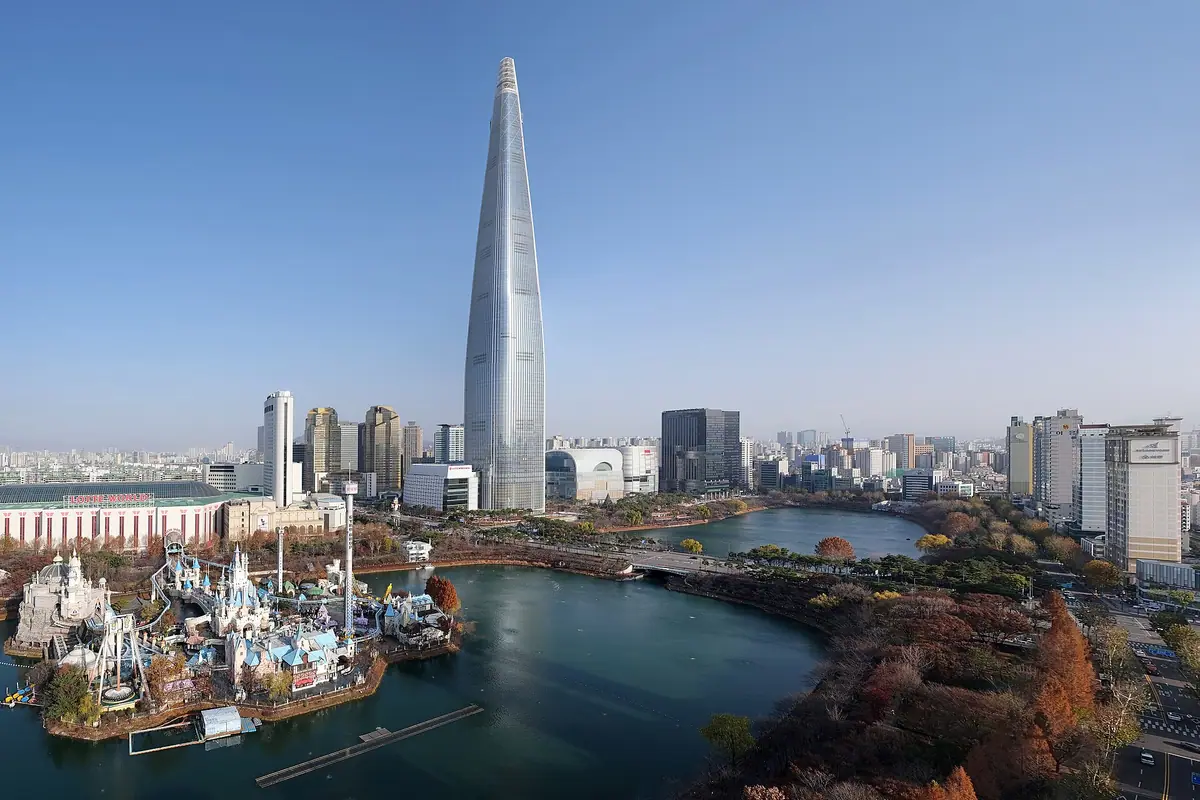
From late March through May, Seoul thaws into its most photogenic mood. Temperatures climb from a brisk 8°C in early spring to a soft 20°C by mid-May, and the city's blossom calendar becomes the main topic of conversation. The heaviest concentration falls in the first half of April, when the trees lining Yeouido's Yunjung-ro erupt into a pale pink tunnel, Seokchon Lake loops a petal-strewn walking path around its island, and the stone courtyards of the royal palaces fill with picnics. Book nothing loose: blossom dates drift by a week or so each year, and the weekends around peak bloom sell out first.
The trade-off is price. April is the most expensive month of the year for a hotel bed in central Seoul, with rates often rising by half or more compared to February, and the best-positioned addresses near Jongno, Myeongdong and the palace district going first. Reserve two to three months out for April dates, and consider staying slightly off the blossom axis — a quiet guesthouse in Seochon or a design hotel near Seoul Station — where you can walk or take one short subway hop into the pink.
One caution locals take seriously: spring can bring yellow dust and fine-particle haze sweeping in from the north, sharpening the light and irritating throats. Pack a few masks, keep an eye on daily air readings, and treat a hazy day as an excuse for a museum, a spa or a long lunch. The upside arrives in May, when the Lotus Lantern Festival sends a glowing procession of paper lanterns through the streets around Jogyesa Temple and the city feels at its most relaxed.
Summer: Monsoon Showers, Steamy Nights and the Softest Room Rates
Seoul's summer runs hot and wet, and it rewards travellers who don't mind damp shirts. The monsoon front usually settles in from late June to late July, delivering bursts of heavy rain that can empty a street in ten minutes and clear just as fast — it's rarely an all-day washout, but two pairs of shoes and a compact umbrella are non-negotiable. August then turns genuinely tropical, with daytime temperatures pushing past 30°C, humidity near saturation and nights that refuse to drop below the mid-twenties.
Hotel behaviour shifts with the weather. Early summer weekdays are among the cheapest of the year, and properties with indoor pools, saunas or rooftop bars fill up with locals on weekend staycations instead of foreign visitors. Always ask whether pool and gym access is included or billed separately — many Seoul hotels treat these as paid add-ons — and note that outdoor pools typically close from October until late spring.
Summer is also when the city eats. On the three hottest days of the calendar, known as the dog days, Seoulites queue for ginseng chicken soup and cold buckwheat noodles, and the Han River parks turn into open-air living rooms after sunset. The illuminated fountain that arcs off Banpo Bridge in the evening is a genuinely lovely free spectacle, and hotels in Yongsan or Ichon put you within a short taxi ride of the riverside action.
Autumn: Crystal Skies, Fiery Foliage and the Locals' Favourite Month
If you only visit Seoul once, aim for autumn. From mid-September the humidity snaps, the skies turn a hard, brilliant blue, and the air becomes crisp enough for a light jacket. Leaves begin to turn in early October, with northern hillsides colouring first and the city centre peaking in the last week of October and the first days of November. Seoul Forest, the Deoksugung stone wall path, the wooded slopes of Namsan and the trails of Bukhansan National Park all become serious competition for a camera.
This is peak demand, second only to blossom season and sometimes ahead of it. Hotel rates in Jongno, Insadong and the palace district climb steeply through late October, and riverside rooms with a view of the Han sell out weeks before the fireworks festival that lights up the river in early October. Reserve two to three months ahead, and if you're chasing the foliage precisely, build in flexibility: an extra two or three days of slack is often the difference between bare branches and a burning red canopy.
Autumn also brings Chuseok, the Korean harvest holiday, whose dates shift each year between mid-September and early October. Domestic travel surges, roads clog, and hotels across the country fill with family reunions — while on the holiday itself many small shops and independent restaurants close. Bigger hotels keep their restaurants running, so plan those days around your own building and a few major sights rather than a neighbourhood food crawl.
Winter: Sub-Zero Days, Heated Floors and the Cheapest Beds of the Year
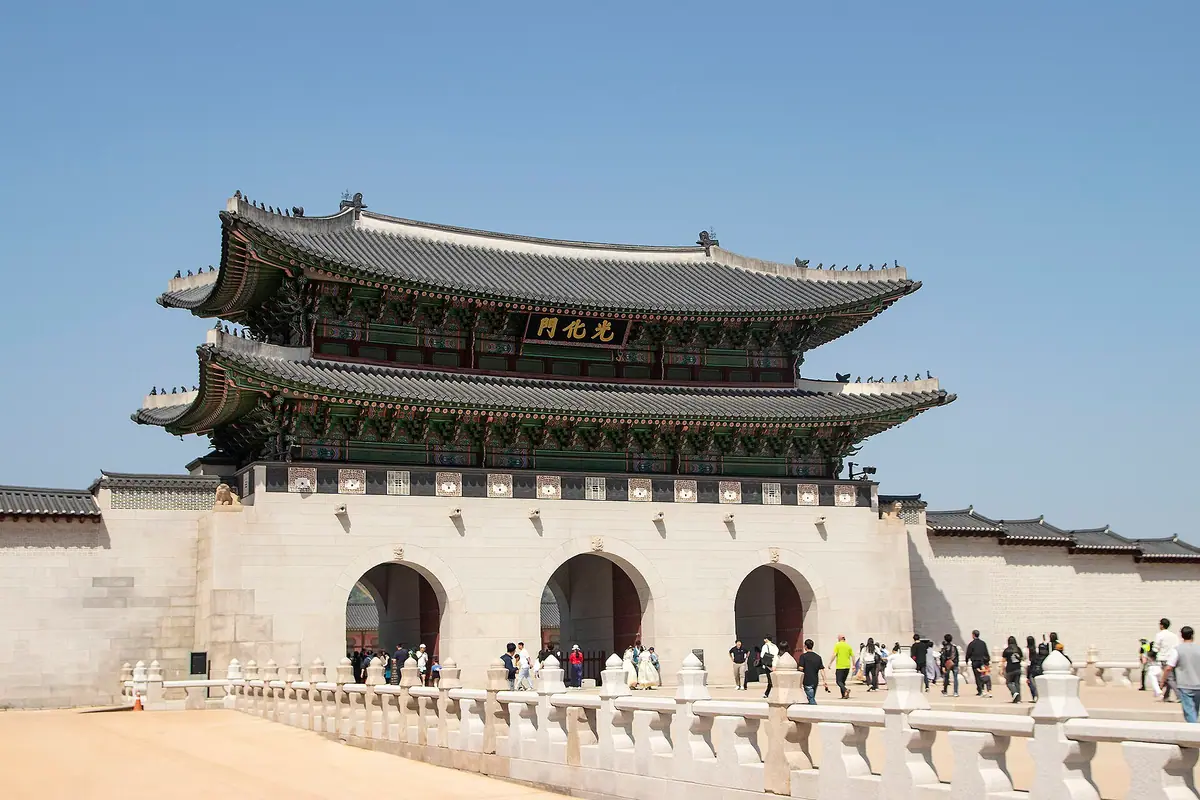
Seoul in winter is dry, bright and brutally cold — daytime highs hover around freezing in January, and a biting wind can push the felt temperature far lower. The compensation is clarity: with the summer haze gone, distant mountains frame the end of every avenue, and snow on the curved roofs of Gyeongbokgung Palace is one of the city's great sights. Days are short, though, with sunset before half past five in December, so plan outdoor wandering for the morning and save palaces for midday light.
Inside your room, the traditional underfloor heating known as ondol is a small miracle: floors are warm enough to walk on barefoot, and some hotels keep rooms warmer than many guests expect. If you run hot, ask how to adjust the thermostat — or simply open a window, as locals do. Hanok guesthouses in Bukchon offer the full ondol experience with paper-and-timber walls, but thin partitions and shared bathrooms mean you're paying for atmosphere, not insulation.
Outside the New Year period and the Lunar New Year holiday in late January or February, winter is comfortably the cheapest season to sleep in Seoul, with midweek January rates at their lowest and business hotels in Gangnam practically giving rooms away. Skiers can base in the city and take day shuttles to the Gangwon Province resorts, roughly one and a half to two and a half hours away, while December brings Christmas illuminations along Cheonggyecheon and a midnight bell-ringing ceremony at the old Bosingak pavilion.
Where to Base Yourself — and How Your District Changes With the Season
Myeongdong and neighbouring Jongno are the default for first-timers: two central subway lines, walking distance to Namsan and the palace quarter, and a dense mix of mid-range business hotels and boutique stays. Bukchon and Seochon trade convenience for atmosphere, with hanok guesthouses that book out earliest in April and late October. Hongdae suits budget travellers and night owls, with easy access to the airport express train, while Yongsan works well for anyone catching high-speed rail onwards, thanks to its enormous transit hub and museum district.
Gangnam behaves differently from the rest of the city. Because it exists largely for commerce, its big hotels empty out and drop their rates on weekends and public holidays, when Myeongdong and the palace district are at their priciest. If you're staying over a Saturday in spring or autumn and don't mind a 20-minute subway ride north, the southern business belt can be genuinely better value. Seongsu, the converted industrial quarter east of the centre, and family-oriented Jamsil near the lake and theme park fill the gap between the two extremes.
A practical note: Seoul hotel rooms are typically smaller than visitors from Europe or North America expect. Check the listed square metres and bed configuration before booking — a 'double' can mean one narrow mattress — and if space matters, look at newer builds in Mapo or Seongsu rather than heritage properties in the old centre.
Booking Timing and the Details That Catch People Out
For April blossom weeks and the last ten days of October, book two to three months ahead and be ready to commit without a free-cancellation cushion — the good rooms go early. Outside those windows, four to six weeks is usually plenty, and winter weekdays can be booked a week out without pain. Note that check-in is commonly 3pm and check-out 11am or noon, with luggage storage almost always available, and that early check-in is often a paid extra rather than a courtesy.
Ask four questions before you confirm: is breakfast included or a buffet surcharge; is the pool, sauna or gym free or fee-based; is the room heated by ondol floor or by air conditioning; and how far is the nearest subway entrance on foot, not as the crow flies? Underground shopping arcades and steep hills mean a 'five-minute walk' in this city can mean five minutes straight uphill with a suitcase.
Finally, remember that hotels and neighbourhoods keep different rhythms. During the Lunar New Year and harvest holidays, many small restaurants and shops shut for several days while hotels stay open and fully staffed — a good moment to lean on your hotel's own dining room. And in monsoon season, prioritise a property connected to a subway station or shopping arcade by tunnel. In Seoul, staying dry is a design feature, not a stroke of luck.
Frequently asked questions
What's the cheapest month to book a hotel in Seoul?
Mid-January through February, excluding the Lunar New Year holiday, is consistently the softest period, with cold weather pushing rates to their annual low. Weekdays in late June and the first half of July, before the monsoon peak and summer holidays, also offer good value in central districts. In Gangnam, weekend and holiday rates often undercut weekdays year-round because business travel thins out.
How far in advance should I book for cherry blossom season?
Aim for two to three months ahead, which means reserving April dates by late January or early February. Blossom timing shifts by about a week from year to year, so book a flexible window of five to seven days rather than betting everything on a single weekend. Hotels near Yeouido, Seokchon Lake and the palace district are the first to sell out.
Does the summer monsoon ruin a trip to Seoul?
Not usually. The rainy front brings intense bursts rather than constant drizzle, often clearing within an hour. Pack quick-drying layers, a compact umbrella and a spare pair of shoes, and build indoor backups into each day — the city's palaces have covered corridors, and its cafés, museums and spa complexes are excellent places to wait out a downpour.
Which Seoul neighbourhood is best for a first visit?
Myeongdong or Jongno, for the combination of central subway lines, walkable access to Namsan and the royal palaces, and a wide spread of mid-range hotels. Choose Bukchon for hanok character, Hongdae for budget and nightlife, Yongsan for onward rail connections, and Gangnam for weekend value and larger rooms.
Do Seoul hotels charge extra for pools, gyms and saunas?
Frequently, yes. Fitness centres, saunas and swimming pools are often billed separately or included only in certain room categories, and outdoor pools are seasonal, typically closing from October until late spring. Confirm inclusions at the time of booking rather than assuming, and ask specifically whether pool access is per stay or per day.
Sort the rest of your trip
Everything for Seoul, in one place
Transfer in Seoul
Private driver waiting on arrival — no queues, no surprises.
Book a transfer
Things to do in Seoul
Skip-the-line tickets, guided tours and standout experiences.
See experiences
Stay online in South Korea
Travel eSIM — data the moment you land, no roaming bills.
Get an eSIM