South Korea changes character so completely between seasons that the right month matters as much as the right neighbourhood. Book for early April and you get cherry blossoms outside Gyeongbokgung Palace plus peak prices; wait until late October and the same cities turn gold, cool and far easier to reserve. Here is how the year actually unfolds, and what it means for where you sleep.
Spring: Cherry Blossoms, Mild Air and the Year's Busiest Hotel Calendar
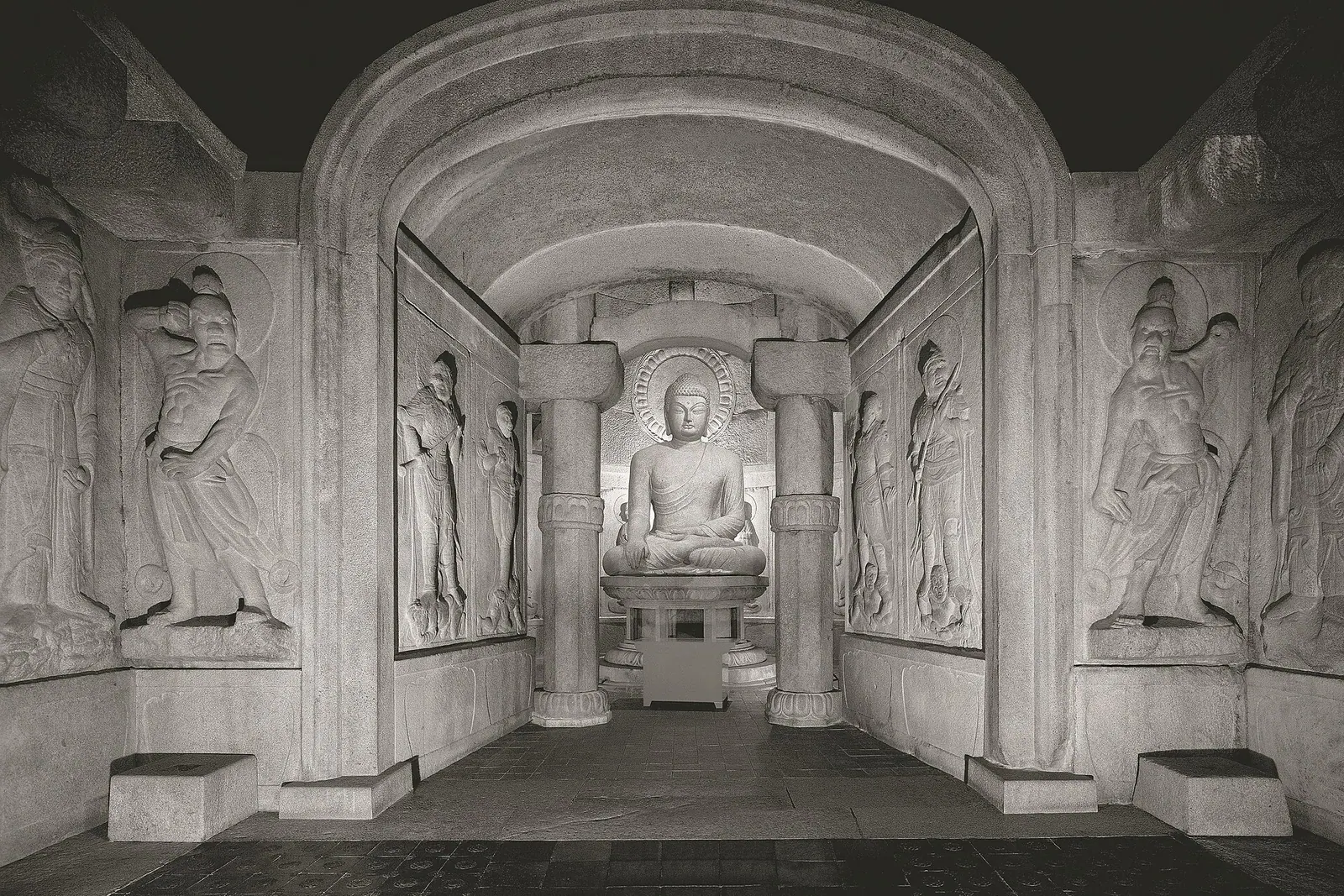
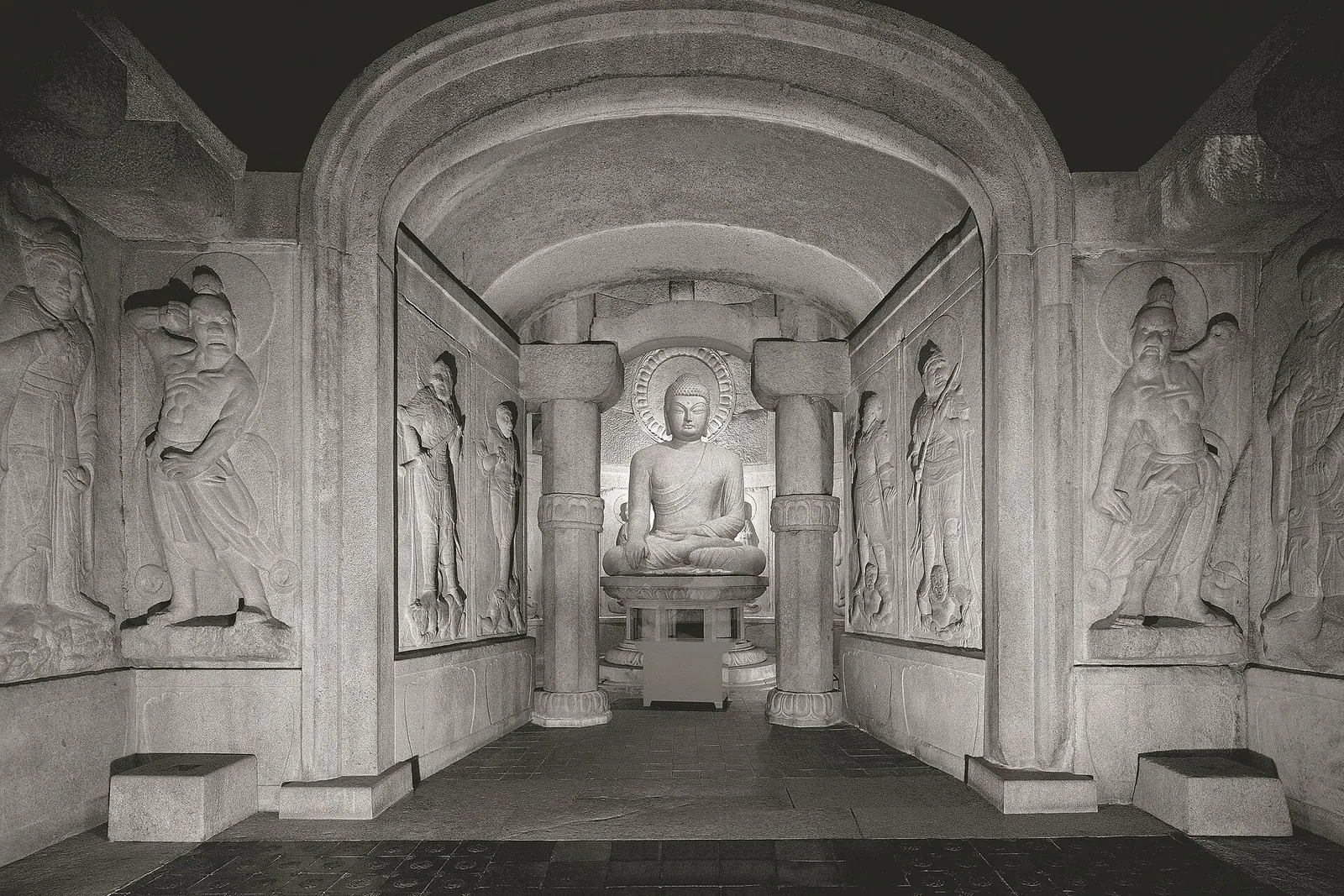
Spring arrives in a wave that moves north through the country. Jeju and Busan usually bloom in the last days of March, while Seoul, Gyeongju and the mountains hit peak blossom in the first two weeks of April — a window so short that hotel demand compresses into roughly ten days. Daytime temperatures sit comfortably between 12°C and 20°C, the air is dry and clear, and the whole peninsula seems to be outdoors. This is the season for Gyeongbokgung Palace and its royal guard-changing ceremony, the stone lanes and tiled roofs of Bukchon Hanok Village, the riverside blossom tunnel on Yeouido, and the ancient tombs and temple paths around Gyeongju, where Bulguksa Temple and the Seokguram Grotto sit above hillsides of flowering trees.
Because the blossom window is fixed and short, this is the single most competitive time to book accommodation anywhere in the country. Rooms in central Seoul districts such as Myeongdong, Jongno and Insadong commonly sell out two to three months ahead, and weekend nights go first. Traditional hanok guesthouses — the courtyard houses in Bukchon and in Jeonju Hanok Village — are the first to disappear, since there are only a handful of rooms in each. If your dates are locked to the blossoms, reserve early, accept a smaller room, and consider staying one stop further out on the subway, where availability is better and evenings are quieter.
Practical notes for spring: pack layers, because mornings can still bite while afternoons feel like early summer, and expect yellow dust and pollen on some days. Many palaces offer free entry to visitors wearing rented hanbok, which is why you will see crowds in traditional dress at Gyeongbokgung and Changdeokgung — the latter also runs timed tours of its Secret Garden, worth booking in advance.
Autumn: Crisp Skies, Golden Foliage and the Smartest Booking Window
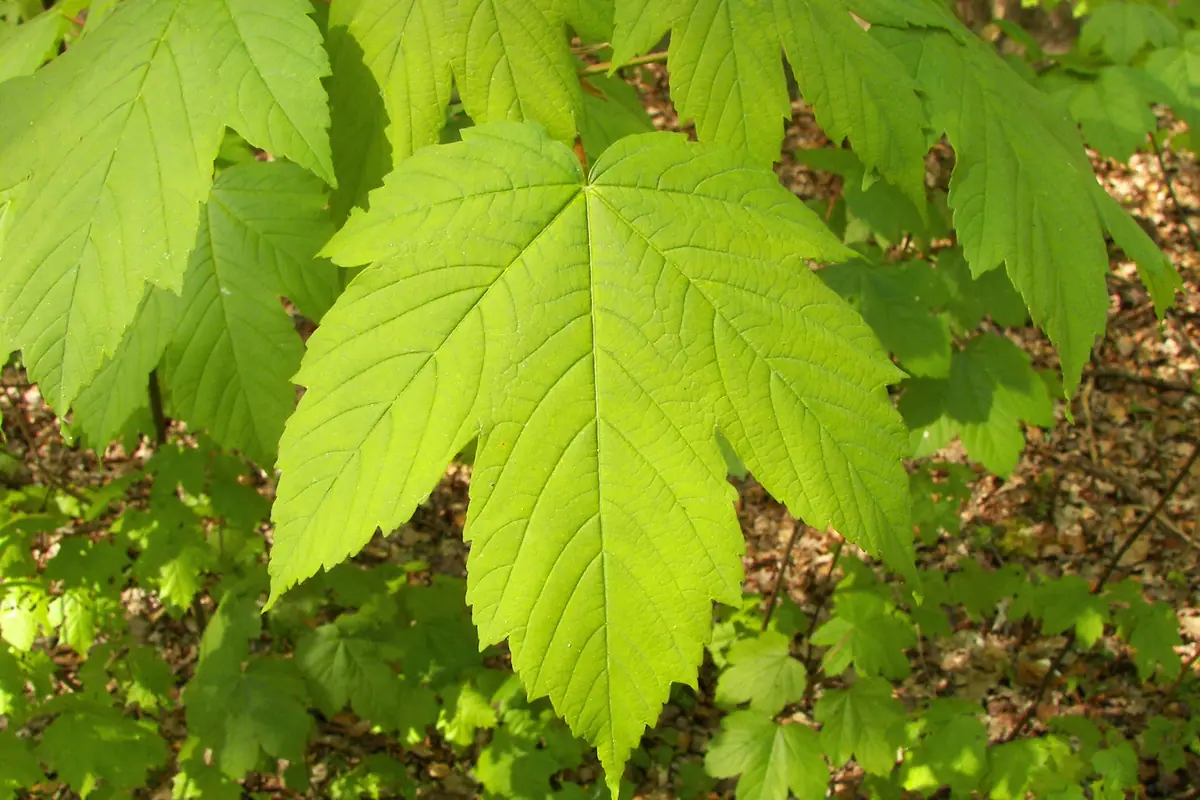
Ask residents which season shows their country at its best and most will say autumn. The heat breaks in September, skies turn deep blue, and the foliage rolls south in a predictable sequence: Seoraksan National Park peaks around mid-October, the palaces and slopes of Namsan in Seoul follow in the last week of October, and Naejangsan and Jirisan glow into early November. Temperatures hover between 10°C and 20°C, rain is rare, and hiking trails — from Bukhansan on Seoul's doorstep to the ridges above Seoraksan — are at their finest. It is also the season for Andong's Hahoe Village, the fortress walls of Suwon, and Gyeongju's royal tombs framed by red maples.
Hotel demand is high but less frantic than in spring, with one large exception: the lunar harvest holiday, which falls between mid-September and early October. For roughly three days, the entire country travels to family homes, and intercity trains, coastal pensions and city hotels fill almost instantly. Outside that window, autumn is the most forgiving peak season — you can often still find good rooms three to six weeks ahead, especially on weekdays.
If your plans are flexible, late October is the sweet spot: foliage close to its peak in the capital, mild weather for day trips to Nami Island or the Garden of Morning Calm, and enough hotel choice that you can trade location against comfort. Book a room with a window that opens if you plan to hike; autumn nights cool down fast and many buildings switch off central cooling by then.
Summer: Monsoon Rain, Beach Towns and Steamy City Nights
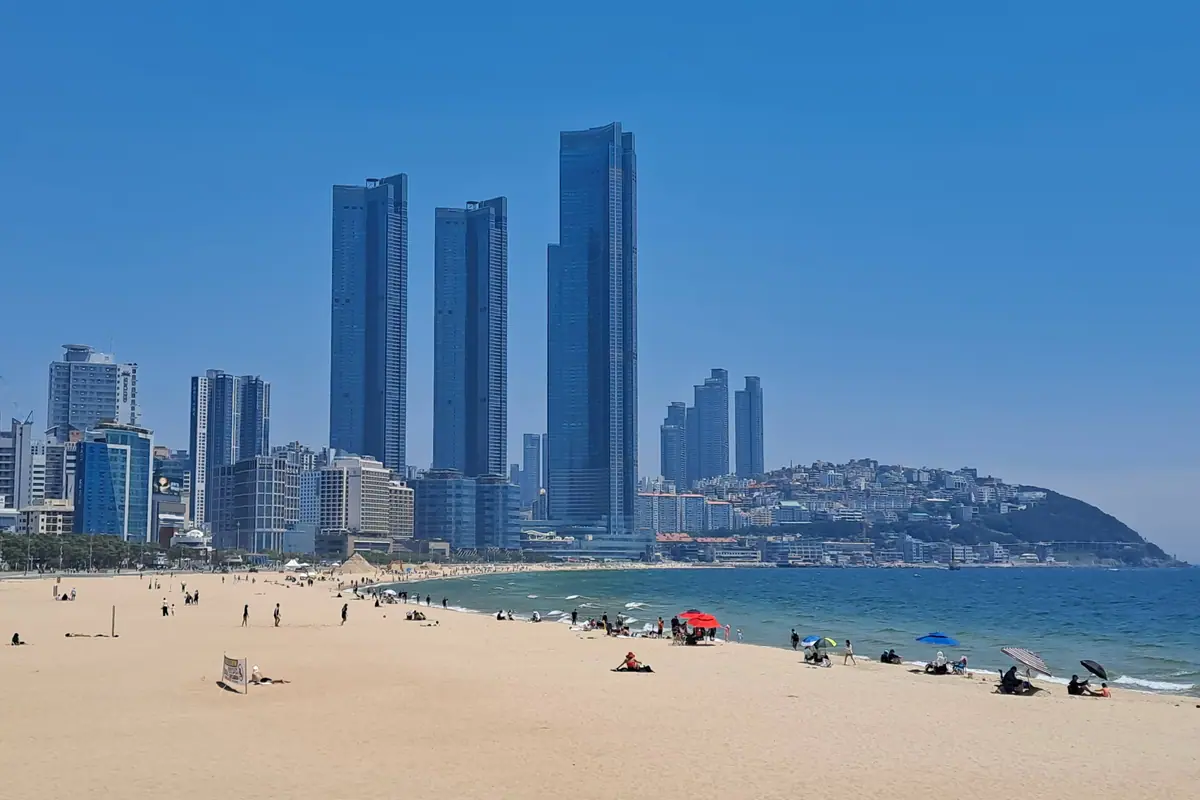
Summer in South Korea is genuinely hot and humid, with a distinct rainy front that usually parks itself over the peninsula from late June to mid-July. July and August push past 30°C with heavy humidity, and August is the peak of domestic holiday travel. Tropical storms can brush the southern coast and Jeju between August and September. The compensation is the coast: Haeundae and Gwangalli beaches in Busan, the sands and waterfalls of Jeju, the surf town of Yangyang, and the seafood markets of Sokcho and Gangneung on the east coast.
For hotel bookings, summer splits into two very different markets. City hotels in Seoul, Daegu and Daejeon often drop to their lowest rates of the year in early July, when business travel thins and everyone heads for the water. Beach hotels and pensions do the opposite: prices in Haeundae or along Jeju's coast jump sharply from late July through mid-August, and family rooms sell out weeks ahead. If you are travelling then, reserve coastal accommodation first and build the rest of the trip around it.
Rain does not have to ruin a summer trip. Plan indoor anchors: the museums and design halls around Dongdaemun Design Plaza, the covered aisles of Gwangjang Market, the aquarium and department stores of Busan's Centum City, or a long soak in a jjimjilbang. Air conditioning is universal in Korean hotels and guesthouses, but check that your room has individual controls if you are sensitive to cold.
Winter: Ski Slopes, Ondol Floors and Deeply Discounted City Rooms
Winter is dry, bright and cold. Seoul typically ranges from about -7°C to 3°C between December and February, and the east coast of Gangwon Province gets the heaviest snow, which is why the country's ski resorts cluster there. Slopes around Pyeongchang and Jeongseon open from early December and run into early March, with January and February offering the most reliable conditions. Distances are short: you can ski in the morning and be back in a Seoul hotel by evening.
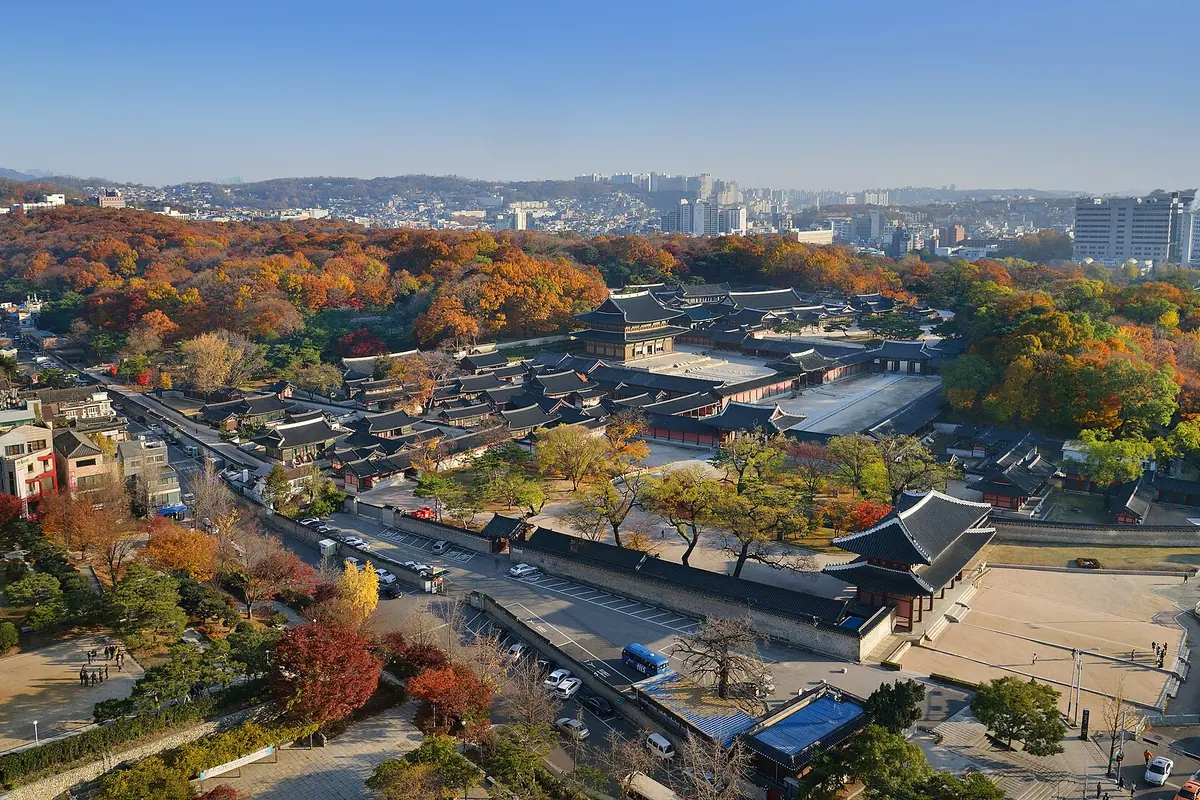
This is the cheapest season for city accommodation outside holiday periods, and the most atmospheric for certain sights. Snow on the tiled roofs of Gyeongbokgung and Changdeokgung is a photographer's dream, Nami Island's tree-lined avenues look their best under a dusting of white, and the ice-fishing festivals of the northern interior draw crowds in January. Hotel rates in Seoul, Gyeongju and Jeonju fall noticeably in mid-January and February, with the exception of the lunar New Year, when domestic travel spikes.
Winter is also the season to lean into Korean comfort culture. Many rooms are heated by ondol underfloor systems, so the floor is warm even when the air is not; guesthouses often supply thick quilts instead of heavy duvets. Ski resort condominiums and pensions require booking months ahead for the New Year period and for the Chinese New Year holidays, while city business hotels may be reserved a week or two in advance with no trouble at all.
The Local Holiday Calendar: When Hotels Fill Up Fast
Two lunar holidays dominate the Korean travel year: the New Year, which lands in late January or February, and the harvest festival of Chuseok, in mid-September or early October. Both trigger a mass movement of families between cities, and both can empty hotel inventories and high-speed rail seats weeks in advance. Many shops, restaurants and small museums close for the holiday itself, so plan around markets, larger hotels and palace grounds, which generally stay open.
Beyond the lunar calendar, watch for the first week of August, when the whole country seems to head for the nearest beach; the early May long weekend around Children's Day; and late December, when year-end parties fill Seoul's hotel bars and restaurants. Weekends matter too: Friday and Saturday nights in Seoul, Busan and Jeju carry a premium, and concert or festival weekends can clear entire neighbourhoods of rooms.
The practical rule is simple: book two to three months ahead for cherry blossom season, Chuseok and the beach peak; four to six weeks ahead for autumn foliage and ski weekends; and as little as a week ahead for winter city stays outside the holidays. Weekday nights are almost always cheaper and quieter, and Sunday check-ins often unlock the best rates of the week.
Where to Base Yourself, and What Kind of Room to Book
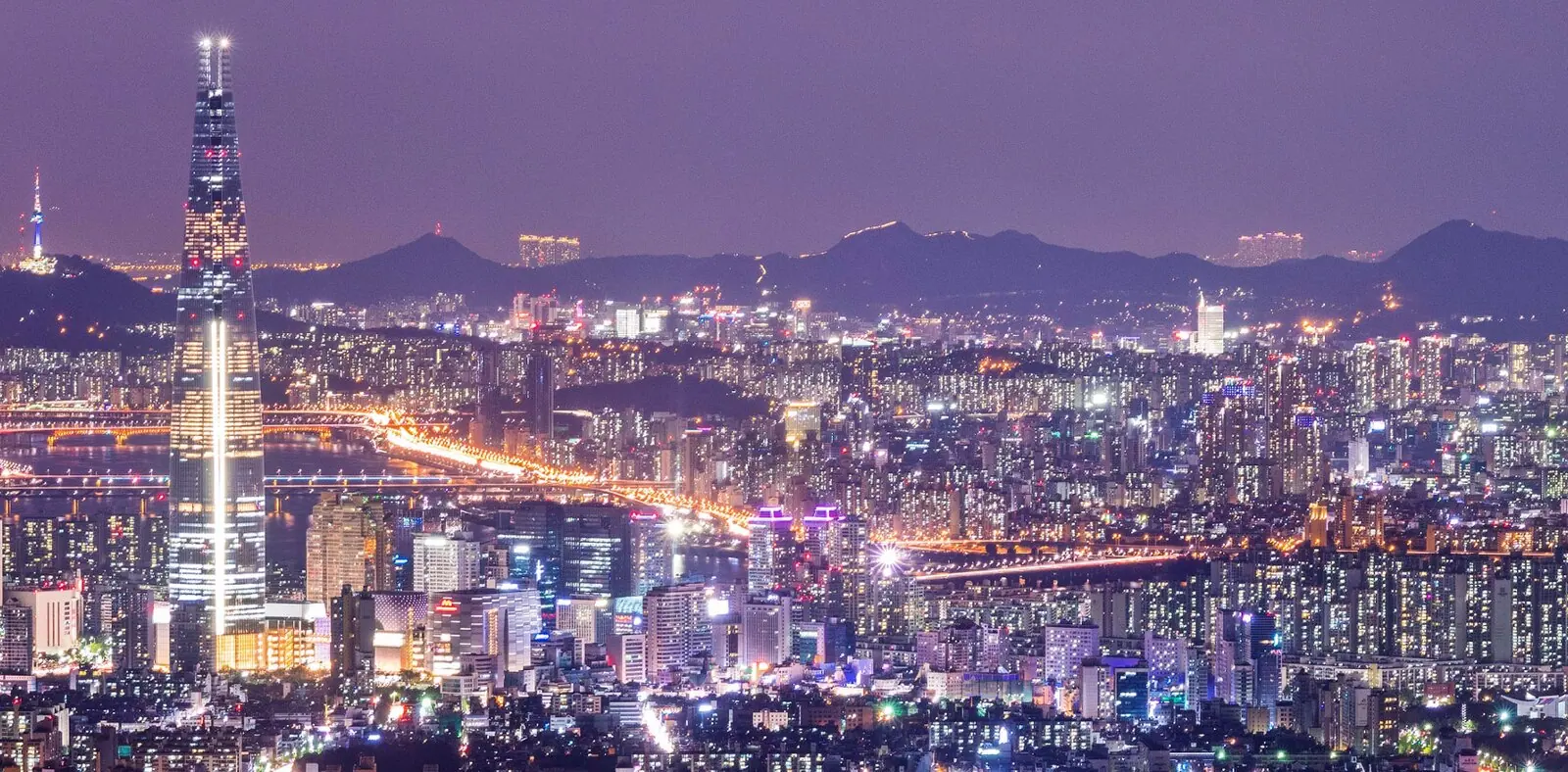
In Seoul, Myeongdong puts you in the middle of shopping and subway lines, Jongno and Insadong sit closest to the palaces and Bukchon Hanok Village, Gangnam suits business travellers, and Hongdae is the pick for nightlife and a younger crowd. In Busan, Haeundae is for beach mornings and Seomyeon for transport links and late-night food, with Gamcheon Culture Village a short ride away. Jeju rewards a rental car: base yourself in Jeju City for the north, Seogwipo for the south, and near Seongsan Ilchulbong if you want to catch the sunrise from the crater rim. For history, Gyeongju's hotels cluster between the Daereungwon tomb complex and Bulguksa Temple.
Accommodation styles vary more than most visitors expect. Luxury and business hotels offer reliable service, breakfast buffets and English-speaking front desks; hanok guesthouses trade privacy for courtyards and paper-screen doors; pensions and resort condominiums suit families and skiers; and temple stays allow an overnight in a working monastery, usually with early morning chanting. Budget motels are plentiful and often surprisingly well equipped, though standards vary widely from street to street.
Whatever you choose, confirm the basics before you commit: check-in is often 3pm and check-out 11am, some smaller guesthouses lock their doors at night, and not every property has a lift or a lift that reaches every floor. Finally, decide your trip's single priority before you book. Cherry blossoms point to early April in Seoul and Gyeongju; foliage to late October; beaches to July and August; skiing to January and February; and the cheapest, calmest city stays to mid-winter and late November, when the crowds are gone and the country is quietly itself.
Frequently asked questions
What is the cheapest time to book a hotel in South Korea?
Mid-January to February (outside the lunar New Year holiday) and late November are the quietest, cheapest periods for city hotels in Seoul, Gyeongju and Jeonju. Early July, during the rainy season, is also surprisingly good value in cities, since domestic travellers have moved to the coast.
How far in advance should I book for cherry blossom season?
Two to three months ahead is realistic, and earlier for hanok guesthouses or rooms in Myeongdong and Jongno. The bloom itself lasts roughly a week to ten days in any one city, so demand is compressed into a very narrow window and weekend nights sell out first.
Is summer a bad time to visit because of the rain?
Not necessarily. The rainy front usually sits over the country from late June to mid-July and rarely rains all day. August is hot, humid and busy at the beaches, so pair coastal stays with indoor options such as Gwangjang Market in Seoul or the museum district around Dongdaemun Design Plaza.
When do the ski resorts open, and where should I stay?
Most slopes in Gangwon Province, around Pyeongchang and Jeongseon, open in early December and close in early March, with January and February the most dependable. On-site condominiums and nearby pensions sell out months ahead for the New Year period, so book those before flights.
Should I avoid travelling during Seollal or Chuseok?
You do not have to avoid them, but you must book early. Both lunar holidays send millions of people between cities, filling hotels and high-speed trains, and many small restaurants and shops close for the holiday itself. Larger hotels, markets and palace grounds generally remain open.
Plan it — hotels in South Korea
Live search, booked directly with trusted providers.
Sort the rest of your trip
Everything for South Korea, in one place
Transfer in South Korea
Private driver waiting on arrival — no queues, no surprises.
Book a transfer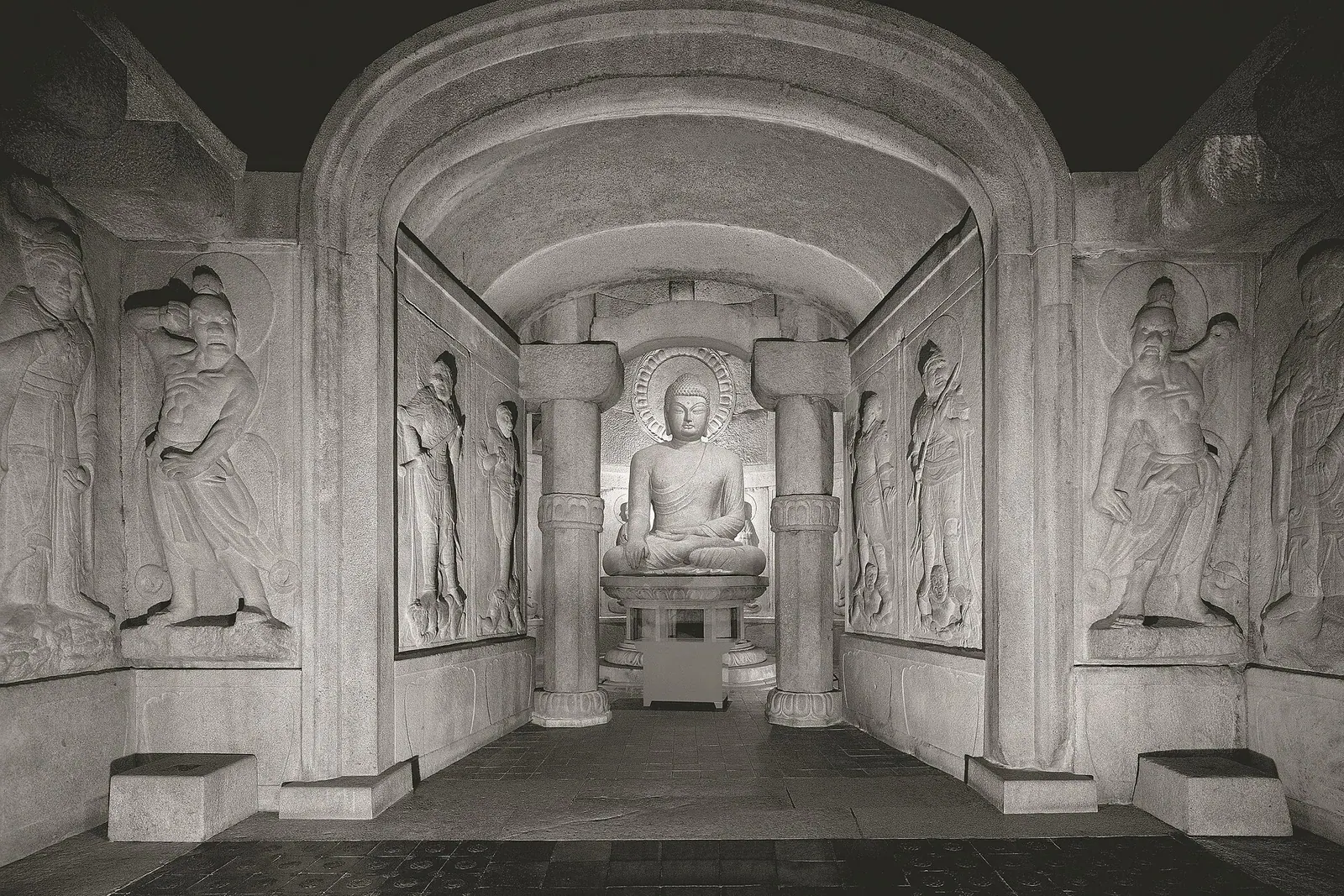
Things to do in South Korea
Skip-the-line tickets, guided tours and standout experiences.
See experiences
Stay online in South Korea
Travel eSIM — data the moment you land, no roaming bills.
Get an eSIM