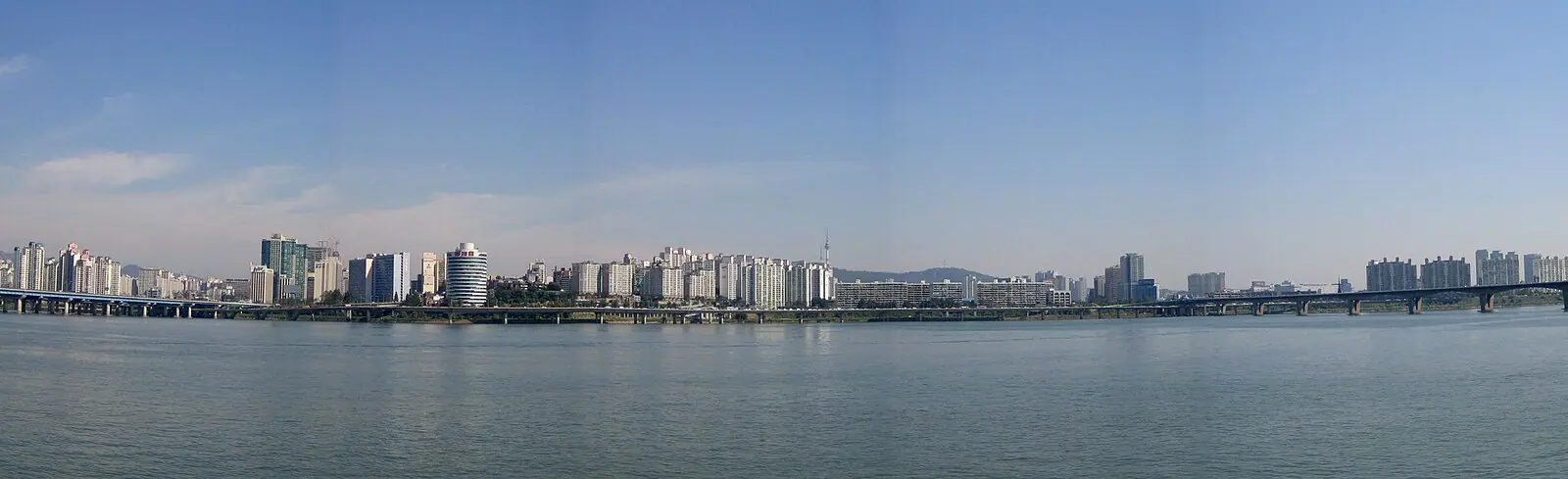
South Korea packs a 5,000-year-old capital, a volcanic island, a port city of neon and surf, and palace towns of grass-covered tombs into a country you can cross by train in an afternoon. Where you sleep changes what you see — so choose your base with the sights in mind, not just the star rating.
Seoul: Picking the Right Neighborhood for a First Korean Hotel Stay
Seoul is where almost every trip starts, and its neighborhoods feel like different cities stitched together by one of the world's best subway systems. Myeongdong suits first-timers: mid-range and business hotels sit shoulder to shoulder with street-food stalls, and Namsan Seoul Tower is a short walk or cable-car ride uphill. Insadong and the streets around Anguk Station are quieter, with hanok guesthouses, tea houses and galleries, and the palaces on your doorstep.
South of the river, Gangnam trades old stone for glass: wide boulevards, big chain hotels with gyms and pools, and Bongeunsa Temple rising unexpectedly among the towers. Hongdae, wrapped around Hongik University, is the budget and nightlife pick — hostels, small guesthouses, live-music bars and a crowd that never seems to sleep.
Two practical notes shape the choice. Korean hotel rooms are compact by Western standards, so check the square meterage if you're travelling with a family. Also look at the nearest subway line: Line 2 loops through the center and Line 3 links the palace district with Gangnam, which means a cheaper hotel one stop off the tourist core can still put you 15 minutes from everything.
Palaces, Hanok Alleys and Rooftop Views: Seoul's Unmissable Sights
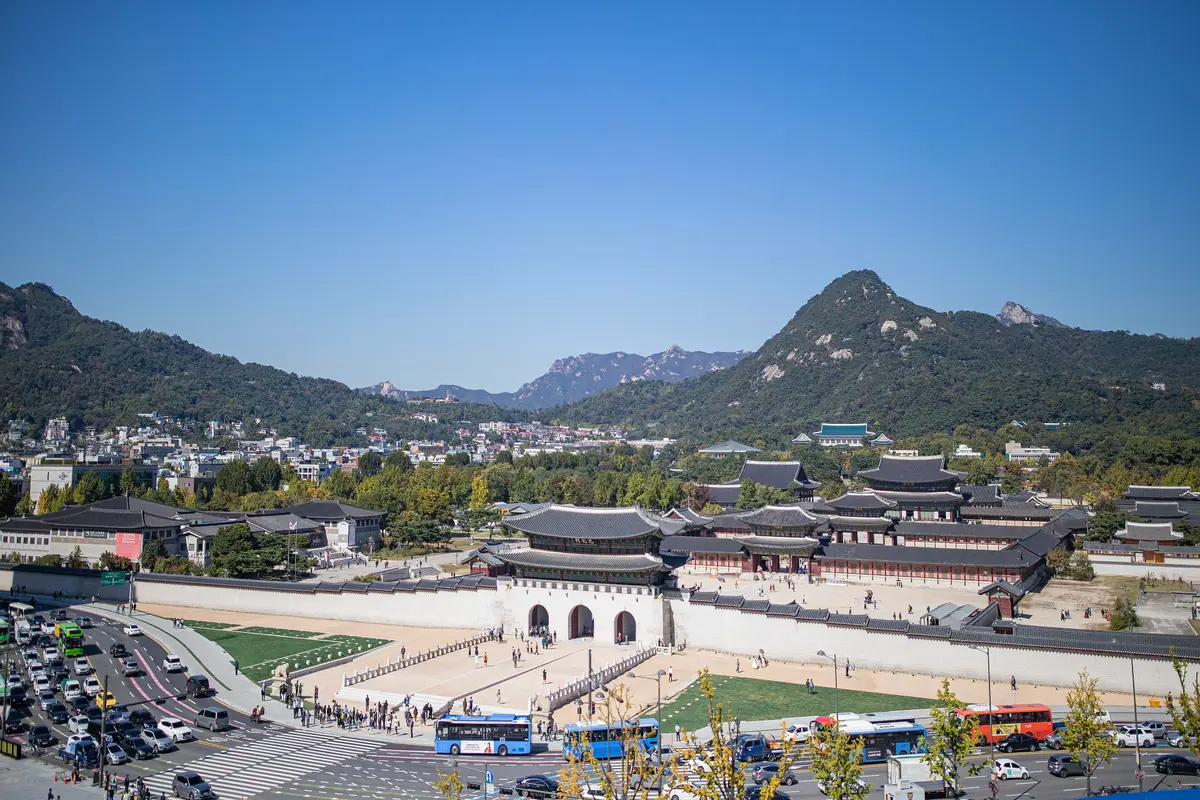
Gyeongbokgung Palace is the grandest of the city's five royal palaces, founded at the end of the 14th century and fronted by a ceremonial gate where the royal guard changes costume several times a day. Entry is free if you wear a rented hanbok, and the grounds hold the National Palace Museum and the National Folk Museum. It closes one day a week, so check before you build a morning around it.
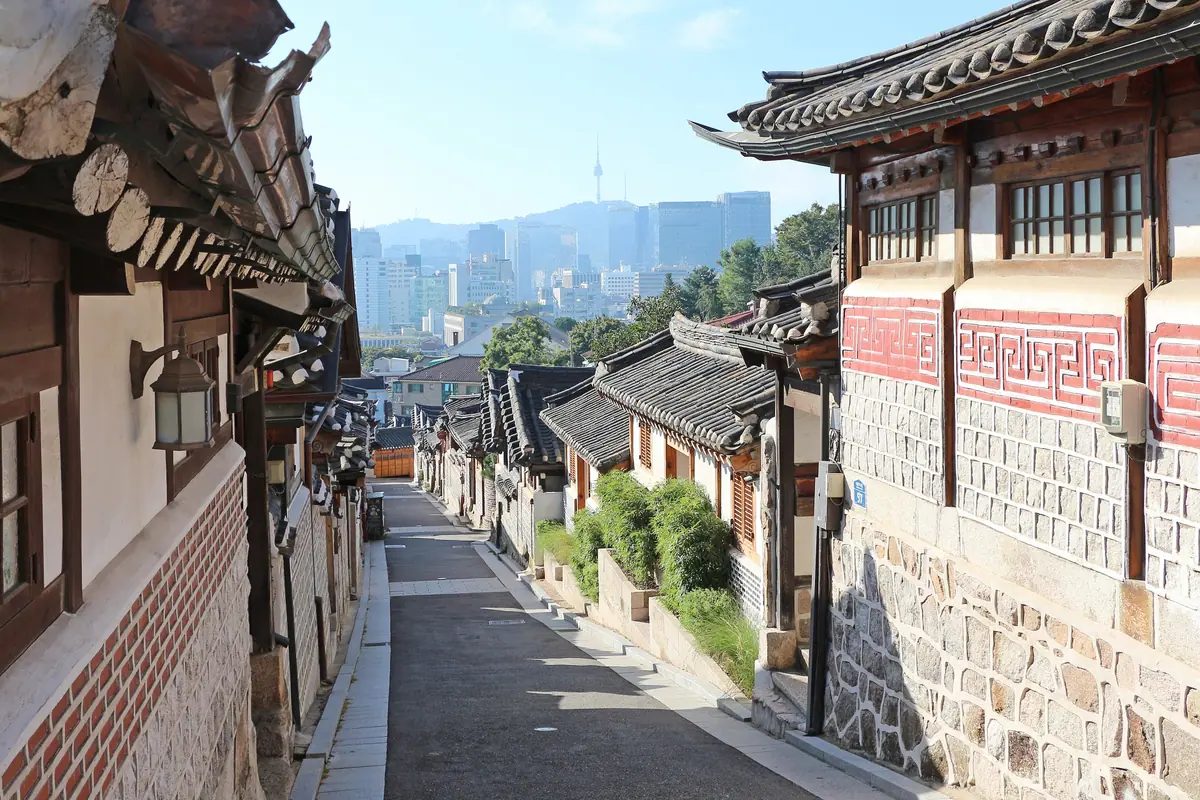
A short walk east, Changdeokgung Palace and its Huwon — the Secret Garden — earned UNESCO listing for the way the buildings fold into the hillside. Access to the garden is by timed guided tour only and slots vanish fast, especially during the October leaf season. Between the two palaces lies Bukchon Hanok Village, a grid of tiled roofs and narrow lanes that is still a lived-in neighborhood, so keep voices low and avoid the early-morning photography rush.
Finish a day with the Namsan cable car up to Namsan Seoul Tower for the skyline at dusk, then walk the Cheonggyecheon Stream, an artificial waterway sunk below street level and lit at night. For food, Gwangjang Market serves the classics — mayak gimbap, mung-bean pancakes, hand-cut noodles — while the silver curves of the Dongdaemun Design Plaza glow after dark. Allow two to three hours per palace and ninety minutes for the Secret Garden tour.
Busan: Beachfront Hotels, Market Districts and a Temple on the Rocks
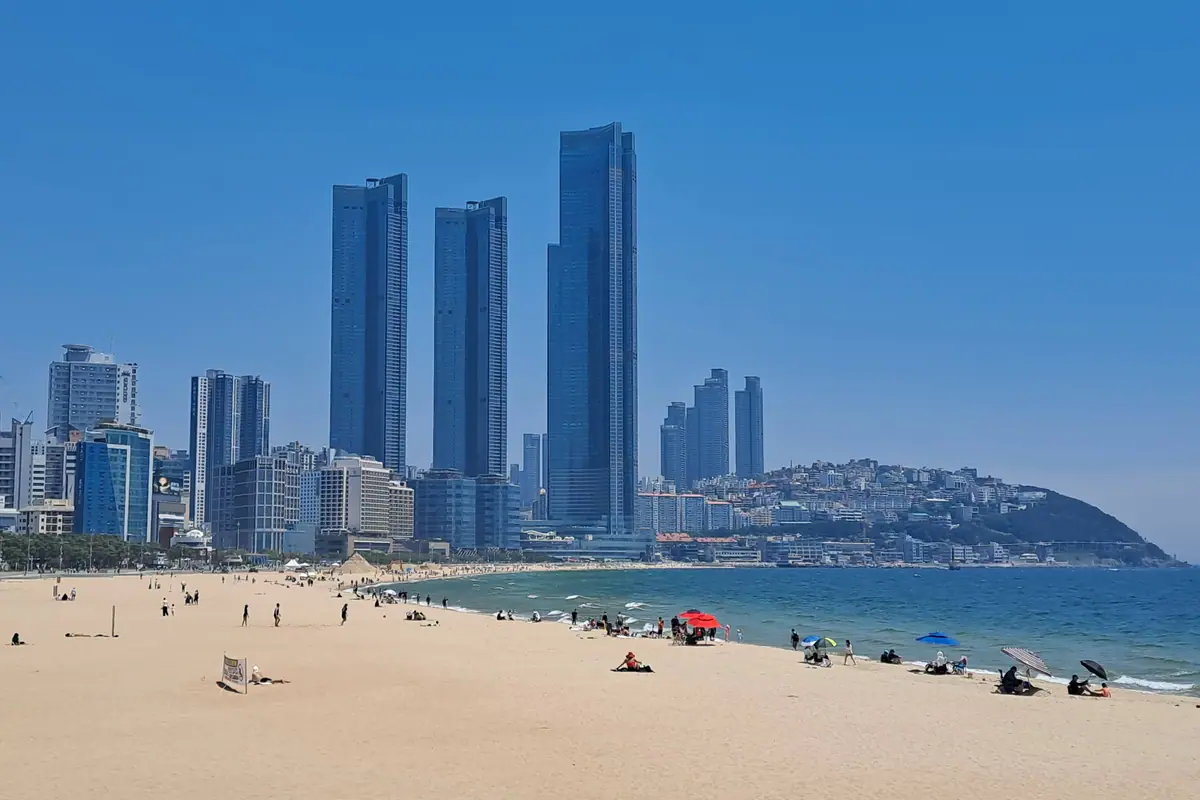
Busan is a two-and-a-half-hour ride from Seoul on the high-speed line, and it feels like a different country: a working port wrapped around bays, with mountains pushing straight up behind the sand. Haeundae Beach is the resort strip, lined with high-rise hotels whose upper floors look over the water — lovely in May, June and September, and heaving during the Korean summer holiday in late July and August.
Across the bay, Gwangalli Beach faces the illuminated span of Gwangan Bridge, and its cafés and small hotels are the better-value alternative for couples. Inland, Gamcheon Culture Village tumbles down a hillside in pastel blocks and murals; go before 10am to have the alleys to yourself. Nampo-dong holds Jagalchi Fish Market — pick a tank-side seat upstairs — plus the film-festival square and the Songdo marine cable car.
East of the city, Haedong Yonggungsa Temple balances on a rocky shore, one of the few Korean temples built within sight of the sea. In the mountains above town, Beomeosa Temple runs overnight templestay programs of vegetarian meals, chanting and pre-dawn meditation. Base yourself in Haeundae for beach resorts, Seomyeon for transport links and mid-range comfort, or Nampo-dong if markets matter more than sand.
Jeju Island: Volcanic Landscapes and Where to Stay Around Them
Jeju sits an hour's flight south of the mainland and is best split between two bases: Jeju City in the north, handy for the airport and the black-pork restaurants of Dongmun Market, and Seogwipo or Jungmun in the south, where resort hotels cluster near the Jusangjeolli Cliffs and Cheonjiyeon Waterfall. Public buses are slow and infrequent, so most visitors rent a car — book it well before you fly, especially in summer.
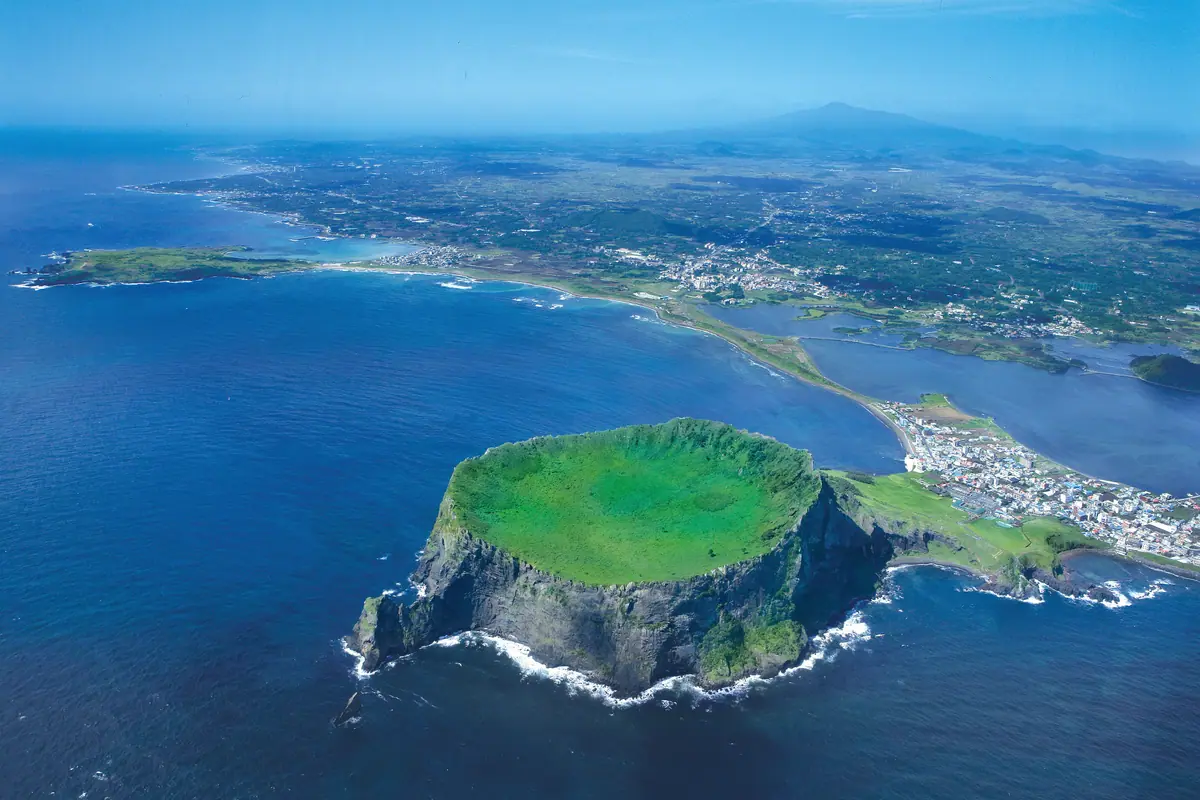
The island's must-sees are geological. Seongsan Ilchulbong, the tuff cone known as Sunrise Peak, rises straight from the ocean on the east coast and takes about an hour to climb; arrive before dawn for the classic view. Manjanggul is a walkable lava tube with a stone turtle formation deep inside, and Hallasan, South Korea's highest mountain, offers a full-day summit route from the Seongpanak trailhead plus shorter woodland walks that suit anyone who wants the scenery without an eight-hour hike.
Accommodation ranges from family resorts with indoor pools to quiet pension guesthouses in the tangerine groves of the west and boutique spa stays on the coast. Jeju cherry blossoms open in late March, ahead of the mainland, and the island's peak season runs from July into August, so spring and autumn bookings need to be made months out.
Gyeongju and the Historic Heartland: Sleeping Among Silla Tombs
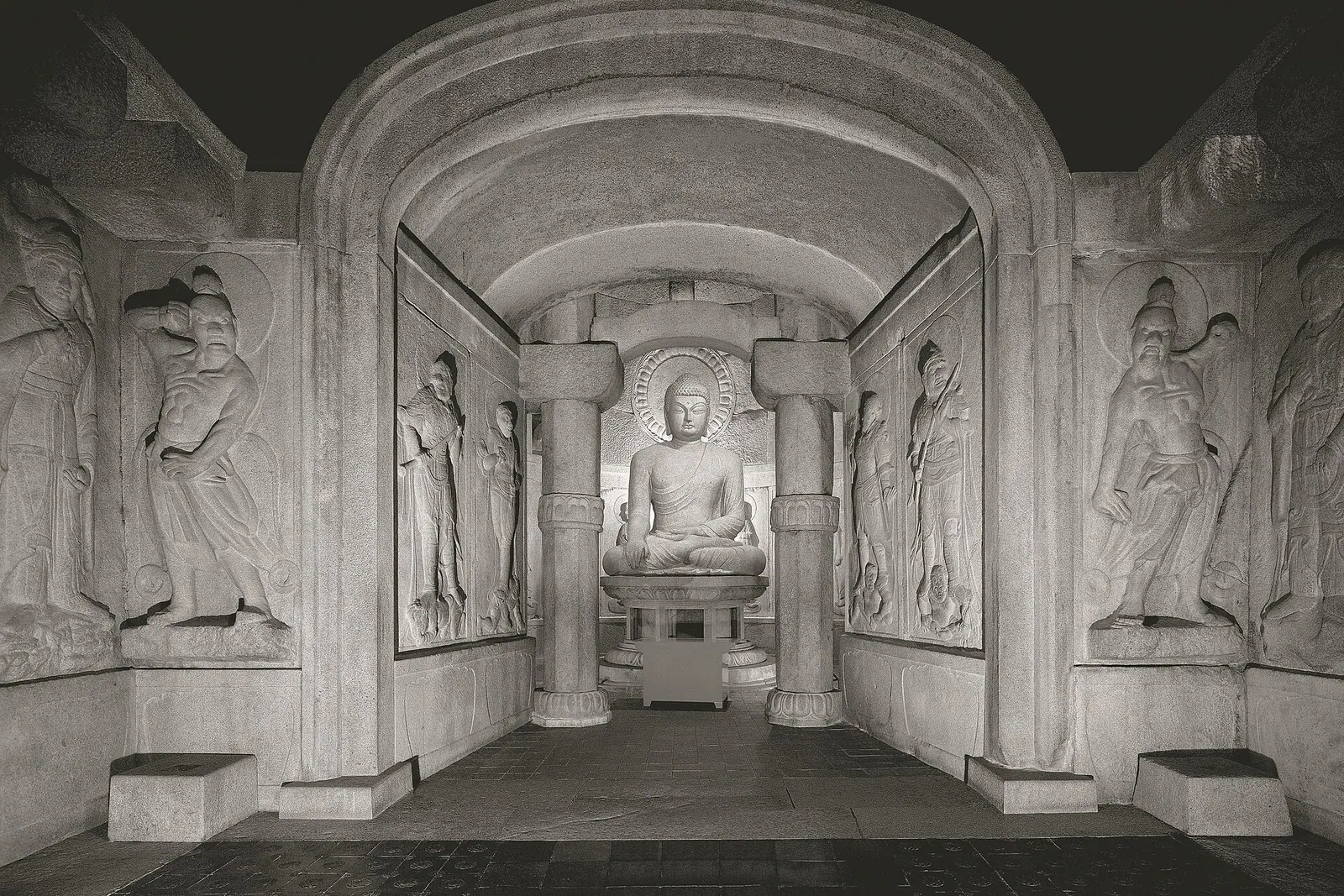
Gyeongju was the capital of the Silla kingdom for nearly a thousand years and is often called a museum without walls. Bulguksa Temple, a UNESCO site, is the headline act, with stone pagodas and painted eaves framed by forest; twenty minutes up the mountain road, the Seokguram Grotto holds a granite Buddha gazing out to sea, best visited at sunrise. Back in town, the Daereungwon Tomb Complex puts enormous grassy burial mounds right in the middle of the streets, and you can step inside the Cheonmachong tomb to see the reconstructed royal burial.
The 7th-century Cheomseongdae Observatory, one of the oldest surviving astronomical structures in Asia, stands near Donggung Palace and Wolji Pond — go after dark, when the pavilions and the water reflect every light. Hanok guesthouses and small boutique hotels line the lanes around Hwangnidan-gil, a street of cafés in converted traditional houses, while larger hotels ring Bomun Lake a short bus ride away.
Gyeongju pairs easily with the rest of the old heartland. Jeonju Hanok Village is the country's largest cluster of traditional houses, famous for bibimbap eaten in a courtyard; Andong's Hahoe Folk Village remains a working community of tile- and thatch-roofed homes; and the trails of Seoraksan National Park, near the east-coast town of Sokcho, reward an overnight stay with granite peaks and autumn colour.
Hanoks, Templestays and Bathhouses: Choosing a Stay That Feels Korean
Not every memorable night in South Korea involves a lobby. A hanok guesthouse means paper-lattice doors, a small courtyard and a mattress laid directly on a heated ondol floor — charming, but walls are thin, so light sleepers should look for rooms with a private bathroom and a solid partition. Templestay programs at working temples offer a night of simple vegetarian food and 4am chanting, and the country's jjimjilbang bathhouses keep heated sleeping halls for anyone arriving on a late flight or wanting a single night on a tight budget.
Timing matters more than star ratings. Cherry blossoms open in Jeju in late March and reach Seoul in early April; summer from late June is hot, humid and hit by monsoon rain, then packed with domestic holidaymakers through August; October to mid-November is the most comfortable window, with clear skies and mountains turning red. Winter is dry and bitingly cold, which is exactly when the ski slopes of Gangwon Province fill with weekenders.
Two dates to plan around: Seollal, the lunar new year, and Chuseok, the autumn harvest holiday. Both send the entire country onto the roads and rails, filling hotels and high-speed trains weeks or months ahead. Ordinary weekends also push city rates up, so book early, keep a Korean address saved in your phone for taxi drivers, and remember that a hotel near a subway entrance saves more time than one with a marginally larger room.
Frequently asked questions
Which area of Seoul is best for a first-time visitor?
Myeongdong is the easiest base: mid-range hotels, street food, walking access to Namsan Seoul Tower and quick subway links to Gyeongbokgung Palace and Gangnam. Insadong and the Bukchon area suit travellers who want hanok guesthouses and galleries instead of shopping crowds.
What is a hanok stay actually like, and is it worth it?
Expect a traditional wooden house with a courtyard, paper doors and bedding on a heated ondol floor rather than a mattress on a frame. Thin walls and floor sleeping aren't for everyone, so book a hanok with a private bathroom if you value comfort. The best clusters are in Bukchon in Seoul, Jeonju Hanok Village and Gyeongju.
When is the best time of year to book a hotel in South Korea?
October to mid-November offers the best weather, with crisp air and autumn foliage around Gyeongju and Seoraksan. Spring cherry blossoms run from late March in Jeju to early April in Seoul. Avoid Seollal and Chuseok if you can — domestic travel surges and rooms sell out months in advance.
Do I need a car to explore Jeju Island?
For most itineraries, yes. Jeju's sights are spread around the coastline, and buses are slow and infrequent. Renting a car from the airport makes Seongsan Ilchulbong, Manjanggul and the southern resorts far easier to combine; book well ahead for July and August.
Is it easy to combine Seoul, Busan and Gyeongju by train?
Very. High-speed rail links Seoul with Busan in roughly two and a half hours, and Gyeongju sits on the same corridor, so a Seoul–Gyeongju–Busan route works well in a week. Reserve seats early for weekends and public holidays, when services fill quickly.
Plan it — hotels in South Korea
Live search, booked directly with trusted providers.
Sort the rest of your trip
Everything for South Korea, in one place
Transfer in South Korea
Private driver waiting on arrival — no queues, no surprises.
Book a transfer
Things to do in South Korea
Skip-the-line tickets, guided tours and standout experiences.
See experiences
Stay online in South Korea
Travel eSIM — data the moment you land, no roaming bills.
Get an eSIMMore guides in South Korea
Best Places to Visit in South Korea: Seoul Palaces, Gyeongju Tombs, Jeju Volcanoes and More
Best Time to Visit South Korea for Hotels: A Season-by-Season Guide
South Korea Food and Culture Guide: Markets, Hanok Villages and Must-See Sights
Top Things to Do in South Korea: Palaces, Peaks and Coastal Cities
Best Time to Visit Seoul for Hotels: A Season-by-Season Guide