Somalia is the Horn of Africa at its most raw and least packaged — prehistoric painted shelters in the granite hills, frankincense forests on cold mountain ridges, coral reefs off a colonial port, and a coastal capital rebuilding itself one whitewashed courtyard at a time. It is also a country where the logistics matter as much as the sights, and where almost everything happens through a trusted local host.
Somalia Travel Essentials: Seasons, Permits and the Honest Safety Picture
Somalia wraps around the eastern tip of Africa, holding the longest mainland coastline on the continent — roughly 3,300 kilometres, split between the Indian Ocean in the south and the Gulf of Aden in the north. That geography creates wildly different trips. The northern highlands around Hargeisa sit at about 1,300 metres, where December and January nights can drop towards 10°C, while Mogadishu sits at a sticky 30–34°C almost year-round. The main dry season, the jiilaal, runs from December to March and is the most comfortable window for most travel. The gu rains arrive in April and soak the south through June, the deyr returns in October and November, and along the Gulf of Aden the kharif monsoon from June to September pushes wind, fog and drizzle over Berbera and the escarpment.
Entry is not one single process. Somaliland, which has governed itself since 1991, issues its own permits — usually arranged in advance through a local sponsor or collected on arrival at Hargeisa's airport by prior arrangement — while travel in the rest of the country typically requires paperwork sponsored by a resident host and organised weeks ahead. Rules shift, so confirm the current requirements before booking flights. Bring cash: clean, unmarked US dollar notes are accepted widely, Somali shillings cover small purchases, and mobile-money wallets dominate everyday trade. International cards are close to useless and dependable ATMs are effectively nonexistent; most travel insurance policies exclude the country altogether, so read the small print before you commit.
Here is the part most guides skate over. Much of south-central Somalia, including Mogadishu, carries a standing advisory against all travel because of militant attacks, kidnapping risk and clan violence. Visitors move in convoys with armed protection arranged by their hosts, sleep in fortified compounds, and keep itineraries deliberately fluid. Do not photograph checkpoints, soldiers, government buildings or airports, and stay away from large gatherings. Somaliland and Puntland are comparatively calmer and have received travellers for years, but attacks, unexploded ordnance in some border districts and sudden local closures still happen. Freelancing is not an option — a trusted local fixer is your transport, your translator and your safety net.
Laas Geel and the Highlands: Africa's Best-Kept Rock Art
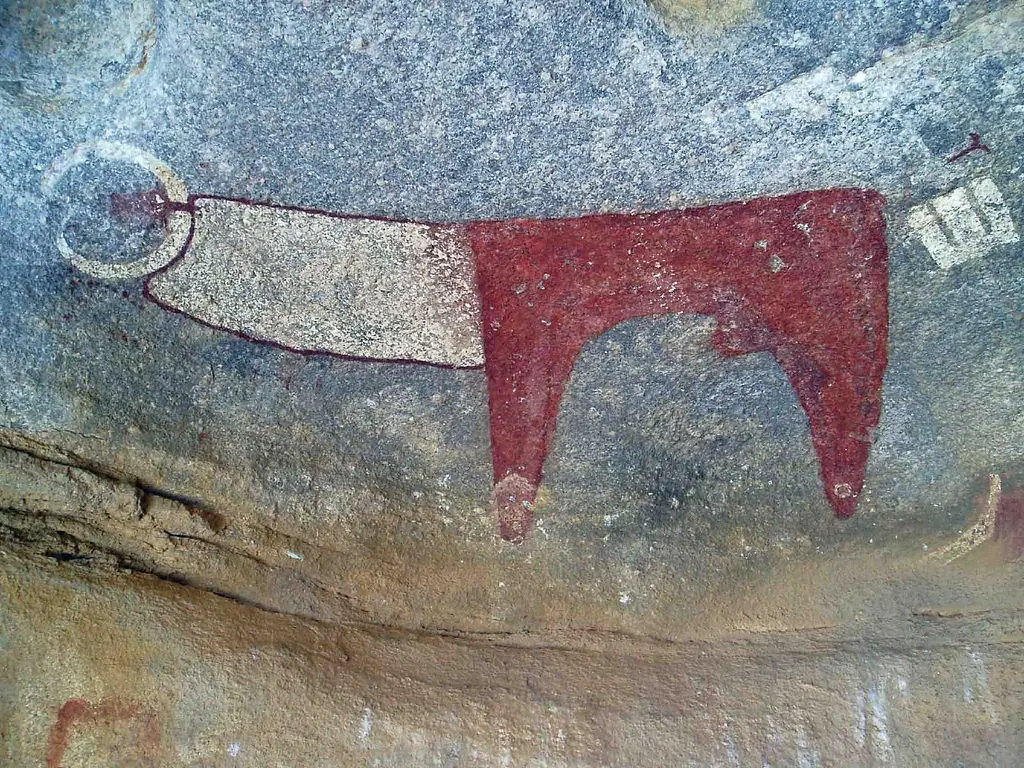
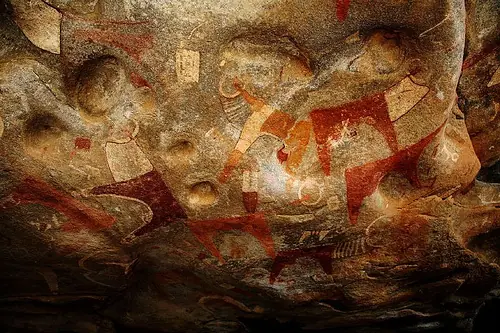
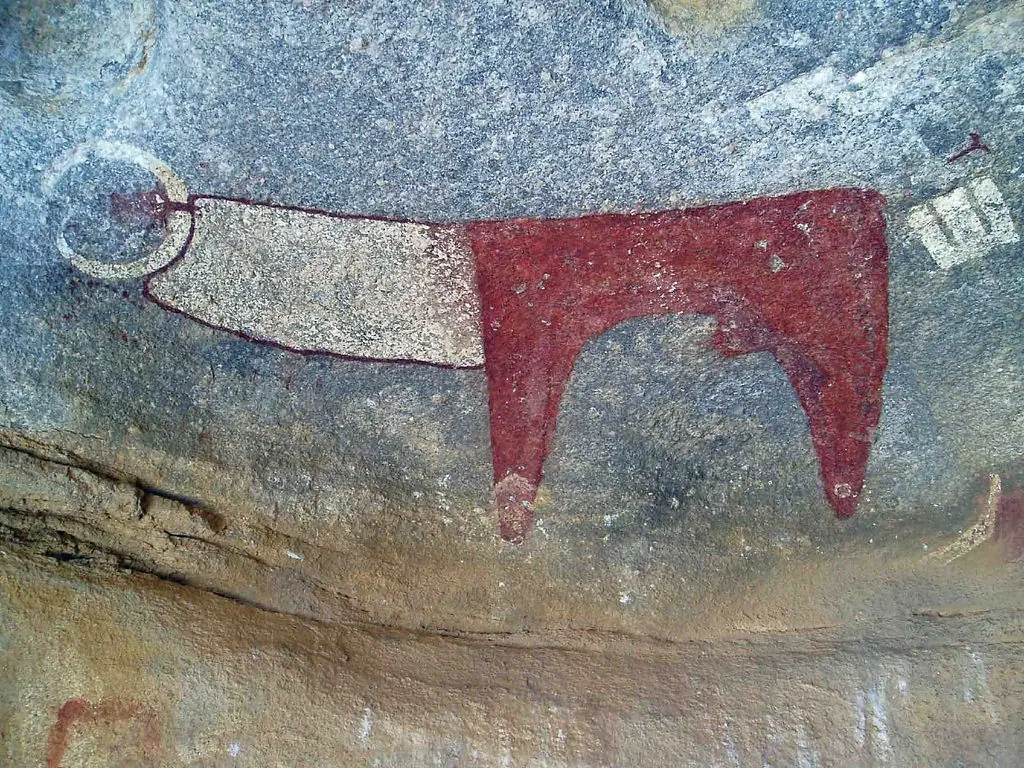
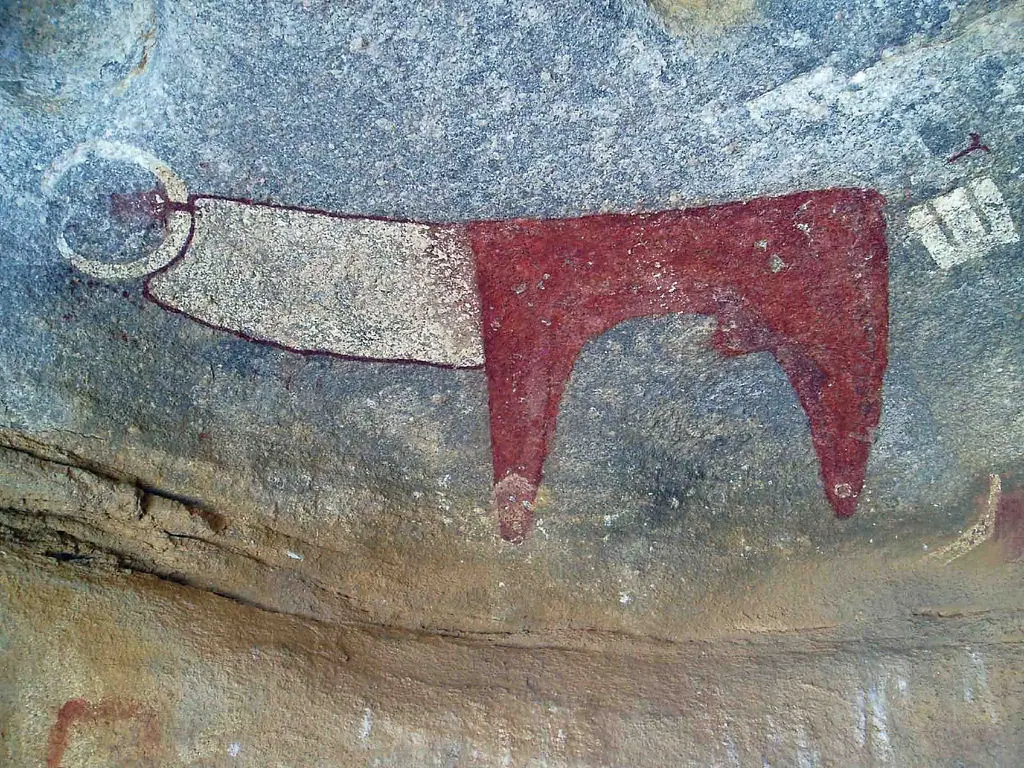
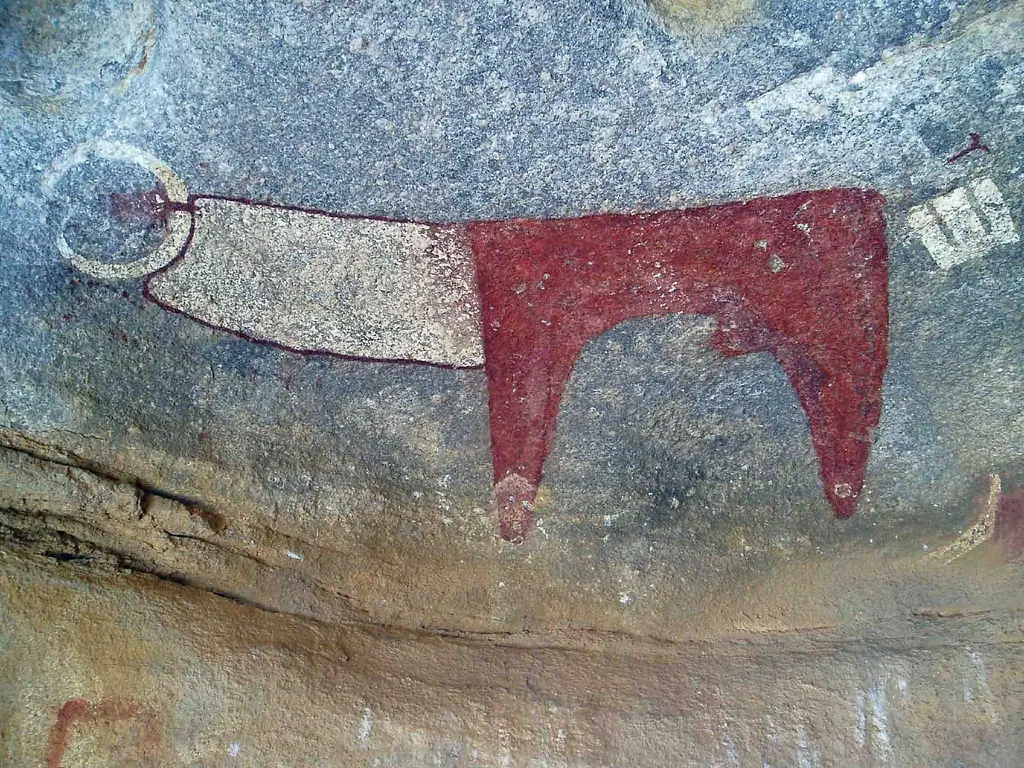
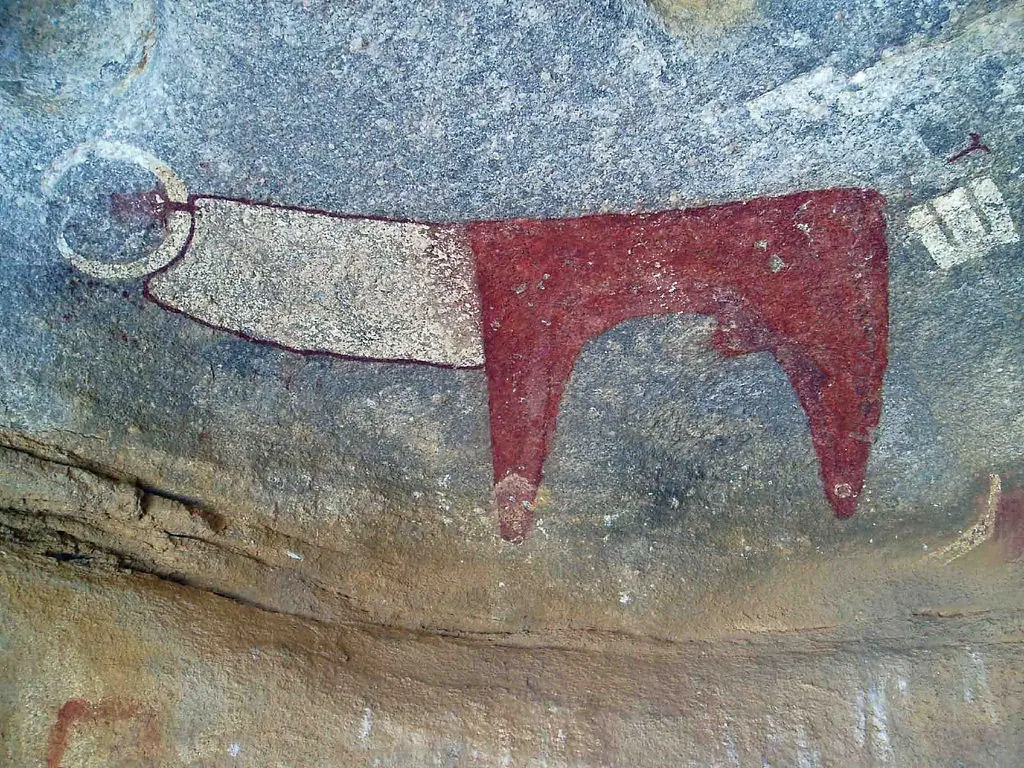
An hour's drive northeast of Hargeisa, a cluster of granite shelters at Laas Geel holds what many consider the finest prehistoric rock art in the Horn of Africa. Brought to the world's attention only in 2002, the paintings glow in ochre, white and yellow: long-horned cattle led by stick-thin herdsmen, dogs trotting beside them, giraffes and antelope that no longer live anywhere nearby. Dating estimates range from roughly five to eleven thousand years old, and the pigment is so vivid it looks as though it dried last season. You need permission from Somaliland's tourism authority and a guide who knows the track, which turns to dirt for the final stretch.
Go in the dry season between December and March, start early, and carry more water than you think you need — there is no shade, no café, no ticket booth, just rock and sky. Similar painted shelters are scattered across the same granite country, some reachable only with a guide who has been there before. Pair the visit with the Naasa Hablood hills outside Hargeisa, twin rounded mounds that appear on the city's souvenirs and give you a wide view back towards town.
The real highland drama, though, is the road north. From the coastal plain the tarmac climbs through the Sheikh pass in a series of switchbacks, past juniper woodland and cooler air, until the Gulf of Aden appears far below as a strip of hammered silver. Camel caravans still move along these ridges, and further east the Daallo escarpment and the Cal Madow forests hold Somalia's highest ground, where nights are genuinely cold and the air smells of resin.
Hargeisa: Fighter-Jet Monuments, Gold Souks and Camel Milk
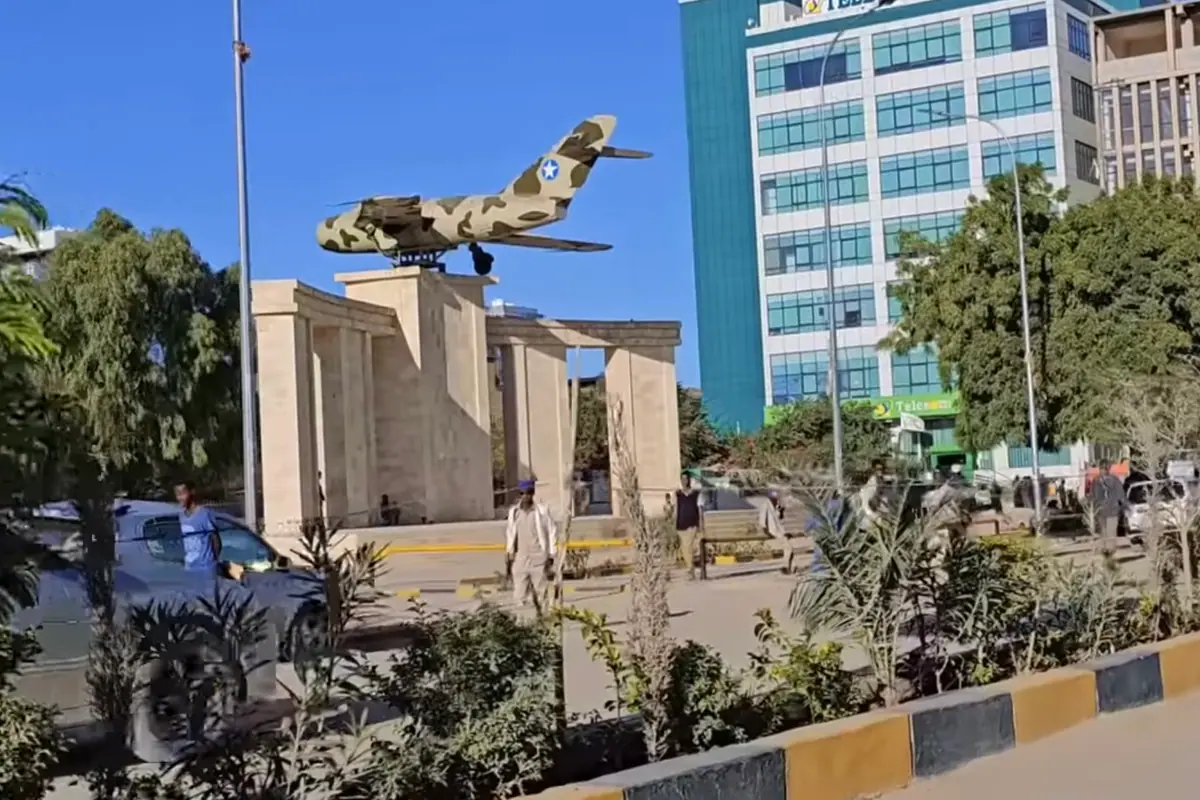
Hargeisa's most recognisable landmark is a Soviet-era fighter jet mounted on a stone plinth above a busy roundabout, a memorial to the bombardment that flattened much of the city in 1988. It is a strange, powerful sight — children walk past it on their way to school, and the surrounding streets have been rebuilt into one of the liveliest urban scenes in the region, with juice bars, bookshops and tailors working late into the evening.
The central market is where the city's pulse is easiest to feel: narrow lanes piled with frankincense and myrrh by the sackful, gold jewellery in glass cases, brightly printed textiles, spices and cheap sandals. On the edge of town, the livestock market is one of the largest in the Horn — sheep, goats and towering camels traded at dawn, with fresh camel milk sold from jerrycans in the cool of the morning. Breakfast is canjeero, a spongy sourdough pancake, torn and dipped into honey or stew, washed down with shaah: black tea boiled with cardamom, cloves and sometimes ginger, served in small glasses that get refilled until you say stop.
Time your visit around late June, when independence-day parades fill the streets with dancing and green-white-red flags, or around the city's May celebrations, which bring similar energy. Evenings are for the teashops and the hillside viewpoints above town, where the call to prayer rolls across the basin and the temperature finally drops.
Berbera, Zeila and the Gulf of Aden Coast
Berbera is a working port with a ghost-town elegance: a grid of wide colonial-era streets, crumbling Ottoman and later buildings with deep verandas, and a long white beach where the water stays warm year-round. Offshore reefs make this one of the few realistic snorkelling spots in the country, though there is little dive infrastructure, so bring your own mask and organise a boat locally. Between June and September the kharif wind turns the coast hazy and restless, which locals welcome as relief from the inland heat.
Far to the west, close to the Djibouti border, Zeila is a different kind of place entirely — a half-abandoned coral-stone port that once traded across the Red Sea and the Arabian Peninsula. Its great draw is the Masjid al-Qiblatayn, one of the oldest mosques in Africa, with two mihrabs: one facing Mecca and an older one facing Jerusalem, a physical trace of early Islamic history in the Horn. Offshore lie the Sa'ad ad-Din islands and stands of mangrove, reachable only by boat with local fishermen.
Practicalities matter here: the tarmac between Hargeisa and Berbera is good, but fuel, food and phone signal thin out fast on longer coastal runs, so travel in daylight and carry supplies. Check the border situation before planning anything around Zeila, and always have a local contact with you.
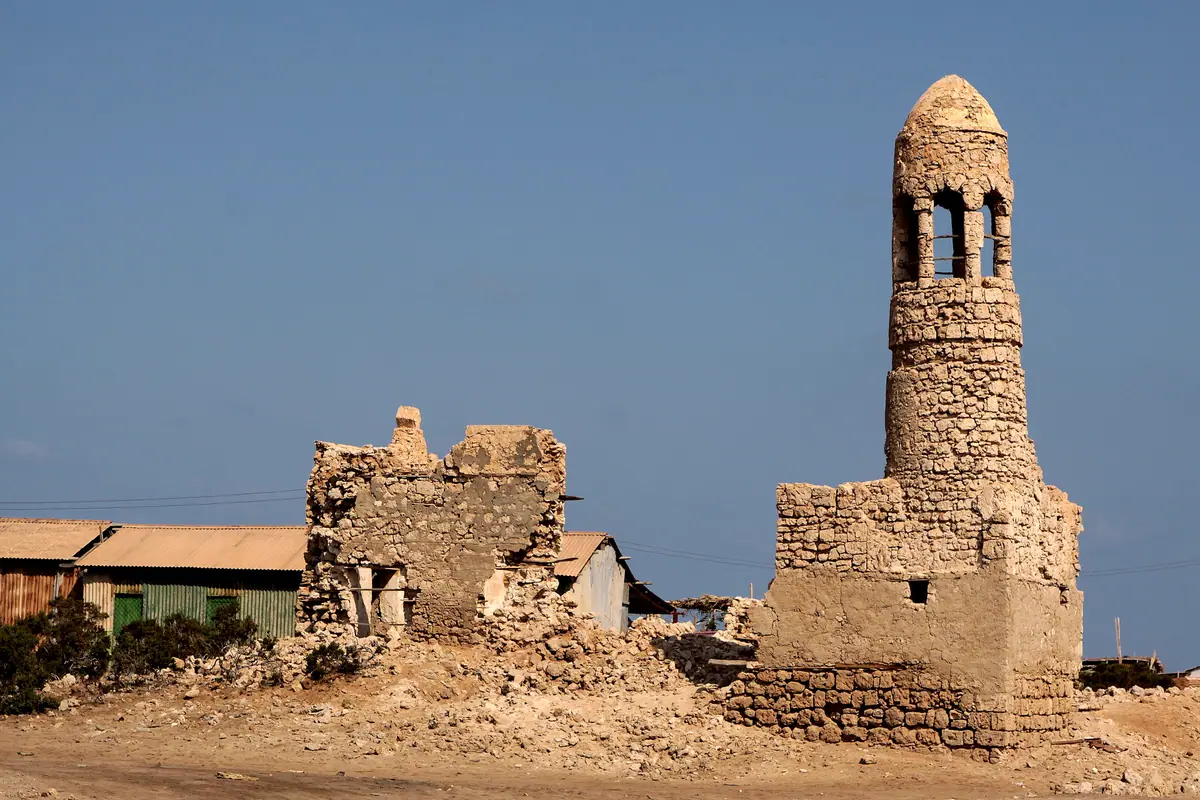
Puntland: Cal Madow, Eyl and the Cape of the Horn
The Cal Madow and Surud ranges are Somalia's rooftop, with Shimbiris rising to about 2,400 metres — the country's highest point. Up here you walk through juniper and wild olive, past cliffs that drop towards the sea, in air that smells of frankincense and myrrh because both are harvested from the trees around you. It is bird-rich, cool at night and almost entirely without visitor infrastructure, which is precisely the appeal. Plan for long 4x4 drives and nights under canvas or in simple local guesthouses.
On the coast, the old fishing town of Eyl holds a weathered Dervish-era stone fort and a scattering of colonial ruins above a bay full of small boats. Further east, Bosaso is Puntland's bustling port and market town, where the fish section in the early morning is worth the alarm clock. Keep going and you reach the far edge of the continent: Cape Guardafui at the tip of the Horn, and Ras Hafun, the easternmost point of mainland Africa, a low sandy spit with the remnants of an old salt works and nothing else but wind, reef and horizon.
December to February is the most forgiving time to attempt this region; later in the year the heat and humidity become punishing. Any trip here depends entirely on local arrangements, so build in slack, expect long days on rough roads, and treat Puntland's interior as a serious expedition rather than a casual side trip.
Mogadishu: Lido Beach and the Old Town of Hamar Weyne
Lido Beach is the image of Mogadishu that locals carry with them: pale sand curving along the Indian Ocean, grills smoking with freshly caught fish and camel meat, families swimming at the weekend, football games at dusk. Jazira Beach, further along the coast, is quieter and greener, backed by mangroves and shallow flats. Both are reached in escorted convoys, and both reward an early start before the heat sets in — the light across the water at sunrise is the best you will get all day.
Inland, the old quarter of Hamar Weyne is where the city's layers show. The Arba'a Rukun Mosque, with its slender minaret, dates to the thirteenth century; the Fakhr ad-Din Mosque is older still and remains the heart of the district. Nearby stand the Daljirka Dahsoon monument, a soaring white memorial to the country's unknown soldier, the shell of the old Italian-era cathedral, and the collections of the national museum. Bakaara Market, one of the largest open-air markets in the region, sprawls across the surrounding streets selling everything from cloth to spices to electronics — go with someone who knows it.
Eating is a highlight. Bariis iskukaris — spiced rice cooked with meat and vegetables — is the national plate, alongside suqaar cubed meat, muufo flatbread, fried sambuus pastries and sweet halwo, all finished with cardamom tea. Further south, the Jubba and Shabelle rivers water some of the most fertile land in the country, and the offshore Bajuni islands are a rarely seen archipelago of reefs and fishing villages. Everywhere in Mogadishu, movement needs to be planned, curfews respected and photography kept discreet — but the hospitality tends to be the most memorable part of the trip.
Frequently asked questions
Is Somalia safe for tourists?
It depends entirely on where. Much of south-central Somalia, including Mogadishu, is under a standing advisory against all travel because of militant attacks, kidnap risk and armed conflict; visits there happen only with a local host, armed escort and fortified accommodation. Somaliland and Puntland are considerably calmer and have hosted travellers for years, though they are not risk-free — attacks, unexploded ordnance in some border areas and sudden closures do occur. A trusted local fixer, current on-the-ground information and a flexible itinerary are non-negotiable.
When is the best time to visit Somalia?
December to March is the most comfortable window almost everywhere: dry, cooler in the northern highlands and manageable on the coast. April to June brings the gu rains to the south, and October to November the deyr, both of which can make rural roads difficult. On the Gulf of Aden coast, the kharif monsoon from June to September brings wind, fog and drizzle rather than heavy rain, which cools Berbera but roughens the sea.
Do I need separate permission for Somaliland and the rest of Somalia?
Yes, in practice you do. Somaliland, which has governed itself since 1991, issues its own entry permission, usually arranged in advance through a local sponsor or collected on arrival at Hargeisa's airport by prior arrangement. Travel elsewhere in Somalia typically requires paperwork sponsored by a resident host and organised well before you fly. Rules change, so confirm current requirements with your host shortly before departure rather than relying on older information.
What should I wear, and is alcohol available?
Dress modestly: women should cover hair, shoulders and knees, and men should avoid shorts in towns and markets. Alcohol is not available and is effectively prohibited across the country, including Somaliland and Mogadishu, so do not plan around it. Ramadan changes daily rhythms significantly, with many restaurants closed during daylight hours.
How do I get around and what money should I bring?
Intercity movement is by private 4x4, domestic flights or, in the north, good tarmac roads between main towns — there is no practical public transport for visitors. Bring clean, untamarked US dollar notes for larger expenses and Somali shillings for small purchases; mobile-money wallets are how most locals pay, and international cards and ATMs are largely unusable. Budget in cash, expect to hire a vehicle and driver with your host's help, and always travel in daylight.
Plan it — experiences in Somalia
Live search, booked directly with trusted providers.
Sort the rest of your trip
Everything for Somalia, in one place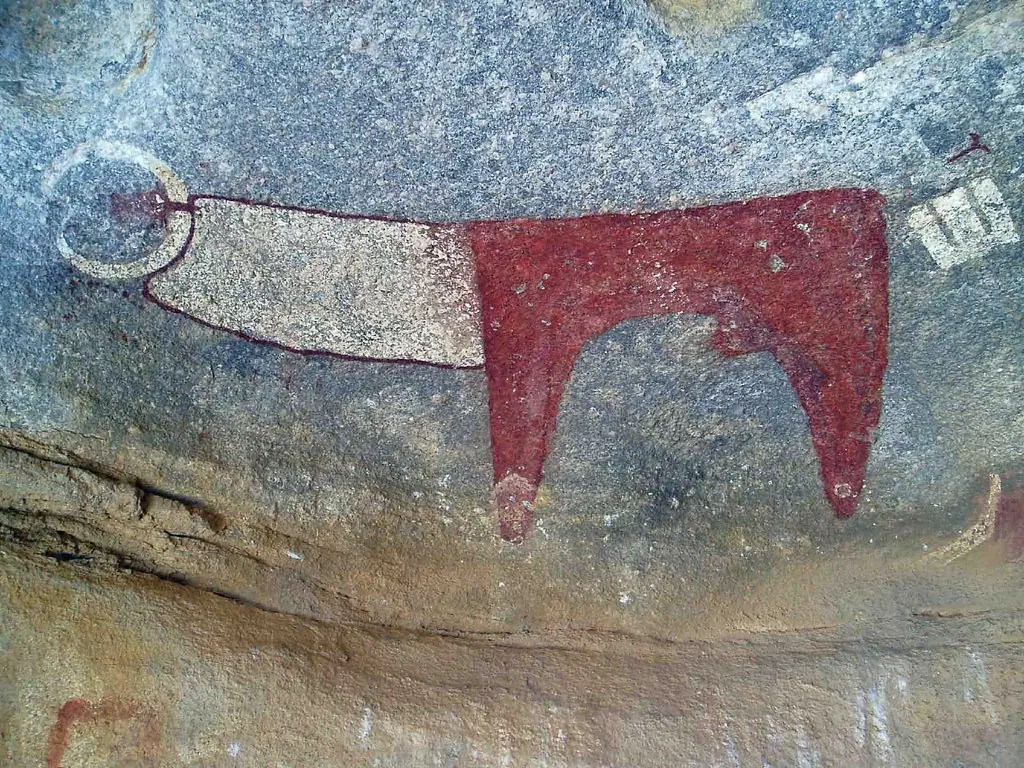
Stay in Somalia
Hotels, guesthouses and apartments — compared in one search.
Search hotels
Transfer in Somalia
Private driver waiting on arrival — no queues, no surprises.
Book a transfer
Stay online in Somalia
Travel eSIM — data the moment you land, no roaming bills.
Get an eSIMMore guides in Somalia
Best Places to Visit in Somalia: Mogadishu, Laas Geel and the Northern Coast
Best Time to Visit Somalia: Seasons, Cities and Hotel Timing
Somalia by Air: A One-Week Flying Itinerary
Where to Stay in Somalia: Top Cities, Hotels and Must-See Attractions