Somalia is a country you cross by propeller, not by road — a place where the coastline runs longer than almost any in Africa and the quickest way to understand it is through the window of a small aircraft. This one-week loop strings together Mogadishu's Indian Ocean shore, the painted rock shelters of Laas Geel, the Ottoman lanes of Berbera and the cool juniper highlands of Cal Madow.
Why Somalia Rewards Travel by Air
Somalia is vast — roughly the size of Texas or two United Kingdoms — and its road network, though improving, still passes through dozens of checkpoints, unpredictable stretches of gravel and long empty distances where breakdowns become serious problems. Flying collapses those journeys into forty-minute hops. A morning departure from Mogadishu's Aden Adde International Airport can have you in Hargeisa, the northern capital, before lunch; the same trip overland takes the better part of two hard days.
The practical rhythm of an air-based week is simple: fly early, sightsee through the middle of the day, and never plan a tight connection. Schedules here are written in pencil. Aircraft are typically twin-turboprops seating between a dozen and fifty passengers, baggage allowances are strict and weighed at the counter, and dust, heat or a sudden security closure can push a departure by hours. Build in a spare day at the end rather than the beginning.
Timing matters more than almost anything else. The most comfortable months are roughly November to March, the long dry season, when skies are clear and daytime temperatures drop enough to walk a market without wilting. The Gu rains of April to June and the shorter Deyr rains of October and November can soften unsealed airstrips and muddy the approach to remote strips, while July and August bring a cool, wind-blown haze to the southern coast. If you have a choice, aim for December or January.
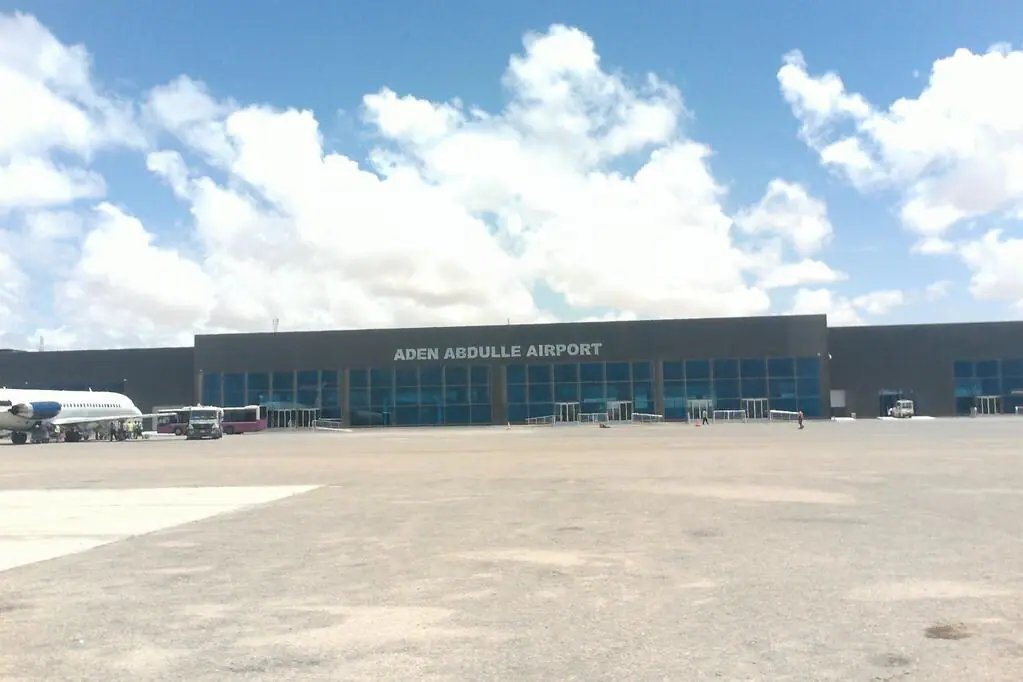
Days 1–2: Mogadishu's Old Town and Lido Beach
Mogadishu is not the city of headlines — it is a hot, whitewashed, endlessly sociable port where the Indian Ocean throws a breeze over crumbling coral-stone facades. Base yourself near the airport corridor or the seafront, and spend your first morning walking the lanes of Hamar Weyne, the old quarter, where the Arba'a Rukun Mosque has stood since the thirteenth century and traders still stack incense, textiles and cardamom in the shadow of its minarets. Nearby, the roofless shell of the old cathedral — a 1920s Italian colonial landmark — is a stark, strangely beautiful reminder of the city's layered past.
In the afternoon, head for Daljirka Dahsoon, the Tomb of the Unknown Soldier monument, whose pale tower of five pillars marks the heart of the restored government quarter, then push on to Lido Beach, where families gather at sunset to swim, play football and eat grilled fish and spiced rice from beachside kitchens. Bakara Market, the sprawling commercial heart of the city, is worth an hour with a local guide for its sheer scale — everything from frankincense to imported electronics passes through here.
Two days is enough for a first taste and no more. Move around with a trusted local fixer, keep movements unpredictable, and expect vehicle checkpoints on most routes. Security in Mogadishu is genuinely serious and much of the country remains under travel warnings; this is a destination for experienced travellers who accept that risk knowingly and follow local advice without argument.
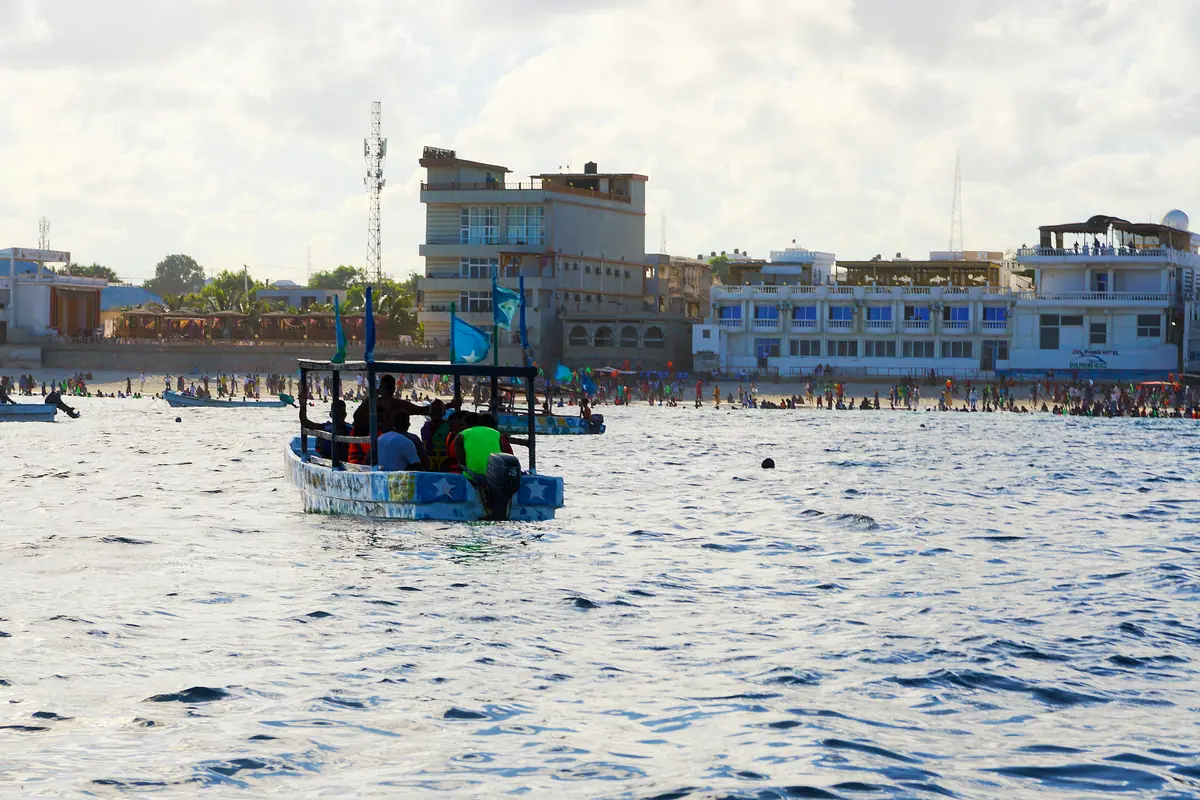
Days 3–4: Hargeisa, Naasa Hablood and the Laas Geel Paintings
A short flight north lifts you onto the plateau, where Hargeisa sits at around 1,300 metres and the evenings are cool enough for a jacket. The city's most photographed landmark is the Hargeisa War Memorial — a MiG fighter jet mounted on a plinth in the middle of a busy roundabout — but the real pleasure is the city's pace: unhurried, safe to walk in daylight, with tea shops on every corner and the enormous livestock market on the edge of town, where thousands of sheep, goats and camels are traded each morning in a roar of bargaining.
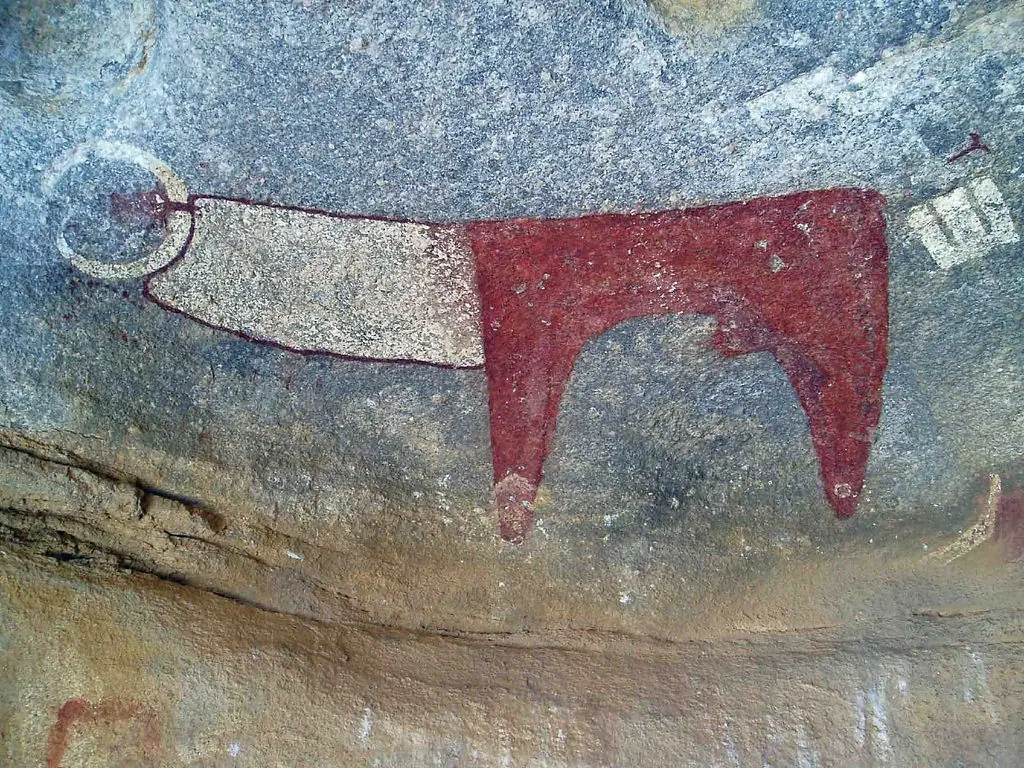
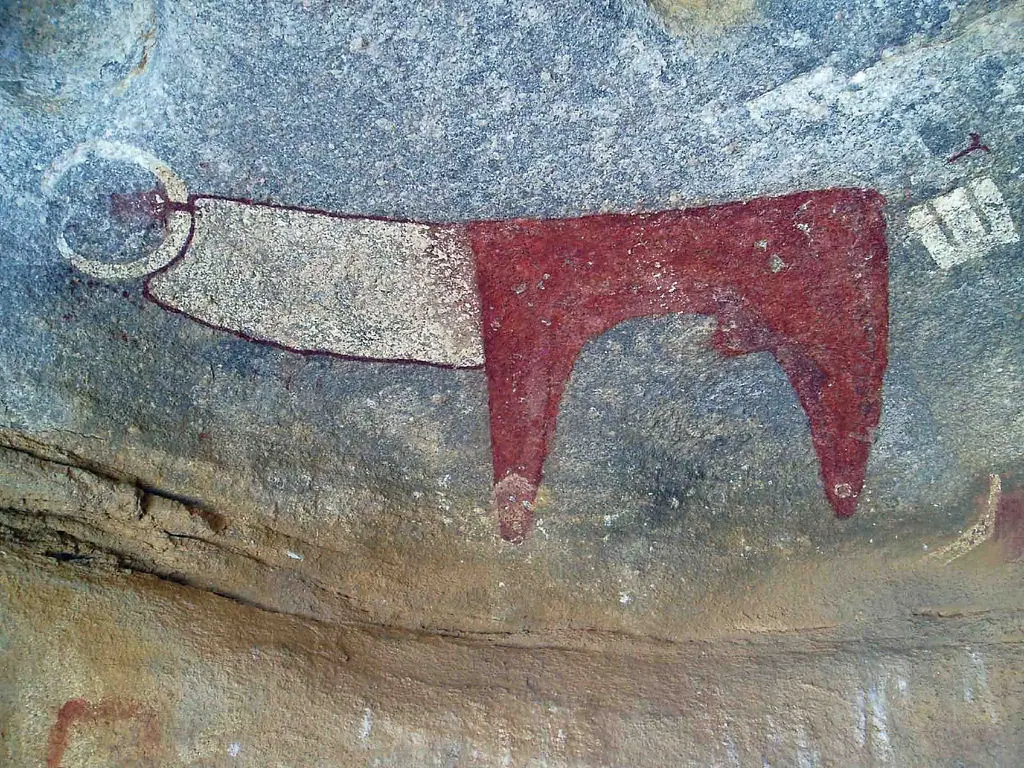
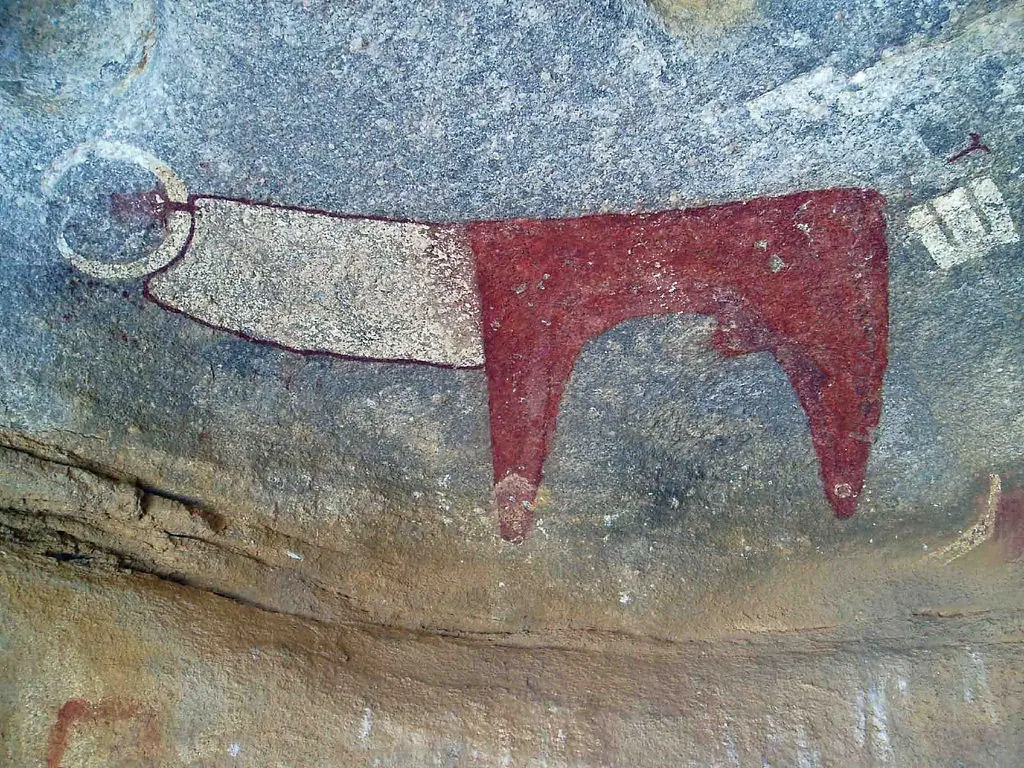
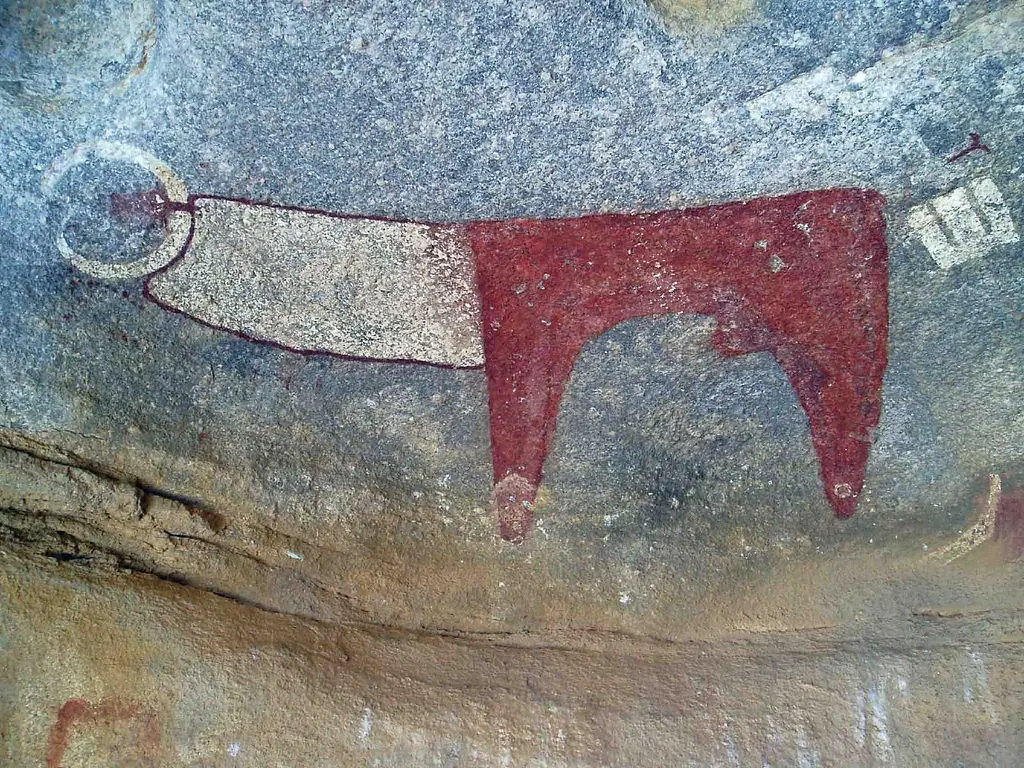
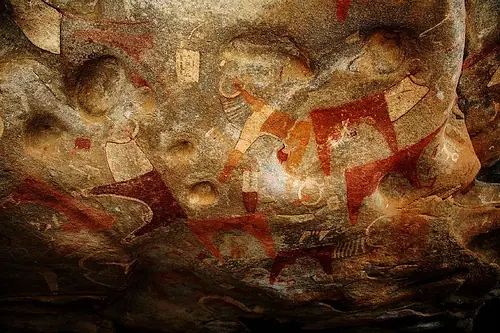
The highlight of the entire week, for many visitors, lies an hour northeast of the city. Laas Geel is a complex of sandstone rock shelters covered in some of the most vivid prehistoric paintings in Africa — horned cattle, giraffes, antelope and dancing figures rendered in ochre and white, protected by overhangs and astonishingly well preserved. Go early, on a day trip with a permit and a guide arranged in advance, and combine it with a stop at the twin hills of Naasa Hablood, the smooth granite domes that serve as the region's signature view.
Note that the northern regions run their own entry procedures, separate from the federal system, and issue permits on arrival at the airport. Carry printed copies of everything — a visa, an invitation letter, your onward ticket — because digital evidence is not always accepted.
Day 5: Berbera's Ottoman Port and the Sheikh Pass
Drive or fly west to Berbera, a Red Sea port that spent centuries as one of the most important trading towns on the Gulf of Aden. The old town is a dusty grid of Ottoman and Egyptian-era buildings — coral-block houses, arcaded facades, an abandoned customs house — slowly being restored, and the beach on the edge of town runs for kilometres of empty white sand with warm, shallow water and almost nobody on it. In winter the coast is pleasant; in summer it is punishingly hot, so plan activities for dawn and late afternoon.
The journey between Berbera and the inland plateau crosses the Sheikh Pass, a winding mountain road that climbs through juniper and euphorbia to around 1,500 metres. The temperature drops with every hairpin, and the views back over the coastal plain to the sea are the finest in the country. If you continue west towards Zeila, you reach the ruins of an ancient port that traded with Arabia for a thousand years — crumbling mosques, tombs and walls half-swallowed by sand.
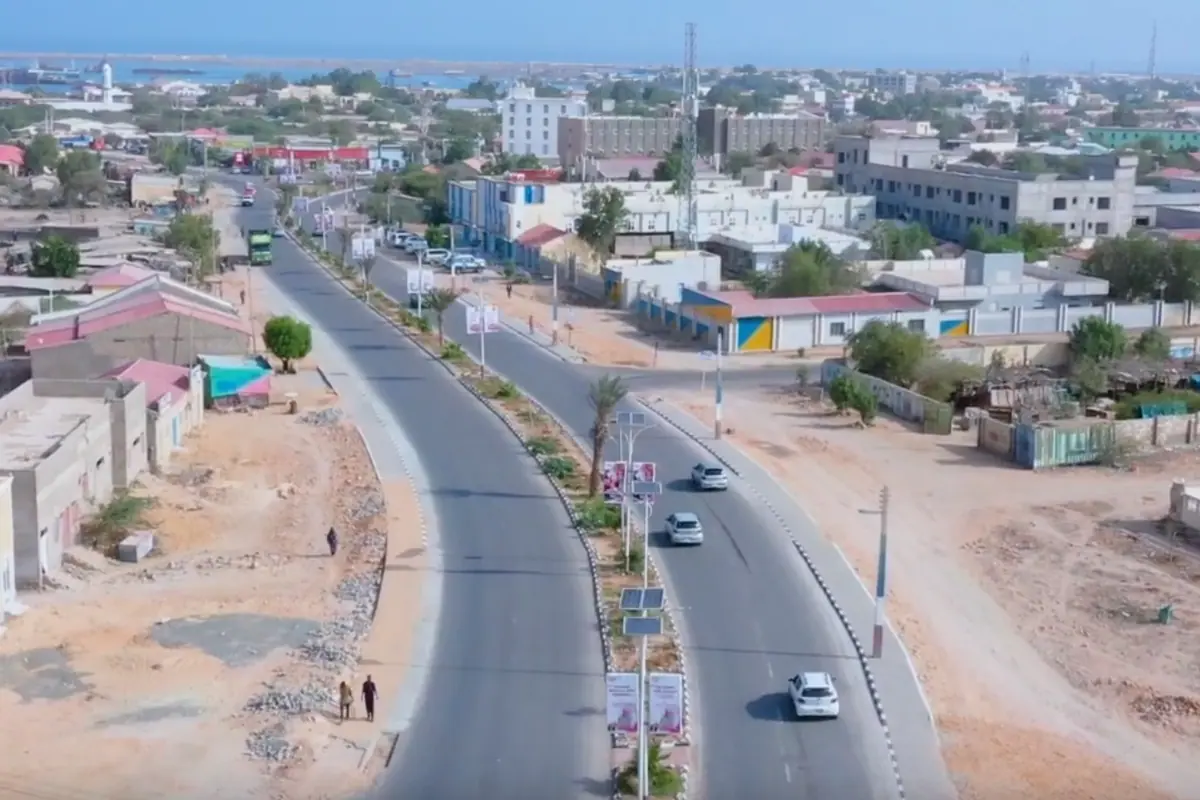
Day 6: Bosaso and the Cal Madow Mountains
East along the Gulf of Aden lies Bosaso, the commercial capital of Puntland and a hot, busy port city of container yards and fishing dhows. It is a useful overnight stop rather than a sightseeing destination, though the fish market at dawn — tuna, kingfish, shark laid out on tarpaulins — is worth the early alarm, and the surrounding desert coastline has some startling empty beaches.
From here, the real draw is inland: the Cal Madow range, a cool, misty escarpment of juniper forest and limestone cliffs rising to Shimbiris, at roughly 2,400 metres the highest point in the country. This is frankincense country — the trees that produce the resin traded here for millennia grow on these slopes — and the mountain villages around Maydh and the old dhow port of Eyl feel a world away from the coast below. Access requires local permission and a vehicle arranged through a host or guide; camping and long walks are possible with the right support.
Flights in the northeast are less frequent and more weather-dependent than in the south. Confirm your onward leg before you leave Bosaso, and keep a buffer of at least a day if you need to be somewhere.
Day 7 and the Practicalities of Flying Here
Use your last day for a return hop to Mogadishu or Hargeisa, leaving time for the things that always take longer than expected: the vehicle search at the airport gate, the manual baggage check, the wait for a boarding call that may never be announced. Fly in the morning whenever possible — afternoon heat reduces payload on small aircraft, and a morning departure gives you a whole day of slack if the flight is cancelled.
On paperwork: Somalia operates an electronic visa system obtained online in advance, and travellers should carry a letter of invitation from a local host, proof of accommodation and a printed itinerary. The northern regions issue their own permits separately. Medical evacuation cover is essential rather than optional, and a comprehensive insurance policy that explicitly covers the areas you intend to visit is worth the trouble of finding.
Pack light, in soft bags — hard cases are awkward in the cabin holds of small aircraft — and bring a head torch, water purification tablets, a modest wardrobe that respects local dress norms, and cash in clean, recent US dollar notes, since card payments are rare outside a handful of city hotels. Travelling here means accepting that plans change, that hospitality is overwhelming, and that the reward is a country almost nobody you know has seen.
Frequently asked questions
Is it safe to travel in Somalia?
Parts of the country, particularly Mogadishu and much of the south, carry severe security risks including militant attacks and kidnapping, and many governments advise against all travel there. The northern regions around Hargeisa and Berbera are considerably calmer for visitors moving with local hosts. Anyone considering a trip should research current conditions carefully, travel only with trusted local operators, and be prepared to change or cancel plans.
What is the best time of year to visit?
The dry season from roughly November to March offers the most reliable flying weather and the most comfortable temperatures, especially in the highlands around Hargeisa and the Cal Madow range. The April–June and October–November rains can affect unsealed airstrips and mountain roads. Coastal Mogadishu is breezy and slightly cooler in July and August, while inland areas are hottest from June to September.
How do domestic flights work?
Internal services connect Mogadishu with Hargeisa, Bosaso, Galkayo, Kismayo and other towns using small turboprop aircraft. Schedules are loose, baggage allowances are tight and weighed, and departures can slip by hours because of weather, payload limits or security closures. Book through a local host or operator, confirm by phone the day before, and never rely on a same-day connection to an international flight.
Do I need a visa for Somalia?
Most visitors obtain an electronic visa in advance, and a letter of invitation from a Somali host plus proof of accommodation is commonly requested. The northern regions administer their own entry permits separately and often issue them at the airport on arrival. Always carry printed copies of every document, as digital versions are not always accepted.
What should I pack for a week of flying between Somali cities?
Pack in soft bags, since small aircraft have limited and awkwardly shaped holds. Bring lightweight, modest clothing that covers shoulders and knees, a head torch, water purification tablets, oral rehydration salts, sun protection and any prescription medicine you may need, as pharmacies outside major cities are limited. Cash in clean, recent US dollar notes is essential, and comprehensive medical evacuation cover is strongly recommended.
Sort the rest of your trip
Everything for Somalia, in one place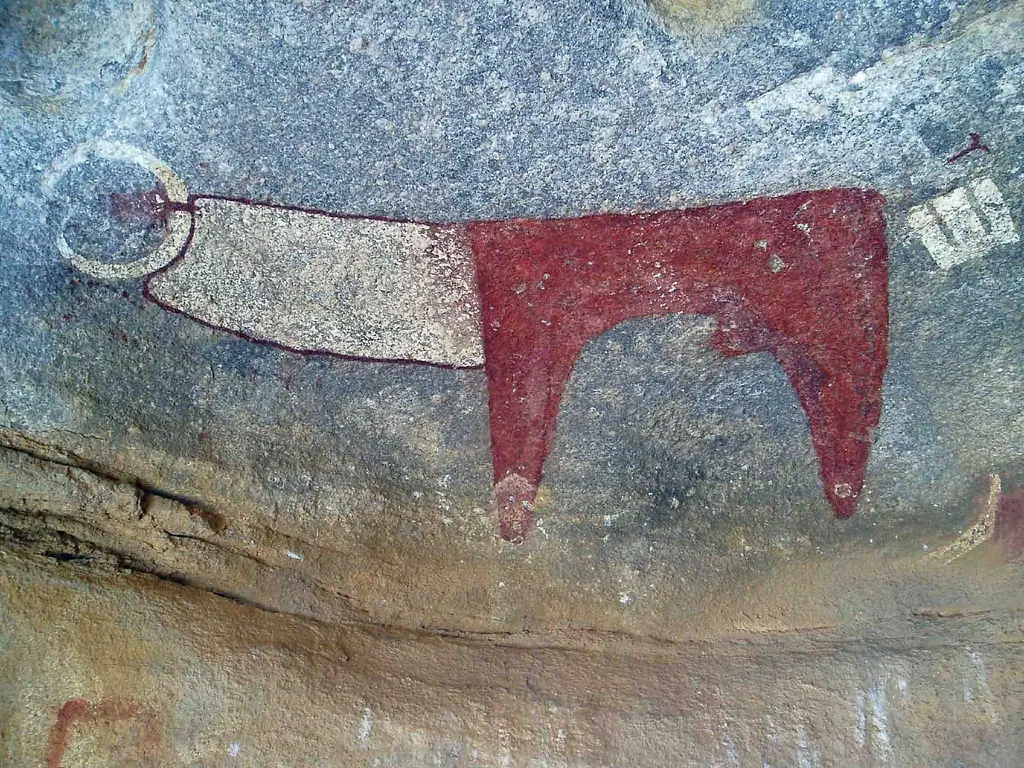
Stay in Somalia
Hotels, guesthouses and apartments — compared in one search.
Search hotels
Transfer in Somalia
Private driver waiting on arrival — no queues, no surprises.
Book a transfer
Travel insurance
Medical cover, delays and lost baggage — sorted before you go.
Get covered