Somalia is one of the last places where travel still feels like an expedition rather than a purchase — a country of frankincense-scented mountains, coral-stone Swahili ports and sweet cardamom tea drunk in the shade while the afternoon empties out. Its coastline runs for thousands of kilometres, its people are famously generous hosts, and its kitchen folds Arabia, Persia, India and a slice of Italian colonial history into something entirely its own. This guide covers the food, culture and local experiences worth building a trip around, with an honest word about how travel here actually works.
Before You Go: How Travel in Somalia Actually Works
Somalia is not a destination you book like a beach holiday. Visitor infrastructure is thin outside a handful of city hotels and guesthouses, and almost every trip is arranged through a trusted local host who handles transport, accommodation and movement between checkpoints. In Mogadishu, many visitors base themselves in the secured hotel cluster near the airport and travel into the city on planned, escorted outings rather than wandering alone. The northwestern region around Hargeisa and Berbera runs its own administration with its own visa process and the country's most developed visitor services, which is why most first-time travellers start there.
Timing matters enormously. The dry Jilaal season from December to March is the most reliable window nationwide, with cooler evenings on the northern plateau. The Gu rains arrive around April and can turn interior roads to soup until June. From July to September the Hagaa monsoon brings steady sea breezes that make Mogadishu, Merca and Kismayo surprisingly comfortable, though Berbera and the Gulf of Aden coast can be brutally hot with the summer winds. October to December brings the lighter Dayr rains. If your trip is coast-focused, the Hagaa months are the sleeper choice.
Practicalities are old-fashioned: cash rules, US dollars circulate alongside the shilling, and mobile money is everywhere in cities. Dress modestly — loose cotton, shoulders and knees covered, and a scarf for women in conservative quarters. Greetings are long and genuinely meant; ask before photographing people, markets or anything official, and never point a camera at a checkpoint. Specialist evacuation insurance is essential, because mainstream policies generally exclude the country, and you should check your government's current advisory before committing to dates.
Mogadishu: Coral-Stone Mosques, Bakaara Market and the Banaadiri Table
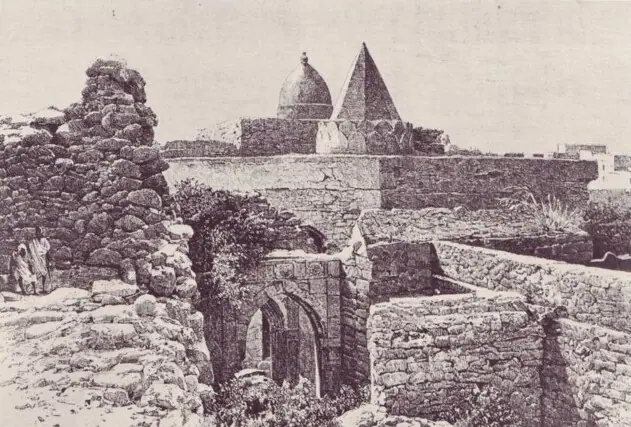
The old quarter of Hamar Weyne is where Mogadishu's deep history survives in stone. The Arba'a Rukun Mosque, dating to the thirteenth century, still serves a congregation, and the Fakr ad-Din Mosque, completed in the 1260s, is the oldest surviving mosque in the city, built from coral block with marble details traded in from across the Indian Ocean. Wander the lanes of Shangani beside it for the ruins of the Italian colonial cathedral and the white sweep of Daljirka Dahsoon, the national monument on the seafront.
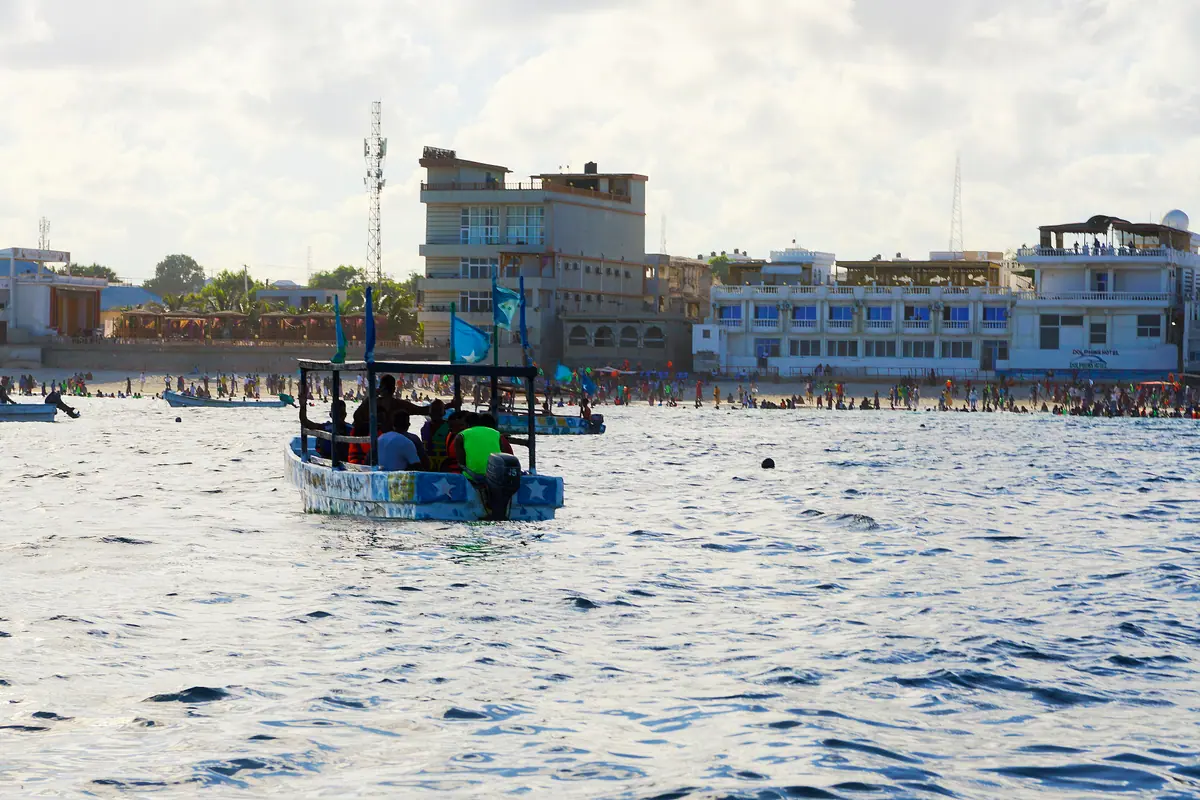
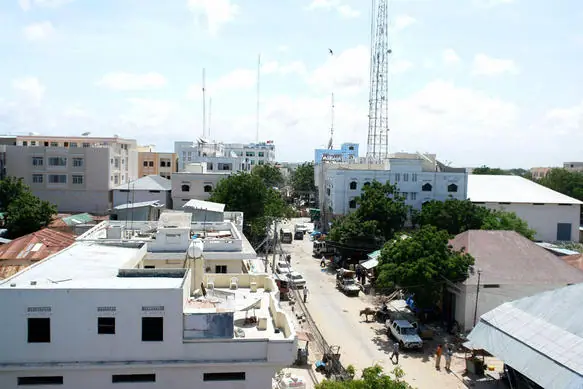
For the pulse of the city, Bakaara Market is unmatched: gold stalls, bolts of cloth, pyramids of cumin, cardamom and cloves, and bundles of frankincense and myrrh sold by the scoop. On Friday afternoons the city decamps to Lido Beach, where families grill fish on open braziers, camel-milk sellers work the sand, and football games run until dusk. Further south, Jazeera Beach offers a quieter stretch of white sand for a half-day outing arranged through your host.
Mogadishu is also where you eat best. Platters of bariis iskukaris — rice simmered with cinnamon, cardamom, cloves and raisins — arrive with grilled goat or chicken, and suqaar, finely diced meat seared with peppers and cumin, comes sizzling on the side. Muufo baraawe, a cornmeal flatbread baked against the wall of a clay oven, is torn and dipped into stew, and no meal ends without shaah, the spiced milk tea that keeps the city running.
Laas Geel and Somaliland's Rock-Art Country
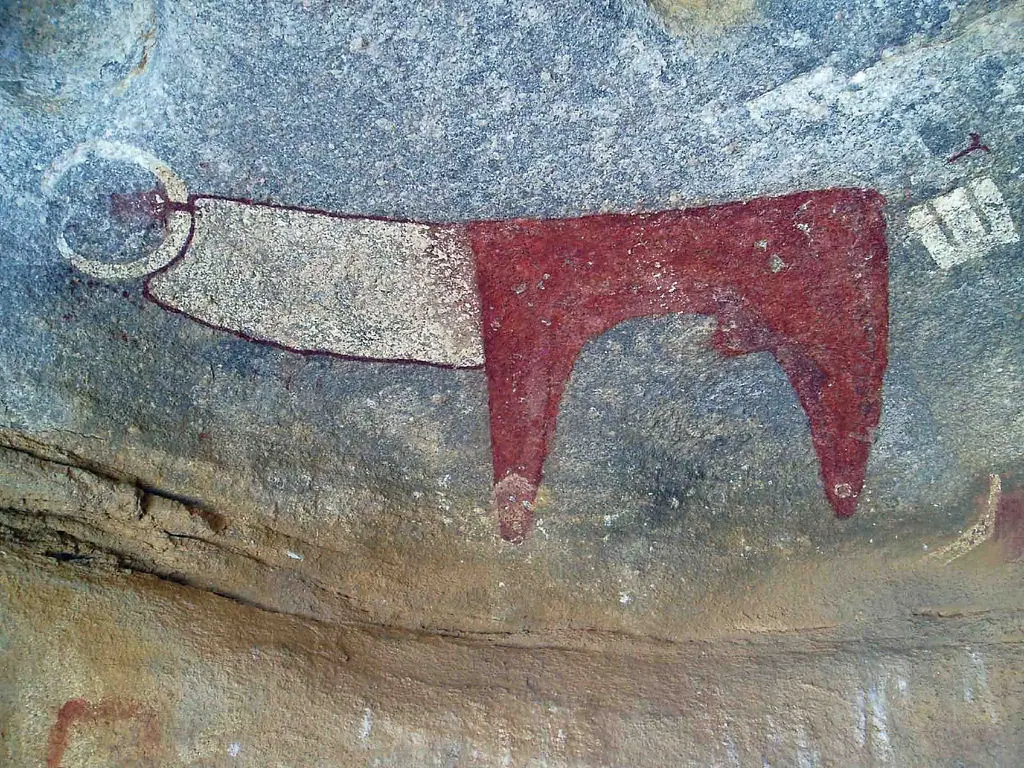
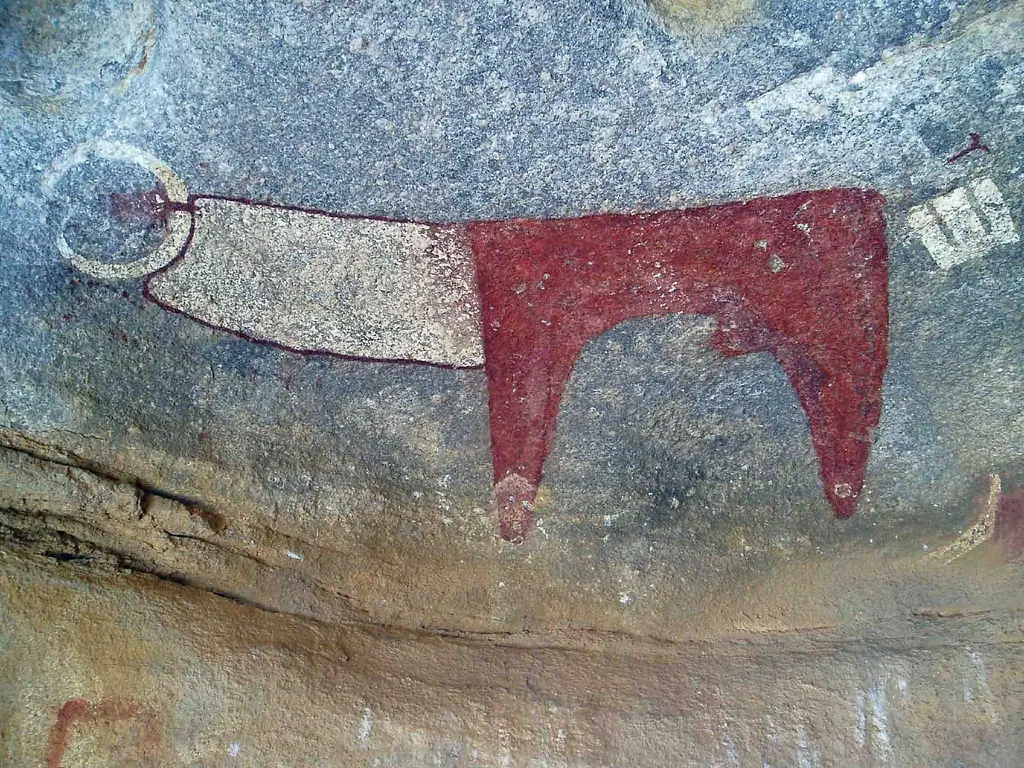
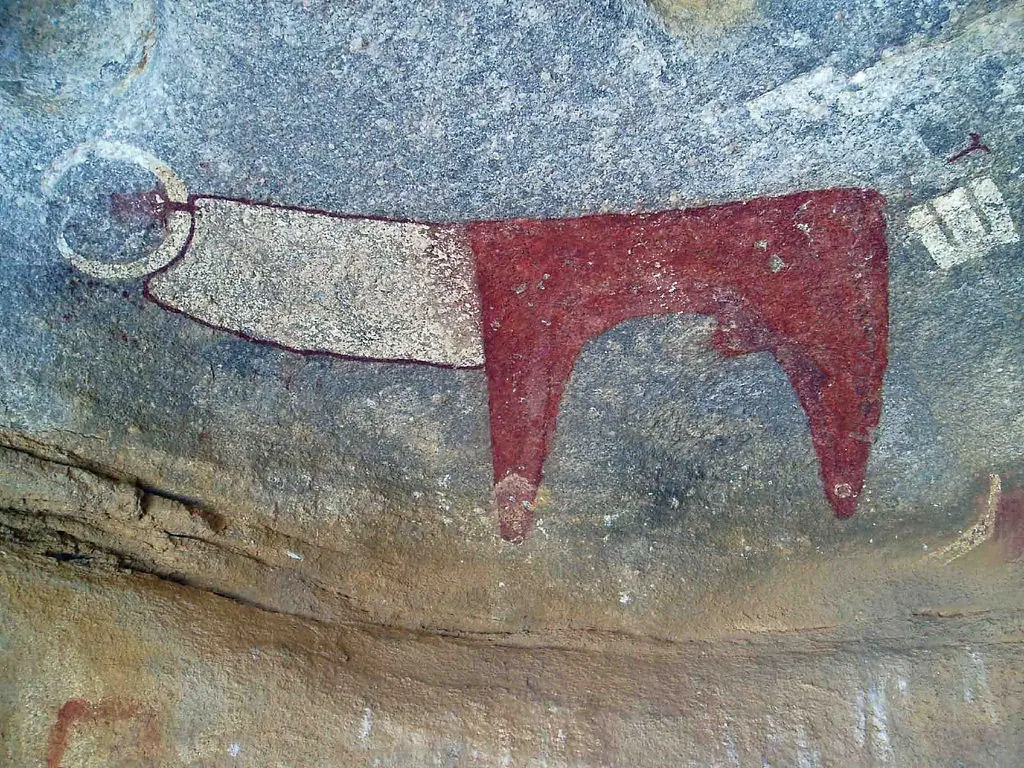
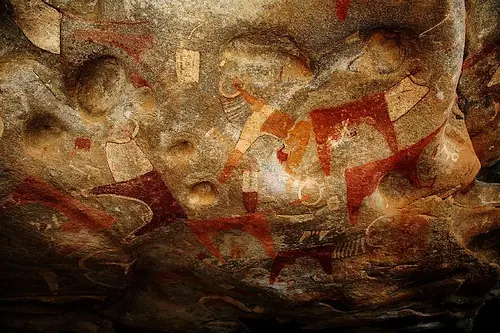
The single most extraordinary sight in the country is Laas Geel, a complex of painted rock shelters about an hour's rough drive northeast of Hargeisa. Ochre, red, yellow and white figures — long-horned cattle, antelope, giraffes and stick-thin herders — were painted onto the granite over thousands of years, some of the images possibly eight millennia old, and they survive in astonishing colour. A local guide unlocks the shelters, a modest visitor fee applies, and the walk takes around an hour. Go in the dry season; the track is impassable after heavy rain.
Hargeisa itself sits at roughly 1,300 metres, so evenings are cool and pleasant. The war memorial roundabout, topped by a grounded MiG fighter jet, is the city's landmark and gathering point, while the central market is the place to buy frankincense, alindi woven cloth and leatherwork. The livestock and camel markets on the edge of town are a full sensory experience and a reminder that this is still a pastoral economy at heart.
From Hargeisa, the road north climbs through the Sheikh pass, where the last juniper forest in the country clings to the escarpment, before dropping to Berbera on the coast. Berbera's old Ottoman-era quarter and palm-lined corniche are worth a slow morning, and roughly 50 kilometres inland, the Dhagax Khoure rock shelters hold another gallery of painted cattle. Further west, near the Djibouti border, the abandoned mosques and crumbling walls of Zeila mark a medieval trading port that once sent caravans deep into the Horn of Africa.
What Somalia Eats: Camel, Spiced Rice and the Gulf of Aden Catch
Camels are wealth here, and they are food too. Camel milk — thick, faintly saline, served fresh or soured — is drunk daily across the country and is the first thing a host will offer a guest. Camel meat appears grilled on skewers, or as muqmad, small cubes fried and preserved in ghee so they keep for weeks, a staple of long journeys. Goat, sheep and chicken fill out most meals, always cooked through and heavily spiced.
The coastal Benadir kitchen is Somalia's most refined cooking, a fusion of Swahili, Arab, Persian and Indian influences. Besides bariis iskukaris and suqaar, look for sambusa, thin pastry triangles stuffed with spiced meat or lentils; malawah, a sweet pancake eaten for breakfast with honey; and xalwo, the dense, glossy halva scented with cardamom and nutmeg that is obligatory at weddings. In Mogadishu, Italian echoes linger in pasta and espresso, while Kismayo and Baraawe serve the best seafood: kingfish, tuna and lobster pulled straight off the reef.
Eat with your right hand from communal platters, and expect to be urged to take more than you can manage. Tea is a ritual rather than a drink — shaah brewed with cardamom, cinnamon, cloves and ginger, sometimes poured from a great height to froth it. In the south, qaxwo, a lightly spiced coffee, does the same work in the morning. Buy frankincense and myrrh directly from the sellers who bring it down from the mountains; a small bundle costs little and smells like the whole country.
Beyond the Capitals: Baraawe, Merca, Goobweyn and the Frankincense Hills
South of Mogadishu, the old Swahili trading towns of Merca and Baraawe are the coast's cultural heart. Merca has Italian-era arcades facing a coral reef and a long, pale beach with very few visitors. Baraawe is quieter and older still, a warren of coral-stone houses with carved doors, the Ujumaa mosque, and a weaving tradition whose cloth and hats have been traded across the Indian Ocean for centuries. Both towns are best visited with local arrangements and a full day to spare.
Further south is Kismayo, and the spot that locals rate above all others: Goobweyn, where the Jubba River meets the Indian Ocean in a wide, braided delta of sandbanks, mangroves and birdlife. It is a thirty-minute drive from town and a favourite for picnics and fishing trips. Kismayo's waterfront grills, turning out fresh tuna and kingfish, are the best argument for spending a night here rather than passing through.
Inland in the north, the Cal Madow range rises to Shimbiris, the country's highest peak, through limestone cliffs terraced with the Boswellia trees that produce frankincense and the Commiphora that give myrrh. Harvesters tap the bark in the dry season, and the resin is graded, weighed and carried down to Bosaso and Berbera for export. Closer to the coast, the ruins of Hobyo recall a sultanate that once grew rich taxing the same trade. Visiting the hills needs a local guide, a four-wheel drive and a tolerance for rough roads.
Poetry, Tea and the Hospitality That Defines Somalia
This is a country that treats language as art. Somali poetry — the long gabay, the women's buraanbur performed with drums and clapping — is still recited competitively at gatherings, and a well-turned line earns more respect than almost anything else. Ask your host about dhaanto, the rolling folk dance of the western plains, or niiko, the hip-driven dance of the Benadir coast, performed at weddings and celebrations that can run until dawn.
Hospitality is not a courtesy here but an obligation, and it is taken seriously. You will be offered tea, dates and incense burned on charcoal, then asked about your family, your journey and how things are at home, before anyone asks what you want. Bring small gifts from your own country, accept the second cup, and never refuse food outright — taking a little is enough. When invited to a family meal, the centre of the floor is the table.
For souvenirs, look for alindi cloth and Baraawe weaving, leatherwork and woven mats, and above all frankincense and myrrh, sold in markets and along the roads in the north. Buy from the person who made or carried it, ask before taking anyone's photograph, and respect the local rhythm: in a country where few outsiders come, the way you behave as a guest matters far more than the money you spend.
Frequently asked questions
Is Somalia safe for tourists right now?
There is no single answer, because risk varies sharply by region and by week. Parts of the country are firmly off-limits and others require careful planning, escorted transport and a trusted local host. The northwestern region around Hargeisa and Berbera runs its own administration with a different security picture and the most developed visitor services. Check your government's current advisory, arrange everything through a local host, and treat independent wandering as unrealistic.
What is the best time of year to visit Somalia?
December to March is the most reliable window overall: dry, dusty and with cooler evenings on the northern plateau. If your plans are coastal, the Hagaa monsoon from July to September brings sea breezes that make Mogadishu, Merca and Kismayo comfortable, though Berbera gets punishingly hot in summer. Avoid interior road trips during the Gu rains from April to June, when tracks can become impassable.
What should I wear and how should I behave?
Dress modestly and practically: loose cotton clothing covering shoulders and knees, and a scarf for women in conservative areas and at religious sites. Greet people properly before asking anything, use your right hand to eat and to pass items, and always ask before photographing people, markets or anything official. Photography around checkpoints is a hard no.
Which Somali dishes should I try first?
Start with bariis iskukaris, spiced rice with raisins served alongside grilled goat or chicken, and suqaar, diced meat seared with peppers and cumin. Try muufo baraawe, a cornmeal flatbread dipped in stew, and sambusa as a snack. Fresh camel milk is a national staple, shaah is the spiced tea you will drink constantly, and xalwo, cardamom-scented halva, is the sweet to finish with.
Do I need a visa, and can I travel independently?
Visas are arranged through Somali diplomatic missions or, for the northwestern region, through its own separate application process. Independent backpacking is not realistic: almost all travel is organised through a local host who arranges transport, accommodation and movement between checkpoints, sometimes with escorts. Build in flexibility, expect plans to change, and allow more time than you think you need.
Sort the rest of your trip
Everything for Somalia, in one place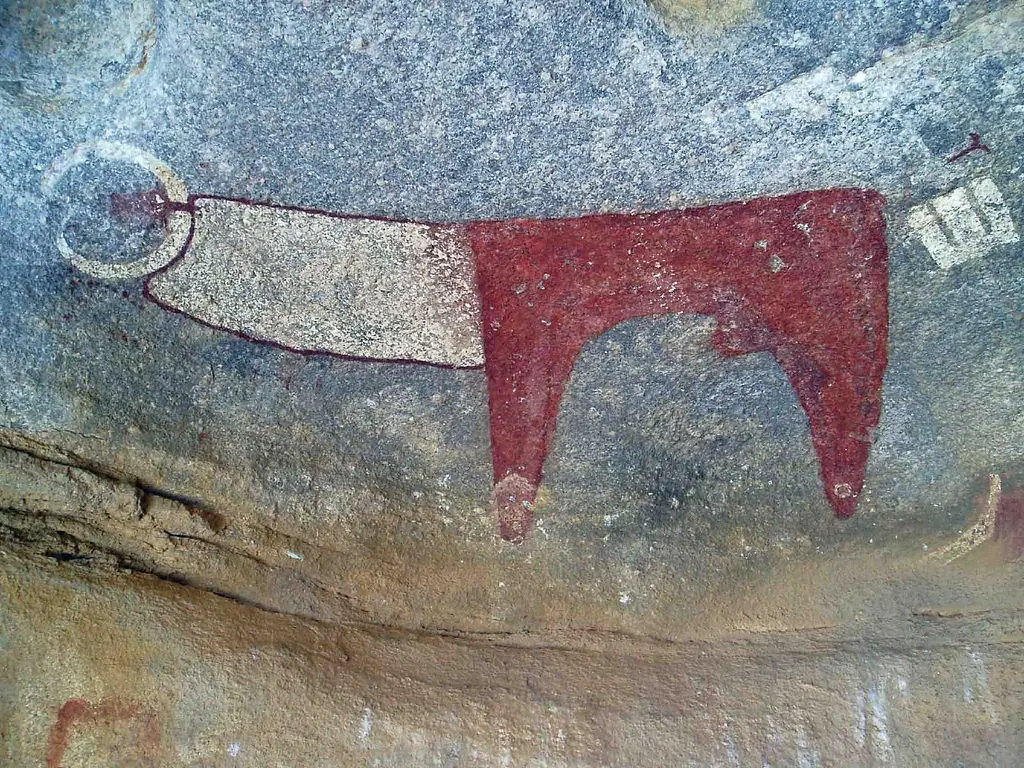
Stay in Somalia
Hotels, guesthouses and apartments — compared in one search.
Search hotels
Transfer in Somalia
Private driver waiting on arrival — no queues, no surprises.
Book a transfer
Stay online in Somalia
Travel eSIM — data the moment you land, no roaming bills.
Get an eSIM