Somalia is one of the least-visited corners of Africa, with a coastline that runs for thousands of kilometres and cities layered with Swahili, Arab, Ottoman and Italian history. Hotel stays here are never quite ordinary — they are gated, guarded and often memorable in ways no beach resort elsewhere can match.
How Hotels in Somalia Actually Work
The first thing to understand about accommodation in Somalia is that security shapes everything. Most mid-range and upmarket hotels are compounds rather than open-fronted buildings: blast walls, a single controlled gate, bag searches, metal detectors and a small staff of guards. That can feel intimidating on arrival, but it is normal, and it usually comes with excellent hospitality — cold juice while your bags are checked, tea brought to your room, and staff who take genuine pride in looking after guests.
In practice there are four broad categories. In Mogadishu you find secure business-style hotels used by traders, aid workers and returning diaspora, often with a garden, a restaurant and reliable generators. In Hargeisa, the range is wider and more relaxed, from simple family-run guesthouses with shared bathrooms to comfortable modern hotels with rooftop terraces. Along the coast there are beachside lodges near Liido and Berbera, and in Bosaso and Kismayo you will mostly find practical lodgings attached to guesthouses or guest wings of larger houses.
Expect rooms quoted in US dollars, often paid in cash on arrival, with breakfast and sometimes dinner included. Air conditioning is standard in mid-range places; hot water can be intermittent; power cuts are common, so a generator is a good sign. Wi-Fi exists but is rarely fast. Reserve by phone or through a local contact rather than relying on walk-ins, and always confirm airport pickup — being met at the gate by someone who knows the checkpoints makes an enormous difference.
Mogadishu: The Capital's Fortified Charms
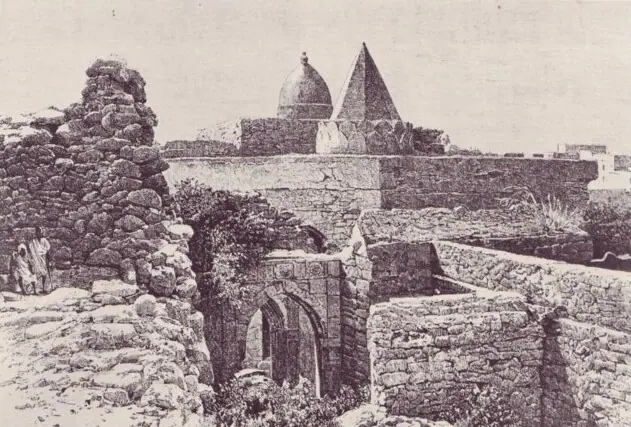
Mogadishu is a city that rewards curiosity, provided it is curiosity managed by local people. The historic quarters of Hamar Weyne and Shangani hold some of the oldest surviving architecture on the East African coast, including the Fakr ad-Din Mosque, a compact thirteenth-century stone mosque with carved coral detailing that is among the oldest Islamic buildings in the region, and the nearby Arba'a Rukun Mosque with its slender minaret. The ruined Italian-era cathedral, roofless and colonised by pigeons, stands as a strange, quiet monument to the city's layered past.
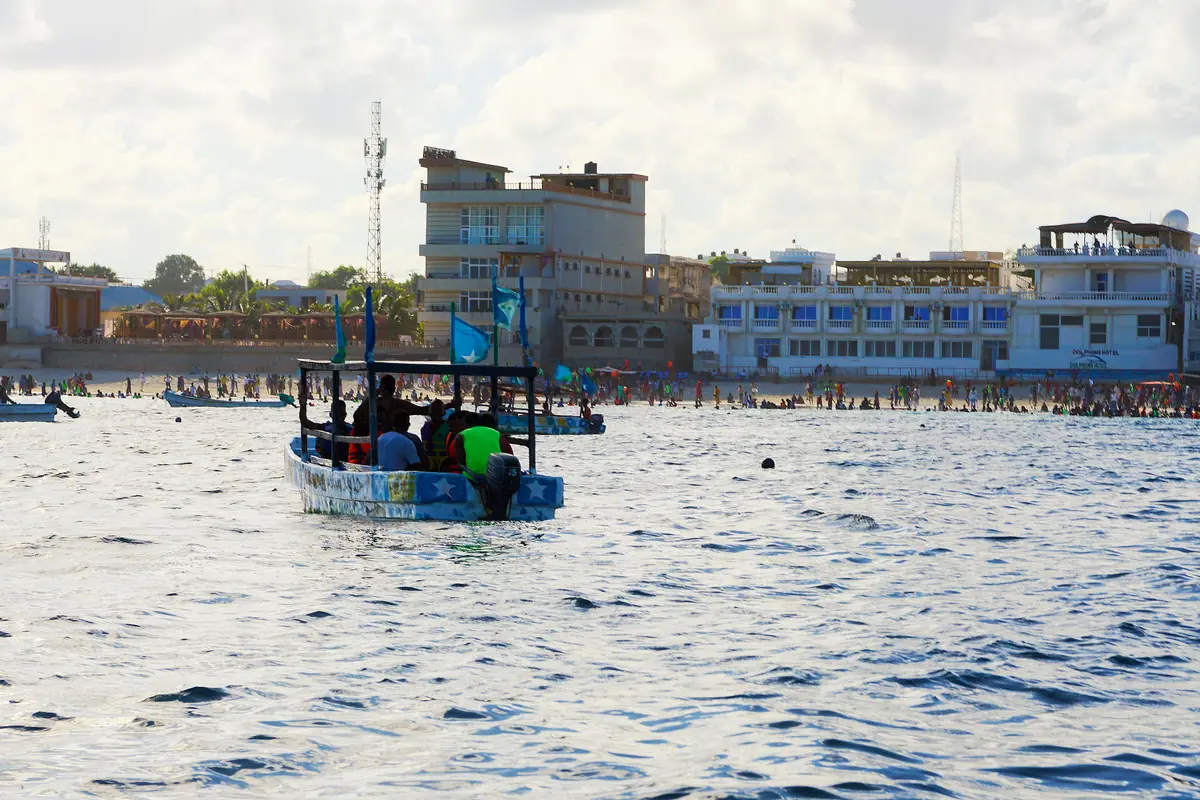
Everyday Mogadishu is loud, warm and entrepreneurial. Bakara Market sprawls across the city centre with stalls of gold, textiles, frankincense, myrrh and electronics, while the obelisk of Daljirka Dahsoon, the monument of the unknown soldier, anchors one of the capital's main roundabouts. The social life, though, happens at the water's edge: Liido Beach and Jazira Beach fill in the late afternoon with families, footballers and kites, and the seafood — grilled kingfish, lobster, giant prawns — is some of the best value in the Indian Ocean.
Friction points are real. Moving around requires a car and driver, journeys are short and planned, and checkpoints are frequent, so days tend to be built around two or three fixed stops rather than free wandering. Travellers generally stay in hotels with their own dining, arrange a trusted guide in advance and keep itineraries private. Do that, and the capital unfolds as a warm, hospitable and surprisingly beautiful city rather than the caricature it is often reduced to.
Hargeisa and the Northwest: The Gentlest Introduction
Hargeisa, in the northwest, is where most independent travellers start, and for good reason: it is the easiest Somali city to stay in, with the widest choice of hotels and guesthouses, a cooler highland climate at roughly 1,300 metres, and a streetscape of tea shops, tailors and book stalls that invites unhurried walking. Hotels cluster around the central market and along the main avenues, ranging from budget rooms with fans to well-kept mid-range hotels with courtyards and dependable electricity.
The city's landmarks are unmissable. The Hargeisa War Memorial, a fighter jet mounted on a plinth in the middle of town, is the city's defining image, while the twin Naasa Hablood hills rise at the edge of town and make an easy sunset walk. The livestock market on the outskirts is one of the largest in the Horn of Africa, a roaring spectacle of camels, goats and cattle that is worth a morning on its own, and the central market is the place to buy frankincense, myrrh and handwoven cloth.
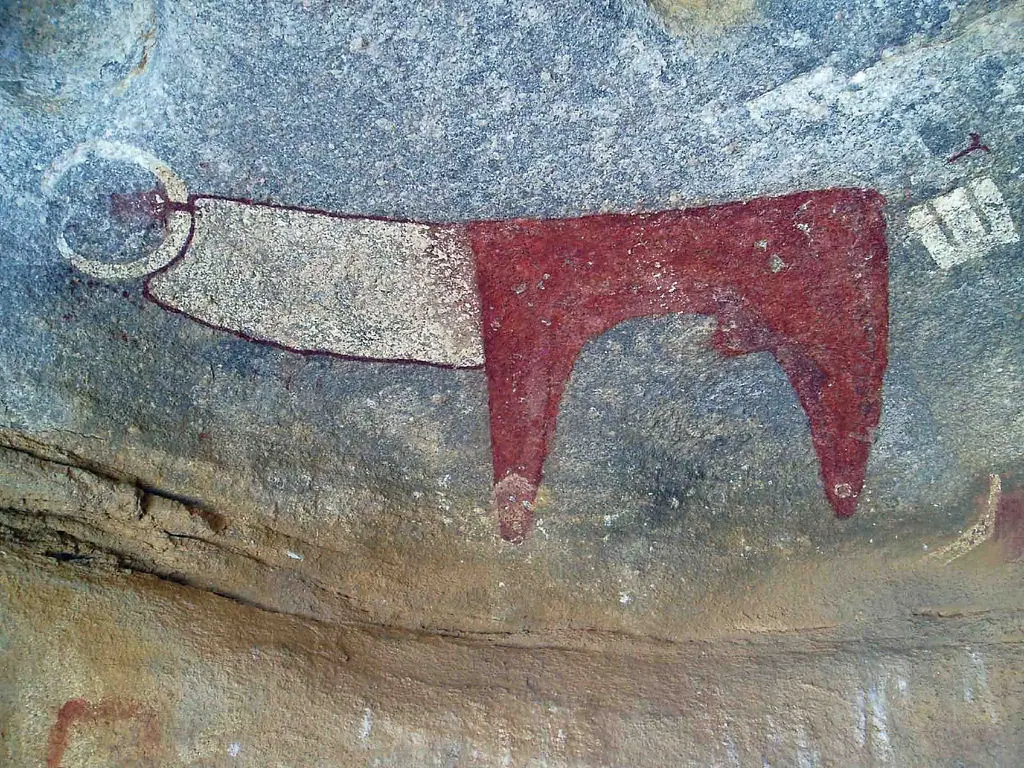
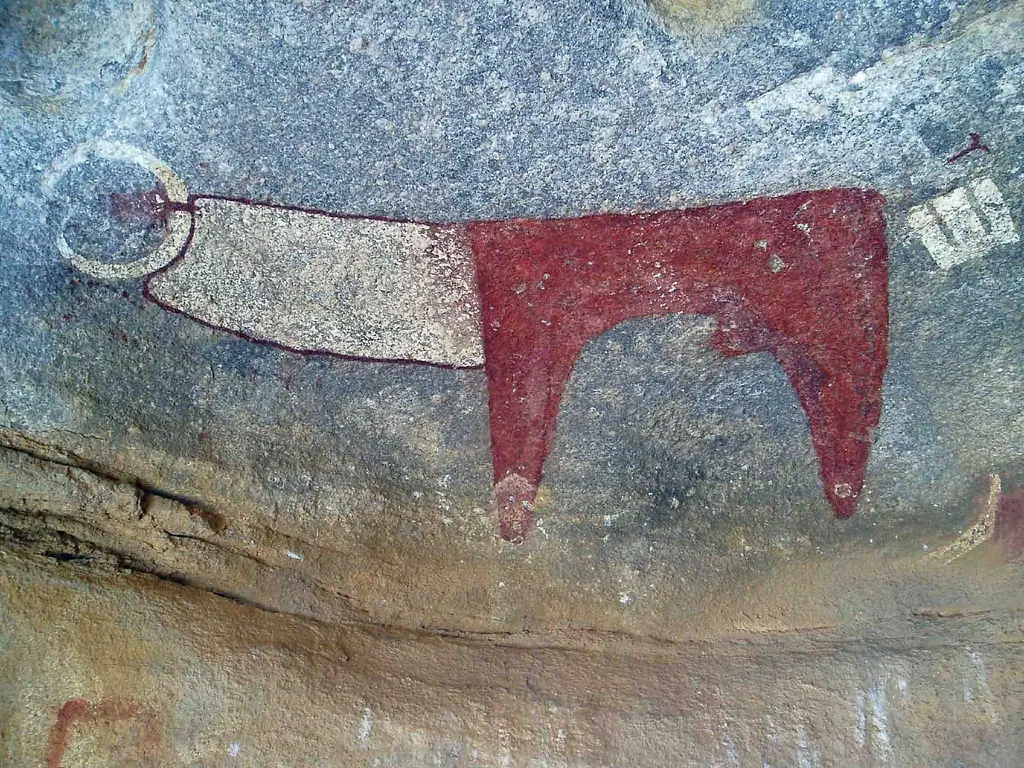
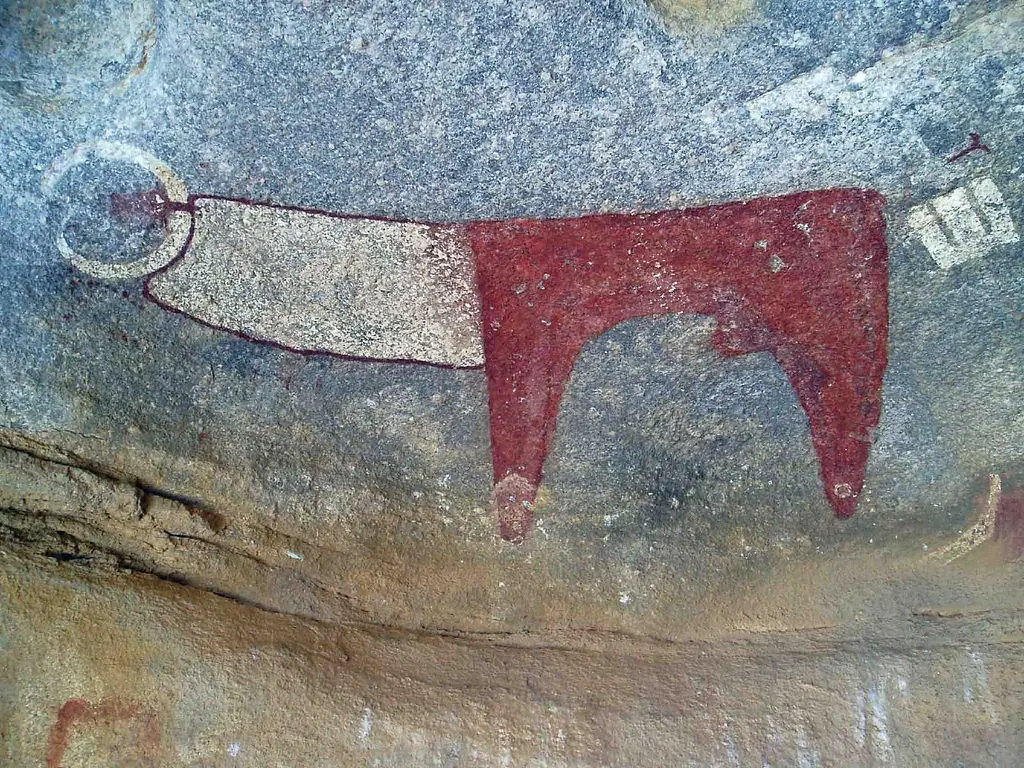
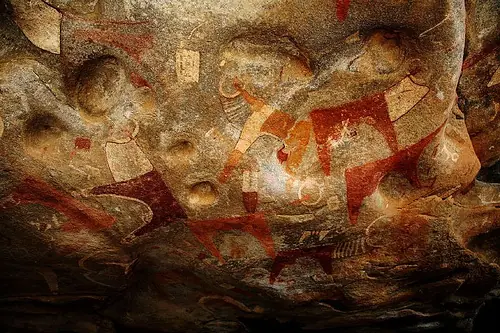
The real prize sits about an hour northeast: Laas Geel, a complex of rock shelters covered in some of the most vivid prehistoric paintings in Africa — horned cattle, giraffes and human figures in ochre, white and red, painted thousands of years ago and still startlingly sharp. Visits are arranged locally from Hargeisa, usually with a driver and a site guide, and involve a short but hot walk up a rocky slope. Combine it with an afternoon in Berbera, over the Sheikh Pass, for a full day out.
The Northern Coast and Mountains: Berbera, Zeila and Cal Madow
Berbera, a two to three hour drive from Hargeisa, is a former Ottoman port town with broad avenues, coral-stone merchant houses and a deep, hot harbour. Its hotels are simple and functional — this is a working port, not a resort — but the beaches north and east of town are long, empty and genuinely lovely, and the town's role in the old incense and livestock trade gives it a melancholy, atmospheric edge. Come for a night or two, swim early before the heat builds, and eat fish straight off the boats.
Further west, close to the Djibouti border, lies Zeila, an ancient port that was a hub of the Adal Sultanate and a staging point for centuries of Red Sea trade. Today it is a scatter of ruined mosques, tombs and coral walls beside a shallow, blinding-blue bay, with a lighthouse on the spit. Reaching Zeila takes a long, rough drive and conditions near the border can change, so it is a trip to attempt only with local guidance and a flexible schedule.
For something entirely different, head east into the Cal Madow range, where the Daallo escarpment drops in a sheer green wall towards the Gulf of Aden. The juniper forests and cliffs here hold endemic birds and plants found nowhere else, and the little coastal town of Maydh below makes a low-key base. Roads are rough, accommodation is basic, and the journey is slow — but this is the most dramatic landscape in the country.
Puntland and the Southern Coast: Bosaso, Kismayo and Goobweyn
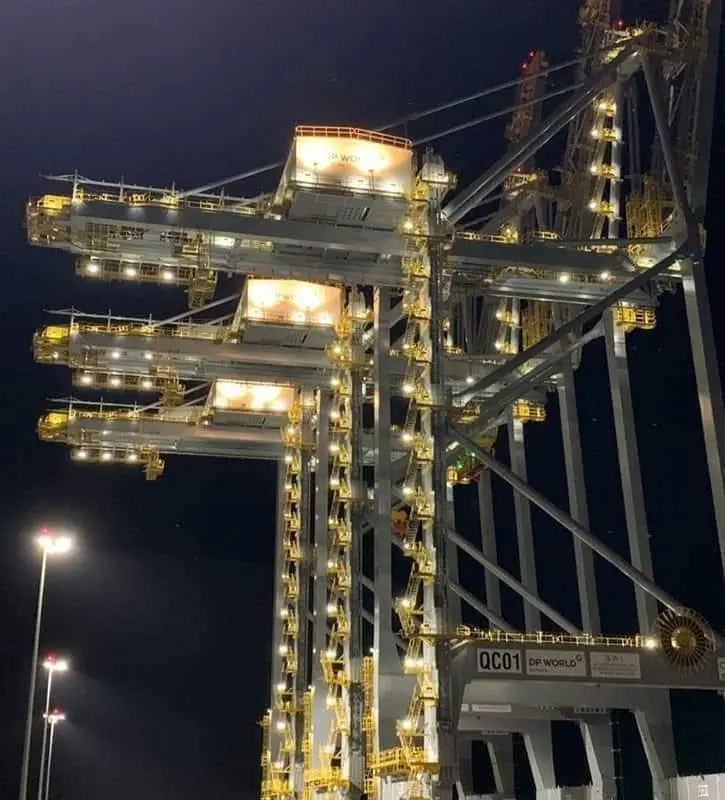
Bosaso, the main port of Puntland, has a small but steady hotel scene built around trade and shipping. Rooms are clean and practical, security is visible, and the beach on the edge of town gives you a rare chance to swim with camels wandering past. It is a useful base for the far northeast, and local guesthouses can arrange drivers for onward trips, though independent movement outside the city is best done with local advice and, in some areas, an escort.
In the far south, Kismayo sits near the mouth of the Juba River, and the nearby spot of Goobweyn — where the brown river meets the Indian Ocean in a visible line of colour — is one of the country's great natural curiosities. Kismayo's hotels are modest and security-focused, and visits require careful local arrangement. Further up the coast, the old Swahili trading towns of Marka and Barawa hold crumbling coral houses, carved doors and Friday mosques that hint at a wealthy, cosmopolitan past.
These southern routes are not for casual travel. Access shifts with the season and the security picture, roads flood during the rains, and hotel capacity is small, so bookings are best made through people on the ground. If you can go, the reward is coastline that sees almost no visitors at all — empty white sand, dhow hulls under repair, and markets where the day's catch is sold straight off the beach.
When to Go, What to Pack and How to Book a Room
Somalia's climate splits along its coasts and highlands. The dry, relatively comfortable season runs roughly from December to March, when the northern highlands around Hargeisa are pleasant and inland towns are hot but bearable. From June to September the Kharif monsoon brings cool, grey, drizzly weather to the southern coast, so Mogadishu can actually feel breezy and mild while the interior bakes. The Gu rains of April to June and the shorter Dayr rains of October to November turn dirt roads to soup and disrupt travel plans, so build slack into any itinerary.
Pack for modesty and heat: loose long clothing, a headscarf for women, strong sun protection, a refillable bottle with a filter, and a power adapter for the 220-volt sockets. Bring a torch, a small first-aid kit, and more cash than you think you need in clean, unmarked US notes — card payment is rare, ATMs are almost nonexistent outside a few city locations, and mobile-money transfers are the local norm. A local SIM bought on arrival solves most communication problems.
Booking is less about online reservation systems and more about human contact. Email or phone a hotel directly, or ask a local contact or fixer to hold a room; confirm the rate, whether meals are included, and whether an airport pickup with a known driver is part of the deal, since drivers are usually the ones who negotiate the checkpoints. Choose a property with a reputation for security and a reliable generator, register your plans with your embassy where that is possible, and keep your movements unpredictable but always arranged in advance. Handled that way, Somalia's hotels become a comfortable, hospitable base for one of the most unusual journeys left on the planet.
Frequently asked questions
Is it safe to stay in hotels in Somalia?
It depends enormously on where you are. Mogadishu hotels operate as guarded compounds with vehicle screening and armed staff, and travel between them is short and escorted. Hargeisa and Berbera in the northwest are markedly calmer and easier to move around. Several governments advise against travel to large parts of southern and central Somalia, so check current guidance, work with local contacts, and let their advice override any plan you have already made.
Which Somali city has the best hotels?
Hargeisa has the widest and most relaxed choice, from cheap guesthouses to comfortable mid-range hotels with courtyards and decent food. Mogadishu has a solid set of secure business hotels with strong service but tighter movement restrictions. Bosaso is fine for a night or two, while Kismayo and the southern coastal towns have small, practical lodgings that need to be arranged locally in advance.
What is the best time of year to visit Somalia?
December to March is the most reliable window, with dry conditions and manageable heat in the northern highlands. June to September brings the Kharif monsoon, which makes the southern coast around Mogadishu cooler, damper and mistier while inland areas stay very hot. Avoid the Gu rains of April to June and the Dayr rains of October to November if your plans involve long road journeys.
Do I need a visa, and how do I pay for things?
Yes. Somalia requires a visa arranged in advance, and the northwestern region issues its own separate permit, so confirm which one applies to your route before you fly. Bring clean US dollar notes for hotels, drivers and meals, since cards are rarely accepted and ATMs are scarce; mobile-money transfers are the everyday local payment method and vendors can usually help you top up.
How do I arrange a visit to Laas Geel?
Laas Geel is roughly an hour's drive northeast of Hargeisa. Access is arranged locally, usually as a day trip with a driver and a site guide, and you should expect a short, hot walk from the road up to the rock shelters. Go early in the morning, carry water, and combine it with a stop in Berbera or the Hargeisa livestock market to make a full day of it.
Sort the rest of your trip
Everything for Somalia, in one place
Transfer in Somalia
Private driver waiting on arrival — no queues, no surprises.
Book a transfer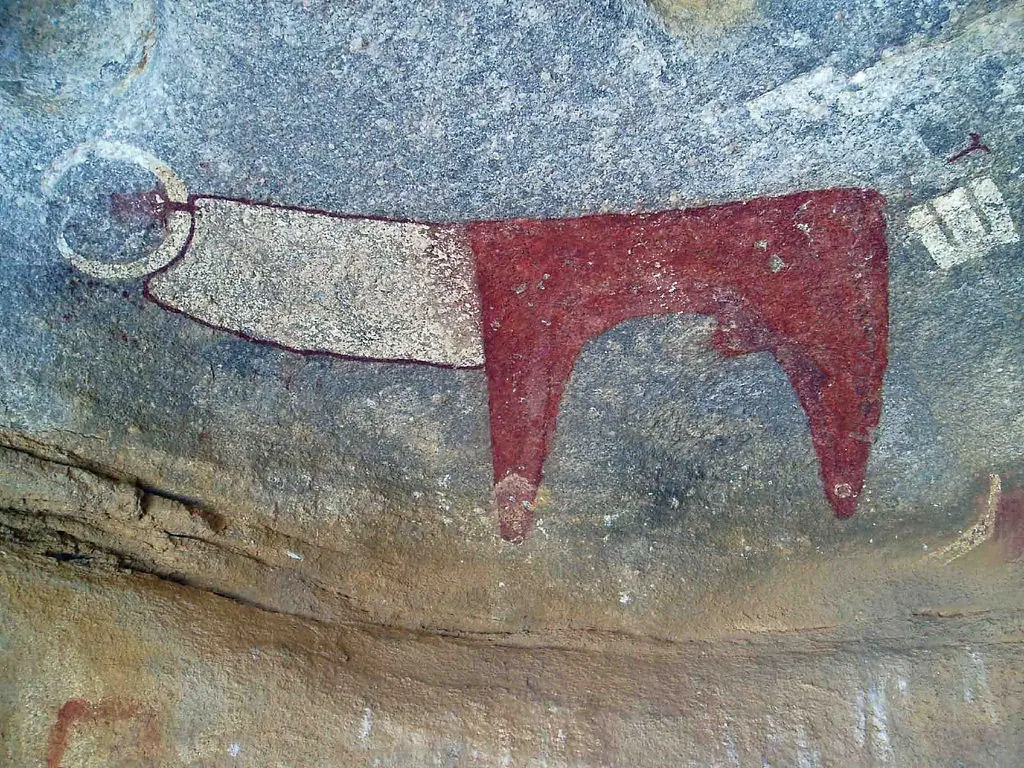
Things to do in Somalia
Skip-the-line tickets, guided tours and standout experiences.
See experiences
Stay online in Somalia
Travel eSIM — data the moment you land, no roaming bills.
Get an eSIM