Somalia is one of the last genuinely unexplored corners of Africa — a country of coral-stone ghost towns, painted rock shelters older than most of the world's civilisations, and a coastline so long it brushes three seas. It rewards the curious traveller with empty beaches, frankincense forests and hospitality that arrives before you've even asked.
Mogadishu: Lido Beach, Coral Ruins and a City Finding Its Feet
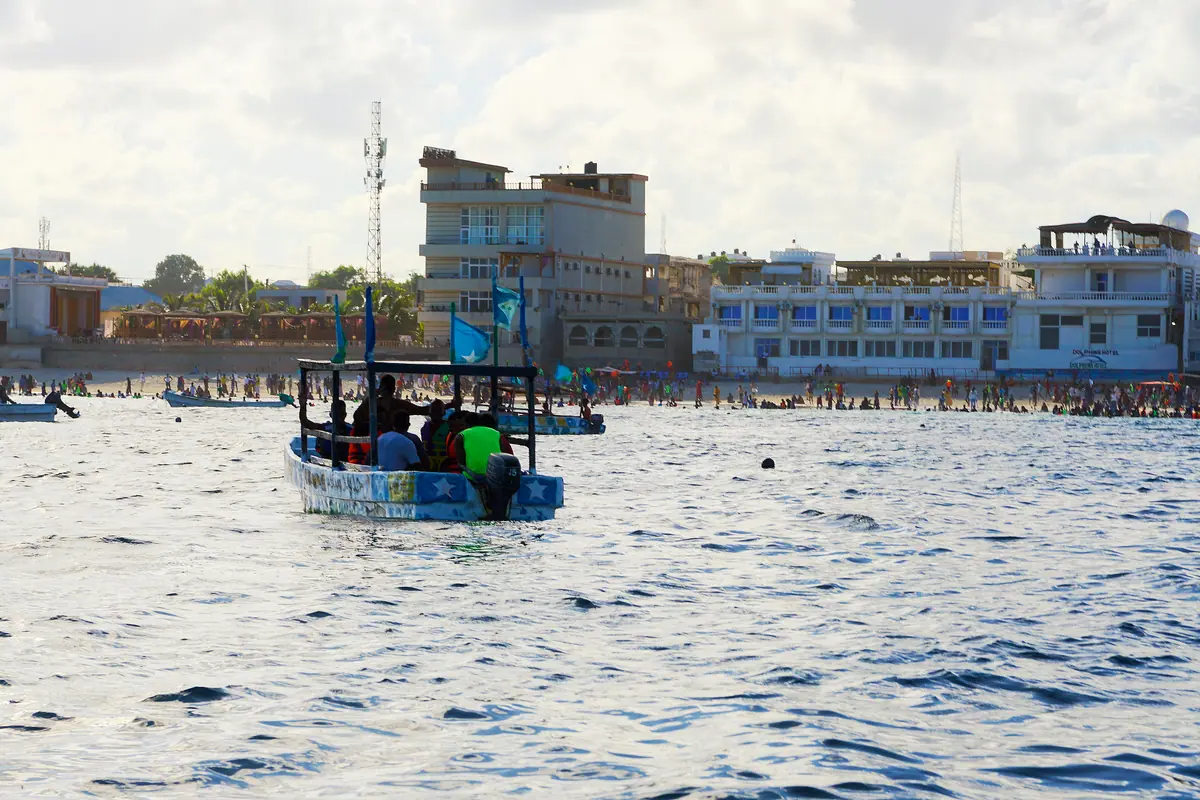
Mogadishu is where most journeys begin, and it is far livelier than its reputation suggests. The city's social heart is Lido Beach, a long curve of pale sand on the Indian Ocean where families gather on Friday afternoons, footballs fly across the dunes and grilled lobster and tuna come straight off the boats at the waterfront fish market. Nearby Jazira Beach is quieter, good for a slow swim and a glass of spiced tea as the dhows come in.
Inland, the old quarters of Hamarweyne and Shangani hold the city's memory. The Arba'a Rukun Mosque, founded in the 13th century, is one of the oldest Islamic structures in East Africa and still in daily use, its slender minaret rising above a jumble of market stalls. A short walk away stand the roofless shell of the old Italian-era cathedral and the crumbling facades of the colonial seafront, their coral-stone walls shot through with bougainvillea — haunting, beautiful and unmistakably Mogadishu.
Come with a local host rather than a checklist. Movement around the city is usually arranged through a trusted fixer, visits to markets such as Bakaara are best done early with guidance, and photography of anything official is a firm no. Do it properly and Mogadishu feels less like a risk than a privilege.
Hargeisa and Laas Geel: Rock Art Older Than the Pyramids
In the north-west, Hargeisa is the most relaxed big city in the Somali lands, sitting in a bowl of hills at around 1,300 metres, which keeps the air noticeably cooler than the coast. Its landmarks are quirky and political: the war memorial topped with a MiG fighter jet, the twin Naasa Hablood hills that appear on the local currency, and a central market where camel milk, frankincense resin and handwoven cloth change hands each morning. The livestock market on the edge of town is a spectacle in itself — hundreds of camels, goats and sheep, all negotiated over tea.
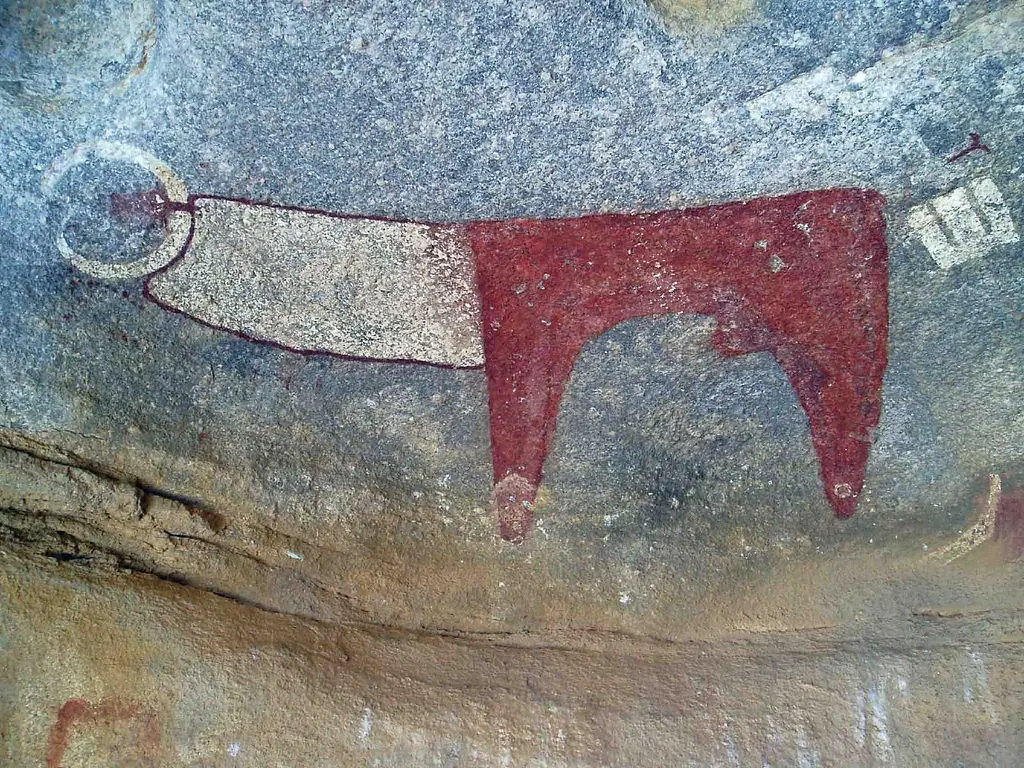
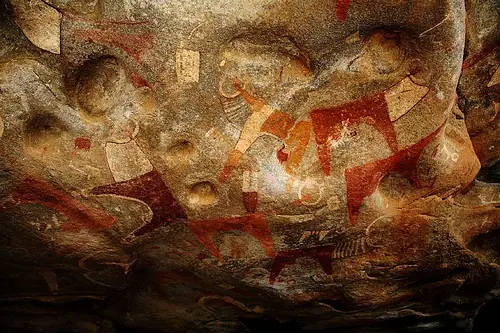
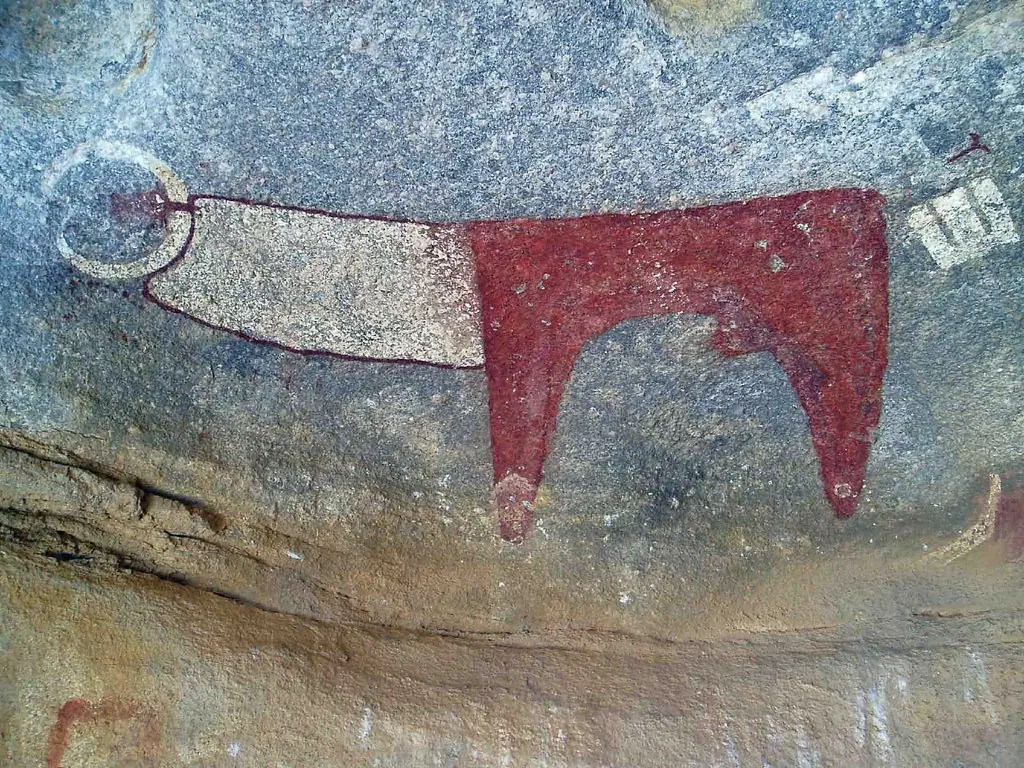
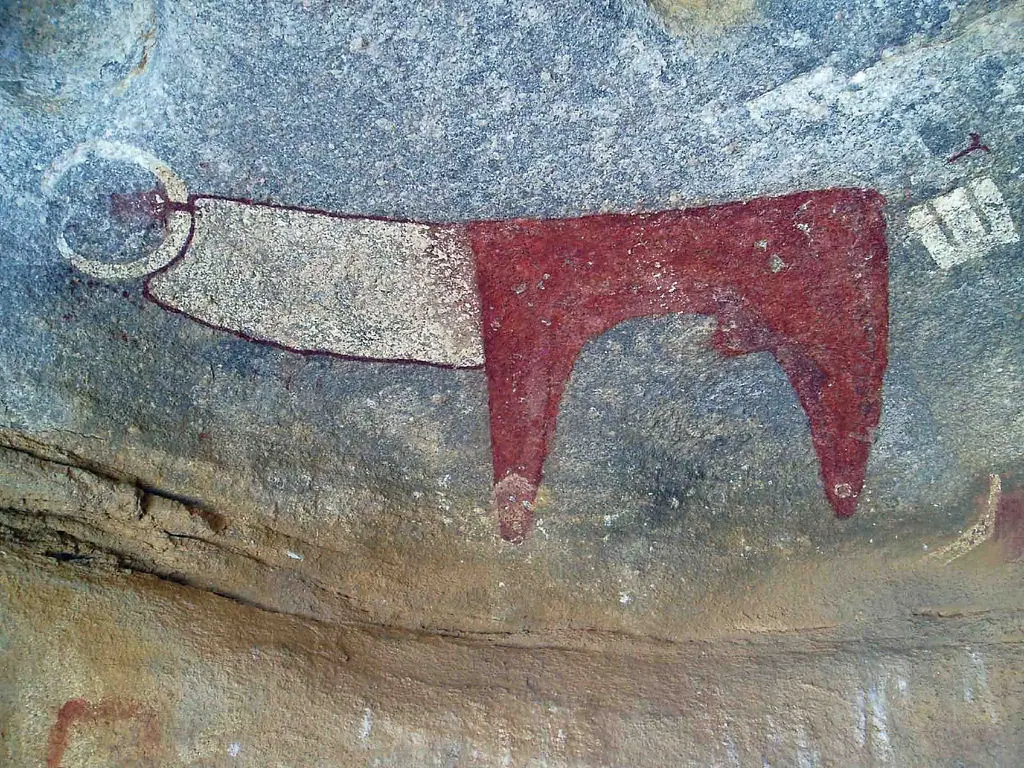
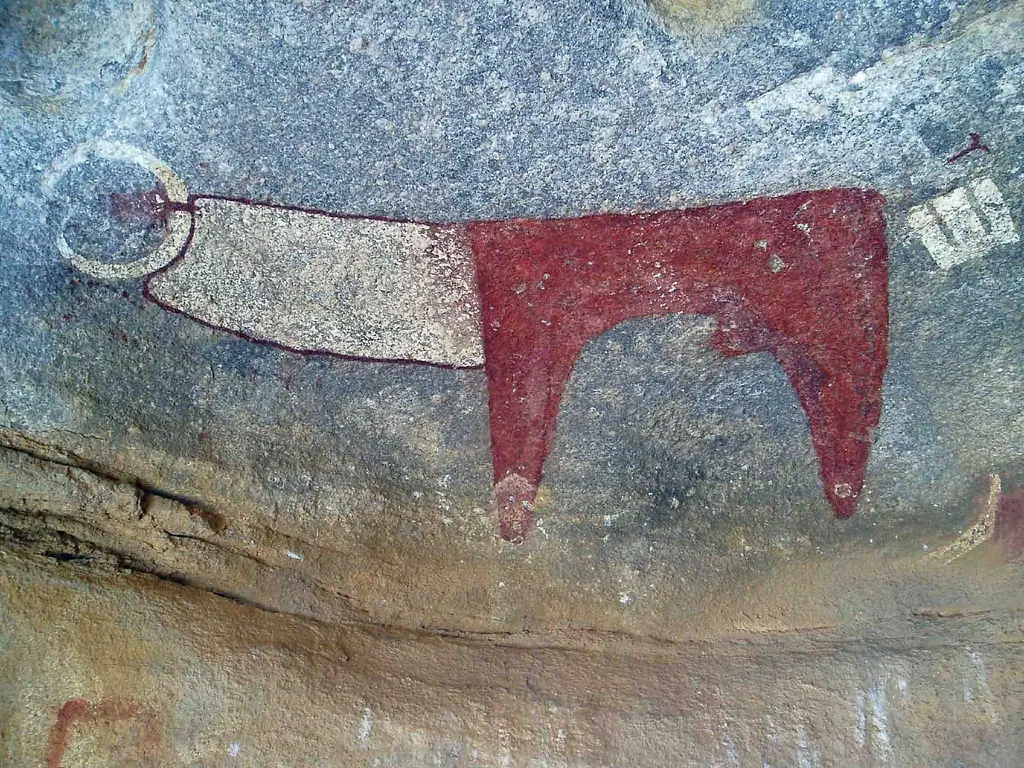
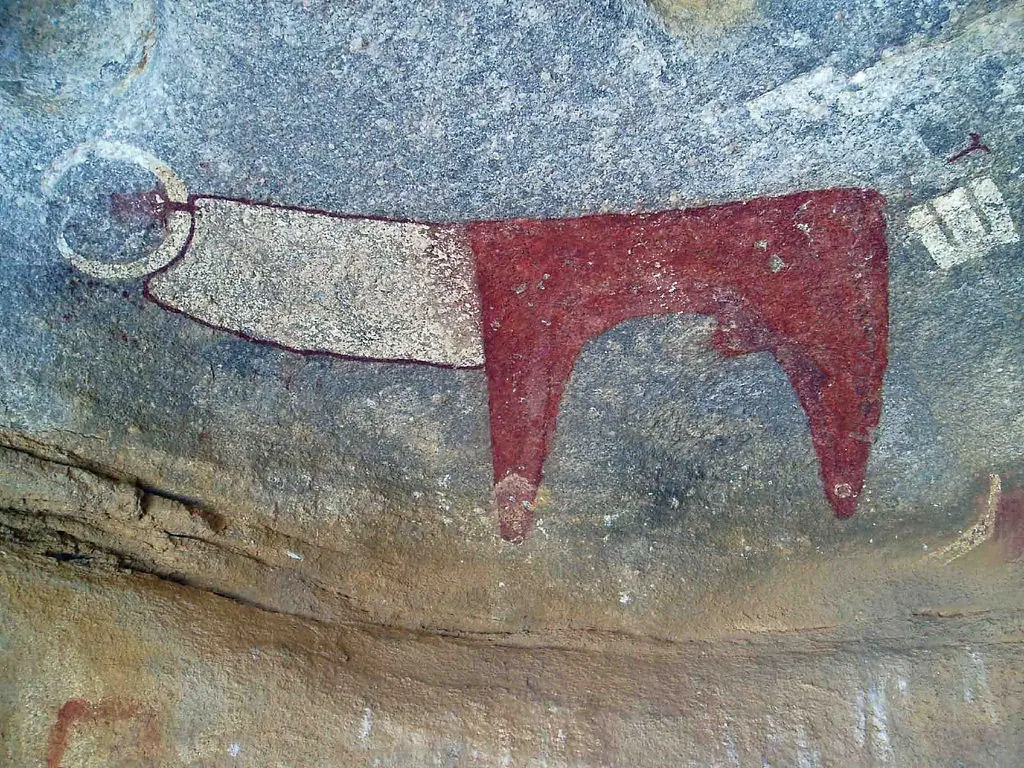
The real prize lies about an hour and a half northeast: Laas Geel, a series of granite rock shelters covered in some of the best-preserved prehistoric paintings in Africa. Painted in ochre, white and deep red, the panels show long-horned cattle, herders, giraffes and wild dogs, layered over one another across thousands of years. Standing in the cool shade in front of them, with nobody else around, is one of the great underrated experiences on the continent.
Access requires a permit arranged in Hargeisa a day or two in advance, a four-wheel-drive vehicle for the final rough track, and a guide who knows which shelters are open. Further east, the Dhambalin shelters add sheep and goat imagery to the story, and the Sheikh pass on the road down to the coast offers switchback views you'll want a full afternoon for.
Berbera and Zeila: The Gulf of Aden's Forgotten Ports
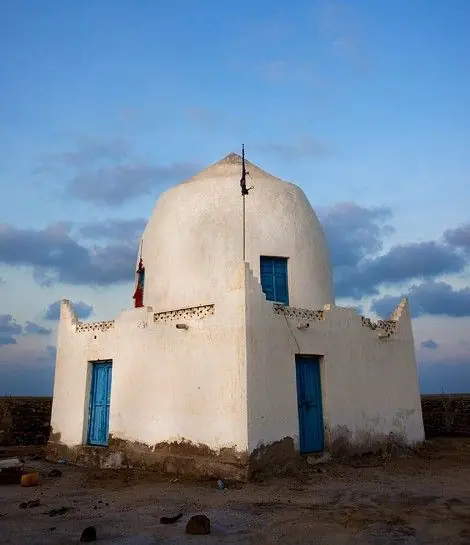
Berbera is the north's seaside town, hot, sleepy and full of history. Its old quarter is a tight grid of Ottoman-era coral-block houses, shuttered balconies and a handful of graceful mosques, all within sight of a working port where livestock ships and dhows share the quay. The beach runs for kilometres just outside town, the water is warm and clear, and from October to April the visibility offshore is good enough for snorkelling and beginner diving. Dolphins are common, and game fishing for tuna and kingfish is easily arranged with local boat owners.
Farther north-west along the Gulf of Aden sits Zeila, a half-abandoned port that was once a major trading gateway to the Horn. Its ruins — collapsed mosques, stone tombs, the shell of an old customs house — sit beside salt flats and mangrove creeks that fill with flamingos and wading birds in the cooler months. It's a place to walk slowly, with a local guide, and to imagine the caravans that once left here for the Ethiopian highlands.
The coast road between Berbera and Zeila is rough in places and best tackled in the dry season with a sturdy vehicle. Fuel up in Berbera, carry more water than you think you need, and plan to be back before dark.
Puntland and Cal Madow: Frankincense, Mountains and Africa's Easternmost Point
Puntland, in the north-east, holds landscapes that feel genuinely out of time. The Cal Madow range rises sharply behind the coastal plain, its upper slopes clothed in juniper and wild olive, its cliffs dropping toward the Gulf of Aden. Shimbiris, the country's highest peak, sits up here, and the terraced slopes are among the world's great frankincense grounds — trees are tapped by hand in the dry season and the pale resin is still traded in the same way it was when caravans carried it north to Rome.
Below the mountains, Bosaso is Puntland's main port and the obvious base: a hot, busy town with a decent beach, a good fish market and easy access to the mountains and the coast road east. Further along lies Qandala, an old stone town squeezed between cliffs and sea, and beyond it Ras Hafun, the easternmost point of the African mainland — a low, wind-scoured headland with the ruins of an old salt works and nothing but ocean between you and India.
Inland and south, Taleh preserves the forts and tombs of the Dervish era, including the mausoleum of Mohammed Abdullah Hassan, a striking piece of early 20th-century stone architecture in the middle of a semi-desert. It's remote, requires permits and a serious vehicle, and is rarely visited — which is exactly the point.
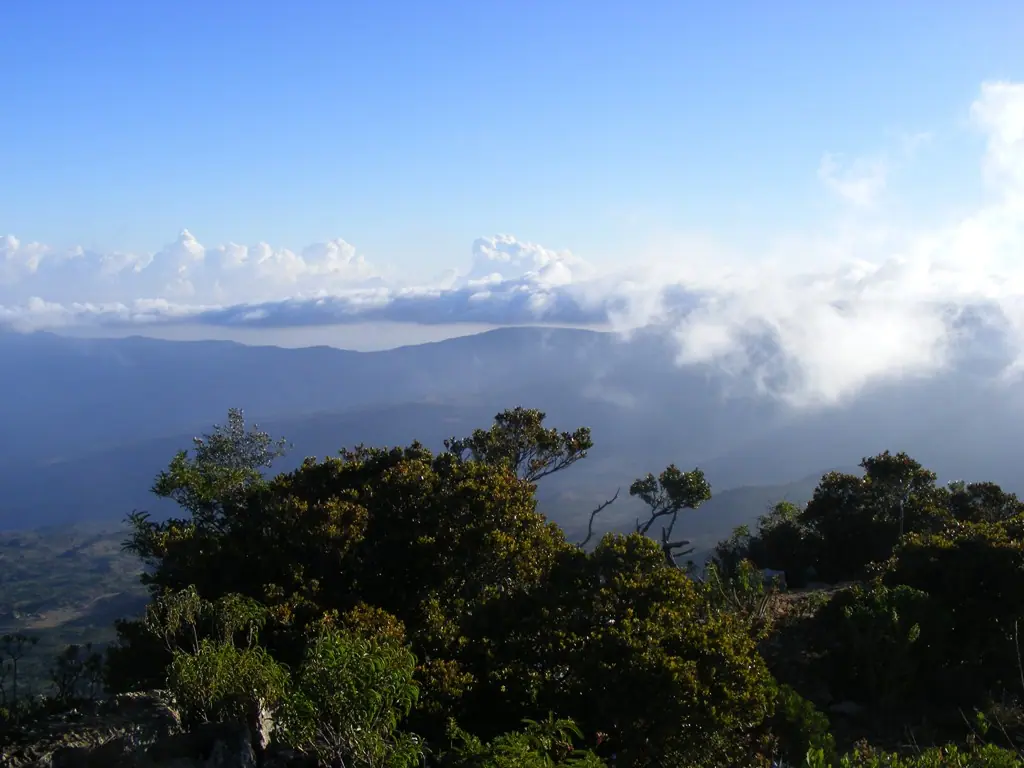
The Southern Swahili Coast: Merca, Baraawe and Gondershe
South of Mogadishu, the coastline turns distinctly Swahili. Merca is a whitewashed old town of coral houses, carved doors and narrow lanes, dominated by the Friday Mosque and a seafront where fishing boats land each morning. It's an easy, atmospheric half-day trip from the capital, best timed for the early market and a swim before the afternoon heat builds.
Baraawe, further down the coast, is quieter and more decayed, with elegant crumbling merchant houses, several old mosques and a strong weaving tradition. Between the two lies the strangest sight on this stretch: Gondershe, a hilltop stone settlement surrounded by a thicket, dotted with pillar tombs and coral-block walls whose origins are still debated. Walking up through the scrub to the empty ruins, with the ocean glittering behind, is the kind of experience travellers chase for years and rarely find.
Further south again, Kismayo sits near the mouth of the Jubba River, where the freshwater meeting the sea at Goobweyn creates a lush, bird-rich delta. The offshore Bajuni islands offer mangroves, snorkelling and empty sandbars, reachable only by local boat and only with someone who knows the currents.
When to Go and How to Travel Somalia Responsibly
The coastal climate splits into four rough seasons. The long dry season from December to March is the most comfortable, with warm days, cooler nights in the northern highlands and calm seas; this is the window for diving, Laas Geel and long coastal drives. The Gu rains arrive around April and last into June, turning roads to mud. The Hagaa of July to September is hot, dry and windy on the coast — bearable on the beach, punishing inland. The short Deyr rains follow from October to November, brief but enough to close tracks.
Getting in usually means flying to Mogadishu or to Hargeisa, the northern hub, with onward connections to Berbera and Bosaso; overland entry from Djibouti into the north-west is possible in the dry season but slow. Cash rules: bring US dollars in clean, recent notes and change them locally, and expect almost nowhere to accept cards. Women should plan to cover their hair and everyone should dress modestly — loose trousers, shoulders covered — and ask before photographing people, mosques or anything that looks official.
Nothing here is DIY. Arrange a vetted local fixer or host before you book flights, follow their advice on which districts are open on any given day, travel in daylight, and keep an itinerary that can flex. Visas, permits for sites such as Laas Geel, and any regional paperwork all run through your local contact. Handled that way, Somalia's mosques, rock shelters, frankincense forests and empty beaches are not just reachable — they're unforgettable. And do eat: canjeero flatbread with honey, bariis iskukaris rice with camel or goat, fresh tuna straight off the coals, and shaah, the spiced tea that ends every negotiation.
Frequently asked questions
Is Somalia safe for tourists?
Parts of the country carry real risk and some regions are effectively off-limits, including much of the far south and areas along the Ethiopian border. The northern regions and Mogadishu are visitable with a trusted local fixer, arranged security where required and a flexible itinerary. Always check current conditions with your host before booking and never travel independently without local guidance.
When is the best time to visit Somalia?
December to March is the sweet spot: dry roads, calm seas, comfortable temperatures in the northern highlands and good conditions for coastal diving and rock-art sites. Avoid the Gu rains from around April to June, when many dirt roads become impassable.
Do I need a guide or fixer to travel in Somalia?
Yes, in practice. A local fixer handles permits, transport, security arrangements, accommodation and site access, and will tell you which areas are open on any given day. Independent backpacking is not realistic here.
How do I visit the Laas Geel rock paintings?
Laas Geel sits roughly 50 to 60 kilometres northeast of Hargeisa on a rough track. You need a permit arranged locally a day or two ahead, a four-wheel-drive vehicle and a guide, plus an early start to avoid the heat. The shelters themselves are usually closed to visitors outside guided hours.
What should I pack and how should I dress in Somalia?
Pack light, loose, long clothing, a scarf for women to cover the hair, sturdy shoes for rocky sites, sun protection and a refillable water bottle. Bring US dollars in clean notes, since cards are rarely accepted, and carry a modest supply of any medication you rely on.
What food should I try in Somalia?
Look for canjeero flatbread with honey or liver, bariis iskukaris spiced rice with goat or camel, muufo cornbread, grilled tuna and lobster straight from the boats in Mogadishu, and shaah — cardamom and cinnamon spiced tea — which is offered constantly and should always be accepted.
Plan it — experiences in Somalia
Live search, booked directly with trusted providers.
Sort the rest of your trip
Everything for Somalia, in one place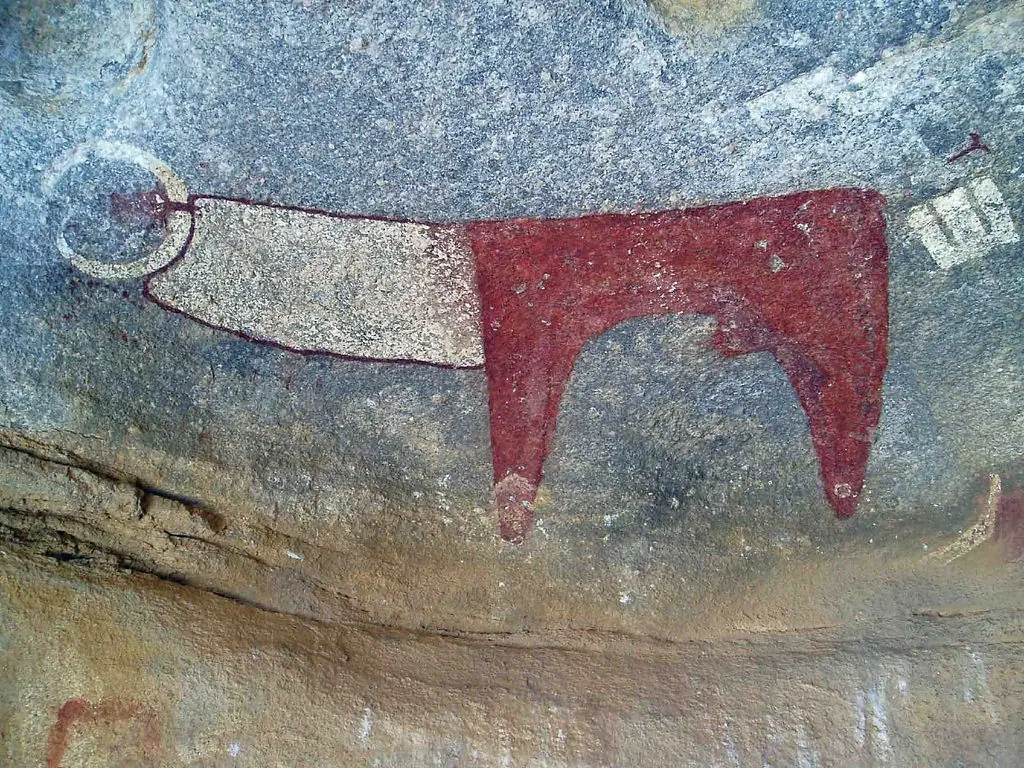
Stay in Somalia
Hotels, guesthouses and apartments — compared in one search.
Search hotels
Transfer in Somalia
Private driver waiting on arrival — no queues, no surprises.
Book a transfer
Stay online in Somalia
Travel eSIM — data the moment you land, no roaming bills.
Get an eSIMMore guides in Somalia
Things to Do in Somalia: Landmarks, Beaches and Rock Art Worth the Journey
Best Time to Visit Somalia: Seasons, Cities and Hotel Timing
Somalia by Air: A One-Week Flying Itinerary
Where to Stay in Somalia: Top Cities, Hotels and Must-See Attractions