Somalia runs on its own clock — a monsoon clock. Knowing when the Gu rains arrive, when the Kharif sea fog rolls over Mogadishu's corniche and when Berbera turns into a humid furnace decides whether your hotel stay is breezy and easy or sweaty and stuck indoors.
Reading Somalia's Monsoon Calendar Before You Book a Room
Somalia's year is built around four overlapping seasons rather than the European four. The Gu brings the main rains from roughly April to June, the Deyr returns with a shorter wet spell around October and November, and between them sit two dry stretches: Jilaal, the harsh dry season from December through March, and Haga or Kharif, the windy dry period from July to September. Hotels, roads and domestic flights all bend to this rhythm, so the month you choose shapes far more than the weather.
In the north, the calendar adds a fifth flavour. The Haysin, roughly July to September, brings cool drizzle and grey skies over the mountains behind Hargeisa and Sheikh — locals treat it as a gentle, green interlude, while travellers used to desert brochures are surprised by the damp chill at night. Meanwhile the southern coast between Mogadishu and Kismayo can sit under thick sea fog during the same weeks, with drizzle that soaks laundry but rarely breaks into a proper storm.
For hotel planning, the practical consequences are simple. Rain means flooded dirt roads, delayed transfers and the possibility of a night in a town you didn't intend to sleep in. Dry, windy months mean dust that gets into everything and air-conditioning units working overtime. Knowing which of those you can tolerate is more useful than chasing a single 'perfect' month.
The Sweet Spot: November to Mid-February
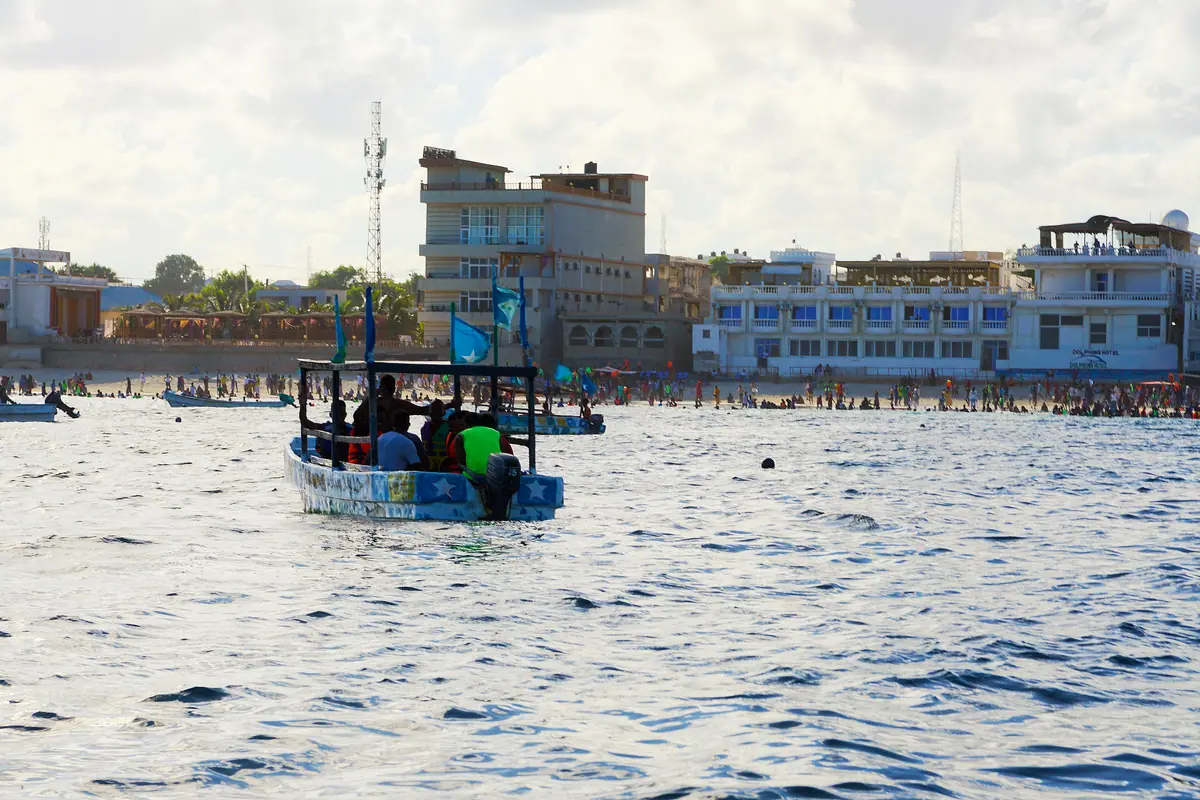
If you want one window that suits most of the country, aim for late November through mid-February. The Deyr rains have usually tapered off, the coastal humidity eases, and daytime temperatures in Mogadishu, Merca and Kismayo become bearable enough for long walks along the waterfront. Nights in the northern highlands around Hargeisa, which sits at roughly 1,300 metres, turn genuinely cool — a light fleece is useful after sunset.
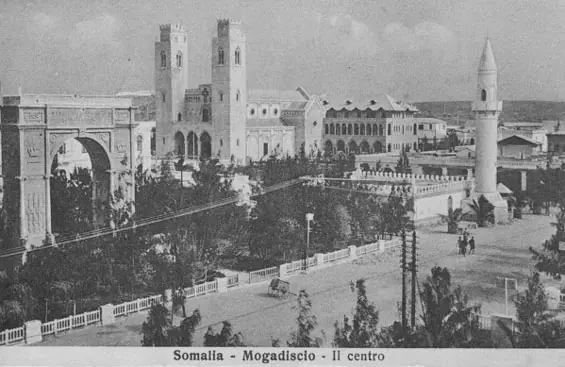
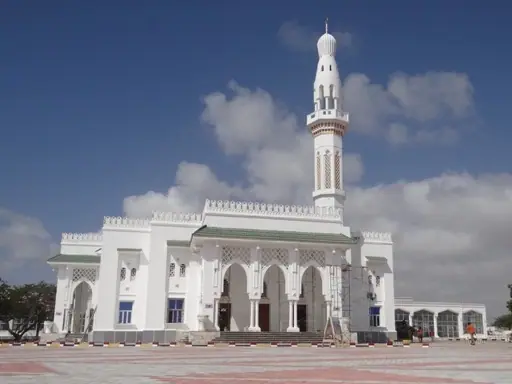
This is also the easiest time to string together a route. You can spend two or three days in Mogadishu visiting the ruined cathedral, the old Shangani and Hamar Weyne quarters and the landmark mosques of Arba'a Rukun and Fakr ad-Din, then fly north to Hargeisa for the Naasa Hablood hills, the war memorial with its mounted jet fighter and the central market. Berbera, on the Gulf of Aden, is at its most forgiving in these months, when the old Ottoman-era lanes and the beach are walkable rather than punishing.
The catch is February and March, when Jilaal heat builds and inland towns can become genuinely oppressive by mid-morning. Book hotels with reliable air-conditioning and a shaded courtyard for that stretch. Note too that the Islamic calendar shifts each year, so Ramadan and the Eid holidays can fall anywhere in this window — hotel restaurants may close during daylight hours, and demand for rooms spikes as families travel.
Mogadishu Hotels: Heat, Sea Breeze and City Landmarks
Mogadishu is hot and humid almost year-round, with the fiercest stretch typically falling between February and April and the heaviest rain from April to June. During the Kharif winds of July to September, the city catches a steady onshore breeze and occasional fog off the Indian Ocean, which makes evenings on the Liido and Jazeera beachfront noticeably more pleasant than the still, sticky months. Many of the city's international-standard hotels sit along that corniche or in secure compounds near the airport, arranged around courtyards with generators humming in the background.
Sightseeing in Mogadishu is usually done in short, escorted bursts rather than long wandering days, which makes the season matter less than the hour. Early mornings are for Bakara Market, one of the largest and most chaotic trading districts in the region, and for the old quarter around Hamar Weyne. Late afternoons suit the Mosque of Islamic Solidarity, the country's largest, and the Daljirka Dahsoon monument, both of which photograph best in low, warm light.
Hotel nights in the capital are typically arranged in advance through a local contact or ground operator, and the city's better properties tend to fill around diaspora visits and major holidays. Two to three nights is enough for most first-time visitors to see the headline sites without the pace becoming exhausting, and a sea-facing room is worth asking for during the windy season.
Hargeisa, Laas Geel and Berbera: The Northern Highland Season
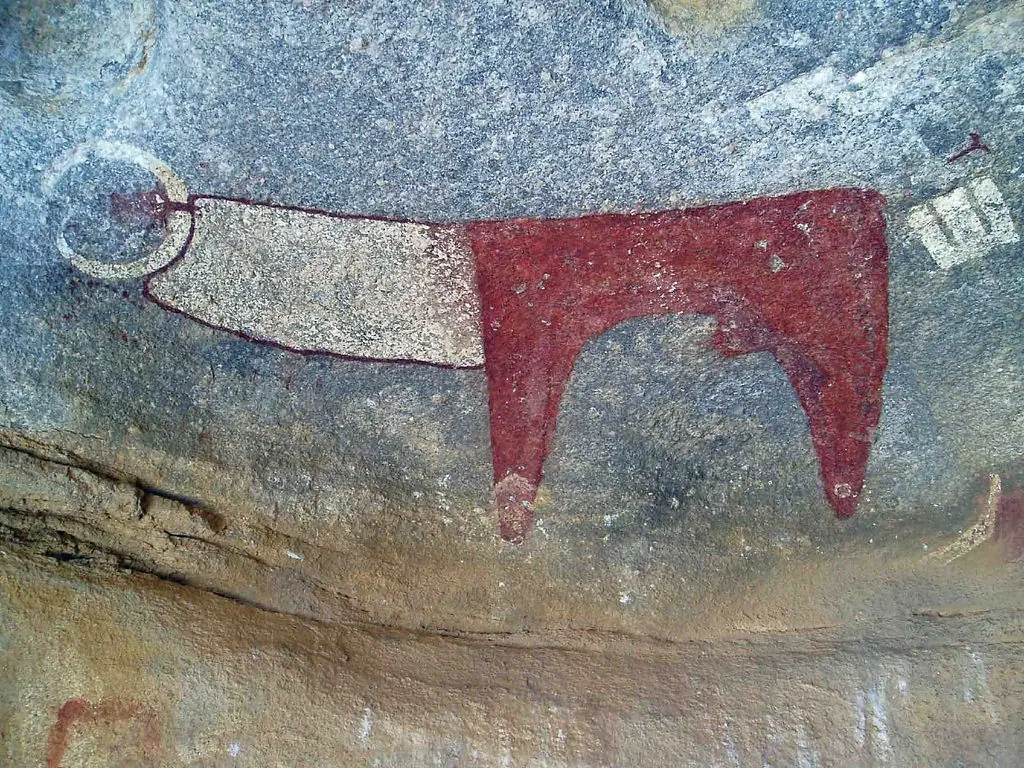
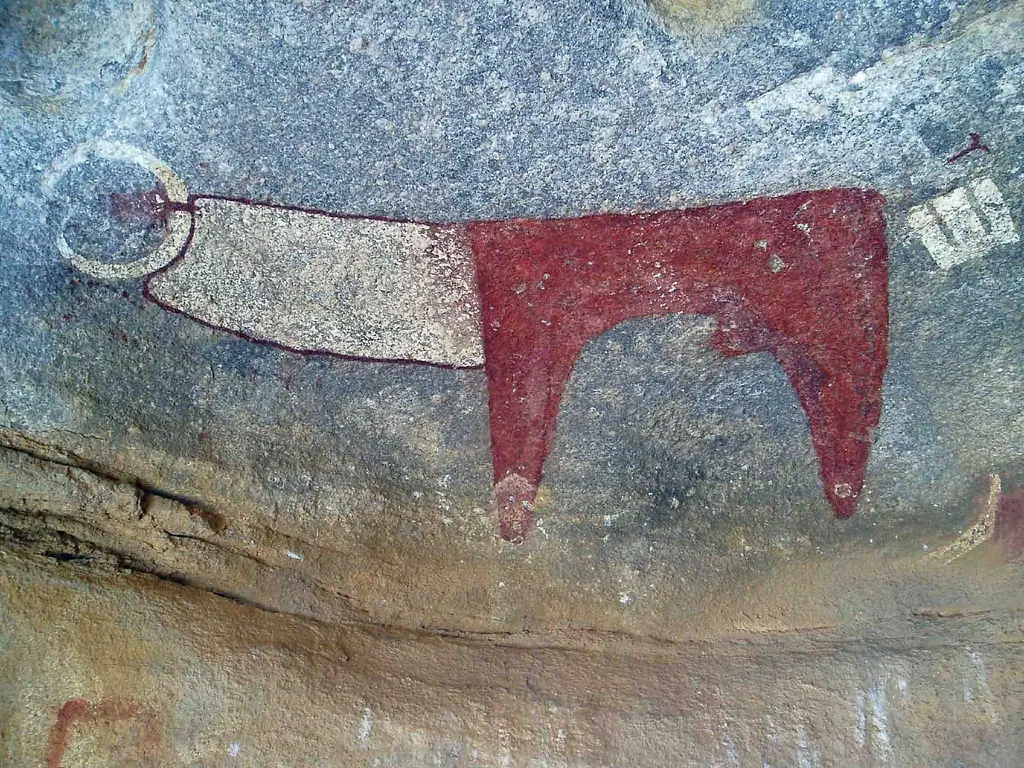
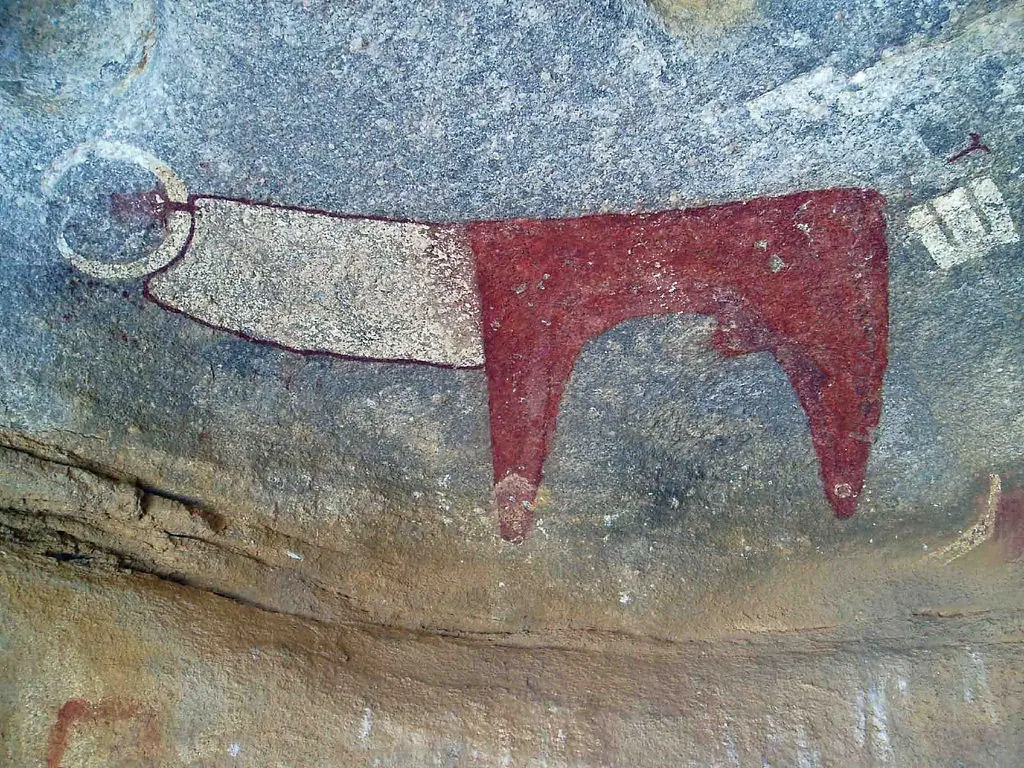
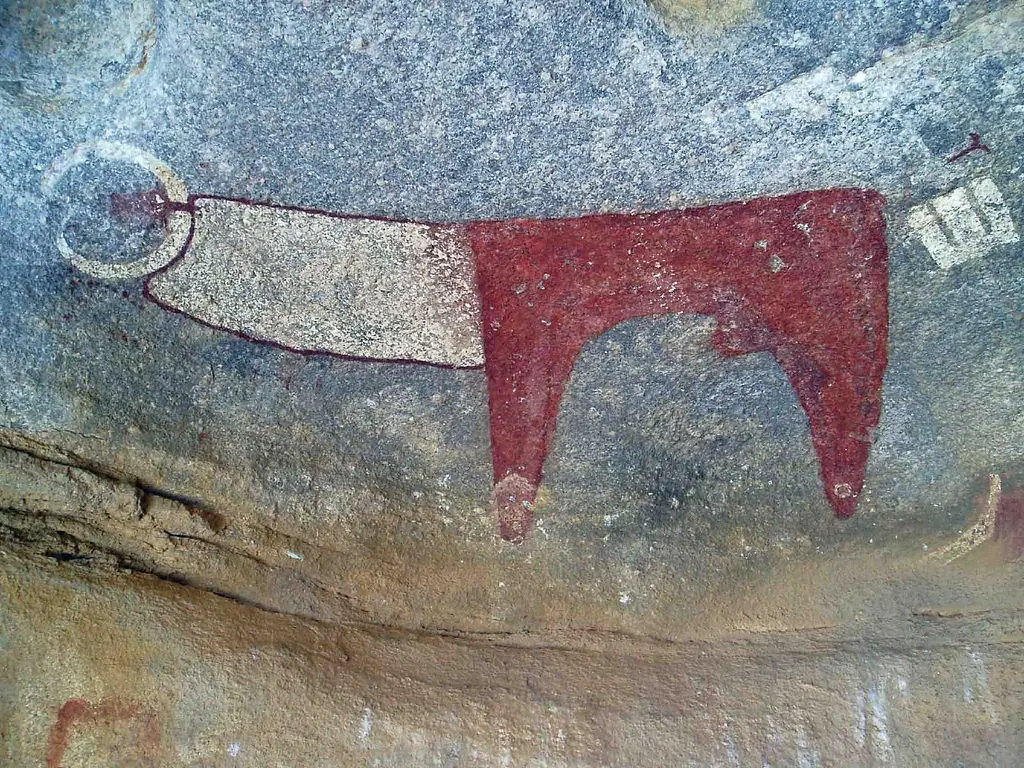
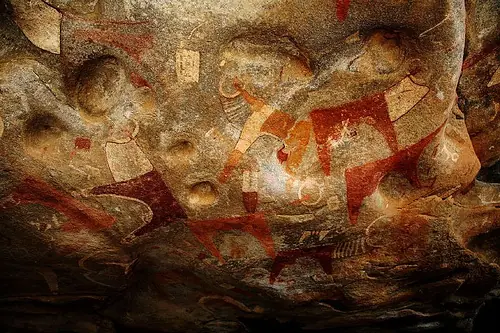
Hargeisa is the most comfortable base in the country for much of the year, thanks to its altitude. Days are warm and dry, but evenings cool down sharply, and hotels here often come with gardens, quiet courtyards and better sleep than the coast allows. The main attraction, the Laas Geel rock shelters with their striking prehistoric paintings, sits roughly an hour's drive outside the city and is best visited in the dry months from November to March, when the track is firm and the light on the rock faces is clear.
Around Hargeisa itself, the Naasa Hablood twin hills frame the city's edge and make an easy late-afternoon outing, while the war memorial's Soviet-era jet and the bustling central market fill a morning. Add a day for Berbera, where the old quarter's crumbling Ottoman and colonial facades and the long beach are best explored between November and March. From June to September, Berbera becomes one of the hottest and most humid places in the region, and most sensible travellers simply don't linger.
From Berbera the coast road runs toward Zeila, a faded port town of ruined mosques and coral-stone houses that rewards anyone interested in the region's deep history. The Haysin drizzle of July to September turns the Sheikh mountain pass green but also greasy underfoot, so if the mountain scenery is the point of your trip, aim for the cooler, drier weeks of December and January instead.
Puntland, Kismayo and the Southern Coast: Wind, Rivers and Waterfalls
In the north-east, Bosaso and Garowe function as gateways to the Cal Madow range, a dramatic escarpment that hides the Lamadaya waterfalls and rises toward Shimbiris, the country's highest peak. The waterfalls run strongest after the Gu rains, so travellers chasing them tend to aim for late spring and early summer, accepting muddy roads as the price. Coastal Bosaso, by contrast, is best in the dry, breezier months from November to February, when the port and the surrounding beaches are less stifling.
Far to the south, Kismayo's great draw is Goobweyn, where the Juba river slides into the Indian Ocean in a swirl of brown and blue. It is a dry-season sight, reached more easily from December to March. Further up the coast, the old Swahili trading towns of Merca and Barawa — both stacked with whitewashed coral-stone houses, historic mosques and quiet beaches — are at their most photogenic in the same window, and their small guesthouses are simple but atmospheric.
The Kharif winds of July to September make the southern coastline rough and the sea uninviting for swimming, while the Gu rains from April to June can cut road access to river towns entirely. If your itinerary depends on reaching places like Goobweyn or the river settlements around Jowhar and Afgooye, build in a buffer day and let a local operator confirm road conditions before you commit.
What Somali Hotels Are Actually Like, Season by Season
Accommodation across Somalia falls into a few recognisable types. In Mogadishu you find compound-style hotels behind blast walls and checkpoints, with generators, tanked water, air-conditioning and variable Wi-Fi. In Hargeisa and Berbera there are smaller guesthouses and mid-range hotels with gardens and terraces. In Bosaso, Garowe, Kismayo, Merca and Barawa, expect plain but clean rooms, ceiling fans, bucket-flush bathrooms in the cheaper places and a kitchen that may only serve what was bought that morning.
Season changes what you need from a room. From April to June, prioritise a hotel with a back-up generator and covered parking, because rain and power cuts arrive together. From December to March, prioritise shade, air-conditioning and a courtyard you can retreat to at midday. In the northern Haysin drizzle of July to September, a hot shower and a warm blanket matter more than a sea view.
Book early for the diaspora travel season in July and August, and again around Eid and Ramadan, when family visits fill the better properties. Elsewhere, a few days' notice is usually enough, but it's wise to confirm your arrival directly with the hotel or your local fixer rather than assuming a website is current. Pack light cotton clothing that covers shoulders and knees, a scarf, strong sun protection and a light layer for highland nights, and you'll be comfortable in every season Somalia can throw at you.
Frequently asked questions
What is the best month to visit Somalia?
Late November through mid-February is the most comfortable window across most of the country. The Deyr rains have usually eased, coastal humidity drops and highland nights in Hargeisa are cool and clear. February and March turn hotter inland as the dry Jilaal season builds.
When is the rainy season in Somalia?
The main Gu rains fall roughly from April to June, with a shorter Deyr wet spell around October and November. The north also gets the Haysin, a cool drizzly period from about July to September over the mountains behind Hargeisa and Sheikh. Rain can flood dirt roads and delay transfers, so build in buffer days.
Which Somali cities have the widest choice of hotels?
Mogadishu has the largest number of international-standard hotels, mostly in secure compounds near the airport and along the Liido beachfront. Hargeisa offers comfortable mid-range hotels and guesthouses at highland altitude, while Bosaso, Garowe, Berbera, Kismayo, Merca and Barawa have simpler options that are best booked in advance through a local contact.
How many days should I allow for a Somali hotel-based trip?
Two to three nights in Mogadishu covers the main landmarks such as the old Shangani and Hamar Weyne quarters, the Mosque of Islamic Solidarity and Bakara Market. Add two nights in Hargeisa with a day trip to the Laas Geel rock shelters, and a night in Berbera if you want the coast. A week to ten days makes a realistic first visit.
What should I pack for a hotel stay in Somalia?
Light, loose cotton clothing that covers shoulders and knees, a scarf, strong sun protection, insect repellent and a refillable water bottle are essentials. Add a warm layer and a light rain jacket for highland nights and the northern drizzle. A torch or headlamp is handy during power cuts, and cash in small notes is useful where card machines are rare.
Sort the rest of your trip
Everything for Somalia, in one place
Transfer in Somalia
Private driver waiting on arrival — no queues, no surprises.
Book a transfer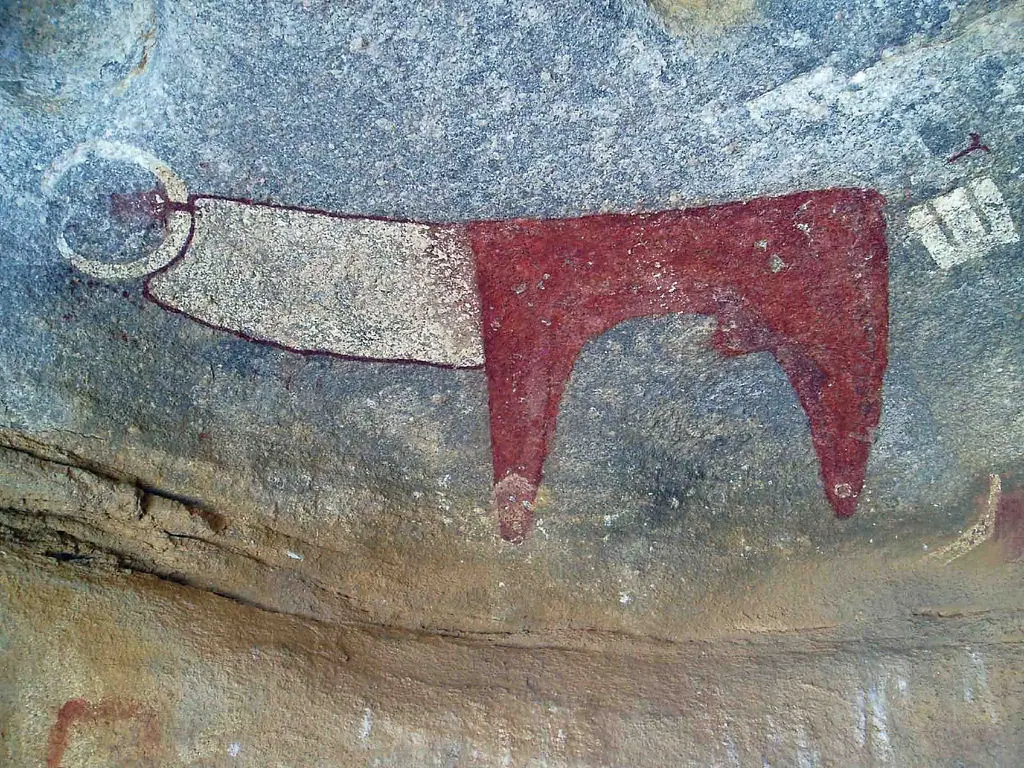
Things to do in Somalia
Skip-the-line tickets, guided tours and standout experiences.
See experiences
Stay online in Somalia
Travel eSIM — data the moment you land, no roaming bills.
Get an eSIM