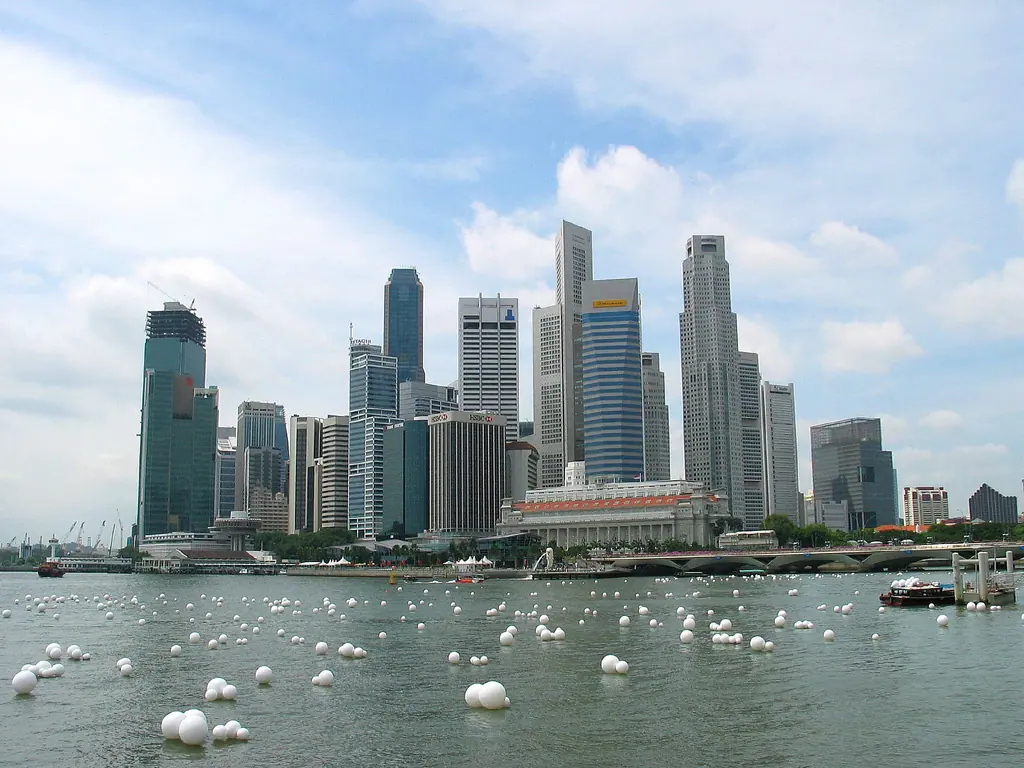
Singapore packs an entire continent of experiences into an island you can cross in under an hour — futuristic skylines, lantern-lit heritage streets, rainforest canopy walks and hawker centres that hum until midnight. It rewards travellers who alternate between the icons and the neighbourhoods, because the real magic sits between the Marina Bay towers and the temple-lined back lanes.
Marina Bay: The Skyline You Already Know by Heart
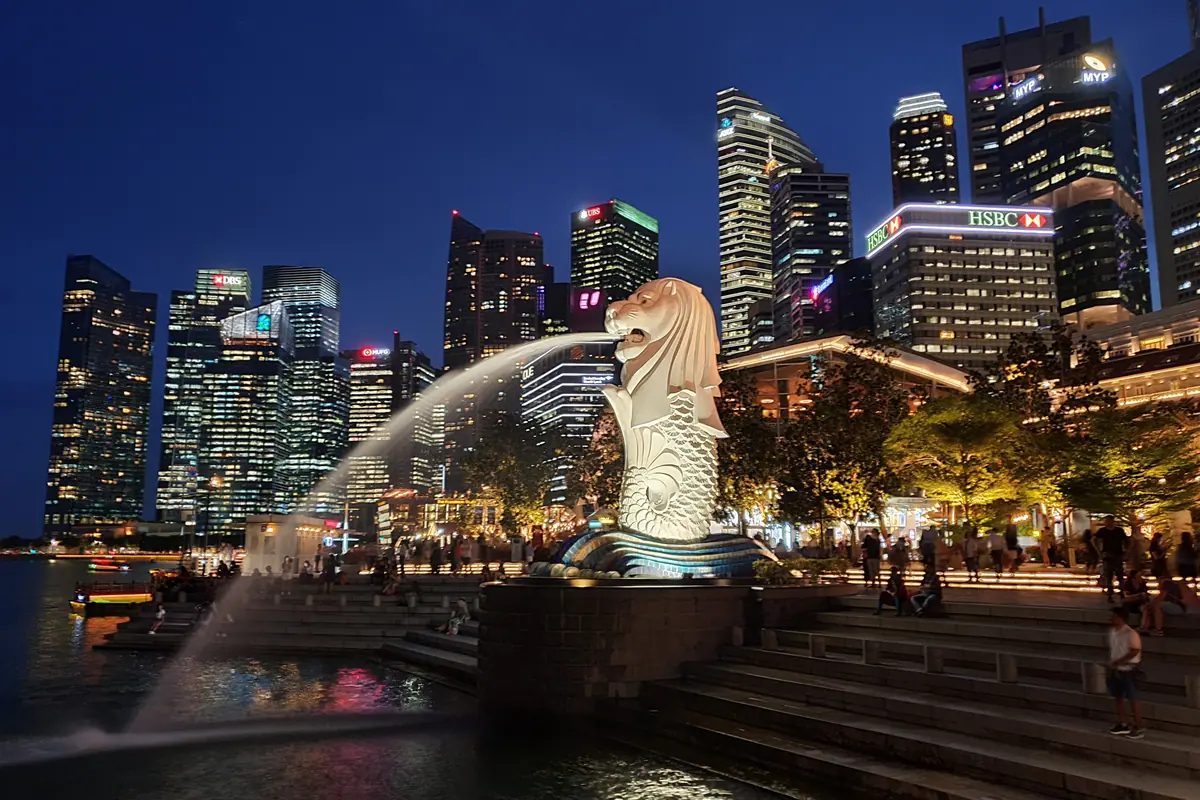
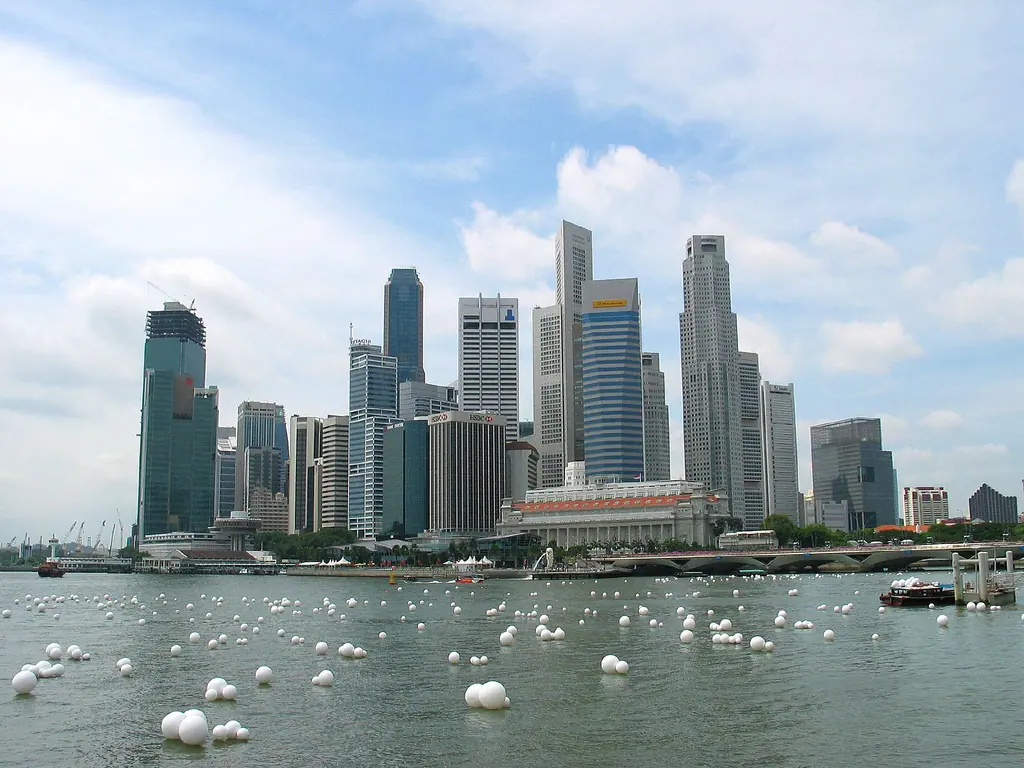
Start at Merlion Park, where the half-lion, half-fish statue spouts a constant arc of water into the bay and the three towers of Marina Bay Sands rise behind it. This is Singapore's most photographed corner, and it is worth arriving before 9am — the light is softer, the promenade is nearly empty and the humidity has not yet turned the walk into a workout. From the statue, follow the waterfront clockwise and the whole bay unfolds in one continuous loop.
Cross the Helix Bridge, a pedestrian span modelled on the structure of DNA, and you pass the lotus-shaped ArtScience Museum and the spiky durian domes of the Esplanade theatre complex. The Singapore Flyer, one of the world's tallest observation wheels, gives a slow thirty-minute rotation with views across to the harbour and, on clear evenings, out toward the Indonesian islands. Sunset is the sweet spot; by 8pm the bay becomes a stage for a free light-and-water show projected from the towers, with an extra late slot on weekend nights.
Budget roughly two hours for the full waterfront circuit, or stretch it into a lazy evening with dinner at one of the restaurants clustered around the bay. Dress for sweat: this is equatorial heat with near-constant humidity, and the reflected glare off the water at midday is brutal. Comfortable shoes matter more than style here.
Gardens by the Bay and the Supertree Grove
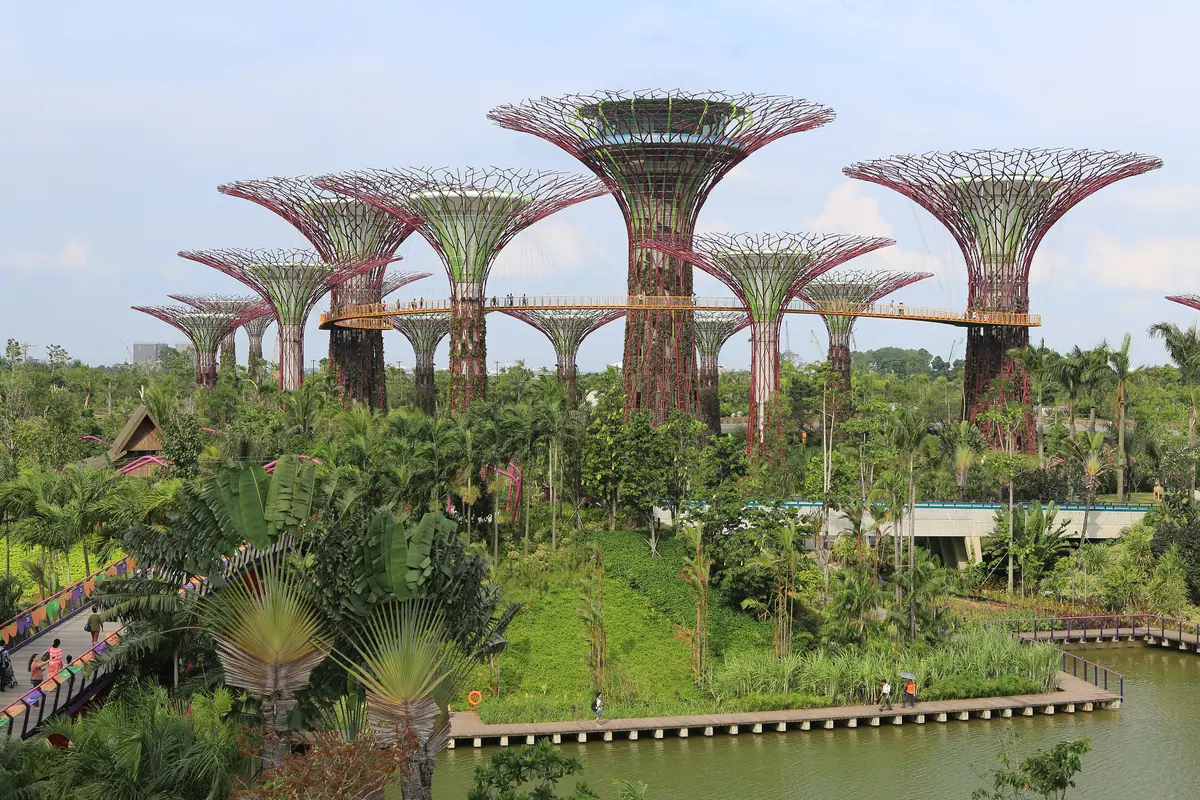
Sprawling across reclaimed land beside the bay, Gardens by the Bay is where Singapore's garden-city ambitions turn surreal. Its Supertrees — towering vertical gardens wrapped in ferns, orchids and bromeliads — rise like something from a science-fiction film, and an elevated walkway threads between the largest of them for a canopy-level view of the skyline. At night the whole grove pulses with colour during a free light-and-sound show, when locals simply lie back on the lawn beneath the trunks.
The two glass conservatories are the cool, dry refuge everyone needs by mid-afternoon. The Cloud Forest greets you with an indoor waterfall cascading down a misted planted mountain, while the Flower Dome recreates a Mediterranean climate and rotates through seasonal displays of tulips, cherry blossoms and chrysanthemums. Both are air-conditioned to a comfortable temperature, which makes them the perfect escape when a tropical downpour rolls through — and it will, usually between afternoon and early evening.
Allow two to three hours for the conservatories and the walkways combined, and pair the visit with a stroll across the adjoining barrage for a rooftop picnic with the entire Marina Bay skyline as a backdrop. Weekday mornings are noticeably calmer than weekends, when local families arrive in force.
Chinatown, Little India and Kampong Glam: Three Worlds in One MRT Ride
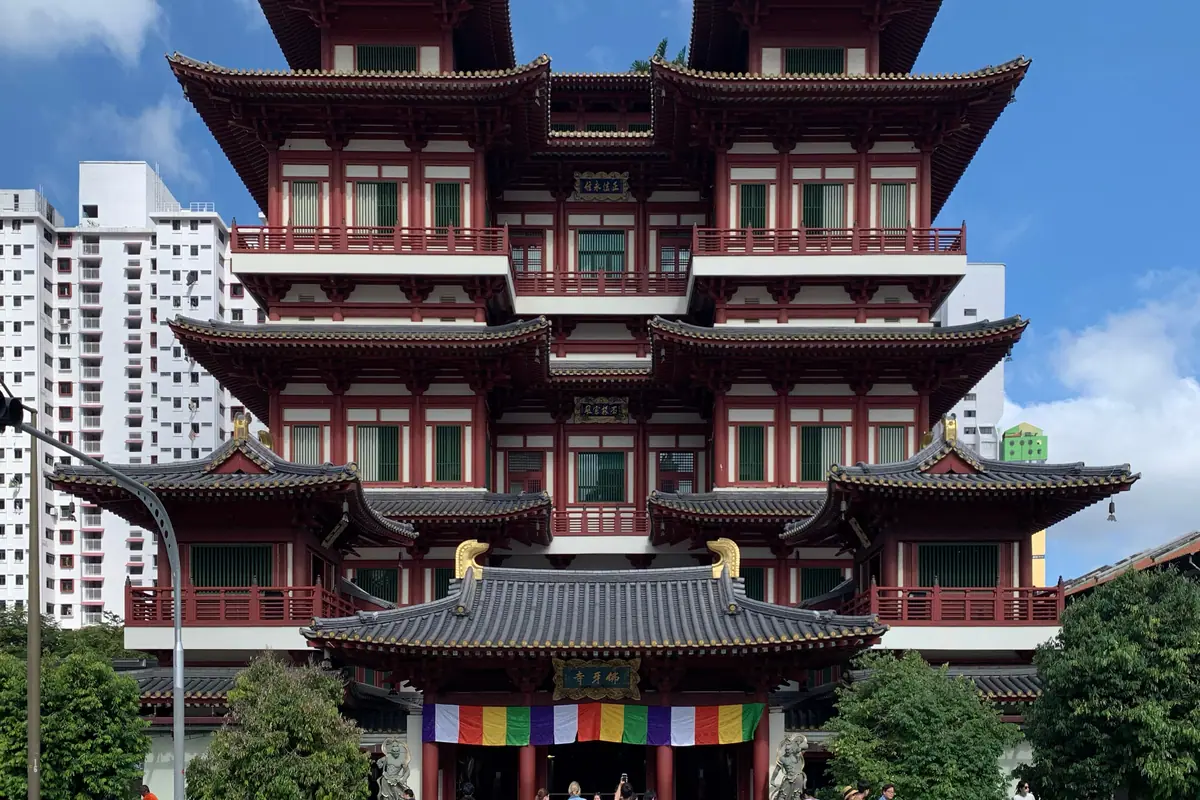
Singapore's heritage districts sit within a couple of stops of each other, and each has a completely different flavour. In Chinatown, the Buddha Tooth Relic Temple rises in ornate Tang-dynasty style with a tranquil roof garden, while the Sri Mariamman Temple nearby is the island's oldest Hindu shrine, its gopuram crowded with sculpted deities. Wander Pagoda Street for souvenirs, then climb to Ann Siang Hill for pastel shophouses, cocktail bars and a break from the crowds.
Little India is louder, brighter and scented with jasmine and frying spices. Sri Veeramakaliamman Temple anchors Serangoon Road, Tekka Centre pairs a wet market with a superb hawker floor, and the rainbow-painted former residence known as the House of Tan Teng Niah is one of the city's most cheerful photo stops. Kampong Glam, a short walk away, centres on the golden-domed Sultan Mosque, with Haji Lane's boutiques and murals on one side and Arab Street's fabric and perfume merchants on the other.
Practical notes for all three: dress modestly and remove your shoes before entering temples, ask before photographing worshippers, and time your visit around meal hours so you can eat where locals eat. Each district comfortably fills half a day if you slow down, and none of them require an entrance ticket.
The Civic District: Museums, Colonial Grandeur and Fort Canning
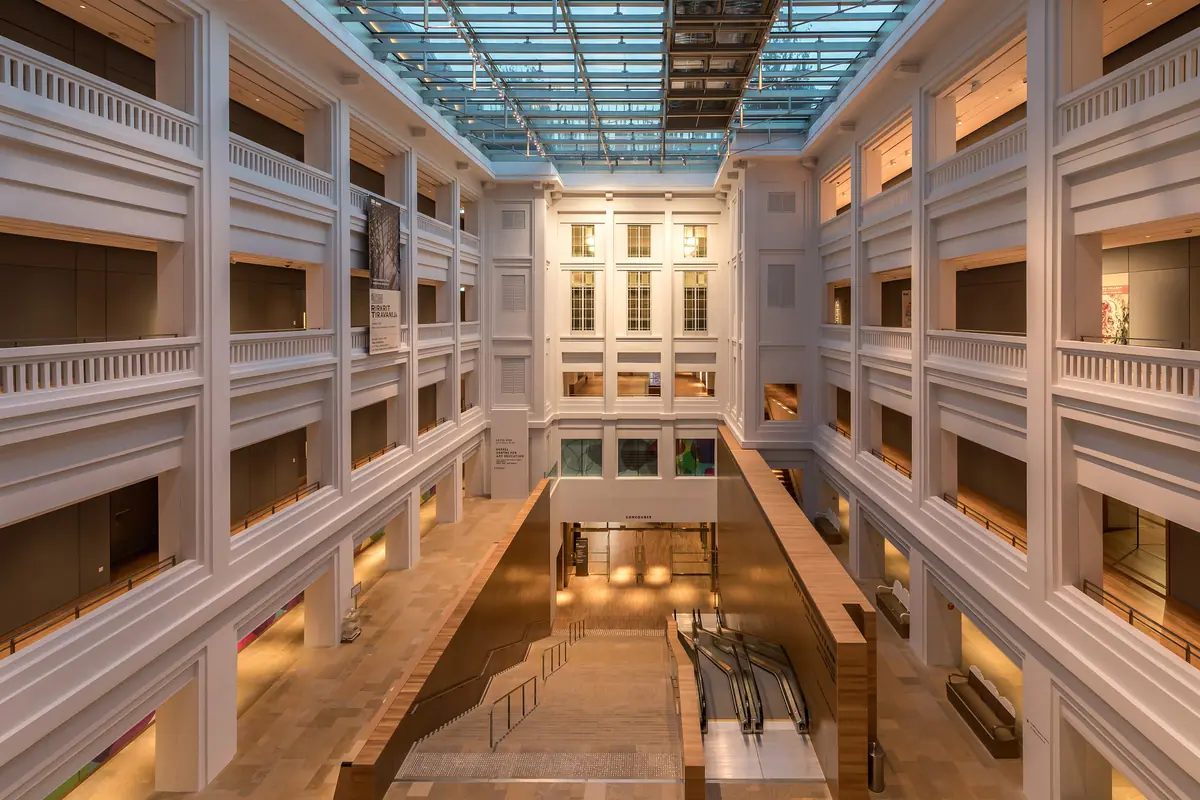
The National Gallery Singapore occupies two former government buildings and holds one of the region's most significant collections of modern Southeast Asian art, with a rooftop terrace looking across the Padang. A few minutes' walk away, the National Museum of Singapore — the country's oldest — uses immersive galleries to tell the story of the island from trading port to global city, and makes an excellent rainy-afternoon refuge.
Nearby, the Asian Civilisations Museum traces the trade routes that shaped the region, while the Peranakan Museum dives into the hybrid Chinese-Malay culture whose tiles, beadwork and cuisine still define Singaporean taste. St Andrew's Cathedral and the surrounding civic buildings are worth a slow loop on foot for their colonial architecture alone.
Rising directly behind the district is Fort Canning Park, a leafy hill with spice gardens, old keramat shrines and a famous tree-lined tunnel that photographers love. Come down the far side and you reach Clarke Quay and Boat Quay, where the Singapore River is lined with restored warehouses turned into riverside bars. A short river cruise from here back to Marina Bay is one of the easiest ways to see the city's transformation in one sitting. Orchard Road, the city's shopping spine, is a few MRT stops north if you need retail therapy.
Green Singapore: Botanic Gardens, Canopy Walks and Island Beaches
Singapore's only UNESCO World Heritage site is a garden. The Singapore Botanic Gardens has been cultivated since the 19th century, and its National Orchid Garden holds thousands of species including the national flower, the Vanda Miss Joaquim. Entry to the main gardens is free, the gates open early and the shaded paths are at their best before 9am, when locals jog and tai chi groups gather by the lakes.
For something wilder, head to MacRitchie Reservoir, where a loop trail leads to a free suspended bridge above the rainforest canopy — a genuinely memorable walk of roughly three to four hours that brings you face to face with long-tailed macaques and, if you are lucky, flying lizards and owls. Hold onto your snacks; the monkeys are bold. The Southern Ridges trail, connected by the wave-like Henderson Waves bridge, links several hilltop parks and rewards walkers with harbour views.
If you want sand and sea, Sentosa is reached by cable car or a short monorail ride from the mainland and offers beaches, a cliff-top fort walk, luge tracks and a large movie-themed theme park. Across the island near Changi, a traditional bumboat still ferries visitors to Pulau Ubin, where wooden kampong houses, jungle trails and old granite quarries feel decades away from the skyscrapers. The Mandai wildlife parks in the north — including a night safari and an extensive bird park — are best visited in the cooler evening hours.
Hawker Centres, Chilli Crab and How to Eat Like a Local
No itinerary in Singapore is complete without a hawker centre, and the good news is that some of the best food in the city costs less than a coffee back home. Maxwell Food Centre in Chinatown is famous for Hainanese chicken rice; Lau Pa Sat's Victorian cast-iron hall transforms into a satay street after dark; Old Airport Road Food Centre and Tekka Centre are where locals queue for laksa, char kway teow and roti prata. Order kopi or teh tarik to drink, claim a table with a packet of tissues, and return your tray when you finish — it is expected, not optional.
For a splurge, chilli crab is the signature dish: whole crab stir-fried in a sweet-savoury tomato and chilli gravy, eaten with fried mantou buns for mopping up. Pair it with a walk along the river afterward, or finish with kaya toast and soft-boiled eggs for breakfast the next morning, which is exactly how Singaporeans start the day.
Timing your trip matters. Singapore is hot and humid all year, generally between the mid-20s and low-30s Celsius, with February to April typically the driest and most comfortable window. The northeast monsoon from November to January brings the heaviest rain, while afternoon thunderstorms are a year-round possibility — plan indoor attractions or museum time for the late afternoon and keep a compact umbrella in your bag. Four or five days lets you cover the icons, two heritage districts, a rainforest walk and a beach day without rushing, and the MRT makes all of it easy to string together.
Frequently asked questions
How many days do I need in Singapore?
Three days covers the headline sights — Marina Bay, Gardens by the Bay, one heritage district and a hawker feast. Four to five days lets you add the Botanic Gardens or a MacRitchie canopy walk, a Sentosa beach day and a proper museum afternoon without feeling rushed.
When is the best time to visit Singapore?
February to April is generally the driest and most comfortable stretch. It is hot and humid year-round, roughly the mid-20s to low-30s Celsius, and the northeast monsoon from November to January brings the wettest conditions. Afternoon thunderstorms can happen in any month, so keep some indoor options in reserve.
Is Singapore expensive for travellers?
Accommodation is the biggest expense, and alcohol and upscale dining add up quickly. But many of the best experiences are free or nearly so: Merlion Park, the Supertree light show, the Botanic Gardens, temples in Chinatown and Little India, the Southern Ridges walk and the MacRitchie canopy bridge. Hawker centre meals keep daily food costs low.
How do I get around Singapore?
The MRT and bus network is fast, clean and inexpensive, and most stations accept contactless bank cards for tap-in fares. Districts like Chinatown, Little India and Kampong Glam are walkable once you arrive. Taxis and ride-hailing are easy for late nights, and Sentosa is reachable by monorail from the mainland or by cable car.
Should I book attractions in advance?
For the Gardens by the Bay conservatories, the observation wheel, Sentosa's theme parks and the Mandai wildlife parks, booking a timed slot a day or two ahead saves queueing, especially on weekends, school holidays and public holiday periods. Free sites such as temples, gardens and waterfront shows need no booking at all.
Plan it — experiences in Singapore
Live search, booked directly with trusted providers.
Sort the rest of your trip
Everything for Singapore, in one place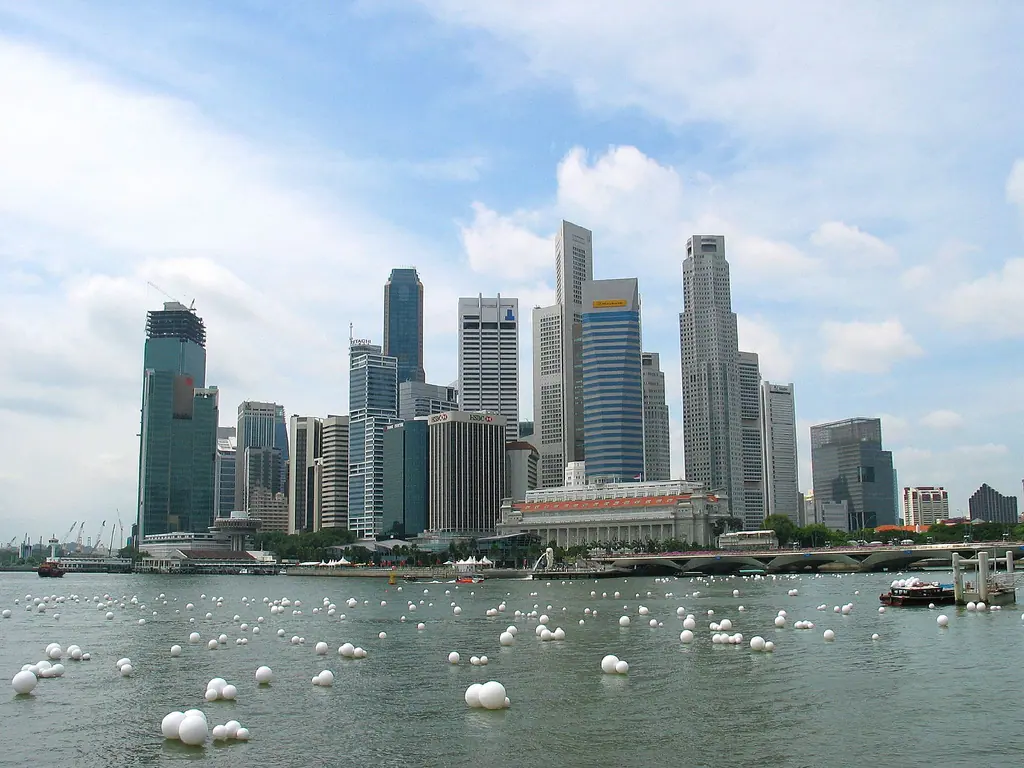
Stay in Singapore
Hotels, guesthouses and apartments — compared in one search.
Search hotels
Transfer in Singapore
Private driver waiting on arrival — no queues, no surprises.
Book a transfer
Stay online in Singapore
Travel eSIM — data the moment you land, no roaming bills.
Get an eSIMMore guides in Singapore
Best Time to Visit Singapore for Hotels: Weather, Peak Seasons and Smart Booking Windows
Best Places to Visit in Singapore: Must-See Sights and Neighbourhoods
Singapore Food, Culture and Local Experiences: A Guide to Hawker Centres, Neighbourhoods and Must-See Sights
Hotels in Singapore: Where to Stay and What to See