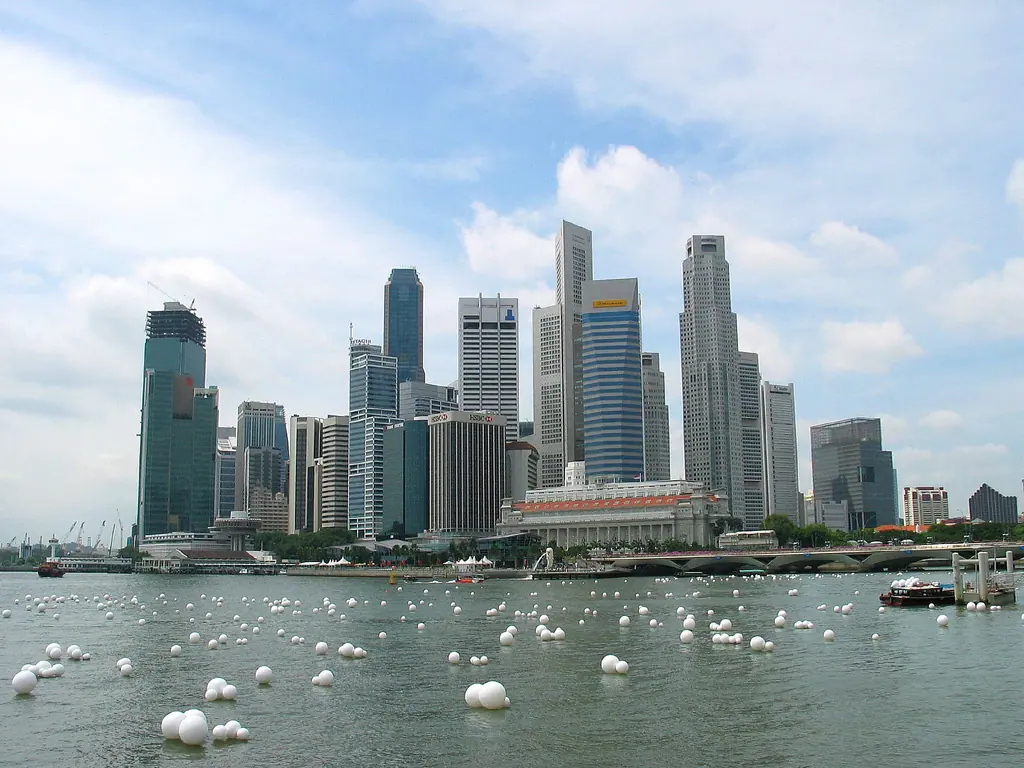
Singapore has no winter, no spring and no off-season in the usual sense — it has rain, festivals and a calendar of events that can double the price of a room overnight. Get the timing right and you'll pay less, queue less and still see the Merlion, the Supertrees and the Botanic Gardens at their sparkling best.
What Singapore's Weather Actually Does, Month by Month
Sitting barely 1.5 degrees north of the equator, Singapore runs a flat line of heat all year: roughly 25–33°C in every month, humidity that hovers above 80% and a sun that bites hardest between 11am and 3pm. What changes is not temperature but water — how much falls, and when. That single fact should shape how you plan a trip far more than any temperature chart.
The northeast monsoon sweeps through from roughly November to January, and December is typically one of the wettest months, with sudden, heavy afternoon downpours that empty streets and fill drains within minutes. The southwest monsoon from June to September is comparatively dry, with shorter, sharper showers and longer bright spells. In between come the inter-monsoon months — April to May and October to November — when thunderstorms build quickly and so-called sumatra squalls can roll in before dawn and clear by breakfast.
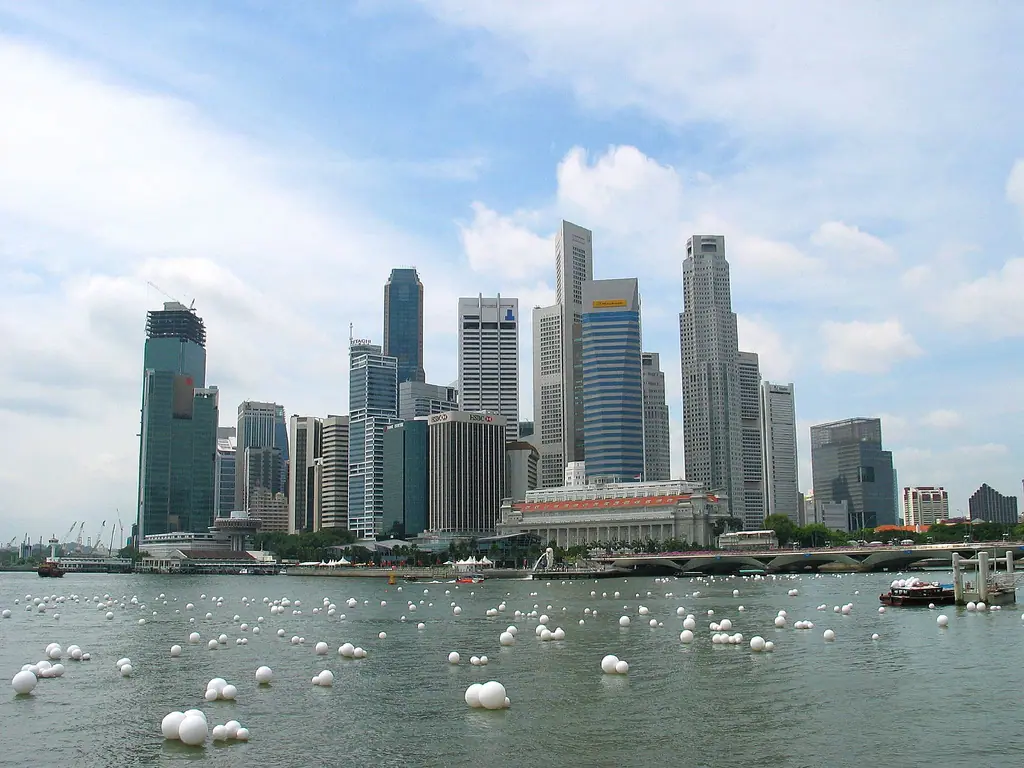
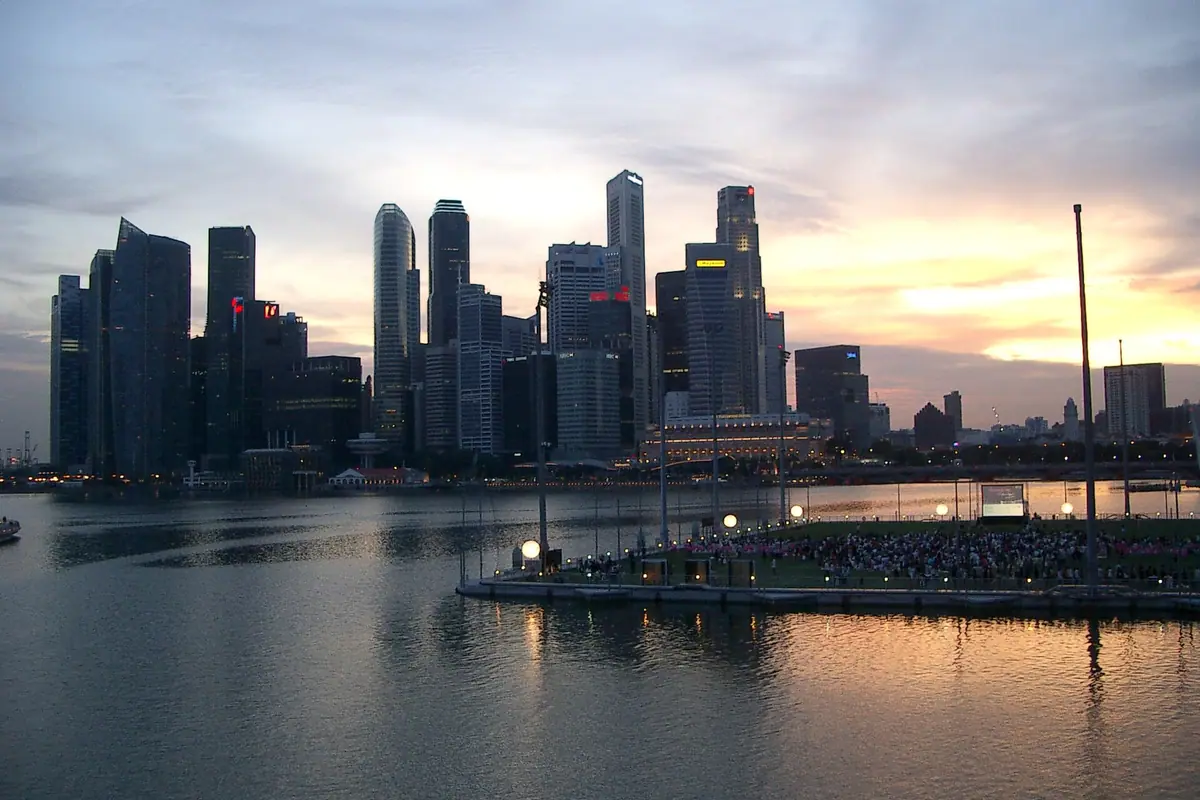
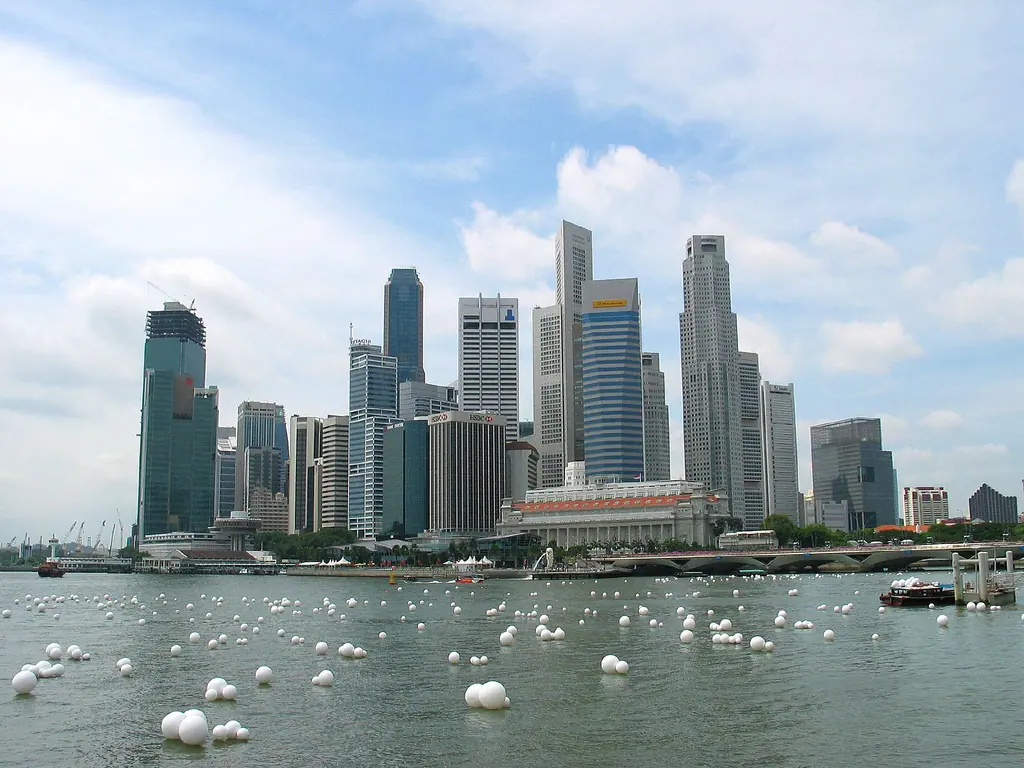
The saving grace is duration. Rain here is rarely an all-day drizzle; it is a 30-to-90-minute deluge followed by steam rising off the pavement and a city that dries almost instantly. The practical rhythm is to walk early, dive into an air-conditioned museum or hawker centre around midday, and re-emerge for the golden hour — when the Marina Bay waterfront, the Merlion and the Helix Bridge look their absolute best anyway.
Peak, Shoulder and Value: When Hotel Rates Climb and Fall
Hotel pricing in Singapore is driven less by weather than by events. Rates surge around the Formula One night race on the Marina Bay street circuit in September or early October, when many properties impose multi-night minimums months in advance. Chinese New Year in January or February, the Christmas-to-New Year stretch, National Day week around 9 August and the June school holidays all push prices sharply upward, and central rooms can sell out weeks ahead.
The value windows are narrower but real. Once Chinese New Year decorations come down — roughly mid-February into March — demand drops while the weather stays relatively dry, making this arguably the single sweetest spot of the year. Late April into May is quieter, and October outside the race weekend is a genuine bargain, though you'll trade blue skies for more frequent storms. Business-oriented districts empty out on weekends, so city-centre rooms can be cheaper on a Saturday than a Tuesday, while Orchard Road hotels fill up precisely then with weekend shoppers.
As a rule, book two to three months ahead for peak periods and six or more for race weekend. For shoulder months, three to four weeks is usually enough, and last-minute deals do appear — but never bet on them during a major convention, when the whole city books out midweek.
Choosing a Neighbourhood to Match the Season
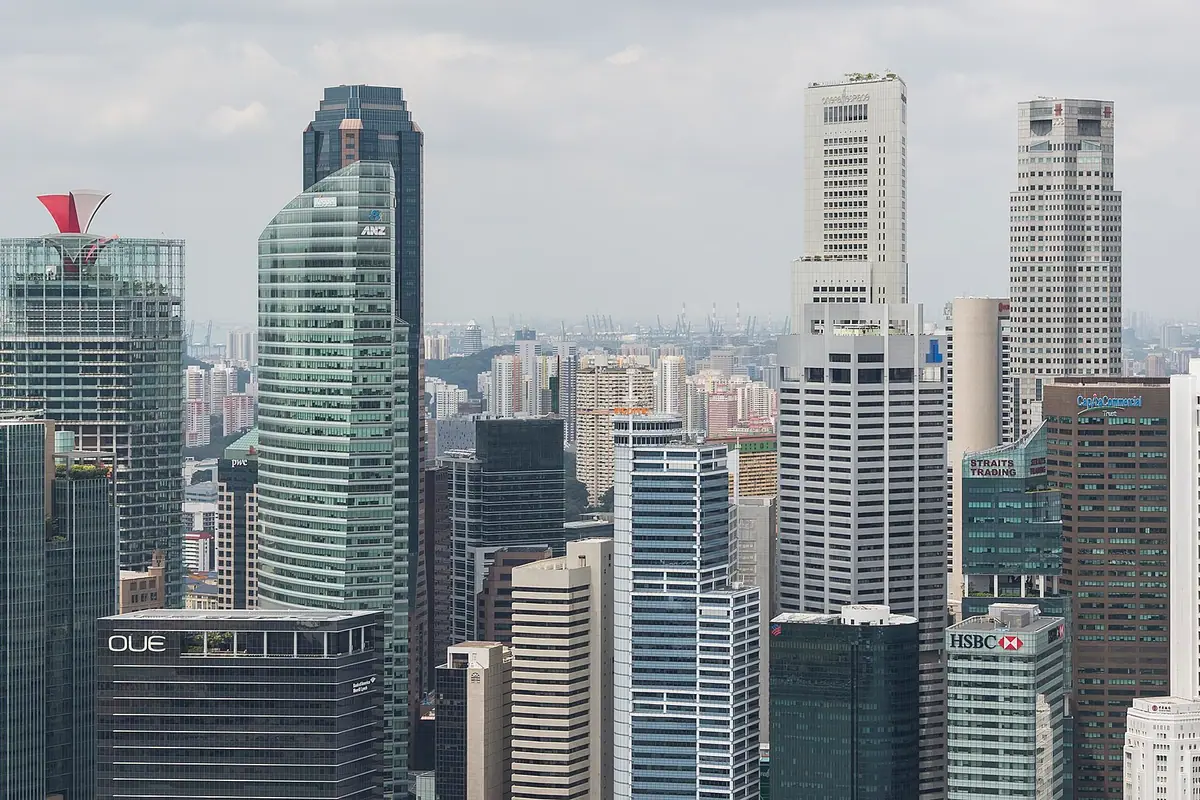
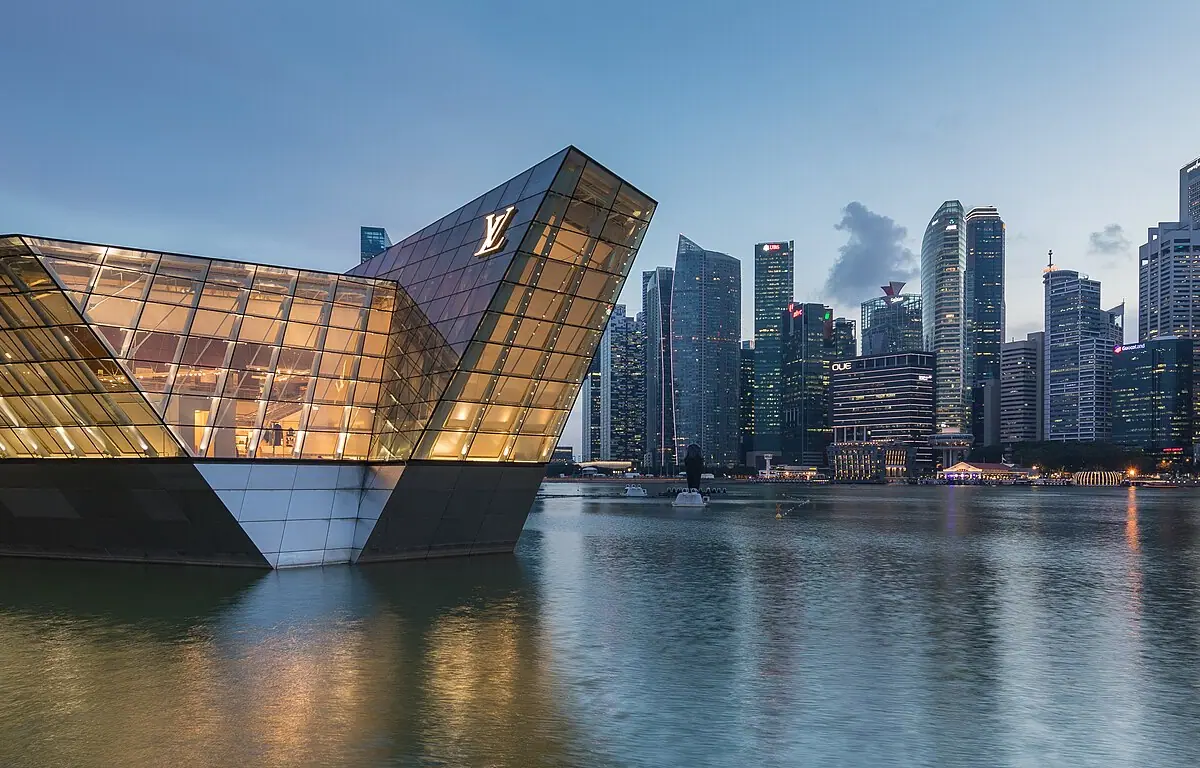
Where you sleep changes the trip more than the month does. Marina Bay and City Hall put you inside the skyline: walkable to Merlion Park, the Esplanade's durian-shaped concert halls, the Helix Bridge, the ArtScience Museum and the National Gallery Singapore. It is the priciest patch of the island and the most dramatic, and it is where race-weekend crowds and views converge.
Orchard Road is the shopping spine, and from mid-November to early January the entire boulevard becomes a twinkling tunnel of Christmas lights, which makes a stay here feel festive even in the tropical heat. Chinatown, Little India and Kampong Glam offer the other Singapore: heritage shophouses converted into small boutique hotels, temple bells at dawn, wet markets, and hawker stalls a two-minute stroll from your door. These districts come alive hardest during their own festivals and are usually the best value for character per dollar.
For families, Sentosa trades city convenience for beaches, cable-car rides and theme parks, with resorts that make a resort holiday of it. The riverside stretches at Clarke Quay and Boat Quay suit night owls, while Bugis sits neatly in the middle of everything with excellent transport links. Whichever you choose, the MRT will get you across the island in under 40 minutes — so pick atmosphere, not proximity.
Festivals That Reshape the Calendar — and the Room Rates
Chinese New Year is the biggest event in the hotel calendar. Chinatown's lantern light-up begins weeks earlier, the riverfront fairground fills with stalls, and the two-day public holiday sends local families travelling — meaning restaurants close, attractions get busy and rates jump. Thaipusam, usually in January or February, brings extraordinary devotion to the streets of Little India, with devotees carrying ornate kavadis along a procession route; it is one of the most striking spectacles in Southeast Asia and draws crowds that week.
Later in the year come Hari Raya Puasa, when Kampong Glam glows around the Sultan Mosque and Arab Street; Deepavali in October or November, when Little India is draped in light and colour; and Vesak Day, marked by candlelit processions. Mid-Autumn Festival brings lantern displays to Chinatown and the bay. National Day on 9 August fills Marina Bay with fireworks and fighter-jet flypasts, so waterfront hotels book out early and command a premium.
Then there is the race. When the Formula One cars take over the Marina Bay streets, usually in September or early October, road closures, hospitality suites and three-day concert programming transform the city — and hotel prices along with it. If you are not attending, this is the week to be elsewhere on the island, or to delay your trip.
The Must-See Sights, and the Season That Suits Each
Gardens by the Bay is the photograph everyone comes for: the Supertree Grove's vertical gardens, the misty Cloud Forest dome and the kaleidoscopic Flower Dome. The cooled conservatories are a genuine refuge when the midday sun is brutal, and the nightly open-air light-and-sound show under the Supertrees is free. Give it two to three hours, more if you linger for the show after dark.
Pair that with the classic waterfront circuit — Merlion Park for the spouting statue, the Helix Bridge's double-helix steel, the Esplanade, and the observation wheel for a full skyline sweep. On a rainy afternoon, the National Gallery Singapore inside the former Supreme Court and City Hall buildings, or the lotus-shaped ArtScience Museum, will absorb three or four hours happily.
Beyond the bay, the Singapore Botanic Gardens — a UNESCO-listed site — rewards an early start before the heat builds, with the National Orchid Garden as its jewel. Heritage-lovers should thread through Chinatown's Buddha Tooth Relic Temple and Sri Mariamman Temple, Kampong Glam's Sultan Mosque and mural-covered Haji Lane, and Little India's Sri Veeramakaliamman Temple. For nature, the MacRitchie Reservoir Treetop Walk, the Southern Ridges and its wave-like Henderson Waves bridge, and a bumboat ride to rustic Pulau Ubin all deliver in the drier June-to-September stretch. Sentosa adds beaches, cable cars and theme parks for families, while the zoo and Night Safari are best visited on a weekday, whatever the season.
Practical Pointers: Rain Plans, Haze and How Long to Stay
Four to five nights is the comfortable minimum for a first visit — enough for the bay, the gardens, two heritage districts and one nature morning — while three nights works as a stopover. Pack light, breathable clothing, one compact umbrella, high-factor sunscreen and mosquito repellent for park visits; add a light layer because the air-conditioning is ferocious. Keep an indoor backup list: the museums, the enormous shopping malls and the city's hawker centres, where a sudden storm becomes an excuse for laksa and kopi.
From roughly August to October, smoke from regional land-clearing can drift over the island and dull the sky for a few days at a time. It is unpredictable, so check local air-quality readings each morning and shift outdoor plans to indoor ones if the reading climbs — a good reason to keep a museum or a spa afternoon in reserve.
Finally, remember that Sundays and public holidays pack the big attractions, while weekdays are noticeably calmer everywhere from the gardens to the zoo. Public transport is fast, cheap and air-conditioned, ride-hailing apps fill the gaps late at night, and a 10% service charge is usually already on your bill. Carry small cash for hawker centres, and you will find Singapore is one of the easiest cities in Asia to navigate — rain, heat, haze and all.
Frequently asked questions
What is the best month to visit Singapore?
Mid-February to March is the sweet spot: the wettest monsoon has passed, Chinese New Year demand has eased and hotel rates drop. July to September is the driest stretch, though an occasional haze episode is possible. Avoid December if heavy afternoon downpours bother you — it is typically the wettest month.
When are Singapore hotel prices at their highest?
Peak pricing hits during the Formula One night race in September or early October, Chinese New Year, the Christmas-to-New Year period, National Day week around 9 August and the June school holidays. Race weekend often comes with multi-night minimum stays, so book months ahead or plan around it entirely.
Does the rainy season ruin sightseeing in Singapore?
Rarely. Showers are short and intense rather than all-day, and the city is built for them with covered walkways, malls and MRT stations that keep you dry. Plan outdoor sights for early morning and evening, and keep an indoor option such as the National Gallery Singapore ready for the middle of the day.
How many days do you need in Singapore?
Four to five nights lets you cover Marina Bay and Merlion Park, Gardens by the Bay, the Botanic Gardens, plus Chinatown, Little India and Kampong Glam without rushing. Three nights is enough for a stopover if you focus on the bay and one heritage district.
Is the haze in Singapore something to worry about?
It varies year to year and usually appears between August and October. Most trips are unaffected, but if the air quality reading climbs, move outdoor plans indoors — the museums, malls and hawker centres make perfectly good rainy-or-hazy day alternatives.
Where should first-time visitors stay in Singapore?
Marina Bay or City Hall for skyline views and walkability to the main sights, Orchard Road for shopping and easy transport, or Chinatown and Kampong Glam for shophouse boutique hotels, temples and hawker food at lower rates.
Sort the rest of your trip
Everything for Singapore, in one place
Transfer in Singapore
Private driver waiting on arrival — no queues, no surprises.
Book a transfer
Things to do in Singapore
Skip-the-line tickets, guided tours and standout experiences.
See experiences
Stay online in Singapore
Travel eSIM — data the moment you land, no roaming bills.
Get an eSIMMore guides in Singapore
Top Things to Do in Singapore: Landmarks, Neighbourhoods and Nature
Best Places to Visit in Singapore: Must-See Sights and Neighbourhoods
Singapore Food, Culture and Local Experiences: A Guide to Hawker Centres, Neighbourhoods and Must-See Sights
Hotels in Singapore: Where to Stay and What to See