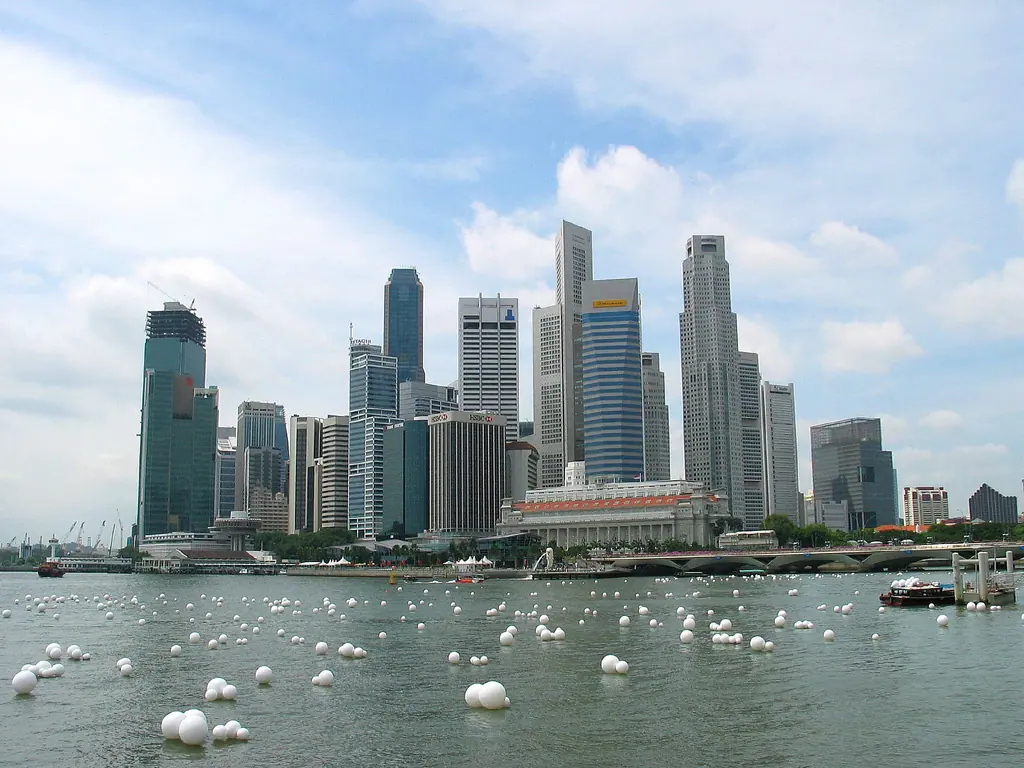
Singapore packs an entire island nation into roughly 50 kilometres east to west, so the neighbourhood you book decides what your holiday actually feels like — glassy skyline views, shophouse charm or a beach address. Pick your base well and the city's headline sights, from the Merlion to the Supertree Grove, sit within a short train ride.
Choosing Your Base: Singapore Neighbourhoods at a Glance
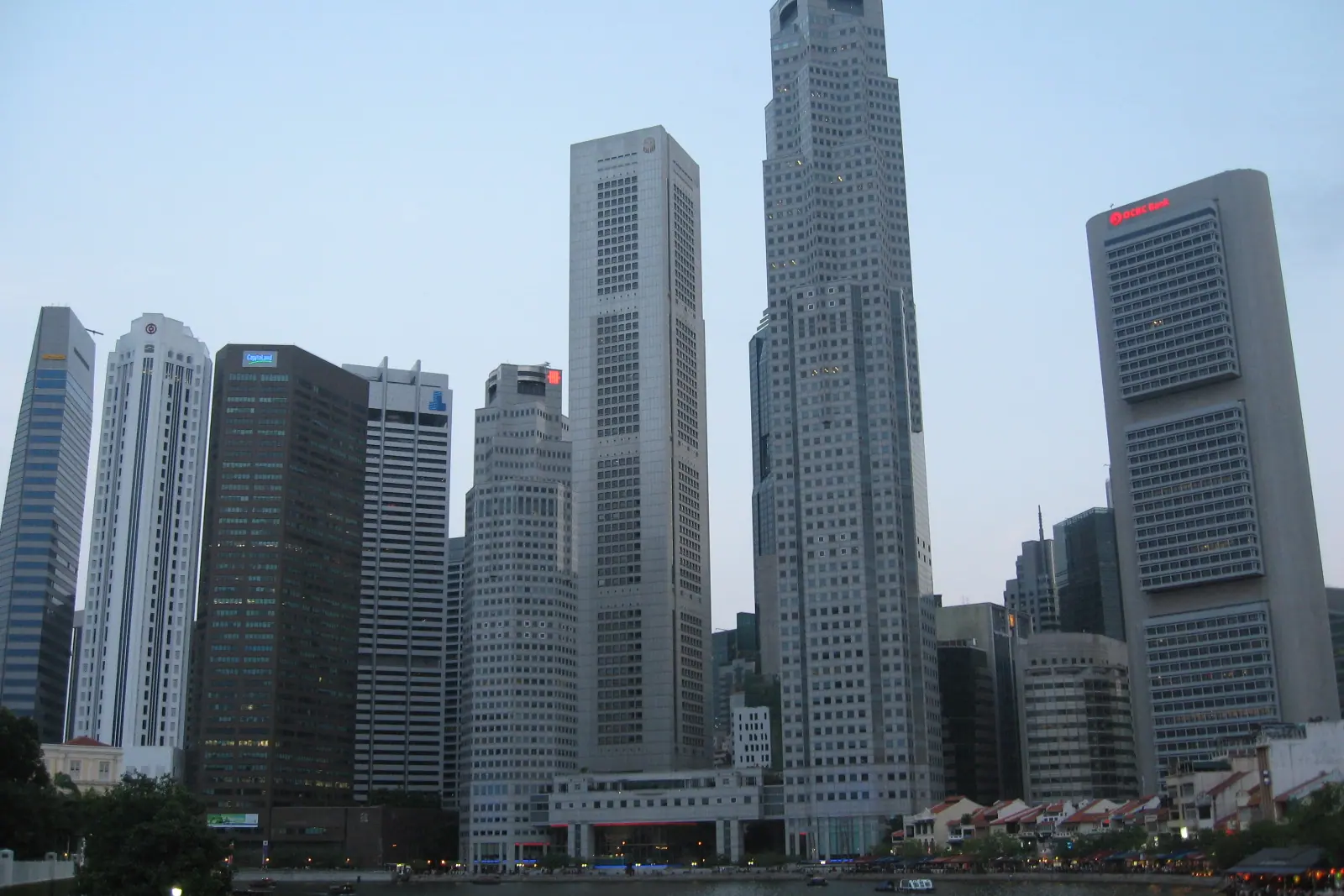
Singapore is small, hot and humid, and that combination makes location matter more than it does in most cities. Walking 25 minutes in 32-degree heat with a backpack is not the same as a 25-minute stroll in Lisbon, so being a three-minute walk from an MRT station beats almost any other hotel feature. The island's east-west span is about 50 kilometres, but nearly every sight a first-timer cares about clusters around Marina Bay, the river, and the three heritage districts just north and west of it.
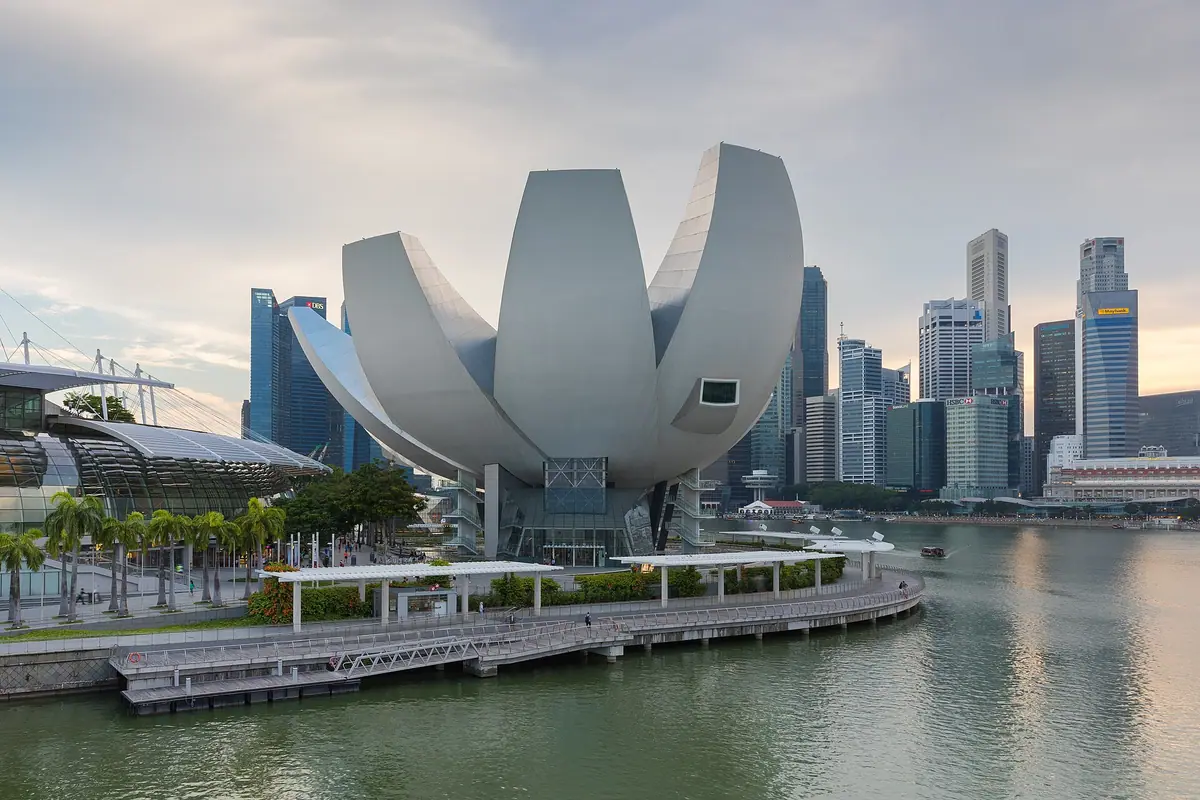
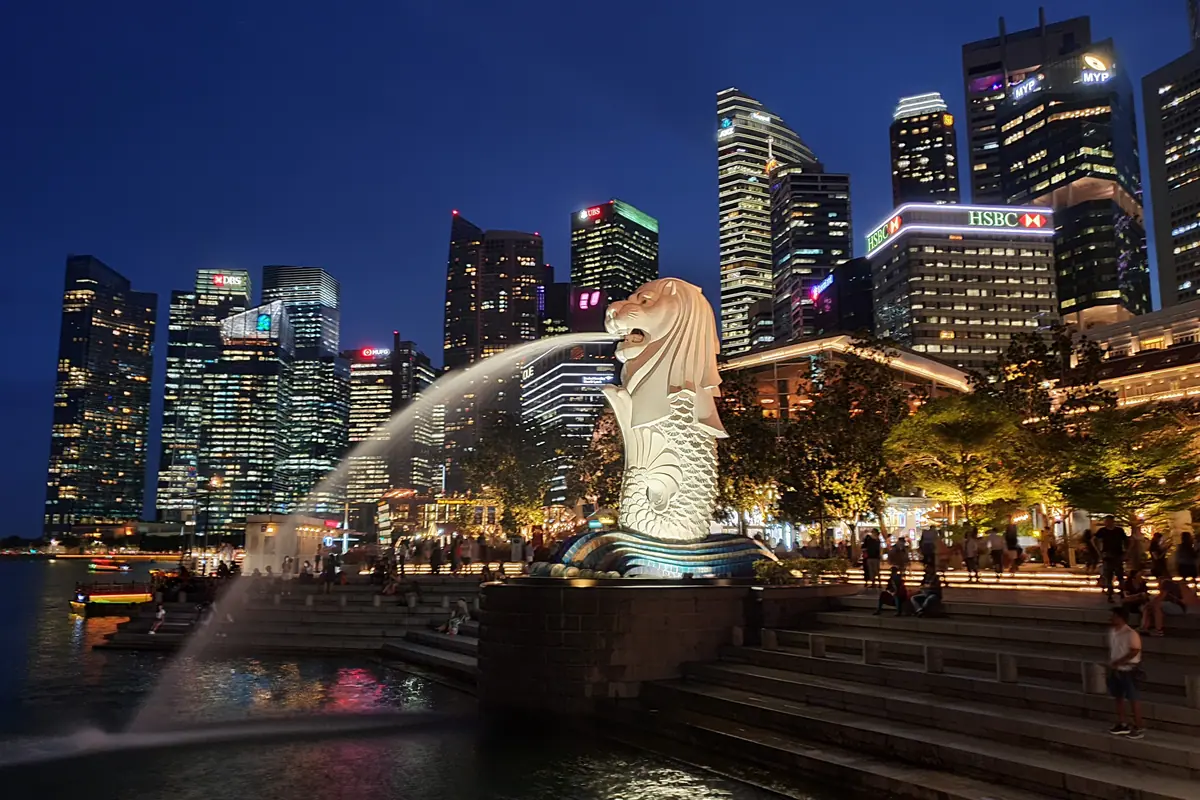
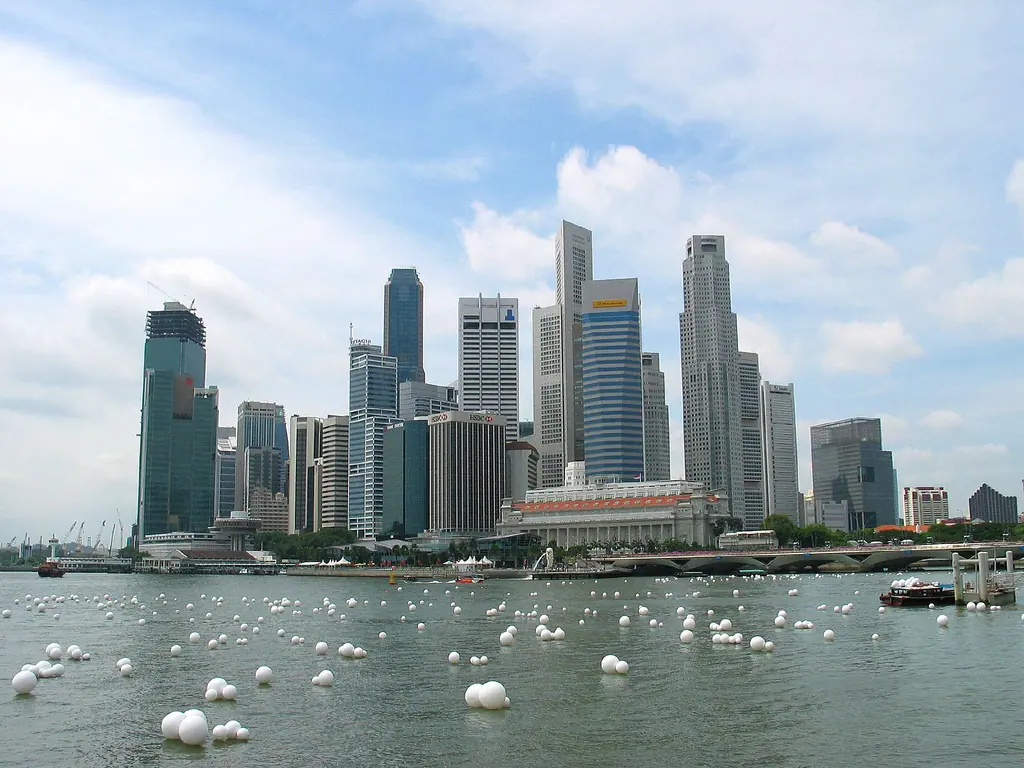
Marina Bay and the Civic District deliver the postcard view — the triple-towered hotel with its surfboard-shaped SkyPark, the Merlion spouting into the bay, the lotus-shaped museum on the waterfront. You pay a premium for it, and evenings there are quiet once the office crowd leaves. Orchard Road, the 2.2-kilometre retail canyon, suits shoppers and families: hotels here often connect directly to malls and train stations, which means air-conditioned walking all the way to dinner.
For character, look at Chinatown, Kampong Glam and Little India, where restored shophouses have been converted into boutique hotels with courtyard plunge pools and bare-brick walls. Rooms are usually smaller — expect 15 to 25 square metres — and some heritage buildings have no lift, but you trade space for atmosphere, hawker food on your doorstep and rates that can run 30 to 50 percent below the bay. Riverside addresses around Clarke Quay and Boat Quay put you in the middle of the nightlife, which is wonderful if you are out until 1am and less wonderful if you are not.
Marina Bay and the Civic District: Where the Skyline Does the Talking
Start any first visit at Merlion Park, where the half-lion, half-fish statue faces the bay and the whole skyline arranges itself behind it — go before 9am for cooler air and fewer elbows. From there the waterfront walk curves past the spiky durian domes of the Esplanade performing arts centre, the 165-metre Singapore Flyer observation wheel, and the white lotus form of the ArtScience Museum. It is a genuinely easy 3.5-kilometre loop, best done after dark when the buildings light up and the water doubles everything.
Gardens by the Bay is the reason many travellers book a bay-view room. The Supertree Grove —those 25-to-50-metre vertical gardens — is free to wander, with a light-and-sound show twice each evening. The two glass conservatories, Cloud Forest and Flower Dome, each need an hour or more and are worth it on a rainy afternoon; the walkway strung between the Supertrees gives the best photograph of the lot.
Inland a few minutes, the National Gallery Singapore fills the former Supreme Court and City Hall with the region's largest collection of Southeast Asian modern art, and Fort Canning Park above it hides colonial-era gates and spice gardens. Stay in this zone if you want to walk to the icons rather than ride to them — just be honest about whether you will actually use a bay-view balcony, since those rooms cost meaningfully more than a city-facing one with the same bed and a rooftop bar upstairs.
Orchard Road and the Botanic Gardens: The Gilded Green Belt
Orchard Road is Singapore's shopping spine, and hotels along it tend to be large, efficient and family-friendly, with pools that stay busy from morning to night. Step behind the glass facades into Emerald Hill and you find a street of ornate Peranakan shophouses with plasterwork so intricate it looks iced. The practical appeal is transport: several stations sit along the strip, so you can reach Chinatown, the bay or the airport without a single taxi.
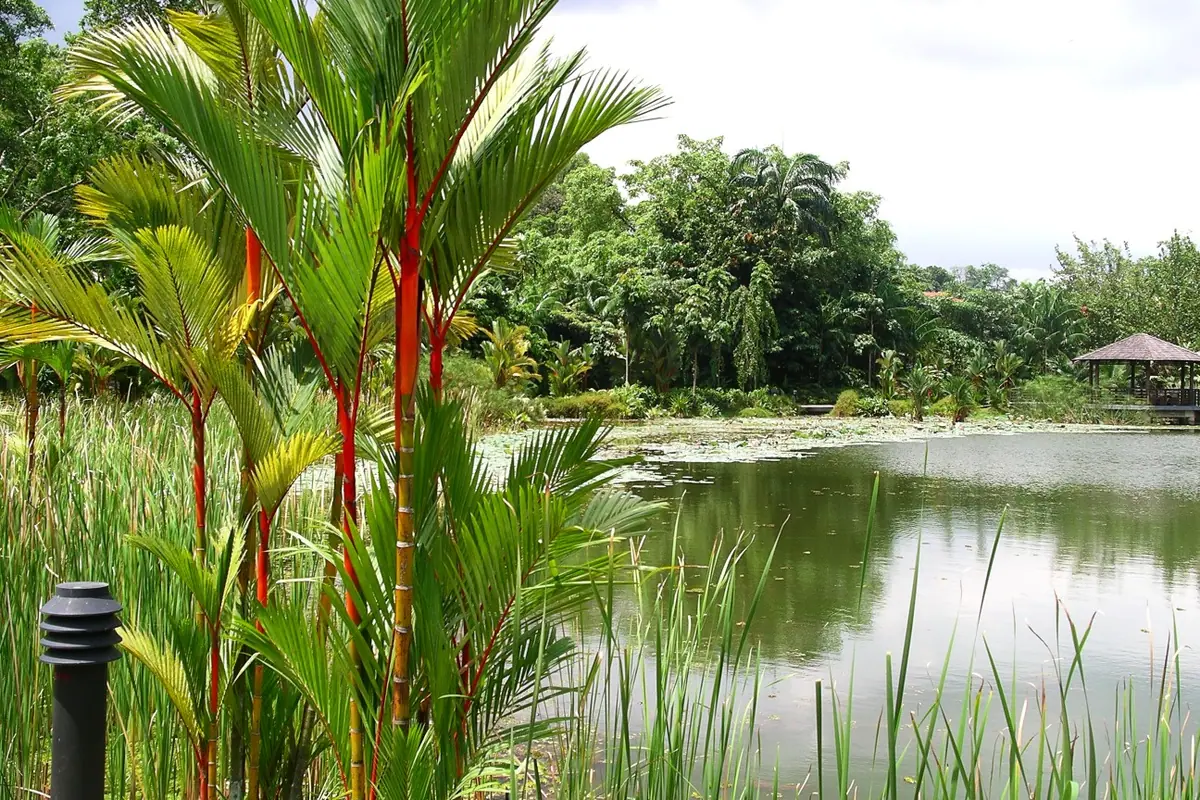
Ten minutes north by train, Singapore Botanic Gardens is the country's only UNESCO World Heritage site — a 160-year-old tropical garden that opens from 5am to midnight and costs nothing. Inside it, the National Orchid Garden holds hundreds of species, and the Rain Forest trail walks you through primary jungle that predates the city around it. Go early: by 10am the humidity is serious and the birdlife has moved on.
This is the right base for travellers who want shopping, easy transit and a calmer evening than the bay offers. It is also where you find weekend rate drops, because the district's weekday business traffic empties out — a Friday-to-Sunday booking here can cost noticeably less than the same room Monday to Thursday.
Chinatown, Kampong Glam and Little India: Shophouse Stays
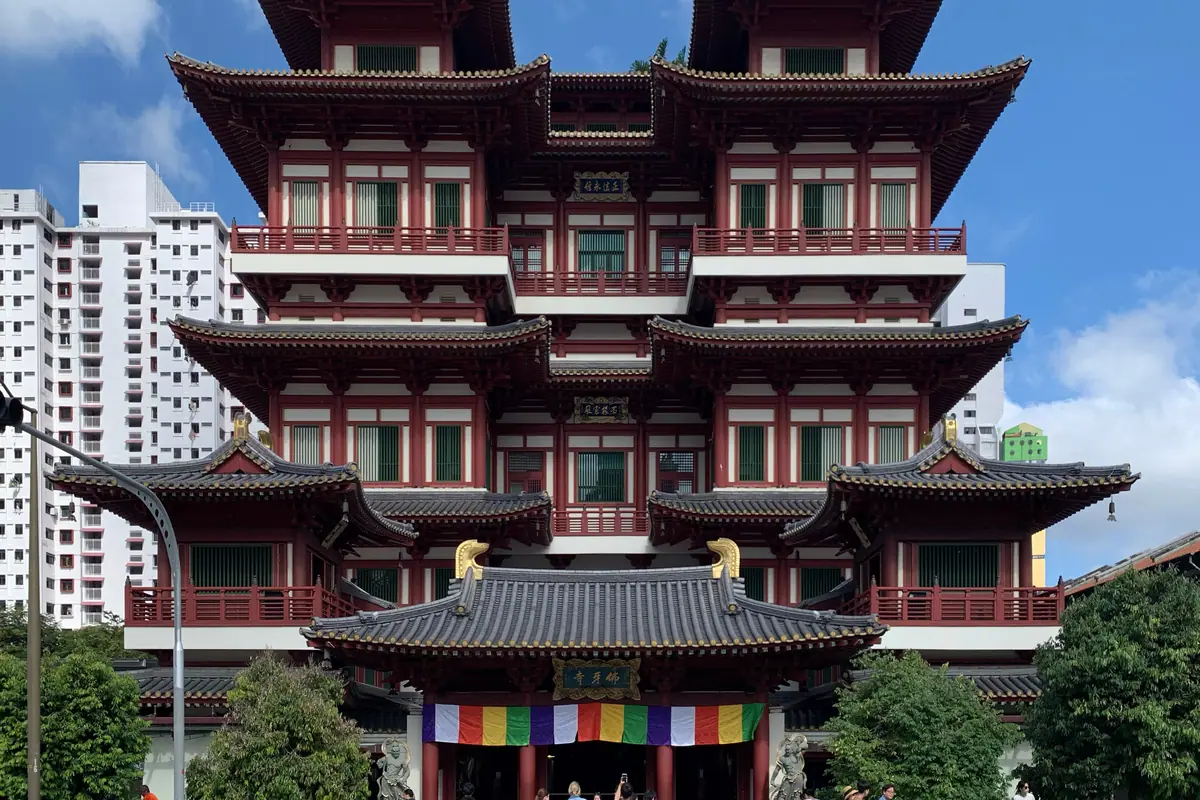
Chinatown's headline sight is the Buddha Tooth Relic Temple, a five-storey Tang-style complex with a roof garden and a relic chamber that draws long queues on festival days. A few lanes away, Sri Mariamman Temple is the island's oldest Hindu temple, its gopuram crowded with painted deities, while Thian Hock Keng is a temple assembled in the 1840s without a single nail. Ann Siang Hill and Club Street, lined with low-rise bars, make the evenings here feel lived-in rather than staged.
North across the river, Kampong Glam centres on the Sultan Mosque, whose golden onion dome is one of the city's most photographed details; the surrounding lanes of Haji Lane and Arab Street mix mural-covered walls, textile shops and cafés in converted warehouses. Little India adds the candy-coloured House of Tan Teng Niah, the Sri Veeramakaliamman Temple, and Tekka Centre, where you can eat a full meal for the price of a coffee back home.
Heritage hotels in these districts are often the most memorable stays in Singapore — a dozen rooms, a courtyard, staff who remember your name. Ask two questions before booking: does the room have a window (some conversions do not), and is it on a street with late-night bars? A rear-facing room in a shophouse is one of the best-value sleeps in the city.
Sentosa and the Southern Ridges: Resort Stays With a Beach Address
Sentosa trades city grit for palm trees. Siloso, Palawan and Tanjong beaches line the island's south coast, connected by a free beach shuttle, with a historic coastal fort at the western end, an oceanarium and a movie-themed park inland, and a cable car that swings across the harbour from Mount Faber. Resorts here have the big pools, kids' clubs and buffet breakfasts that families want, and you can reach the mainland by monorail, boardwalk or bridge in minutes.
The counterweight is the Southern Ridges, a 10-kilometre trail of elevated walkways linking Mount Faber, Telok Blangah Hill, HortPark and Kent Ridge Park. Its centrepiece, Henderson Waves, arcs 36 metres above the road below and is the highest pedestrian bridge in the country — the timber ribs make it look like a wave frozen mid-break. Further north, MacRitchie Reservoir's rainforest trails and treetop walk offer a completely different Singapore, as does East Coast Park, where locals cycle, barbecue and watch container ships slide past.
Weigh the trade-off honestly. Sentosa's sand is imported, the water looks onto a working harbour, and getting to Chinatown or the Botanic Gardens takes 30 to 40 minutes. If you want two pool days for every sightseeing day, book the island. If you want to see the city, stay at HarbourFront or Telok Blangah at the foot of the hill and ride over for a beach afternoon.
When to Go, What It Costs and How to Book Well
Singapore sits almost on the equator, so temperatures hover between 25 and 33 degrees Celsius all year and the question is really about rain. The northeast monsoon brings the wettest weeks from November to January, while February to April and June to September tend to be drier, with short, dramatic afternoon downpours in any month. Haze occasionally drifts in between August and October. Two dates reshape hotel pricing entirely: Chinese New Year in January or February, and the Formula 1 night race in September or October, when rates can double and good rooms vanish three to six months out.
Budget with the tax line in mind, because quoted room rates usually exclude government taxes and service charges that add a noticeable percentage at checkout. As a rough map: dormitory beds run from about S$40 to S$80, boutique shophouse rooms S$150 to S$280, solid four-star city hotels S$200 to S$350, and the skyline icons well beyond that. Food is where you win it back — a hawker meal costs S$4 to S$8, and train fares rarely exceed S$2.50 a trip using a contactless bank card.
Book direct where you can and ask specific questions: renovation dates, pool opening hours, whether breakfast is included, and how far the walk to the nearest MRT station truly is. Rooms without windows are common in heritage conversions and fine for one night, less so for five. Sundays often check in cheaper than Fridays, late checkout is frequently granted if you ask at reception rather than online, and a hotel two stops from the bay will usually save you enough for a very good dinner.
Frequently asked questions
Where should a first-time visitor stay in Singapore?
For the classic experience, stay around Marina Bay or the Civic District so you can walk to Merlion Park, Gardens by the Bay and the National Gallery. For better value and more character, Chinatown, Kampong Glam or Little India offer shophouse boutique hotels within a few MRT stops of the same sights.
How much does a hotel in Singapore cost per night?
Dormitory beds typically start around S$40 to S$80. Boutique shophouse rooms run roughly S$150 to S$280, comfortable four-star city hotels S$200 to S$350, and bay-view luxury considerably more. Expect government taxes and service charges to be added on top of the quoted rate.
When is the best time to visit Singapore?
February to April and June to September are generally the driest stretches. November to January is the wettest period, though rain here usually arrives as a short afternoon burst rather than an all-day washout. Avoid booking late for Chinese New Year and the September or October Formula 1 race, when rates spike.
Is it better to stay on Sentosa or in the city?
Choose Sentosa if you want beach time, resort pools and family facilities; just accept that reaching Chinatown or the Botanic Gardens takes 30 to 40 minutes. Choose the city if sightseeing is the priority, and visit Sentosa as a day trip by cable car or monorail.
How do I get from the airport to my hotel, and what should I check before booking?
The train reaches the city centre in about 30 minutes and taxis take 20 to 30 depending on traffic. Before booking, ask whether your room has a window, whether the building is being renovated, how far the walk to the nearest MRT station is, and whether breakfast is included.
Sort the rest of your trip
Everything for Singapore, in one place
Transfer in Singapore
Private driver waiting on arrival — no queues, no surprises.
Book a transfer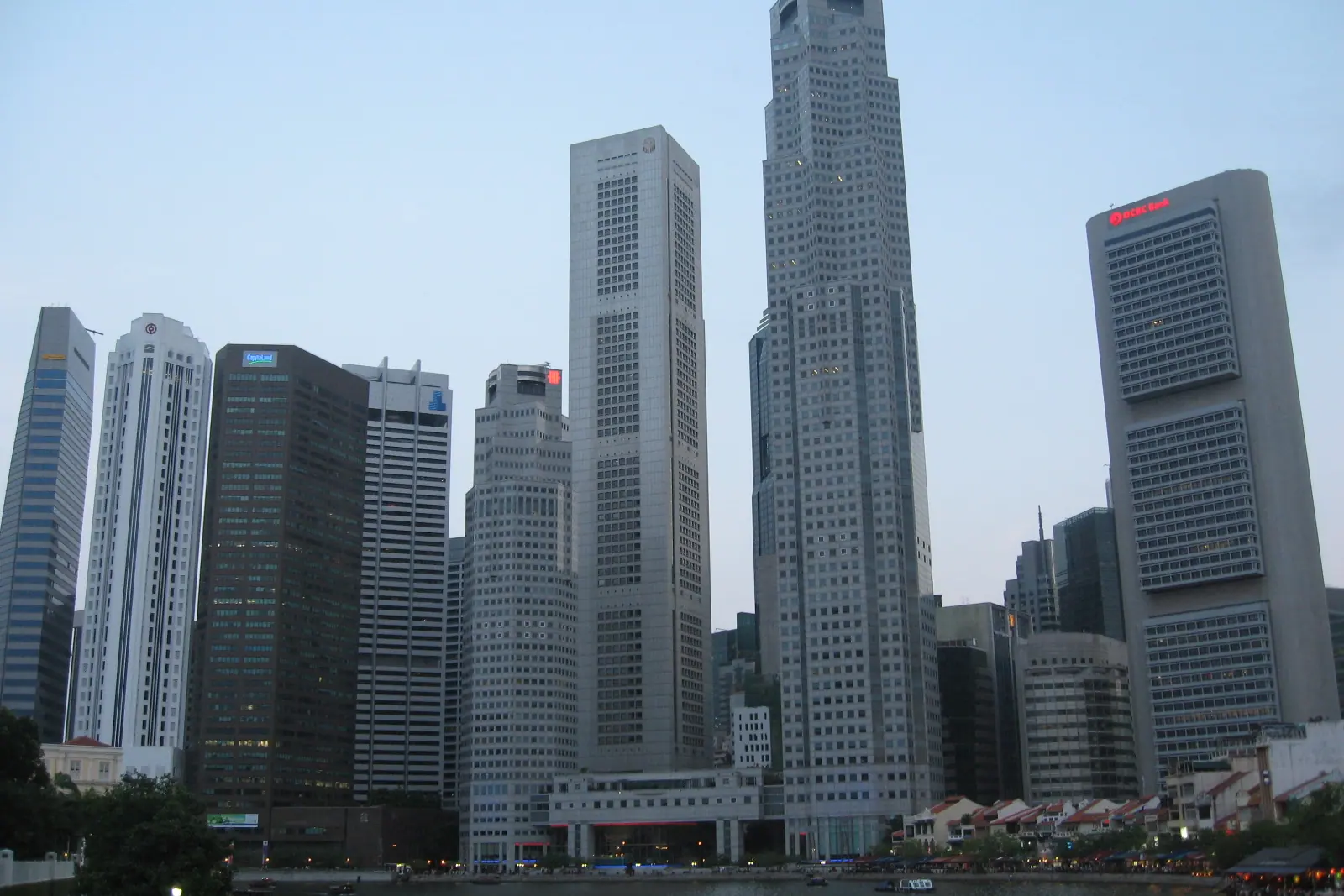
Things to do in Singapore
Skip-the-line tickets, guided tours and standout experiences.
See experiences
Stay online in Singapore
Travel eSIM — data the moment you land, no roaming bills.
Get an eSIMMore guides in Singapore
Top Things to Do in Singapore: Landmarks, Neighbourhoods and Nature
Best Time to Visit Singapore for Hotels: Weather, Peak Seasons and Smart Booking Windows
Best Places to Visit in Singapore: Must-See Sights and Neighbourhoods
Singapore Food, Culture and Local Experiences: A Guide to Hawker Centres, Neighbourhoods and Must-See Sights