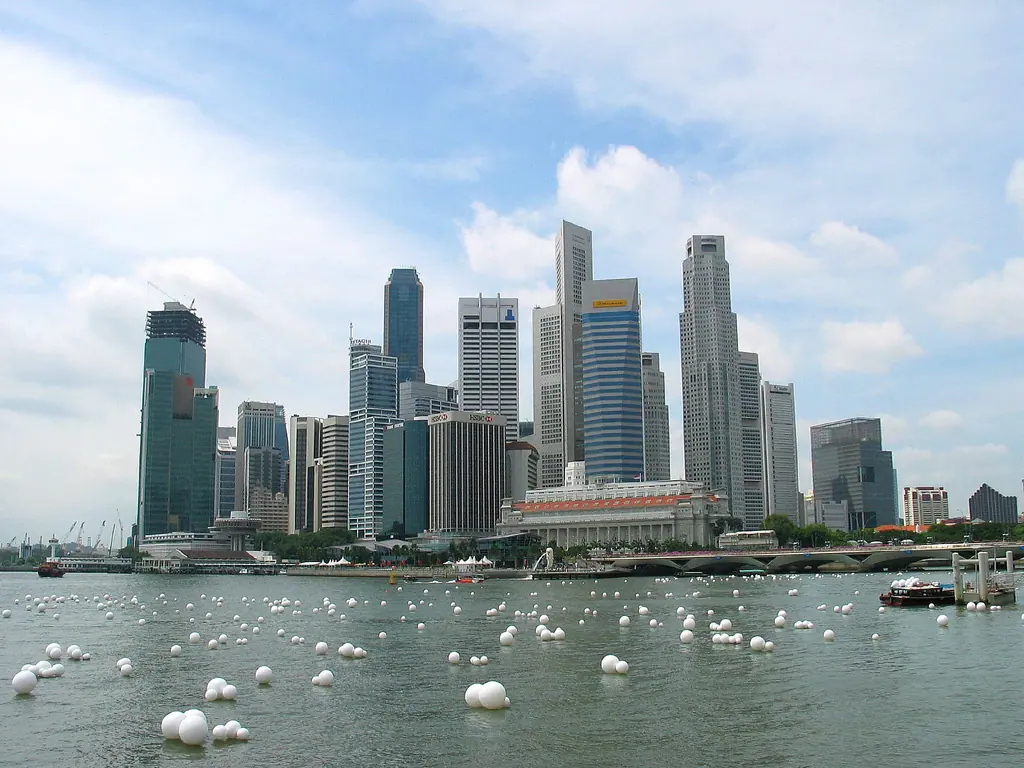
Singapore is a city you taste before you understand — a steamy, glossy island where breakfast is kaya toast dunked in soft-boiled eggs and dinner might be chilli crab eaten with your hands at a plastic table by the sea. Between the skyscrapers and the shophouses, four cultures share one small island, and the best way to meet them is one plate, one neighbourhood and one long, humid walk at a time.
Why Singapore Eats, Walks and Talks Like Nowhere Else
Singapore is barely 50 kilometres across, yet it holds four official languages, several faiths and a food culture that behaves like a national sport. The island was a trading port long before it was a skyline, and that history is still visible in who cooks what: Malay grills and coconut-rich curries, Chinese noodle stalls, South Indian banana-leaf kitchens, and the Straits-born Peranakan cooking that blends all of it into something entirely local.
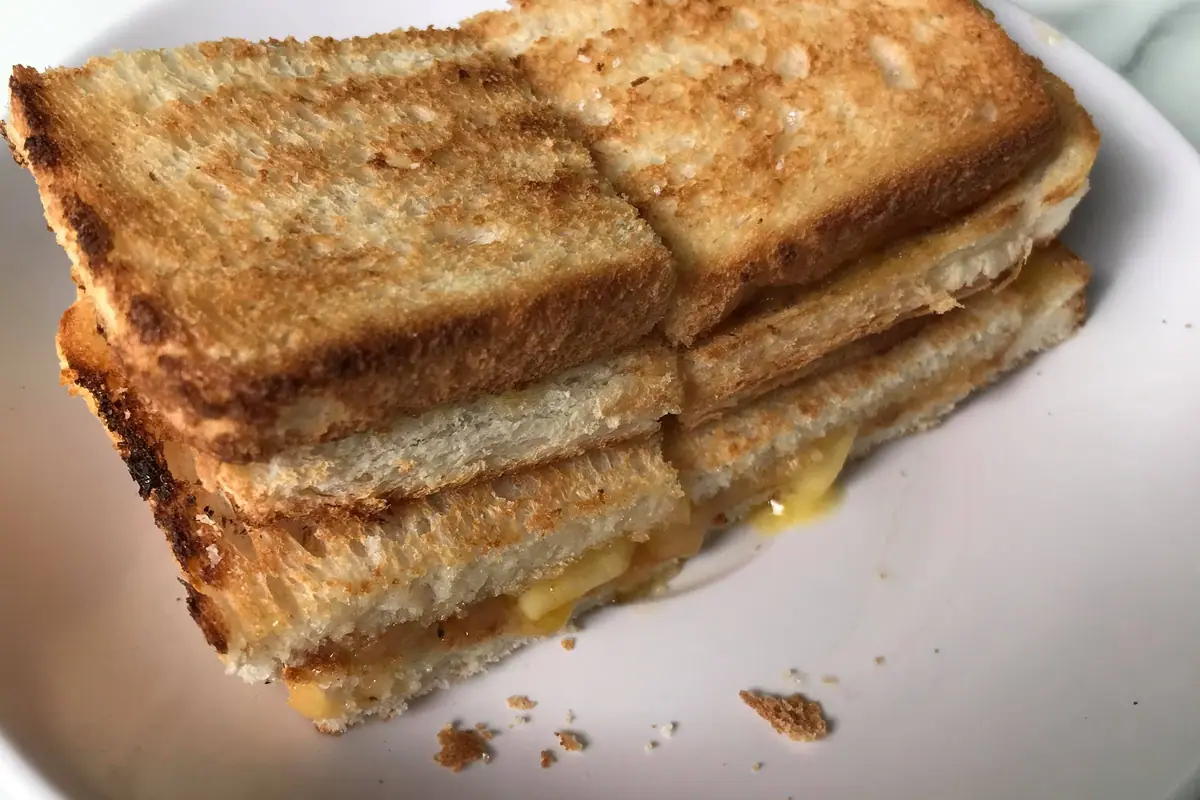
The day has a rhythm, and it starts early. By 7am, kopitiam coffee shops are full of people ordering kopi — strong coffee with condensed milk — or kopi-O black with sugar, kopi-C with evaporated milk, and kosong if you want it unsweetened. Add peng for iced. Alongside comes kaya toast, thick coconut-and-pandan jam on grilled bread, and two soft-boiled eggs cracked into a saucer with dark soy and a shake of white pepper. Learn that order on day one and you will feel less like a visitor by day two.
Eating here is not a formal occasion. It happens in airy halls, at roadside tables, on benches under a ceiling of fans, often before the sun has properly risen or long after it has gone down. Come hungry, come casual, and come ready to point at what the person ahead of you is having. That is how everyone else learned.
Hawker Centres: The Beating Heart of the Singapore Day
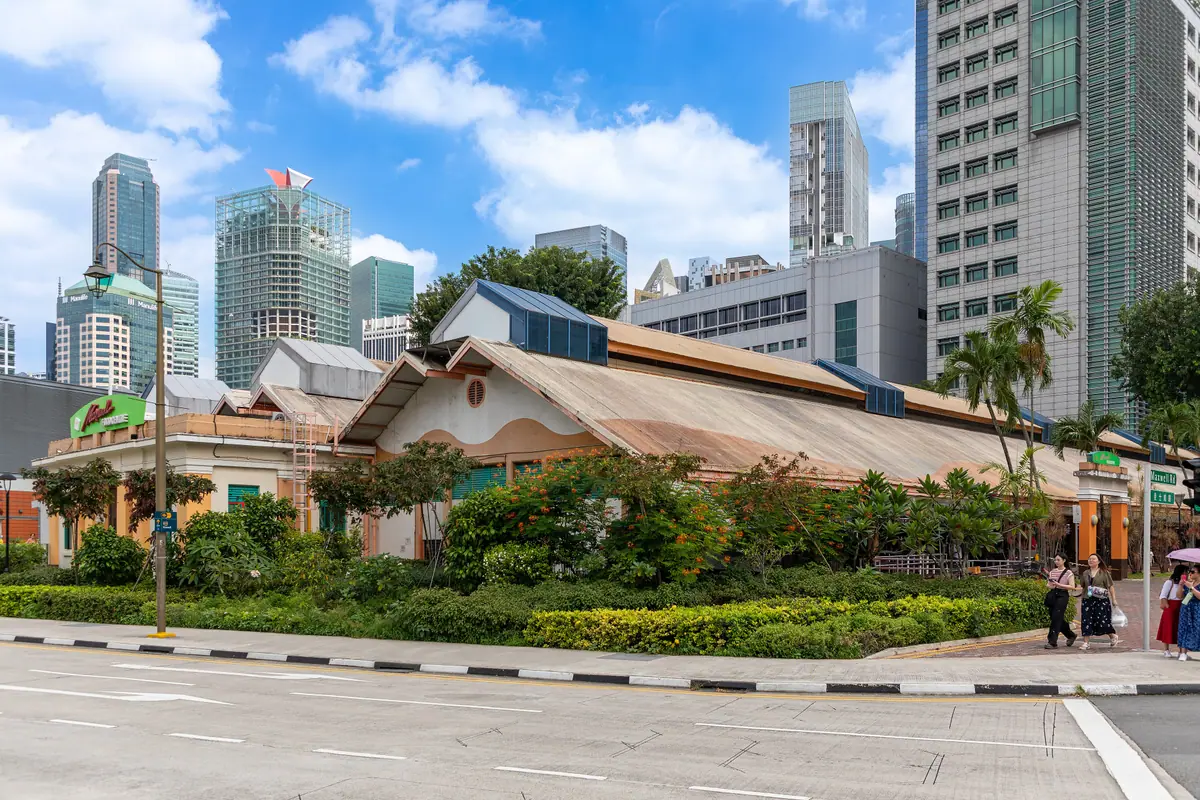
The hawker centre is the institution that holds the whole island together: a big open hall ringed by small stalls, each run by one family specialising in one or two dishes, sometimes for three generations. Certain centres have reputations built around specific plates. Maxwell Food Centre is famous for Hainanese chicken rice and Hokkien prawn noodles. Old Airport Road draws crowds for its variety and its older-school stalls. Tekka Centre in Little India does biryani, roti prata and mutton soup with serious conviction. East Coast Lagoon Food Village is where satay, barbecue stingray and grilled chicken wings meet sea breeze and bicycle rentals. Lau Pa Sat, set inside an ornate cast-iron Victorian market hall, turns one surrounding street into a satay grill corridor after dark, and Newton Food Centre is the late-night option when the evening refuses to end.
There are local rituals worth knowing. Tables are reserved by leaving a packet of tissues, a folded umbrella or a business card — this is called chope, and it is respected. Trays are returned to the racks yourself. A long queue usually signals quality. Lunch runs roughly from noon to 2pm and dinner from 6.30pm to 8.30pm, so aim for 10.30am or 3pm if you want a table without hovering. Many stalls are halal-certified and others are not, with seating sometimes split into halal and non-halal sections; look for the green signage. Most stalls take both small notes and QR payment, but keep some cash for the older vendors.
What should you actually order? Hainanese chicken rice with fragrant rice cooked in stock; char kway teow, smoky flat noodles fried hard in a wok; laksa, a coconut and prawn noodle soup; bak kut teh, peppery pork rib broth often eaten for breakfast; oyster omelette; and rojak, a sweet-savoury fruit and dough salad. Finish with chendol or ice kachang, both shaved ice desserts drenched in gula melaka palm sugar and coconut milk. For a proper blowout, chilli crab and black pepper crab are best at seafood restaurants in the east, eaten with fried mantou buns to mop up the sauce.
Neighbourhood Trails: Chinatown, Little India and Kampong Glam
Chinatown rewards slow wandering. The Buddha Tooth Relic Temple is the district's most photographed building, a Tang-style structure with a roof garden and a relic chamber. A few streets away, Sri Mariamman Temple on South Bridge Road is the oldest Hindu temple on the island, its gateway tower crowded with brightly painted deities. Between them run Pagoda Street, Trengganu Street and Smith Street, packed with shophouses, herbalists and souvenir stalls, plus the sprawling Chinatown Complex Food Centre above the wet market. Time your visit to Chinese New Year, when the whole area glows red, or to the Mid-Autumn Festival, when lanterns hang across the lanes.
Little India is louder, brighter and smells of jasmine, sandalwood and frying spices. Sri Veeramakaliamman Temple on Serangoon Road sits at its centre, and Tekka Centre downstairs sells everything from fresh turmeric to flower garlands while upstairs feeds a constant stream of office workers and families. Do not miss the House of Tan Teng Niah, a candy-coloured former villa tucked on a side lane. In October or November, Deepavali turns the streets into arcs of light; in January or February, Thaipusam brings a procession of devotees carrying ornate kavadis along the same roads.
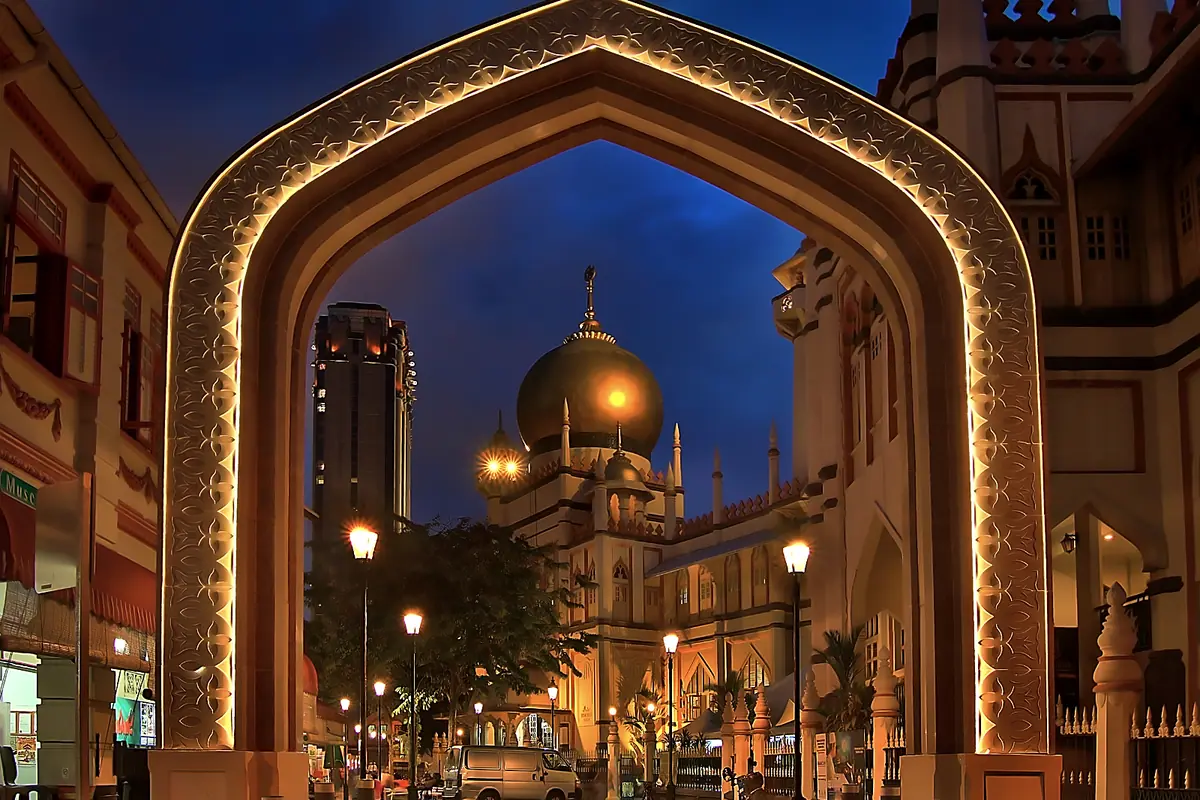
Kampong Glam, the old Malay and Arab quarter, is anchored by the Sultan Mosque, whose immense golden dome and cream façade sit at the end of Bussorah Street. Around it, Arab Street sells Persian carpets, batik and perfume oils, while Haji Lane packs murals, tiny boutiques and rooftop bars into a single narrow alley. Eat nasi padang, murtabak and sup tulang, and drink teh tarik pulled until frothy. During Ramadan, the lanes around Kandahar Street fill with a night market that is worth planning a trip around.
Peranakan Culture: Straits Chinese Heritage You Can Taste
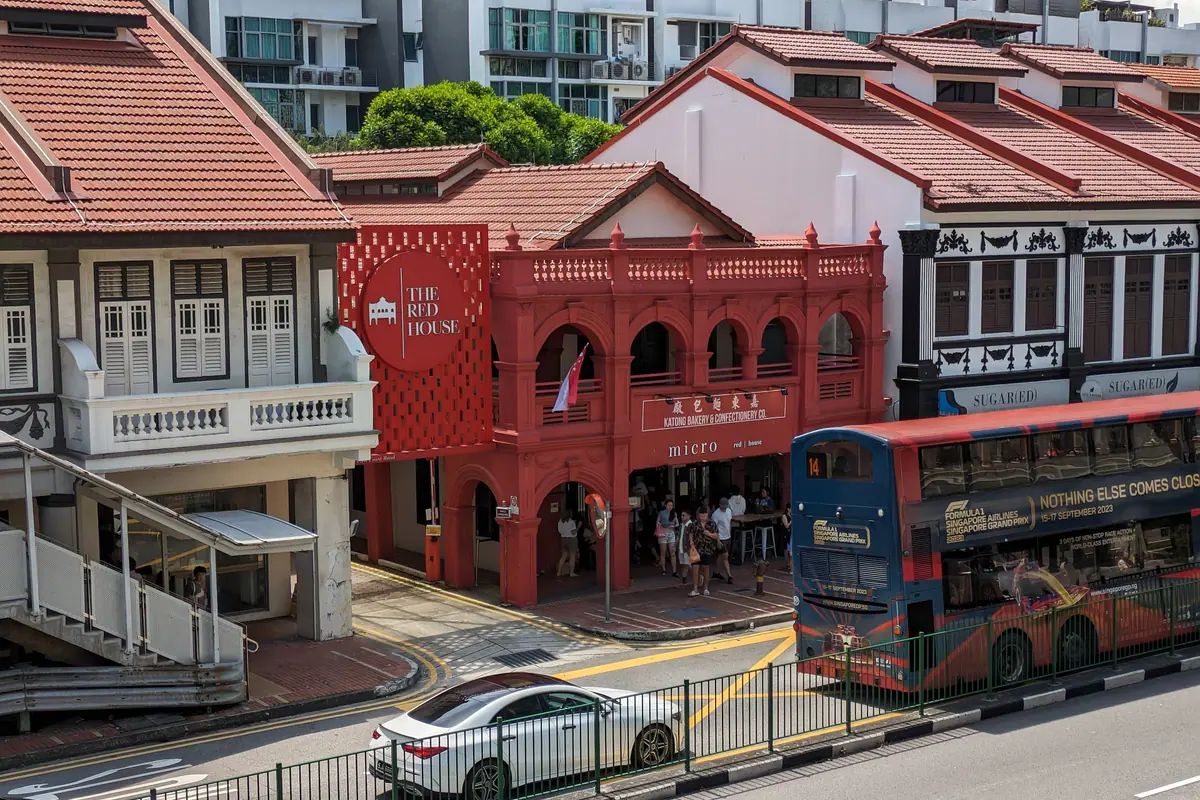
The Peranakans — descendants of Chinese traders who settled in the Malay archipelago and married locally — created one of Southeast Asia's most distinctive cultures, and Singapore's east side is its showcase. Katong and Joo Chiat are lined with shophouses wearing pastel façades, ceramic tiles and carved timber screens, with Koon Seng Road the postcard-perfect stretch everyone photographs. The Peranakan Museum near the river explains the beadwork, kebaya dress, wedding customs and porcelain behind it all, and a handful of restored shophouse homes open their doors to visitors by appointment.
Peranakan food is the reason many people fall for this culture. Laksa Katong-style comes with thick rice noodles, coconut gravy and a heap of chopped laksa leaf. Ayam buah keluak simmers chicken with dark, earthy Indonesian black nuts. Babi pongteh is a gentle braise of pork with fermented soy bean and potato, and there is an entire universe of kueh — steamed, layered, coconut-laced cakes — eaten as snacks or at celebrations. Kaya, the coconut jam you met at breakfast, is a Peranakan invention too.
Pair the east with Tiong Bahru, a 1930s art deco estate with curved balconies, an excellent wet market and food centre on its edge, and independent bookshops and bakeries tucked under the blocks. It is a good half-day pairing: heritage houses and kueh in the morning, Tiong Bahru and its market in the afternoon.
Between Meals: The Icons You Should Not Skip
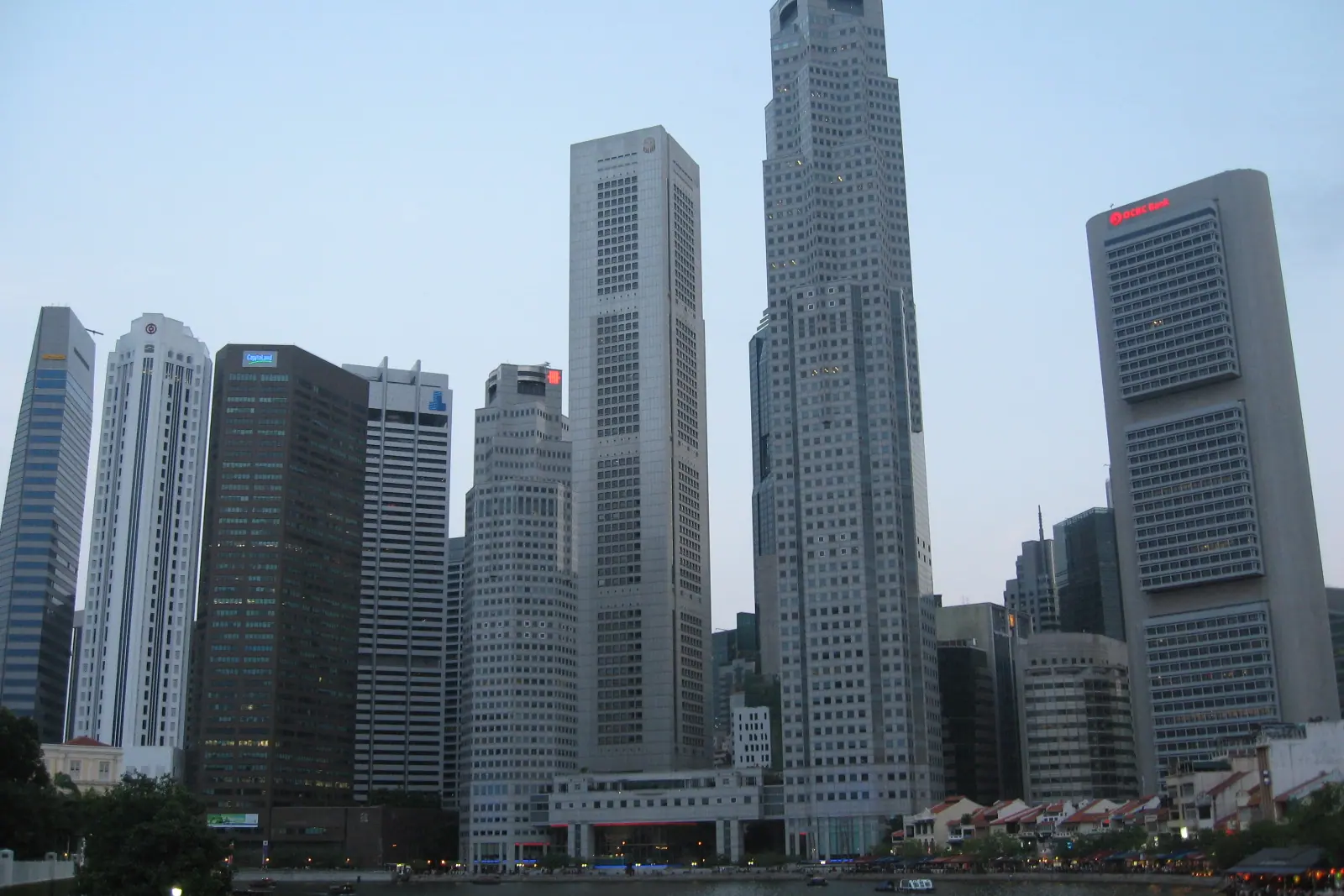
The classic first-day loop circles Marina Bay. Start at Merlion Park for the half-lion, half-fish statue spouting water toward the skyline, then walk the bay promenade past the three-towered hotel with its boat-shaped SkyPark. Gardens by the Bay is the showpiece: the Supertree Grove, a cluster of towering vertical gardens that light up in a free evening sound-and-light show, plus the Cloud Forest with its indoor waterfall and the Flower Dome's cool-climate blooms. Allow two to three hours, more if you stay for the light show after dark. Nearby, the Singapore Flyer offers a slow rotation over the water and the container port beyond.
Elsewhere, the Singapore Botanic Gardens is a UNESCO-style tropical treasure in the middle of the city — a UNESCO World Heritage Site, in fact — and the National Orchid Garden inside it is worth the small admission on its own; go early, before the heat builds. Sentosa is the family day out, reached by cable car, boardwalk or monorail, with beaches, a theme park, an aquarium and coastal forts. Sunrise walkers should head to the Southern Ridges and the wave-shaped Henderson Waves bridge, which links forest trails high above the city. And for something stranger, Haw Par Villa is a hillside park of vivid, occasionally gruesome dioramas from Chinese mythology.
If you are flying out of Changi, the Rain Vortex at Jewel — the world's tallest indoor waterfall — is worth arriving a few hours early for, especially when the light-and-music show runs in the evening.
Timing Your Trip, Weather and Local Manners
Singapore is equatorial, so expect 26 to 32 degrees Celsius year-round with high humidity and sudden heavy showers. February to April is generally the driest and most comfortable window. November to January brings the northeast monsoon, meaning intense afternoon downpours that usually clear within an hour. August to October can bring regional haze, so check conditions if you have respiratory sensitivities. Whatever the month, plan outdoor sightseeing before 10am or after 5pm, and use the MRT and air-conditioned malls as mid-day refuges.
The calendar is packed with reasons to visit. Chinese New Year in January or February shuts some stalls but lights up Chinatown spectacularly. Thaipusam, Hari Raya Puasa, Vesak Day and Deepavali each transform their own quarter. The Hungry Ghost Festival brings street opera and offerings in the seventh lunar month, the Mid-Autumn Festival fills the Gardens with lantern displays, and National Day on 9 August delivers fighter-jet flypasts and fireworks over the bay. July's food festival season is when local chefs get experimental.
A few manners go a long way. Queue properly; it is close to sacred here. Return your hawker tray and leave the table as you found it. Do not eat or drink on the MRT — it is a fineable offence. Remove shoes before entering a home, a mosque or a temple, and cover shoulders and knees at places of worship. Use your right hand when eating with your hands in Indian and Malay settings. Tipping is not expected, service charges are usually already added, and punctuality is appreciated. Learn to say terima kasih and thank you with a smile, and the city will open up quickly.
Frequently asked questions
Is tap water safe to drink in Singapore?
Yes. Tap water is treated to a high standard and safe to drink straight from the tap, which is why you will see locals refilling bottles everywhere. Bring a reusable bottle — most hotels and many public buildings have refill stations.
How many days do I need to see Singapore properly?
Three to four full days covers the essentials: one day for Marina Bay, Gardens by the Bay and the Merlion; one for Chinatown, Little India and Kampong Glam with plenty of eating; one for the east side, Katong and Tiong Bahru; and a half day for the Botanic Gardens or Sentosa. A week lets you slow down and add day trips.
When is the best time to visit Singapore?
February to April offers the driest, least humid conditions. November to January is wetter with short, heavy afternoon storms. Avoid late August to October if haze bothers you, and book well ahead if you are travelling over Chinese New Year, National Day in August, or during major festival periods.
Is hawker food safe and suitable for sensitive stomachs?
Hawker stalls are regularly inspected and display hygiene grades, so look for an A or B rating on the signage. Food is cooked to order and served hot, which helps. If you are cautious, ease in with rice and noodle dishes rather than raw or room-temperature items, and drink bottled or boiled water in the first day or two.
Do I need cash at hawker centres and markets?
Many stalls now accept QR code payments, but plenty of older vendors are cash-only. Carry small notes and coins — a ten-dollar note can be awkward for a two-dollar bowl of noodles — and keep a little change handy for markets, temples and drinks stalls.
How do I get around between neighbourhoods?
The MRT is fast, cheap, air-conditioned and reaches every district mentioned here, with buses filling the gaps. Use a contactless bank card or a stored-value transit card, and avoid the 8am to 9am and 6pm to 7pm commuter peaks if you are carrying luggage. Distances are short, so taxis and rideshares are affordable when you are tired and sweaty.
Sort the rest of your trip
Everything for Singapore, in one place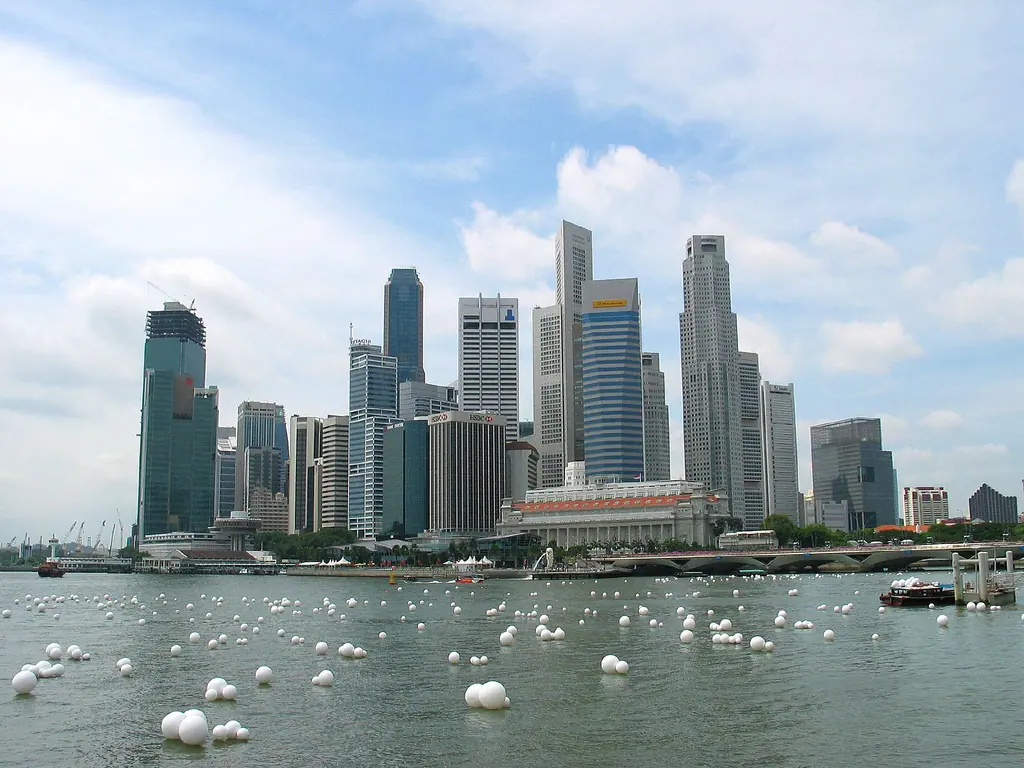
Stay in Singapore
Hotels, guesthouses and apartments — compared in one search.
Search hotels
Transfer in Singapore
Private driver waiting on arrival — no queues, no surprises.
Book a transfer
Stay online in Singapore
Travel eSIM — data the moment you land, no roaming bills.
Get an eSIMMore guides in Singapore
Top Things to Do in Singapore: Landmarks, Neighbourhoods and Nature
Best Time to Visit Singapore for Hotels: Weather, Peak Seasons and Smart Booking Windows
Best Places to Visit in Singapore: Must-See Sights and Neighbourhoods
Hotels in Singapore: Where to Stay and What to See