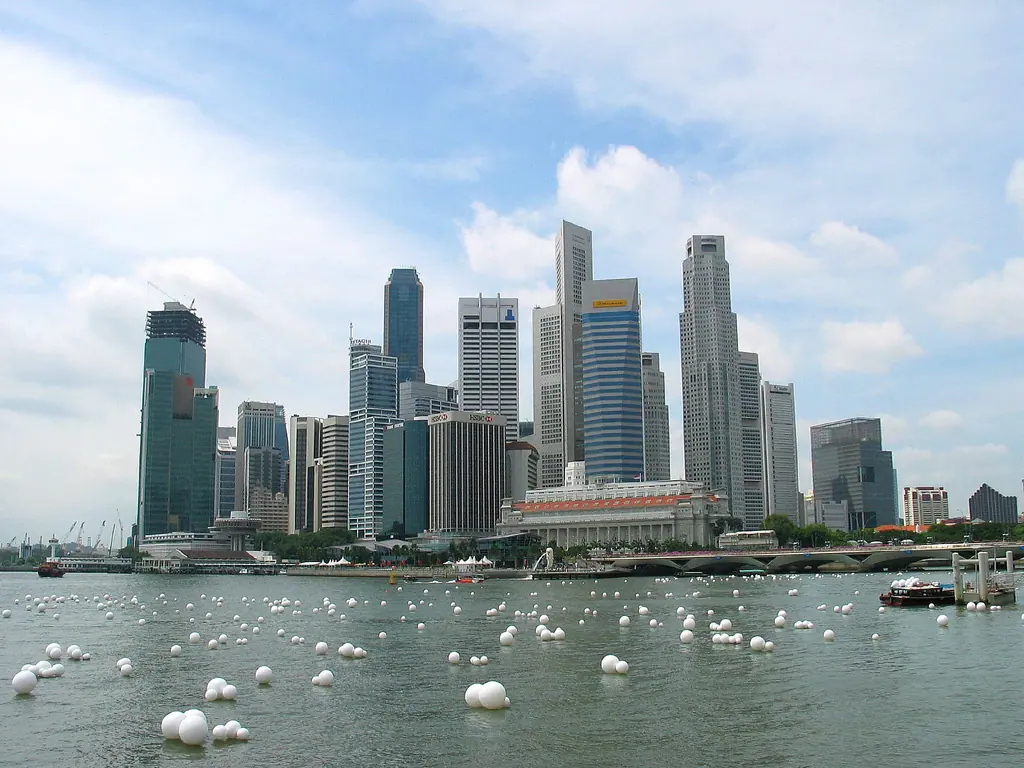
Singapore compresses a continent's worth of temples, rainforest, hawker food and neon skyline into an island you can drive across in 45 minutes. The trick is knowing where the city's real highlights sit and how to string them together without spending your whole trip in queues. This guide walks you through the must-see sights, the historic quarters and the wild edges, with the practical detail that makes a short visit feel unhurried.
Marina Bay: The Skyline That Defines Modern Singapore
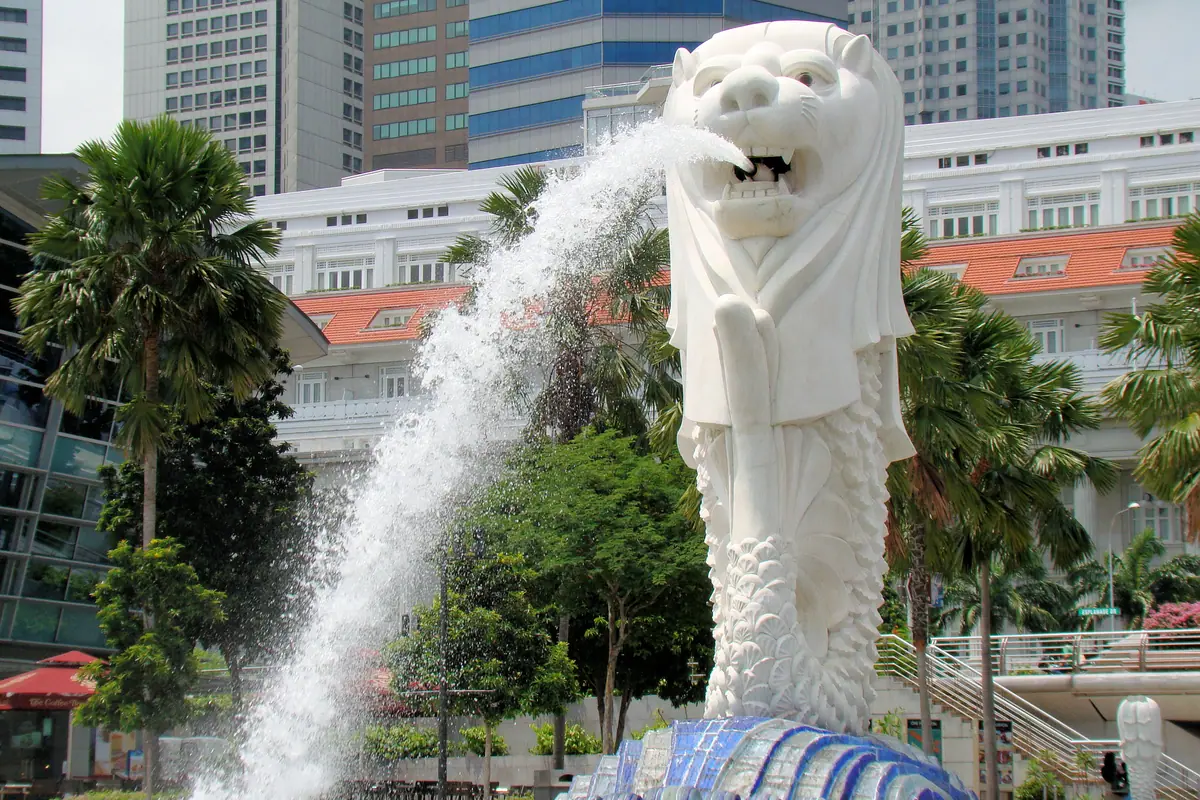
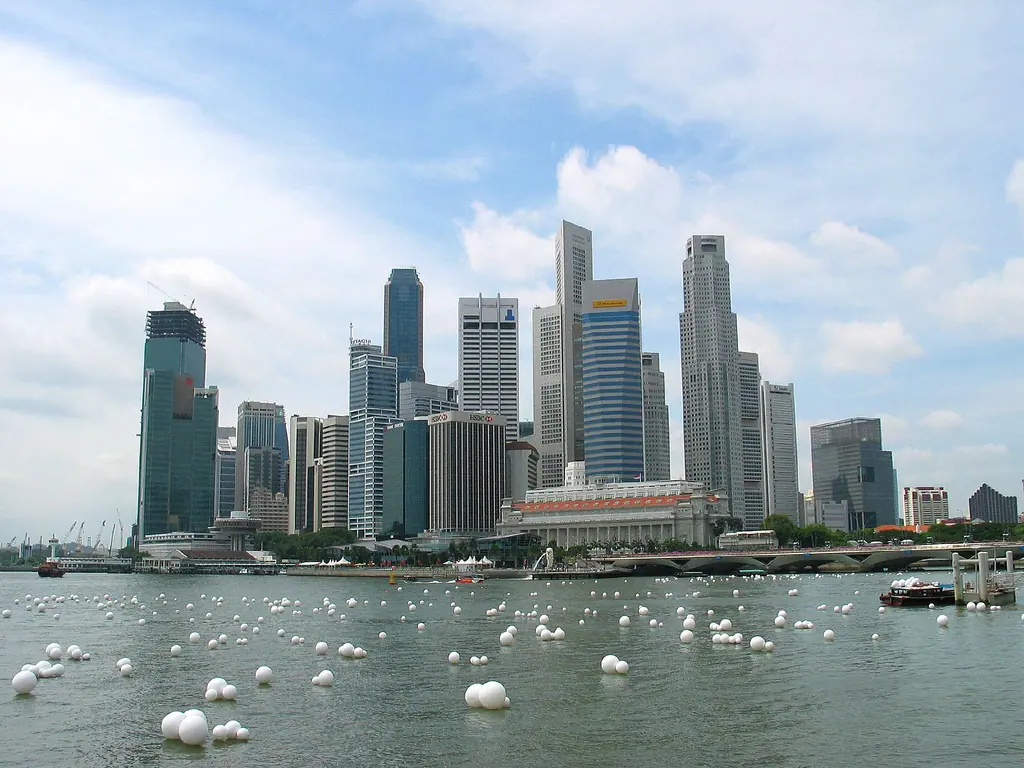
Start at Merlion Park, where the 8.6-metre half-lion, half-fish statue spouts water into the bay and the triple towers of Marina Bay Sands rise directly behind it. Arrive before 8am and you get soft light, joggers and almost no one else at the railing. Later, the SkyPark observation deck on the tower's 57th floor gives the defining view of the city — the bay, the shipping lanes beyond, and at dusk a skyline that switches on like a circuit board.
Then walk the bay loop, a flat promenade of roughly 3.5 kilometres. You'll pass the Helix Bridge, its steel double helix modelled on DNA, the lotus-shaped ArtScience Museum, the spiky domes of the Esplanade theatres that locals nicknamed the durians, and the Singapore Flyer, a 165-metre observation wheel on the eastern shore. The entire circuit is stroller-friendly and largely shaded by underpasses and covered walkways.
Finish in the evening, when the free light-and-water show fires across the bay from the Event Plaza — nightly at 8pm and 9pm, with an extra 10pm slot on Friday and Saturday. Allow two to three hours for the daytime walk, or three hours if you're combining it with the show and dinner at one of the waterfront restaurants.
Gardens by the Bay and the City's Green Heart
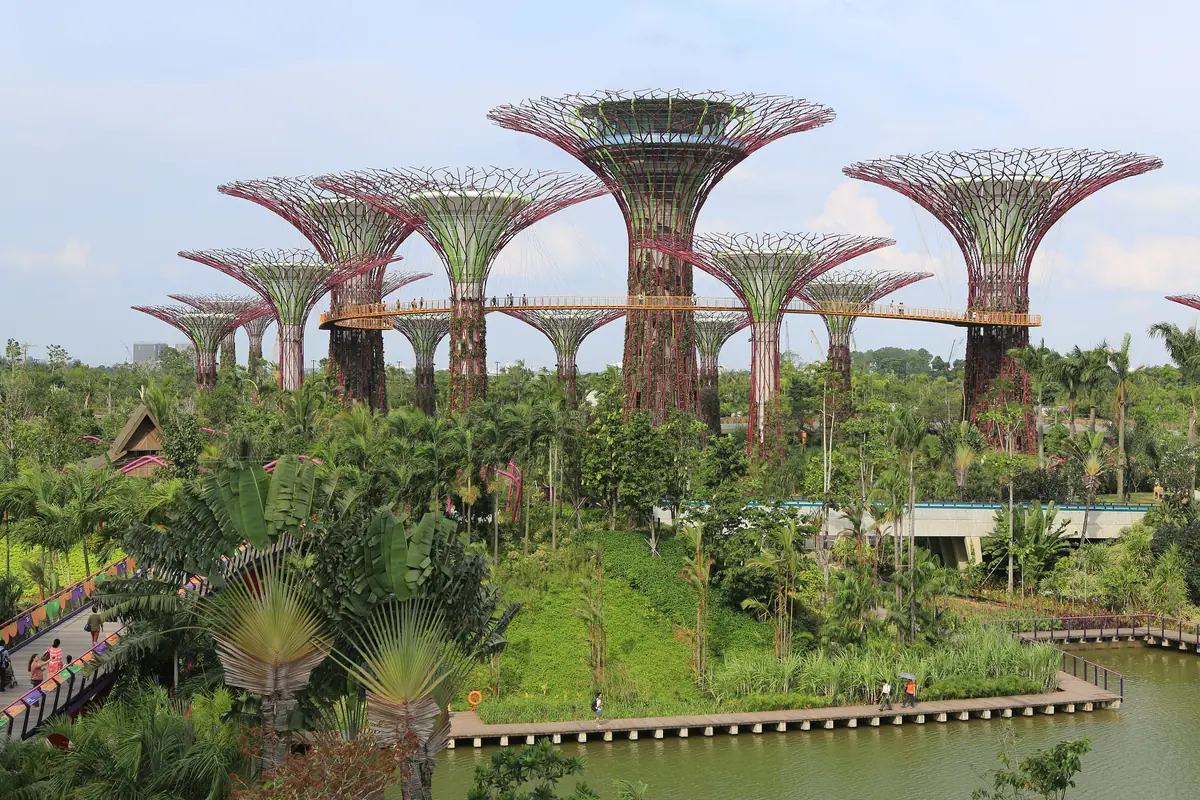
Gardens by the Bay is the postcard everyone comes for, and it earns it. The Supertree Grove's 25- to 50-metre vertical gardens are best seen twice: once in daylight, when you can walk the skyway slung between them, and once after dark for the nightly Garden Rhapsody light-and-sound show at 7.45pm and 8.45pm, which costs nothing. The two conservatories are the part people underestimate. The Cloud Forest holds a 35-metre indoor waterfall wrapped in orchids and ferns, while the Flower Dome is one of the world's largest glasshouses, kept cool enough that you'll want a light layer. Budget two to three hours for both.
For a slower green fix, head to the Singapore Botanic Gardens, a UNESCO World Heritage Site laid out in 1859. It's free to enter and easy to spend half a day in — the National Orchid Garden inside holds around a thousand orchid species and thousands of hybrids, and early mornings bring otters, hornbills and tai chi groups to the lakeside lawns.
If you want actual rainforest, MacRitchie Reservoir's TreeTop Walk is a 250-metre suspension bridge up to 25 metres above the forest floor, reached via a loop of about seven kilometres; it's free and closes on Mondays. Bukit Timah Nature Reserve protects Singapore's highest hill at 163 metres, and the Southern Ridges trail links Mount Faber to Kent Ridge via the wave-shaped Henderson Waves bridge. Bring water, start early, and give the macaques a wide berth.
Chinatown, Little India and Kampong Glam: The Old City
Singapore's heritage districts sit within a few MRT stops of each other, and each has a distinct rhythm. Chinatown is anchored by the Buddha Tooth Relic Temple, a five-storey Tang-style complex with a roof garden and a sacred relic chamber, and by Sri Mariamman Temple on South Bridge Road, the city's oldest Hindu temple, its gopuram crowded with painted deities. Between them run shophouse terraces, the Thian Hock Keng temple on Telok Ayer Street, and the Chinatown Complex hawker centre, one of the best places in the country for a cheap, excellent lunch.
Little India is louder, brighter and smells of jasmine and frying spices. Serangoon Road leads to the Sri Veeramakaliamman Temple, while Tekka Centre combines a wet market, a textile floor and a food court famous for biryani and dosa. A short walk away, the House of Tan Teng Niah is a candy-coloured villa that has become the district's most photographed building. If you're here in October or November, the streets are strung with Deepavali lights.
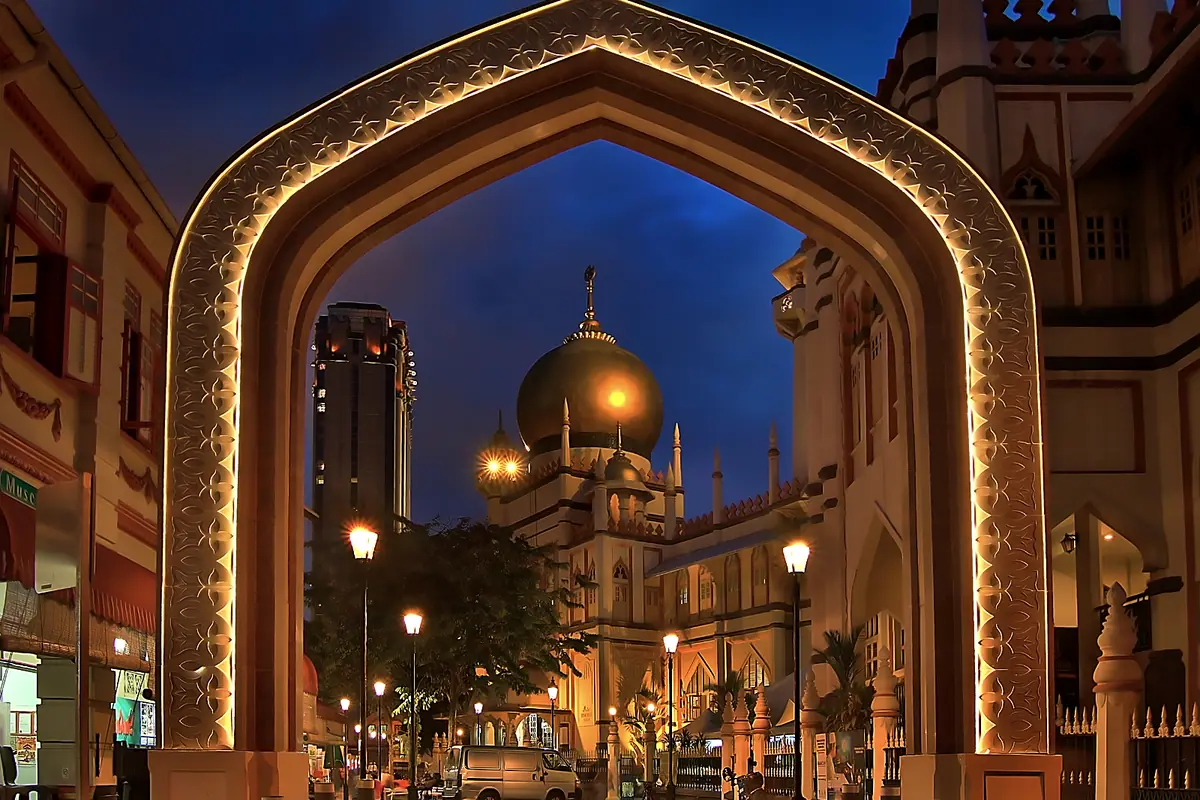
Kampong Glam is the third stop: the Sultan Mosque's golden dome dominates Muscat Street, and the surrounding lanes hold textile shops, perfume sellers and the murals and small boutiques of Haji Lane and Arab Street. Come in the late afternoon, when the heat eases, and finish with mint tea at a pavement table. An unhurried walk through all three districts takes a full day; picking two is a comfortable half-day.
Sentosa and the Southern Islands
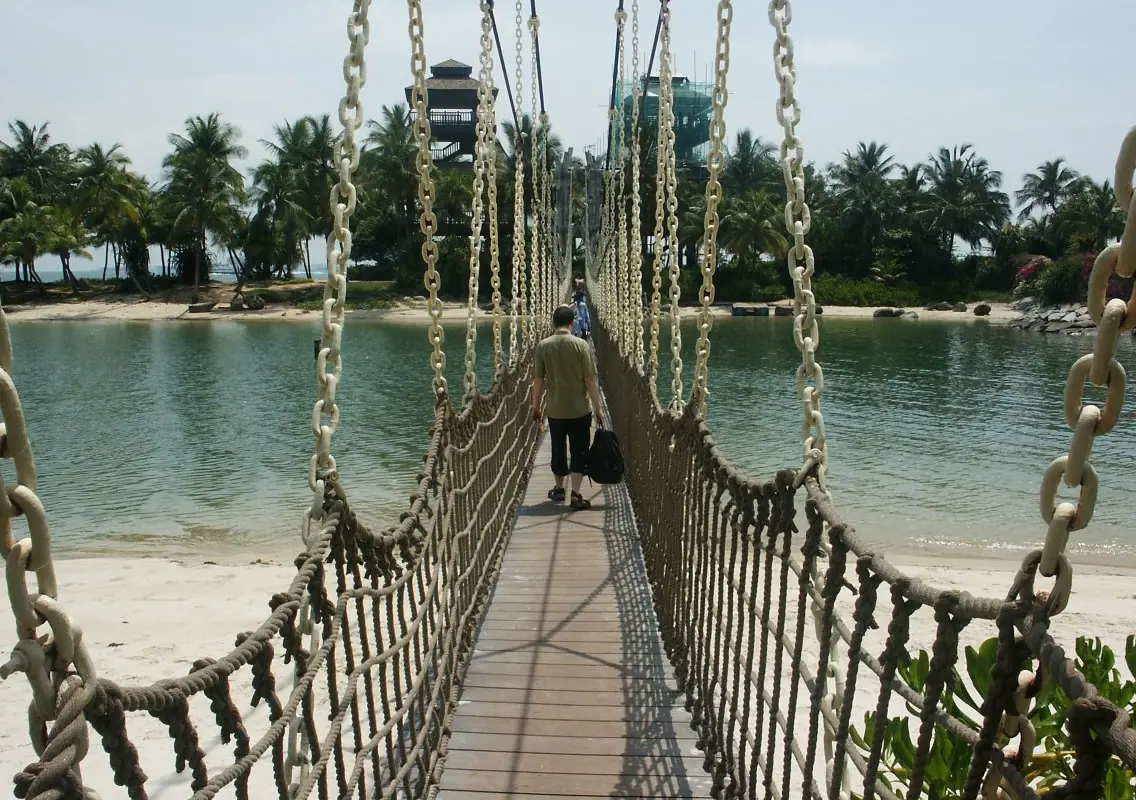
Sentosa is Singapore's playground island, reachable by cable car from Mount Faber, by boardwalk from VivoCity, or by monorail. Palawan Beach, linked to a small islet by a suspension bridge, claims the southernmost point of continental Asia, and neighbouring Siloso has the liveliest sand. Fort Siloso, a restored coastal fort with tunnels and gun emplacements, is free and adds a dose of Second World War history to a beach day. The island's big draws are the movie-themed theme park and the aquarium, both of which reward pre-booked timed entry on weekends and school holidays.
For something quieter, take a bumboat from Changi Point Ferry Terminal to Pulau Ubin, roughly a ten-minute crossing. The island runs on kampung time: rent a bicycle, ride to Chek Jawa's coastal boardwalk at low tide, and pass wooden houses, fruit trees and the occasional wild boar. It's the closest you'll get to the Singapore of fifty years ago.
The Southern Islands — St John's, Lazarus and Kusu — are reached by ferry from Marina South Pier and are mostly about swimming, picnics and shaded pavilions, with the Sisters' Islands Marine Park offering the city's best shallow snorkelling. Weekdays are far calmer than weekends, and the last ferries back fill up early.
Wildlife Parks, Quirky Sights and the East Coast
The Mandai wildlife precinct in the island's north is a full-day affair. The zoo is famous for open-concept enclosures where moats rather than bars separate you from the animals; the Night Safari, next door, runs tram rides and walking trails after dark when the nocturnal species are actually awake; River Wonders covers freshwater habitats; and Bird Paradise gathers walk-through aviaries from around the region. Go at opening, book timed slots in advance, and plan three to four hours for one park or a long day for two.
For pure oddity, Haw Par Villa is unmatched — a free hillside park built in 1937 and filled with dioramas of Chinese mythology, including the famously gruesome Ten Courts of Hell. Nearby on the east side, the Changi Chapel and Museum tells the story of the wartime prisoner-of-war camps, and the Rain Vortex at Changi Airport's Jewel complex is a 40-metre indoor waterfall that lights up in the evening; both are easy add-ons if you're flying out.
Round it off along East Coast Park, a 15-kilometre stretch of reclaimed seafront with cycling paths, barbecue pits and the East Coast Lagoon Food Village, where satay smoke drifts over the sand after sunset. If you're a birder, Sungei Buloh Wetland Reserve in the northwest hosts thousands of migratory waders between November and March, along with estuarine crocodiles and water monitors.
When to Go, How to Move, What to Eat
Singapore is hot and humid all year, typically 25–32°C with humidity that rarely drops below 80%. The northeast monsoon from November to January brings the heaviest rain, usually as intense afternoon downpours rather than all-day drizzle. February to April is generally the driest and most comfortable window, while August to October can occasionally bring regional haze. Whenever you come, pack breathable clothing, a compact umbrella, sunscreen and a refillable bottle — tap water is safe to drink.
Getting around is genuinely easy. The MRT and bus network reaches almost every sight on this list, and contactless bank cards work for tapping in and out on both; taxis and ride-hailing fill the gaps late at night. Note the rules: no eating or drinking on the train, no durian on public transport, and no chewing gum on sale. Distances are short — Marina Bay to Chinatown is about ten minutes by train.
Eat at hawker centres and you'll understand the city fastest. Maxwell, Tekka, Old Airport Road and Lau Pa Sat, where the satay stalls set up on the street after 7pm, are all excellent starting points. Claim a seat with a packet of tissues — the local chope custom — and expect queues to peak between noon and 2pm. Tipping isn't expected, service charges are usually already added, and many stalls now take contactless payments, though it's wise to carry some cash for the smaller ones.
Frequently asked questions
How many days do you need in Singapore?
Three full days cover Marina Bay, Gardens by the Bay, the Botanic Gardens and one or two heritage districts at a relaxed pace. Add a fourth for Sentosa and a fifth if you want the Mandai wildlife parks or a day on Pulau Ubin.
What is the best time of year to visit Singapore?
February to April is the sweet spot, with less rain and slightly lower humidity. November to January is the wettest stretch, though showers usually pass quickly. Temperatures hover between 25°C and 32°C year-round, so there's no cool season.
Is Singapore expensive to visit?
It can be, but it doesn't have to be. Hawker meals, MRT travel, the Botanic Gardens, Merlion Park, Haw Par Villa, the Supertree Grove's outdoor areas and the nightly bay light shows are all inexpensive or free. Costs stack up mainly on paid attractions and accommodation.
What are the must-see attractions for a first visit?
Prioritise Merlion Park and the Marina Bay loop, Gardens by the Bay including the Cloud Forest and Flower Dome, the Singapore Botanic Gardens with the National Orchid Garden, Chinatown's Buddha Tooth Relic Temple, Kampong Glam's Sultan Mosque and, if you have time, Sentosa's beaches and Fort Siloso.
Do I need cash in Singapore?
Most places accept contactless cards and mobile payments, including the transport network. Keep a small amount of cash for older hawker stalls, wet markets and some temples, and note that tipping is not customary.
Plan it — experiences in Singapore
Live search, booked directly with trusted providers.
Sort the rest of your trip
Everything for Singapore, in one place
Stay in Singapore
Hotels, guesthouses and apartments — compared in one search.
Search hotels
Transfer in Singapore
Private driver waiting on arrival — no queues, no surprises.
Book a transfer
Stay online in Singapore
Travel eSIM — data the moment you land, no roaming bills.
Get an eSIMMore guides in Singapore
Top Things to Do in Singapore: Landmarks, Neighbourhoods and Nature
Best Time to Visit Singapore for Hotels: Weather, Peak Seasons and Smart Booking Windows
Singapore Food, Culture and Local Experiences: A Guide to Hawker Centres, Neighbourhoods and Must-See Sights
Hotels in Singapore: Where to Stay and What to See