Sierra Leone packs an improbable amount into a small country: a creole capital with Atlantic history in its bones, a peninsula of forested mountains dropping onto dark-gold beaches, and inland rainforest where chimpanzees and pygmy hippos still live. It is warm, welcoming and far less visited than its neighbours — which is exactly the point.
Freetown's Historic Heart on Foot
Freetown was founded in 1792 by freed African American and Caribbean settlers and later became home to thousands of liberated Africans, and that layered story is written into its downtown streets. Start at the clearing where the Cotton Tree stood for centuries — the enormous kapok that collapsed in a 2023 storm was the city's symbolic centre, and its site is still where Freetonians gather on Independence Day. A few minutes away, the Sierra Leone National Museum on Siaka Stevens Street holds a compact but striking collection of Temne and Mende masks, ritual objects and documents tracing the country's long history.
From there, walk to St John's Maroon Church, a whitewashed chapel built in 1808 by Maroon settlers who came from Jamaica, then on to King's Yard, a memorial site marking the landing place of liberated Africans, with the names of ships carved into its walls. Nearby, the huge open-air sprawl of Big Market and Sani Abacha Street sells everything from tie-dye cloth and leatherwork to phone credit and smoked fish. Go with a local guide, keep your bag zipped, expect constant friendly greetings, and remember that haggling is part of the ritual rather than a confrontation.
Climb higher and you reach Fourah Bay College on Mount Aureol, founded in 1827 and long nicknamed the Athens of West Africa; its old stone buildings and harbour views justify the trip. Close by, a museum in a former railway workshop preserves locomotives and rolling stock from the line that once ran inland. A half-day walking route covers the market, church and museum comfortably; give it a full day if you add the college and the harbour viewpoints. Base yourself in the city centre or along the western beach strip, and start early — the heat builds fast after ten.
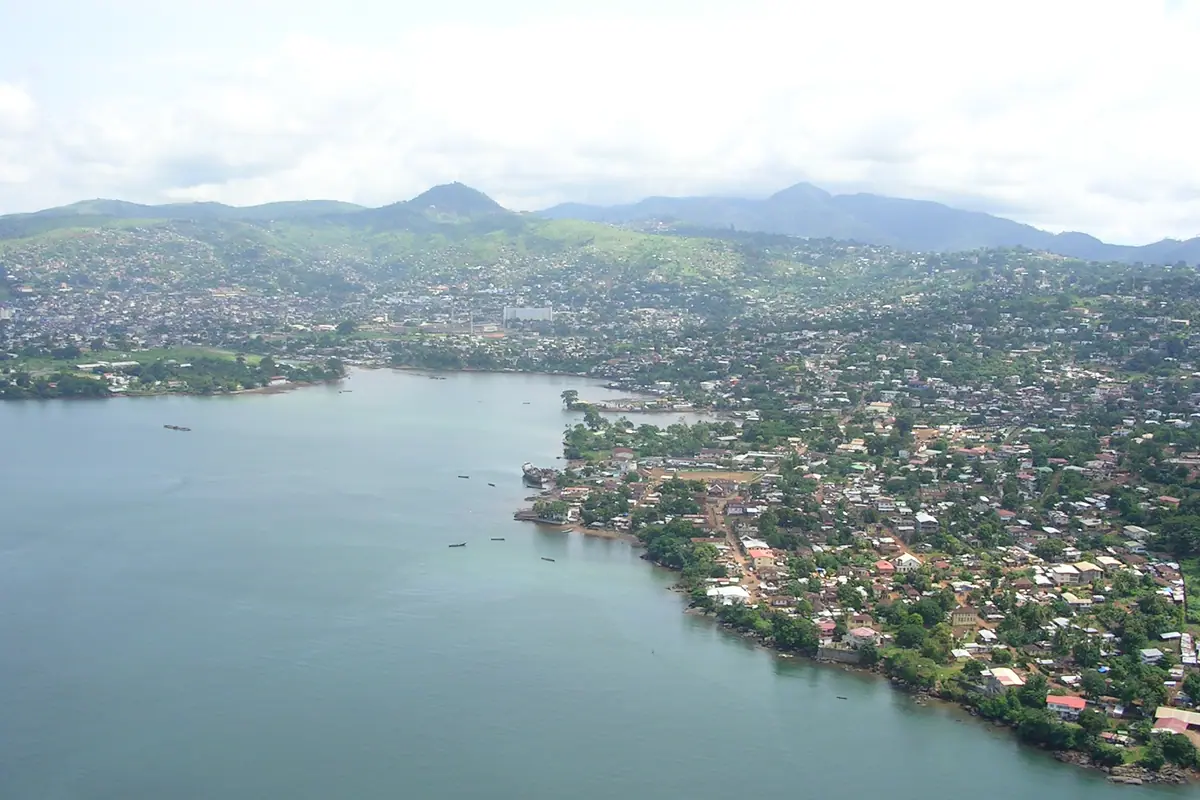
The Peninsula Beaches: Lumley, River No. 2, Tokeh and Bureh
The road south from Freetown along the peninsula is one of West Africa's great coastal drives: mountains tumble straight into the Atlantic and painted fishing boats appear at every bend. Lumley Beach is the easy option, a five-kilometre ribbon of sand on the city's western edge where people run at dawn, play football in the late afternoon and settle into beach bars for grilled fish and music as the sun drops. It is the most urban of the beaches — good for a first swim and a sense of local life.
River No. 2 is the postcard: a freshwater river curling out of forested hills and meeting the sea, with a handful of simple bars, canoes and horse rides. Tokeh, a little further on, is the quietest of the headline beaches, a long dark-gold strand backed by a village and a scattering of relaxed guesthouses. At the peninsula's southern tip, Bureh Beach has become the country's surf hub, with board hire, informal surf lessons and a sociable guesthouse scene that draws travellers who came for two nights and stayed for a week. Sussex, York and Baw Baw lie beyond for anyone with their own vehicle and time to spare.
Timing matters. December to April is the sweet spot — dry sand, calm water and dependable sunshine; the rainy season from June to October brings torrential downpours and rougher surf, though the landscape turns vivid green. Rip currents are a genuine hazard year-round, so ask at your guesthouse before swimming and never strike out alone past waist depth. Allow roughly 45 minutes to River No. 2 and about an hour and a half to Bureh from central Freetown, longer when traffic clogs the peninsula road on Sunday afternoons.
Tacugama Chimpanzee Sanctuary and the Western Area Forest
Tacugama Chimpanzee Sanctuary sits high in the Western Area Forest Reserve above Freetown, a wooded refuge for chimpanzees rescued from the pet trade, poachers and the bushmeat market. Guided visits run twice a day, usually in the late morning and late afternoon, and last around two hours; you walk between large forested enclosures with a guide who explains the animals' histories and the slow work of rehabilitation. Book ahead, wear closed shoes and expect steep, humid paths.
The drive up is half the pleasure. The road climbs through rainforest past the villages of Regent and Leicester, and from Leicester Peak the whole city, the estuary and the Lungi peninsula open out below — one of the best viewpoints in the country. Below Regent, Charlotte Falls tumbles through a series of cascades and pools that are at their best between July and October, when the water is high and the surrounding forest is at its thickest.
A half-day is enough for the sanctuary alone; add Leicester Peak and the falls and you have a full, rewarding day without leaving the Freetown area. Bring water, insect repellent and a light rain jacket even in the dry season — this is rainforest, and the weather changes quickly. Afternoon tours often finish with the chimps settling down for the night, which makes for quieter, more intimate viewing than the busier morning slot.
Bunce Island and the Banana Islands
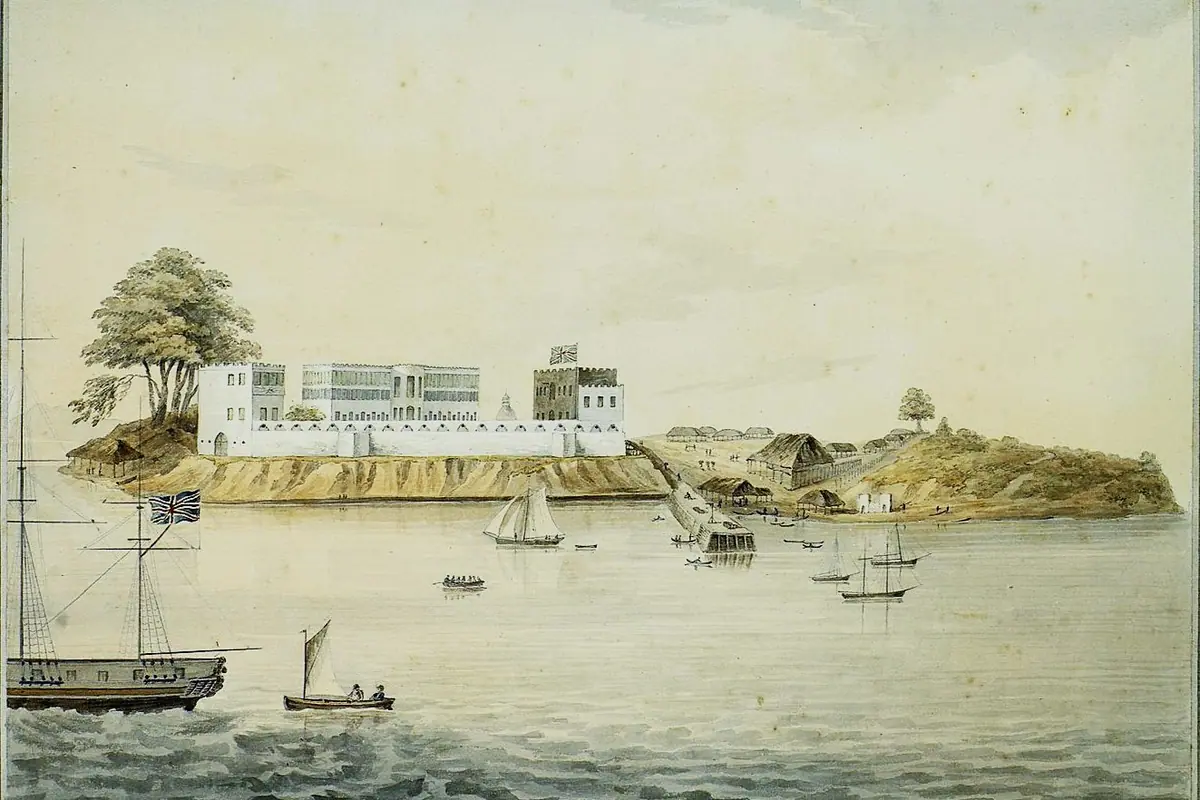
Bunce Island lies about an hour's boat ride up the Sierra Leone River from Freetown, a small, half-overgrown island that was once one of the most important slave-trading forts on the West African coast. The ruins of the fort, warehouses and the commander's house still stand among the trees, with cannon, grave markers and crumbling walls softened by roots and vines. The atmosphere is heavy and unforgettable; go with a knowledgeable guide who can explain what happened here and how the site connects to the diaspora across the Atlantic.
The Banana Islands — Dublin and Ricketts, linked by a causeway — are reached by boat in around half an hour from the village of Kent. Ricketts Island has sandy coves, snorkelling over rocky reef, and the roofless shell of an eighteenth-century church, while Dublin is the larger and more inhabited of the two. Accommodation is simple, generators and solar power are the norm, and you can walk the whole island in an afternoon. Many visitors come for a day and wish they had booked a night.
Further south along the Sherbro coast, the Turtle Islands are for travellers with real time on their hands. Green and leatherback turtles nest on some of these beaches between roughly November and February, and community-run tourism groups can arrange boats, basic lodging and guides. Getting there means a long drive and a water crossing, so plan it as a two- or three-day trip rather than a jaunt.
Inland Wilderness: Tiwai Island, Gola Rainforest and Mount Bintumani
Tiwai Island, a community-managed sanctuary on the Moa River in the southeast, is Sierra Leone's flagship rainforest experience. It shelters one of the densest primate populations on earth — eleven species, including endangered red colobus monkeys and sooty mangabeys — along with pygmy hippos that are occasionally glimpsed at the water's edge, forest elephants and more than a hundred bird species. Days are spent on forest trails and riverbank lookouts; nights bring guided walks and the roar of the bush. It is roughly a six- to seven-hour drive from Freetown, with simple lodges on the island, and the dry months from November to May are by far the best time to go.
Gola Rainforest National Park straddles the Liberian border near Kenema, protecting tens of thousands of hectares of Upper Guinea forest. Forest elephants, chimpanzees and more than three hundred bird species live here, including the striking white-necked rockfowl, and community-run lodges and guided trails make it possible to spend two or three comfortable days deep in the canopy. Birders should aim for the early dry season, when foliage thins and visibility improves.
In the far north, Outamba-Kilimi National Park mixes savannah and riverine forest along the Little Scarcies, with hippos, elephants and chimpanzees; access is effectively limited to the dry season, roughly November to May. For serious walkers, the Loma Mountains hold Mount Bintumani, at 1,945 metres the highest peak in West Africa outside Cameroon. The trek from the village of Sinekoro takes two to four days with a local guide and porters, and is best attempted between December and March.
Markets, Krio Cooking and the Rhythm of the Road
Sierra Leonean food is one of the country's quiet pleasures. Cassava leaf stew, groundnut soup, jollof rice, okra, fried plantain and pepper soup are staples, and along the coast you will find bonga fish smoked over open fires and sold straight from the rack. Krio cooking blends West African, Caribbean and British influences — a legacy of the city's settler history — and the best meals are usually the simplest ones, eaten in small kitchens where you choose your rice and point at the pot. Palm wine, tapped fresh and drunk the same day, is the traditional accompaniment.
Markets are the social engine of every town. Freetown's sprawling stalls around Sani Abacha Street sell fabric, Mende tie-dye and gara cloth, baskets, carvings and second-hand clothing by the bale. In Bo and Makeni the pace is gentler and the prices lower; in Kabala, up in the northern hills, the weekly market draws traders from villages across the region and the mountain air is a relief after the coast. Always ask before photographing people, use your right hand to give and receive, and learn a few Krio phrases — a greeting goes a long way here.
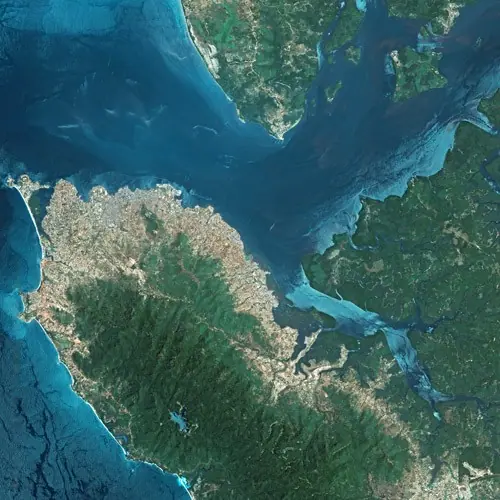
Getting around is part of the adventure. Poda-poda minibuses are cheap and crowded, shared taxis run set routes in the cities, and okada motorbike taxis are the fastest way through Freetown traffic, though you should insist on a helmet and agree the fare first. For anything beyond a day trip, hiring a four-wheel-drive vehicle with a driver is worth the expense, particularly in the rainy season when rural roads deteriorate badly. Travellers arriving at Lungi International Airport cross the estuary to Freetown by ferry or fast water taxi, or take the longer road route around the bay — the boat is quicker and far more scenic. Allow seven to ten days to combine the peninsula beaches with one inland forest, and longer if you want both Tiwai and Gola.
Frequently asked questions
When is the best time to visit Sierra Leone?
The dry season from November to April is the most comfortable, with dependable sunshine and calm seas on the peninsula beaches. December to March is the sweet spot for beach days and forest treks; February and March are the hottest months inland. The rainy season runs from June to October, heaviest in July and August, when roads in rural areas become difficult and some inland parks are effectively closed.
How do I get from Lungi International Airport to Freetown?
The airport sits across the Sierra Leone River estuary from the city. Fast water taxis and the slower vehicle ferry both cross to Freetown in roughly 30 minutes to an hour depending on the service, and are by far the most popular option. The alternative is the road route around the bay via Port Loko, which takes several hours and is best avoided at night.
Is Sierra Leone safe for travellers?
Sierra Leone is generally a welcoming and low-crime destination for visitors, and violent crime against tourists is rare. Take the usual precautions: avoid walking alone at night, use registered guides and drivers, keep valuables out of sight in crowded markets, and avoid long-distance road travel after dark. Check current health and security advice before you travel, and make sure your travel insurance covers medical evacuation.
Do I need a visa or a yellow fever certificate?
A yellow fever vaccination certificate is required for entry, and malaria prophylaxis is strongly recommended for the whole country. Most nationalities can obtain a visa on arrival or apply for an electronic visa before departure, but requirements change, so confirm the current rules for your passport well before you book flights.
How many days do I need to see the highlights?
Seven to ten days covers Freetown's historic centre, a couple of peninsula beaches such as River No. 2 and Tokeh, the chimpanzee sanctuary, and either Bunce Island or the Banana Islands. Add three or four more days if you want to reach Tiwai Island or Gola Rainforest, since both involve long drives and rewarding overnight stays rather than day trips.
Plan it — experiences in Sierra Leone
Live search, booked directly with trusted providers.
Sort the rest of your trip
Everything for Sierra Leone, in one place
Stay in Sierra Leone
Hotels, guesthouses and apartments — compared in one search.
Search hotels
Transfer in Sierra Leone
Private driver waiting on arrival — no queues, no surprises.
Book a transfer
Stay online in Sierra Leone
Travel eSIM — data the moment you land, no roaming bills.
Get an eSIM