Sierra Leone runs on two very different rhythms — a dry, hazy, beach-perfect half-year and a soaking green season that turns the peninsula into a waterfall. The months you choose decide not just your weather but which hotels are open, what they charge and whether the road to the interior is passable at all.
How Sierra Leone's Two Seasons Decide Where You Sleep
Sierra Leone sits just north of the equator on the West African coast, and its climate is essentially binary. From roughly November to April the harmattan blows down from the Sahara, drying the air and clearing the skies for long, hot beach days. From May to October the monsoon arrives, dumping rain in short, violent bursts and turning Freetown into one of the wettest capitals on earth. There is no real spring or autumn here — just wet and dry, with a few blurry weeks at each end.
That split shapes the country's accommodation far more than any other factor. In the dry months, every category of lodging is available: polished international-standard hotels along Lumley Beach, boutique guesthouses tucked into Aberdeen, quirky colonial-era places in central Freetown, and beach lodges scattered along the peninsula at Tokeh, Bureh and River No. 2. In the wet months, some of the smallest beach camps shut entirely, while the larger city hotels stay open and quietly drop their rates.
Geography matters too. Freetown and the Western Area Peninsula have the densest choice of rooms and the easiest logistics, so most first-time visitors base themselves there. Push inland towards Bo, Kenema, Kabala or the Loma Mountains and the hotel stock thins out fast — a handful of functional guesthouses, a couple of forest lodges, and very little in between. Those places are also the ones most affected by rain, because the roads that reach them turn to soup.
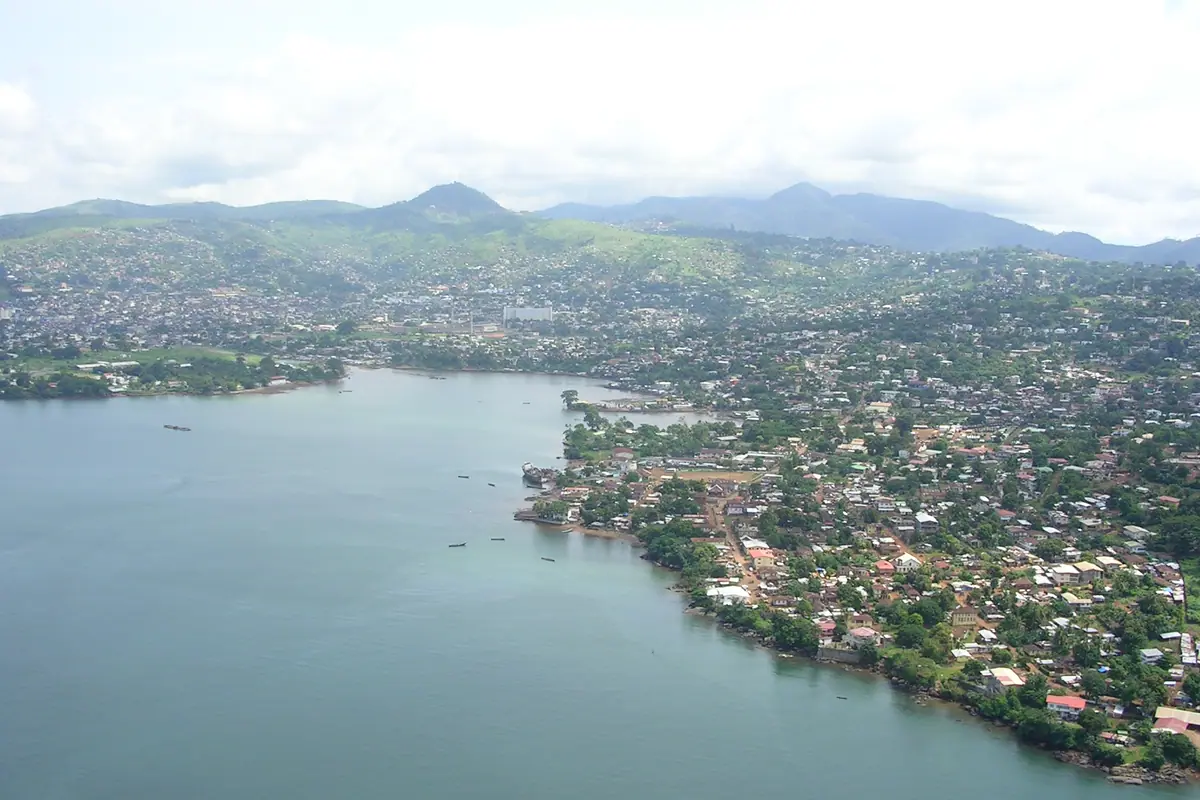
November to April: The Dry Season Window
This is the stretch most travellers aim for, and with good reason. December, January and February are the sweet spot: daytime temperatures hover in the low thirties, humidity falls, and the ocean is calm enough for proper swimming. The harmattan haze can dull the horizon and leave a fine dust on everything, but it also brings cooler evenings — a genuine relief after a day on the sand. November is a soft landing, still green from the rains with fewer crowds, while March and April heat up again and the first build-up clouds start gathering.
Beaches are the main event. Lumley Beach, the long urban strand on Freetown's western edge, is at its best for sunset walks and lively weekend crowds. Further out along the peninsula, River No. 2 Beach offers the classic postcard combination of river, sand and sea, while Tokeh Beach and Bureh Beach are quieter, more laid-back and better suited to a few nights in a beach lodge rather than a day trip. Bureh in particular comes alive in the dry months when the surf crowd drifts in and the little beach bars stay open late.
The catch is demand. Christmas and New Year, plus the Easter period, are when Sierra Leoneans abroad come home and Freetown's better hotels fill up weeks in advance. Rates peak, and the best rooms near Lumley Beach or with sea views go first. If you are travelling in that window, book two to three months out and confirm your airport transfer in writing — the international airport sits across the estuary from the city, so arrivals involve a ferry or a longer road transfer and are not something to improvise at midnight.
Freetown and the Peninsula: Picking Your Base
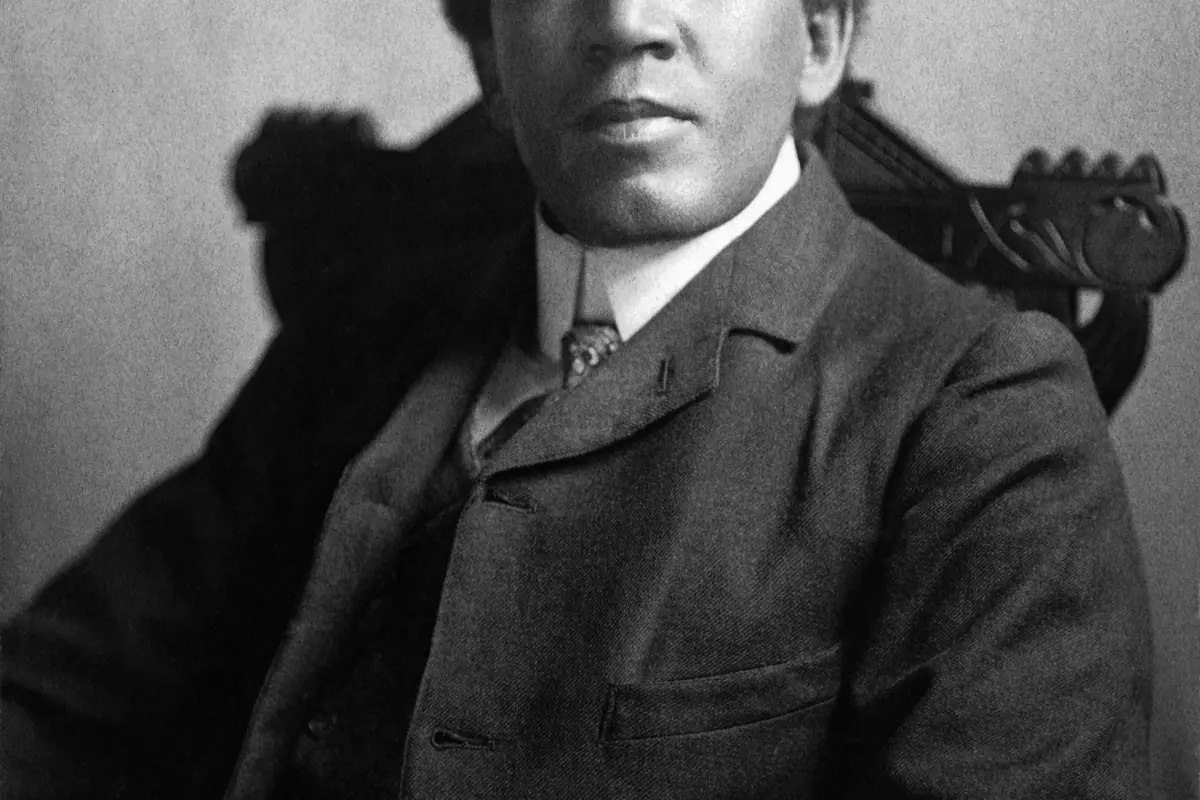
Central Freetown rewards anyone interested in history. The Sierra Leone National Museum, St John's Maroon Church and the site of the city's famous historic cotton tree anchor a compact downtown that still carries the marks of Krio, Creole and colonial architecture. Hotels here are older and more atmospheric but also noisier, and the traffic along the main arteries can be brutal in the dry season when the city is busiest.
For most visitors, the peninsula wins. Aberdeen and Lumley give you restaurants, nightlife and easy access to the beach without a long drive, and they are the practical base for day trips to Tacugama Chimpanzee Sanctuary, set in the forested hills just above the city — a genuinely worthwhile half-day, best done in the morning when the chimps are active and the heat is bearable. From the same base you can reach the Banana Islands by boat from Kent, or push north to Bunce Island, the ruined slave-trading fort in the Sierra Leone River that is one of the country's most sobering historical sites.
If your priority is sand rather than city, base yourself out on the peninsula instead: Tokeh for calm water and a handful of comfortable lodges, Bureh for surf and a younger crowd, or the quieter coves around Sussex and Mama Beach. These places are at their most reliable from December through March, when boat transfers run on schedule and the dirt approach roads are dry. In the wet season, a peninsula lodge can mean a long, muddy drive and a view of grey rain.
The Green Season: Rain, Waterfalls and Much Lower Rates
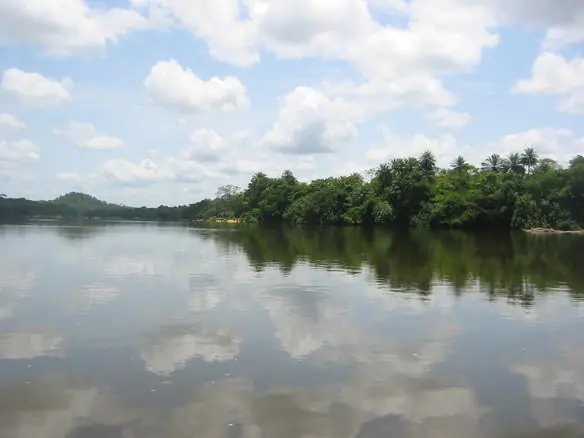
May to October is not a write-off — it is a different country. The rain typically falls in intense downpours rather than all-day drizzle, often overnight or in short afternoon bursts, and the landscape responds spectacularly. Streams swell, the forests around Gola and the Western Area Peninsula turn deep emerald, and you will have waterfalls and viewpoints almost to yourself. Hotel rates drop noticeably, and in Freetown you can often negotiate a better room or an upgrade for the same money that buys a standard one in January.
The trade-offs are real. July and August are the wettest months, and travel to the interior becomes genuinely difficult: the roads to Kenema, Kailahun, Kabala and the Loma Mountains deteriorate badly, and river crossings can be impassable. Boat trips to Bunce Island and the Banana Islands are frequently cancelled at short notice because of choppy water. Even in Freetown, power cuts and water shortages become more common, so when booking a hotel in the wet months it is worth asking directly about backup generators and reliable hot water.
The green season does have its devotees. Birdwatchers find the forests at their most active, and the quieter pace suits anyone who wants Freetown's markets and museums — the Sierra Leone National Museum, the bustling stalls around Big Market and King Jimmy — without the crush. May, June and October are the shoulder months that offer a fair compromise: greener scenery, softer prices and weather that mostly behaves.
Landmarks That Live by the Calendar
Some of Sierra Leone's best sights are strictly seasonal, and planning your hotel around them is the difference between a memorable trip and a frustrating one. Tiwai Island Wildlife Sanctuary, a forested island on the Moa River with one of the densest primate populations in West Africa, is at its most accessible in the dry months, when the access roads from Bo hold up and the forest trails are walkable. In the rains, the island is still beautiful but reaching it can consume a whole day.
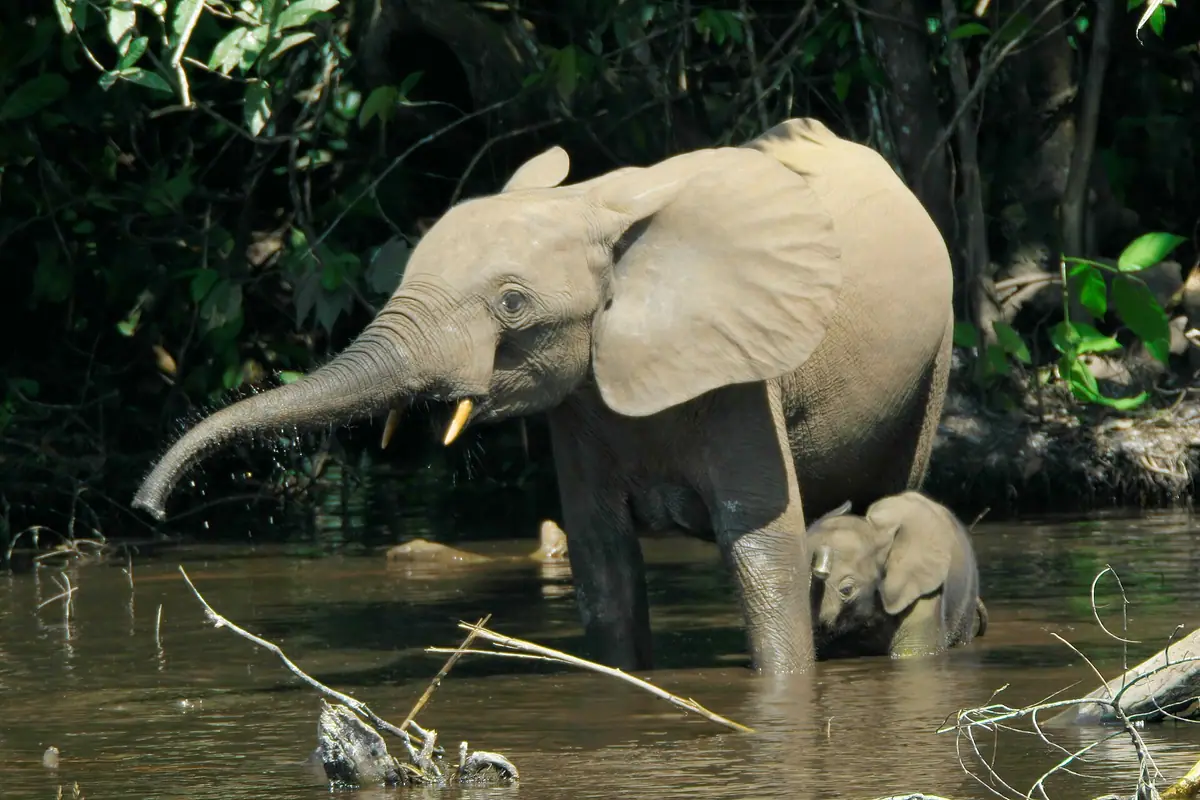
In the far east, Gola Rainforest National Park — the country's flagship rainforest reserve — is best visited between December and March, when trails are firm and the canopy is alive with birds. Far to the north, Mount Bintumani in the Loma Mountains, the highest peak in the country, is a serious multi-day trek that should only be attempted in the dry season, ideally January to March, and only with a local guide and proper arrangements in Kabala beforehand. Outamba-Kilimi National Park in the north is similarly a dry-season proposition, with river safaris and elephant and hippo sightings depending on water levels.
On the coast, the Turtle Islands off Bonthe are a specialised expedition rather than a casual stop, generally undertaken in the drier months when the sea is manageable; the same applies to the atmospheric, half-abandoned streets of Bonthe itself. On the peninsula, the Banana Islands are easiest from December to April, and a night or two in a simple island guesthouse is one of the most rewarding things you can do in the country — just build in flexibility, because boats here answer to the weather, not to timetables.
Booking, Packing and Practical Timing
For a first trip that combines Freetown, the peninsula beaches and a couple of inland sights, aim for late November to February, or a shorter window in March. Book your Freetown hotel two to three months ahead if you are travelling over Christmas, New Year or Easter, and consider splitting your stay: a few nights in the city for museums, markets and Tacugama, then a week on the peninsula at Tokeh, Bureh or River No. 2. That combination gives you both the urban and the castaway versions of the country without long, punishing drives.
Pack for heat and humidity whatever the season, with light long sleeves for evenings and mosquito repellent as a non-negotiable — malaria is a year-round risk here. Bring a proper rain shell if you are travelling between May and October, and sturdy shoes for any inland travel, since even dry-season roads can be rough. Cash is essential outside the main hotels in Freetown; card acceptance is patchy, and ATMs are unreliable, so plan your budget before you leave the capital.
Finally, treat distances honestly. What looks like a short hop on a map can take hours on Sierra Leonean roads, particularly in the green season. Build slack into any itinerary that involves domestic transfers, keep one buffer day before your flight home, and ask your hotel to arrange drivers rather than hailing transport on the street. Done with that patience, this is one of the most rewarding and least crowded destinations in West Africa — and the right months make all the difference.
Frequently asked questions
What is the best month to visit Sierra Leone?
January and February are the most reliable months, with dry, sunny weather, calm seas and low humidity. December is equally good but busier and more expensive because of the Christmas and New Year holidays. November and March are excellent shoulder months with fewer crowds.
Is the rainy season a bad time to visit Sierra Leone?
Not necessarily. May, June and October offer green scenery, quiet beaches and much lower hotel rates. However, July and August are extremely wet, roads to the interior often become impassable, and boat trips to places like Bunce Island and the Banana Islands may be cancelled.
When should I book a hotel in Freetown?
For the December to February high season, especially over Christmas and Easter, book two to three months in advance. Outside those peaks you can usually book a few weeks ahead, and in the rainy season you may find both better availability and lower rates at short notice.
Which attractions in Sierra Leone are seasonal?
Mount Bintumani in the Loma Mountains and Outamba-Kilimi National Park are dry-season hikes and safaris. Tiwai Island and Gola Rainforest National Park are far easier to reach between December and March. Coastal trips to the Banana Islands and the Turtle Islands near Bonthe depend on calm seas in the drier months.
Where should I stay in Sierra Leone for a first visit?
Base yourself in Freetown's Aberdeen or Lumley area for easy access to Lumley Beach, the Sierra Leone National Museum and Tacugama Chimpanzee Sanctuary, then add a few nights at a beach lodge in Tokeh, Bureh or near River No. 2 for a quieter coastal stay.
Plan it — hotels in Sierra Leone
Live search, booked directly with trusted providers.
Sort the rest of your trip
Everything for Sierra Leone, in one place
Transfer in Sierra Leone
Private driver waiting on arrival — no queues, no surprises.
Book a transfer
Things to do in Sierra Leone
Skip-the-line tickets, guided tours and standout experiences.
See experiences
Stay online in Sierra Leone
Travel eSIM — data the moment you land, no roaming bills.
Get an eSIM