Sierra Leone packs an extraordinary range into a country you can cross in a day: creole city streets shaded by giant kapok trees, a peninsula of empty white-sand beaches, rainforest rivers where chimpanzees and pygmy hippos still live, and the weathered walls of Bunce Island, one of the most affecting historic sites in West Africa. It is warm, green and largely uncrowded, and the welcome is famously generous.
Freetown: The Cotton Tree, Old Town Landmarks and Krio Culture
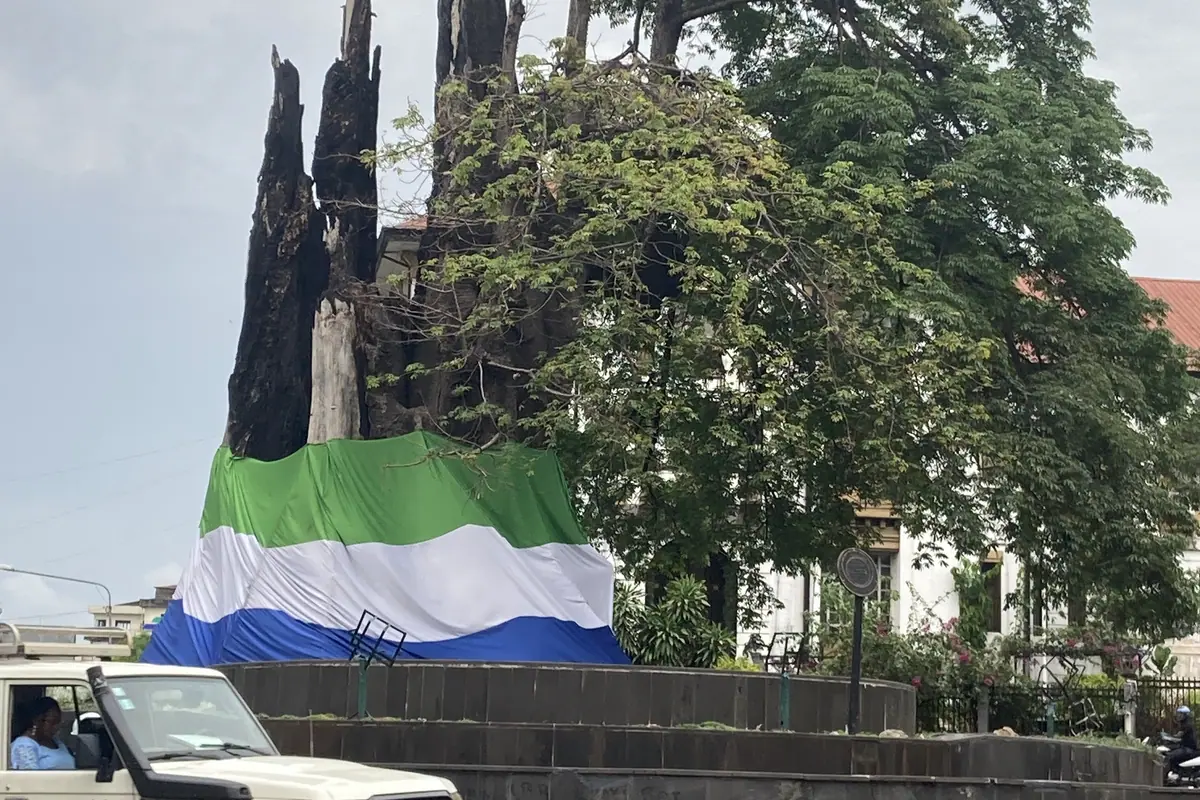
Start in Freetown, one of the few capital cities in Africa founded by freed people, and still layered with the traces of that story. The Cotton Tree roundabout marks the symbolic heart of downtown, where the historic kapok tree once towered over the courthouse and the city's ceremonial core. Within a short walk you can see the Freetown Law Courts, the State House, St John's Maroon Church — built in the early 1800s by settlers who arrived from Jamaica — and the King's Yard Gate, the old landing point where recaptured Africans were brought ashore after naval patrols intercepted slave ships. The Sierra Leone National Museum, a compact but absorbing collection of masks, drums, photographs and documents, is the best single introduction to the country's history, while the National Railway Museum near the waterfront preserves locomotives and rolling stock from a network that once pushed inland from the harbour.
Above the city, the old Fourah Bay College campus on Mount Aureol has trained generations of West African scholars and offers sweeping views over the estuary. Even higher, Leicester Peak looks out across the whole peninsula: the bay, the islands, the rooftops climbing the hills. Down at sea level, the Big Market and the crush of Sani Abacha Street are where to shop for fabric, baskets and produce — go early, keep a firm grip on your bag, and treat the noise as part of the experience.
Freetown is also your base for the beach suburbs of Lumley and Aberdeen, where grilled fish, fried plantain and cold drinks appear at sunset. Order cassava leaves with rice, groundnut soup, or a plate of jollof from a streetside kitchen, and finish with poyo, the local palm wine. Give the city two or three nights before heading out along the peninsula.
The Peninsula Beaches: River No. 2, Tokeh, Bureh and the Banana Islands
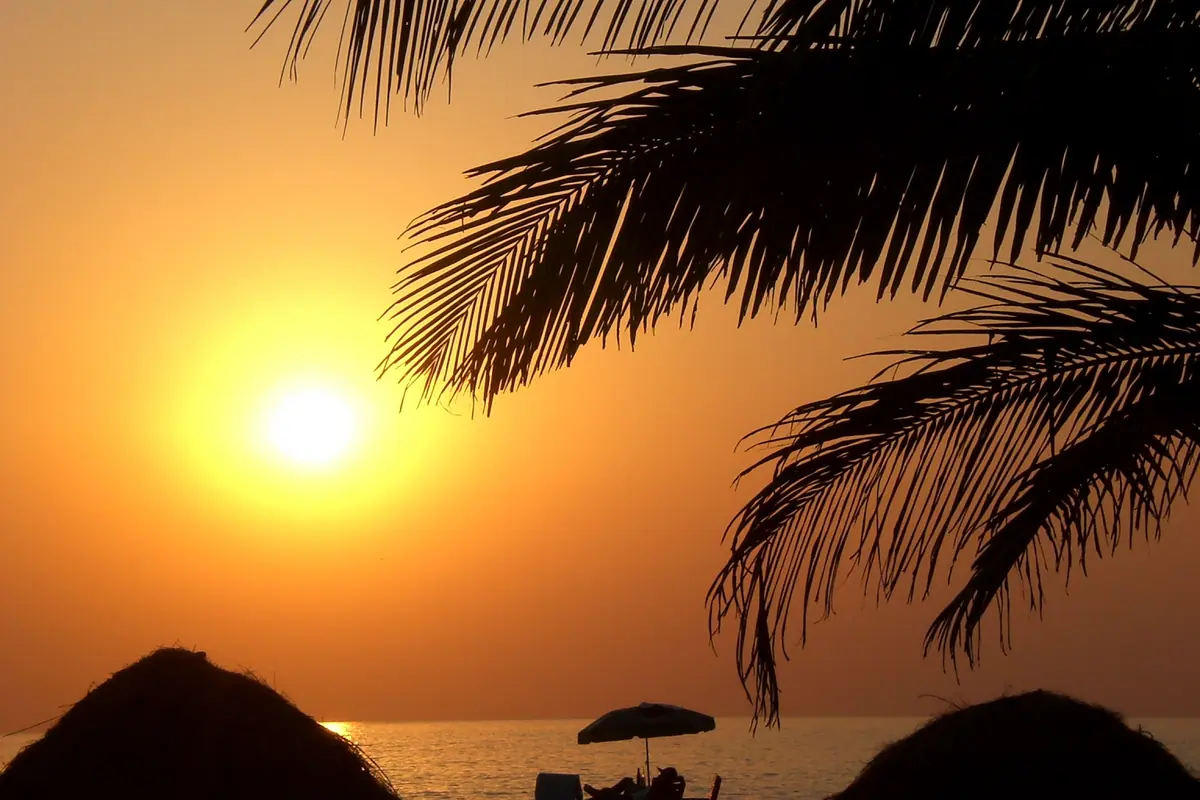
The mountain-backed coastline south of Freetown is the reason many travellers come. River No. 2 is the classic: a freshwater river slips out of the forest and meets the Atlantic beside a wide, pale beach, so you can swim in warm fresh water and salt water within a few steps. Tokeh, a little further on, is the longest and most established stretch, lined with a scatter of beach lodges and simple bars. Sussex and Kent keep the same formula with fewer people, while Bureh Beach, reached through the fishing town of Bureh, has become the country's surf base, with gentle rollers for beginners and punchier waves in the wetter months.
To go further, take a boat from Kent or Bureh to the Banana Islands, where Dublin and Ricketts islands offer snorkelling over reefs, forest tracks, rumoured wrecks offshore and very little else. Off the south-west coast near Shenge, the Turtle Islands are quieter still — sandbars, mangrove channels and fishing villages where you can paddle, swim and sleep in basic guesthouses. These are slow places: bring cash, expect bucket showers and generator electricity, and let the day run on local time.
Getting there is half the adventure. The Peninsula road runs south from Freetown through Waterloo, Regent and Charlotte, passing the Charlotte Falls cascade, then splits towards Tokeh and Bureh. Allow one to two hours from the city, more on Friday and Sunday afternoons when Freetown empties out for the beach. November to April brings the clearest water and the most reliable sunshine; the heaviest rains from July to September turn the tracks muddy and close some smaller lodges.
Bunce Island: A River Fortress and a Difficult History
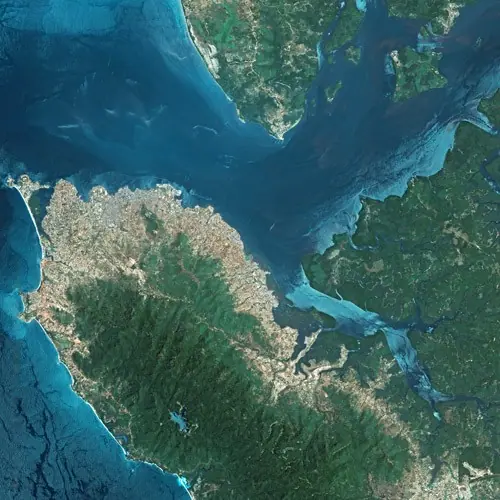
A boat trip up the Sierra Leone River to Bunce Island is the most powerful half-day you can spend in the country. The island holds the ruins of a fortified trading post where, for much of the eighteenth century, enslaved Africans were held before being shipped across the Atlantic, many of them to rice-growing colonies in the southern United States. Walking the crumbling bastions, the remains of the traders' houses and the graves of the men who ran the fort, it is the silence as much as the masonry that stays with you. Descendants of the people taken from this coast still trace their ancestry back to it.
There are no facilities on the island, so trips are arranged in Freetown with a boat and a guide, usually departing in the morning and returning by early afternoon. Take water, sun protection and sturdy shoes; the ground is uneven and the shoreline is tidal. The crossing itself is worth the journey, passing mangrove creeks, fishing canoes and the wide, brown-grey water of the estuary.
Combine the trip with a stop on the Freetown shore afterwards, where the old waterfront and the King's Yard Gate connect the island's history to the city that freed people built. It is worth reading something about the region's past before you go — it will change what you see.
Rainforest and Wildlife: Tacugama, Tiwai Island and Gola
Tacugama Chimpanzee Sanctuary sits in the forested hills just above Freetown, in the Western Area Peninsula reserve. Rescued chimpanzees live in large forested enclosures, and guided visits explain the work of rehabilitating animals taken from the illegal trade. It is an easy half-day from the city and a good introduction to the country's wildlife before you head upcountry.
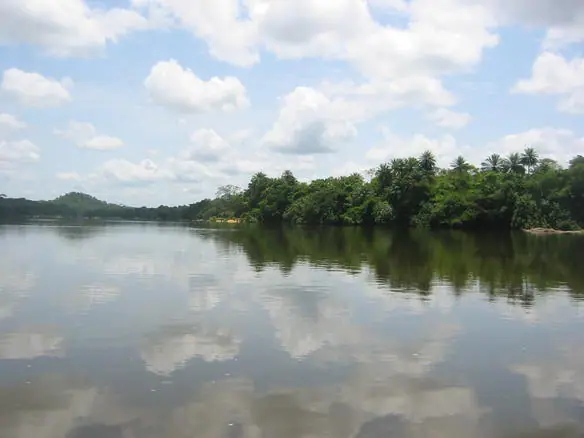
For the real rainforest, travel east to Tiwai Island, a community-managed sanctuary on the Moa River near Kenema. You arrive by canoe, sleep in simple thatched accommodation or camp, and walk the forest with local guides who know where the troops of monkeys, the elusive pygmy hippos and the abundant birdlife are likely to be. A canopy walkway puts you up in the treetops at dawn, when the forest is at its loudest. Further south-east, Gola Rainforest National Park protects one of the largest remaining blocks of Upper Guinean rainforest, with community lodges, well-marked trails and birds found almost nowhere else — including the Gola malimbe, named for this forest.
In the far north, Outamba-Kilimi National Park offers something completely different: rolling savannah and riverine woodland near the Guinea border, with boat trips on the water to look for hippos, and good chances of monkeys and forest antelope. Kamakwie is the usual staging town. Distances are long and roads can be rough, so plan on a full day of travel between regions and hire a local guide for the reserves.
Mountains and the Interior: Bintumani, Kabala, Bo and Kenema
Sierra Leone's highest ground lies in the Loma Mountains in the north-east, where Mount Bintumani rises to about 1,945 metres — the tallest peak in West Africa outside the Cameroon volcanic line. Reaching the summit is a genuine trek of several days: you walk in through farmland and gallery forest, camp in the hills, cross bamboo thickets and grassland, and climb early on the final morning for views that stretch into Guinea. Arrange guides, porters and food in advance through villages below the range; the dry months from December to March are the only sensible window.
In the north, the town of Kabala sits among the Wara Wara hills, with cooler air, rocky outcrops to scramble up and a relaxed market town atmosphere. Nearby, Bumbuna Falls tumbles over rocks on the Rokel River, best seen as the rains taper off in October and November.
In the south and east, Bo is the country's second city and the natural gateway to Tiwai Island, with a lively market and a friendly, unhurried feel, while Kenema is the base for Gola and the Kambui Hills Forest Reserve. Beyond them, the diamond country around Koidu is a world of its own — rough roads, mining towns and a frontier energy that few visitors see. Travel between Freetown and Bo takes roughly four to five hours by road; onward legs to Kenema or Kabala take half a day or more, so build slack into any itinerary.
When to Go, How to Get Around and What to Expect
The dry season runs from November to April and is by far the best time to visit: beaches are at their clearest, forest trails are walkable and mountain treks are feasible. December to February brings the harmattan, a dry dusty haze from the Sahara that softens the light and cools the mornings in the north. The rainy season from May to October is green, dramatic and cheap, but the heaviest downpours in July, August and September flood roads and close some coastal lodges. If you want one window for everything — beaches, wildlife and hiking — aim for January to March.
Freetown's international airport lies across the estuary at Lungi, so arrival means a water taxi or ferry across the water to the city, or a longer road route around the estuary through Port Loko. In the city, shared taxis, minibuses and motorbike taxis cover almost everywhere cheaply, though traffic is dense and journeys take longer than the map suggests. For upcountry trips, hiring a four-wheel-drive vehicle with a driver is the most comfortable option; long-distance buses and shared taxis run between the main towns but are slow and crowded.
The currency is the Sierra Leonean leone, and it remains a cash economy outside the capital: bring enough leones for rural areas, where ATMs are scarce and mobile money is the common alternative. English is the official language but Krio is what you will hear, and a greeting goes a long way — ask before photographing people, dress modestly away from the beach, and accept that schedules are flexible. Typical trips run seven to ten days: two or three nights in Freetown and the peninsula, then a few days east for Tiwai and Gola, or north for a Bintumani trek. Take malaria precautions, drink treated or bottled water, and travel with local guides in remote areas.
Frequently asked questions
What is the best time of year to visit Sierra Leone?
The dry season from November to April is the most reliable, with January to March offering the best combination of clear beaches, walkable forest trails and dry mountain paths. December to February brings the harmattan haze, which cools mornings and softens the light. The rainy season, May to October, is lush and quiet but floods roads and closes some coastal lodges, especially in July, August and September.
How many days do you need in Sierra Leone?
Seven to ten days is a good baseline. Spend two or three nights in Freetown for the old town, the museum and Tacugama, then two or three on the Peninsula beaches at Tokeh, River No. 2 or Bureh. Add three or four days for Tiwai Island and Gola in the east, or for a Mount Bintumani trek in the north. Trying to do both in one week means spending most of it in a vehicle.
Can you visit Bunce Island, and how do you get there?
Yes. Boat trips leave from Freetown's waterfront, usually in the morning, and take roughly an hour each way up the Sierra Leone River. There are no facilities on the island, so bring water, sun protection and sturdy shoes for the uneven ruins. Trips are best arranged a day or two ahead in Freetown, and the dry season from November to April gives the calmest crossing.
Is Sierra Leone good for beaches and surfing?
It is one of West Africa's most underrated beach destinations. River No. 2, Tokeh, Sussex and Kent offer long, empty sand backed by forest, while Bureh Beach has become the surf hub, with mellow waves for beginners and stronger swells during the wetter months. Boat trips reach the Banana Islands and the Turtle Islands for snorkelling, mangrove channels and near-total solitude.
How do you get around Sierra Leone without a car?
Shared taxis, minibuses and motorbike taxis cover Freetown and the main towns cheaply, though traffic makes short distances slow. Long-distance buses and shared taxis link Freetown with Bo, Kenema, Makeni and Kabala, but journeys are long and crowded. For upcountry travel to the reserves, hiring a four-wheel-drive vehicle with a driver is the most practical option. The international airport at Lungi is reached by water taxi or ferry across the estuary.
Plan it — experiences in Sierra Leone
Live search, booked directly with trusted providers.
Sort the rest of your trip
Everything for Sierra Leone, in one place
Stay in Sierra Leone
Hotels, guesthouses and apartments — compared in one search.
Search hotels
Transfer in Sierra Leone
Private driver waiting on arrival — no queues, no surprises.
Book a transfer
Stay online in Sierra Leone
Travel eSIM — data the moment you land, no roaming bills.
Get an eSIMMore guides in Sierra Leone
Where to Stay in Sierra Leone: Hotels, Beach Lodges and Must-See Attractions
Top Things to Do in Sierra Leone: Beaches, Chimpanzees and Rainforest Landmarks
Sierra Leone in One Week: A Flight-In, Beach-Out Itinerary
Sierra Leone Travel Guide: Food, Culture and Local Experiences