Sierra Leone greets you with rain-washed green hills, a coastline of half-empty sand and a table that revolves around rice, palm oil and pepper. It is a country where a morning in a Freetown market can turn into an invitation to somebody's family cookery, and where the road south leads to beaches that could hold their own anywhere. This is how to build a trip around its food, its culture and its most important places.
Freetown's Old Town: The Cotton Tree, Maroon Church and the National Museum
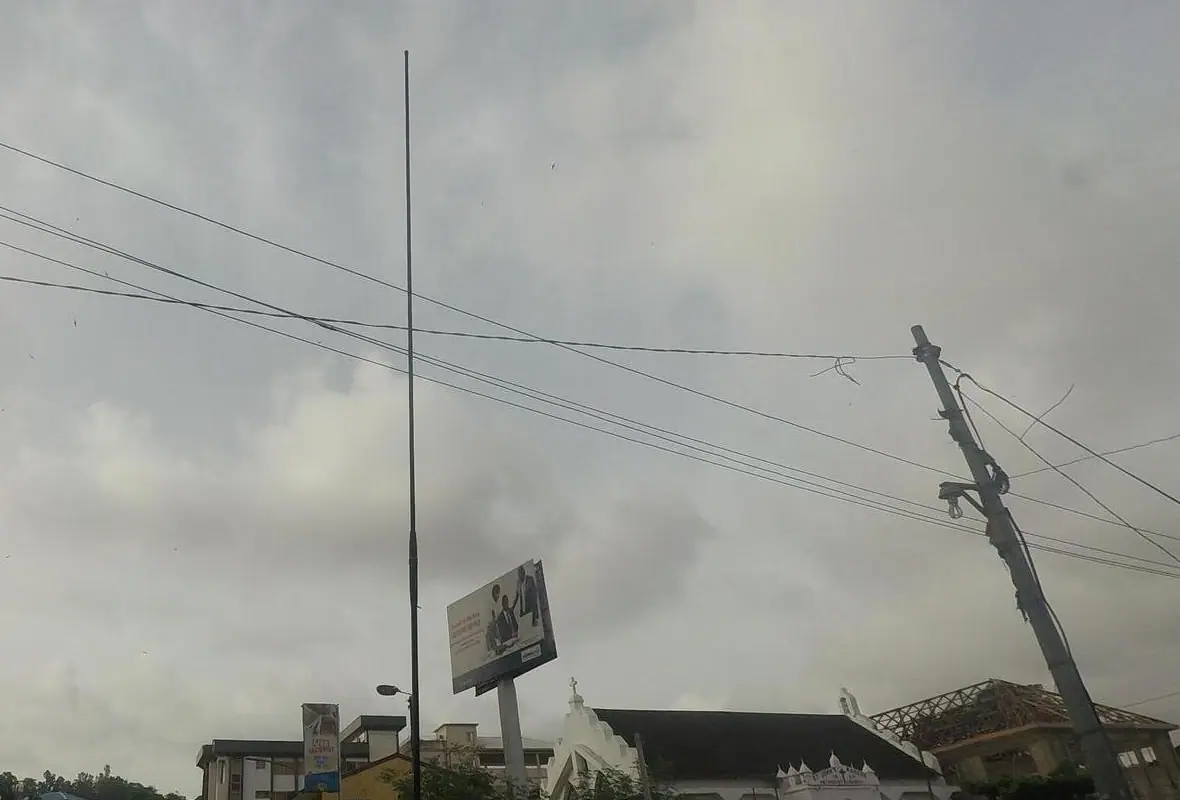
Most journeys begin in Freetown, and the historic centre is compact enough to walk in a morning. This is a capital built by people who arrived from elsewhere — Black Loyalists, Jamaican Maroons and later thousands of Liberated Africans freed from slave ships — and their Krio descendants gave it wooden board-house architecture, brass bands, dense stews and a Creole English that serves as the country's shared language. The great kapok known as the Cotton Tree once towered over the junction of Siaka Stevens Street, a symbolic anchor for freed settlers; a storm felled it in 2023, but the spot remains the city's civic crossroads and deserves a pause.
A short walk away, St John's Maroon Church, raised by Maroon settlers in the early 1820s, sits on a quiet lane and is among the oldest surviving places of worship in the city. Nearby on Siaka Stevens Street, the Sierra Leone National Museum is small but essential, holding Bondo society Sowei helmet masks, Temne and Mende carvings, historic photographs and instruments tied to the country's palm-wine guitar tradition. Add the Peace Museum, housed in the courthouse used for war crimes trials, and you have a full, sobering half-day.
Go early: before ten the light is soft, the pavements are lively and the heat has not yet settled in. A local guide is worth arranging, because introductions open doors in shops and stalls, and you will learn far more about the city's layers than any map can tell you.
What Sierra Leone Eats: Rice, Cassada Leaf and Granat Soup
Rice is the measure of a meal here. A common saying holds that until you have eaten rice you have not really eaten, and in practice that means a mound of it with sauce spooned over: cassada leaf stew, dark green and glossy with palm oil, dried bonga fish and chilli; granat soup, a deep groundnut stew built on chicken, beef or fish; krain krain, made from jute leaves; or okra soup, hot and slippery, eaten with fufu or foo-foo pounded from cassava or rice.
Follow the fry-fry stalls that appear in the late afternoon for akara bean fritters, fried plantain, peppered fish and skewers. In the provinces, look for poyo — palm wine tapped fresh and drunk the same day, sometimes left a little longer for bite — alongside ginger beer brewed with pineapple and plenty of ginger. Breakfast might be bread with sweet tea, or akara with pap.
Etiquette matters. Food often comes in one wide bowl, eaten with the right hand after washing, with guests and elders served first. When someone offers you pepe, the fierce chilli sauce, take a little; it is hospitality, not a test. Invited to a family cookery, arrive with fruit or kola nuts and expect to be urged to eat more than you planned.
Markets and Makers: Sani Abacha Street, Gara Cloth and Country Weave
Freetown's commercial heart beats along Sani Abacha Street, Wallace Johnson Street and the lanes around Big Market, where the air is thick with dried fish, palm oil, pepper and ripening fruit. Stallholders sell everything from rice by the cup to phone credit, enamel pots and school uniforms. Carry small notes, keep your bag in front of you, and treat the crush as part of the experience rather than an obstacle.
For textiles, ask for gara — tie-dyed and indigo-resisted cloth sold in folded bundles that tailors turn into shirts and dresses within a day or two. Country cloth is the older tradition: narrow strips hand-woven in the provinces, then stitched into blankets and wrappers whose patterns carry meaning. You will also find baskets, carvings, leatherwork and kola nuts. Buy new-carved masks as crafts, but leave sacred objects where they belong.
Upcountry markets are worth timing a trip around. Bo, the southern hub, has one of the busiest; Kenema trades in cocoa, coffee and forest produce; Makeni serves the north. Smaller towns often hold their main market weekly, and arriving early means fresher goods, cooler air and the best chance to talk with the people who grew what they are selling.
Out of Town: Chimpanzees, Peninsula Beaches and Forest Islands
Forty minutes from central Freetown, inside the forested hills of the Western Area Peninsula, the Tacugama Chimpanzee Sanctuary shelters rescued chimpanzees in large enclosures and runs guided visits explaining the wildlife trade and conservation work. It is an easy half-day, and the drive itself delivers your first taste of the peninsula's ridges, villages and sudden sea views.
Then follow the coast south. Lumley Beach is the city's own stretch of sand, busy with football and food stalls at sunset. Further out, Tokeh Beach is a long palm-backed curve; River No. 2 near Kent is the famous one, a river meeting the sea between forested headlands; and Bureh Beach has a small, friendly surf scene with boards to rent. Boats run to the Banana Islands for snorkelling and quiet ruins, while near Shenge the Turtle Islands are nesting grounds best visited with a local guide.
Inland, the rewards get wilder. Tiwai Island, a forested island in the Moa River, is known for pygmy hippos and rich primate life, explored on foot with community guides. Gola Rainforest National Park protects a vast tract of Upper Guinean forest, while Outamba-Kilimi in the north offers savannah, river and easier wildlife spotting. Serious hikers head for Mount Bintumani in the Loma Mountains, the country's highest peak, usually climbed over two days from Kabala.
Culture, Music and the Deeper Past: Palm-Wine Guitar and Bunce Island
Sierra Leone is home to the Krio, Temne, Mende, Limba, Kono, Loko and Sherbro peoples, among others, and Krio is the language almost everyone shares. A few words go far: kushɛ for hello, tenki for thanks, and a smile covers the rest. Music is everywhere — the gently picked palm-wine guitar style, gumbe drums, bubu flutes and drumming troupes that perform at weddings and community gatherings. Ask at your guesthouse about local groups; performances are often arranged for a modest contribution.
The calendar matters too. Independence Day on 27 April brings parades, and both Eid al-Fitr and Eid al-Adha are marked widely with prayers, new clothes and shared food. Around Christmas and New Year, Freetown's neighbourhoods stage illuminated lantern parades that draw crowds late into the night. The Bondo and Poro societies remain central to community life in many areas, and their ceremonies are private — visitors should never ask to watch or photograph initiation rites.
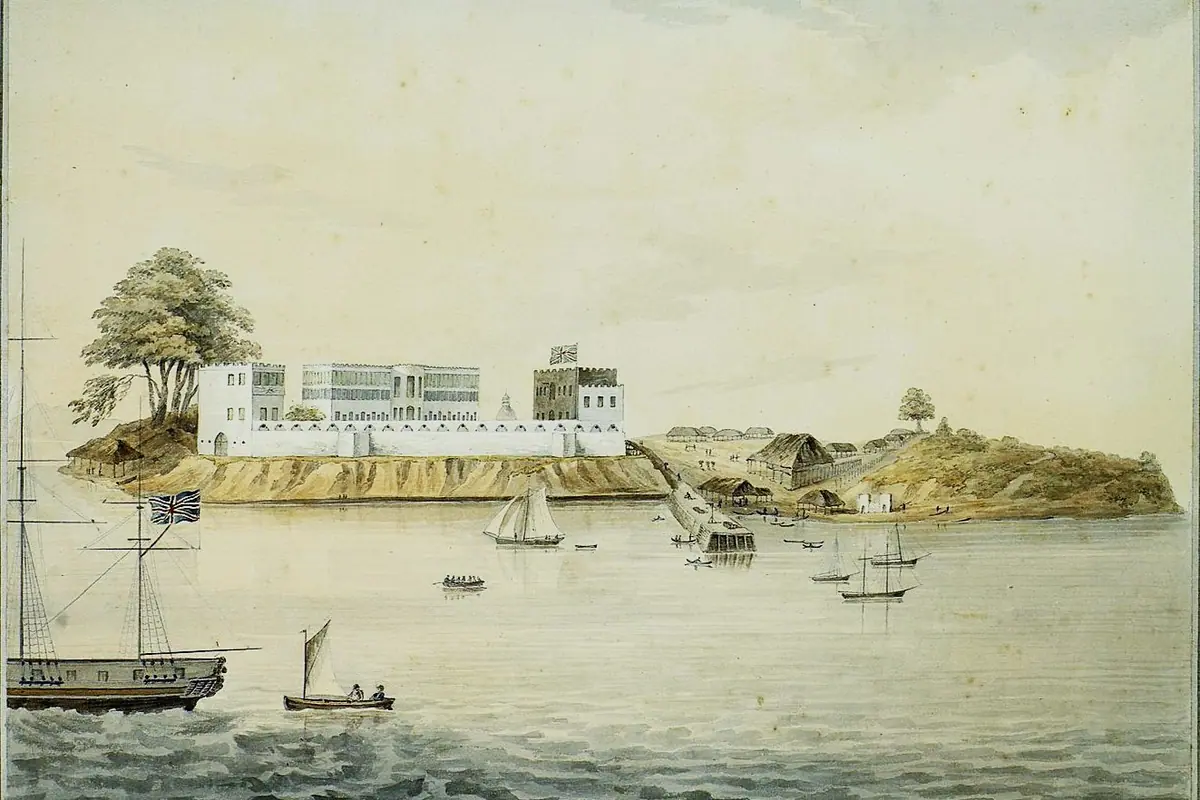
To understand where so much of this history began, take a boat up the Sierra Leone River to Bunce Island, a ruined fortified trading post that was once a major departure point for enslaved Africans bound for the Americas. Guides explain the site's role and its links to the diaspora. Combined with the old Fourah Bay College building and Freetown's Peace Museum, it makes a sobering, necessary day between beach trips.
When to Go, How to Move and What to Know Before You Land
The dry season, roughly November to April, is the easiest time to travel: beaches are at their best, roads hold up and hiking is comfortable. From December to February the harmattan blows dust down from the Sahara, softening the light and cooling evenings but hazing long views. Rains arrive in May and peak between July and September, bringing dramatic green landscapes and swollen waterfalls, though rural roads can turn difficult and the humidity is relentless.
Most arrivals land at Lungi, across the estuary from Freetown, reaching the city by ferry or water taxi, or by road around the estuary via Port Loko, which takes several hours. In town, poda-poda minibuses and kekeh three-wheelers are cheap and frequent, but for anything upcountry a private 4x4 with a driver is far more comfortable. Allow roughly three hours to Makeni, four to five to Bo and six or more to Kenema, longer in the rains.
Arrange your visa before flying, carry a yellow fever certificate and sort out malaria prophylaxis in advance. Cash in local leones is king outside the big towns, though mobile money is widely used and ATMs exist in Freetown, Bo, Kenema and Makeni. The country runs on GMT, tipping is appreciated rather than expected, and photography is best done with permission — especially of people, markets and anything official.
Frequently asked questions
What is the best time of year to visit Sierra Leone?
November to April is the dry season and the most comfortable window for beaches, hiking and upcountry travel. December to February brings harmattan dust and cooler evenings. May to October is wet, heaviest in July and September, with lush scenery but rough rural roads.
Which Sierra Leonean dishes should I try first?
Start with cassada leaf stew, granat groundnut soup and krain krain, all served over rice. Snack on akara, fried plantain and peppered fish from evening fry-fry stalls, and try poyo palm wine or ginger beer in the provinces.
How long do I need to see Sierra Leone properly?
Allow at least seven to ten days: two or three for Freetown's old town and the peninsula beaches, then three or four upcountry for Tiwai Island, Gola Rainforest or the Loma Mountains. Two weeks makes the pace far more relaxed.
Do I need a visa and vaccinations?
Most visitors need a visa arranged before travel, plus a yellow fever certificate on arrival and malaria prophylaxis started in advance. Confirm current health requirements with a travel clinic several weeks before you fly.
How do I get around, and is it safe?
Shared poda-poda minibuses and kekeh tricycles are cheap in cities, but a private 4x4 with a driver is best for longer routes. Travel is generally safe with normal precautions — avoid rural night driving and keep valuables out of sight.
Plan it — tours in Sierra Leone
Live search, booked directly with trusted providers.
Sort the rest of your trip
Everything for Sierra Leone, in one place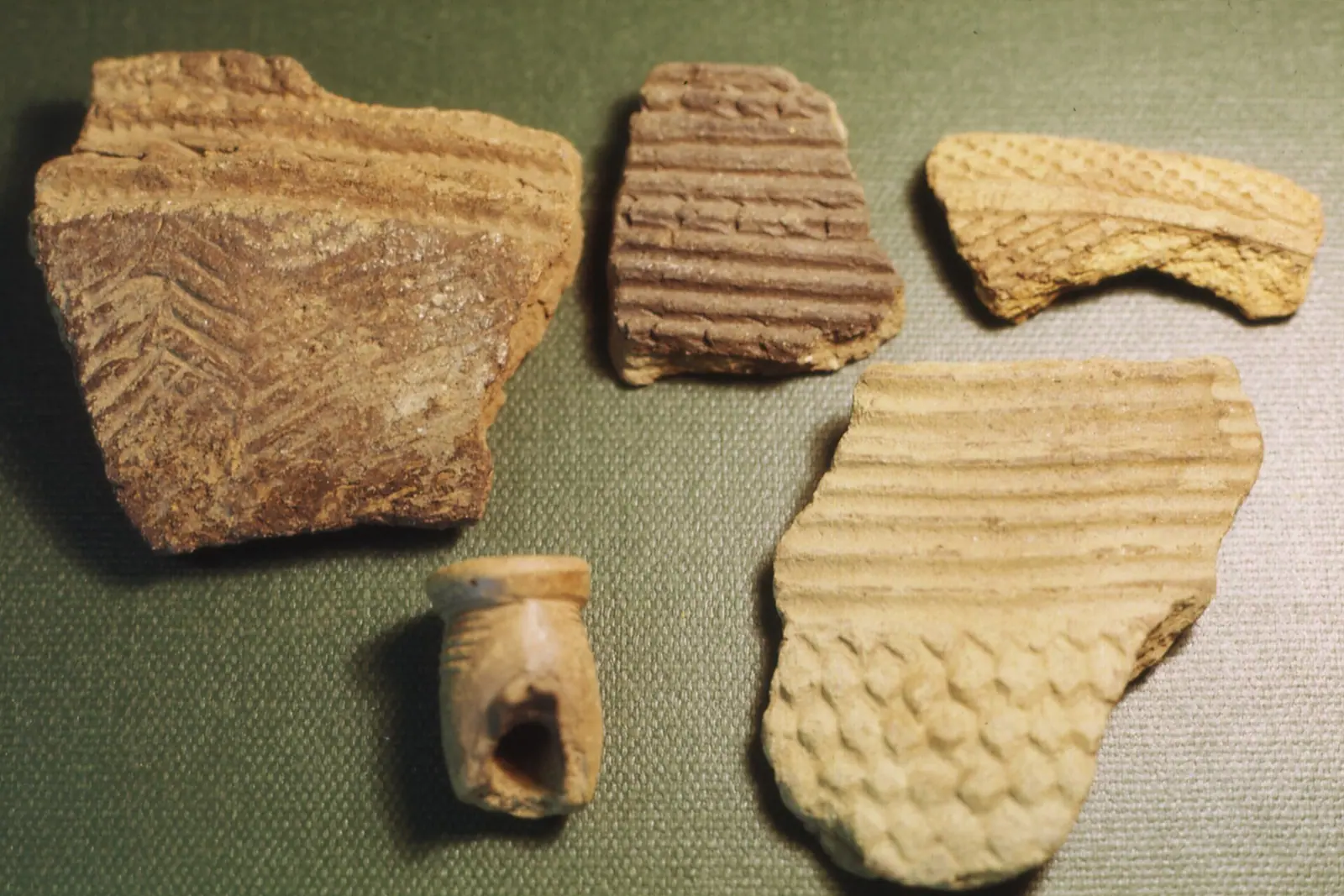
Stay in Sierra Leone
Hotels, guesthouses and apartments — compared in one search.
Search hotels
Transfer in Sierra Leone
Private driver waiting on arrival — no queues, no surprises.
Book a transfer
Stay online in Sierra Leone
Travel eSIM — data the moment you land, no roaming bills.
Get an eSIM