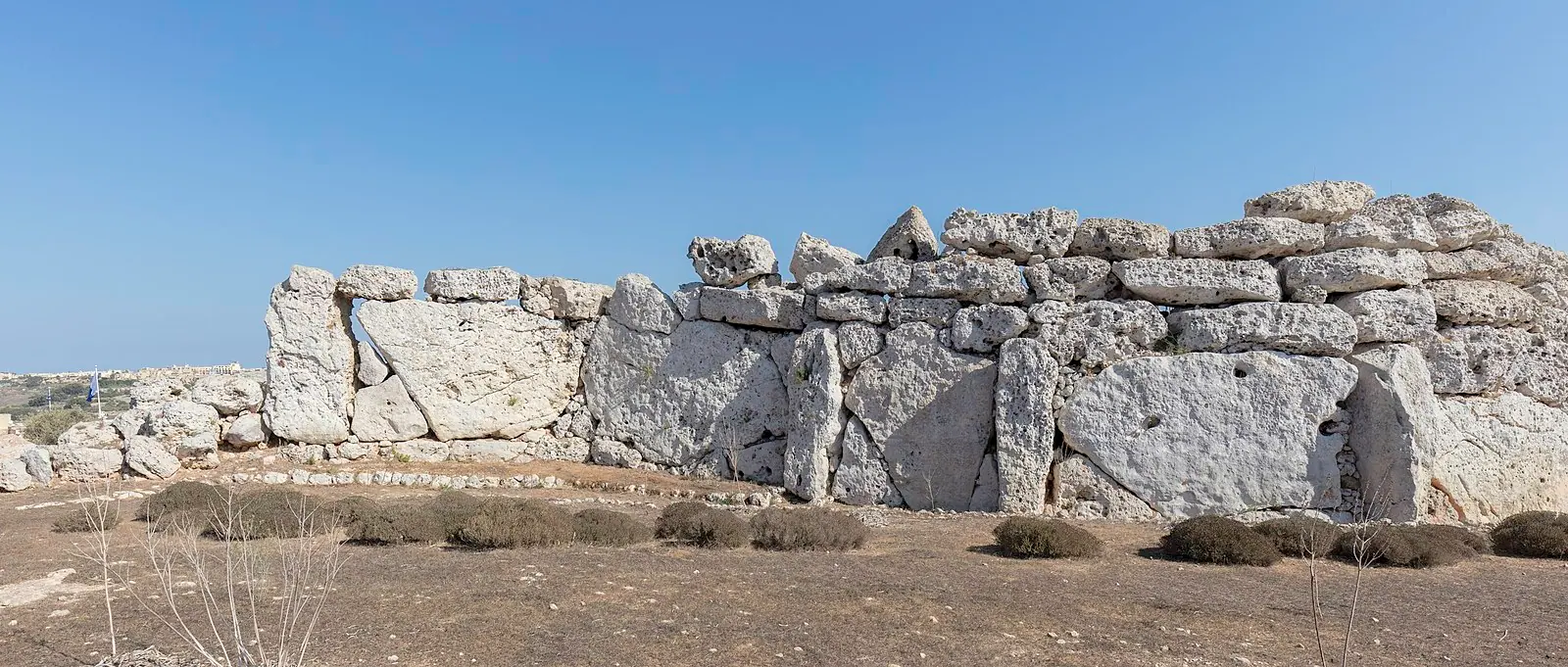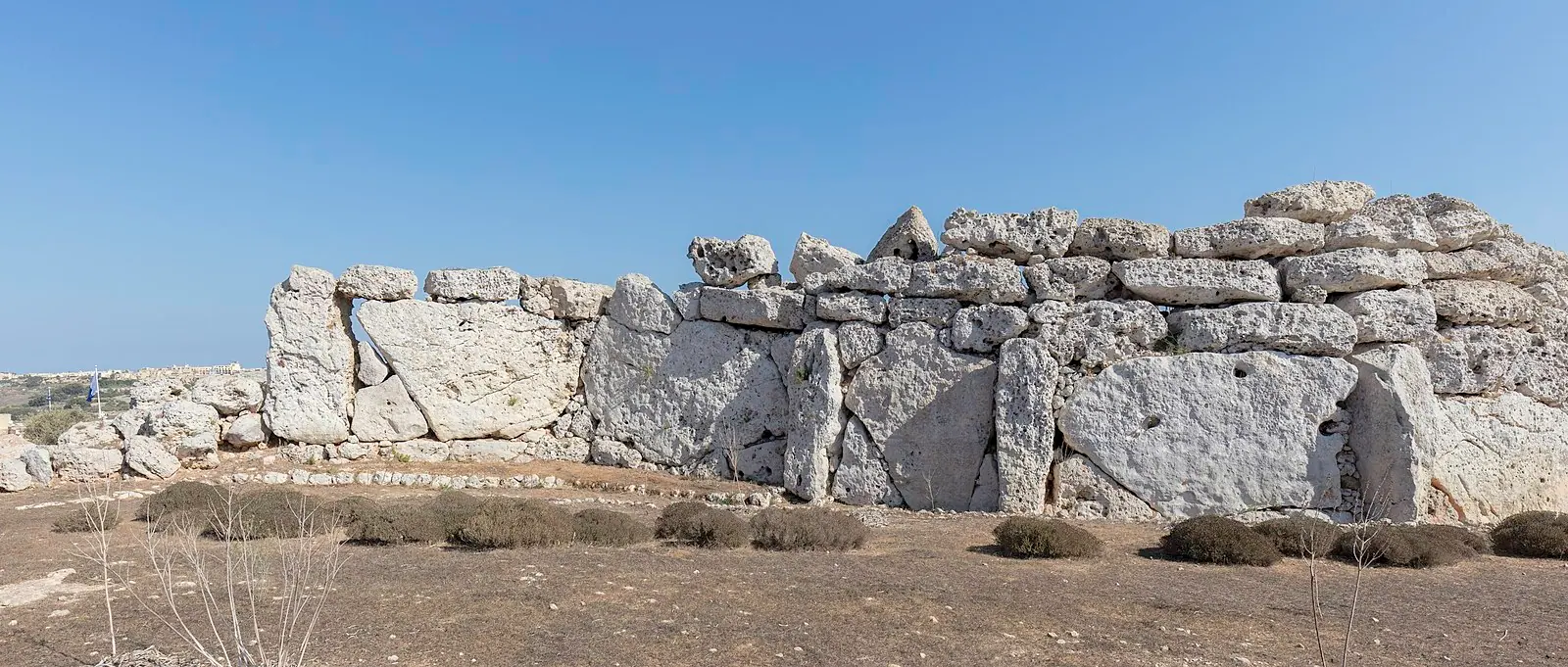
Malta packs an improbable amount into a speck of limestone in the middle of the Mediterranean: a fortified capital you can cross on foot, temples older than the pyramids of Giza, and water so clear it looks lit from below. It rewards travellers who move slowly and look closely, because half the best sights here are either underground, behind a plain facade, or reached by a bus that runs twice a day.
Valletta: A Fortress Capital Built for Walking
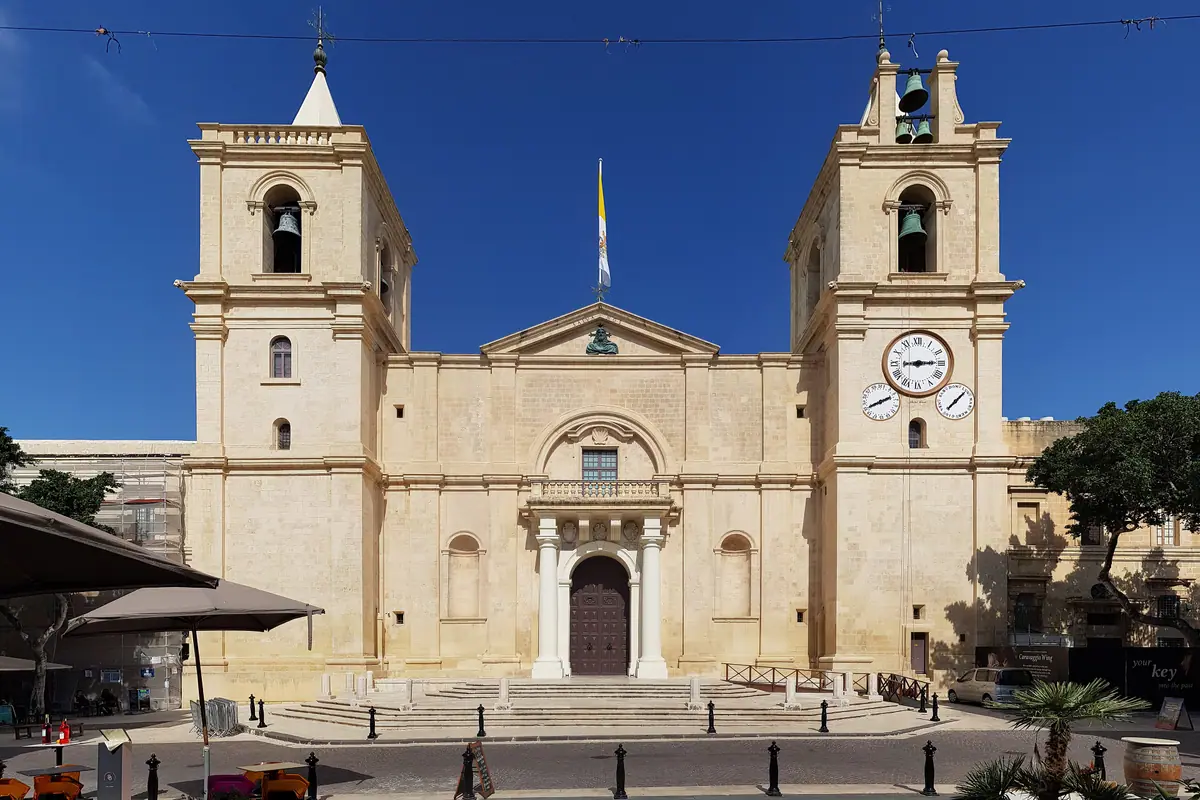
Valletta is tiny — you can cross it in twenty minutes — yet dense enough to fill two full days. Enter through City Gate past the Triton Fountain and you're immediately inside a grid of straight, steep streets laid out by the Knights of St John as a fortified town. The unmissable sight is St John's Co-Cathedral, whose austere exterior hides a nave drowning in gold leaf, marble tombs of knights in full armour, and a painting by Caravaggio that still stops people mid-step. Allow ninety minutes, and dress respectfully — shoulders and knees covered.
From there, walk to the Upper Barrakka Gardens for the classic view over the Grand Harbour, and time your visit for the Saluting Battery's midday cannon, which thumps out over the water with a puff of smoke that echoes off the bastions. Underground, the Lascaris War Rooms tunnels tell the story of Malta's wartime siege, while Fort St Elmo at the tip of the peninsula holds the National War Museum. Archaeology lovers should not skip the National Museum of Archaeology, where the sleeping lady figurine from the Ħal Saflieni Hypogeum is displayed.
Practical rhythm matters here. Start at 9am before the day-trippers arrive, wear flat shoes for the polished slopes and endless steps, and retreat indoors during the midday heat in July and August. Pause for a pastizzi — flaky pastry stuffed with ricotta or peas — and a cold glass of the local bittersweet soft drink, then return to the streets after 5pm when the stone turns honey-coloured and the cafés along Strait Street fill up.
The Three Cities and the Grand Harbour by Water
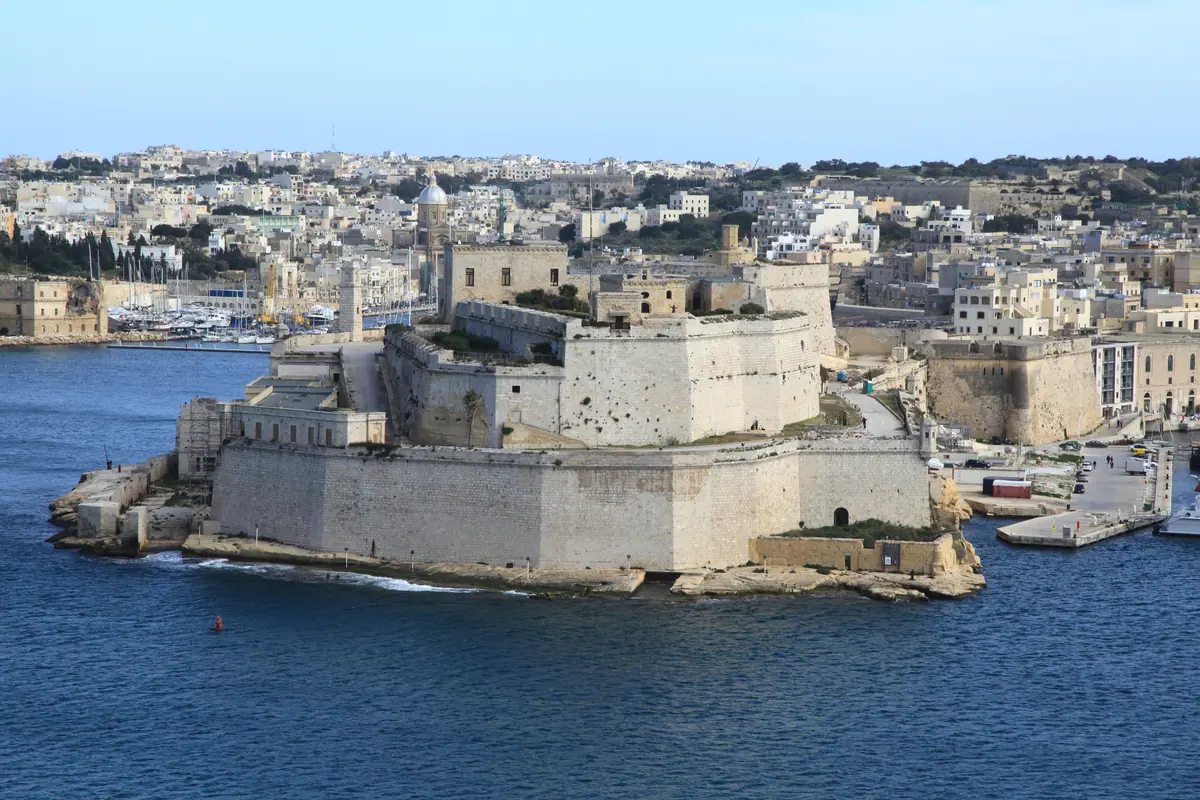
The best view of Valletta is from across the water. Small ferries and traditional wooden boats cross the Grand Harbour from near the Customs House to Birgu, also known as Vittoriosa, the peninsula where the knights first settled. Birgu's lanes are narrow, hushed and studded with history: the Inquisitor's Palace, the Maritime Museum, and Fort St Angelo, which guards the harbour mouth from its own rocky promontory. Neighbouring Senglea offers a lookout point in its Gardjola Gardens with a carved eye-and-ear symbol, and the views back toward Valletta's bastions are worth the walk alone.
Push further south and the mood changes completely. Marsaxlokk is a working fishing village where brightly painted luzzu boats bob in rows and a Sunday market draws locals for fish, honey and olives. Eat lunch by the water — in autumn, look for lampuki, the migratory dorado that Maltese cooks braise with tomatoes and capers. Nearby lie the flat limestone slabs of St Peter's Pool, a natural swimming platform, and the sheltered curve of Pretty Bay.
The Three Cities are also the quietest place to stay if you want authenticity without giving up harbour views. Evenings here are slow: church bells, laundry lines, and neighbourhood restaurants where the menu is written in Maltese first. Come with patience for the ferry timetable and you'll be rewarded with a side of Malta that most short-stay visitors never see.
Mdina, Rabat and the Cliffs at Dingli
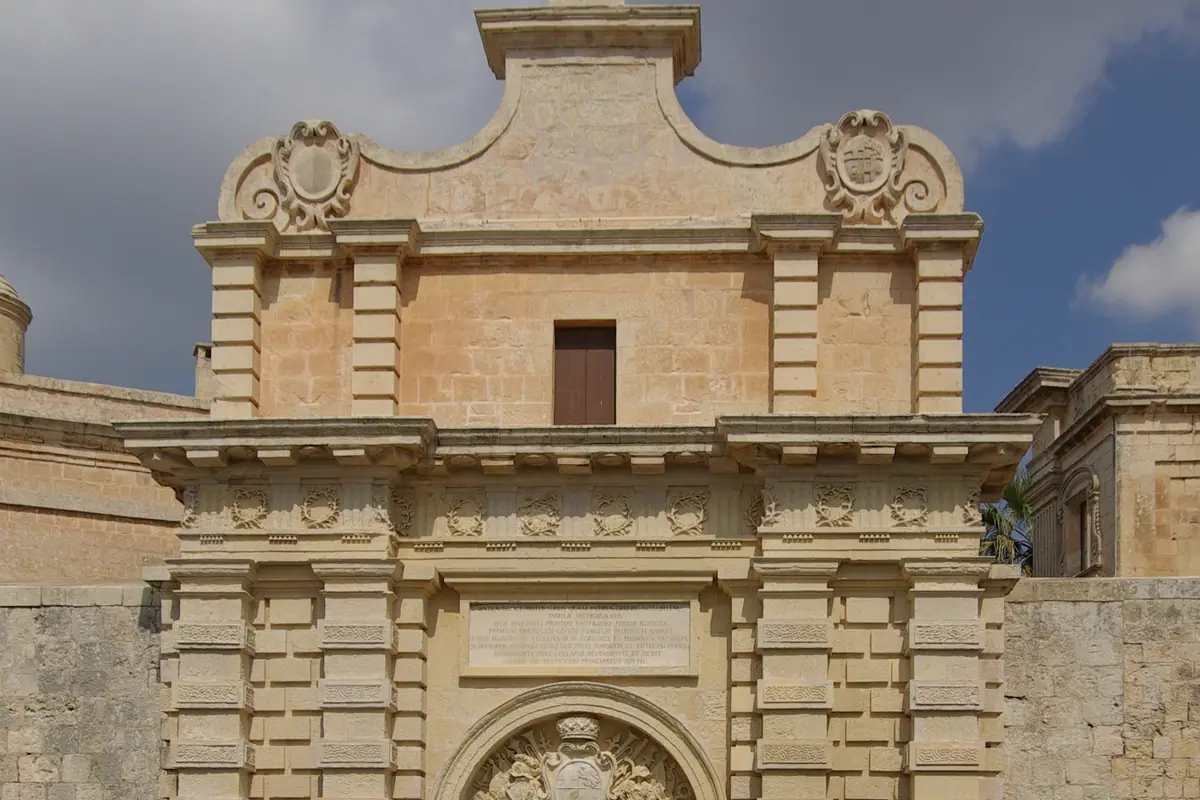
Mdina, the silent city, sits on a hill in the middle of the island and feels like a film set — which, in fairness, it often is. Pass through the baroque Mdina Gate and the streets fall quiet: no cars, only the clip-clop of horse-drawn karozzin, thick honey-coloured walls and the twin-towered St Paul's Cathedral. Walk the bastions for a panorama that stretches from the sea to the far ridge of the island. Two to three hours is plenty, and early morning is magical; by midday the lanes fill with tour groups on a tight schedule.
Just outside the walls, Rabat keeps the everyday life that Mdina has shed. Beneath its streets run the St Paul's Catacombs, a labyrinth of early Christian burial chambers carved into the rock, and the Domus Romana preserves Roman mosaics and a burial monument in a small, beautifully kept site. Grab a ftira — Malta's answer to a sandwich, best with tuna, capers and tomato — from a village bakery and eat it in the shade.
Finish the day at Dingli Cliffs, the island's highest point at roughly 250 metres above the sea. There is little there but wind, wild fennel, and a sheer drop to blue water — which is exactly the appeal. Sunset is the best hour, and a footpath leads down toward the isolated Fomm ir-Riħ bay for those with sturdy shoes. It's exposed, there are no facilities, and the bus back runs infrequently, so check times before you commit.
Temples Older Than the Pyramids
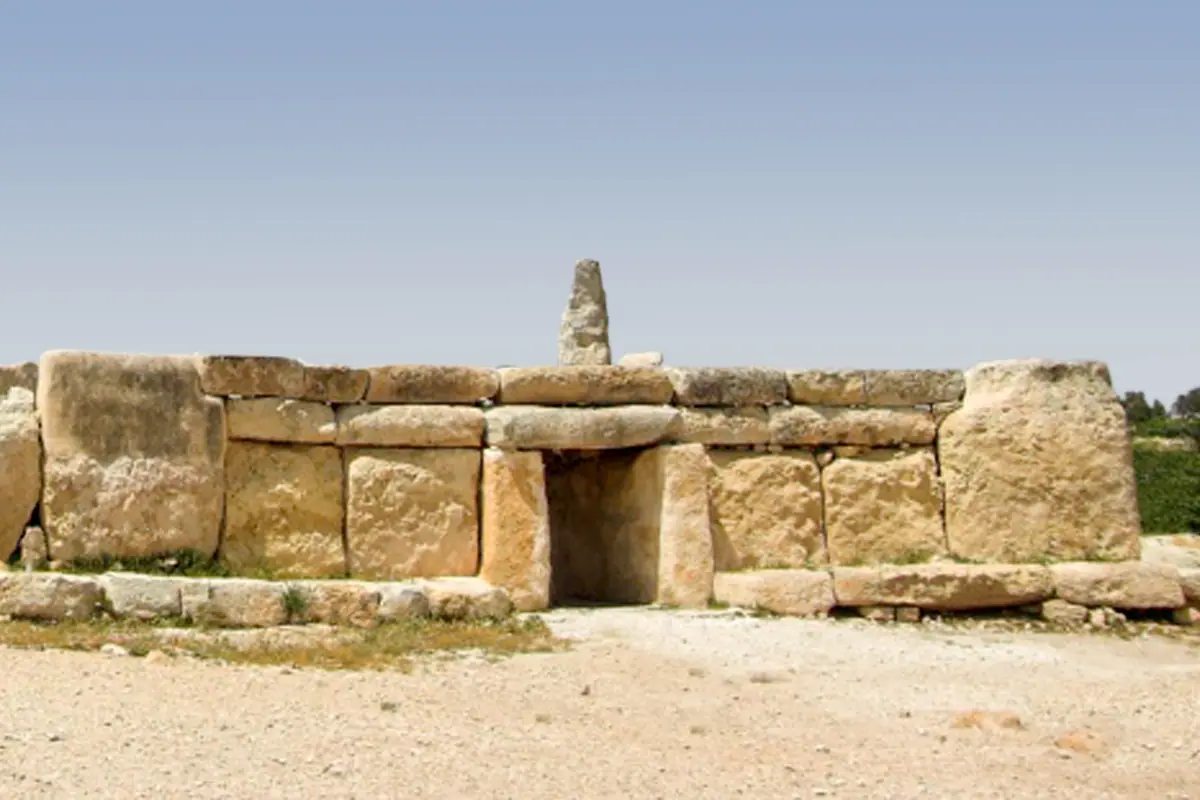
Malta's strangest and most humbling attractions are its megalithic temples, built from huge limestone blocks more than five thousand years ago, long before the pyramids at Giza rose. Ħaġar Qim and Mnajdra stand on a remote plateau above the sea near Qrendi, facing the tiny islet of Filfla. The two sites are a twenty-minute walk apart along a coastal path, and the sense of place — wind, wildflowers, no town in sight — is as impressive as the architecture. Go early for soft light and fewer people.
The Ħal Saflieni Hypogeum in Paola is the one you must plan for. This three-level underground complex, carved out of the rock as a burial and ritual site, admits only a trickle of visitors each day and tickets are released in limited slots that disappear weeks in advance. Bags must be left behind, the chambers are dim and cool, and very young children are not admitted. Pair it with the Tarxien Temples a short walk away, where the spiral carvings and the famous skirted figurines were found.
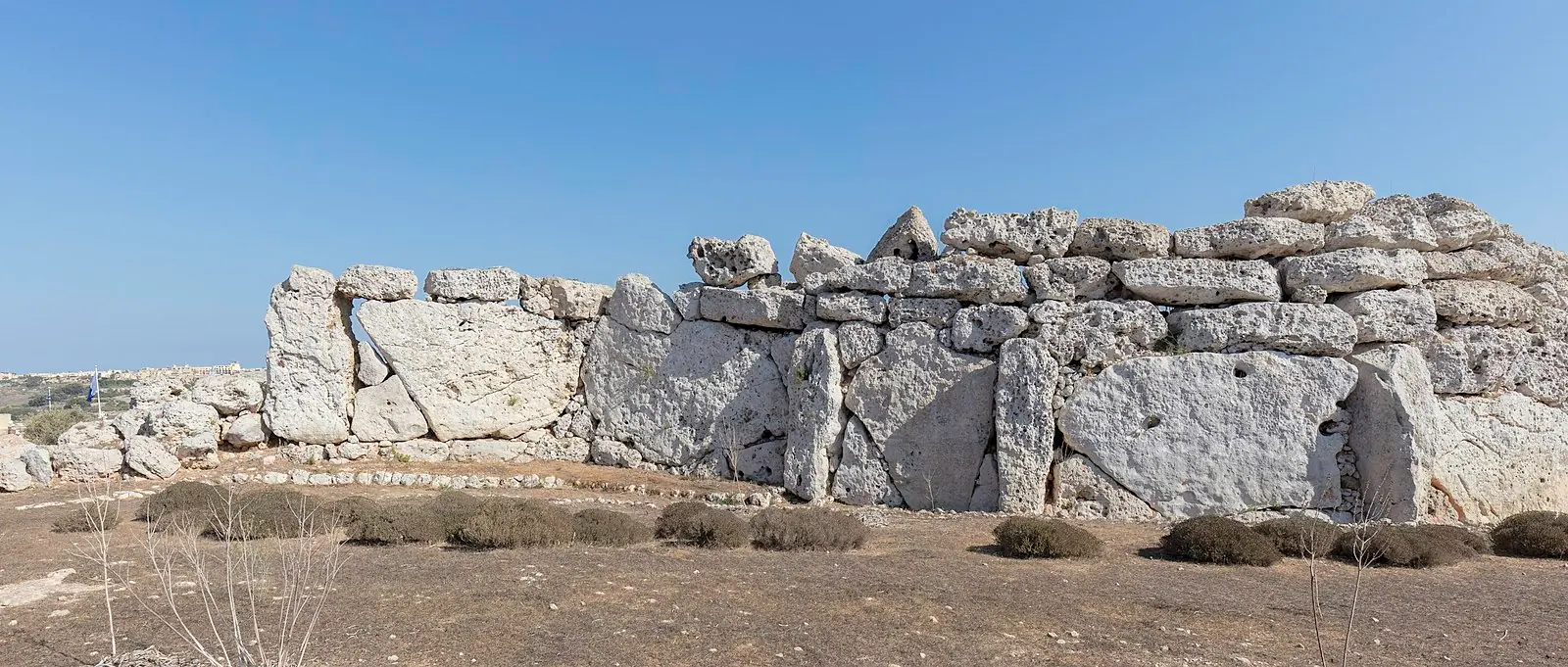
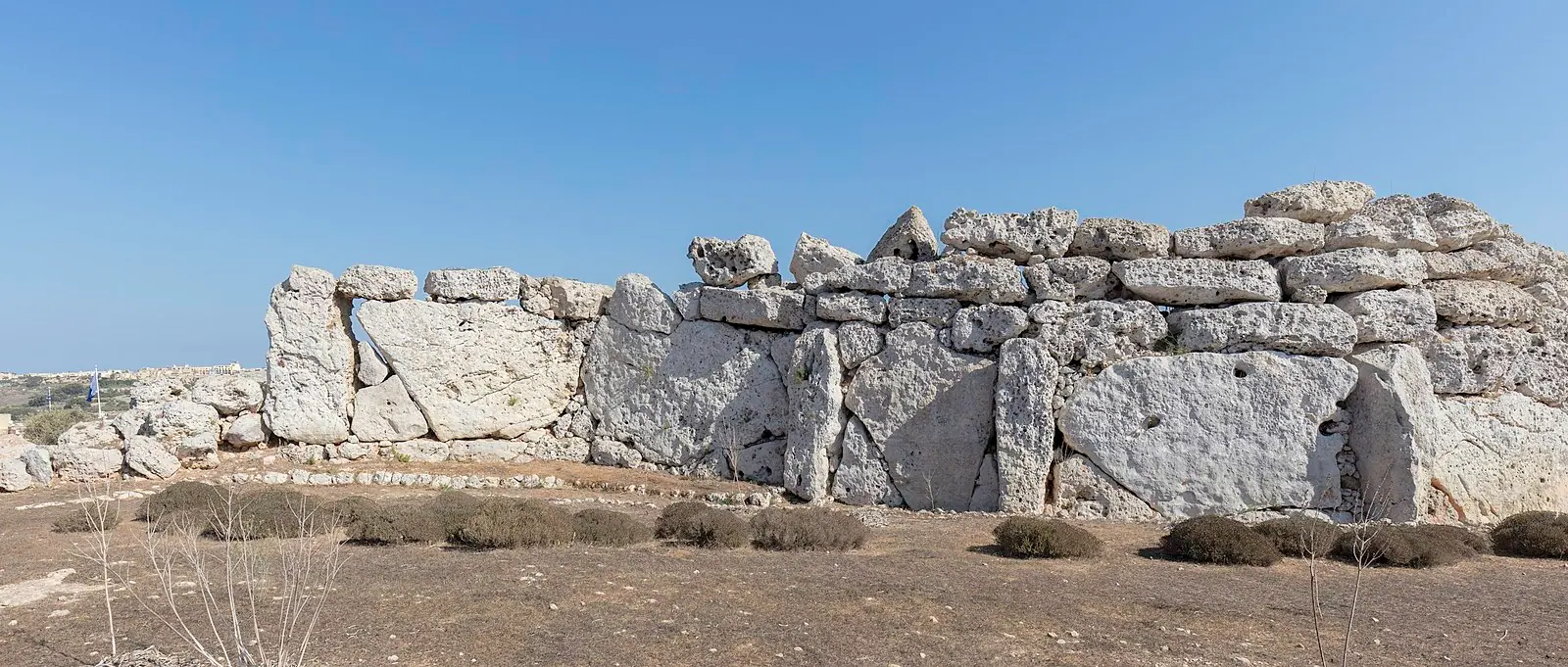
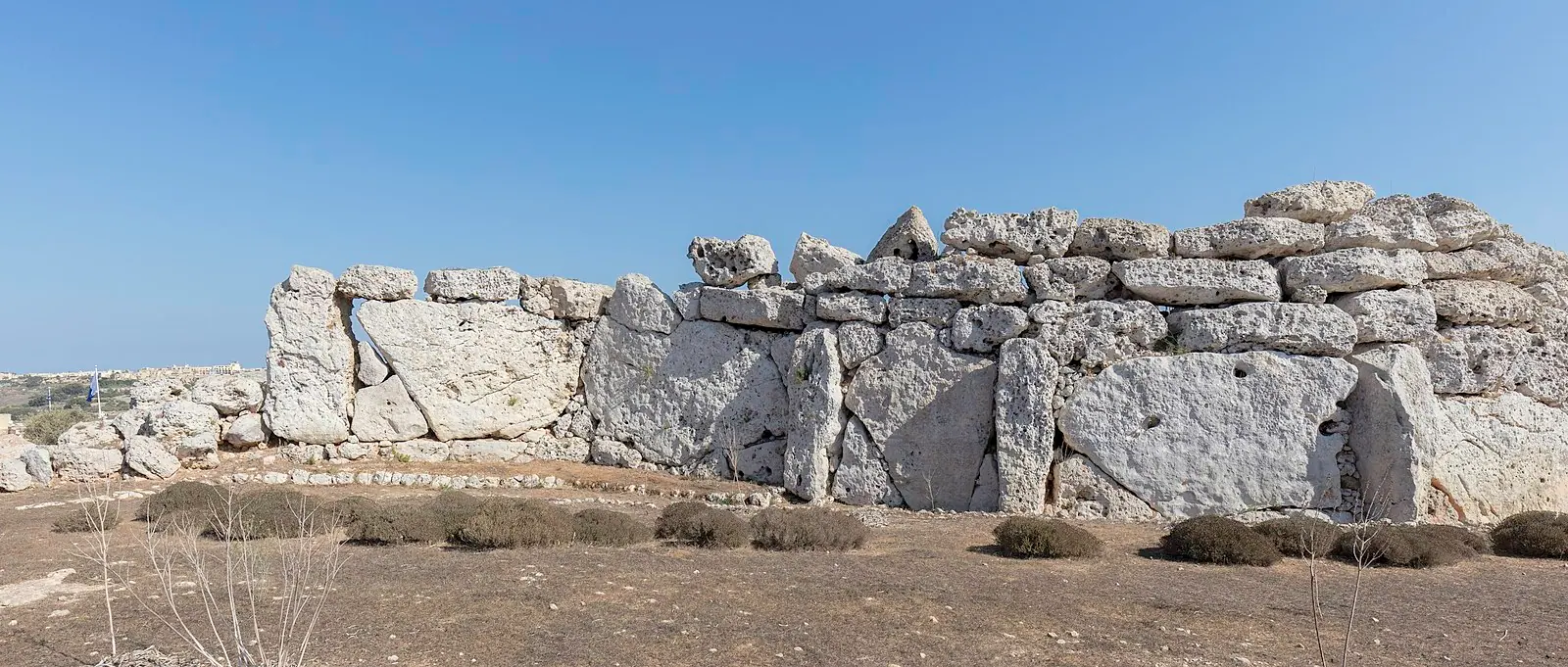
On Gozo, the Ġgantija temples near Xagħra are among the oldest free-standing stone structures anywhere in the world, their massive walls giving the site its folkloric name — the work of giants. Smaller sites such as Ta' Ħaġrat and Skorba near Mġarr reward anyone with a deeper interest. The etiquette is simple everywhere: stay on the paths, never touch the stones, and take nothing but photographs.
Malta Below and Above the Waterline
The Blue Lagoon on Comino is the image everyone brings home: a shallow channel of electric turquoise between a bare islet and the larger island, best reached on a day trip from Ċirkewwa or Mġarr. Arrive on the first boat of the morning, or come in the late afternoon, because between roughly 11am and 3pm in summer it can feel like a crowded swimming pool. There is almost no shade and few facilities, so bring water, sun protection and shoes for the rocky ground; outside high season you may have the water nearly to yourself.
The Blue Grotto near Wied iż-Żurrieq offers a different kind of blue. Small boats run from the little harbour into a chain of sea caves where sunlight reflects off the seabed and turns the water luminous; trips last around twenty to thirty minutes and are cancelled when the swell is up, so keep a morning free as a backup. Swimmers should also seek out St Peter's Pool's flat rock platforms, the broad sand of Golden Bay and Mellieħa Bay, which have lifeguards in summer, and the quieter, wilder Għajn Tuffieħa cove next door.
Underwater, Malta is one of the Mediterranean's most rewarding dive destinations, with reefs and wrecks around Ċirkewwa, the cathedral-like Blue Hole and Inland Sea tunnel on Gozo, and caves off Comino. Visibility is often excellent and the sea is at its warmest in September and October — arguably the best months of the year for swimming. Non-divers can kayak, paddleboard or take a harbour cruise from Sliema and St Julian's.
Gozo: Slower Tempo, Bigger Horizons
A short ferry ride from Ċirkewwa to Mġarr takes you to Gozo, which feels greener, quieter and noticeably less hurried than its larger neighbour. Victoria, the island's capital, is crowned by the Citadel — a fortified hilltop complex with a cathedral, winding alleys and a view over the whole island. Nearby stands the Ta' Pinu Basilica, a much-visited pilgrimage church on a lonely country road, and just beyond it the Ġgantija temples. Rent a scooter or small car, or use the island's buses to link the sights.
Gozo's coastline is where the drama is. At Dwejra, the Inland Sea is a landlocked pool connected to the open Mediterranean by a natural tunnel, with boatmen ferrying visitors through to the cliffs; Fungus Rock looms nearby. Ramla Bay has red-gold sand backed by dunes, Xlendi offers a sheltered swimming bay with a clifftop walk toward the Sanap cliffs, and Wied il-Għasri is a narrow inlet where the sea runs like a river between stone walls.
For active travellers, the Victoria Lines — a nineteenth-century defensive wall running across the island's ridge — make a superb spring hike, as do the paths along Dingli Cliffs and the Xemxija heritage trail. Climbers head for sea-level crags, cyclists tackle the terraced back roads, and festival lovers should plan around the village festas that fill summer weekends, the Santa Marija celebrations in mid-August, Valletta's all-night arts event in October and the February carnival. April to June and September to October give the best mix of warm sea, bearable heat and manageable crowds.
Frequently asked questions
How many days do you need in Malta?
Four to five days covers Valletta, Mdina, the megalithic temples and a beach or two. Add two more nights if you want Gozo and Comino without rushing, since inter-island ferries and slow rural buses eat into the day.
Do you need a car in Malta?
Not strictly — buses radiate from Valletta and ferries link the islands — but a car makes remote sites like Ħaġar Qim, Dingli Cliffs and Gozo's bays far easier. Remember traffic drives on the left, roads are narrow and parking in Valletta and Mdina is painful.
What is the best time of year to visit Malta?
April to June and September to October offer warm seas, mild walking weather and thinner crowds. July and August are hot, busy and expensive, while the sea is at its warmest in September and October. Winter is mild and quiet, with occasional rain and rough seas that can cancel boat trips.
Do you need to book the Ħal Saflieni Hypogeum in advance?
Yes. Entry is limited to a small number of visitors each day and slots are released ahead of time, selling out weeks or months in advance. Large bags are not allowed inside, and very young children cannot enter, so arrange childcare if needed.
Which beaches in Malta are best for swimming?
Golden Bay and Mellaiħa Bay are the easiest sandy options with summer lifeguards, St Peter's Pool suits confident swimmers who like rock platforms, and Gozo's Ramla Bay is the prettiest red-sand beach in the archipelago. The Blue Lagoon on Comino is spectacular but crowded in high summer.
Plan it — experiences in Malta
Live search, booked directly with trusted providers.
Sort the rest of your trip
Everything for Malta, in one place

More guides in Malta
Best Places to Visit in Malta: Ancient Temples, Blue Coves and the Silent City
Malta Food, Culture and Local Experiences: A Tour Guide to the Island's Real Character
Best Time to Visit Malta: Weather, Sea Temperatures and Where to Stay
Where to Stay in Malta: Best Areas, Hotels and Must-See Attractions