Malta is barely 27 kilometres end to end, yet it holds megalithic temples older than the pyramids, a baroque capital built by knightly engineers, and lagoons that glow turquoise in the afternoon sun. Because everything sits so close together, the area you choose for your hotel shapes your whole holiday — sea views and nightlife, silent medieval lanes, or a farmhouse pool with nothing but fields around you.
Malta's Must-See Sights — and How to Base Yourself Around Them
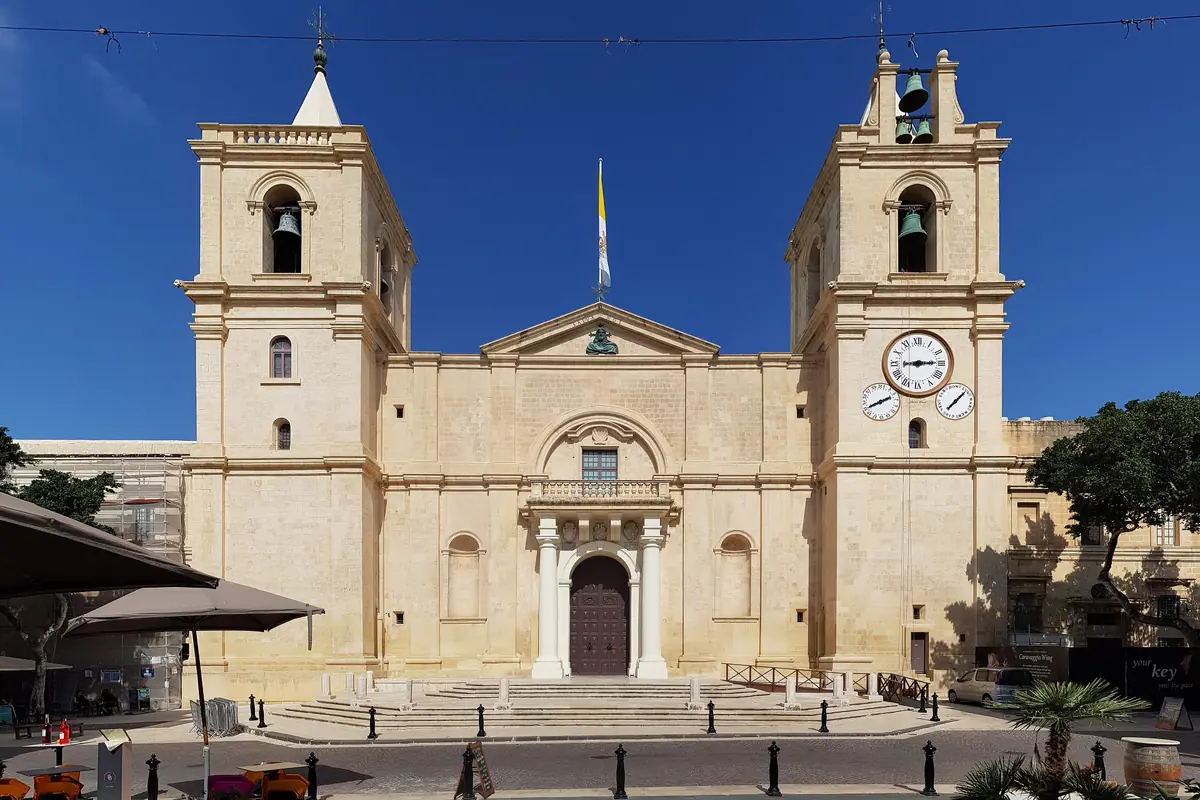
A first visit almost always circles the same unmissable set: St John's Co-Cathedral in Valletta with its gilded nave and its Caravaggio, the immense Grand Harbour seen from the Barrakka terraces, the honey-coloured lanes of Mdina, the prehistoric temples of Ħaġar Qim and Mnajdra on the southern cliffs, the underground chambers of the Ħal Saflieni Hypogeum, the Blue Grotto's sea caves, and — across the water — Ġgantija on Gozo and the Blue Lagoon on Comino. Add the fishing village of Marsaxlokk and the Dingli Cliffs, and you have a week filled without ever driving more than an hour.
That compactness is why a single base works. Public buses fan out from Valletta's terminus to almost every corner of the island, ferries hop between Valletta, Sliema and the Three Cities, and the Gozo crossing takes about 25 minutes from the northern tip. Distances are short but traffic around the harbour towns in the morning can be slow, so staying near the things you care about beats chasing a bargain across the island.
Timing matters more than location for some travellers. April, May, June, September and October bring warm sea, long light and manageable crowds; July and August push past 30°C and fill the resort strips; November to March is mild and quiet, ideal for walking the Victoria Lines, exploring palaces and eating in village restaurants — though some seaside hotels and beach clubs shut for the winter.
Valletta: Sleeping Inside a UNESCO-Listed Capital
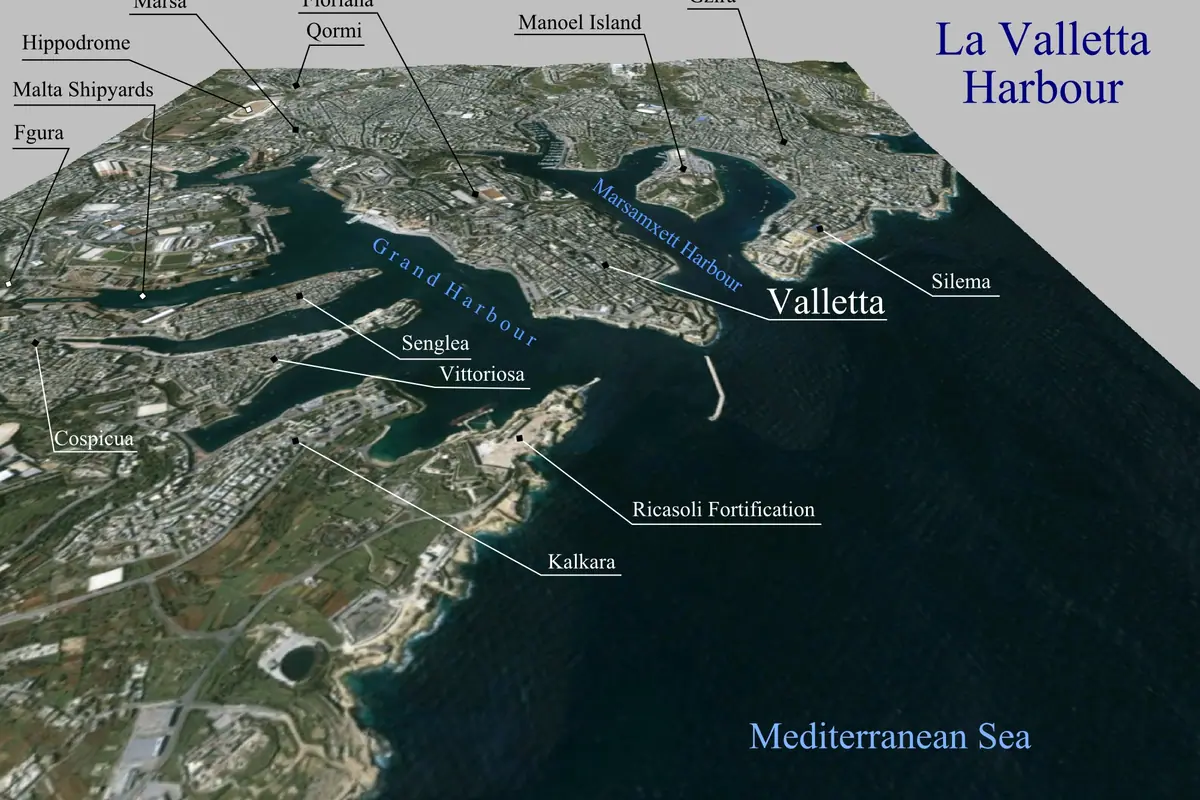
Europe's smallest capital is also one of its densest concentrations of sights. Within a few minutes' walk you can stand in front of St John's Co-Cathedral, climb to the Upper Barrakka Gardens for the midday gun on the Saluting Battery, look down on the fortified inlets of the Grand Harbour, visit the National Museum of Archaeology and the National War Museum at Fort St Elmo, and step inside Casa Rocca Piccola, a still-lived-in noble palazzo. Republic Street and the stepped lanes of Strait Street keep the evenings lively without ever feeling frantic.
Hotels here tend to be small and characterful: converted townhouses and merchant palazzi with a few dozen rooms, courtyards, stone arches and rooftop terraces overlooking the two harbours. You pay for atmosphere and location rather than sprawling resort facilities, and you should expect narrow one-way streets, limited parking and a short walk with luggage from the nearest drop-off point. Ask about a harbour-facing room — the view over the creeks at dusk is the reason many people never leave the city.
Staying in Valletta suits culture-first travellers and anyone who wants to walk to dinner. It is quieter than the northern resorts, and the ferries to Sliema and to Birgu put the rest of the island within easy reach. Book well ahead for spring and autumn, when the city fills with festival-goers and cruise visitors during the day.
Sliema, St Julian's and the Eastern Coast: Sea Views and Nightlife
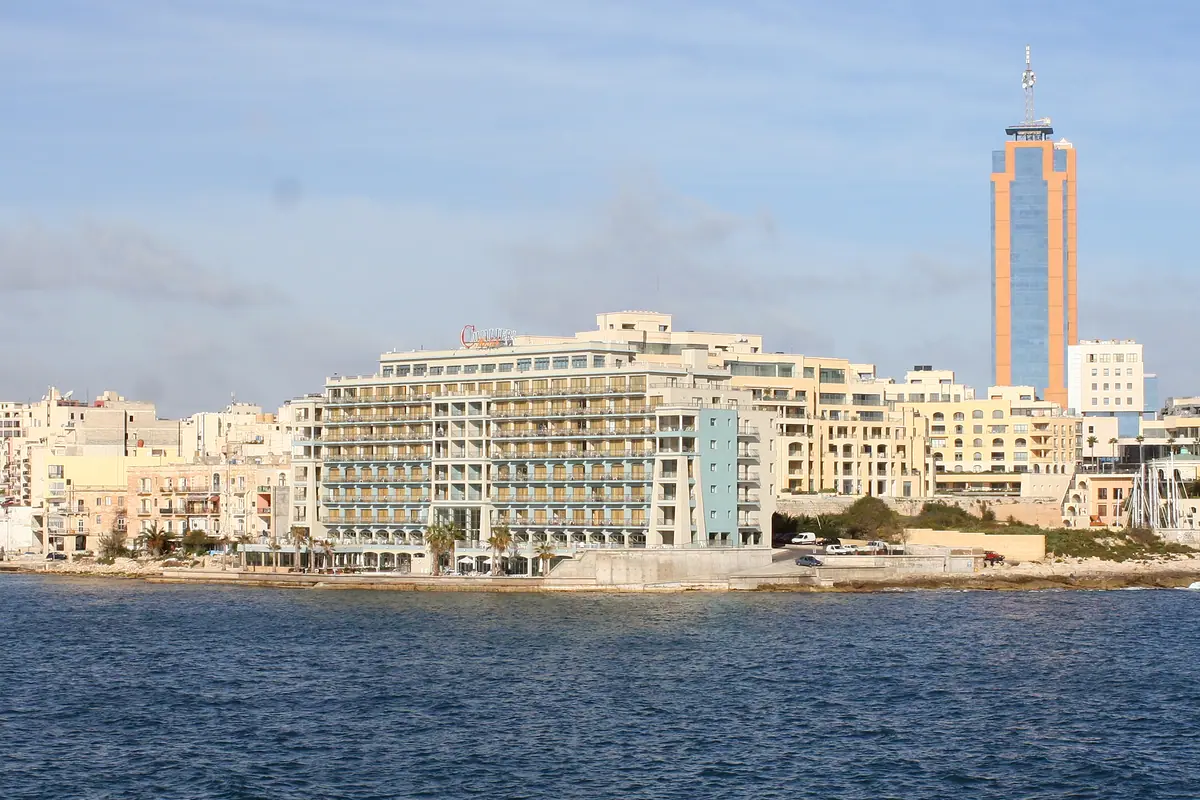
Across the water from Valletta, the Sliema–St Julian's stretch is Malta's modern seaside face. A long promenade runs from Tigné Point past Balluta Bay to Spinola Bay, where fishing boats bob beside waterfront restaurants, and on to St George's Bay. Further north, Paceville packs in bars and clubs, while Gżira and Ta' Xbiex offer calmer, cheaper alternatives with the same skyline view of the capital's bastions.
This is where the big hotels live: tall blocks with sea-facing balconies, rooftop pools, gyms and family apartments, plus a huge stock of self-catering flats. It is the easiest place to stay without a car — the ferry to Valletta takes about ten minutes, buses run constantly, and the rocky swimming platforms along the coast are a local institution. Fort Manoel on neighbouring Manoel Island and the restored fortifications at Tigné Point make pleasant early-morning walks.
The trade-off is noise and traffic in high summer. If you want sea air without the late-night bass, look at the northern end of Sliema or the quieter streets of St Julian's above Spinola Bay, and check whether your room faces the promenade or the back of the building.
Mdina, Rabat and Inland Malta: The Quiet Centre
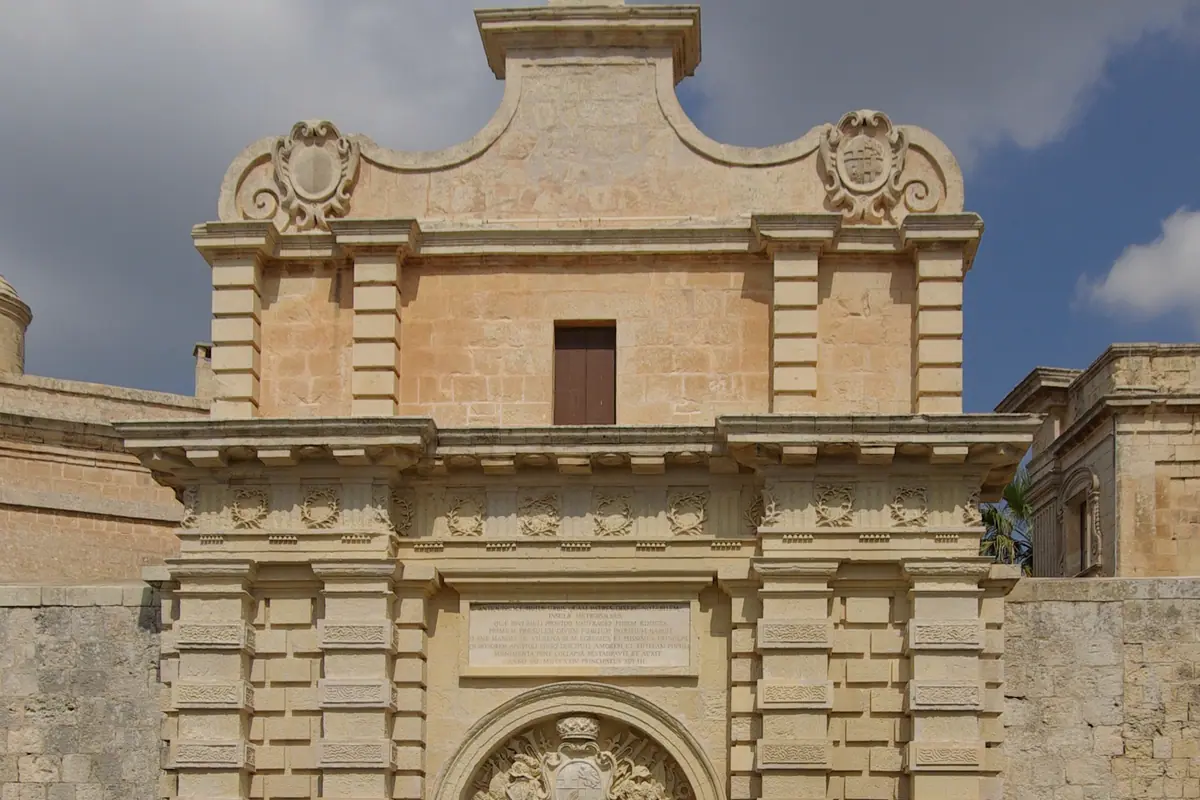
Mdina, the Silent City, sits on a hill in the middle of the island with barely three hundred residents and almost no traffic after dusk. Its honey-stone gate, the baroque interior of St Paul's Cathedral, Palazzo Vilhena and the bastion walk with views to the sea are the reason people come — and the reason they linger. Just outside the walls, Rabat holds St Paul's Catacombs and St Paul's Grotto, while the nearby Rotunda of Mosta is one of the largest unsupported domes in Europe.
Central Malta is also the gateway to the island's ancient and natural highlights: the temple complexes of Ħaġar Qim and Mnajdra on the southern coast, the Blue Grotto sea caves, the Dingli Cliffs, the wooded paths of Buskett Gardens and the walled San Anton Gardens. Many of these sit on winding rural roads, so a hire car is genuinely useful here — and essential if you stay in a converted farmhouse with a pool out among the fields.
Accommodation inland leans towards boutique guesthouses, restored village houses and small country hotels, often excellent value outside July and August. Evenings are slow and local; you will need a taxi or car to reach restaurants beyond your village, but you trade crowds for silence and stars.
The North: Mellieħa, Golden Bay and the Family Resort Coast
Malta's best sand lies in the north. Mellieħa Bay is the island's longest beach, Golden Bay and Għajn Tuffieħa offer softer dunes and quieter water just around the headland, and Ġnejna and Armier feel wilder still. The cliff paths here lead to the Red Tower of St Agatha, the natural pool known as the Coral Lagoon and the birdlife of the Għadira reserve, while Anchor Bay holds the quirky film-set village built for a 1980s musical — now a family attraction in its own right.
Bugibba and Qawra, a little further east, form the north's resort heart: a seafront promenade, boat trips to the Blue Lagoon on Comino, a national aquarium, and rows of apartment-style hotels and holiday complexes that suit families and longer stays. Buses link the area to Valletta and to the Gozo ferry terminal at Ċirkewwa, which makes it a practical base for exploring both islands.
Expect seasonal rhythms. Summer brings beach bars, watersports and full hotels; from November many seafront places reduce services or close, and the coast becomes a place for bracing walks, diving and empty sand. If you travel in winter, confirm that your hotel's pool and restaurants are actually open.
Gozo, Comino and the South: Villages, Lagoons and Fishing Harbours
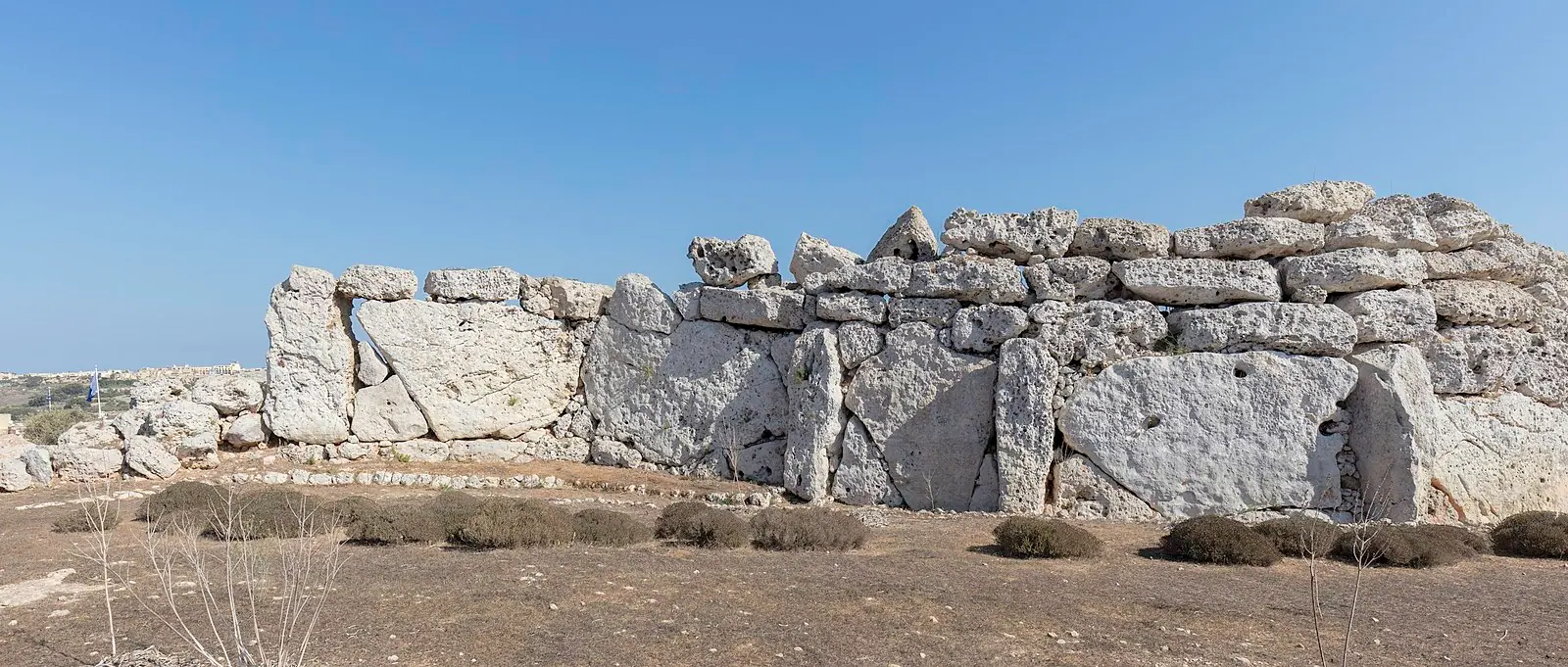
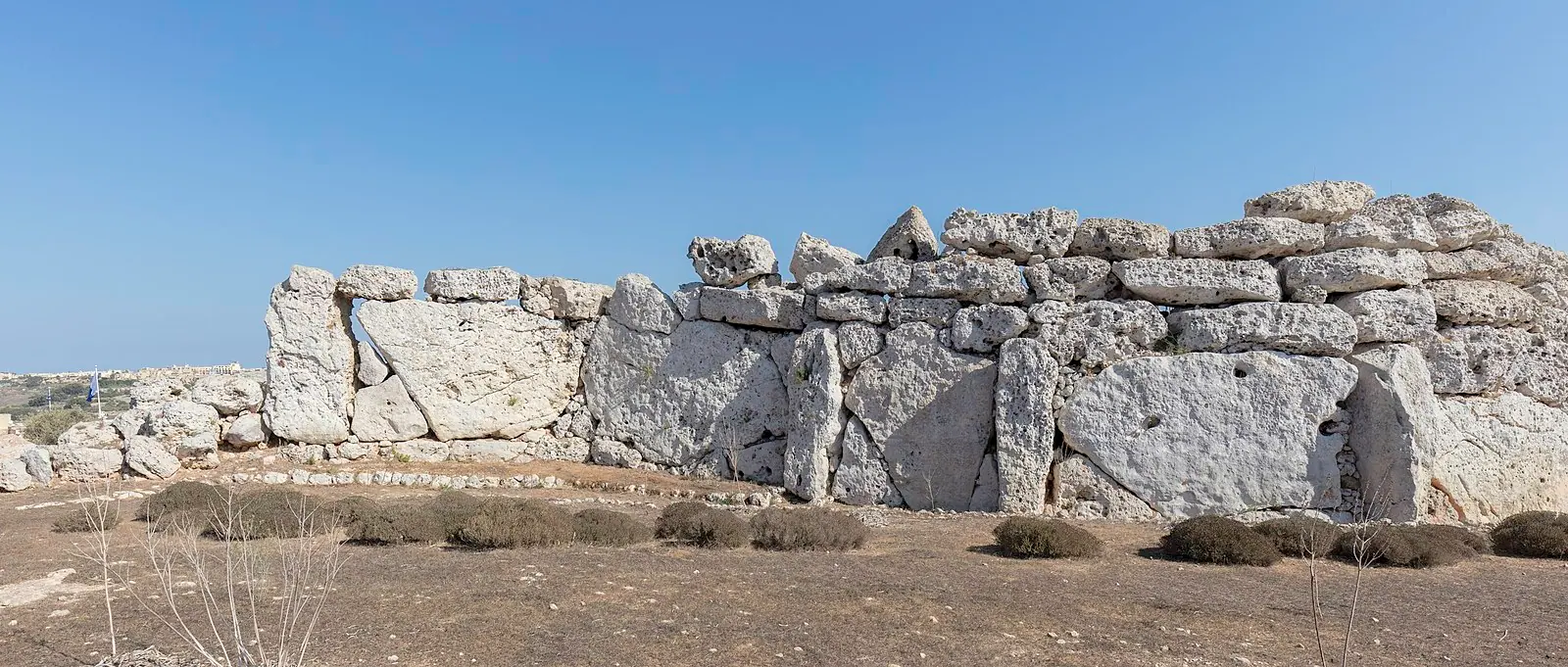
Gozo is slower, greener and noticeably more rural. Victoria's Cittadella gives panoramic views from its bastions, the Ġgantija temples are among the oldest free-standing structures on earth, and the Inland Sea at Dwejra, the red sands of Ramla Bay and the pretty inlets of Xlendi and Marsalforn fill the rest of a stay. Accommodation is dominated by converted farmhouses with private pools, small boutique hotels and village guesthouses — perfect for a week of walking, diving and long lunches.
Comino, between the two islands, has essentially one famous draw: the Blue Lagoon, whose shallow turquoise water gets very crowded between June and September. Day-trippers usually arrive by boat from the northern coast, so sleeping on Gozo and visiting early or late in the day is the smarter move.
Back on the main island, the south rewards those who skip the resorts. Marsaxlokk's Sunday fish market and painted boats, the fortified Three Cities of Birgu, Senglea and Cospicua with Fort St Angelo and the Inquisitor's Palace, and the archaeological trio of Tarxien Temples, the Hypogeum and the Grotto — all sit within a short drive. Entry to the Hypogeum is tightly limited and often booked out weeks in advance, so secure a slot before you fix your dates. Guesthouses in Birgu and seafront rooms in Marsaxlokk make atmospheric, affordable bases away from the crowds.
Frequently asked questions
Which area of Malta is best for a first visit?
Stay in Valletta if you want history, restaurants and harbour views on your doorstep; choose Sliema or St Julian's for sea-facing hotels, swimming and nightlife; pick Mellieħa or Bugibba for beaches and family resorts; and head to Gozo if you want countryside and quiet.
When is the best time to visit Malta?
May, June, September and October offer warm sea, comfortable temperatures and thinner crowds. July and August are hottest and busiest, while November to March is mild, cheap and ideal for sightseeing — though some coastal hotels close for winter.
Do I need a car in Malta?
Not if you base yourself in Valletta, Sliema or St Julian's, where buses and ferries cover most sights. A car is genuinely useful for Mdina's rural surroundings, the Dingli Cliffs, the southern temples and Gozo; remember that Maltese traffic drives on the left.
Should I split my stay between Malta and Gozo?
For a week or more, splitting three or four nights on the main island with two or three on Gozo gives you both the cities and the countryside. For shorter trips, Gozo and Comino are easy day trips — the ferry crossing from the northern tip takes around 25 minutes.
What should I book before I arrive?
Book the Ħal Saflieni Hypogeum and popular Valletta boutique hotels as early as possible, since both have limited capacity in spring and autumn. In winter, confirm that your hotel's pool, restaurant and beach facilities are open.
Sort the rest of your trip
Everything for Malta, in one place
Transfer in Malta
Private driver waiting on arrival — no queues, no surprises.
Book a transfer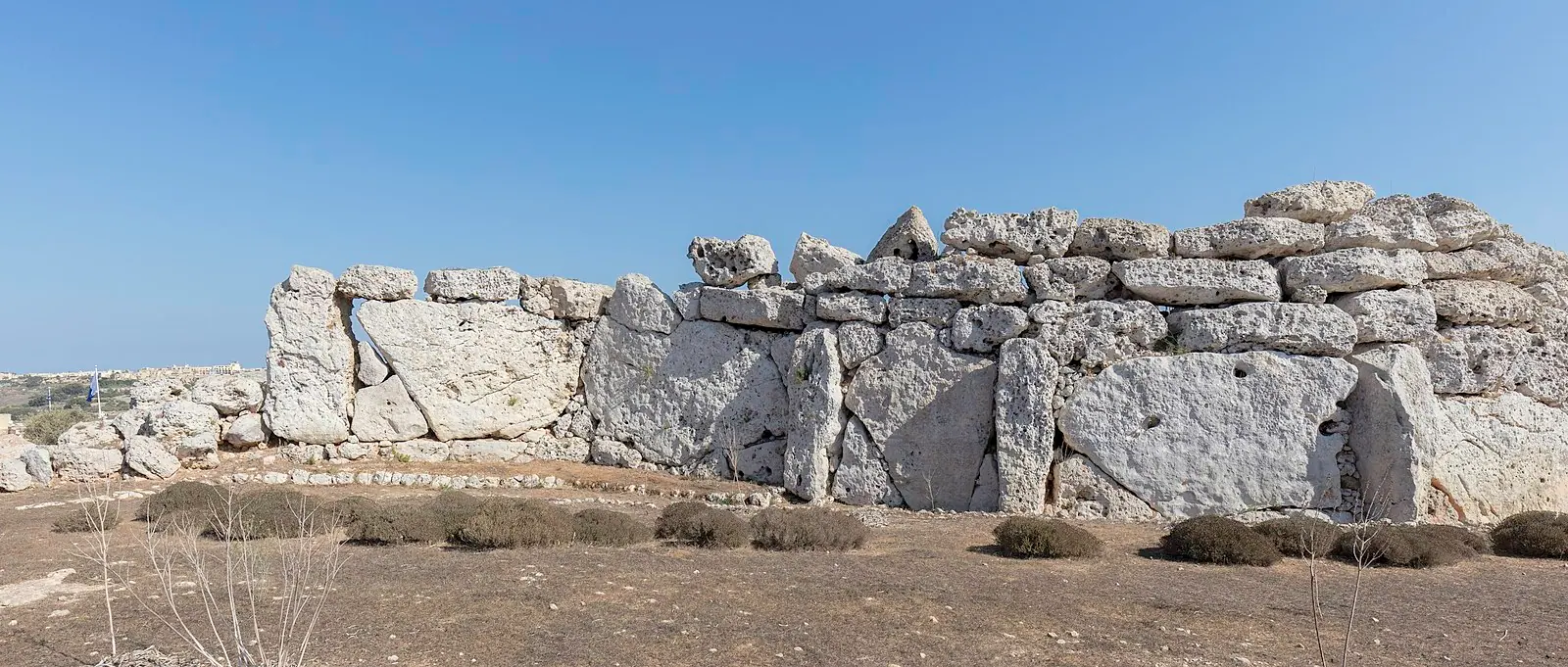
Things to do in Malta
Skip-the-line tickets, guided tours and standout experiences.
See experiences
Stay online in Malta
Travel eSIM — data the moment you land, no roaming bills.
Get an eSIM