Malta packs an improbable amount into a footprint you can cross in under an hour: a walled baroque capital, temples older than the pyramids, honey-coloured hill towns and swimming coves the colour of melted glass. The trick is knowing which of the three islands suits which mood — and which hours to claim each sight for yourself.
Valletta: A Baroque Fortress Built for Wandering
The smallest capital in the European Union is also one of the most concentrated. Valletta sits on a narrow peninsula between two harbours, laid out on a grid by the Knights of St John after the Great Siege of 1565, and its entire historic core is a listed World Heritage site. Enter through City Gate and walk downhill along Republic Street and you will pass palaces, balconied townhouses and the smell of pastizzi pastry drifting from corner shops — most of it in the space of a hilly 20-minute stroll.
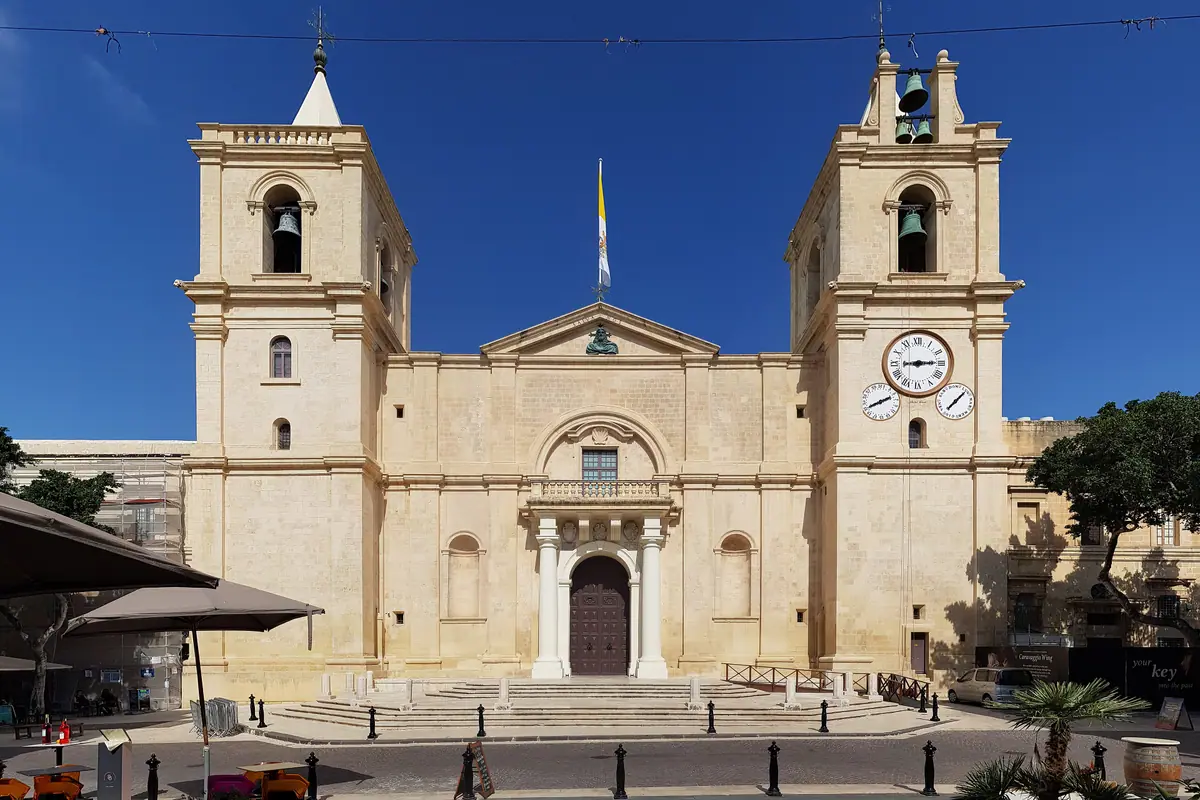
The centrepiece is St John's Co-Cathedral, deceptively plain on the outside and almost absurdly gilded within, its floor a mosaic of marble tombstones commemorating knights. In the oratory hangs Caravaggio's vast and brutal 'The Beheading of Saint John the Baptist' — the only painting he signed, and worth the entry on its own. From there, climb to the Upper Barrakka Gardens for the view over the Grand Harbour, and time your visit for the midday cannon fired from the Saluting Battery below, a ritual that still rattles the windows of the harbour towns.
At the tip of the peninsula, Fort St Elmo and its war museum tell the story of the siege that shaped the island, while the quieter Lower Barrakka Gardens offer the same panorama without the crowd. Give Valletta a full day rather than an afternoon: mornings before 10am are noticeably calmer, especially on days when cruise ships are in port, and the evenings belong to the stepped alleys around Strait Street, once a raucous sailors' quarter and now the city's bar strip. Spring and autumn are ideal, roughly 20–25°C; July and August push past 32°C and the limestone bounces heat back at you.
Mdina, Rabat and the Cliffs Beyond
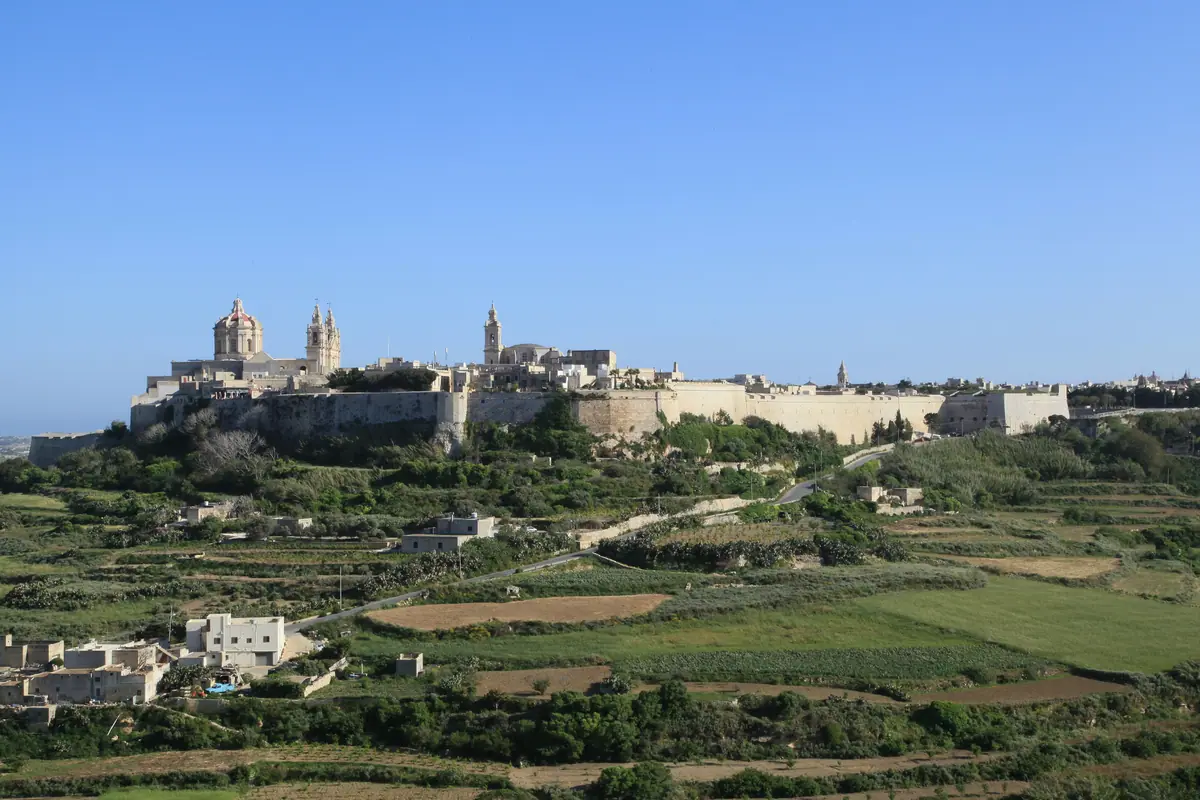
Mdina is everything Valletta is not: silent, tiny, and enclosed. Perched on a hill in the middle of the island, the old capital is ringed by bastions and largely car-free, with a population of a few hundred and lanes so narrow the houses almost touch overhead. Walk in through the Greek Gate or the main Mdina Gate and the noise of the modern island drops away. St Paul's Cathedral, the palazzi along Villegaudin Street and the bastion terrace at the far end — where you can see a third of Malta at once — are the essential stops, and an hour and a half covers the whole walled town comfortably.
Just outside the walls, Rabat is livelier and worth pairing with Mdina on the same trip. St Paul's Catacombs burrow beneath the streets in a labyrinth of first-century tombs, and the Domus Romana preserves Roman mosaics and a burial monument in the middle of an ordinary square. Save the last light for the Dingli Cliffs, a 20-minute drive away, where the limestone drops around 250 metres to the sea. There is no beach, no café strip — just wind, a tiny chapel and one of the best sunset spots in the country.
Timing matters here. Mdina is mobbed between 11am and 3pm and eerily empty after dark, when lamplight makes it genuinely feel like the Silent City its nickname promises. Late afternoon into early evening is the sweet spot: cooler, gold-lit, and much quieter. Distances are short, so a half-day covers Mdina and Rabat in depth, with Dingli and the wooded Buskett Gardens tacked on if you have a car.
Prehistoric Malta: Temples, Tombs and the Hypogeum
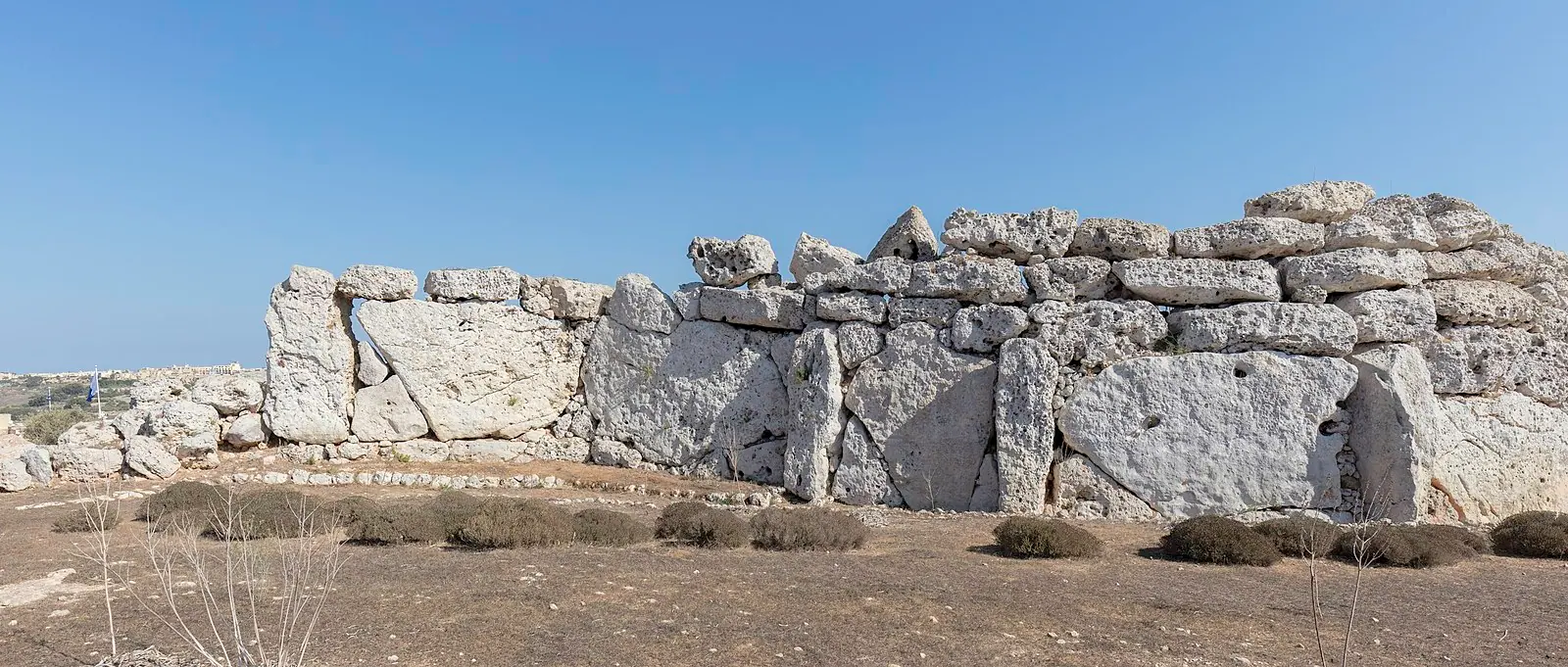
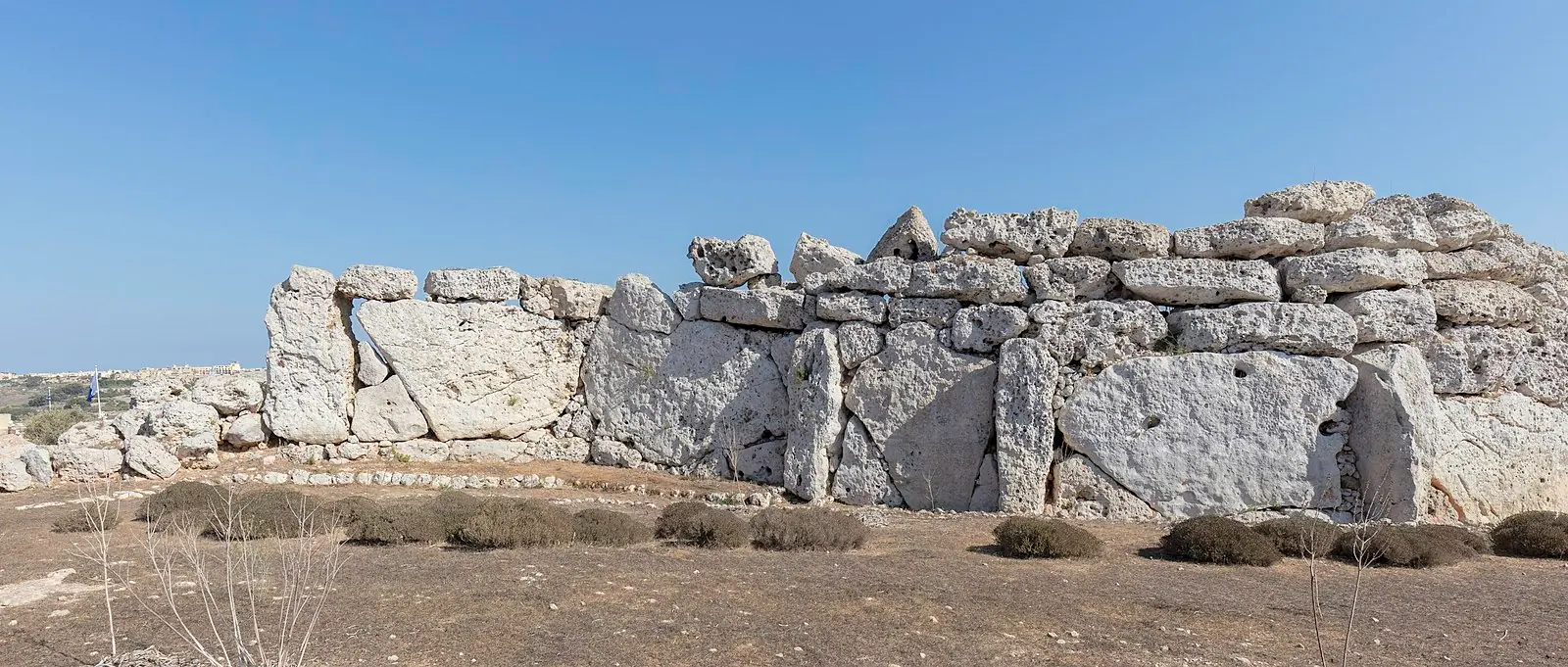
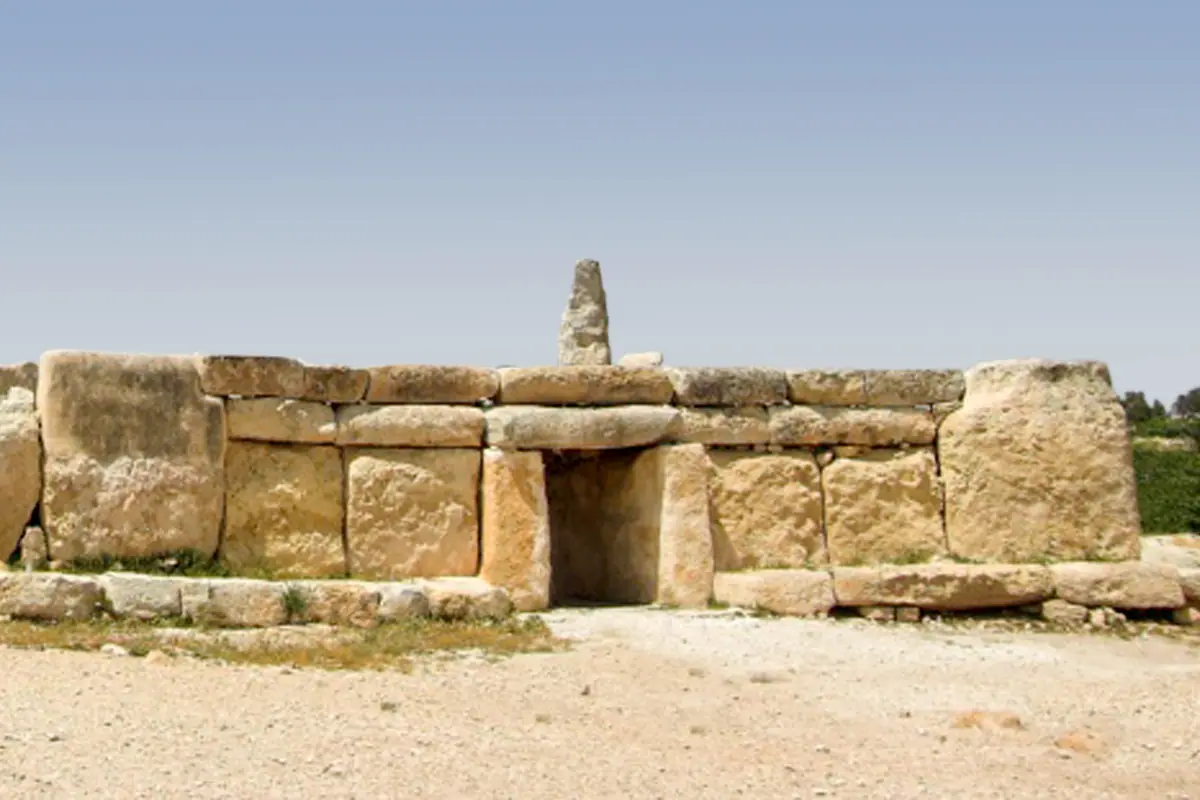
Malta's oldest attractions predate almost everything else in Europe. The temple complex at Ħaġar Qim and Mnajdra, on a clifftop above the islet of Filfla, was raised between roughly 3600 and 3200 BC — megaliths up to several metres long, fitted without mortar, aligned so that sunlight strikes particular stones at the equinoxes. The two sites sit about 20 minutes' walk apart on a coastal path, linked to a visitor centre, and the setting is as much of a draw as the archaeology.
Inland, the Tarxien Temples near Paola show the same culture in a more urban context, with spiral carvings and a colossal statue of a skirted figure. The most extraordinary site of all, though, is underground: the Ħal Saflieni Hypogeum, a three-level rock-cut burial complex carved around 4000 BC and rediscovered by accident in 1902. Access is tightly controlled to protect the carved chambers and the famous red-ochre 'Sleeping Lady' figure, with only a handful of visitors admitted each hour. Tickets must be secured weeks, sometimes months, ahead — this is the one thing in Malta that genuinely requires forward planning.
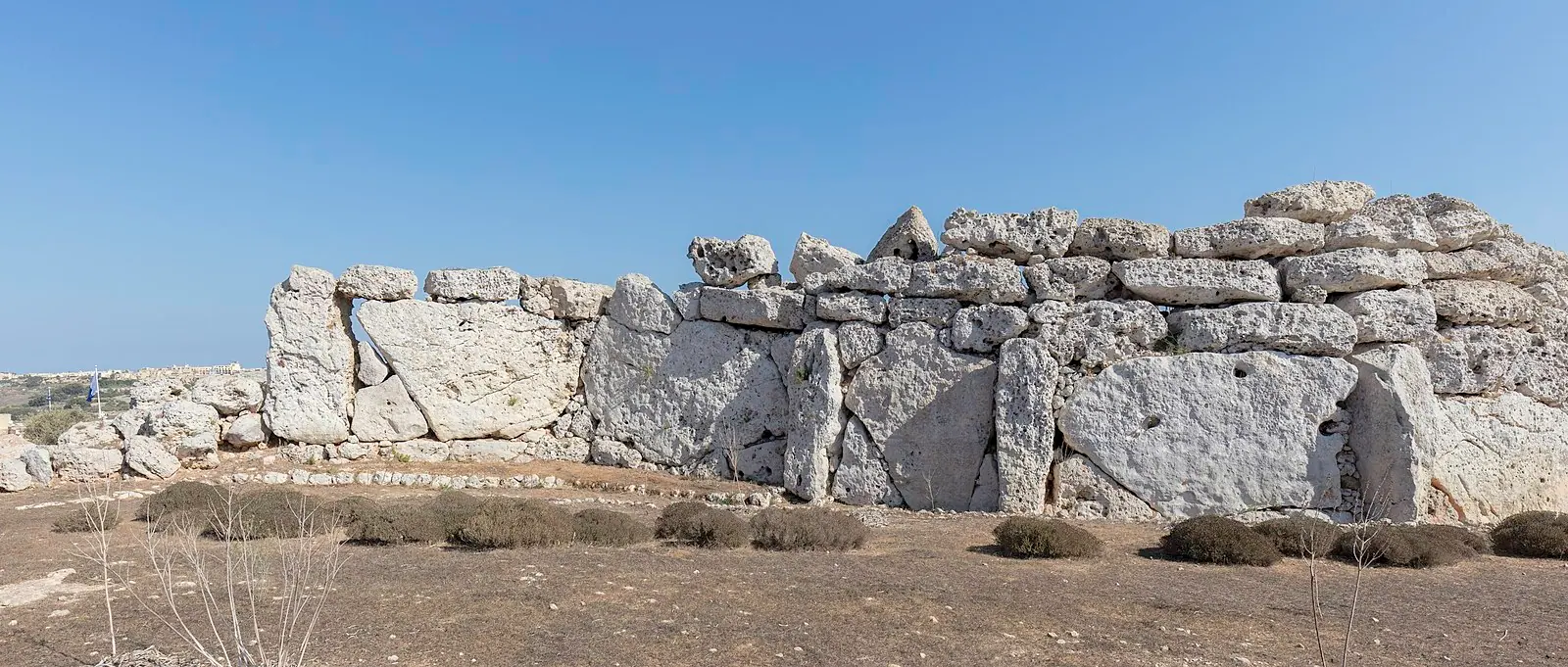
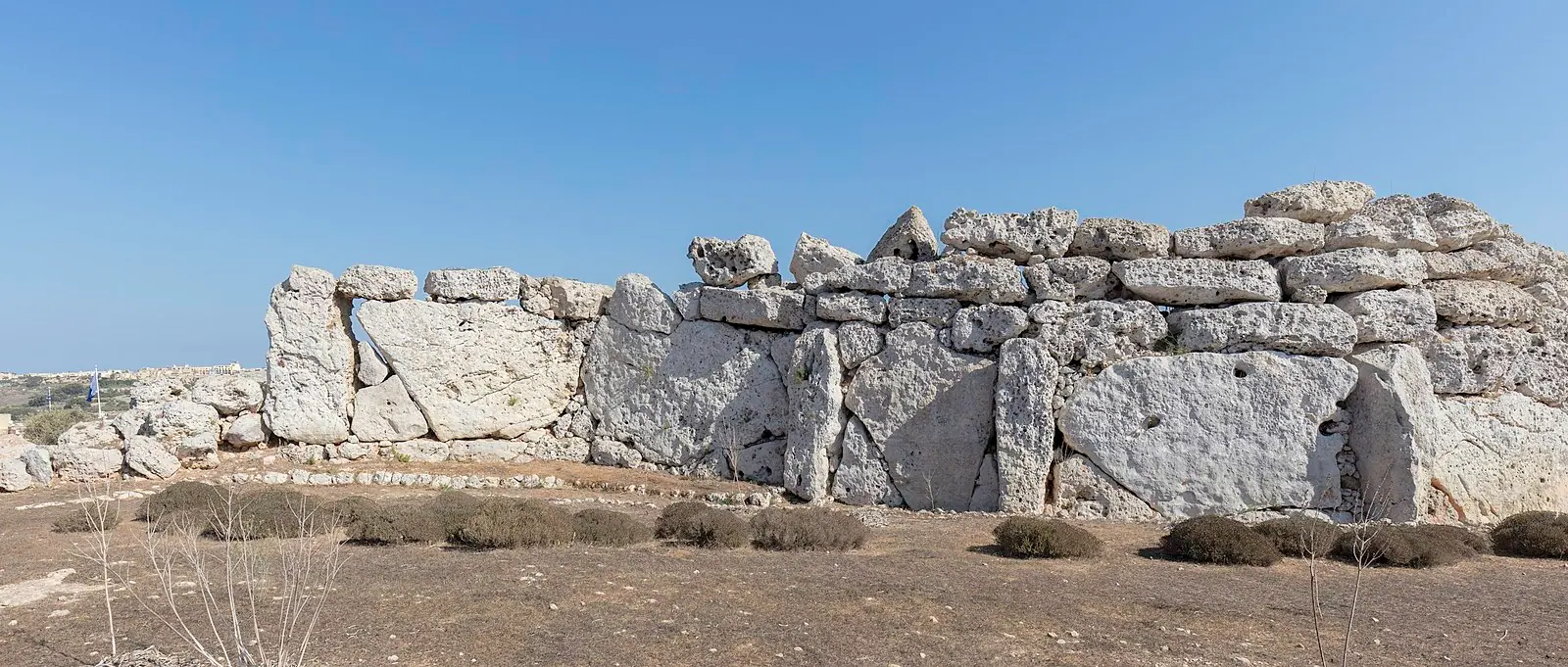
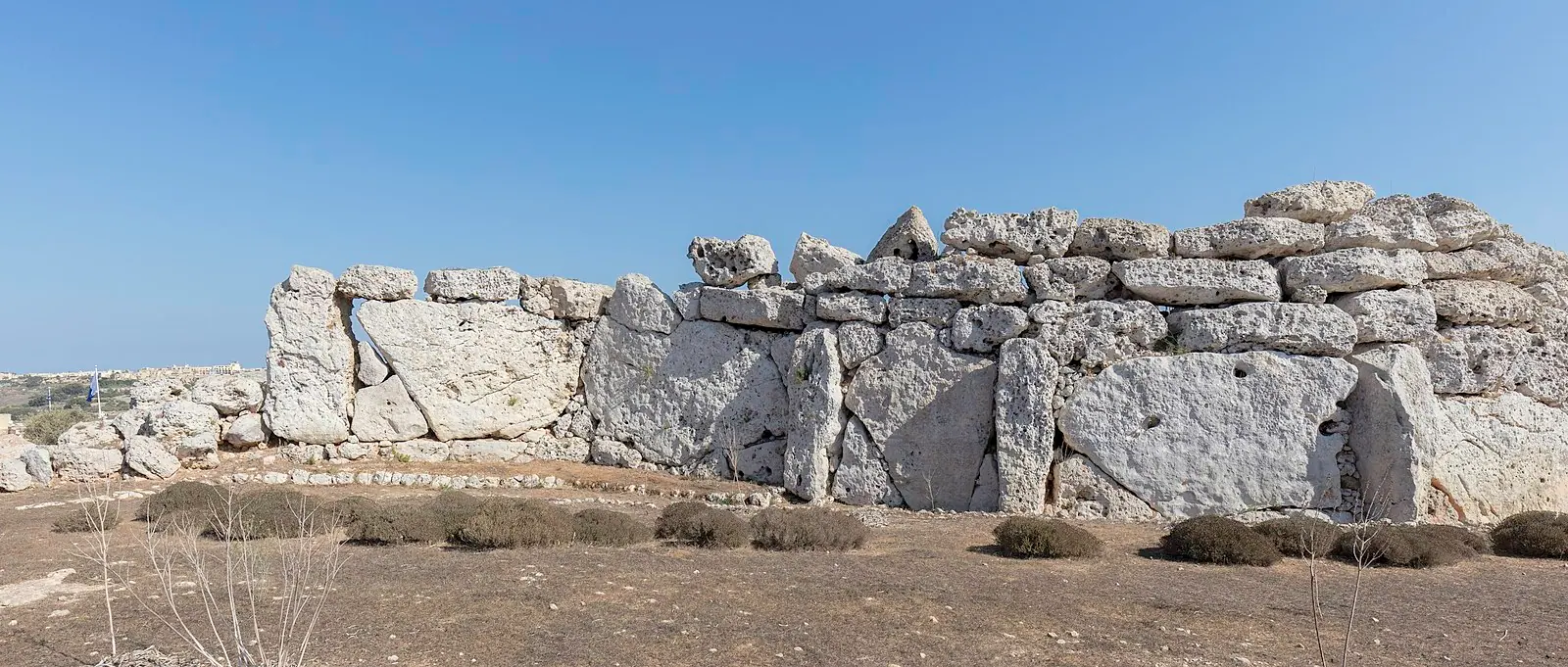
Ġgantija on Gozo completes the set: two temples built around 3600 BC, making them older than Stonehenge and the pyramids of Giza. Between October and April the sites are pleasant to walk between; in high summer, go at opening time, wear a hat and carry more water than you think you need, because there is almost no shade on the temple clifftops.
Blue Coves, Swimming Spots and Diving
Malta's coastline is its playground, and the shapes it takes are wildly varied. Near Żurrieq, the Blue Grotto is a cluster of sea caves where the water glows an unnatural cobalt; short boat trips run from the little harbour below the road, best taken on calm mornings when the light is right. On the south-east coast, St Peter's Pool is a natural limestone swimming basin near Marsaxlokk, reached by a short walk over bare rock — no facilities, unforgettable water.
North and west, the beaches are sand rather than stone. Mellieħa Bay is the island's longest and best set up for families, with shallow water that stays warm into October, while Golden Bay just along the coast is smaller, prettier and busier at sunset. Comino's Blue Lagoon, between Malta and Gozo, is the picture everyone has seen: a shallow turquoise channel over white sand. It genuinely looks like that, but by 11am in July and August it also holds hundreds of people. Go on the first boat of the day, stay late, or visit in May and September instead.
For divers, Malta is a serious destination rather than a novelty. Visibility often reaches 20–30 metres, and the list of sites is long: the patrol boat P29 and the tugboat Rozi off Ċirkewwa, the wreck of the tanker Um El Faroud off the south coast, and the shallow wreck in Marsamxett Harbour beside Valletta. Water temperatures run from around 16°C in January and February — a drysuit or thick wetsuit affair — to a bath-like 26°C in August. Dive centres cluster around Buġibba, St Julian's and Marsalforn on Gozo, and most run introductory sessions for complete beginners.
Gozo and Comino: The Slower Islands
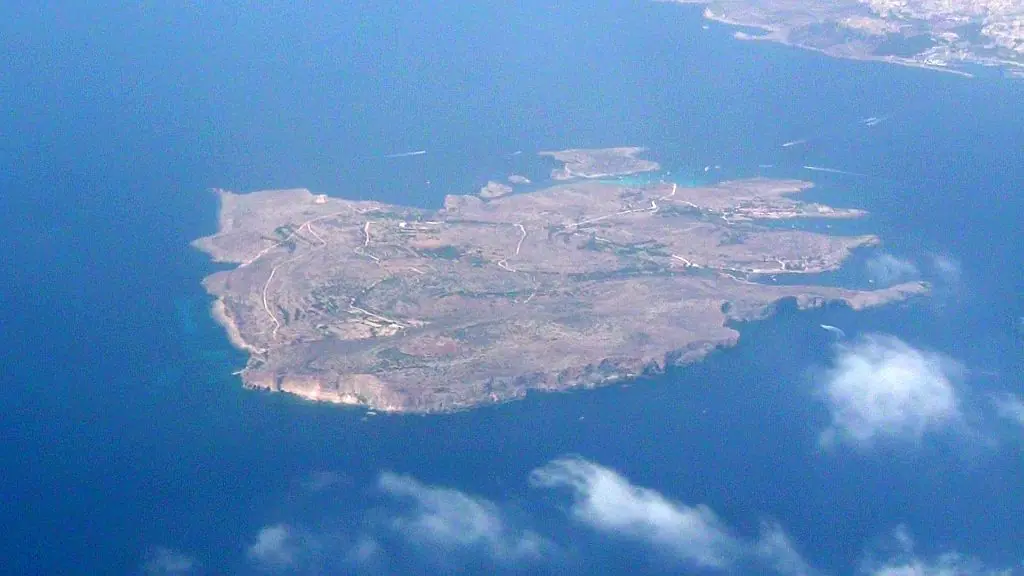
Twenty-five minutes by car ferry from Ċirkewwa, Gozo feels like a different country. It is greener, more terraced, more agricultural, and its villages still run on festa time. Victoria, the island's small capital, is built around the Cittadella, a fortified citadel on a hill with a cathedral, winding lanes and sweeping views from its ramparts — climb up in the late afternoon for the best light.
Elsewhere on Gozo, the archaeology of Ġgantija sits in Xagħra, the basilica of Ta' Pinu stands isolated in open fields, and the coast hides some of the best swimming on the archipelago: the red sand of Ramla Bay, the sheltered inlet of Xlendi, and the narrow, cliff-flanked channel at Wied il-Għasri, which feels like a secret even when it is not. At Dwejra the famous Azure Window collapsed into the sea in 2017, but the Inland Sea, the boat trips through the cave and the dramatic diving beneath the former arch remain.
Comino, between the two larger islands, is almost entirely car-free and walkable, with the Blue Lagoon on one side and the quieter, sandier Santa Marija Bay on the other. A day trip is enough, and the last ferries back leave in the late afternoon — miss them and you will be paying for a very expensive water taxi. Allow two nights on Gozo if you want to see it without rushing.
The Three Cities, Marsaxlokk and Malta's Festival Calendar
Across the Grand Harbour from Valletta, the Three Cities — Birgu, Senglea and Cospicua — are where Maltese history actually happened, and they remain largely overlooked. Birgu (Vittoriosa) is the highlight: the fortified bulk of Fort St Angelo, the Knights' first headquarters, the Collachio's narrow streets and the maritime museum along the waterfront. A traditional wooden boat crosses from Valletta's waterfront in a few minutes and costs less than a coffee. Senglea's Gardjola Gardens give you the postcard view back towards the capital.
On the south-east coast, Marsaxlokk is a working fishing village rather than a resort, with brightly painted luzzu boats bobbing in the harbour and a Sunday morning fish market that draws locals from across the island. Pair it with St Peter's Pool or the quiet coves nearby. Inland, the Rotunda of Mosta is one of the largest unsupported church domes in the world, and its walls hold the story of a wartime bomb that fell through the roof during a service and failed to explode.
The calendar is worth planning around. Village festas run from May to September, each with processions, band clubs and fireworks that shake the whole valley. Carnival takes over Valletta in February, Notte Bianca opens the city's buildings for one long October night, and the Malta Jazz Festival brings international names to the waterfront in July. If you want atmosphere without the heat, late April to early June and September to mid-October are the two windows that consistently deliver: warm sea, mild air, and enough space to enjoy it.
Frequently asked questions
When is the best time to visit Malta?
Late April to early June and September to mid-October are the sweet spots — sea temperatures around 22–25°C, daytime air in the low to mid twenties, and far fewer people than in high summer. July and August are hot (30°C+), crowded and expensive, while December to February is mild but windy, with around 15°C and occasional heavy rain.
How many days do you need in Malta?
Four to five days covers the essentials comfortably: one full day in Valletta, a half-day for Mdina and Rabat, another for the prehistoric temples and the Hypogeum, and a day for the coast or the Blue Grotto. Add two nights on Gozo if you want to slow down rather than tick sights off.
Do you need a car in Malta?
Not strictly. The bus network reaches almost every major sight from Valletta, and driving is on the left with famously aggressive traffic and very limited parking in Valletta and Mdina. A car — or a taxi — pays off for the Dingli Cliffs, the south coast coves and Gozo, where buses are slower and less frequent.
Is Gozo worth a day trip?
Yes, but it is better as an overnight. The ferry from Ċirkewwa takes about 25 minutes, so a day trip gives you the Cittadella in Victoria, one temple site and one beach at a rushed pace. Two nights lets you add Ramla Bay, Dwejra, Wied il-Għasri and a proper Gozitan dinner.
Do you need to book the Hypogeum in advance?
Absolutely. The Ħal Saflieni Hypogeum admits only a small number of visitors per hour to protect the carved chambers, and slots sell out weeks or months ahead in spring and autumn. If it is full, the Ħaġar Qim, Mnajdra, Tarxien and Ġgantija temple sites are all open with far more flexibility.
Is Malta good for swimming and diving?
Both. Swimming is possible from May to October, with Mellieħa Bay, Golden Bay, St Peter's Pool and the Blue Lagoon as the standout spots. Diving runs year-round, with visibility often 20–30 metres, wreck sites such as the P29 and the Um El Faroud, and centres concentrated around Buġibba, St Julian's and Marsalforn.
Plan it — experiences in Malta
Live search, booked directly with trusted providers.
Sort the rest of your trip
Everything for Malta, in one place

More guides in Malta
Top Things to Do in Malta: Landmarks, Temples and Blue Lagoons
Malta Food, Culture and Local Experiences: A Tour Guide to the Island's Real Character
Best Time to Visit Malta: Weather, Sea Temperatures and Where to Stay
Where to Stay in Malta: Best Areas, Hotels and Must-See Attractions