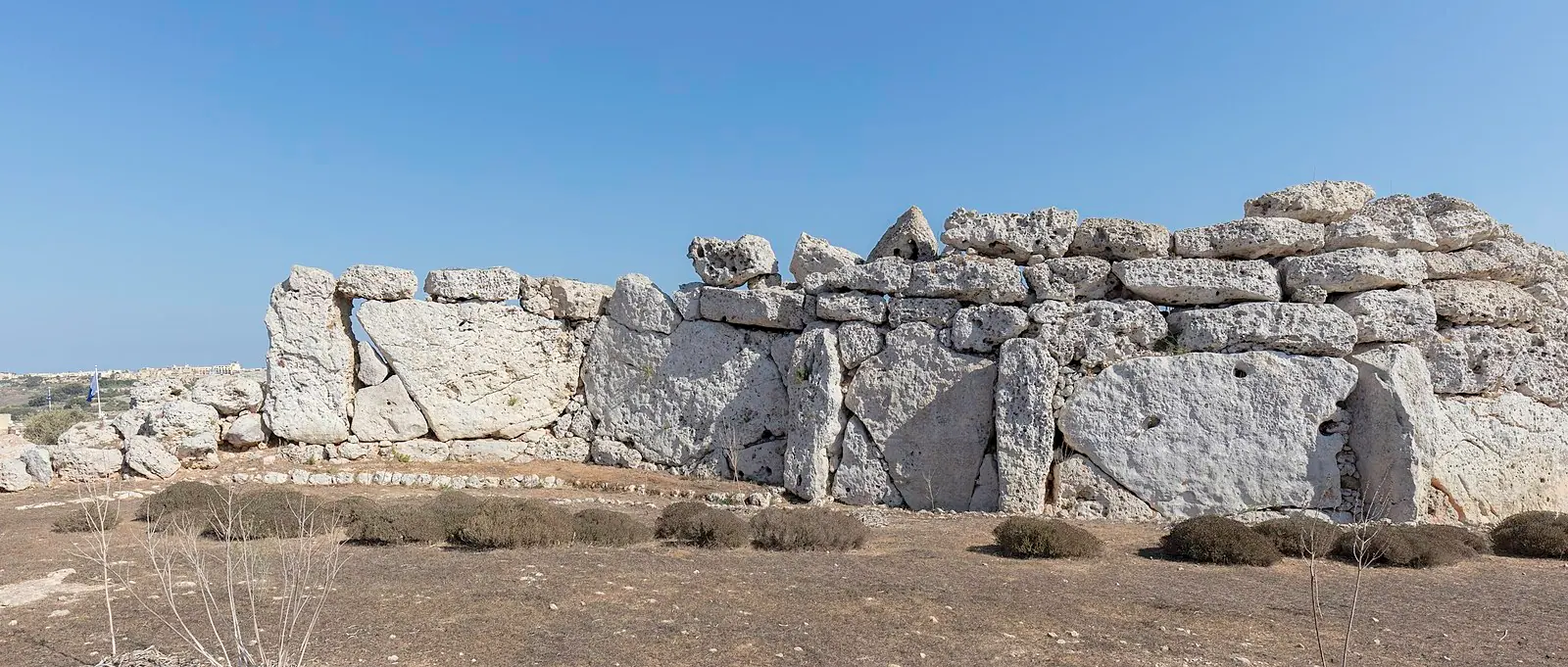
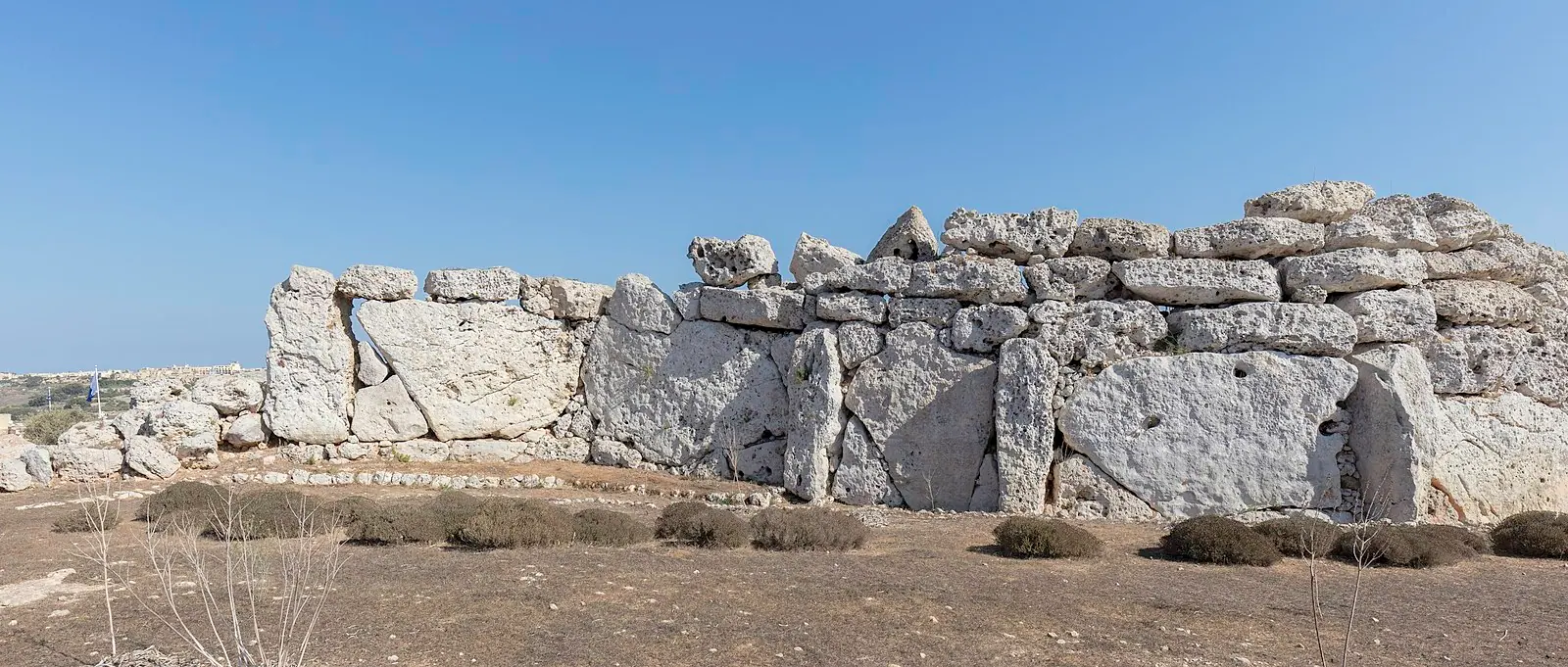
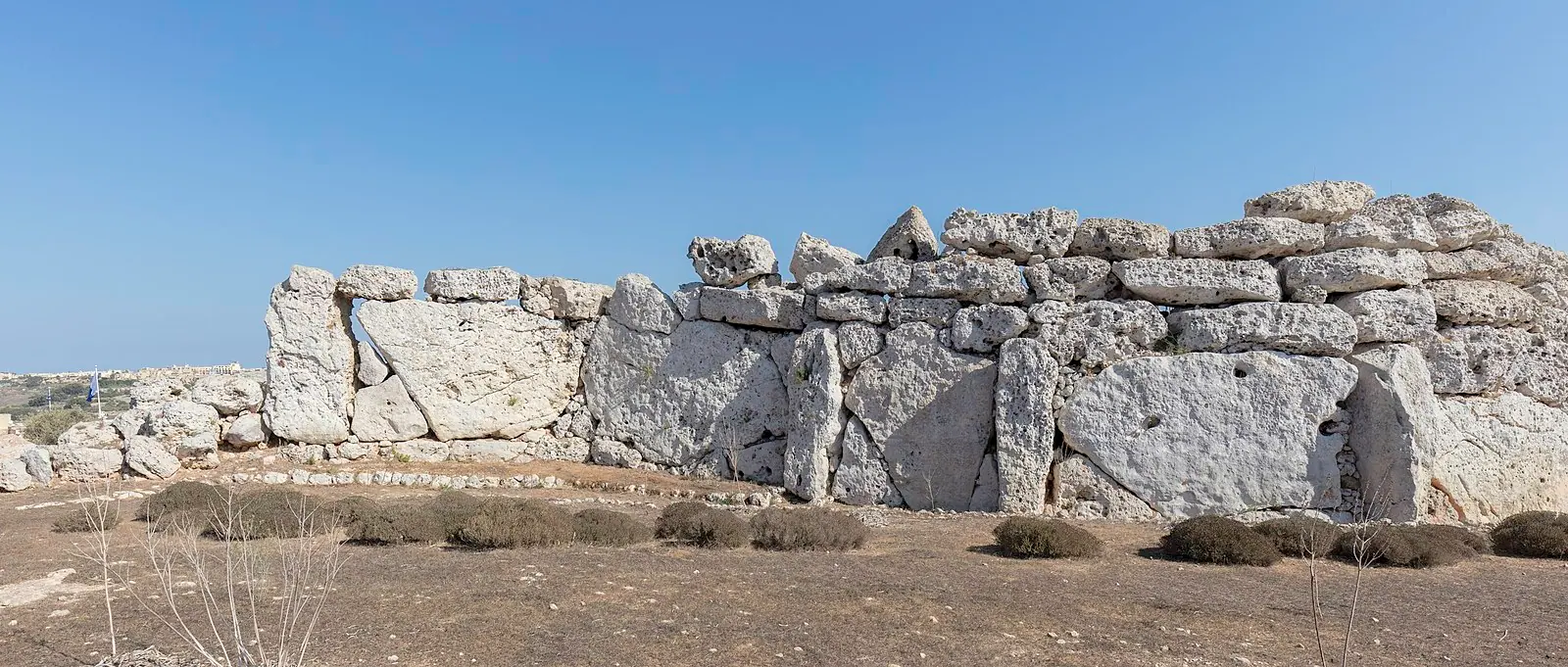
Malta is a small island with a big seasonal swing: the same limestone bastions that bake under a fierce August sun become a gentle, walkable labyrinth by November. Get the timing right and you'll swim in glass-clear water in the morning and wander 5,000-year-old temples in the afternoon without a single elbow in your photo.
Malta's Sweet Spots: When Weather, Sea and Crowds Finally Align
Malta sits roughly 90 kilometres south of Sicily, which means North African heat in summer and a mild, breezy winter that rarely dips below 10°C at night. The island is compact enough to cross by car in about 45 minutes, so wherever you sleep you're never far from anywhere. What really changes with the calendar is the texture of a trip: how hot the afternoons feel, whether the sea is inviting or merely beautiful, and how long the queue is outside the places you actually came to see.
Two windows stand out. Mid-April to mid-June brings daytime highs in the low-to-mid twenties, wildflowers on the cliffs, and a coast that's quiet enough to have a rocky swimming spot to yourself. Then late September through October delivers the mirror image: the sea still holds summer's warmth, the light turns honey-coloured, and the crowds thin out without the island shutting down. Both periods give you long, golden evenings and comfortable walking weather for Valletta's steep, stepped streets.
The extremes are worth understanding rather than avoiding. July and August are relentlessly hot and humid, with afternoon temperatures often pushing into the mid-thirties and nights that stay muggy — but that's also when the sea is at its silkiest and the village festas are in full swing. December to February is cool, occasionally wet and gloriously under-visited, though you'll want a hotel with proper heating rather than just air conditioning, which is what most rooms are built around.
Spring: Temple Season Without the Crowds
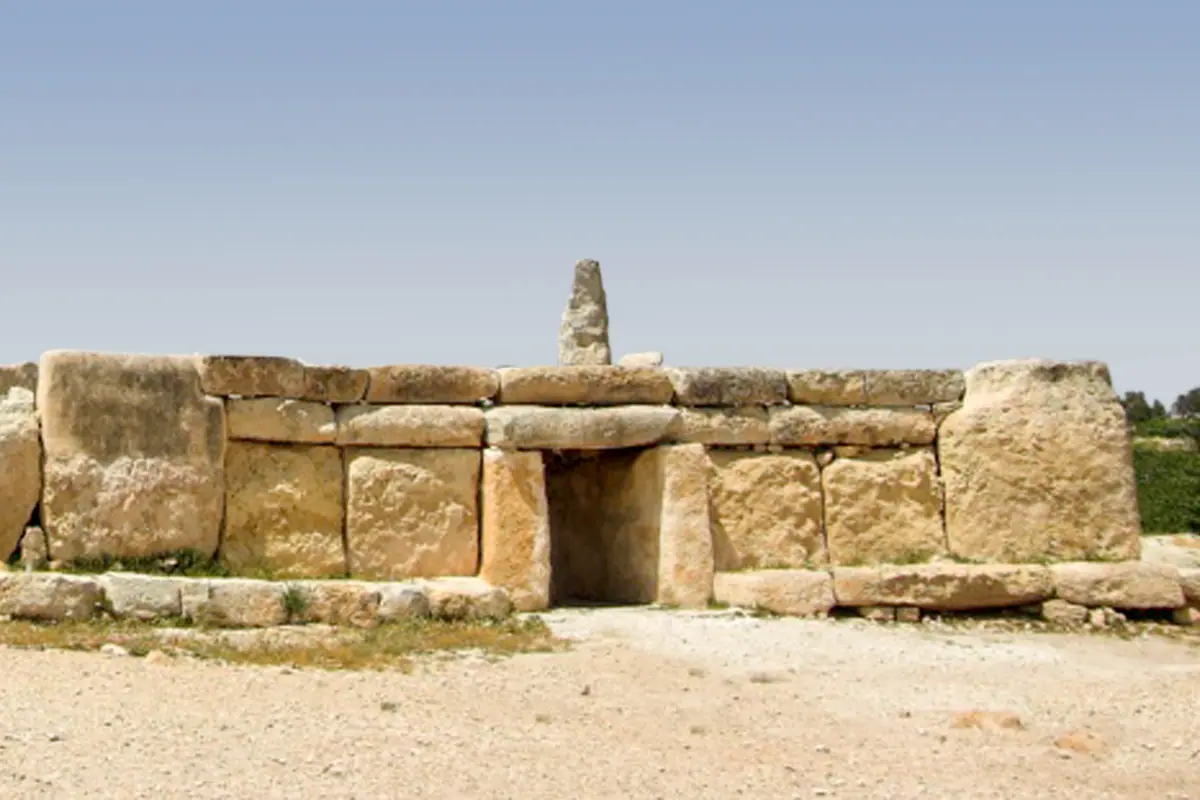
Spring is when Malta's prehistoric side becomes genuinely enjoyable. At Ħaġar Qim and Mnajdra, two monumental temple complexes perched above the sea on the south coast, there's almost no shade, so a mild April or May morning is by far the kindest time to study the carved spirals and the tiny oracle hole that lets the equinox sunrise beam through. The same logic applies to the Ħal Saflieni Hypogeum, the underground necropolis in Paola — timed-entry visits sell out weeks ahead in high season, so booking early matters more than the month you choose.
Above ground, this is the season for Mdina and neighbouring Rabat. The silent, car-free hilltop city is a pleasure at any time of year, but in spring the honey-coloured walls glow rather than glare, and you can walk the ramparts and the narrow lanes past St Paul's Cathedral without the mid-summer press of day-trippers. Rabat's Roman villa and the labyrinth of St Paul's Catacombs make an easy half-day pairing.
Hotel-wise, spring is the last chance to grab a good room at a sane rate before peak pricing kicks in. Coastal properties in Sliema and St Julian's start filling from Easter onwards, and Gozo's converted farmhouses in Xagħra and Għarb — thick-walled, cool, often with a private pool — are at their most pleasant, because you can actually use the outdoor space without wilting.
Summer: Festas, Blue Water and Peak-Season Booking
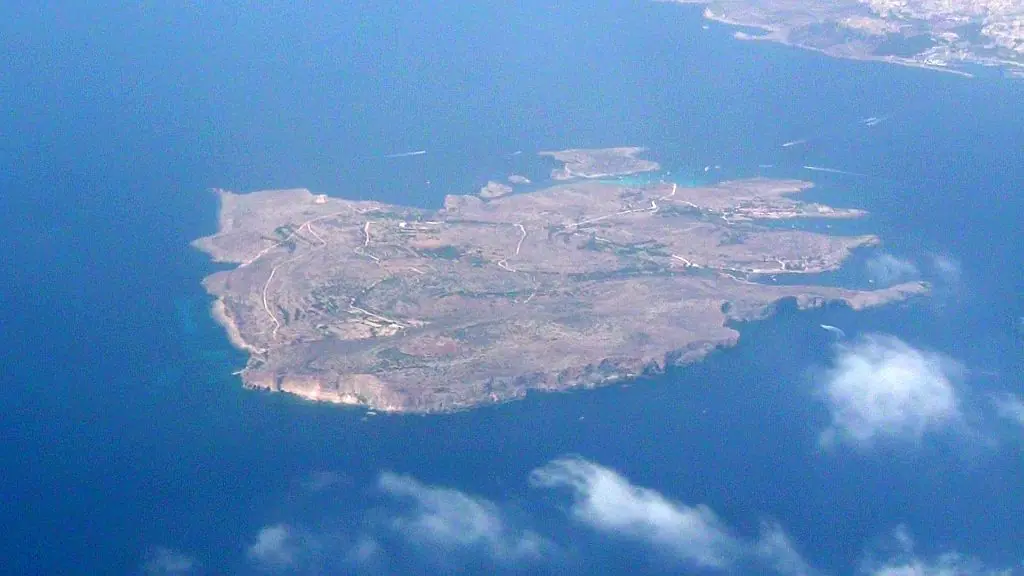
Summer in Malta is loud, bright and unapologetically Mediterranean. The Blue Lagoon on Comino turns an almost unreal shade of turquoise, and the ferries and boat trips that reach it are packed from late June to early September; arrive on the first crossing of the day or stay overnight on the island if you want the place to yourself. On the main island, Golden Bay, Għajn Tuffieħa and Mellieħa Bay are the sandy standouts, while Gozo's Ramla Bay offers the rare combination of red-gold sand and a shallow, family-friendly shelf.
This is also festa season, and it's the single best reason to tolerate the heat. Almost every village celebrates its patron saint with band marches, fireworks and street food, and the smaller feasts are far more atmospheric than anything staged for visitors. The Feast of St Peter and St Paul on 29 June, the Mnarja celebrations in the wooded Buskett area, and the August festivities across Gozo all fall in this window. Evenings are when summer works best: the heat breaks, the squares fill, and Valletta's waterfront bars stay busy past midnight.
The trade-off is accommodation. July and August are when Maltese families, Italian visitors and language students all arrive at once, so hotels in St Julian's, Sliema and Buġibba are booked solid and prices climb steeply. Book three to six months ahead, and if you're sensitive to heat, prioritise a room with strong air conditioning, a sea breeze from the north coast, or a rooftop pool rather than one buried in an inland street.
Autumn: The Locals' Favourite Season
Ask a resident when they'd choose to show a friend around, and September or October usually wins. The sea stays warm well into autumn — often warmer than it was in June — while the air cools to a comfortable mid-twenties. Beaches empty out after the first week of September, boat trips to the Blue Grotto near Wied iż-Żurrieq run on a relaxed schedule, and the Ħaġar Qim and Mnajdra temples are once again walkable in the middle of the day.
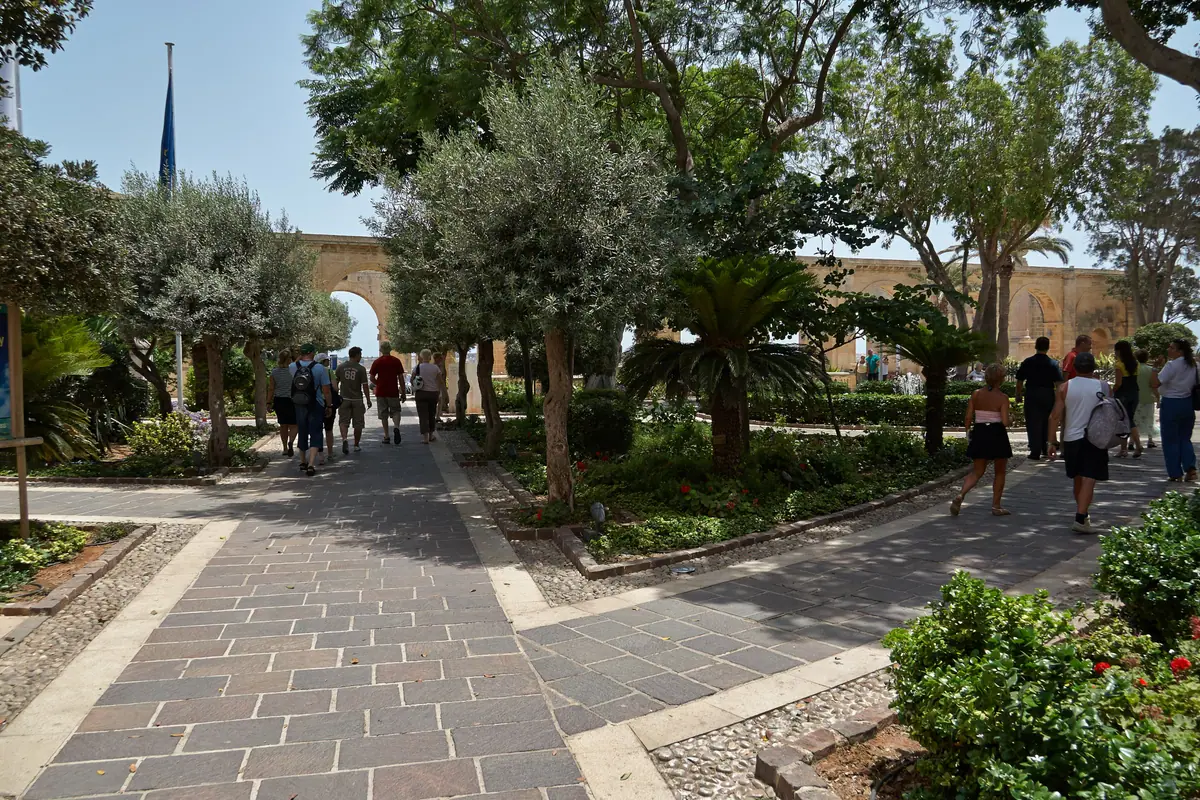
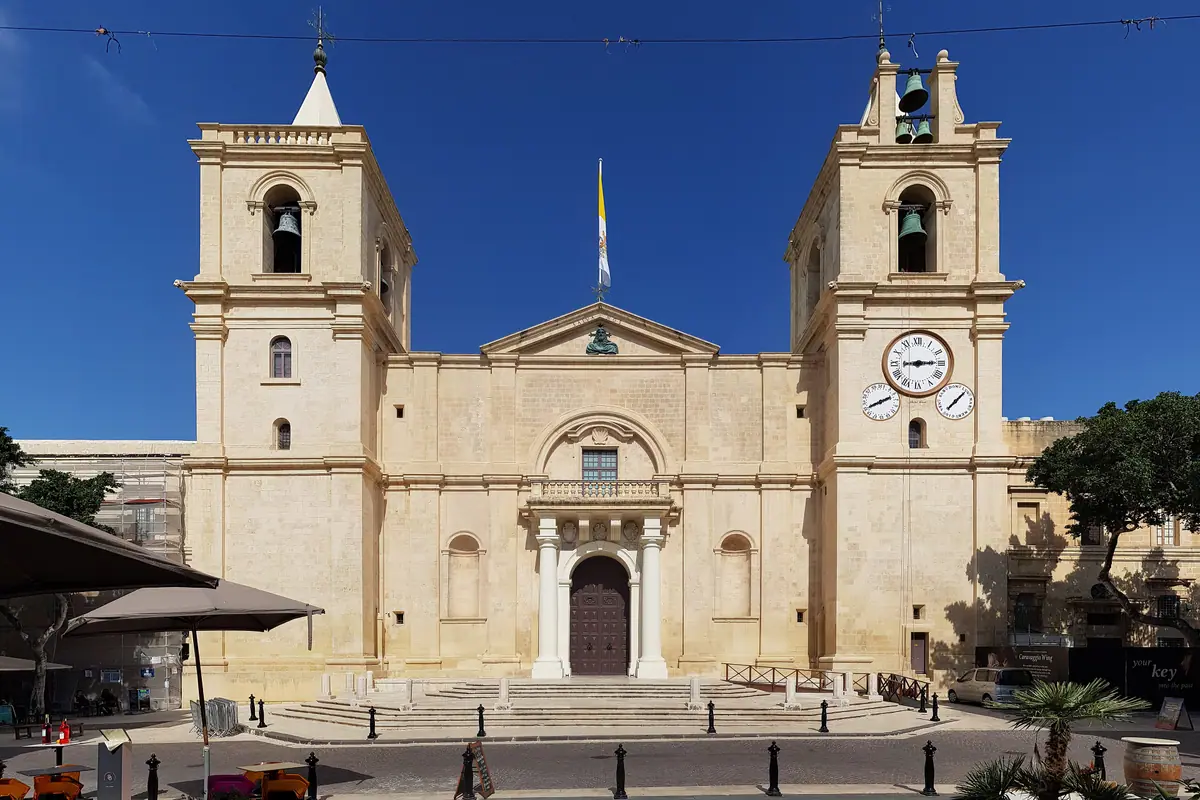
Valletta comes into its own now. St John's Co-Cathedral, with its gilded interior and the two Caravaggio paintings in the oratory, is cooler and calmer than in August; the Grand Master's Palace and the armoury next door are easier to absorb slowly. The Upper Barrakka Gardens, with its terrace over the Grand Harbour and the midday gun salute, becomes a genuinely restful place to sit rather than a scrum. Fort St Elmo and the National War Museum, plus the neighbouring Three Cities of Birgu, Senglea and Cospicua, make a full day that most summer visitors are too hot to attempt.
October also brings one of the island's best nights out, when Valletta throws open its palazzos, churches and courtyards for a city-wide evening of performances and exhibitions. Hotel rates dip sharply after the first week of the month, making this the sweet spot for anyone who wants boutique Valletta stays, harbour-view rooms in Sliema, or a quiet farmhouse on Gozo at a fraction of summer prices. Pack a light layer for evenings and one rain jacket; autumn showers arrive suddenly and pass just as fast.
Winter: Mild Days, Empty Streets and the Best Value
Winter in Malta is a different island. Daytime temperatures hover in the mid-teens, almond trees blossom in January, and you can walk the entire length of Mdina's ramparts, explore the Ġgantija temples on Gozo, or stare out from the Dingli Cliffs without sharing the view. This is the season for the archaeological and architectural sights — the Tarxien Temples, the Rotunda of Mosta with its vast unsupported dome, and Gozo's Citadel in Victoria, which has sweeping views across the whole island and almost no queue.
Rain does fall between November and March, usually in short, heavy bursts rather than all-day drizzle, and the wind off the sea can be bracing. Build flexibility into your days: pair an indoor morning at the National Museum of Archaeology with an afternoon outdoors when the sky clears. Sea swimming is possible for the hardy, though the water drops to around 15°C and most swimming is confined to hotel pools.
The compensations are real. Carnival in February turns Valletta and Nadur into costumed, slightly chaotic street parties; Christmas brings elaborate crib displays and processions; and hotel prices across the island fall to their lowest, with upgrades to sea-view rooms often costing nothing extra. Check two things before booking: whether the property has heating and a restaurant open out of season, since many coastal hotels in Buġibba and Mellieħa scale back their services between November and March.
Choosing Your Base: Where to Sleep by Season and Style
Valletta is the choice for first-timers who want to walk out of their door into history. Many of its hotels are converted townhouses behind unassuming facades, which means steep stairs, thick walls and small but beautiful rooms — ask about lift access if you have heavy luggage. Spring and autumn are ideal here; in high summer the stone streets trap heat, so a property with a rooftop terrace or a courtyard pool is worth paying more for.
For sea views and easy swimming, Sliema and St Julian's offer the widest range of larger hotels and apartment-style stays, with promenades, lidos and ferries to Valletta on the doorstep. St Julian's suits nightlife and late dining; Sliema is quieter and better for families who still want shops and cafés nearby. Further north, Mellieħa Bay, Għadira and Qawra specialise in resort-style properties with pools and shallow, sandy beaches — the most forgiving option if you're travelling with young children in July or August.
Gozo rewards anyone staying more than four nights. Farmhouses in Xewkija, Xagħra and Għarb come with private pools and stone walls that stay cool without air conditioning, and the island's slower pace suits spring and autumn perfectly. For a short, atmospheric stay, consider Mdina or Rabat, where you can wander the silent city after the day-trippers leave, or Marsaxlokk if you want to wake up to the sight of the fishing boats and eat lunch by the harbour. Wherever you book, reserve early for June to September, confirm air conditioning or heating depending on the season, and check whether airport transfers are included — the drive is short, but late-night arrivals are easier with one arranged in advance.
Frequently asked questions
What is the best month to visit Malta overall?
May, June, September and October offer the best balance of warm but not punishing weather, swimmable sea and manageable crowds. June and September are the standout picks: the water is warm, the days are long, and the island hasn't yet reached its August peak.
Is it warm enough to swim in Malta in October?
Yes. The sea retains summer heat and typically stays comfortable into late October, often warmer than the air temperature. Early October is ideal for swimming, snorkelling and boat trips; by the end of the month, the water starts to cool and windy days become more common.
Is August too hot and crowded for a Malta holiday?
It's the hottest and busiest month, with humid nights and heavy demand for hotels, beaches and boat trips. If you go, choose a north-coast base such as Mellieħa Bay for the sea breeze, book accommodation months ahead, sightsee early in the morning, and save Valletta's museums and churches for the middle of the day.
Which part of Malta should I stay in for a first visit?
Valletta puts the main historic sights within walking distance and suits spring and autumn trips. Sliema and St Julian's are better for sea views, ferries and evening life, while Mellieħa Bay and Qawra work best for families wanting sandy beaches and resort facilities. Gozo is the pick for a slower, longer stay.
When are Malta hotels cheapest?
November through March, excluding Christmas, New Year and Carnival week, is consistently the quietest and most affordable period. Rates drop sharply after mid-October and stay low until Easter, and out-of-season stays often come with free upgrades or longer-stay discounts.
How far in advance should I book a hotel in Malta?
For July and August, aim for three to six months ahead, especially for sea-view rooms and family properties. For spring and autumn, four to eight weeks is usually enough, though boutique hotels in Valletta and farmhouses on Gozo can fill earlier around festival weekends.
Sort the rest of your trip
Everything for Malta, in one place
Transfer in Malta
Private driver waiting on arrival — no queues, no surprises.
Book a transfer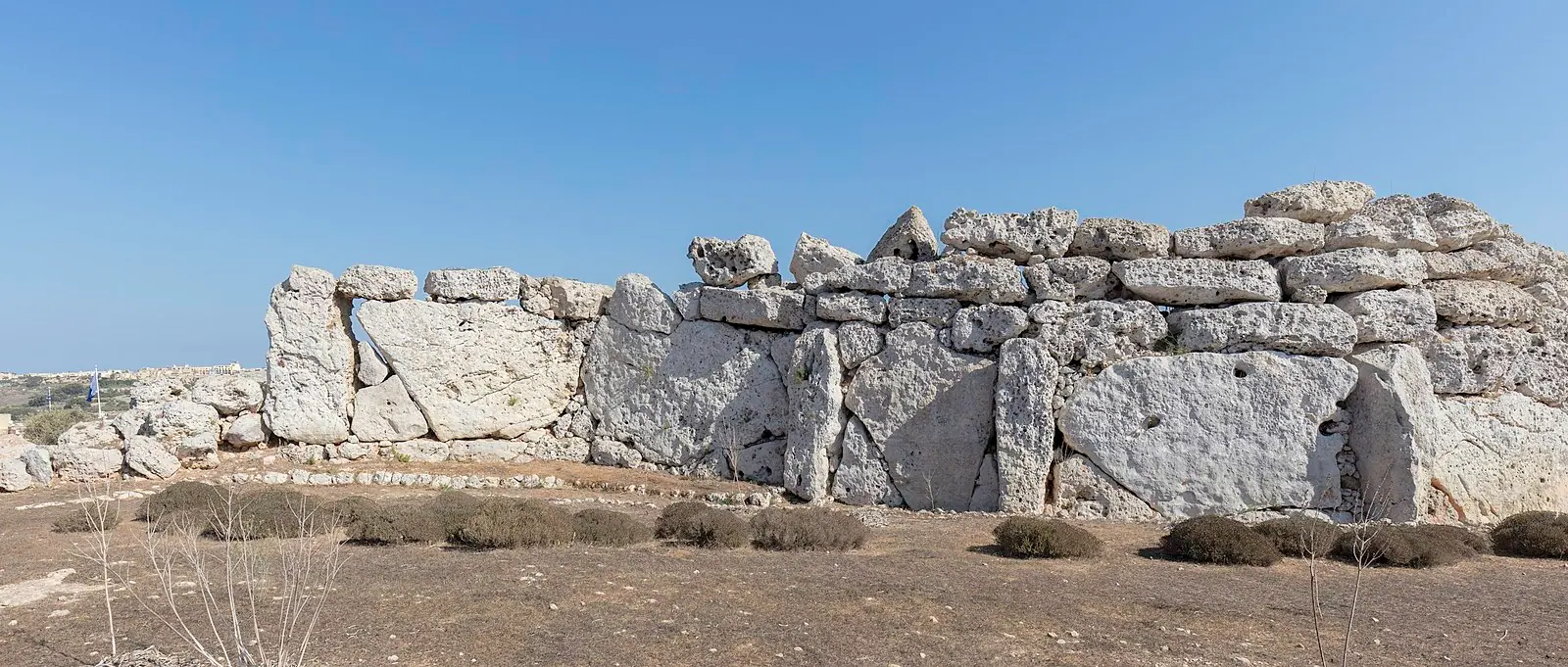
Things to do in Malta
Skip-the-line tickets, guided tours and standout experiences.
See experiences
Stay online in Malta
Travel eSIM — data the moment you land, no roaming bills.
Get an eSIM