Malta is small enough to cross in an afternoon and layered enough to keep you curious for a week — honey-coloured limestone cities, a cuisine built from Phoenician, Arab, Sicilian and British threads, and village festas that turn whole towns into open-air band clubs. This guide follows the island's food, its prehistoric temples and its noisy, generous local life, from Valletta's harbour walls to the salt pans of Gozo.
The Maltese Table: Pastizzi, Rabbit and Sea-Salt Flavours
Maltese cooking is a record of everyone who ever landed here. The Arabic roots show up in the vocabulary as much as the pantry — ħobż for bread, ġbejna for the small sheep's cheese that tastes of the dry-stone fields it comes from. Start where locals start: at a village kiosk, with a pastizz still hot enough to burn your fingers, either ricotta-filled (tal-irkotta) or mushy pea (tal-piżelli), eaten standing up in three bites with a coffee before work. Rabat, Sliema and the side streets behind Valletta's waterfront all have long-standing pastizzeriji, and the best ones sell out by mid-morning.
The dishes worth planning a day around are the slow ones. Stuffat tal-fenek — rabbit stewed in wine, garlic and bay until it falls apart — is the national dish, served with spaghetti or roast potatoes in village restaurants where the tables are set under vines. In autumn the fishing boats land lampuki (dorado), cooked into a savoury pie with spinach, cauliflower and sultanas; the season runs roughly September to November and the fish are caught around floating palm-frond rafts, a technique borrowed from Sicily centuries ago. Then there's ħobż biż-żejt, a thick slice of Maltese bread rubbed with ripe tomato, drenched in olive oil and piled with tuna, capers, olives and mint — the island's greatest sandwich, and a meal in itself.
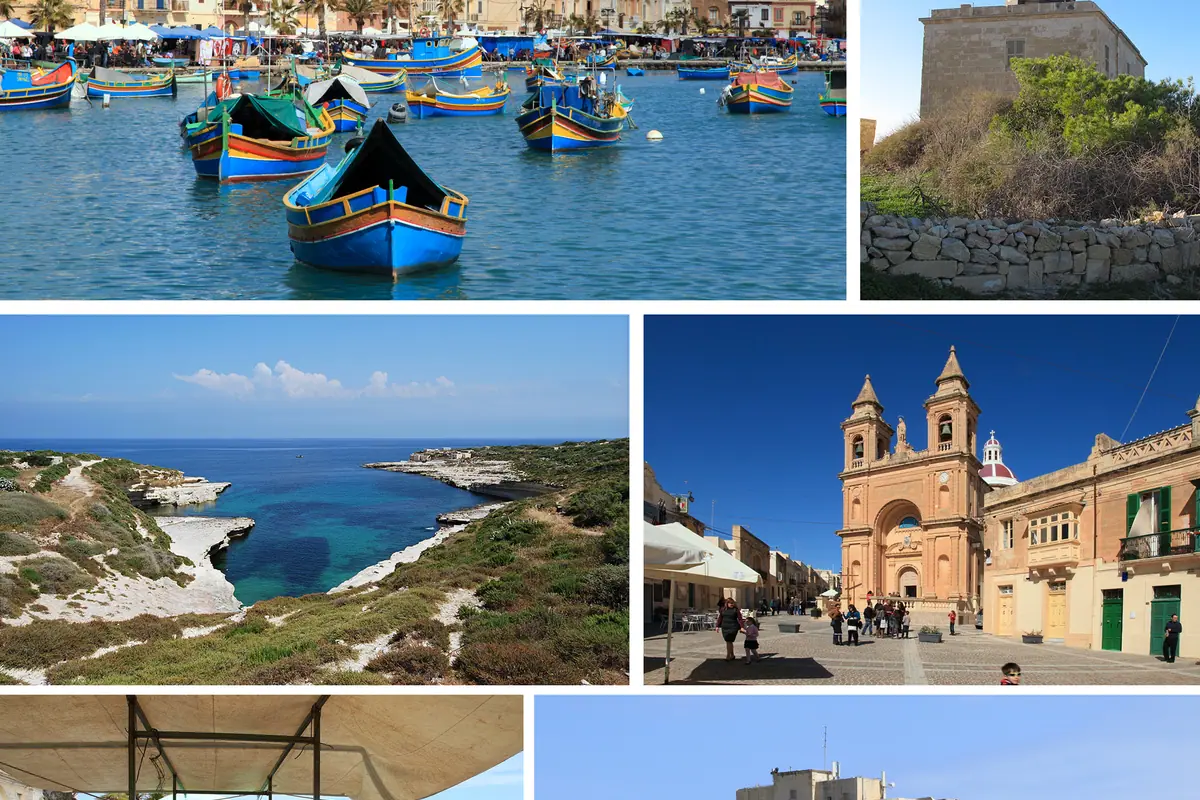
Smaller bites matter too. Bigilla, a dark broad-bean paste sharpened with garlic and chilli, appears on every bar counter; widow's soup, a Friday staple of vegetables and ġbejna, is comfort food with a story behind the name. Finish with imqaret, deep-fried date parcels scented with aniseed, or a honey ring studded with almonds and citrus peel. If you want to cook any of it, half-day classes run out of converted farmhouses in the Mġarr and Baħrija countryside, and the Sunday fish market at Marsaxlokk — where the painted luzzu boats unload beside the stalls — is the best single place to see the raw ingredients before they hit a pan.
Valletta: Baroque Grandeur and a Harbour Crossing
Valletta is barely a kilometre from end to end and rises steeply from two harbours, which is why it rewards walking rather than ticking off. The city was laid out in the 1560s by the Knights of St John after the Great Siege, and its grid of straight streets and fortified bastions was designed to be defended and to impress. Give yourself a full day, and start early at St John's Co-Cathedral, where the plain exterior gives no warning of the gilded interior: a barrel-vaulted nave, chapels belonging to each of the knightly langues, and a floor of inlaid marble tombstones that is one of the finest in Europe. Caravaggio's monumental depiction of the beheading of St John the Baptist hangs in the oratory, and it is worth the queue on its own. Allow an hour and a half at least, and arrive at opening time in summer.
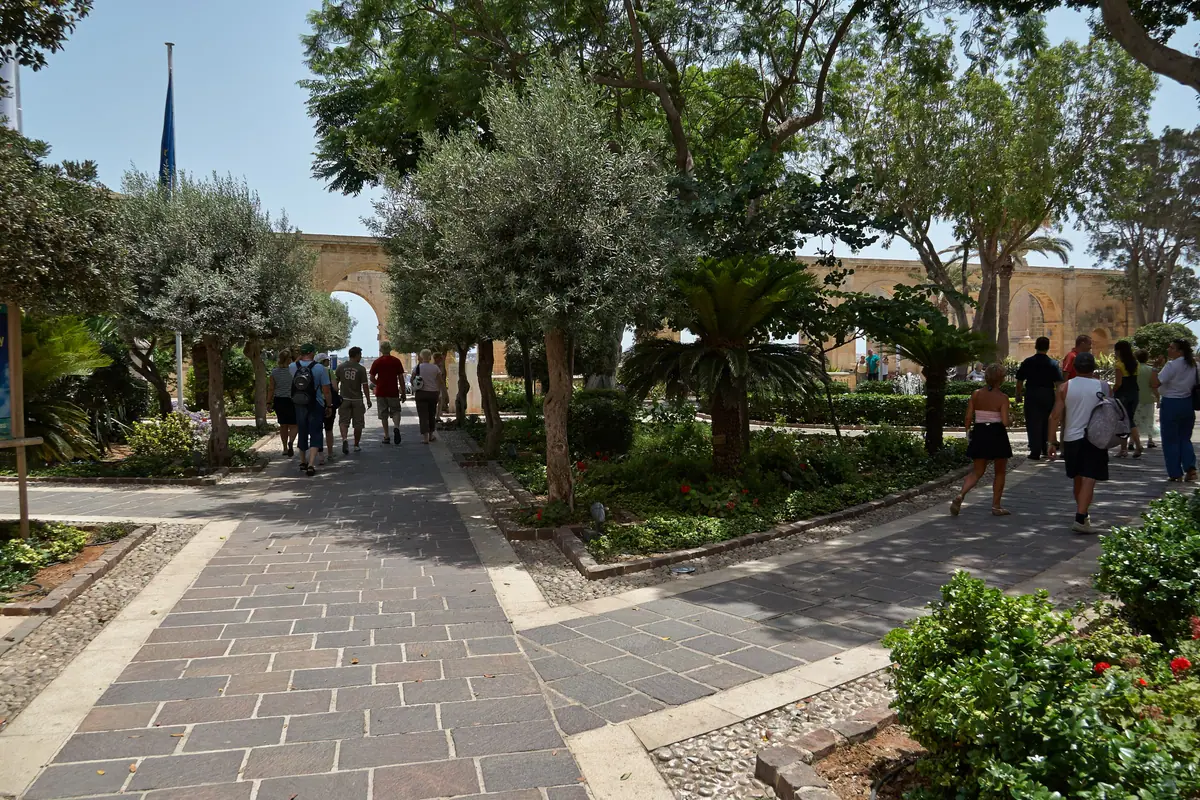
From there, wander to the Grandmaster's Palace, then downhill to the Upper Barrakka Gardens for the view over the Grand Harbour and the noon gun fired from the Saluting Battery below. The Lower Barrakka and the Siege Bell memorial further along the bastions are quieter, and the terrace above them catches the afternoon light on the Three Cities opposite. When you're ready to cross the water, take the little dgħajsa — the traditional painted rowing boat that ferries passengers between Valletta and Birgu — which is both transport and fifteen minutes of living history.
On the far side lies Birgu, with the massive Fort St Angelo at its tip and the Inquisitor's Palace in its lanes; next door, Senglea's Gardjola garden has a carved watchtower with eyes and ears symbolising the island's vigilance. Cospicua completes the Three Cities, and a half-day loop through all three, with a long lunch on the Birgu waterfront, is one of the most satisfying afternoons Malta offers. Come back in October if you can, when the streets are lit entirely with candles for the Birgu by Candlelight festival.
Prehistory You Can Touch: Ħaġar Qim, Mnajdra and the Hypogeum
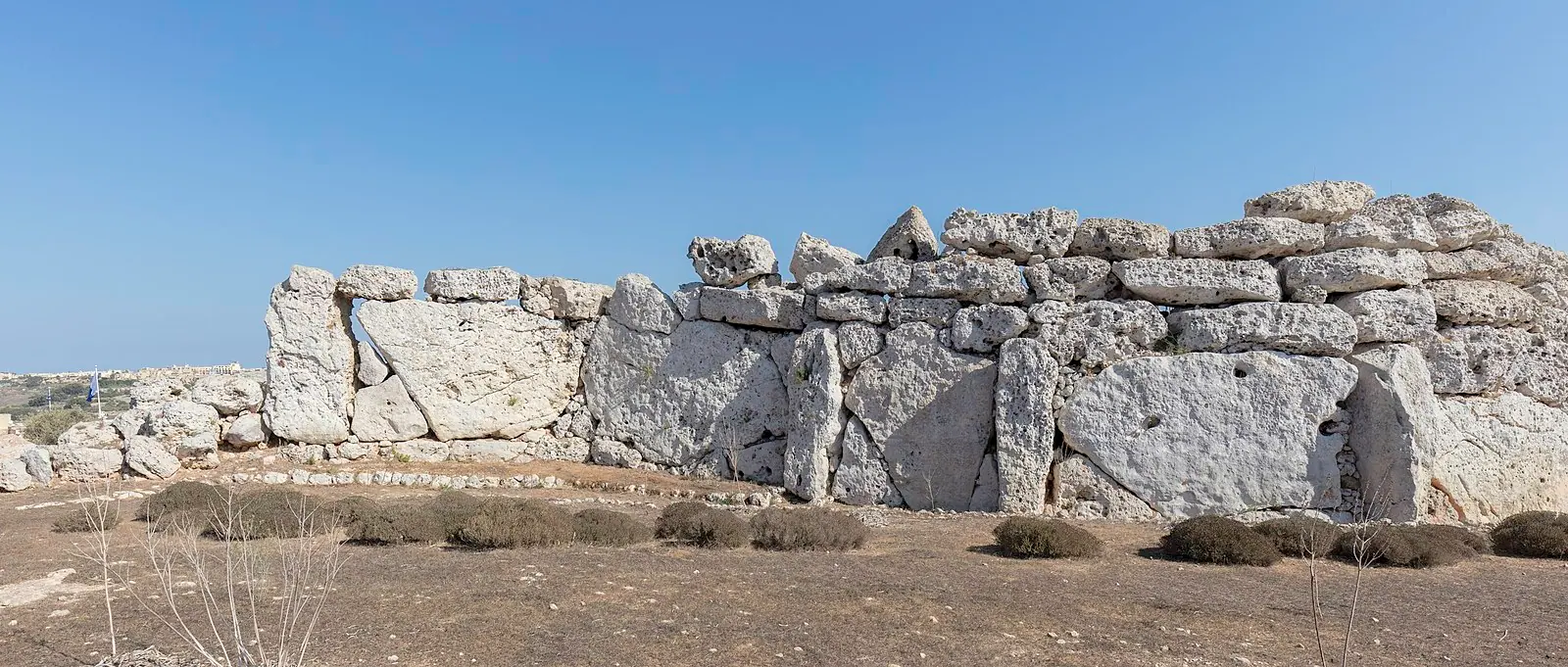
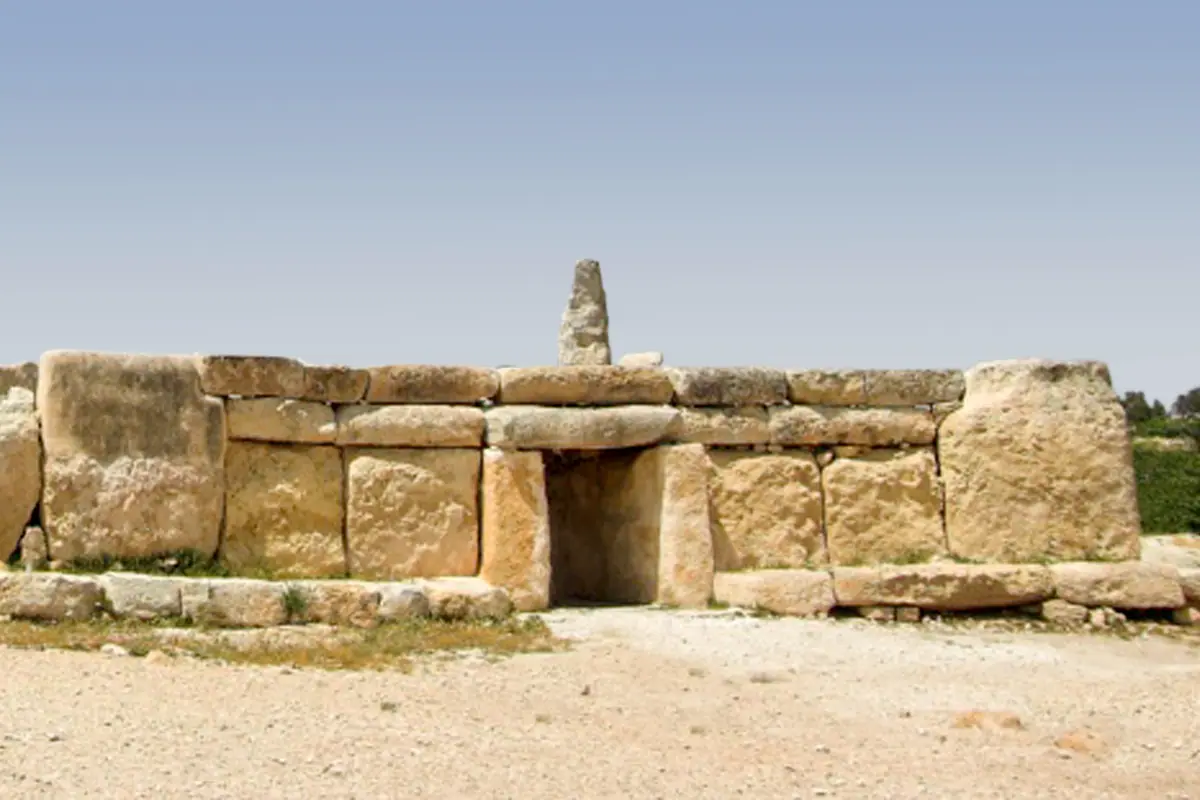
Long before the knights, Malta was building with stone in a way that still unsettles archaeologists. The temple complex at Ħaġar Qim and Mnajdra, on the cliffs near Qrendi in the island's south-west, is the showpiece: huge curved apses, carved spiral reliefs, a tiny oracle hole, and doorway slabs weighing several tonnes. Mnajdra, a short coastal walk downhill, is aligned so that the rising sun at the equinoxes and the summer solstice strikes straight into the inner chamber — a piece of intentional astronomy from around 3000 BC. Set aside two hours, including the small visitor centre, and wear proper shoes for the rocky path between the two sites.
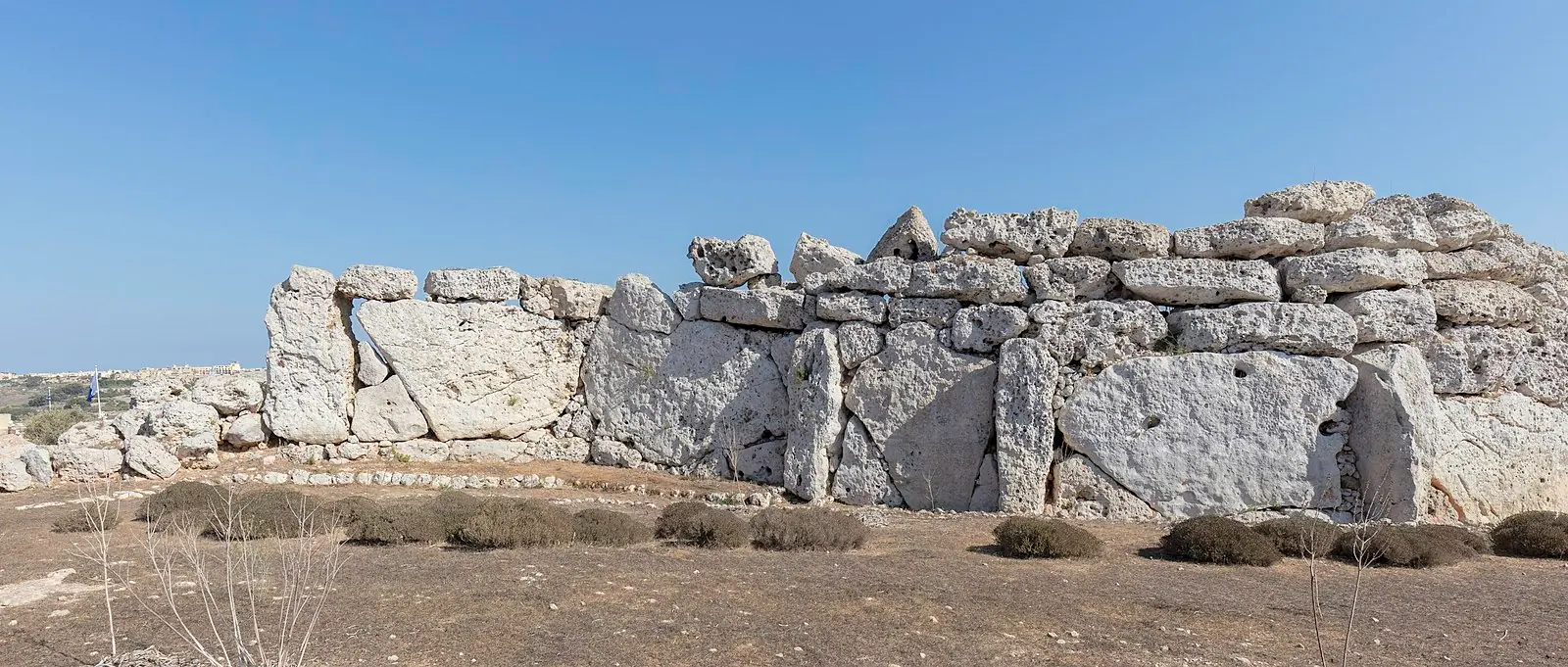
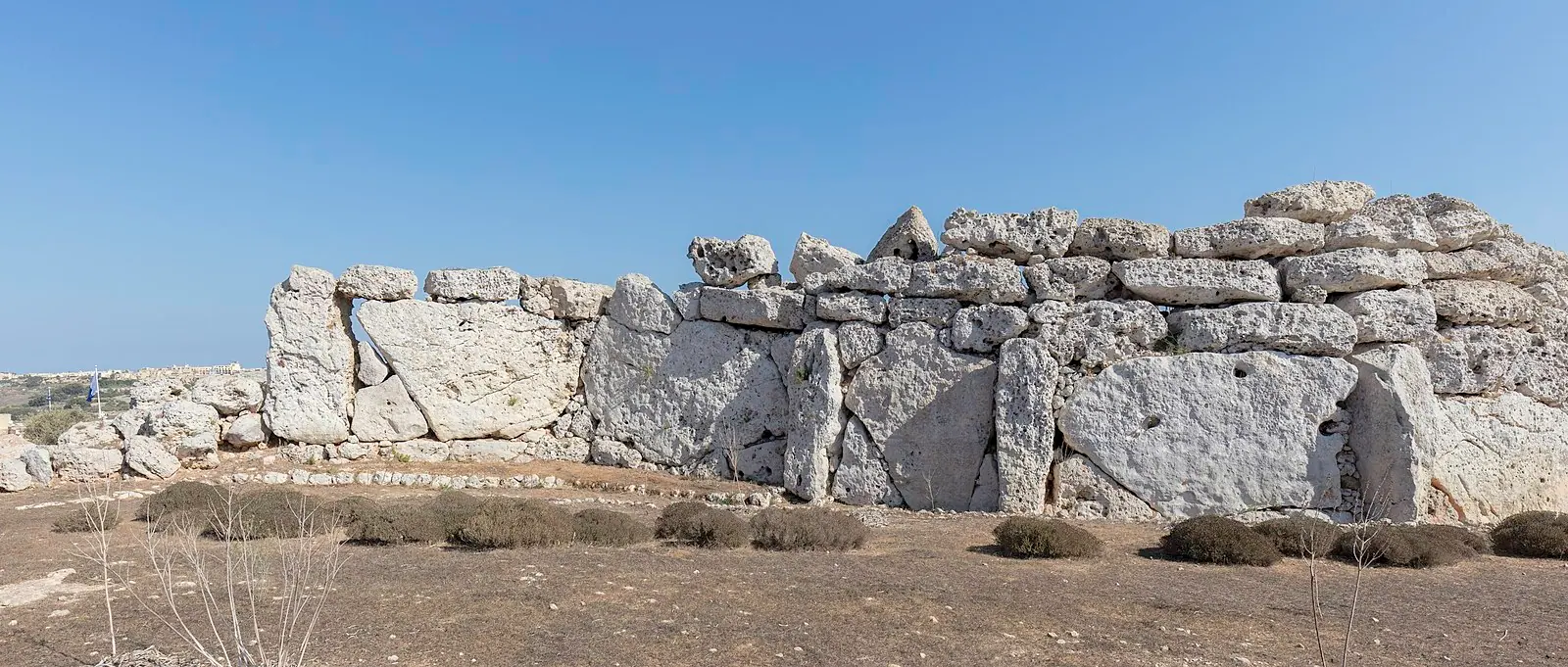
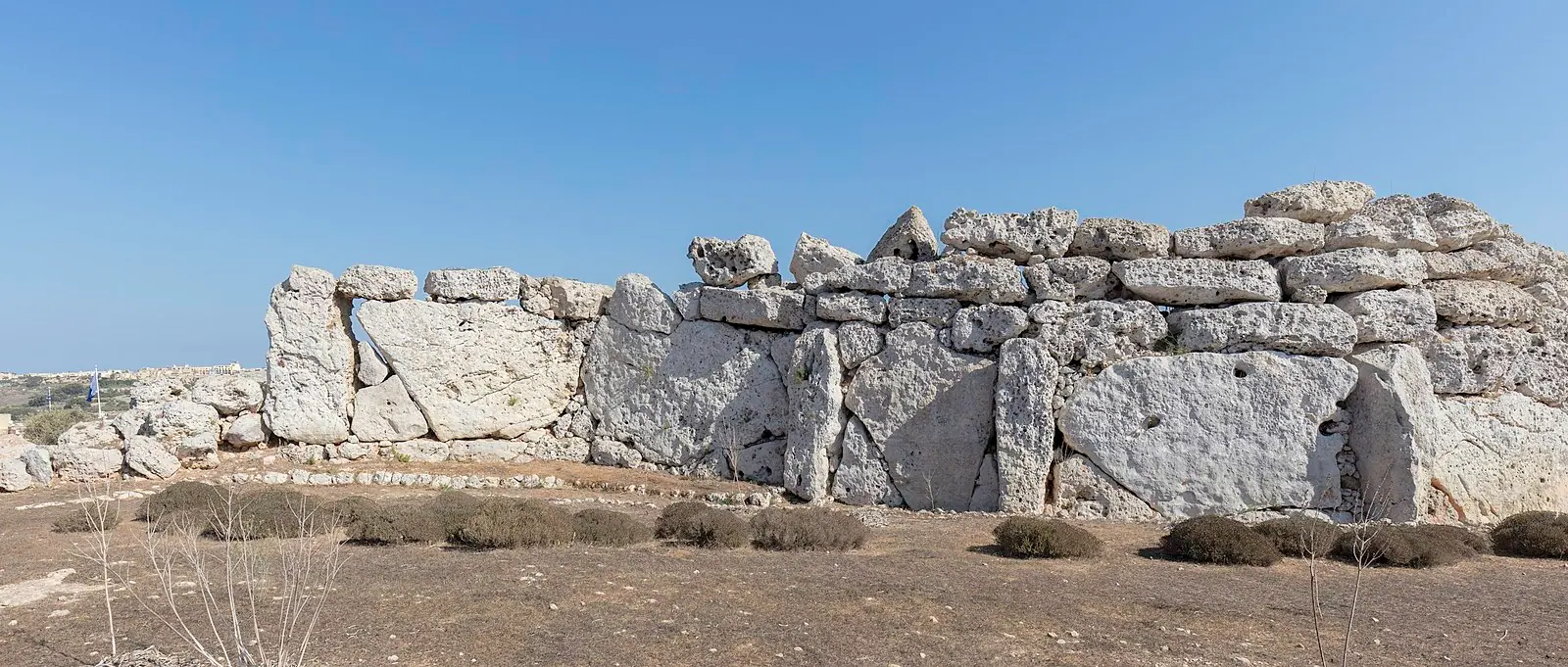
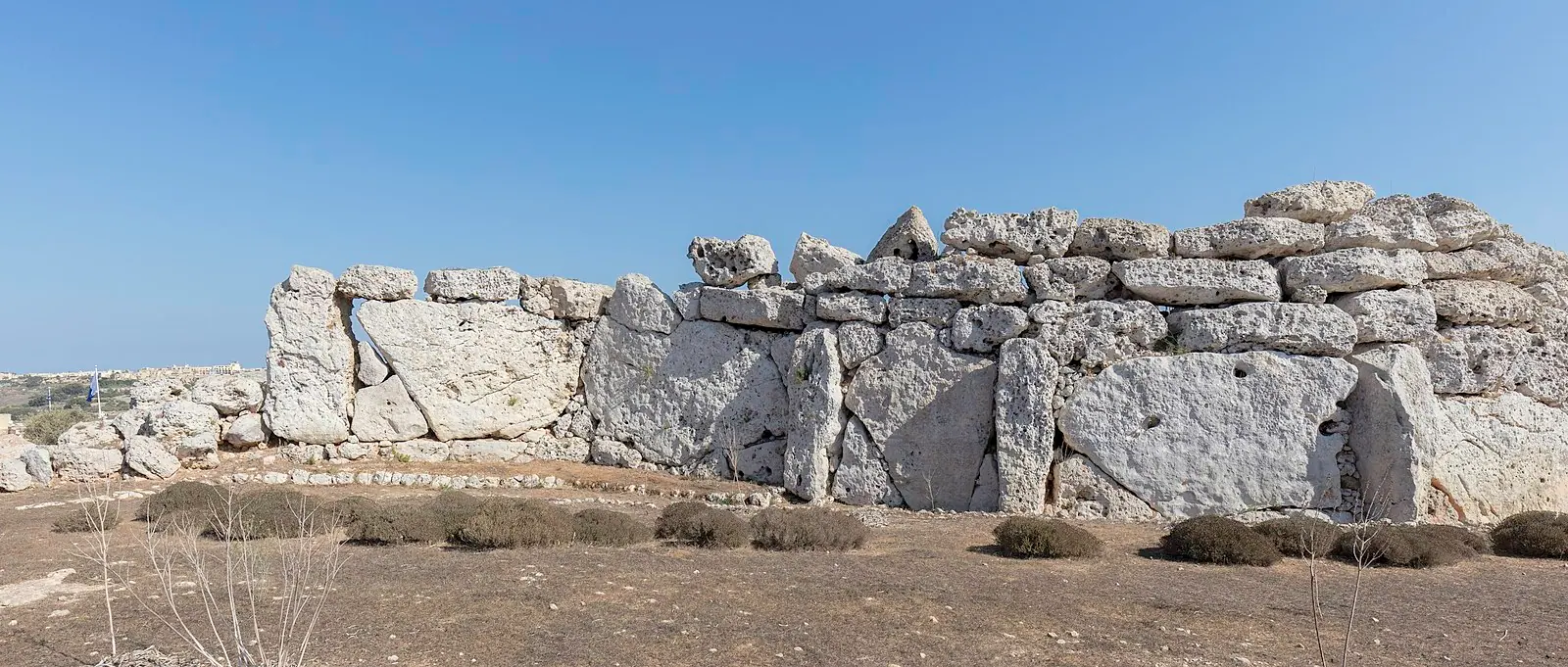
Across the island near Mġarr, the smaller temples of Ta' Ħaġrat and Skorba sit in farmland, almost unattended and wonderfully atmospheric. On Gozo, the twin temples of Ġgantija rise out of a hillside above Xagħra; they are among the oldest free-standing stone structures anywhere, and the sheer bulk of the walls earned them a folk legend that a giantess built them. An hour is enough, but the drive up through Gozo's terraced fields is half the reward.
The strangest experience of all is Ħal Saflieni Hypogeum in Paola, a three-level underground necropolis carved entirely by hand, with red ochre paintings and a chamber that produces a deep acoustic resonance. Admission is tightly capped and released in advance, so book weeks — sometimes months — ahead if this is a priority. Tarxien Temples, a ten-minute walk away, are an easy addition and rarely crowded. Between them, these sites make Malta one of the most concentrated prehistoric landscapes in the Mediterranean.
Mdina and Rabat: The Silent City and Its Catacombs
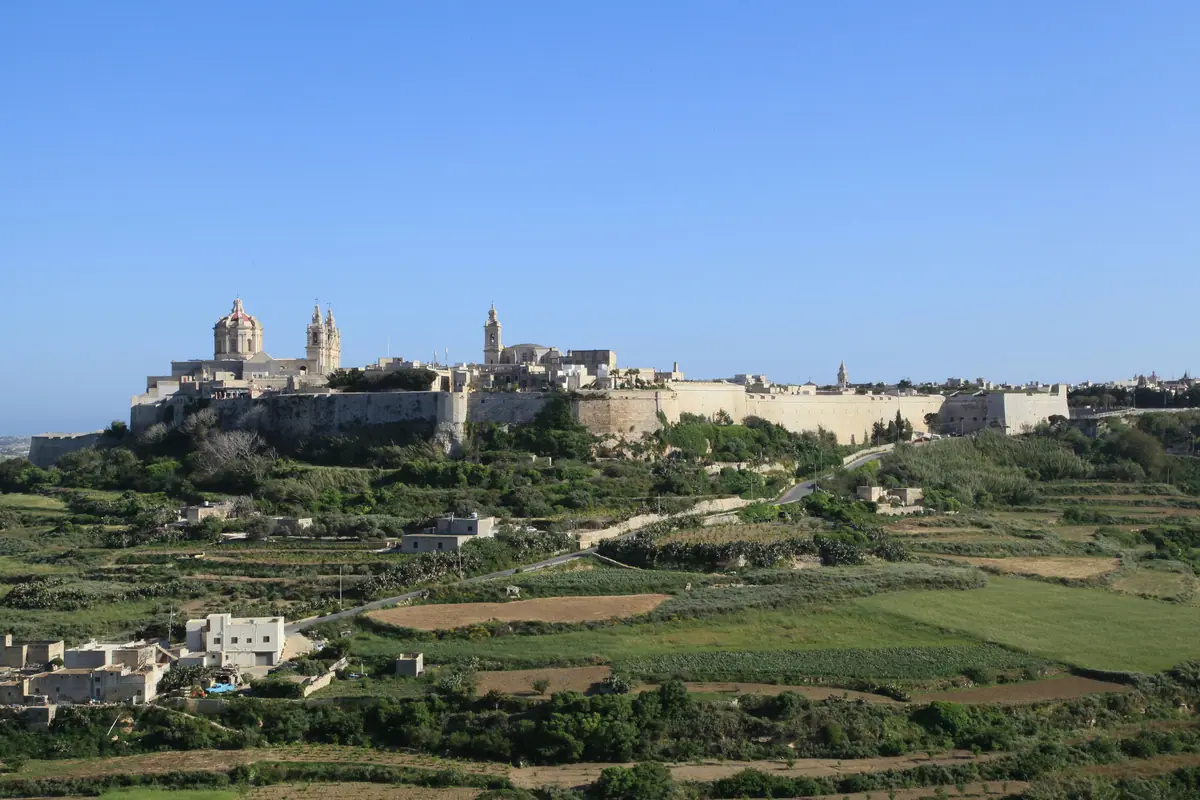
Mdina occupies the island's highest point and once held the whole population behind its walls. Today it is almost car-free, a honey-coloured maze of narrow lanes, noble palazzi and dead ends that open onto sudden views across the entire island. Enter through the main gate, walk up to St Paul's Cathedral with its imposing façade and slightly tilted square, then follow the alleys to Bastion Square, where the wall drops away and you can see for twenty kilometres on a clear day. The Natural History Museum occupies Palazzo Vilhena, a grand baroque building in the heart of the city. Two to three hours is a comfortable visit; after dark, when the day-trippers leave and the lanterns come on, Mdina becomes genuinely magical.
Just outside the walls, Rabat is the living, working counterpoint — same stone, but bakeries, band clubs and traffic. Beneath the streets lie St Paul's Catacombs, a sprawling Roman-era burial complex where you can walk down into the rock-cut tombs by lamplight, plus the smaller St Agatha's complex nearby. The Domus Romana museum preserves a Roman townhouse with mosaic floors and a rare set of marble portraits. Combine the two towns with a late lunch in Rabat and you have a full, unhurried day.
If you have a car or a taxi, extend the loop west to the Dingli Cliffs, where the limestone plateau drops 200 metres straight into the sea, and to the terraced picnic woods of Buskett Gardens. The mysterious parallel cart ruts at Clapham Junction are nearby, cut into the rock for reasons nobody has satisfactorily explained — a fitting end to a day spent in the presence of very old stones.
Festas, Għana and the Rhythm of Village Life
Maltese culture is at its loudest and most welcoming between May and September, when each parish celebrates its patron saint. A festa is not a single event but a week of them: brass band clubs marching through the streets playing rival marches, ground fireworks and aerial displays, banners strung across balconies, and finally the saint's statue carried shoulder-high through a crowd of thousands. Mġarr, Xagħra, Għaxaq and Żebbuġ all stage spectacular versions, and visitors are welcomed as long as they don't block the procession. Stand at the edge of the square with a plate of nougat and watch the whole village turn out.
For something more intimate, listen for għana — improvised Maltese folk singing, usually three men, three guitars and a lot of argument in verse. It survives in village bars and at folk evenings, sometimes after a wine tasting in the Siġġiewi or Mġarr hills, where family-run estates bottle wines from the indigenous Ġellewża and Girgentina grapes. Ask at any bar in a village square on a Saturday night; someone will know where it's happening.
The calendar has other anchors worth planning around. Carnival fills Valletta's streets with floats and satire in February; Holy Week brings solemn Good Friday processions with hooded penitents carrying statues through the towns; autumn's Notte Bianca turns the capital into one long open-air venue of music, art and food. Christmas is quieter but lovely, with honey rings, almond and sesame sweets and nativity displays in churches and village squares. Whatever the season, the local habit of sitting outside with a coffee and talking to whoever turns up is the real experience — and it costs nothing to join.
Gozo, Comino and the Slow Sea
Gozo is a 25-minute ferry ride from Ċirkewwa in the north of Malta, and the change of pace is immediate: fewer cars, more terraced fields, and a coastline of caves and red sand. The Citadel in Victoria, Gozo's capital, is a fortified hilltop town with cathedral, museums and views across the whole island; give it two hours. Ta' Pinu basilica, standing alone in the fields, is a pilgrimage site of stark, beautiful simplicity, and the salt pans at Xwejni, cut into the flat rock in neat grids, have been worked by the same families for generations — you can buy bags of the coarse grey crystals straight from the pans in summer. Ramla Bay's reddish sand and shallow water make it the island's best family swim, while Dwejra's Inland Sea and the collapsed arch site offer boat rides through sea caves and some of the best diving in the Mediterranean.
Comino, the smallest of the three islands, is essentially one attraction: the Blue Lagoon, a turquoise channel of impossibly clear water between Comino and the islet of Cominotto. It is stunning and it is also very busy in July and August, when day boats arrive in waves. Go early in the morning, or visit in late May, June or September, when you can actually swim. Crystal Lagoon, on the other side of the island, is quieter and just as clear. Regular boat services and organised trips leave from Ċirkewwa, Marfa and Mġarr on Gozo.
The swimming season runs roughly May to October, with sea temperatures at their most inviting from June to September; April and October are ideal for hiking, cycling and sightseeing without the heat, with daytime temperatures in the low twenties. Winter is mild, green and cheap, and the island empties of crowds — a different Malta entirely, best explored with a rented car and a willingness to eat rabbit stew by a fireplace.
Frequently asked questions
What is the best time of year to visit Malta?
April to June and September to October give the best balance of warm sea, comfortable walking temperatures and manageable crowds. July and August are hot, often 30–35°C, and the Blue Lagoon and popular beaches get very busy. Winter is mild and quiet, with daytime temperatures around 15°C — good for sightseeing, not for swimming.
How many days do you need in Malta?
Five to seven days lets you cover Valletta and the Three Cities, Mdina and Rabat, the southern temples including Ħaġar Qim and Mnajdra, plus a full day on Gozo and another on Comino. If you only have a long weekend, base yourself in Valletta or Sliema and prioritise the capital, Mdina and one boat trip.
Do I need to book the Ħal Saflieni Hypogeum in advance?
Yes — this is the one Maltese site where planning is essential. Visitor numbers are capped daily in small guided groups to protect the underground chambers, and tickets are released well ahead of the date. Book as soon as your travel dates are fixed, especially between April and October.
What food should I try first in Malta?
Start with a warm pastizz from a village kiosk — ricotta or pea — then work through rabbit stew, ħobż biż-żejt (tomato-rubbed bread with tuna and capers), lampuki pie in autumn, bigilla bean dip and fresh ġbejna cheeselets. Finish with imqaret date parcels and a slice of honey ring with coffee.
Is Gozo worth a day trip from Malta?
Absolutely, though one day only scratches the surface. The ferry from Ċirkewwa takes about 25 minutes, and a realistic day covers Victoria's Citadel, the Ġgantija temples, Ta' Pinu and one swim at Ramla Bay or the Xwejni salt pans. Staying a night or two lets you see the island after the day-trippers leave.
Sort the rest of your trip
Everything for Malta, in one place

More guides in Malta
Best Places to Visit in Malta: Ancient Temples, Blue Coves and the Silent City
Top Things to Do in Malta: Landmarks, Temples and Blue Lagoons
Best Time to Visit Malta: Weather, Sea Temperatures and Where to Stay
Where to Stay in Malta: Best Areas, Hotels and Must-See Attractions