Mali rewards the traveller who comes for substance rather than comfort: a mud mosque so vast it swallows a whole town's skyline, manuscripts copied by hand when Europe's libraries were still young, and cliff villages that seem to grow out of the rock itself. Bring patience, curiosity and a flexible plan — and check current travel advice before booking, because parts of this country are not open to casual tourism.
Bamako: Begin at the Niger's Sprawling Capital
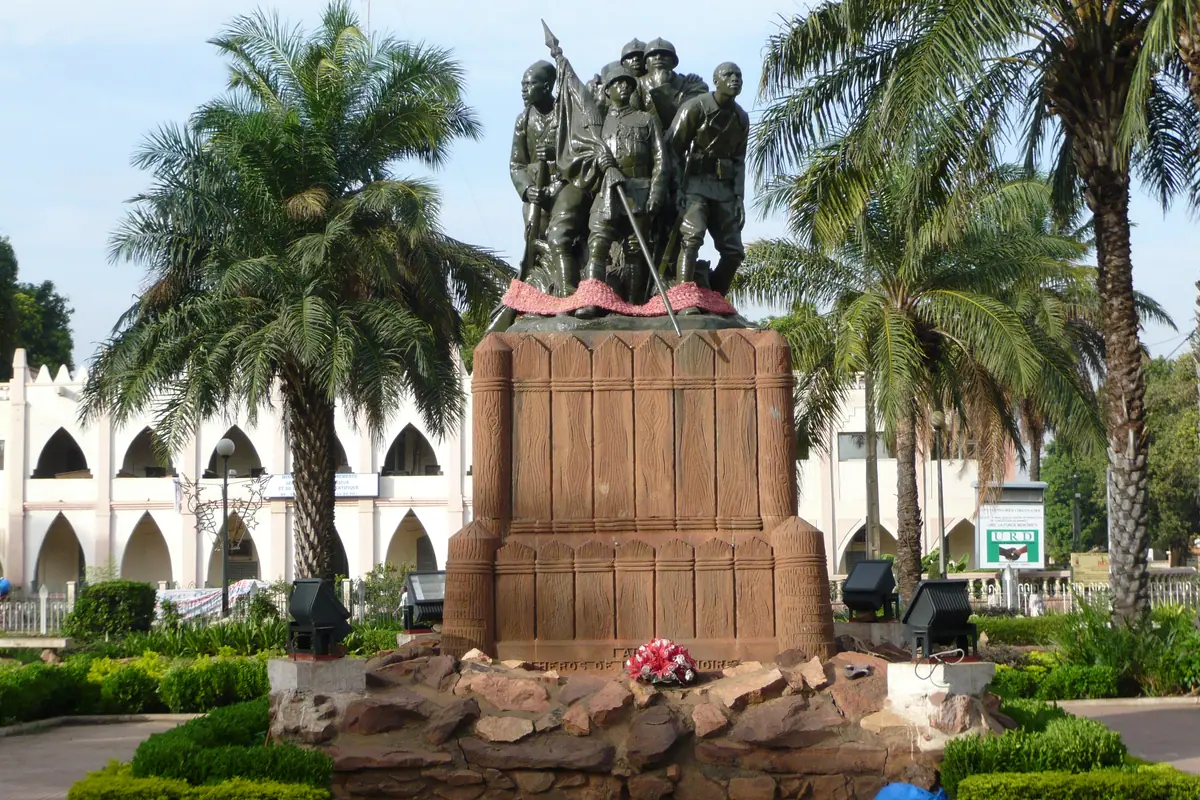
Almost every Mali journey starts in Bamako, a city of low-rise neighbourhoods spread along both banks of the Niger River. Give it two or three days, and use the first to get your bearings at the National Museum of Mali, whose collection of Bogolan mud cloth, carved masks, puppets and stringed instruments explains more about the country's cultures in an hour than a week of reading. Nearby, the small Muso Kunda museum celebrates Malian women's crafts and daily life, while the Sacré-Cœur Cathedral and the rose-tinted Marché Rose — good for indigo cloth, leather and silver — anchor the city centre.
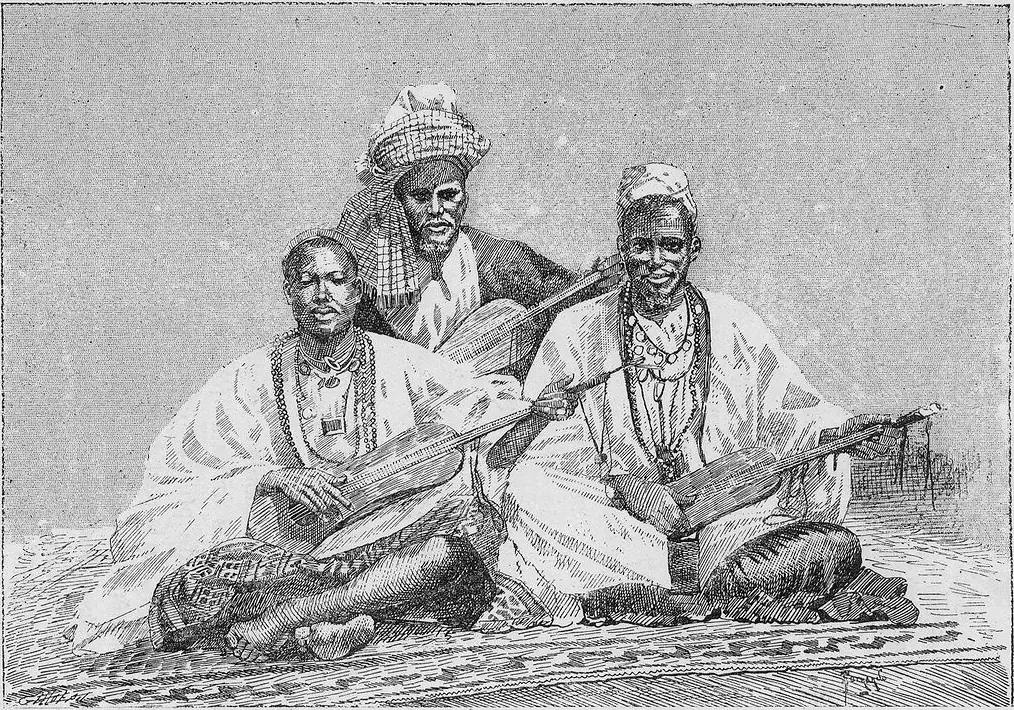
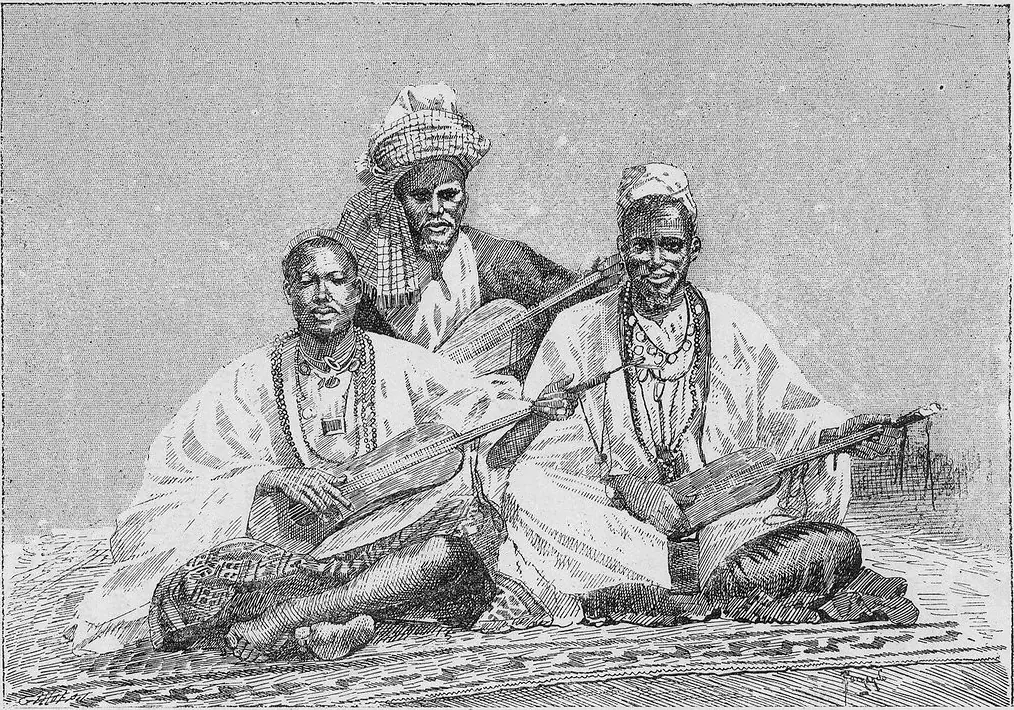
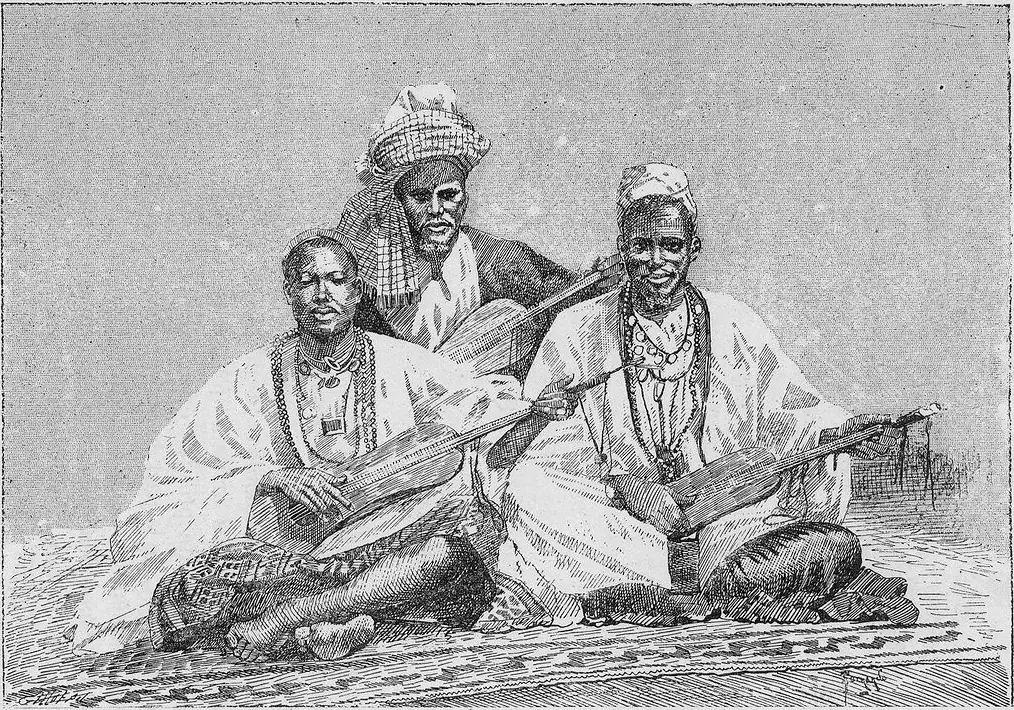
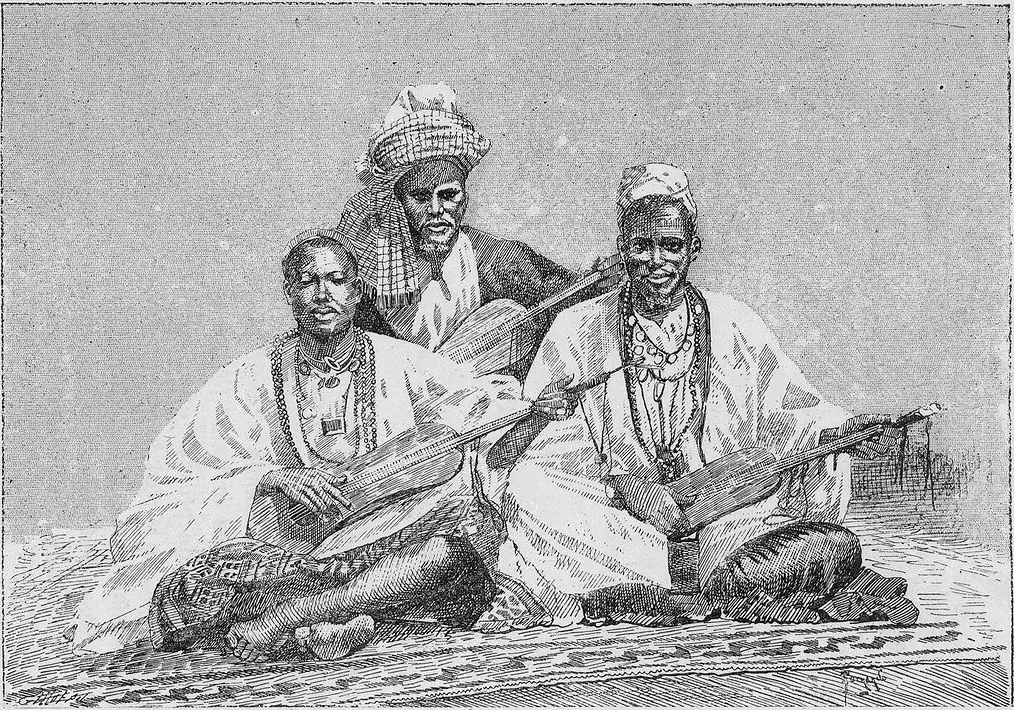
Then head for the water. Sunset pinasse rides put you alongside the long wooden cargo boats and the Bozo fishing families who work the river year-round, while the Pont des Martyrs and the hill of Point G give the classic views back over the rooftops. In the evening, Bamako's reputation as one of West Africa's great music cities comes alive in its clubs and courtyards, with kora, ngoni and the desert blues that carried Malian musicians far beyond the Sahel.
Djenné and the Great Mosque of the Inland Delta
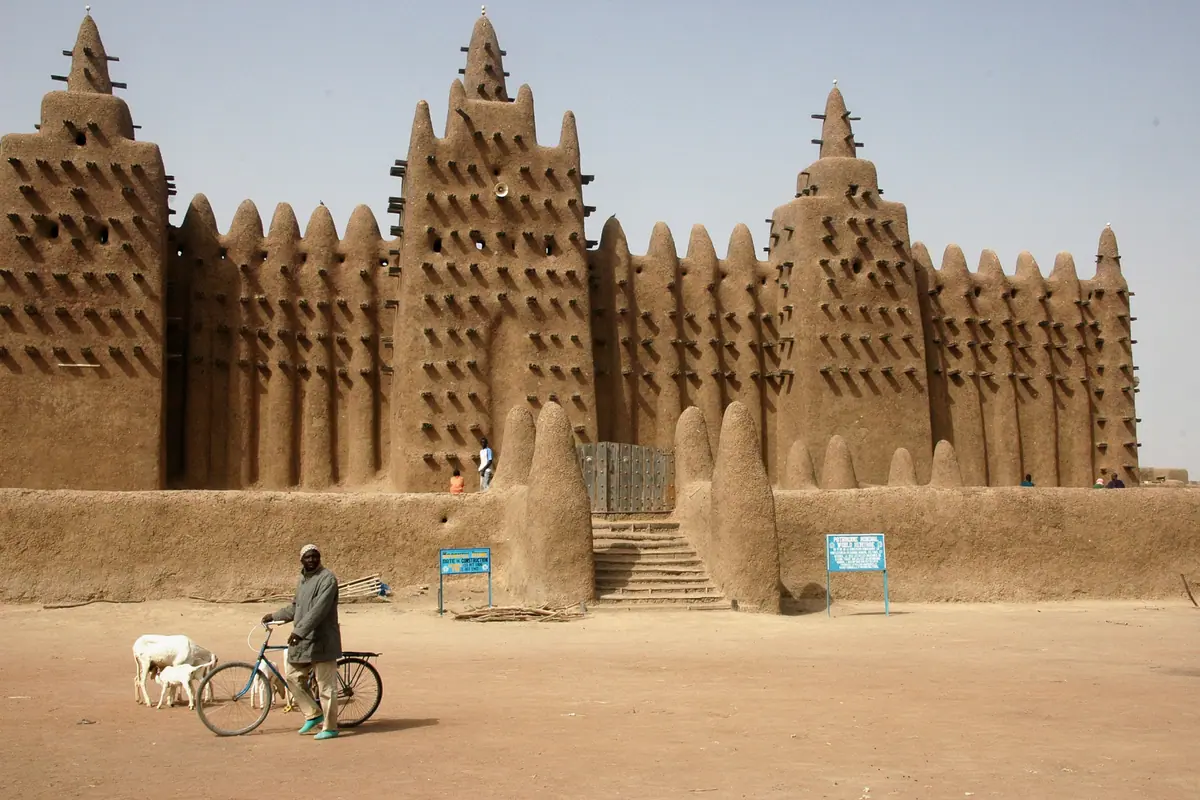
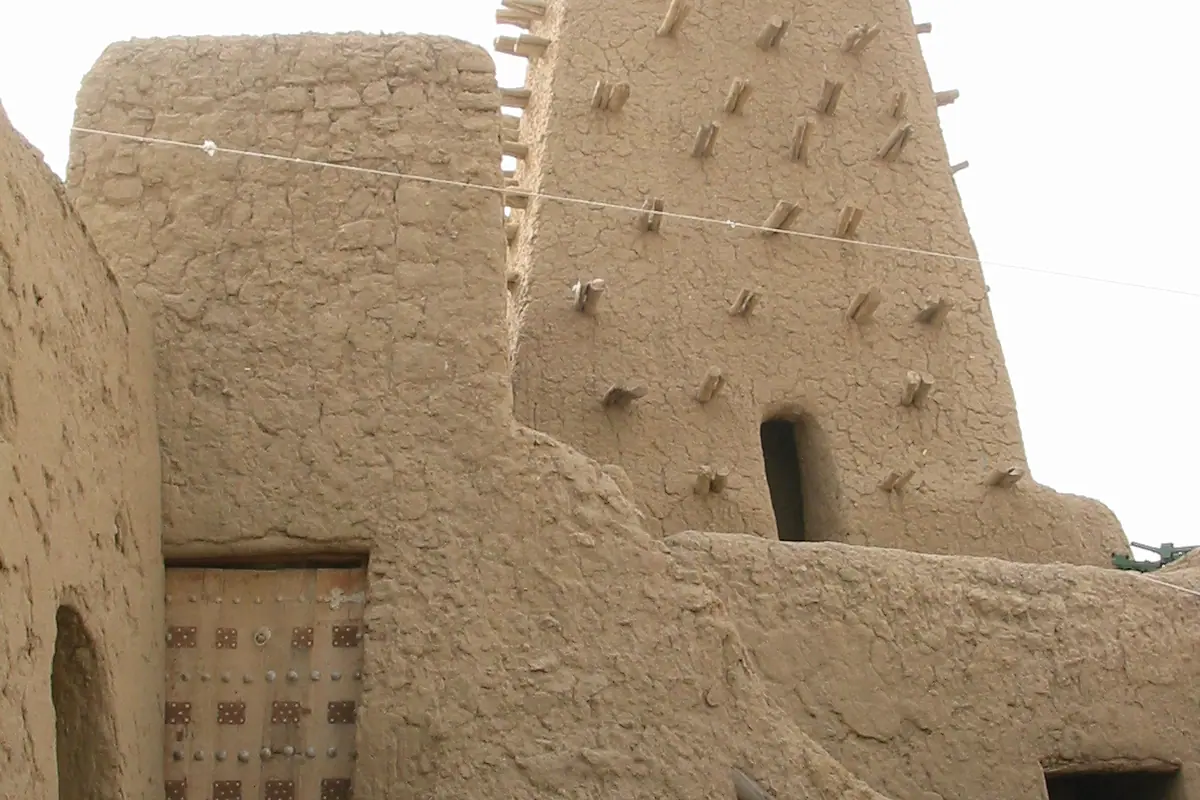
Nothing quite prepares you for the Great Mosque of Djenné. It is the largest mud-brick building on earth, a sculpted wall of earth and palm-wood beams rising above the market square of a town barely bigger than its own mosque. First founded centuries ago and rebuilt in its present form in the early 20th century, it is listed as a World Heritage site together with the old town around it. Non-Muslims generally cannot go inside, but the view from the square, especially at first light, justifies any detour.
Time your visit for Monday, when the market fills the square with everything from dried fish and kola nuts to hand-spun blankets, and the whole town seems to be trading at once. Wander the surrounding lanes for the wooden toron stakes studding the facades of Djenné's merchant houses and the tombs of the town's legendary protectress. Close by, the archaeological mounds of Djenné-Djenno trace settlement here back thousands of years. Most travellers base themselves in simple guesthouses around the square, then continue to Mopti by road.
Timbuktu: Mosques, Manuscripts and the Edge of the Sahara
Timbuktu's name promises romance and delivers something stranger: a low mud city at the end of the road, where the desert begins and history weighs heavily. Three great mosques define it — the Djinguereber Mosque, raised in the 14th century with its tapering earthen minaret; the Sankore Mosque, once the heart of a scholarly centre that drew students from across the Islamic world; and the Sidi Yahya Mosque, whose sealed door legend said must stay shut until the end of time.
The city's real treasure, though, is paper. Private libraries and the manuscript institute in town hold tens of thousands of handwritten works on astronomy, medicine, law and poetry, some copied before European printing presses existed; watching them handled with white gloves in a dim room is the memory most visitors carry home. Add a camel ride to the sand dunes at sunset, tea with Tuareg families on the town's edge, and the traces of the salt caravans that still arrive from the deep desert.
Be realistic about the logistics: Timbuktu lies in a region that many governments advise against visiting, so go only when current advice allows, fly in where possible, and travel with vetted local guides rather than striking out alone.
Dogon Country and the Bandiagara Escarpment
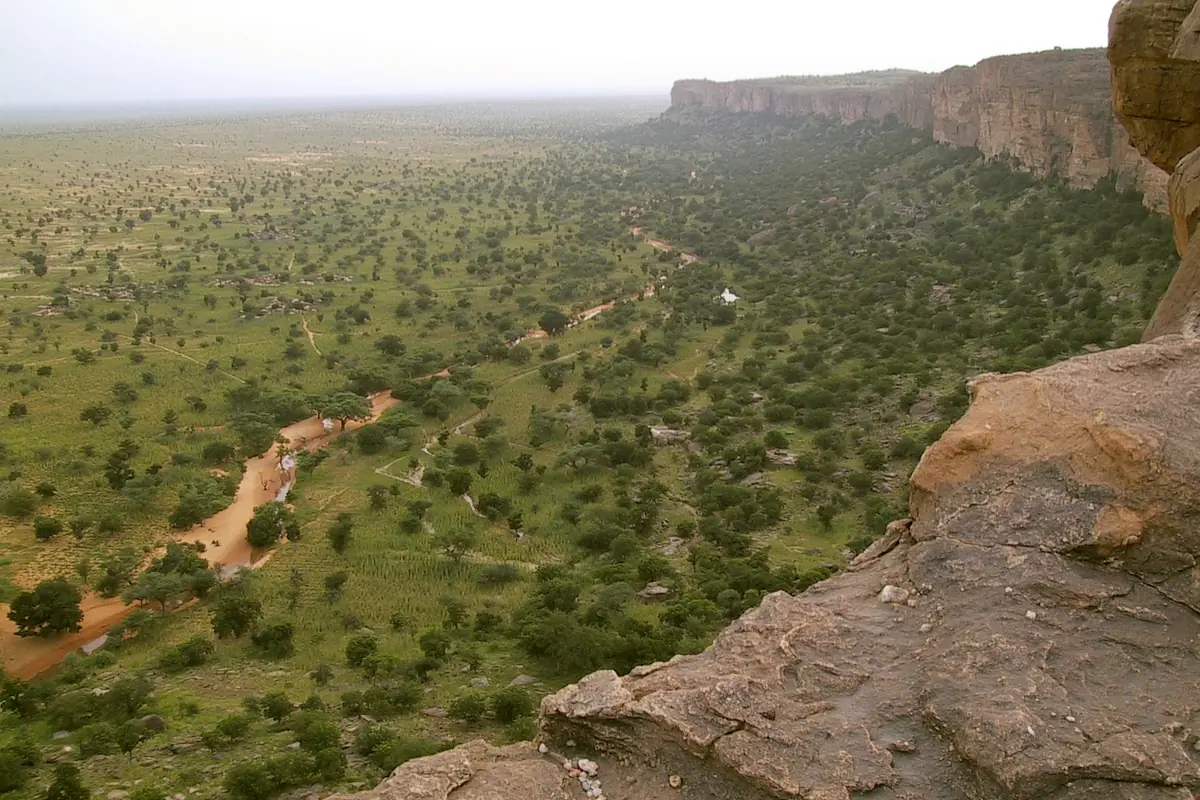
The Bandiagara Escarpment runs for roughly 150 kilometres across central Mali, a sandstone cliff wall pierced with villages among the most striking in Africa. Ireli and Tireli, Youga Dogorou and Sangha — each is a tight cluster of mud houses, thatched granaries and stone terraces, some with cave dwellings of the earlier Tellem people tucked into the rock face directly above. Walking between them, often down a series of stone steps, is the whole point of a visit.
This is also Mali's most ritual-rich region. Dogon masks — the tall Kanaga, the antelope, the carved plank masks — appear in dances that visitors may be invited to watch, particularly during funeral ceremonies, while the low-roofed toguna shelters in every village are where elders settle disputes out of the sun. The Sigui, a vast ceremony that unfolds roughly once a generation, last ran into the 1970s and is awaited again in the late 2020s. Treks of three to five days are standard; hire an official guide, carry water and expect genuinely cold nights from November to February.
Mopti, Ségou and Life on the Niger River
Mopti is nicknamed the Venice of Mali, though the comparison undersells it: a busy port town where the Niger meets the Bani, its skyline marked by the Sudanese-style Grand Mosque and its quays crammed with brightly painted pinasses, wooden cargo boats and fishing canoes. The market is one of the best in the country for Tuareg silver, leatherwork and Dogon carvings, and the fishing villages around the confluence, home to Bozo families, are easily reached by boat.
Further west, Ségou is a slower, more elegant stop — the old Balani quarter and the faded colonial buildings along the riverbank give it an atmosphere all its own, and the Grand Mosque sits at the heart of town. A short boat ride across the Niger brings you to Kalabougou, a potters' village where women shape huge clay vessels by hand and fire them in open bonfires. Time a visit for late afternoon, when smoke and sunset make the whole riverbank glow.
Gao, Hombori and Mali's Saharan Fringe
Far to the east, Gao guards the Niger bend and the mud-brick Tomb of Askia, a soaring pyramidal monument to a 15th-century emperor, listed as a World Heritage site and still among the most striking sights in the Sahel. Across the river, La Dune Rose — a great pink-orange sand dune — is the local sunset ritual, reached by boat and a short scramble up the slope.
Between Gao and the south, the granite massif of Mount Hombori rises to 1,155 metres, the country's highest point, with the needle-like rock known as the Hand of Fatima standing guard over the village below. In the far west, the Kayes region offers a different landscape entirely: the Gouina and Félou waterfalls on the Senegal River, where water thunders through a rocky gorge. Both areas are remote and sit near regions where travel advice shifts often, so plan with local guides and check the latest security guidance before setting out.
Frequently asked questions
What are the must-see landmarks in Mali?
The Great Mosque of Djenné, the Djinguereber and Sankore mosques and manuscript libraries of Timbuktu, the cliff villages of the Bandiagara Escarpment in Dogon Country, the Tomb of Askia in Gao and the National Museum of Mali in Bamako. Add the Niger River itself — a boat trip at Mopti or Ségou is as memorable as any single monument.
When is the best time to visit Mali?
November to February, when the air is dry and relatively cool, though Dogon villages get cold at night. March to May is punishingly hot, with temperatures climbing past 40°C in Bamako, and the rains arrive roughly between June and September, greening the inland delta but making some roads difficult.
How long should a Mali trip be?
Two to three weeks is realistic: two or three days in Bamako, a night or two in Djenné and Mopti, three to five days trekking in Dogon Country, and two or three days in Timbuktu if the security situation allows. Distances are long and roads slow, so resist cramming.
Is Mali safe for tourists?
Parts of the country, notably the north and stretches of the centre, are subject to serious security warnings and many governments advise against all travel there. Southern areas including Bamako, Ségou, Djenné and Dogon Country see more visitors, but advice changes often — check your government's current travel advisory, travel with licensed guides, avoid long road journeys after dark and consider flying between distant cities.
Do I need a guide, and what should I pack?
Guides are required for most Dogon treks and strongly advisable in Timbuktu. Dress conservatively, especially in Djenné and Timbuktu: loose, long clothing is both respectful and practical against sun and dust, and women should carry a scarf for mosque courtyards. Bring cash in local currency, since ATMs are scarce outside Bamako, plus a headlamp, sturdy shoes and something to cover your face during dusty harmattan winds.