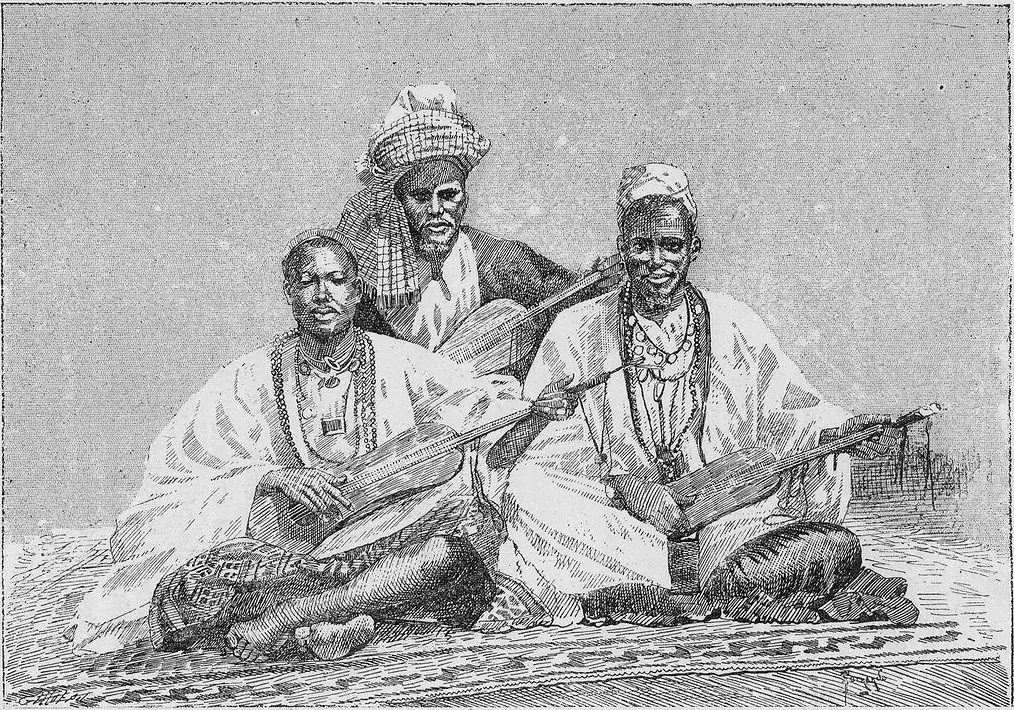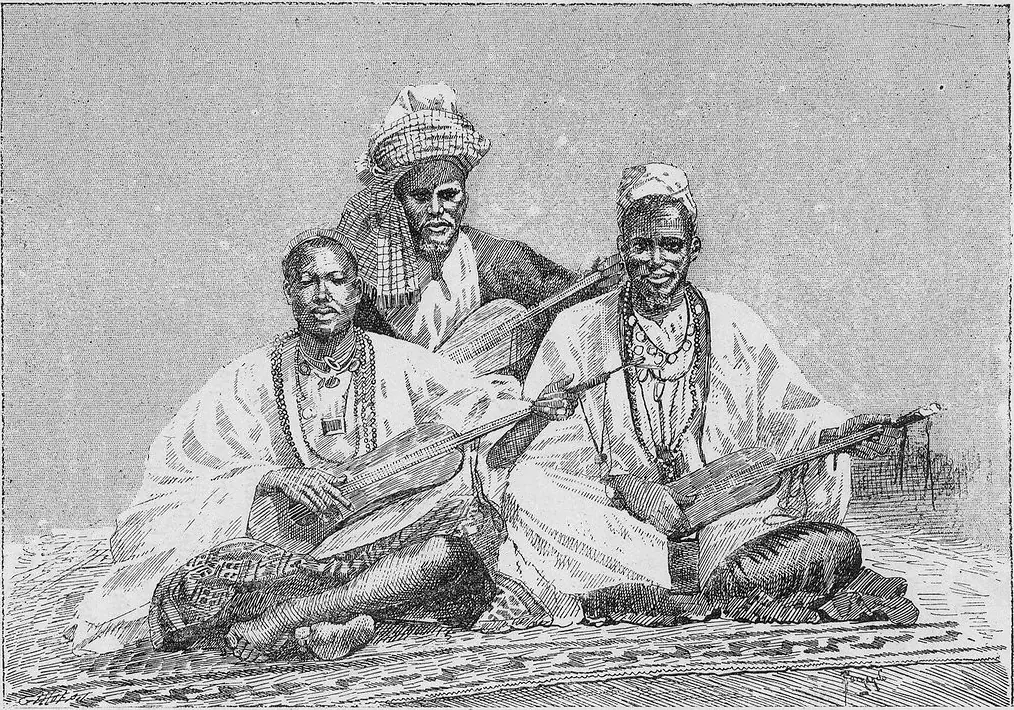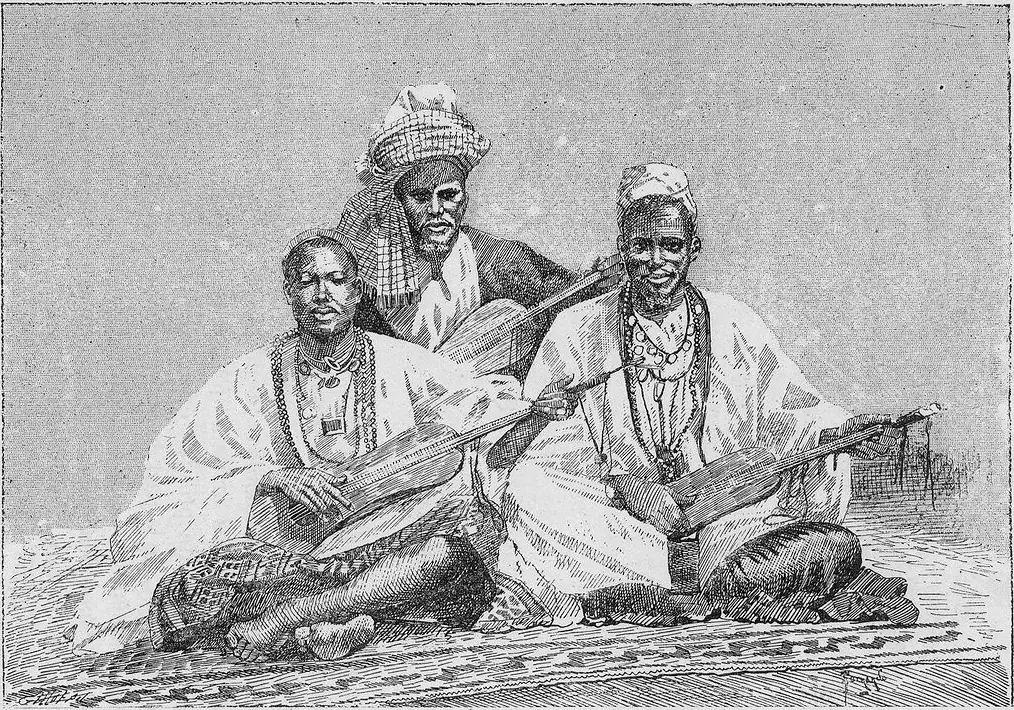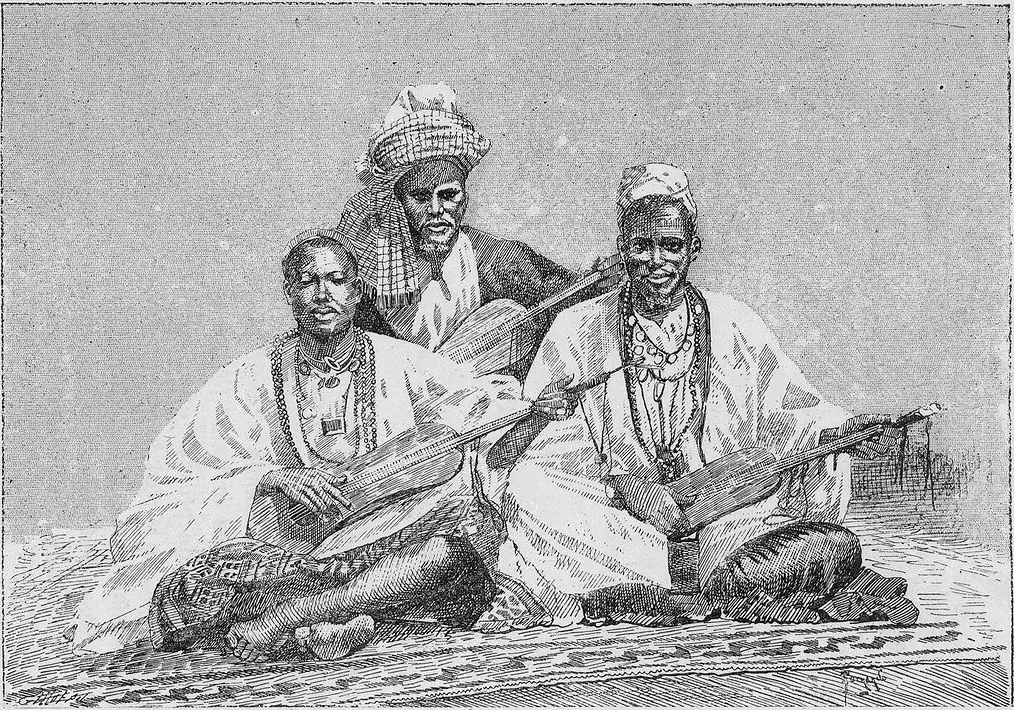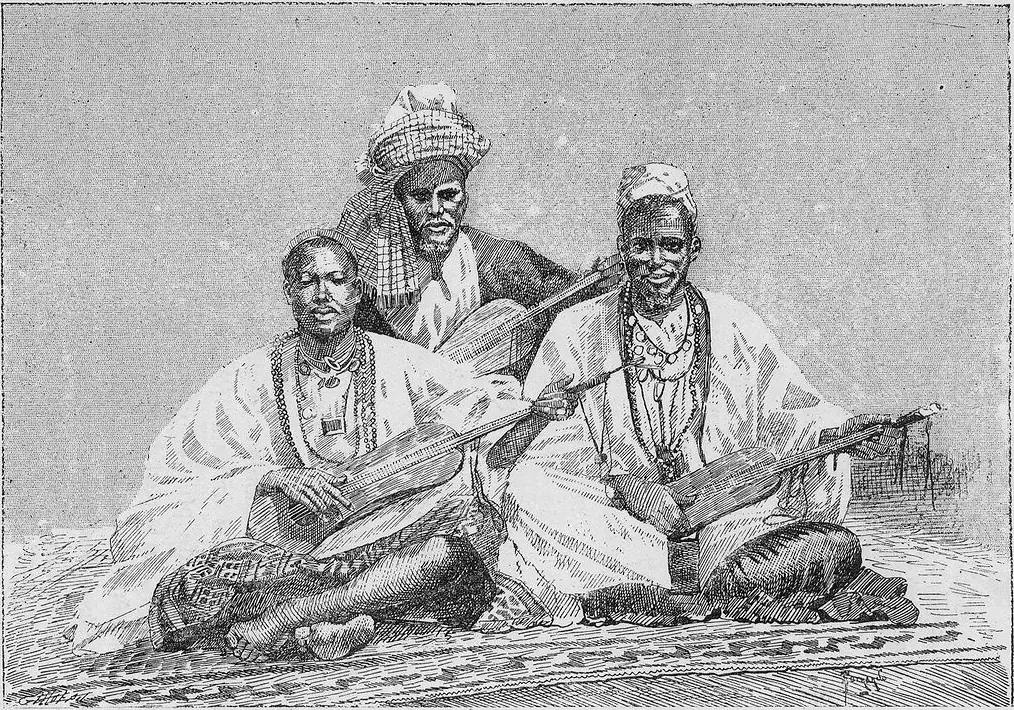
Mali is a country that rearranges your sense of scale: a river the size of a sea, cities of mud that have stood for centuries, and a musical culture that pours out of courtyards and bus stations alike. Travel here and you eat from a shared bowl, drink tea poured from a height, and walk through landscapes — the Bandiagara Escarpment, the floodplain of the inner Niger — that feel genuinely like nowhere else on earth.
Bamako: Mud Cloth, Museums and the Niger's Evening Rhythm
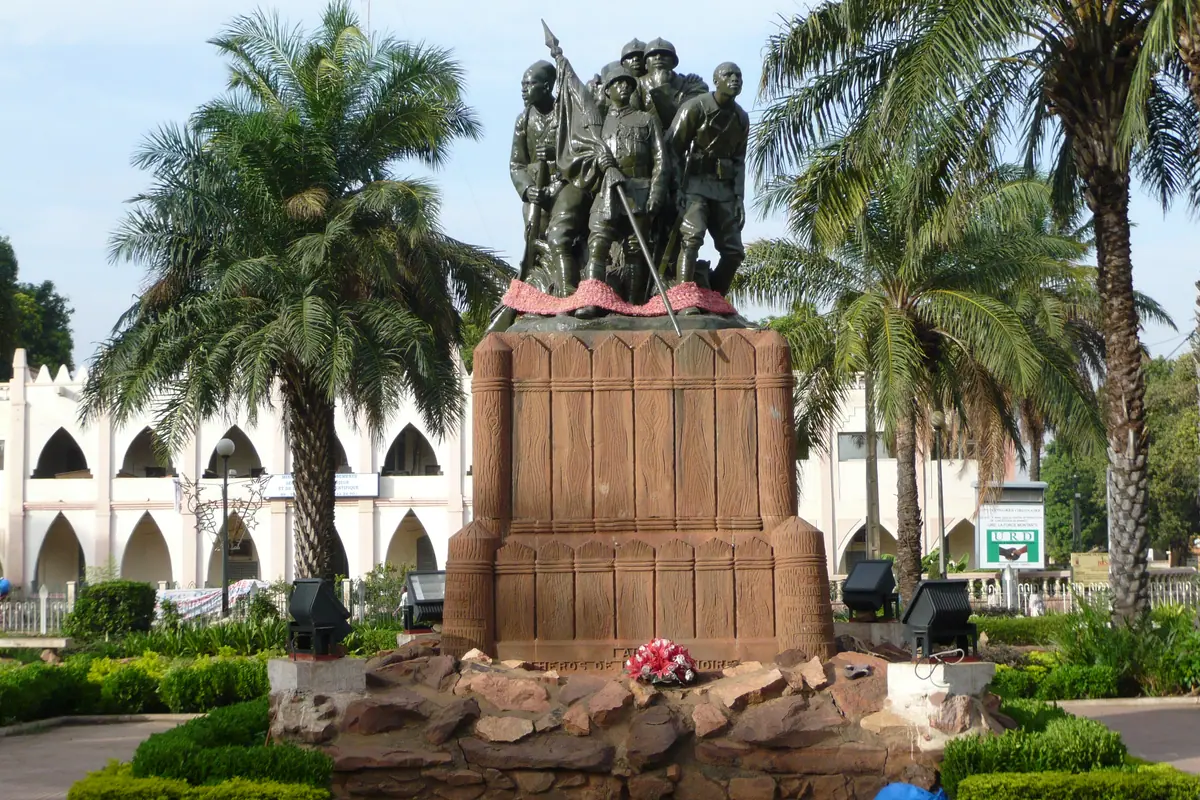
Almost every Mali journey begins in Bamako, a sprawling capital draped along the banks of the Niger River. Start at the National Museum of Mali, where the collections move from archaeological finds and terracotta figures to carved Dogon masks, bògòlanfini mud cloth and indigo textiles — a perfect primer before you see any of it in the places where it is made. Next door, the crafts market lets you watch weavers, leatherworkers and jewellers at work, and it's the easiest place in the country to ask questions about how a piece was made without feeling rushed.
Then dive into the markets. The Marché Rose, set in a pink-faced building, is the classic stop for wax-print cloth, silver, shea butter and beads, while Medina Coura is far bigger, far louder, and sells everything from smoked river fish to phone chargers. Bargaining is expected and usually good-humoured: open with a friendly greeting, ask the price, and counter once or twice rather than fighting for the last coin. Mornings are cooler and less frantic, so aim to arrive before ten.
Along the Niger: Ségou, Mopti and the Great Mosque of Djenné
Heading northeast from the capital, Ségou was the seat of the Bamana kingdom and still has an unhurried elegance, with colonial-era riverside buildings and quays where fishing pirogues tie up at dusk. The surrounding villages are the heartland of bògòlanfini, the mud cloth dyed with fermented river mud and leaf tannins, and several workshops welcome visitors who want to watch the whole slow process — weaving, dyeing, painting — before buying. The city also hosts a well-known river festival each February, filling the banks with music, puppet theatre and pirogue racing.
Further along the river, Mopti is a working port with a personality all its own. Climb to the Komoguel Mosque, a Sudanese-style mud building with tapering buttresses, then walk down to the harbour where hundreds of wooden pinasses load millet, dried fish, salt and fuel. The market brings together Fulani herders, Bozo fishermen, Dogon farmers and Tuareg traders, and it is the best place in Mali to eat charcoal-grilled capitaine straight off the water.
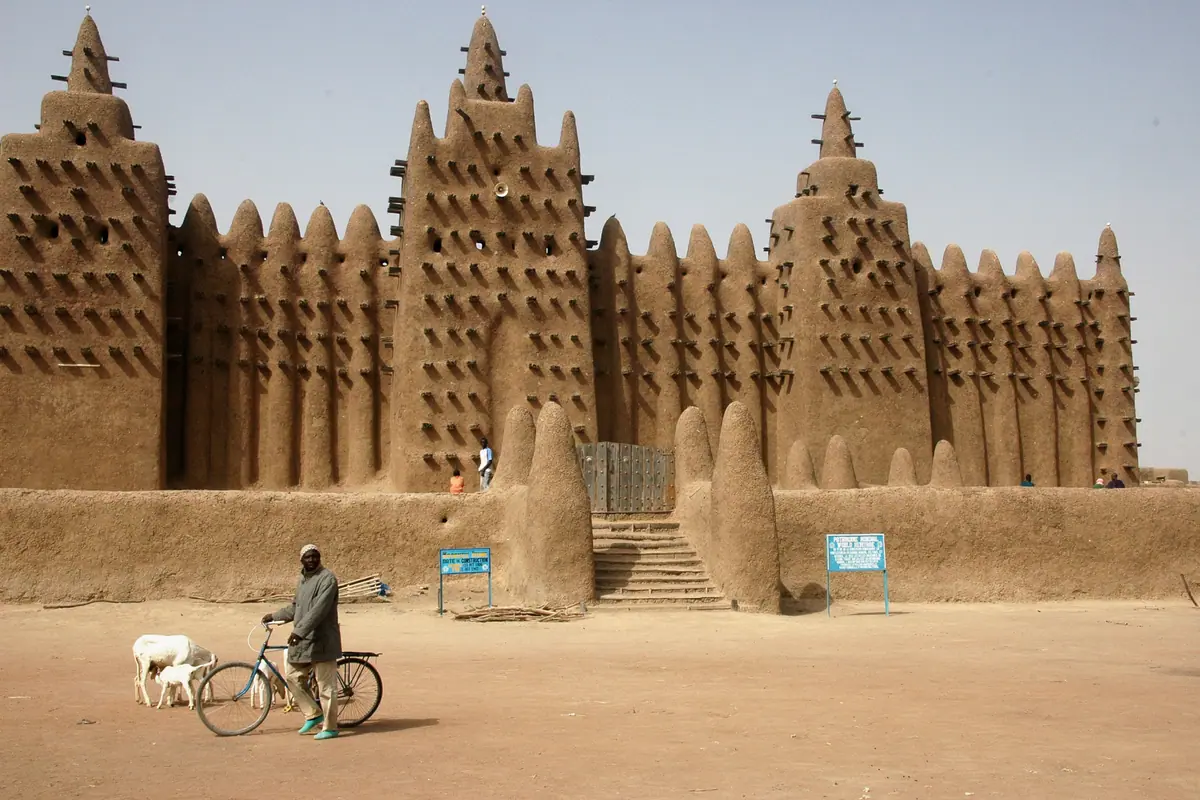
The real showstopper is Djenné, reached by a dusty road across the floodplain of the Bani River. Its Great Mosque, a vast mud-brick structure rebuilt in the early twentieth century on far older foundations, is the largest of its kind anywhere, its surface studded with wooden beams that also serve as scaffolding for the annual re-plastering festival, when the whole town turns out to slather on fresh mud. Time your visit for the Monday market, when traders arrive by donkey and pirogue, and walk the old town with a local guide, past three-storey mud houses and the archaeological mound of Djenné-Djeno, an ancient settlement that predates almost every other city in the region.
Timbuktu and the Desert Edge
Timbuktu earns its myth. Reaching it by pinasse from Mopti takes three to four days of drifting downstream, past herons, hippo pools and reed-thatched fishing camps; flying takes an hour. Either way, the town itself is compact and low, a scatter of earth-coloured buildings at the point where the river's green gives way to sand. Its reputation was built on scholarship — for centuries it was a crossroads where books, salt and gold changed hands, and its mosques doubled as universities.
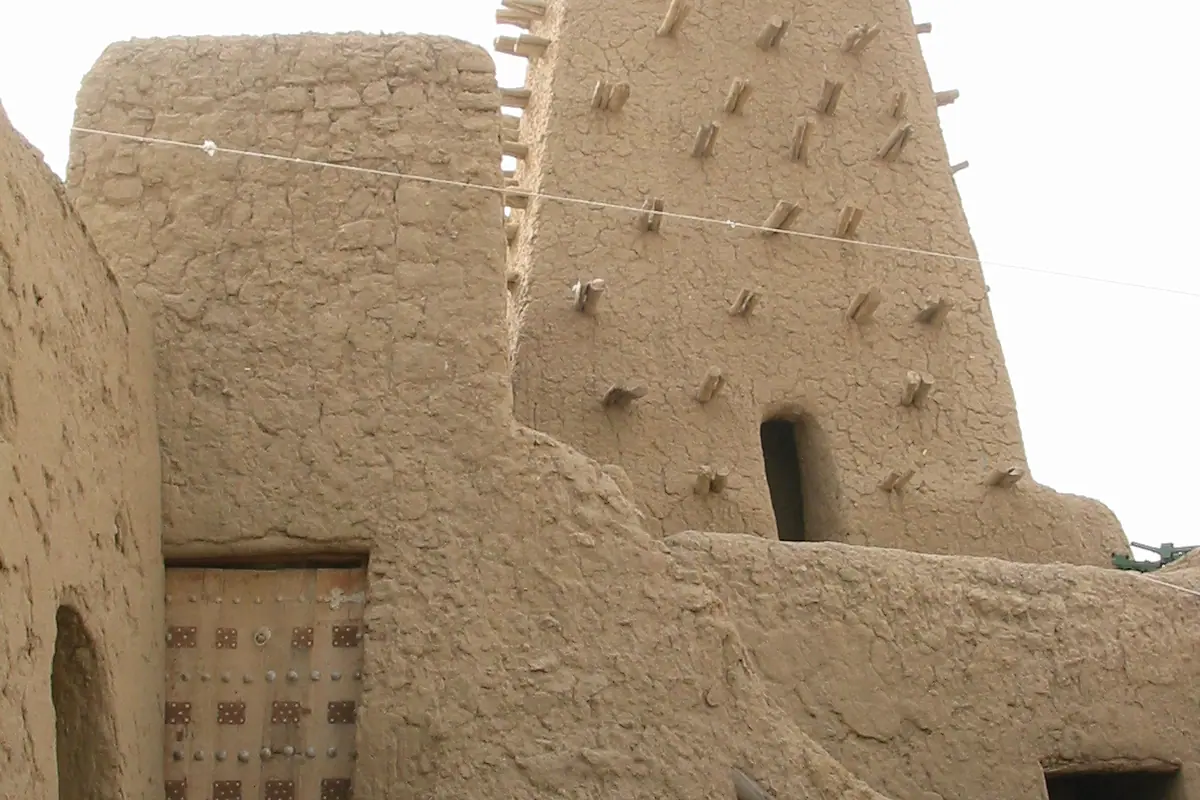
The Djinguereber Mosque, dating to the fourteenth century, is the most famous, a soft-edged pyramid of mud with a slender minaret you can see from across town. Nearby, the Sankore Mosque anchors the old scholarly quarter, and the Sidi Yahya Mosque sits at the heart of the historic centre. Several family libraries still guard handwritten manuscripts on astronomy, medicine, law and poetry, and a visit to one of these collections — often a matter of sitting on a mat while a librarian unwraps volumes from cloth — is more affecting than any monument.
Allow an afternoon for La Dune Rose, the pink-gold sand dune across the river, where you can ride a camel out for sunset and drink tea with Tuareg families as the light drains away. It is barely a twenty-minute crossing, but the silence on the far side is total. Further east, the Tomb of Askia at Gao is another essential stop: a tapering mud pyramid built at the end of the fifteenth century, still one of the most striking pieces of Sahelian architecture in existence.
Trekking the Bandiagara Escarpment: Dogon Country
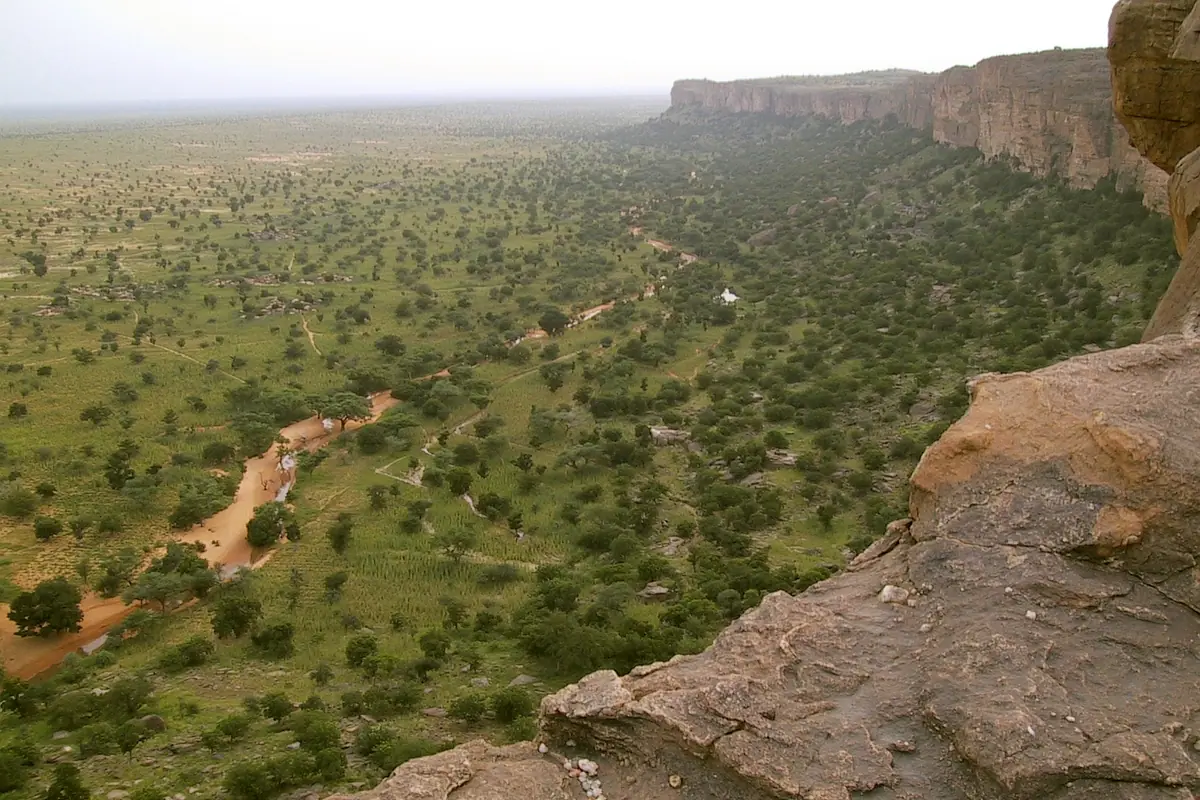
The Bandiagara Escarpment is Mali's great walking country: a 150-kilometre cliff of sandstone and laterite with villages tucked into its crevices, some so tightly wedged between rock and sky that the roofs of one house are the terrace of the next. Sanga, Banani, Ireli and Tireli are the best-known stops, and a two- to five-day trek between them is the single richest cultural experience in the country. You walk three to six hours a day, sleep in simple village campements, and eat millet porridge and peanut sauce under stars that seem aggressively bright.
What makes it extraordinary is the architecture and its daily use. Each family cluster has its own granaries, capped with thatch and sealed with mud, and every village has a toguna — a low, heavy-roofed shelter where elders sit in the shade to talk, and which is deliberately built with headroom that forces everyone to stay seated and civil. Mask dances, held at funerals and festivals, are still performed on the cliff-edge dance grounds; if you're lucky enough to be invited, ask your guide beforehand about photography, tipping and where to sit.
Hire a guide in Bandiagara or Sanga — it's expected, it's the difference between a walk and an education, and it puts money into villages that have few other sources of income. The cool dry months from November to February are ideal; March to May becomes brutally hot by mid-morning. If you have extra time, push on to Mount Hombori, the highest point in the country, and its neighbouring rock spire known as the Main de Fatima, a short climb with enormous views over the Sahel.
What Mali Tastes Like: Mafé, Fonio and Three Glasses of Tea
Malian cooking is built on millet, rice, peanuts and river fish, and it is far better than its low international profile suggests. The dish most visitors remember is tiguadèguèna — rice simmered with a deep, glossy peanut sauce and served with fish or chicken — while mafé brings together peanut, tomato and okra in a stew that is spooned over rice or fonio. Tô, a stiff paste of millet or sorghum, arrives with a leaf or okra sauce and is eaten with the right hand, rolled into a ball and dipped; saga saga, a green-leaf stew sharpened with dried fish and chilli, is its usual companion. Meals are often served from one large bowl, and eating communally is part of the pleasure.
The Niger supplies the best protein. Capitaine, a firm-fleshed Nile perch, is split and grilled over charcoal with a rub of garlic, chilli and lime, then brought to the table with fried plantain, rice and a fierce onion relish called piment. Street corners sell kuli-kuli (peanut brittle), grilled maize dusted with chilli, fried dough and skewers of mutton cooked choukouya-style over open coals. Vegetarians do well here: peanut and leaf sauces, fried plantain, rice with tomato, bean fritters and grilled vegetables are everywhere, though you should ask whether a sauce has been made with fish stock.
To drink, look for bissap (hibiscus), gingembre (ginger juice), djablani (a hibiscus-and-ginger blend), tamarind and baobab juices, and dèguè, a cool millet-and-yoghurt mixture sold in sachets. But the ritual that defines Malian hospitality is attaya: green tea with mint and plenty of sugar, brewed in a small pot and poured from a great height to build a foam, then shared in three tiny glasses. The first is bitter, the second sweet, the third mild — and accepting all three is how a stranger becomes a guest.
Crafts, Festivals and the Rhythm of the Year
Mali's crafts are worth planning around. Bògòlanfini is made in the Ségou region, indigo dyeing happens in pockets around Bamako, and bazin — a damask cloth beaten with wooden mallets until it shines — is stitched into the flowing embroidered garments worn at every celebration. Dogon carvers produce stools, door locks and masks whose forms have been refined over generations, while Tuareg silversmiths work geometric crosses and leather into pieces that travel well. Buy directly from workshops where you can, and you'll usually pay less and learn more.
Festivals punctuate the calendar. Ségou's riverside music festival in February is the biggest, a few days of concerts, pirogue races and street theatre. Bamako hosts a biennial photography festival that fills galleries and courtyards with African photography, and the Muslim calendar brings Tabaski, when families slaughter a sheep and the streets fill with new bazin outfits, and Maouloud, marked with processions and drumming. In Djenné, the annual re-plastering of the Great Mosque is a whole-town event in the spring, with mud mixed by hand, music playing and everyone from children to elders carrying buckets.
Timing matters. November to February is the sweet spot: dry, dusty with harmattan haze, cool enough in the north for a blanket at night. March to May is punishing, with temperatures pushing well past 40°C in Bamako, Kayes and Gao. The rains come from June to September in the south, greening the landscape and, from around September to December, raising the river enough for long pinasse journeys. On etiquette, learn a few Bambara greetings — a proper exchange of "I ni ce" before anything else opens doors — always ask before photographing people, dress modestly in the north, and travel with local guides who know current conditions. Parts of the north and centre have long-standing security concerns, so check your government's latest travel advice before booking anything.
Frequently asked questions
What is the best time of year to visit Mali?
November to February is the most comfortable window, with dry weather and cool nights in the north. March to May is extremely hot, often above 40°C. The rainy season runs June to September in the south, and from roughly September to December the swollen Niger allows long pinasse trips between Mopti and Timbuktu.
What food should I try in Mali?
Don't miss tiguadèguèna (rice with peanut sauce), mafé, tô with leaf or okra sauce, and charcoal-grilled capitaine from the Niger. Snack on kuli-kuli, grilled maize and mutton skewers, and drink bissap, ginger juice, dèguè and the three glasses of attaya tea.
How do I travel between Bamako, Djenné and Timbuktu?
Road travel makes Bamako to Ségou around four hours, Ségou to Mopti six to seven, and Mopti to Djenné one to two hours on a rough track. Timbuktu is reachable by a short domestic flight or by a three- to four-day pinasse journey down the river from Mopti.
Do I need a guide for Dogon Country?
Yes — hiring a local guide in Bandiagara or Sanga is standard practice, supports village communities, and gives you access to places and explanations you'd otherwise miss. Treks typically run two to five days with three to six hours of walking a day.
Is Mali safe for tourists?
Large parts of the north and centre carry serious security risks, and many visitors limit themselves to Bamako, Ségou, Djenné, Mopti and Dogon Country. Always check your government's current travel advice, move with reputable local guides, avoid travelling after dark on rural roads, and stay flexible if conditions change.