Mali is a country you plan around the weather rather than the calendar — a Sahelian north where nights turn genuinely cold in winter, a greener south where the Niger spreads into a shimmering inland delta, and a hot season that reshapes your whole day. Choose your month well and the mud-brick mosques, cliff villages and river ports of the Sahel open up with remarkable ease; choose it badly and you will remember only the heat and the dust.
Mali's Seasons at a Glance: What Actually Shapes a Stay
Mali runs on three broad seasons, and they behave very differently depending on whether you are in Bamako, the inland delta around Mopti, the sandstone cliffs of Dogon Country or the desert-fringe towns further north. From roughly November to February the harmattan blows in a dry, dusty haze from the north-east, days sit in the high twenties to low thirties Celsius and nights can drop to 12–16°C in Bamako and close to single figures on the plateau near Bandiagara. This is the comfortable window most travellers aim for.
March to May is the hot dry stretch. Bamako regularly passes 40°C, and Kayes in the west — long known as one of the hottest towns in West Africa — pushes higher still, with April and May the cruellest months. Then from June to October the rains arrive from the south, greening the savannah, filling the Niger and cooling the air, though humidity climbs and unsurfaced roads in Dogon Country and around Djenné can turn slick or briefly impassable.
For hotels, the practical consequence is simple: air conditioning, ceiling fans, a pool and a back-up generator matter far more here than they would in Europe or East Asia. Power cuts and low water pressure are part of ordinary life, and a good establishment is one that manages them quietly. Outside the cool season, a rooftop terrace that catches the evening breeze is worth more than a fancy lobby.
November to February: The Cool Dry Season and Peak Hotel Comfort
This is prime time. Skies are hazy but largely rain-free, the temperature is manageable all day, and long drives — Bamako to Ségou, Ségou to Mopti, Mopti out to the Bandiagara Escarpment — are genuinely pleasant. It is also the season for the country's biggest cultural drawcards: the Festival sur le Niger fills riverside Ségou with music and pirogue races in early February, while masked dance festivals in Bamako draw crowds in January and February. Book rooms in Ségou, Mopti and Djenné weeks ahead, because small guesthouses sell out fast and rates are at their yearly high.
The landmarks you came for are at their best now. The Great Mosque of Djenné, the largest mud-brick building in the world, is on full display above the Monday market, and the surrounding streets of Djenné-Jeno's ancient predecessor sit an easy morning's walk away. Further north, the Djinguereber Mosque, the Sankore Madrasa and the Sidi Yahya Mosque anchor the old quarter of Timbuktu, whose manuscript heritage is kept alive in the city's libraries and research institutes.
Plan for cold nights if you are heading to the Dogon plateau or the northern towns — a fleece is not a joke there in January. Do also expect the harmattan to scrub colours from your photographs; photographers often prefer the clearer light of late February and March, accepting warmer afternoons in exchange. And regardless of the season, check your government's current travel advice before booking anything in the northern regions, where long-standing security concerns mean many visitors concentrate on the south and the Niger bend.
March to May: The Hot Season, Rooftop Pools and City Comfort
Mali's hot season is not a time for long afternoons on a motorbike. Between March and May the sensible rhythm is early starts, a long siesta, and late-evening activity — which makes this a surprisingly good window for cities. In Bamako, the National Museum of Mali, the sprawling Grand Marché, the rose-coloured Marché Rose and the viewpoint on Point G hill are all best visited before 10am, with the rest of the day spent in the shade of a hotel courtyard or a riverside terrace above the Niger.
Hotel choice becomes the whole trip. Look for properties with a real pool, thick walls, reliable air conditioning and shaded gardens; the diplomatic and business districts of Bamako have the widest choice, and prices dip noticeably outside the cool-season peak, so you can often upgrade to a much nicer room for the same money. In Ségou, riverside guesthouses with breezy first-floor rooms beat stuffy ground-floor options every time.
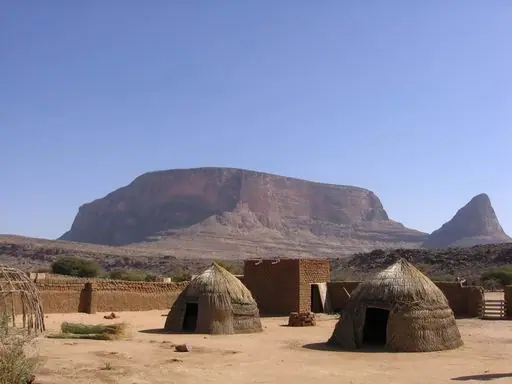
If you are determined to see the desert-fringe architecture in this heat, Timbuktu and the far north are frankly punishing, and travel there should only be considered with professional local guidance and up-to-date security information. Most travellers in these months stay in the southern belt, or head to the cooler high ground around the Bandiagara Escarpment and Hombori, where the shadow of Mount Hombori — Mali's highest peak, crowned by the extraordinary Hand of Fatima spire — offers some relief at dawn and dusk.
June to October: The Green Season on the Niger River
The rains reach southern Mali in June and build to a peak around August, tapering off through September and October. This is the season travellers either love or avoid. Love, because the country turns emerald, the dust disappears, waterfalls such as the Gouina Falls on the Senegal River near Kayes run full and spectacular, and hotel rates fall to their lowest. Avoid, because humidity is high, mosquitoes are numerous, and dirt roads in Dogon Country and the Djenné floodplain can become genuinely difficult.
The great reward is the water itself. As the Niger swells, the inland delta around Mopti becomes a world of channels and reed islands — Mopti's own harbour, the Grand Mosque of Mopti above it and the fishing villages of the delta come alive, and the flood wave then travels downstream over the following weeks and months. Traditional pinasse boats, the long wooden craft you will see stacked with cargo and passengers, become the default way to move between river towns in the delta.
Travelling in the green season asks for flexibility: accept that a road may close, build slack into your itinerary, and choose accommodation with a solid roof, mosquito nets and good ventilation rather than the cheapest room going. It is also, quietly, the best time to understand how Mali's mud architecture actually works — you will see thatch, drainage channels and freshly maintained walls in the middle of their annual battle with the rain.
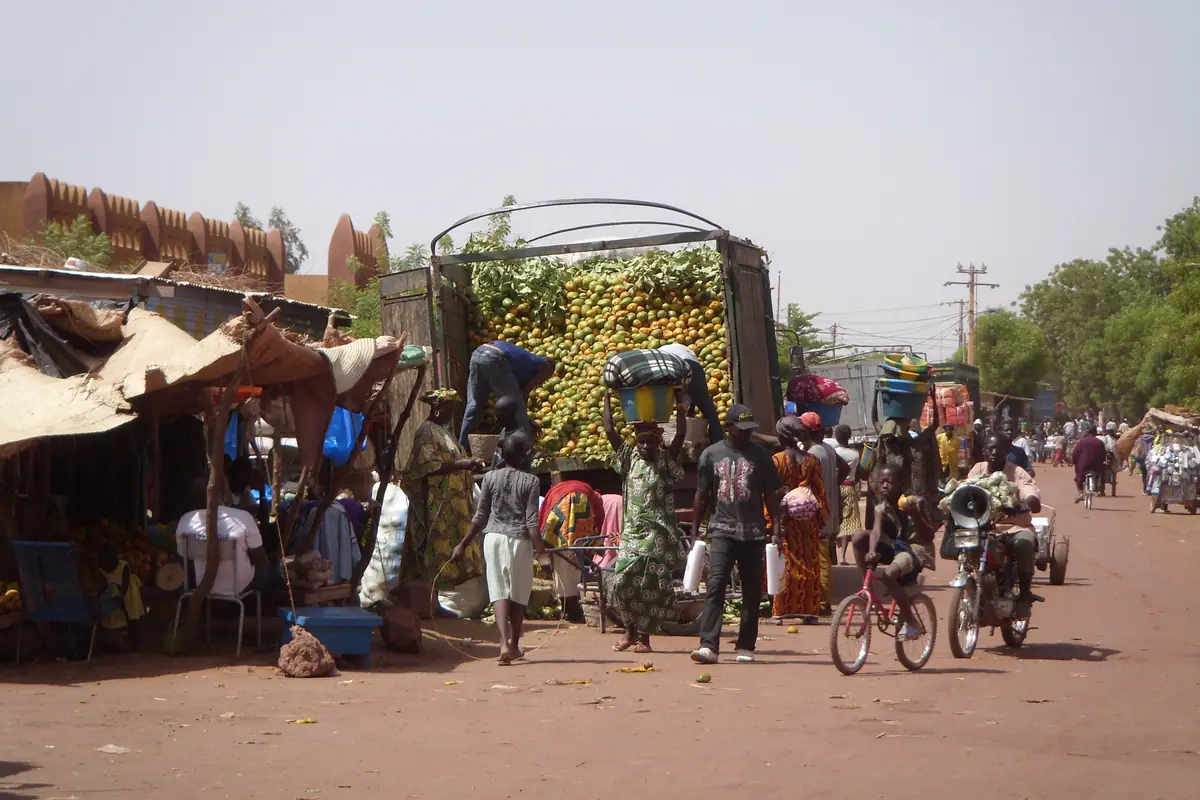
Landmark Season: Matching Mali's Must-See Sights to the Calendar
Some sights have their own seasons. The Great Mosque of Djenné is at its most photogenic between November and February, when the light is hazy gold and the plain is dry; the town's famous collective re-plastering of the mosque, when the whole community turns out to press fresh mud onto the walls, traditionally happens in the spring before the rains and is one of the great spectacles of West Africa. Djenné's Monday market is worth planning a whole day around, and the archaeological mound of Djenné-Jeno nearby is a reminder that this has been a trading crossroads for well over two thousand years.
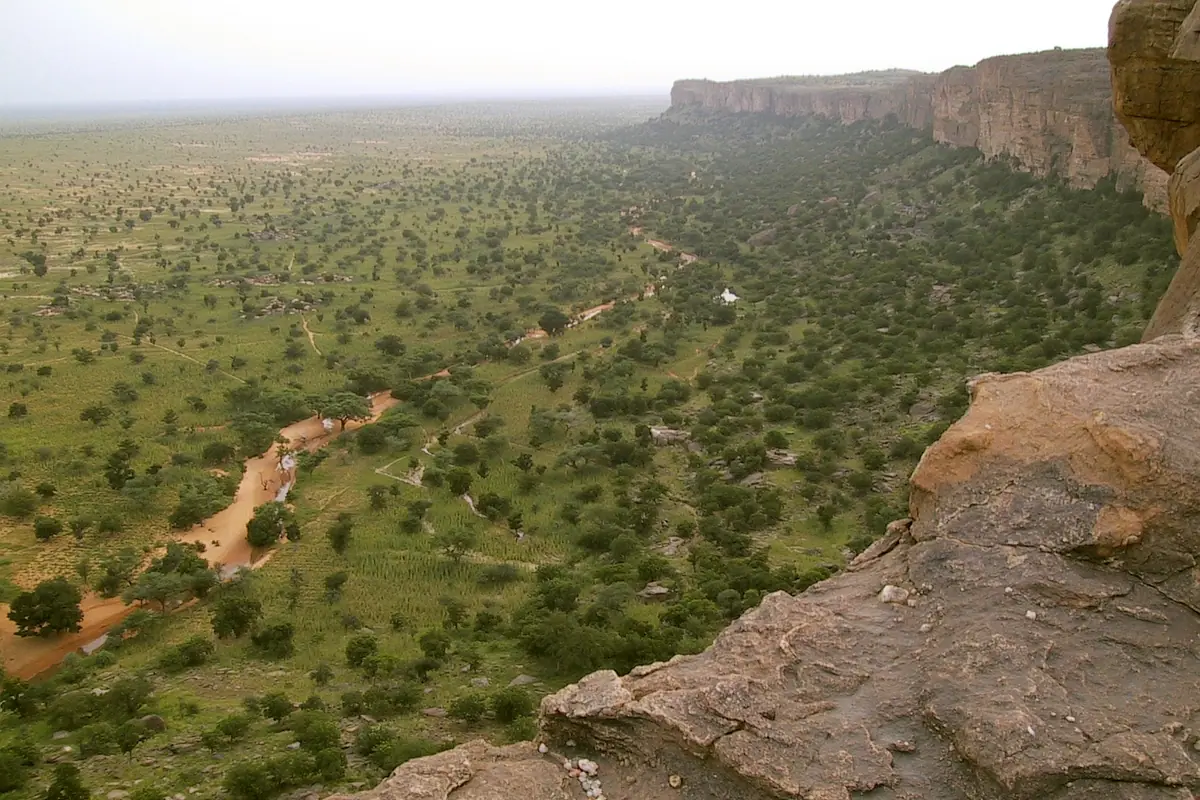
In the north, Timbuktu's landmarks — the Djinguereber Mosque, the Sankore Madrasa, the Sidi Yahya Mosque and the manuscript collections — are best in the cool months, and access depends entirely on the current security picture, so treat any northern extension as a decision to make on the ground rather than months in advance. Along the Bandiagara Escarpment, the cliffside villages of Sangha, Banani, Ireli and their neighbours are at their most walkable from November to February, when nights are cool and the paths firm.
In the south and west, Bamako itself deserves more than a transit stop: the National Museum of Mali, the Grand Marché, the Marché Rose, the cathedral and the bridges over the Niger are all easy in the dry months. Downstream, Ségou rewards a night or two in the cool season with its pottery village of Kalabougou across the river, while Mopti's old town, its harbour and the great mosque of Komoguel are most comfortable from December through February. If you want wildlife, the Boucle du Baoulé reserve west of Bamako is best attempted late in the dry season, when vegetation thins and animals gather near water.
Where to Stay: Matching Hotels to Season and Region
Mali's accommodation is more varied than many first-time visitors expect. Bamako has international-standard hotels in districts such as ACI 2000 and Hamdallaye, plus a growing crop of small boutique guesthouses with gardens and pools. Ségou offers riverside properties where you can watch pirogues drift past at sunset; Mopti and Djenné have simple guesthouses with rooftop terraces that are perfect for cool-season evenings but stifling in April; and Dogon Country runs on campements — basic village lodgings, often built in the local style, with shared washing facilities and meals cooked to order.
Timing tips make a real difference. In the cool season, ask specifically for a room with hot water and a blanket; in the hot season, insist on air conditioning and confirm it works before you pay; in the rains, prioritise a well-sealed roof and a mosquito net over any view. Around festival time in Ségou and Bamako, reserve well in advance or accept a room far from the action. Everywhere, cash in local currency is king — few small establishments take cards, and ATMs are unreliable outside the capital.
Finally, season affects how you move between hotels as much as which one you choose. Cool-season travel allows long road days and multi-stop itineraries linking Bamako, Ségou, Mopti, Djenné and the escarpment. Hot-season travel favours fewer, longer stays in the cities. Green-season travel demands patience, a flexible itinerary and a willingness to let the river, rather than the road, set your schedule. Choose your month with those three rhythms in mind and Mali will reward you handsomely.
Frequently asked questions
What is the single best month to visit Mali?
December and January are the sweet spot: dry, dusty but cool, with daytime temperatures in the high twenties to low thirties Celsius and genuinely chilly nights in Dogon Country and the north. February is nearly as good, clearer but warmer, and it coincides with Ségou's big riverside music and pirogue festival.
How hot does Mali get, and when?
March to May is the punishing stretch, with Bamako often above 40°C and the western town of Kayes hotter still. If you travel then, plan activity before 10am and after 5pm, and treat a pool and reliable air conditioning as essentials rather than luxuries.
Does the rainy season ruin a trip to Mali?
Not necessarily. Rains run roughly June to October, peaking in August in the south, and they bring green landscapes, spectacular waterfalls near Kayes, lower hotel rates and a navigable Niger River. The trade-offs are humidity, mosquitoes and muddy unsurfaced roads in Dogon Country and around Djenné, so build slack into your plans.
When should I visit Djenné and the Dogon Country?
November to February for both. Djenné's Great Mosque looks best in the dry-season light, and the town's traditional collective re-plastering takes place in spring before the rains. The Bandiagara Escarpment villages such as Sangha, Banani and Ireli are far easier to walk in the cool months, when paths are firm and nights are comfortable.
Is northern Mali safe to visit, and when is the best time if I go?
The northern regions around Timbuktu and Gao carry long-standing security warnings, and any trip there should be decided based on current official travel advice, with professional local guidance. If conditions allow, the cool dry months from November to February are the only sensible window — the heat from March onward is extreme and the rains make travel harder.
Sort the rest of your trip
Everything for Mali, in one place
Transfer in Mali
Private driver waiting on arrival — no queues, no surprises.
Book a transfer
Things to do in Mali
Skip-the-line tickets, guided tours and standout experiences.
See experiences
Stay online in Mali
Travel eSIM — data the moment you land, no roaming bills.
Get an eSIMMore guides in Mali
1 Week in Mali: A Bamako to Timbuktu Itinerary by Air, Road and River
Mali Travel Guide: Food, Culture and Local Experiences from Bamako to Timbuktu
Where to Stay in Mali: Hotels and Must-See Places from Bamako to Timbuktu
Best Places to Visit in Mali: Timbuktu, Djenné and the Bandiagara Escarpment