Mali unfolds along the great Niger River and into the Sahara, a country of mud-brick mosques, cliff villages and markets that have traded salt, gold and books for a thousand years. Where you sleep shapes how much of it you actually see, because distances are long, roads are slow and the best lodgings sit right beside the landmarks. This guide maps the country's hotel zones onto the sights that make a Mali trip worth the journey.
Mali at a Glance: How to Choose Where You Sleep
Mali is a landlocked giant of the western Sahel, and the hotel you want depends entirely on which Mali you have come to see. The south-west holds the capital, Bamako, and the greener river country of Segou and Mopti; the centre holds the World Heritage mud architecture of Djenne and the sandstone cliffs of Dogon Country; the north opens onto Timbuktu and the dunes. Outside Bamako, accommodation tends to be small, family-run and low-rise, ranging from colonial-era river hotels with ceiling fans and courtyards to simple auberges and village campements where you sleep on a rooftop under a blanket of stars.
The seasons drive everything. From November to February the harmattan clears the sky and daytime temperatures hover in the comfortable range, which is also peak season for guides, vehicles and rooms. March to May turns ferociously hot, with afternoons well above 40°C in the Sahel, and June to October brings the short rains: greener landscapes, dramatic skies and occasional impassable tracks out towards Djenne and the Dogon plateau. Book early for the cooler months, and confirm whether your hotel has a generator, since power cuts are routine almost everywhere outside the capital's larger properties.
Security is the other variable. Parts of northern and eastern Mali are subject to armed conflict and travel restrictions, and some regions require official authorisation or an escort before you can enter. Check your own government's current travel advice before booking anything, travel with a reputable local operator where it is required, and favour walled compounds with a night guard in the more remote towns. None of this need stop a well-planned trip to the south and centre, but it should shape the order in which you book flights, hotels and guides.
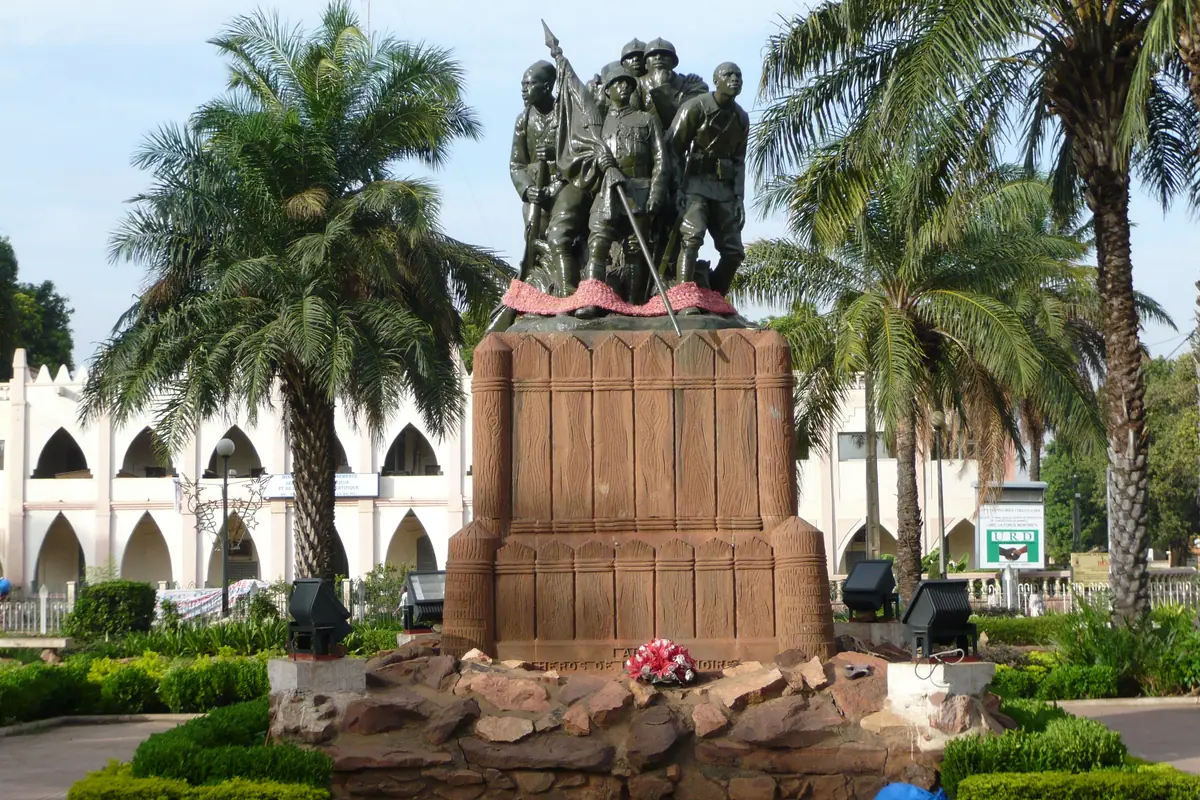
Bamako: The Capital's Neighbourhoods and Biggest Hotels
Almost every Mali itinerary begins in Bamako, and the city rewards a couple of nights before you head north or east. Most of the landmarks cluster near the river: the National Museum of Mali, with its collections of masks, textiles and bogolan mud-cloth; the Bamako Grand Mosque, whose tapering minaret rises above the old commercial quarter; the Marché Rose, a sprawling pink-walled market of fabrics, silver and leatherwork; and the Maison des Artisans, the best single stop for carvings, jewellery and indigo cloth. Cross the Pont des Martyrs or the Pont Fahd for river views, and climb Point G for the cave shrine and a panorama over the city's corrugated rooftops.
Where you stay usually comes down to three areas. The centre-ville puts you within walking distance of the museum, markets and the mosque, with a mix of mid-range hotels and business places with conference rooms. South of the river, Badalabougou and the riverside belt are greener and quieter, popular for embassies, restaurants and hotels with pools and gardens. Hamdallaye ACI, Hippodrome and Faladié are the capital's modern business and nightlife districts, and the airport road area suits anyone catching an early flight north to Timbuktu.
Expect Bamako to be the most comfortable and most expensive part of a Mali trip. The top hotels offer air-conditioning that works, swimming pools, gyms, reliable back-up power and the fastest internet in the country, though even here connections can stutter. Taxis are plentiful but unmetered, so agree the fare first, and allow generous time for traffic in the late afternoon. Two or three nights is usually enough to see the sights, sort out permits and meet your guide before moving on.
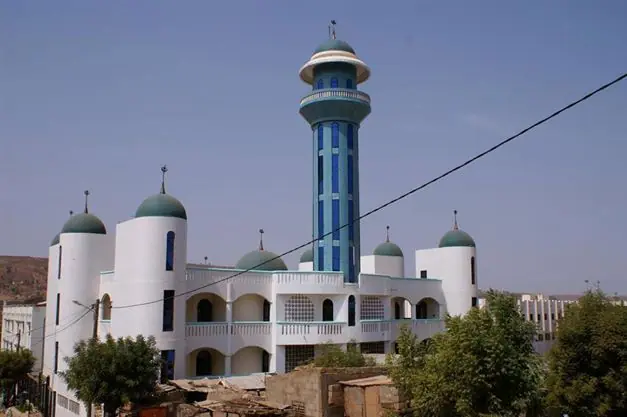
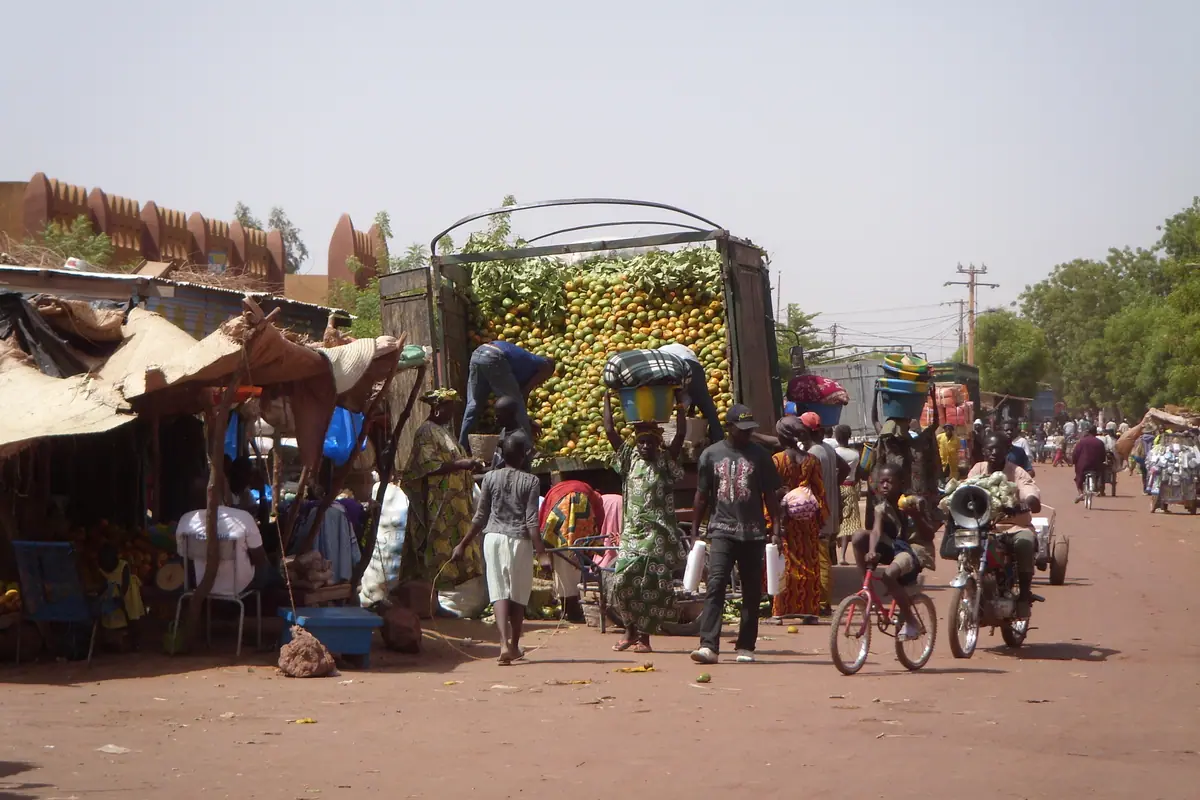
Segou and Mopti: Life on the Niger River
Segou, roughly four hours by road northeast of Bamako, was the capital of a Bambara kingdom and still feels like a river town with a memory. The old colonial grid, the Cercle municipal and the tomb of Biton Coulibaly sit close to the waterfront, and a short pirogue ride takes you to Kalabougou, a village of potters who fire hundreds of vessels on the riverbank. February's festival on the Niger draws musicians and craft sellers from across the region, filling every room in town, so book well ahead if you plan to be there. Lodgings are mostly small riverside hotels and guesthouses with courtyards, fans and simple restaurants serving rice and fish.
Further north, Mopti is nicknamed the Venice of Mali, and its setting at the confluence of the Niger and Bani rivers justifies it. The Grand Mosque of Mopti, with its twin tapering towers, dominates the old town, while the port below is a spectacle of pinasses, fishing boats and cargo pirogues loading and unloading at dawn. Mopti is the natural base for Lake Débo cruises, for trips west to Djenné and for the road east towards Dogon Country, which is why its handful of riverfront hotels with terraces and cold drinks fill up quickly in the cool season.
The drive between the two towns takes five to six hours on a good day, longer when the road surface breaks up or you catch a market-day crowd, so many travellers break the journey or fly between Bamako and Mopti instead. Bring small notes in local currency, since change is scarce outside the capital, and don't count on card payments once you leave the big Bamako hotels behind.
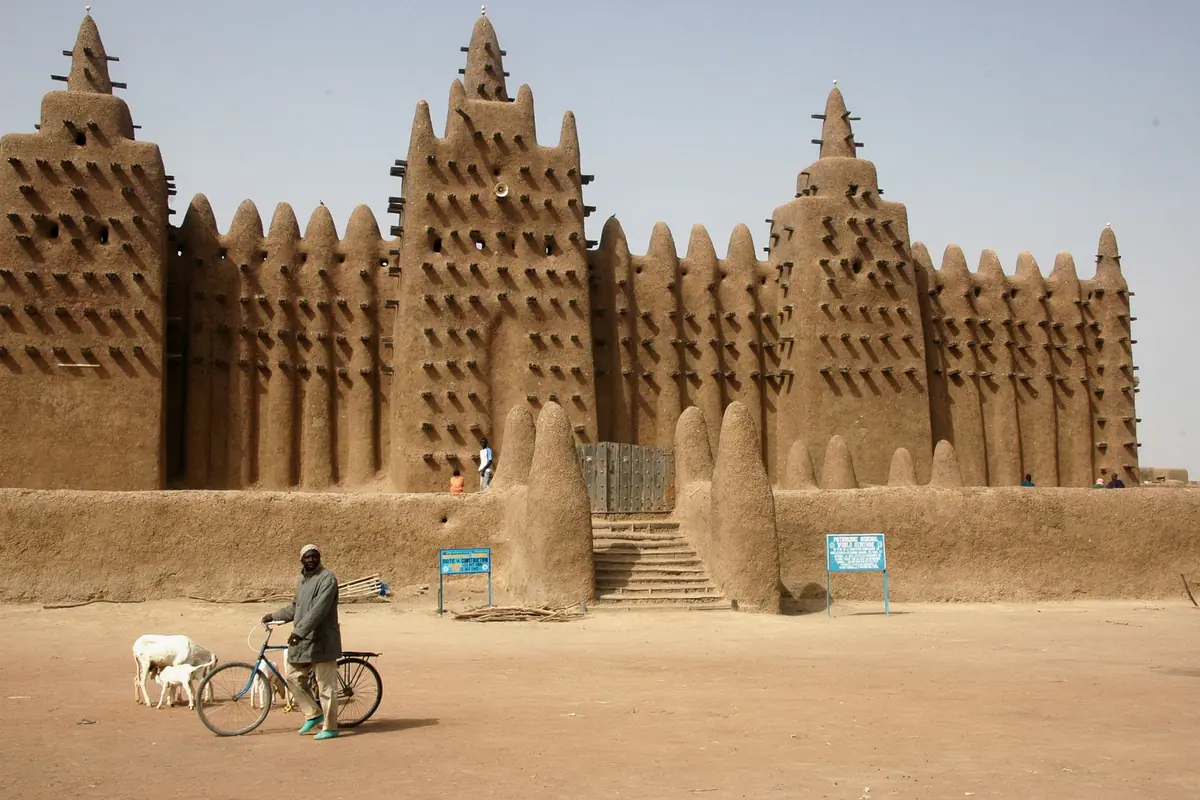
Djenné: Sleeping Beside the World's Greatest Mud Building
Djenné is the image most people carry of Mali before they arrive: the Great Mosque of Djenné, the largest mud-brick building on earth, its tapering towers studded with wooden beams, rising over a river of low banco houses. The old town around it is a World Heritage site in its own right, a labyrinth of narrow lanes, koranic schools, courtyards and the tombs of local saints. Every Monday the square in front of the mosque becomes one of the great markets of the Sahel, with salt, cloth, pottery and cattle changing hands from first light.
Staying here means small guesthouses rather than hotels, many of them built in the same mud-brick style, with rooftop terraces that look straight across to the mosque — an unforgettable place to watch the light change at dusk. Rooms are basic, electricity comes and goes, and a few places close during the rains, but the reward is being inside the town when the day-trippers have gone. The annual replastering of the mosque, when the whole community mixes mud and presses it into the walls to the sound of drums and music, happens in the spring and is worth planning a trip around.
Djenné sits a short drive from Mopti, and a bridge now connects the town to the main road across the Bani river, which has made access far less dependent on ferry timetables. Even so, the final stretch can be slow and dusty in the dry season and soft after rain. The most comfortable months to stay are November to February; from March the heat in these low mud-walled rooms becomes genuinely testing.
Timbuktu and the Sahel: Hotels at the Edge of the Desert
Timbuktu has been a byword for the far horizon for centuries, and the reality is a low, sandy city of mud mosques and manuscript libraries at the southern edge of the Sahara. The Djinguereber Mosque, built in the fourteenth century, and the Sankore Mosque, once the heart of a famous centre of learning, still anchor the old quarters, while the Sidi Yahya Mosque and the surrounding saints' tombs complete the historic triangle. Collections of ancient manuscripts, preserved by local families and institutes through war and flood, can be seen in several private libraries, and the Flame of Peace monument on the edge of town recalls the ceremony that marked the end of an earlier rebellion.
Hotels here are small and deliberately plain: mud-walled auberges, some with courtyards and rooftop terraces, a few with air-conditioning that runs only when the power does. Generators, bucket showers and simple rice-and-meat dinners are the norm, and the compensations are extraordinary — camel rides onto the dunes, tea with nomadic families, and a night sky with nothing between you and the desert. Bring a head torch, a scarf for the dust, and cash, since there are no working ATMs to rely on.
Reaching Timbuktu usually means a short flight from Bamako, available only on certain days of the week, or the long river route from Mopti when water levels allow. Access to the north is subject to security restrictions that change from season to season, so confirm current conditions and any required permits before you plan. December and January are the coolest, dustiest and most comfortable months to be here.
Dogon Country: Cliff Villages, Campements and the Bandiagara Escarpment
The Bandiagara Escarpment runs for some 200 kilometres of sandstone cliffs, and the villages perched along it form one of Africa's most startling cultural landscapes. Names you will hear again and again include Sangha, Banani, Ireli, Kani-Kombole, Youga Dogorou and Songo, each with its own granaries, shrines and meeting places, and the cliff faces above them are honeycombed with the rock-cut dwellings and burial caves of the earlier Tellem people. Mask dances still take place at funerals and festivals, and Dogon cosmology, astronomy and ironwork are explained by local guides with real expertise.
This is walking country rather than hotel country. A classic route of three to five days links villages along the escarpment and down onto the plain, with nights spent in campements — simple mud-brick compounds with a shared courtyard, a mat on the roof and meals of millet, sauce and chicken cooked by the family. Some villages now have slightly more comfortable guesthouses with private rooms and solar power, and a few spots on the plateau have small lodges with pools for travellers who prefer not to walk every day. Hiring a local guide and, for longer routes, a vehicle to carry bags, is standard practice and supports the communities you pass through.
The best months to hike are November to February, when mornings are cool and the dust haze softens the cliffs at sunset. March to May is punishing, and the July-to-September rains make the trails slippery and the river crossings uncertain. Whatever the season, carry more water than feels necessary, wear shoes with grip for the scree paths, and ask before photographing shrines or people — a small courtesy that makes the whole trip warmer.
Frequently asked questions
What is the best time of year to stay in Mali?
November to February is the sweet spot: dry, dusty and comparatively cool, with comfortable nights on the Dogon plateau and in the desert towns. March to May brings extreme heat, especially in the Sahel, and June to October is the rainy season, which greens the landscape but can soften tracks towards Djenné and the escarpment. Festival season around February fills riverside towns, so book rooms months in advance.
What are hotels in Mali actually like?
Bamako has the full range, from international-standard hotels with pools, gyms and dependable back-up power to mid-range business places and budget guesthouses. Elsewhere, expect smaller, family-run hotels, colonial-era river properties with courtyards and fans, and, in Dogon Country, campements where you sleep on a rooftop mat. Air-conditioning, hot water and internet become progressively less reliable the further you travel from the capital.
Do I need special permits to travel around Mali?
Most visitors need a visa arranged in advance, and parts of the country require additional authorisation or an official escort because of the security situation. Restrictions change frequently, so check your government's current travel advice and confirm requirements with a local operator before booking flights or remote hotels. Carry identification with you at all times, including on internal flights.
How do I get between Mali's hotel towns?
Bamako to Segou is roughly four hours by road, Segou to Mopti five to six, and Mopti to Djenné a short drive once you are past the river crossing. Internal flights link the capital with Mopti and Timbuktu on selected days, and slow river boats run north when water levels permit. For Dogon Country, most travellers hire a 4x4 with a driver and guide, then walk between villages.
Should I pay for hotels in cash or by card?
Bring plenty of local currency in small notes. Larger Bamako hotels usually accept cards, but outside the capital cash is the norm and change is scarce, so break big notes whenever you can. It is also wise to carry a modest cash reserve separately from your main funds, since ATMs are rare and unreliable once you leave the city.
Sort the rest of your trip
Everything for Mali, in one place
Transfer in Mali
Private driver waiting on arrival — no queues, no surprises.
Book a transfer
Things to do in Mali
Skip-the-line tickets, guided tours and standout experiences.
See experiences
Stay online in Mali
Travel eSIM — data the moment you land, no roaming bills.
Get an eSIM