Mali is the Sahel at its most storied: mud cities rising straight from the floodplain, medieval libraries in the sand, and a river that swells into an inland sea each year. Travel here is a slow, deliberate pleasure — measured in pirogue hours, tea glasses and greetings exchanged before anything else.
Bamako: The Riverside Capital Where Every Mali Journey Begins
Almost every trip opens in Bamako, a sprawling, low-rise capital draped over both banks of the Niger and joined by a pair of busy bridges. It is loud, dusty and utterly alive: motorbikes swarm the avenues, market women balance basins of mangoes, and the smell of grilled fish drifts up from the riverside at dusk. Give it two nights rather than one — the city rewards a little patience.
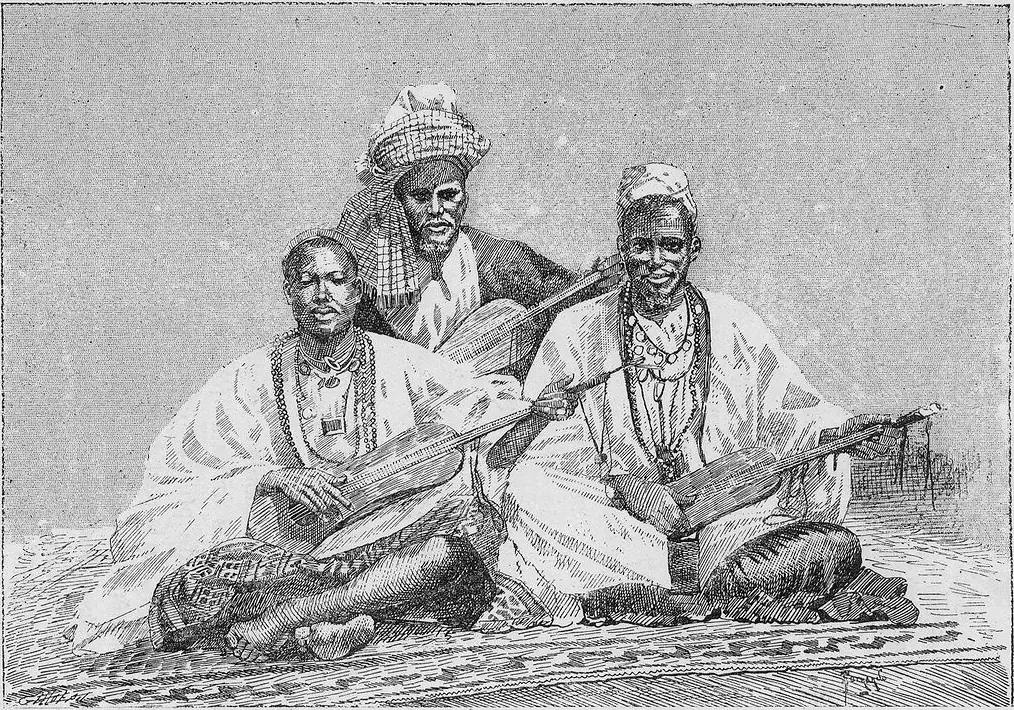
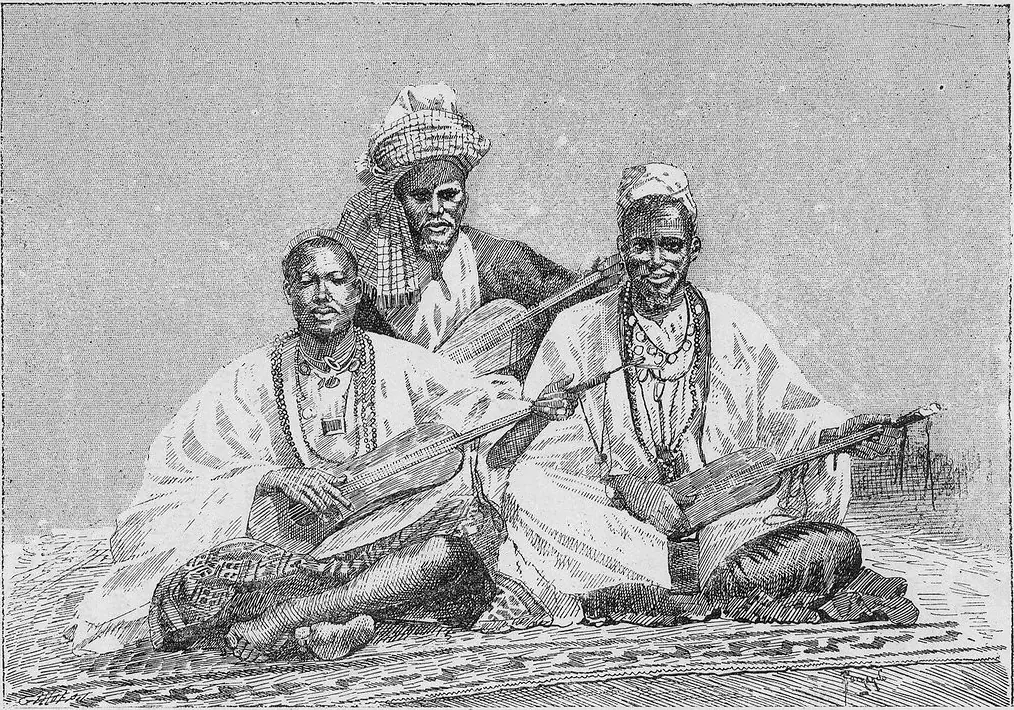
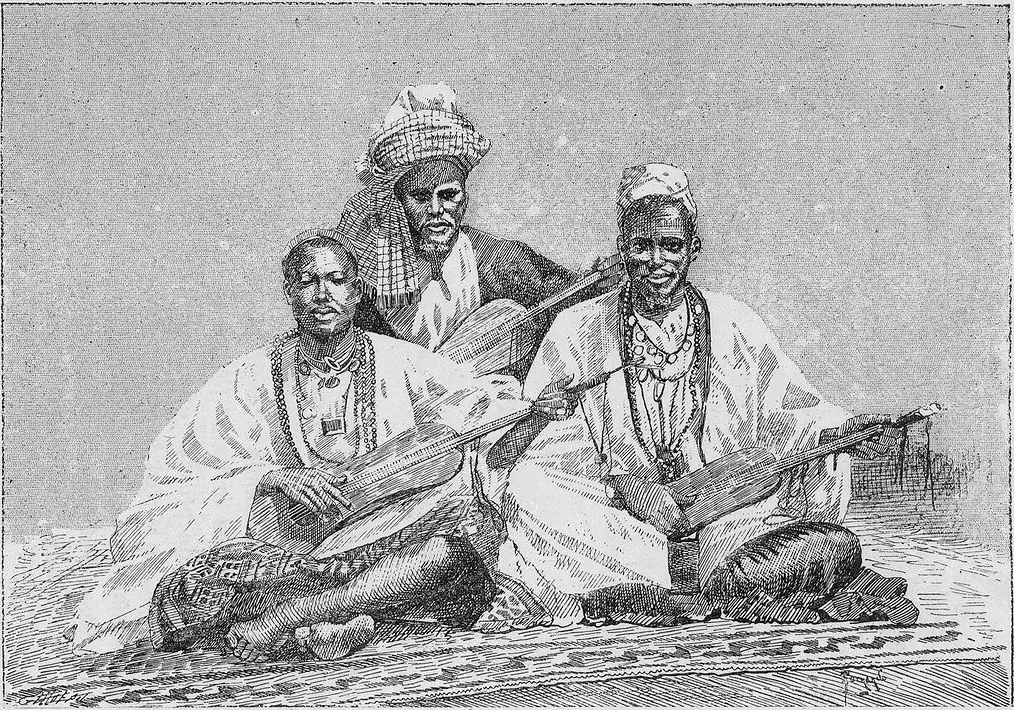
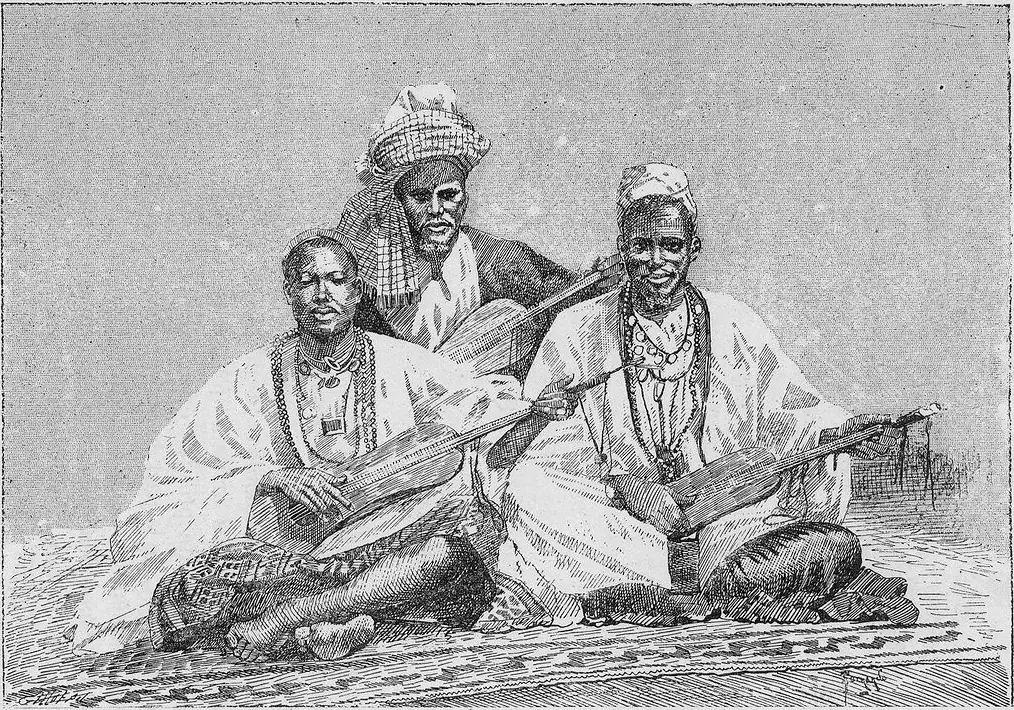
Start at the National Museum of Mali, whose gardens hold an excellent collection of Dogon masks, terracotta figures, bogolan textiles and musical instruments, with the leafy National Park of Mali next door for an afternoon walk. Then head to the artisans' market for carvings and indigo cloth, climb Point G for a view over the rooftops, and see the Great Mosque rising above the river quarter. Live kora and ngoni music spills out of the city's clubs most nights and is worth staying up for.
With a spare day, drive south to Siby, where a natural sandstone arch frames the Manding hills and the landscape turns suddenly green. Further south again, the old fortified walls and hilltop stronghold of Sikasso make a worthwhile detour for anyone crossing toward the forested borderlands. Bamako is also where you arrange transport, guides and river passages — do it here, in person, before heading north.
Ségou and the Middle Niger: Mud Cloth, Potters and Pirogues
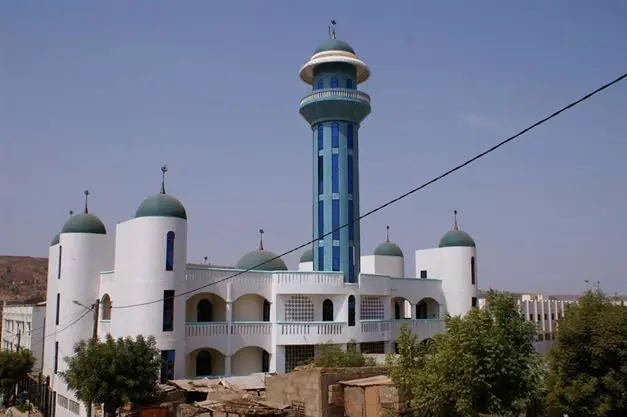
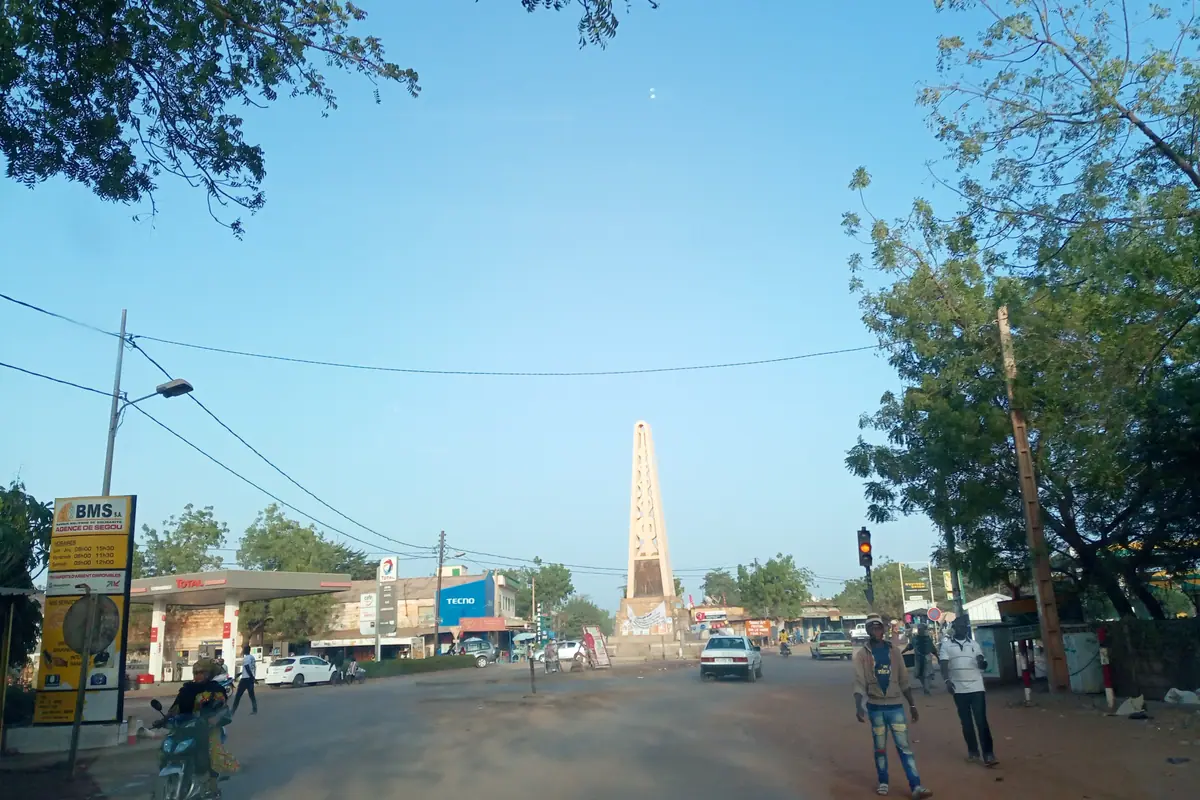
Ségou, once the seat of a powerful Bambara kingdom, is the most relaxed of Mali's river towns. Its colonial-era grid sits close to the water, and the rhythm of the day is set by women rinsing indigo cloth in the shallows. This is the heartland of bogolan, the hand-painted mud cloth that has become one of West Africa's most recognisable textiles; small workshops around town welcome visitors who want to watch the dyeing and painting, and to buy direct.
The town's signature event, the Festival on the Niger, fills the riverfront with music, pirogue races and craft stalls in early February. Any time of year, hire a wooden pirogue and drift across to Kalabougou, a village of potters who fire enormous cooking vessels in open brush fires on the bank — the sight of dozens of pots glowing against the sunset is one of Mali's great free spectacles. Downstream, the river widens toward the vast inland delta.
Djenné: The Great Mosque and a City Built of Earth
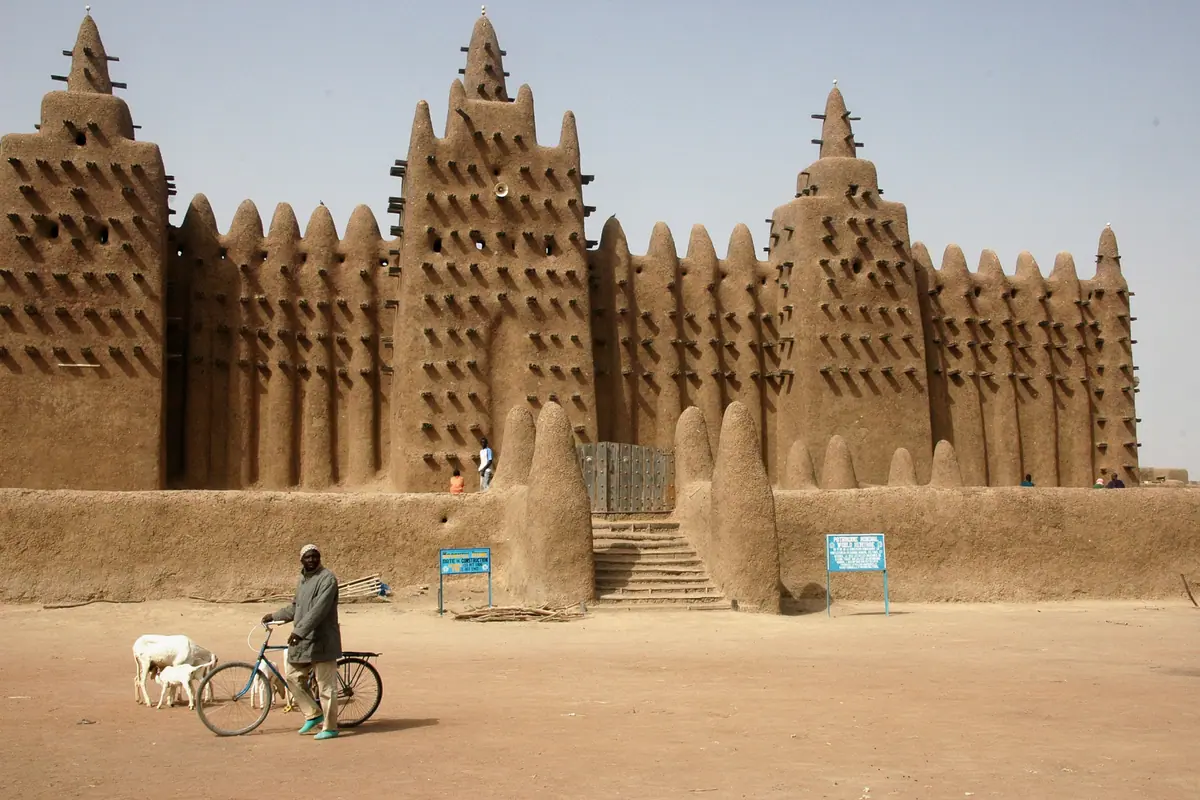
Djenné is the image most people carry of Mali before they ever arrive. The Great Mosque of Djenné, rebuilt in its present form in the early twentieth century and inscribed on the UNESCO World Heritage list, is the largest mud-brick building on earth: a soft, sculptural mass of tapering pillars, toron bundles and conical buttresses that seems to breathe in the heat. Non-Muslims do not enter the prayer hall, but the view from the square in front is the real event, best in the low light of early morning.
Every spring, masons and townspeople gather for the crépissage, plastering the mosque's walls with fresh banco in a joyful, muddy festival of drums and shouting that has been repeated for generations. Come on a Monday for the weekly market, when traders from surrounding villages fill the square with millet, rice, dried fish, peppers and indigo cloth. Allow two nights: the old town's narrow lanes, koranic schools, rooftop terraces and the ancient mound of Djenné-Djenno, occupied for millennia before the mosque existed, deserve unhurried hours.
Mopti, the Inland Delta and the Bandiagara Escarpment
Mopti sits on the wedge of land between the Niger and Bani rivers, a working port where hundreds of pinasses load and unload beneath the pink-and-cream Sudano-Sahelian towers of the Komoguel Mosque. From the quays you can hire a boat into the inland delta, a labyrinth of channels, reed beds and grazing pastures that floods each year and draws huge flocks of migratory waterbirds. Villages such as Tenenkou and Niafounké, home to Bozo fishermen, are reachable on multi-day river journeys.
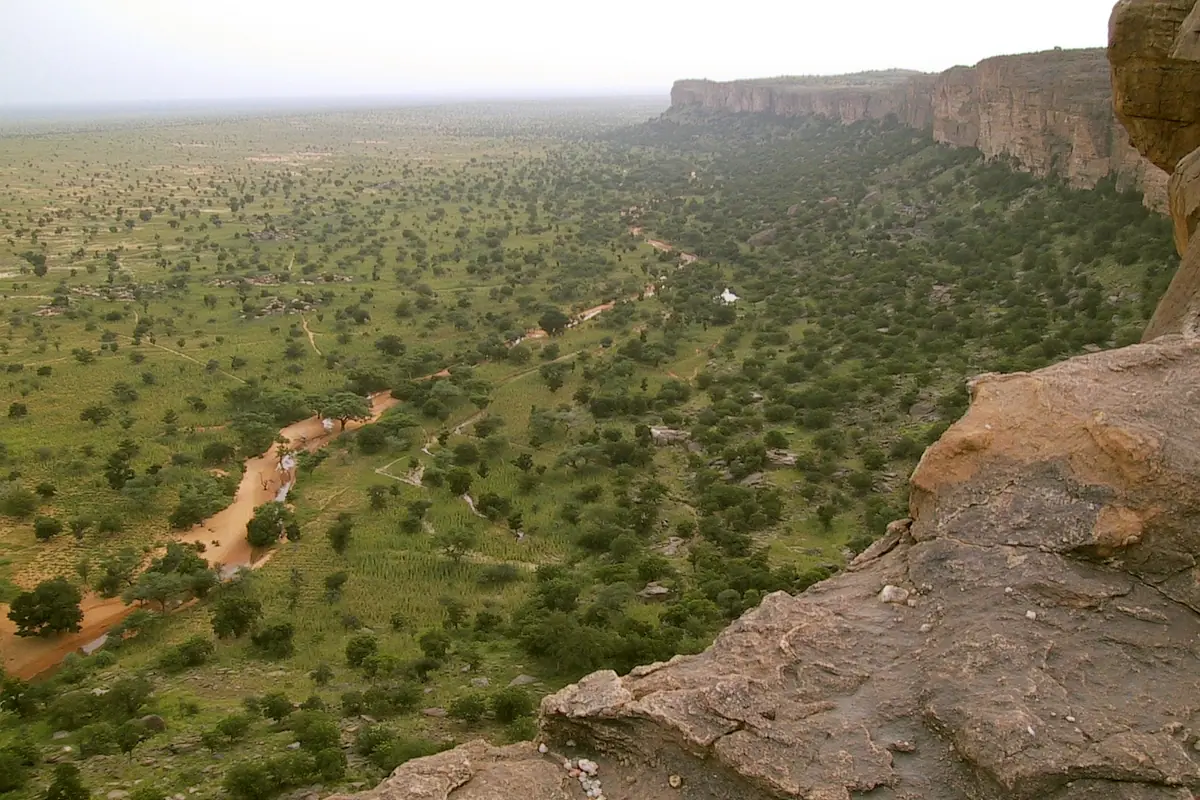
South-east of Mopti, the Bandiagara Escarpment rises in a 200-kilometre wall of sandstone, with Dogon villages tucked into its ledges and onto the plain below. This is Mali's most rewarding walking country: Sanga, Ireli, Banani, Tereli and dozens of smaller settlements are linked by footpaths, and a two- to five-day trek with a local guide usually means sleeping on flat rooftops under enormous skies. Look for the toguna, low-roofed men's meeting houses, and the tightly packed granaries; masked dama dances still take place, most spectacularly in the rare years when the sigui ceremony comes round.
Further north, Mount Hombori — the country's highest point at just over 1,100 metres — rises abruptly from the plain, its twin peaks visible for hours on the road to Gao, where the pyramidal Tomb of Askia recalls the Songhai empire at its height.
Timbuktu and the Northern Sahel: Mosques, Manuscripts and Dunes
Timbuktu lives up to its legend in brick and dust. The Djinguereber Mosque, built in the fourteenth century under Mansa Musa, still leans its tapering minaret over the sand streets, while the Sankore Mosque anchors what was once a great centre of learning, where scholars copied and traded books long before European universities took shape. The Sidi Yahya Mosque and the manuscript collections of the Ahmed Baba Institute preserve astonishing libraries of astronomy, law, medicine and poetry written in Arabic and local scripts.
Beyond the town, the Niger slips past the port of Kabara, and a short crossing takes you to the pink dunes, where camel caravans once assembled and where sunset is best watched from the crest of the sand. Timbuktu is also the most fragile destination in Mali. Since 2012 the northern regions — Timbuktu, Gao, Kidal and much of the Niger Bend — have been affected by armed conflict and kidnapping, and most governments currently advise against all travel there. Check the latest official travel advice before you plan, and if conditions change, go with an established local operator and never independently.
When to Go, What to Eat and How to Travel Well in Mali
The cool, dry months from November to February are the sweet spot: daytime temperatures in the high twenties to low thirties, cold nights in the Sahel that demand a fleece, and a hazy harmattan light that softens every photograph. March to May turns ferocious, with the thermometer climbing past 40°C in the north. From June to October the rains arrive in the south, the countryside turns green, the delta swells and peaks between September and December — the finest season for river trips and birdwatching, though humid.
Eating well in Mali is easy. Order tiguadèguèna, a rich peanut and tomato stew spooned over rice, or maafe with beef and vegetables; grilled capitaine straight from the Niger is superb, as is riz au gras at a street stall, fonio grain in the south and millet porridge with milk for breakfast. Finish every meal with attaya — green tea brewed and poured three times, each glass progressively sweeter, and a conversation that can last an hour.
Plan ten days to two weeks for the classic southern loop of Bamako, Ségou and Djenné, Mopti and the Dogon Country, allowing for slow roads and long greetings. Carry a yellow fever certificate, take malaria precautions, drink bottled or filtered water, and ask before photographing people. The West African CFA franc is the currency, French is the official language and Bambara the most widely spoken — even a clumsy 'I ni ce' will open doors.
Frequently asked questions
Is Mali safe for tourists?
The southern half of the country — Bamako, Ségou, Djenné, Mopti and the Dogon Country — is generally considered visitable, though petty theft and road conditions demand care. The northern regions around Timbuktu, Gao, Kidal and the Niger Bend carry a serious risk of armed conflict and kidnapping, and most governments advise against all travel there. Always check current official travel advice before booking.
What is the best time of year to visit Mali?
November to February offers cool, dry, comfortable days and is the best all-round window, including for desert towns. March to May is extremely hot, while June to October brings rain to the south and a green, dramatic landscape, with the inland delta at its fullest between September and December — ideal for boating and birdlife.
How many days do you need in Mali?
Two weeks suits the classic route: two nights in Bamako, two in Ségou, two in Djenné, a night or two in Mopti and three to five days trekking in Dogon Country. Travellers with less time often fly between Bamako and Mopti to save long road days.
Which attractions should not be missed in Mali?
The Great Mosque of Djenné, the Bandiagara Escarpment and its Dogon villages, the National Museum of Mali in Bamako, the Komoguel Mosque and river port at Mopti, and — when conditions permit — the Sankore and Djinguereber mosques and manuscript libraries of Timbuktu, plus the Tomb of Askia at Gao.
Do I need a visa and what language is spoken in Mali?
Most visitors need a visa, obtainable in advance or on arrival in some cases, so confirm the current rules for your nationality well ahead. French is the official language, Bambara is spoken almost everywhere, and greetings in local languages are genuinely appreciated — followed by tea, which is never rushed.