Kenya packs an entire continent's worth of spectacle into one country: snow-capped peaks on the equator, coral reefs warmed by the Indian Ocean, and plains so full of wildlife that a single morning drive can feel like a nature documentary. Whether you are chasing the Great Migration across the Mara or trading a safari jeep for a dhow sail off Lamu, the country rewards travellers who plan around its seasons and give each landscape time to unfold.
Witness the Great Migration in the Maasai Mara
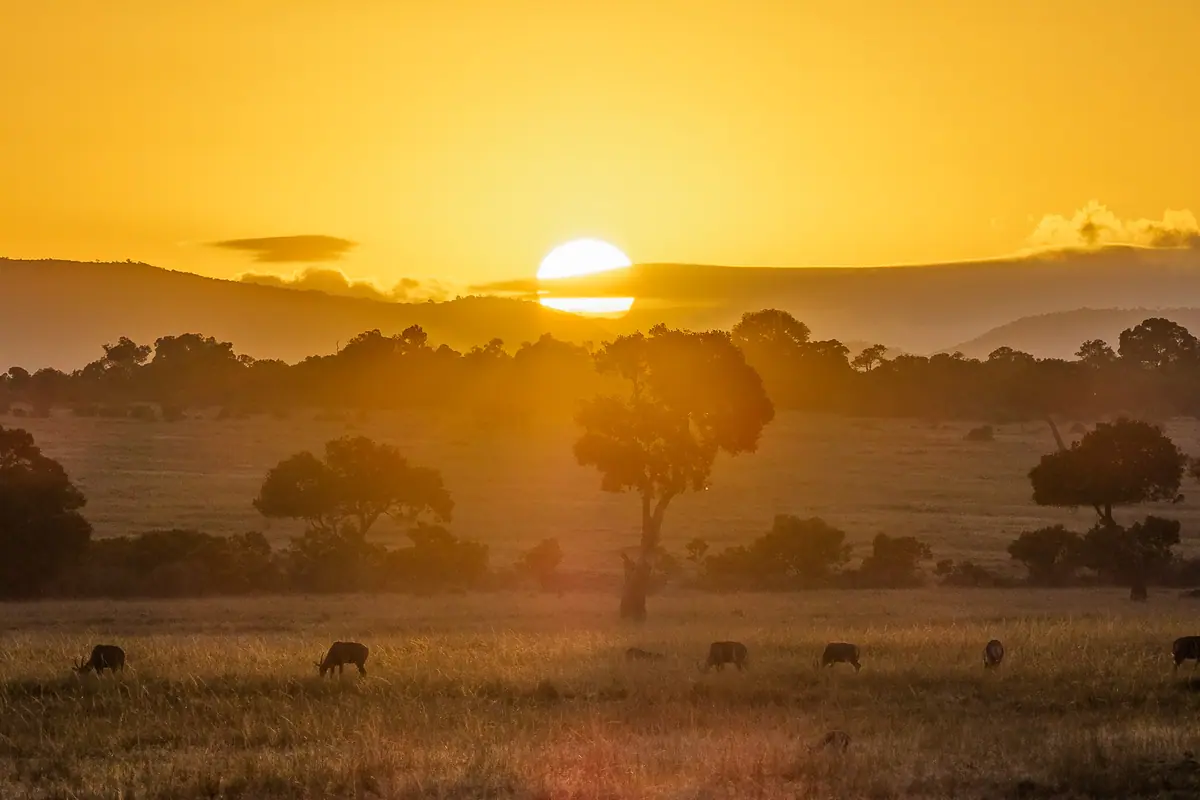
The Maasai Mara National Reserve is Kenya's most celebrated wilderness, a rolling sea of golden grass and acacia woodland in the country's south-west that forms the northern tip of the wider Serengeti ecosystem. Between roughly July and October, well over a million wildebeest, accompanied by zebra and gazelle, pour north from Tanzania in search of fresh grazing. The drama peaks at the Mara River, where columns of animals plunge down dusty banks and swim through currents patrolled by enormous crocodiles. No two crossings are alike, and no guide can promise one — which is exactly why people return year after year.
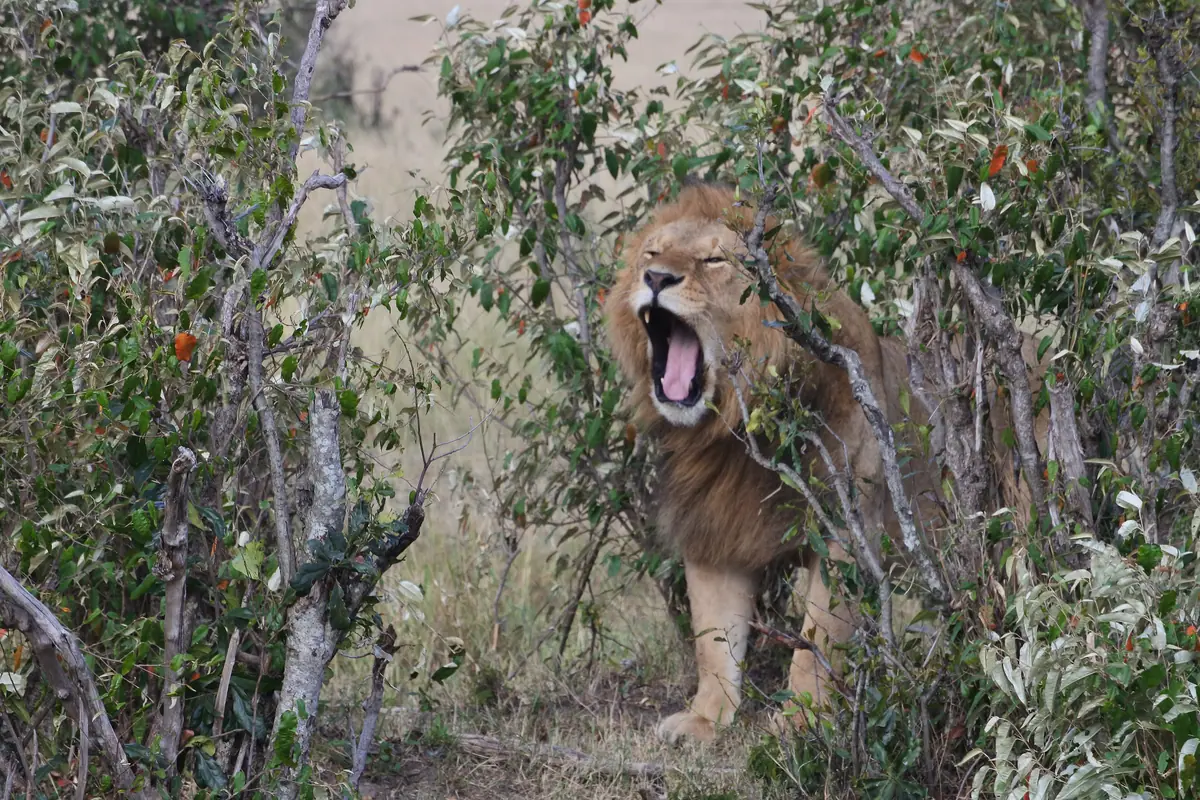
Even outside migration season, the Mara is a big-cat stronghold. Lion prides are numerous and unusually relaxed around vehicles, cheetah hunt the short-grass plains in the early morning, and leopard slip through riverine forest along the Mara and Talek rivers. Most camps run two game drives a day, one at dawn and one in the late afternoon, with the middle hours left for poolside naps and long lunches. For a splurge, hot-air balloons lift off at first light and drift over the plains before setting down for a bush breakfast.
Amboseli and Tsavo: Elephants Beneath Kilimanjaro
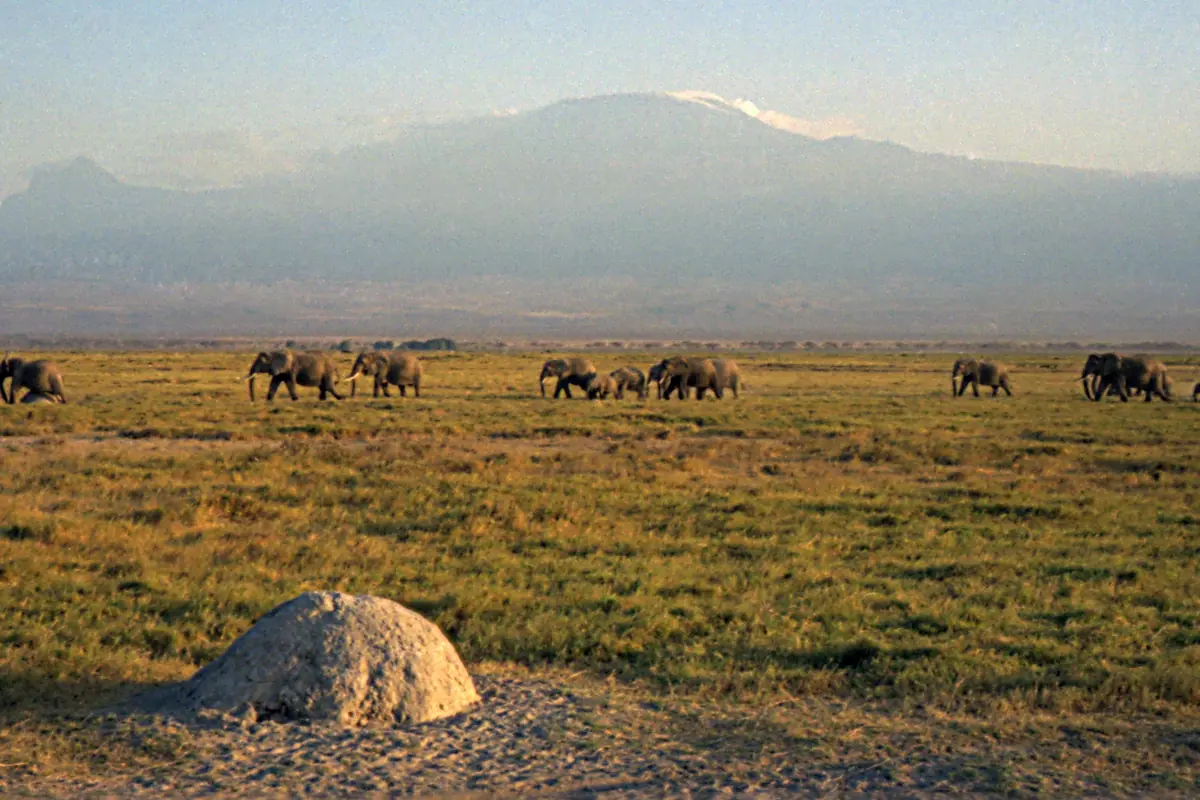
Amboseli National Park delivers one of Africa's definitive photographs: great grey elephants walking across dusty flats with the snows of Mount Kilimanjaro filling the horizon behind them. The mountain itself sits across the border in Tanzania, but Amboseli's swamps, fed by meltwater seeping underground, draw herds that include some of the continent's last great tuskers. The light is clearest in the early morning and late afternoon, and the dry months from June to October and January to February offer the best odds of a cloud-free summit. Observation Hill gives a panoramic view over the marshes, where hippo, buffalo and hundreds of bird species congregate.
To the east, Tsavo East and Tsavo West together form one of the largest protected areas on earth, a harsher, wilder landscape of red earth, lava flows and baobab trees. Elephants here are famously dusted red by the soil, and the parks see far fewer vehicles than the Mara. Tsavo West hides Mzima Springs, where you can watch fish and hippo through a submerged viewing chamber, plus the Shetani lava flow and the jagged Chyulu Hills. Tsavo East is open and immense, with the Galana River, Lugard Falls and long, quiet game drives that feel like genuine exploration.
The Great Rift Valley Lakes and Hell's Gate
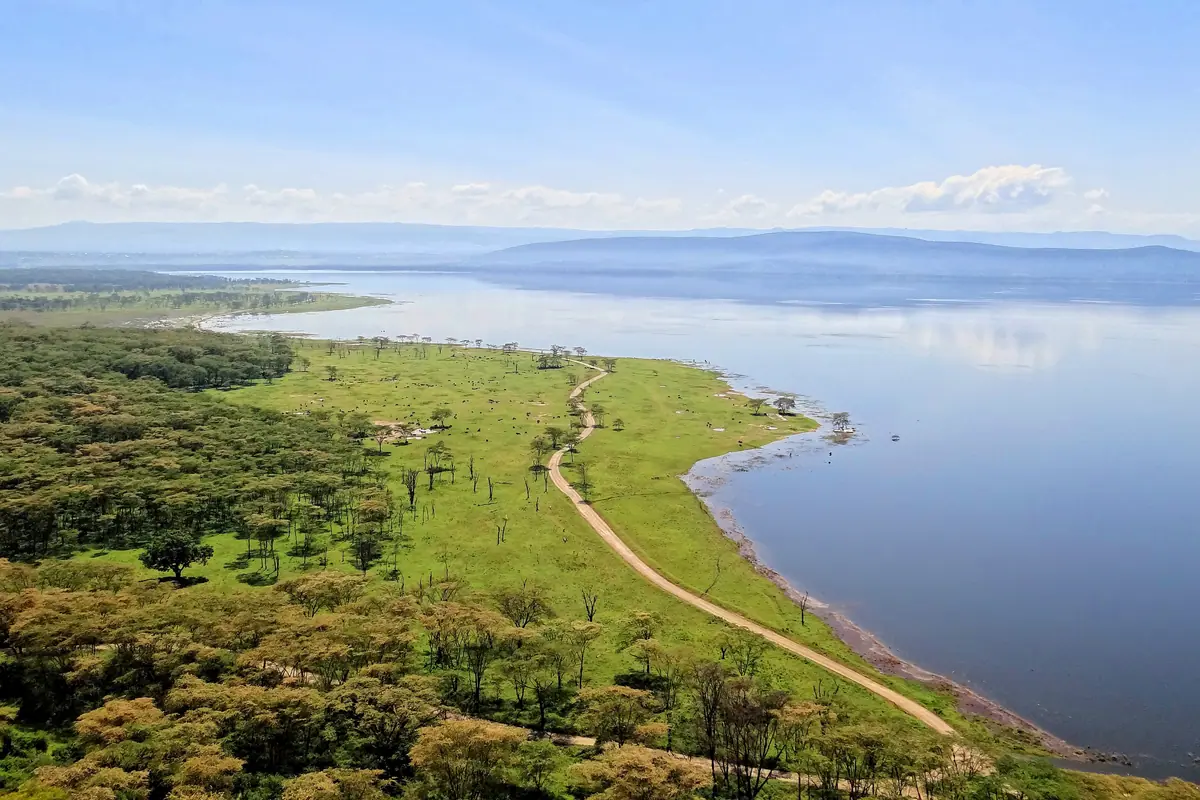
Kenya's slice of the Great Rift Valley is strung with lakes that each offer something different. Lake Nakuru National Park is a compact, easily visited reserve where white and black rhino are fenced safely inside, Rothschild's giraffe browse beside the acacias, and the shoreline can turn pink with flamingos when water levels and algae suit them. Lake Naivasha, a freshwater lake further north, is best explored by boat, gliding past hippo pods and fishing eagles to Crescent Island, where you can walk among giraffe and zebra on foot — one of the few places in Kenya where a walking safari is possible without a guide's rifle at the ready.
Nearby Hell's Gate National Park lets you cycle or walk through a dramatic gorge of towering cliffs, steam vents and the volcanic plug known as Fischer's Tower, with geothermal plumes rising from the ground around you. Mount Longonot, a dormant volcano just off the highway, offers a steep three-to-four-hour hike to a crater rim with views across the valley. Further north, Lake Bogoria is famous for its hot springs and geysers as much as its birdlife, while Lake Baringo supports an astonishing variety of birds and traditional boat trips. Cooler, dry conditions from June to October and January to February make this circuit most comfortable.
Nairobi: A Capital With a National Park on Its Doorstep
Few cities anywhere can claim a national park within sight of their skyline. Nairobi National Park sits just south of the centre, a fenced expanse of open plain where lion, buffalo, giraffe and both black and white rhino roam against a backdrop of office towers. It is best visited at dawn, when the light is soft and the animals active, and it makes an easy half-day outing even if you have only a long layover. Nearby, the Sheldrick Wildlife Trust's elephant orphanage opens for a public visiting hour in the late morning, when keepers bring rescued calves to the rope for feeding and explain the rehabilitation work.
The rest of the city rewards a day or two of wandering. The Giraffe Centre in Langata lets you hand-feed endangered Rothschild's giraffe from a raised platform, and the Karen Blixen Museum preserves the colonial-era farmhouse made famous by her writing, set among gardens with views of the Ngong Hills. The Nairobi National Museum holds one of the region's richest collections of fossils and ethnographic material, while the Maasai Market stalls overflow with beadwork, soapstone and carved wood. Karura Forest, on the city's northern edge, offers shaded walking and cycling trails, waterfalls and a welcome escape from the traffic.
The Swahili Coast: Diani, Watamu, Mombasa and Lamu
Kenya's Indian Ocean shoreline runs for hundreds of kilometres of white sand, palm groves and coral reef, with a Swahili culture that predates European arrival by centuries. Mombasa's Fort Jesus, a massive Portuguese-built bastion completed in 1593 and now a UNESCO World Heritage Site, anchors the old town's maze of carved doors, balconies and narrow lanes. South of the city, Diani Beach pairs powder-white sand with kitesurfing, colobus monkeys in the coastal forest and easy access to Shimba Hills National Reserve, home to sable antelope. North of Mombasa, Watamu Marine National Park protects coral gardens and turtle nesting beaches, while Malindi adds Italian-inflected cafés and its own marine reserve.
For something slower and more singular, take the short flight or long drive to Lamu Old Town, another UNESCO site where there are almost no cars — just donkeys, dhows and alleys of coral-stone houses. Sailing at sunset on a traditional dhow, watching the Maulidi festival, or simply drinking spiced tea on a rooftop are the main occupations. Whale sharks cruise Diani's waters roughly from November to April, humpback whales pass offshore between July and September, and the coast's driest, sunniest stretch runs from December to March. The long rains of April and May close many small hotels and turn the sea murky, so plan around them.
Northern Kenya and the Highlands: Samburu, Laikipia and Mount Kenya
North of the equator, the country turns arid and startlingly beautiful. Samburu National Reserve, threaded by the Ewaso Ng'iro river, is the place to find species found nowhere else on a typical safari circuit: Grevy's zebra, reticulated giraffe, gerenuk, Beisa oryx and Somali ostrich, collectively known as the Special Five. Elephant herds move along the riverbanks, leopards drape themselves over doum palms, and the light on the dry hills at dusk is extraordinary. Neighbouring Buffalo Springs and Shaba reserves make it easy to string together three or four nights in genuine solitude.
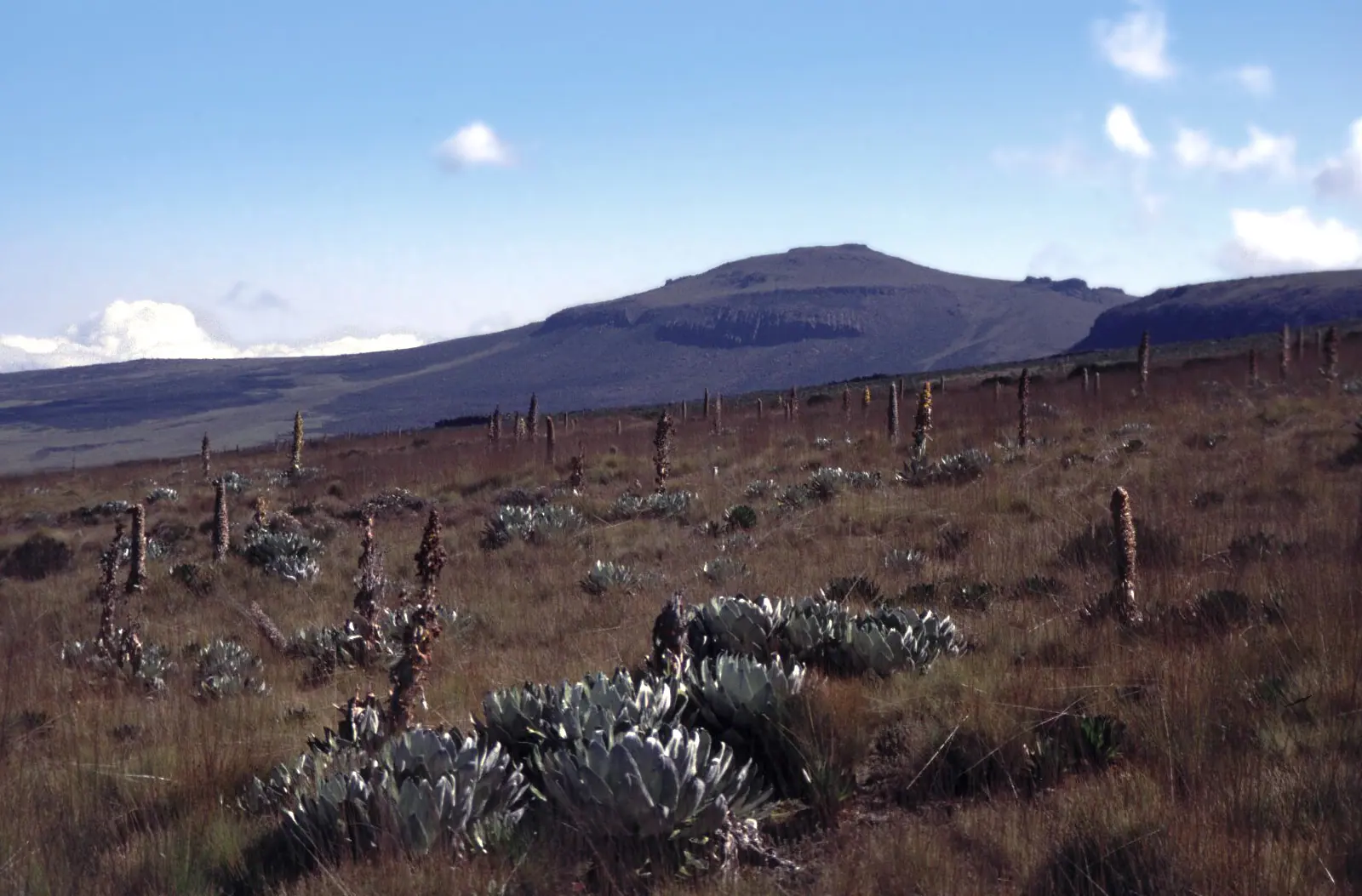
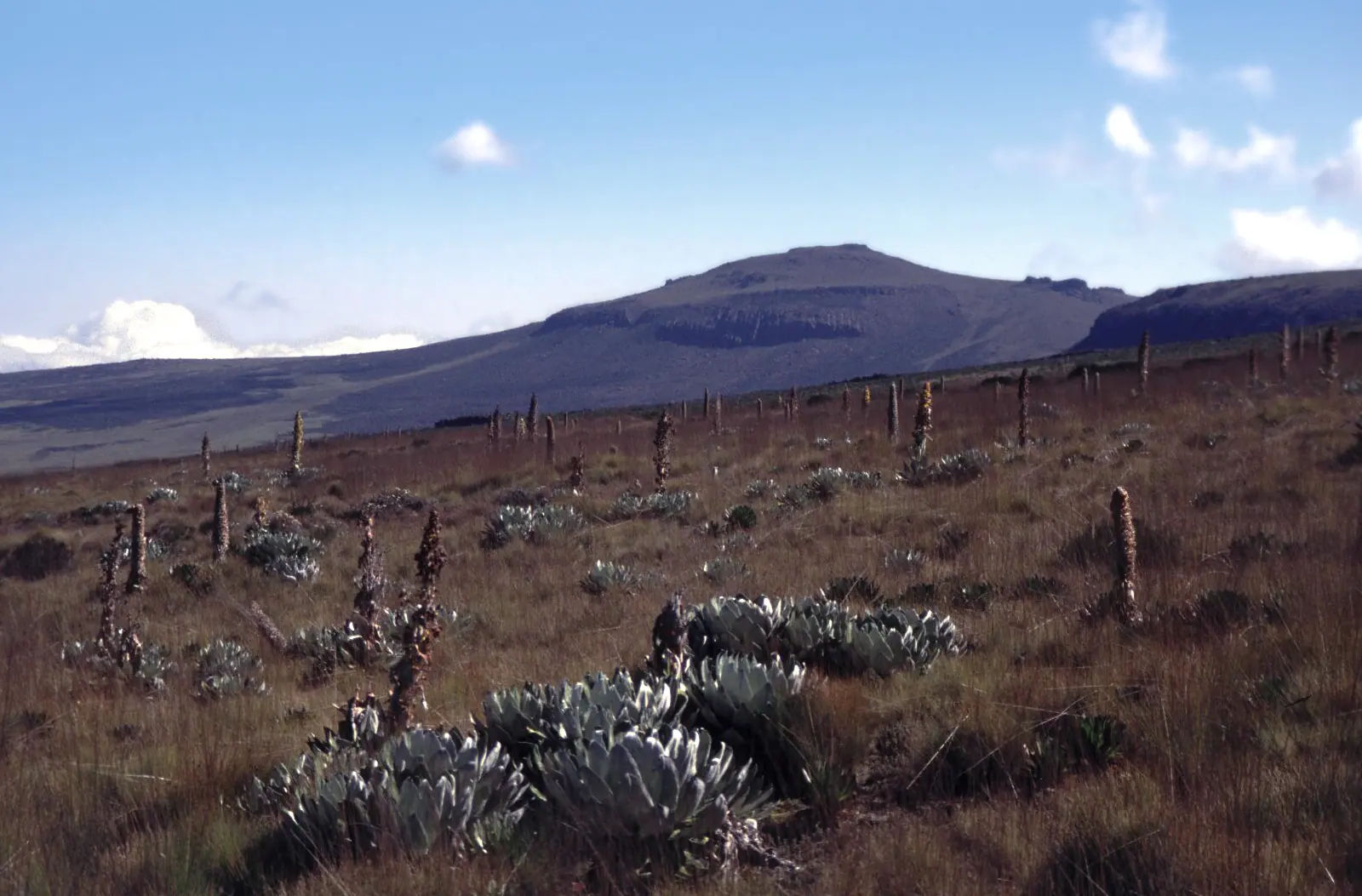
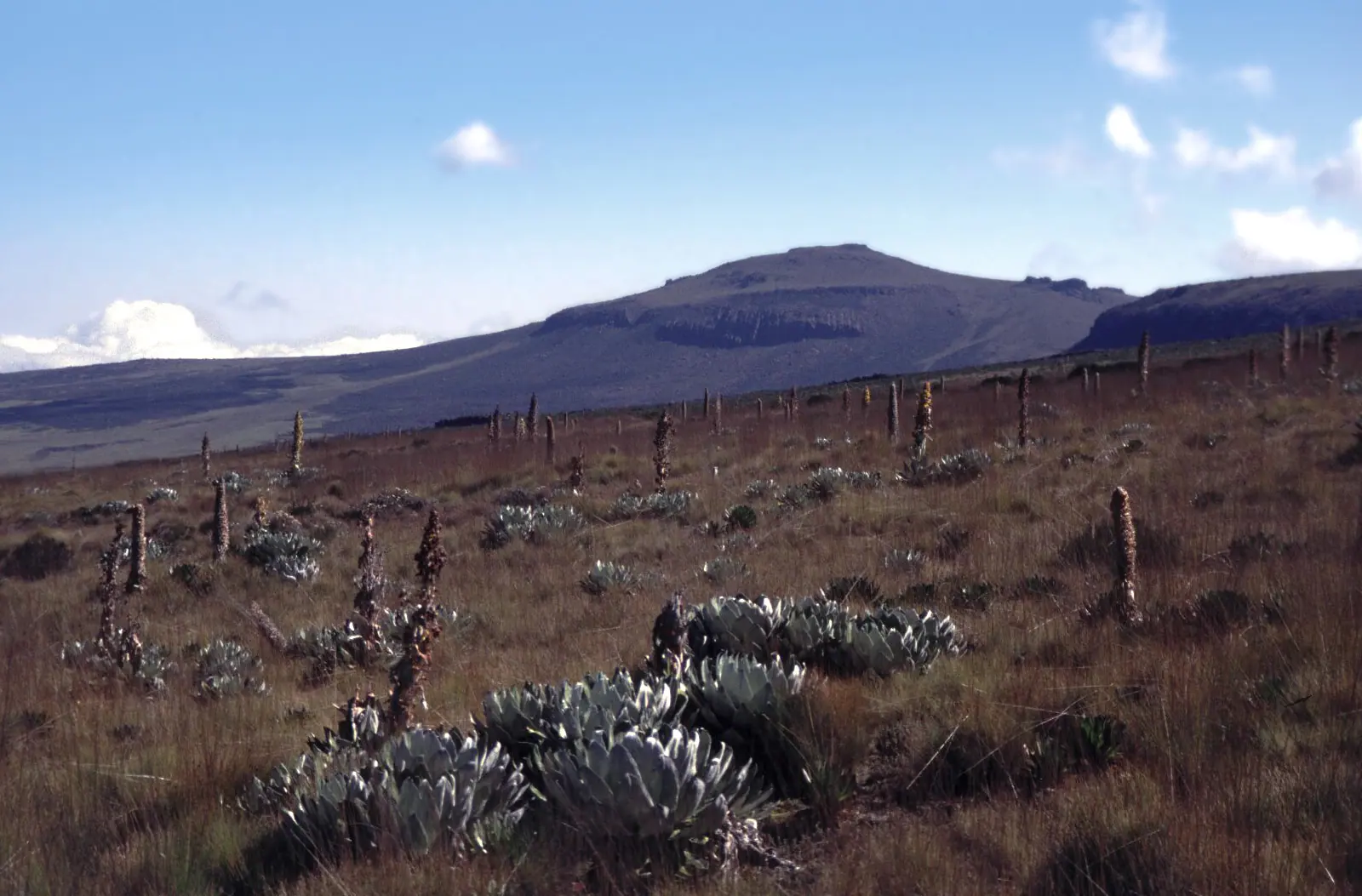
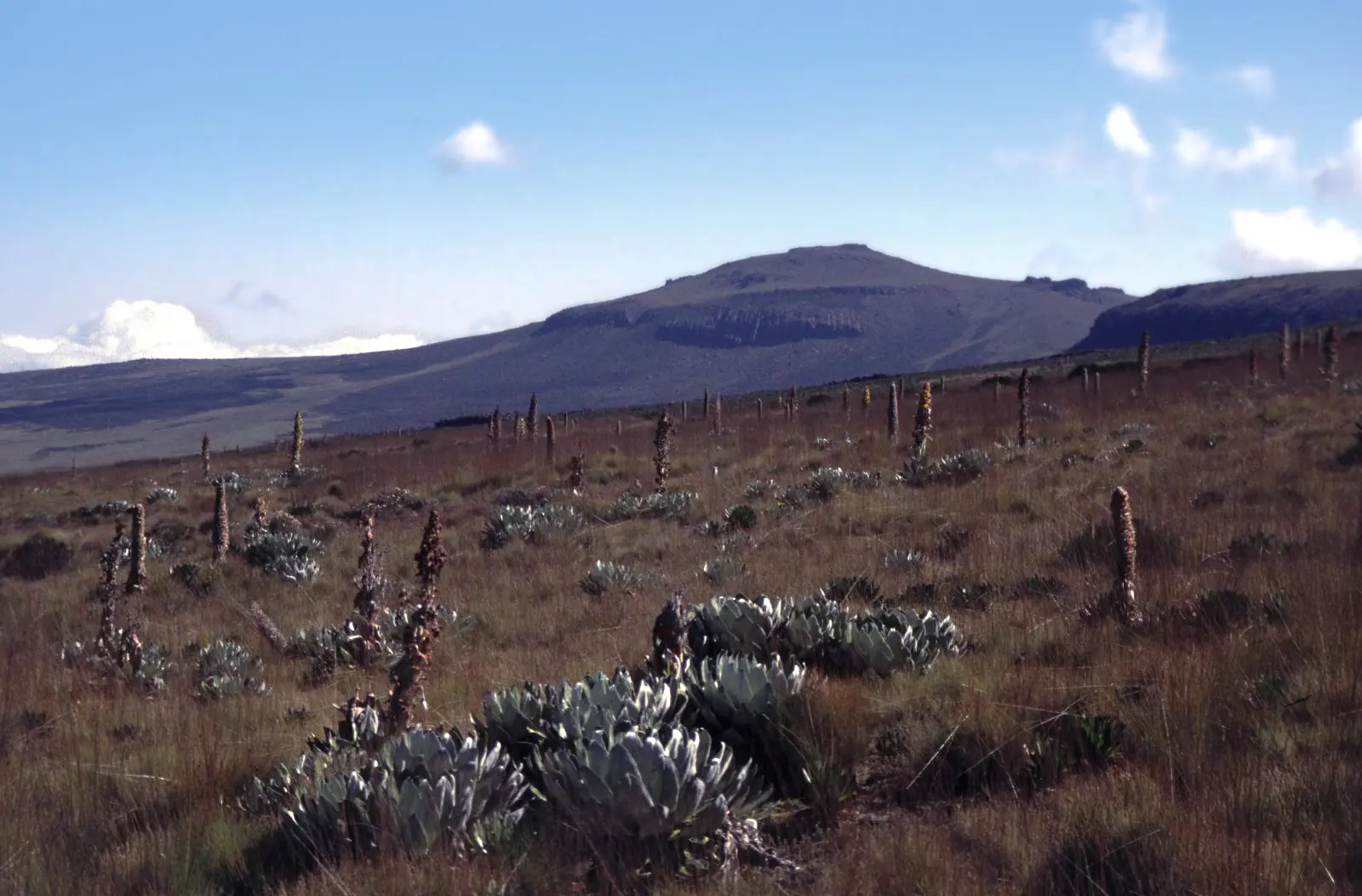
South of Samburu, the Laikipia plateau is a patchwork of private conservancies and ranches — Ol Pejeta among the best known, where the world's last northern white rhinos live under constant guard and a chimpanzee sanctuary rescues orphans of the illegal pet trade. These conservancies permit walking safaris, camel treks and night drives, none of which are allowed inside national parks, and they pour money into community land. Further south, Mount Kenya rises to 5,199 metres, its glaciers shrinking but its peaks still formidable; the four- to five-day trek to Point Lenana is achievable for fit walkers, while Batian and Nelion demand technical climbing. The Aberdare Range offers moorland and forest lodges where you can watch wildlife gather at a floodlit salt lick after dark, and far to the north, Lake Turkana's jade-green waters sit in a UNESCO-listed desert basin of fossil beds and volcanic rock.
Frequently asked questions
When is the best time to see the Great Migration in Kenya?
The herds generally arrive in the Maasai Mara from around July and stay until October, with the most dramatic river crossings usually occurring between late July and September. The exact timing shifts each year with rainfall, and some animals move earlier or later, so build a few days of flexibility into your itinerary if the crossings are your priority.
How many days do I need for a Kenya safari?
Three or four nights in a single reserve is the minimum to feel unhurried. Seven to ten days lets you combine the Maasai Mara with Amboseli or the Rift Valley lakes, and adding four or five nights on the coast makes a well-rounded two-week trip. Remember that distances are long and road transfers can eat a full day, so light-aircraft hops between parks save time.
Is Nairobi worth stopping in before a safari?
Yes. Nairobi National Park, the elephant orphanage, the Giraffe Centre, the Karen Blixen Museum and the national museum can all be covered in a day or two. It is also the main gateway for flights to the Mara, Amboseli, Samburu and the coast, so most itineraries pass through anyway.
Can I combine a safari with a beach holiday?
Very easily. Short flights connect the safari airstrips with Diani Beach, Malindi, Watamu and Lamu, and a daily train links Nairobi with Mombasa. Most travellers do the wildlife first and the coast second, ending with swimming, snorkelling and seafood before flying home.
What should I pack, and what health precautions matter?
Bring neutral-coloured layers, because dawn game drives can be genuinely cold while afternoons are hot, plus a hat, sunscreen, binoculars and dustproof bags. Antimalarial medication is advisable for the coast and low-lying parks, mosquito repellent is essential, and most visitors now need an approved electronic travel authorisation before arrival. Check current vaccination requirements with a travel clinic well before departure.
Plan it — experiences in Kenya
Live search, booked directly with trusted providers.
Sort the rest of your trip
Everything for Kenya, in one place

More guides in Kenya
Best Places to Visit in Kenya: the Maasai Mara, the Coast and Beyond
Kenya in One Week by Plane: A 7-Day Flying Safari Itinerary
Best Time to Visit Kenya: Seasons, Safaris and Where to Stay
Touring Kenya: Food, Culture and Local Experiences Beyond the Safari Jeep