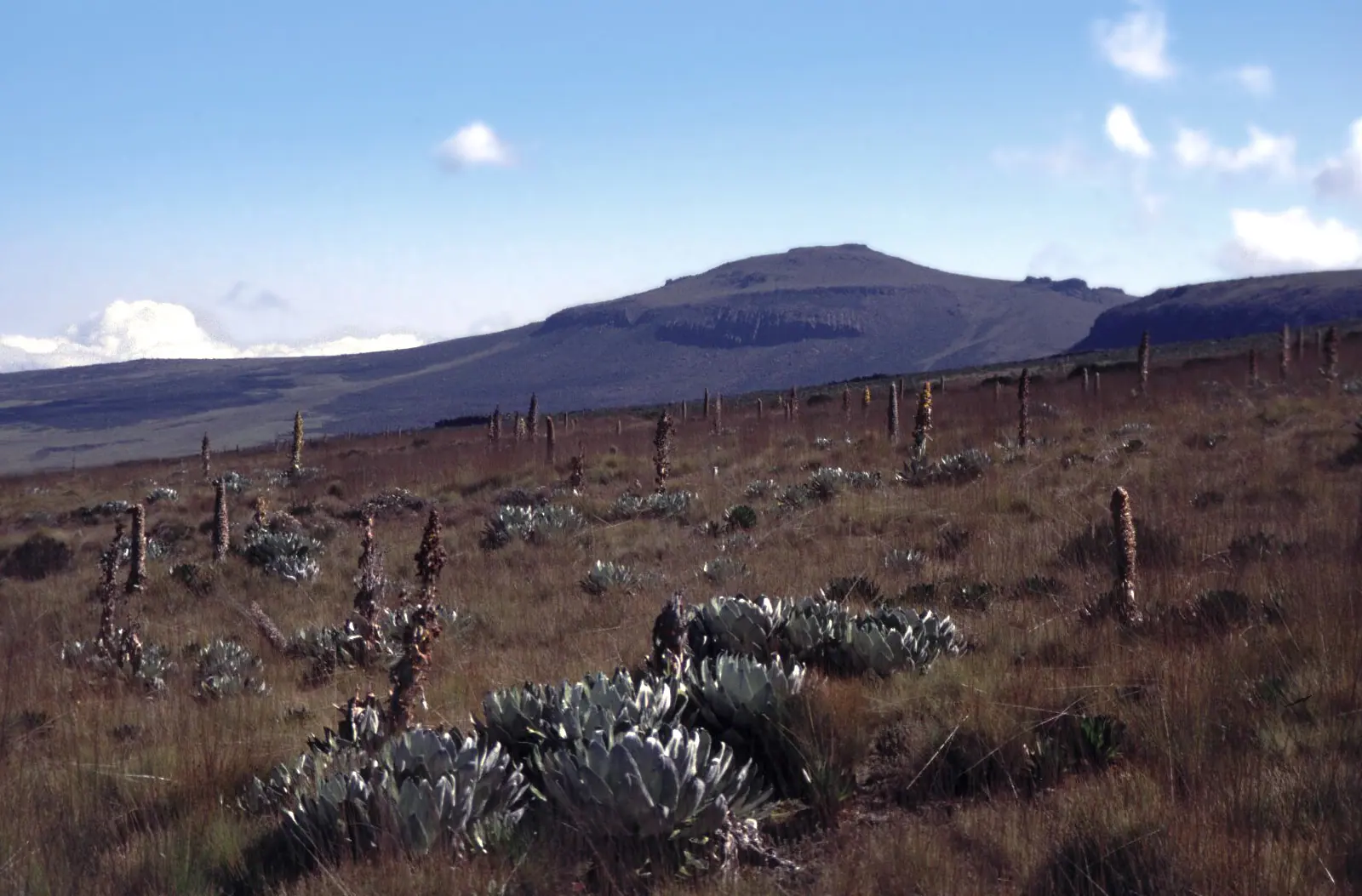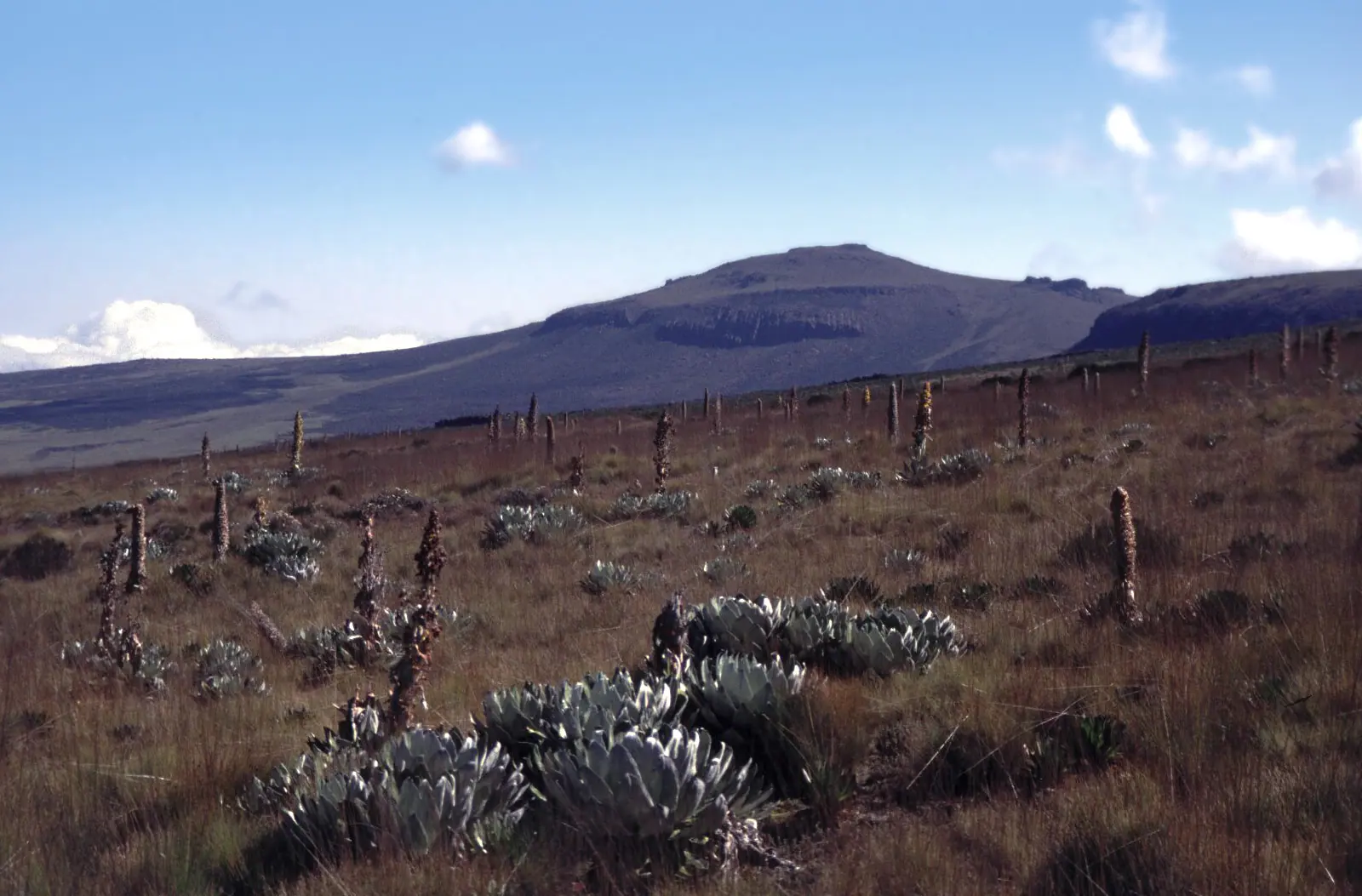
Kenya packs an entire continent's worth of landscapes into one country: lion-gold savannah, snow-capped peaks on the equator, soda lakes blushing pink with flamingos and an Indian Ocean coastline strung with Swahili stone towns. This is where a dawn game drive, an afternoon of dhow sailing and an evening of nyama choma can all belong to the same trip.
The Maasai Mara and the Great Migration
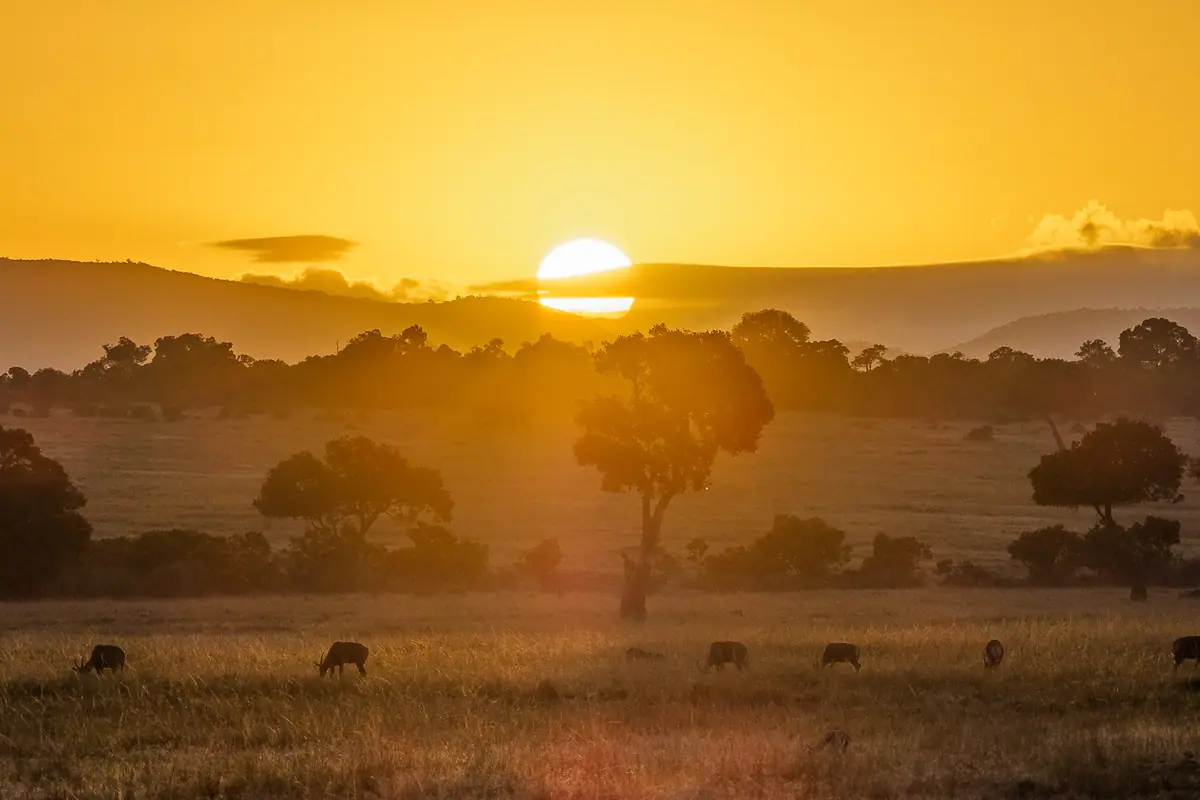
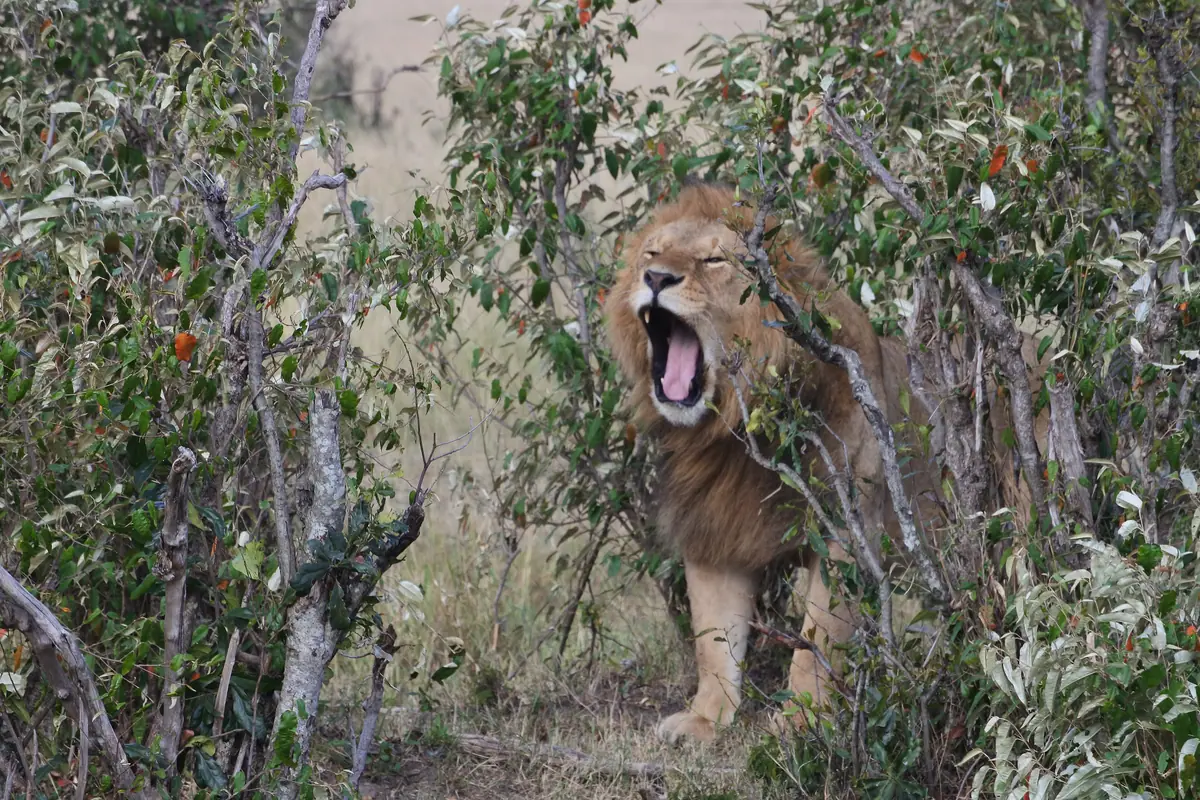
There is a reason the Maasai Mara sits at the top of almost every Kenyan itinerary. Roughly 1,500 square kilometres of rolling grassland in the country's south-west, the reserve runs seamlessly into Tanzania's Serengeti, and between about July and October it becomes the stage for the Great Migration — well over a million wildebeest and hundreds of thousands of zebra thundering north in search of fresh grass. The Mara River crossings, where herds plunge past basking crocodiles, are the headline act, but the reserve's resident big cats are just as compelling: cheetah on the short-grass plains, lion prides dozing in the shade of balanites trees, and leopards draped along the riverbanks.
A safari here is built around two daily game drives, one at first light and one in the late afternoon, with the middle of the day left for long lunches and poolside naps. Hot-air balloon flights lift off near the Talek and Mara Triangle sectors, giving you a silent hour above the herds before a bush breakfast. Staying in one of the private conservancies that border the reserve — Olare Motorogi and Naboisho are the best known — buys you night drives, walking safaris and far fewer vehicles around a sighting, and many visitors add a morning at a Maasai village to understand who actually lives alongside the wildlife.
Timing matters. July to October delivers the migration and the driest conditions, while January and February offer clear skies, calving herds and lower camp rates. The long rains of April and May turn tracks to soup and close some camps entirely. Most travellers fly in from Nairobi on a light aircraft to airstrips such as Ol Kiombo or Mara Serena in about 45 minutes, or drive the five to six hours from the capital. Three nights is the minimum to do it justice.
Amboseli and Tsavo: Elephants Beneath Kilimanjaro
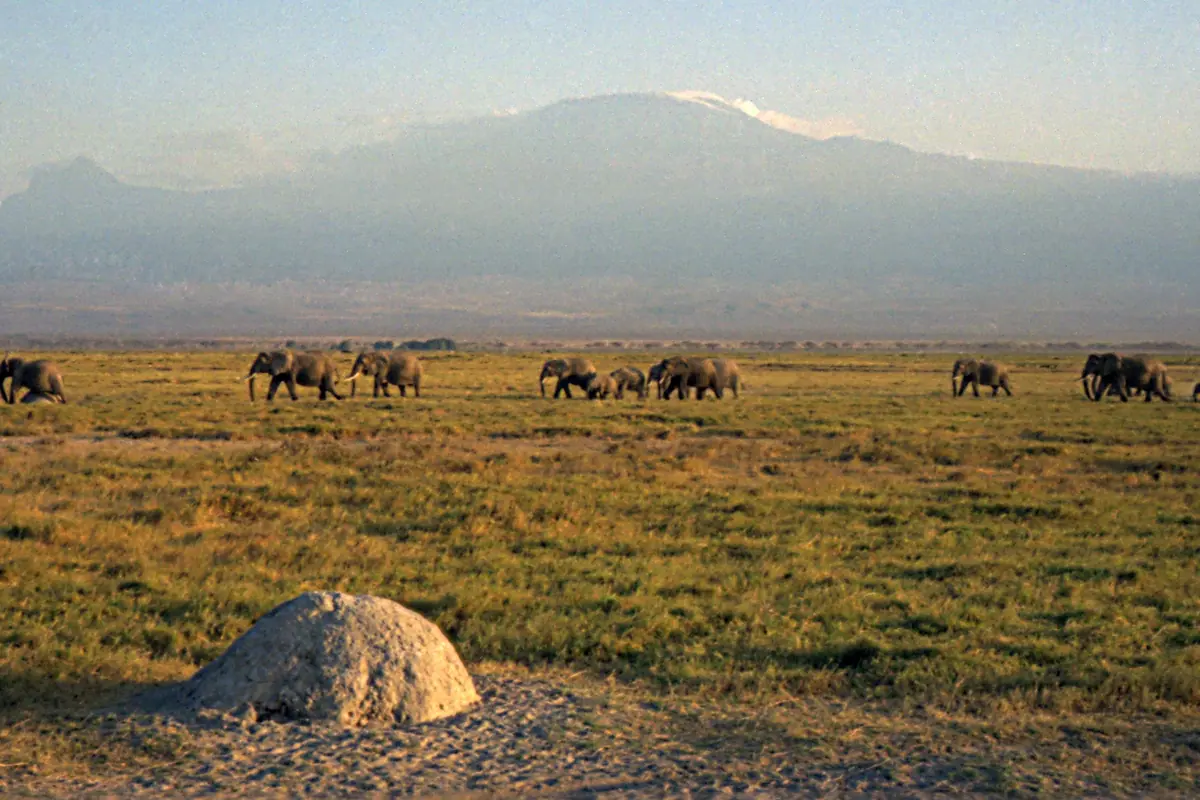
Amboseli National Park, spread across the dry lake bed of Kajiado County, offers Kenya's most photographed view: big-tusker elephants crossing dust-coloured flats with the snows of Mount Kilimanjaro floating behind them. The mountain belongs to Tanzania, but the classic picture is taken from here, usually in the first hour after sunrise before clouds swallow the peak. Springs fed by Kilimanjaro's meltwater create the Enkongo Narok and Loginya swamps, drawing hippos, buffalo, pelicans and more than 400 bird species. Climb Observation Hill for the panorama, and take a guide who can explain the extraordinary elephant families — Amboseli has been studied for decades and its matriarchs are the most closely documented in Africa.
Tsavo East and Tsavo West together cover some 22,000 square kilometres, making them one of the largest protected wildernesses on the planet, and they feel it: vast, quiet and gloriously uncrowded. Tsavo East is famous for its 'red elephants', dusted with the park's iron-rich soil, plus the Lugard Falls rapids and the Yatta Plateau, a lava ridge stretching for hundreds of kilometres. In Tsavo West you can descend into the underwater viewing chamber at Mzima Springs, where crystal-clear water pushes up through volcanic rock and hippos drift past the glass, then walk the blackened shell of Shetani lava flow and the Chaimu crater.
These parks pair naturally. Amboseli is a four-hour drive from Nairobi; from there you can cross the Chyulu Hills into Tsavo West and exit near Voi for the road or railway back to the coast. June to October is the driest, most productive game-viewing window, with January and February a strong second. Give Amboseli two nights and Tsavo two to three, and expect dusty, self-drive-friendly tracks rather than the dense vehicle traffic of the Mara.
The Great Rift Valley Lakes and Hell's Gate
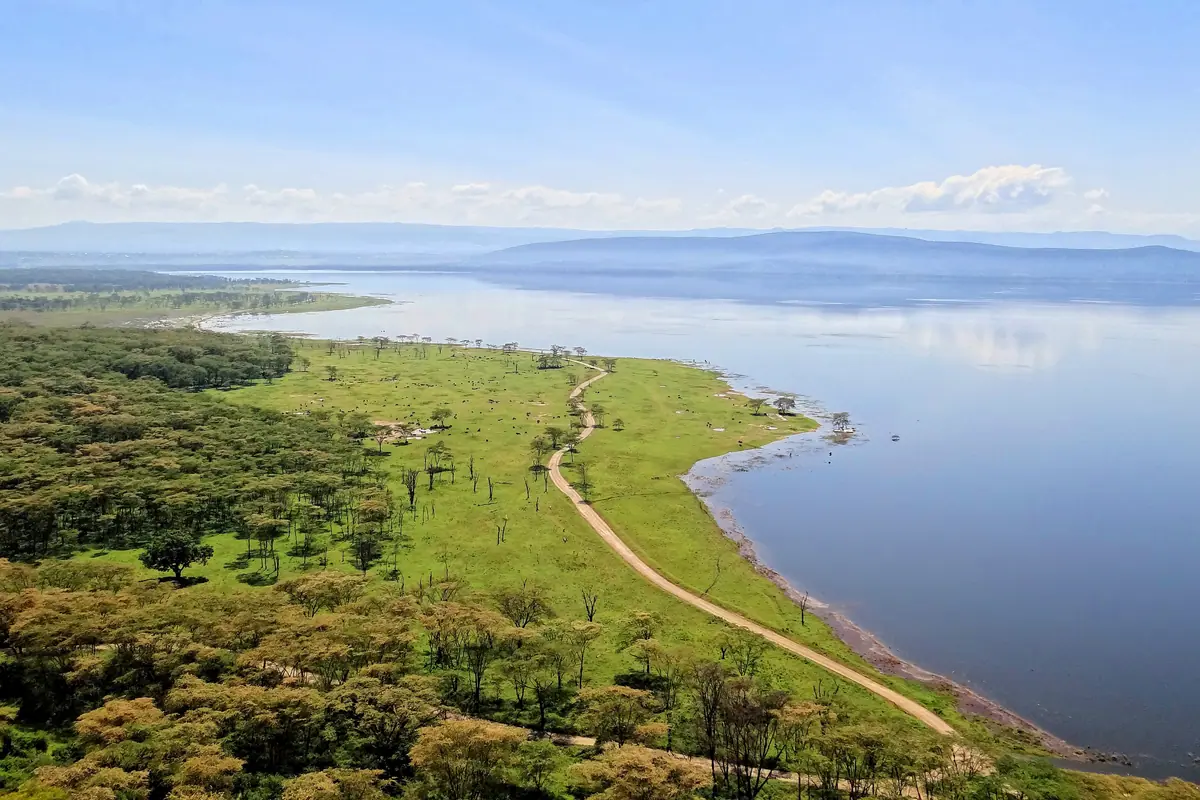
The Rift Valley slices Kenya from north to south, and its string of lakes forms the country's most accessible safari circuit. Lake Nakuru National Park is small — under 200 square kilometres — but punches far above its weight: alkaline shallows that once drew clouds of flamingos, plus one of the densest rhino populations in East Africa and healthy numbers of Rothschild's giraffe. Drive up to Baboon Cliff for the view over the pink-rimmed lake, walk to Makalia Falls, and keep an eye out for the huge pythons that drape themselves in the fever trees near the shore.
Just an hour away, Lake Naivasha is the freshwater counterpoint: boat trips weave between hippo pods to Crescent Island, where you can wander on foot among zebra and gazelle, and fish eagles snatch tilapia from the surface. Adjoining it is Hell's Gate National Park, one of the few places in Kenya where you can cycle and walk unescorted past grazing buffalo and zebra, pedal through the Ol Njorowa Gorge, climb the volcanic plug of Fischer's Tower and steam beside natural hot springs. Nearby Mount Longonot, a dormant volcano, gives a two-and-a-half to four-hour hike to the crater rim that is one of the best half-day walks in the country.
Further north, Lake Bogoria erupts with geysers and scalding springs along the shore, while Lake Elementaita draws pelicans and flamingos in quieter numbers. The escarpment viewpoint on the Nairobi–Nakuru road is worth a stop, if only to see the whole valley floor unroll below you. The lakes are best from June to October and December to February; plan two nights around Naivasha as a break from long game drives.
Nairobi: A Capital That Doubles as a Wildlife Park
Nairobi National Park is the oddity that makes Kenya unique — 117 square kilometres of open grass and acacia woodland sitting right against the city skyline, where you can photograph rhinos with office towers in the background. It is a genuine black rhino stronghold and also holds lion, buffalo, giraffe and over 500 bird species. Drive to the Ivory Burning Site monument, where confiscated tusks were set alight in a landmark conservation statement, and to the Athi Basin dams where waterbirds gather. A half-day is enough, and it makes an effortless stop on the way to or from the airport.
The city itself rewards a day. An elephant orphanage on the park's edge runs a morning visiting hour where hand-raised calves come to the rope for their milk feed, and a nearby giraffe centre lets you feed endangered Rothschild's giraffes at eye level from a raised platform. The Karen Blixen Museum preserves the colonial-era farmhouse and gardens of the author of Out of Africa, while the Nairobi National Museum covers human origins, geology and Kenyan art in a couple of absorbing hours. For something livelier, head to the Maasai Market for beadwork and soapstone, or walk the marked trails of Karura Forest, a green lung in the northern suburbs.
Practically, Nairobi is your gateway: international flights land here, light aircraft leave from Wilson Airport for the Mara, Amboseli, Samburu and Lamu, and buses and the railway run to Mombasa. Traffic is heavy, so base yourself in Westlands or Karen and allow generous travel time between stops. One full day covers the park plus one wildlife attraction; two days lets you add the museum and market.
The Indian Ocean Coast: Diani, Watamu and Lamu
Kenya's coast is where the safari ends and the holiday begins. Diani Beach, south of Mombasa, is the postcard: powder-white sand, warm turquoise water, a fringing coral reef and stands of baobab and coconut palm. The reef makes swimming calm and snorkelling easy, kite surfers gather at Galu at the southern end, and colobus monkeys crash through the trees behind the beach. Offshore, the Kisite-Mpunguti Marine Park offers some of the finest snorkelling and diving in East Africa — expect turtles, angelfish and the chance of dolphins on the crossing — while inland, Shimba Hills National Reserve shelters the rare sable antelope.
North of Mombasa, Watamu and Malindi blend beach time with Swahili history. Watamu Marine National Park protects a shallow lagoon thick with coral and reef fish, and the nearby Gede Ruins reveal a 13th-century stone town swallowed by forest, complete with a great mosque and tombs. Just behind the coast, Arabuko-Sokoke Forest is the last stronghold of the golden-rumped elephant shrew. In Mombasa itself, Fort Jesus, built by the Portuguese in 1593 and now a UNESCO World Heritage Site, anchors the old town's carved doors, balconies and spice-scented alleys.
For something entirely different, fly to Lamu, an island archipelago where cars are almost absent and life moves by donkey and dhow. Lamu Old Town is also UNESCO-listed, a maze of coral-stone houses, and its museum and Swahili festivals — the dhow races and the Maulidi celebrations — are worth planning around. Shela's long empty beach is a short walk away. December to March is the warmest, clearest stretch; July to October is drier and cooler, though the kusi winds can stir up seaweed. Most travellers fly into Ukunda for Diani or Mombasa for the north coast in about an hour from Nairobi.
Samburu, Ol Pejeta and the High Country
North of Mount Kenya, the landscape turns scrubby and semi-arid, and the wildlife changes with it. Samburu National Reserve, sliced by the Ewaso Ng'iro river, is home to the 'Special Five' found almost nowhere else in Kenya: Grevy's zebra, reticulated giraffe, gerenuk, beisa oryx and Somali ostrich. The river attracts elephants, lions and leopards, especially in the dry months, and the neighbouring reserves of Buffalo Springs and Shaba add more of the same rugged scenery. It is a five to six-hour drive from Nairobi or a short flight, and two or three nights feels right.
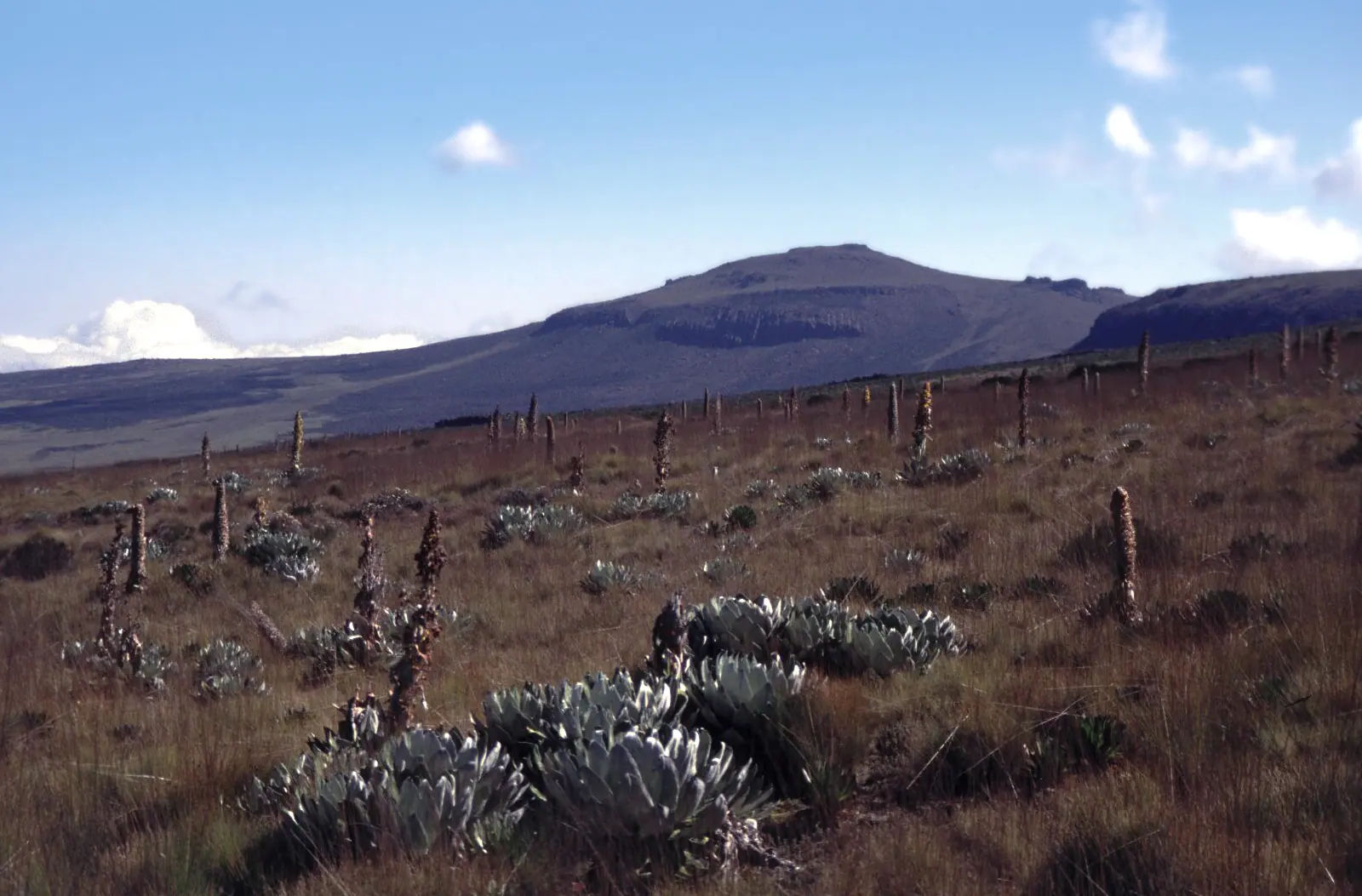
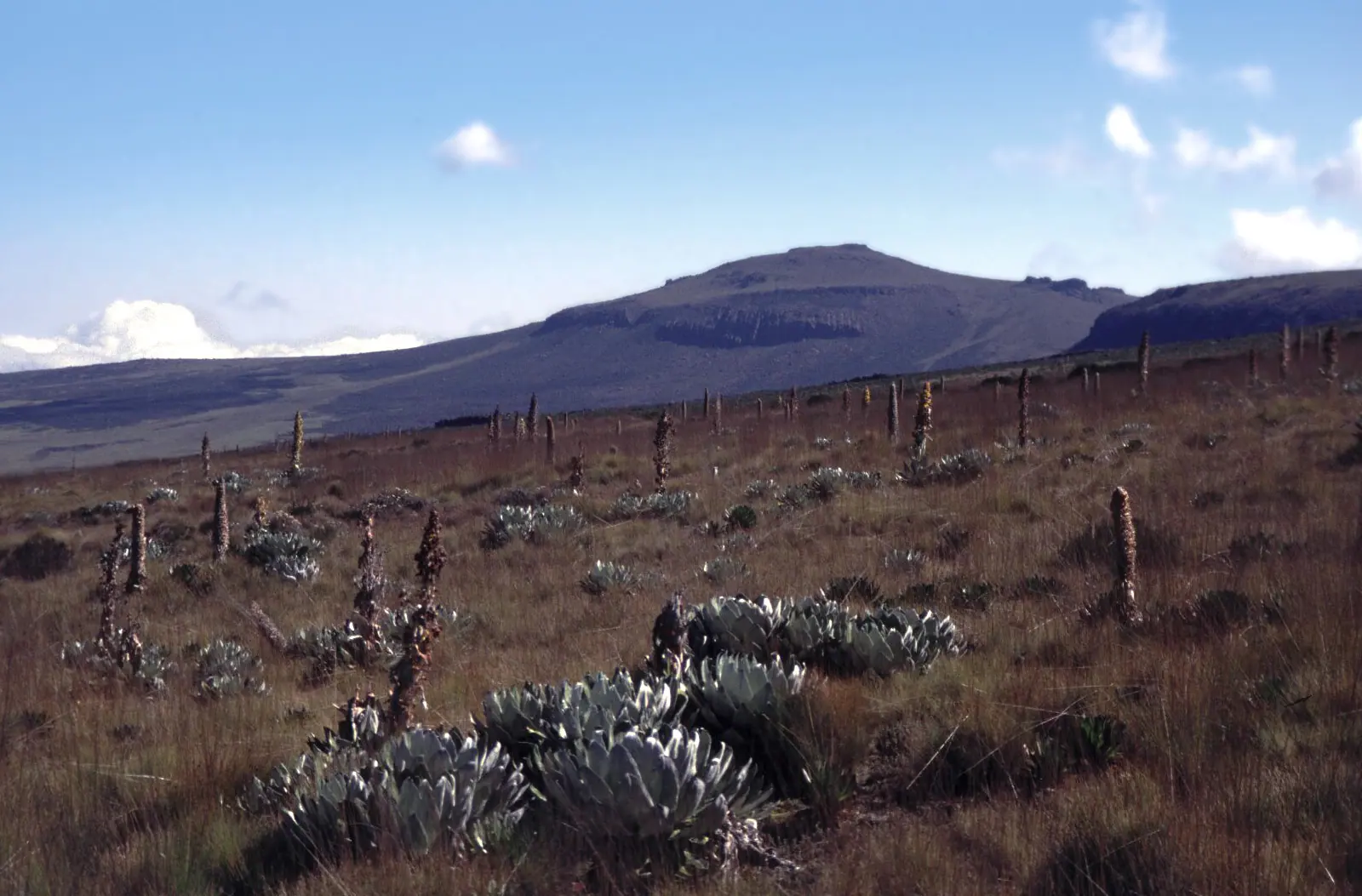
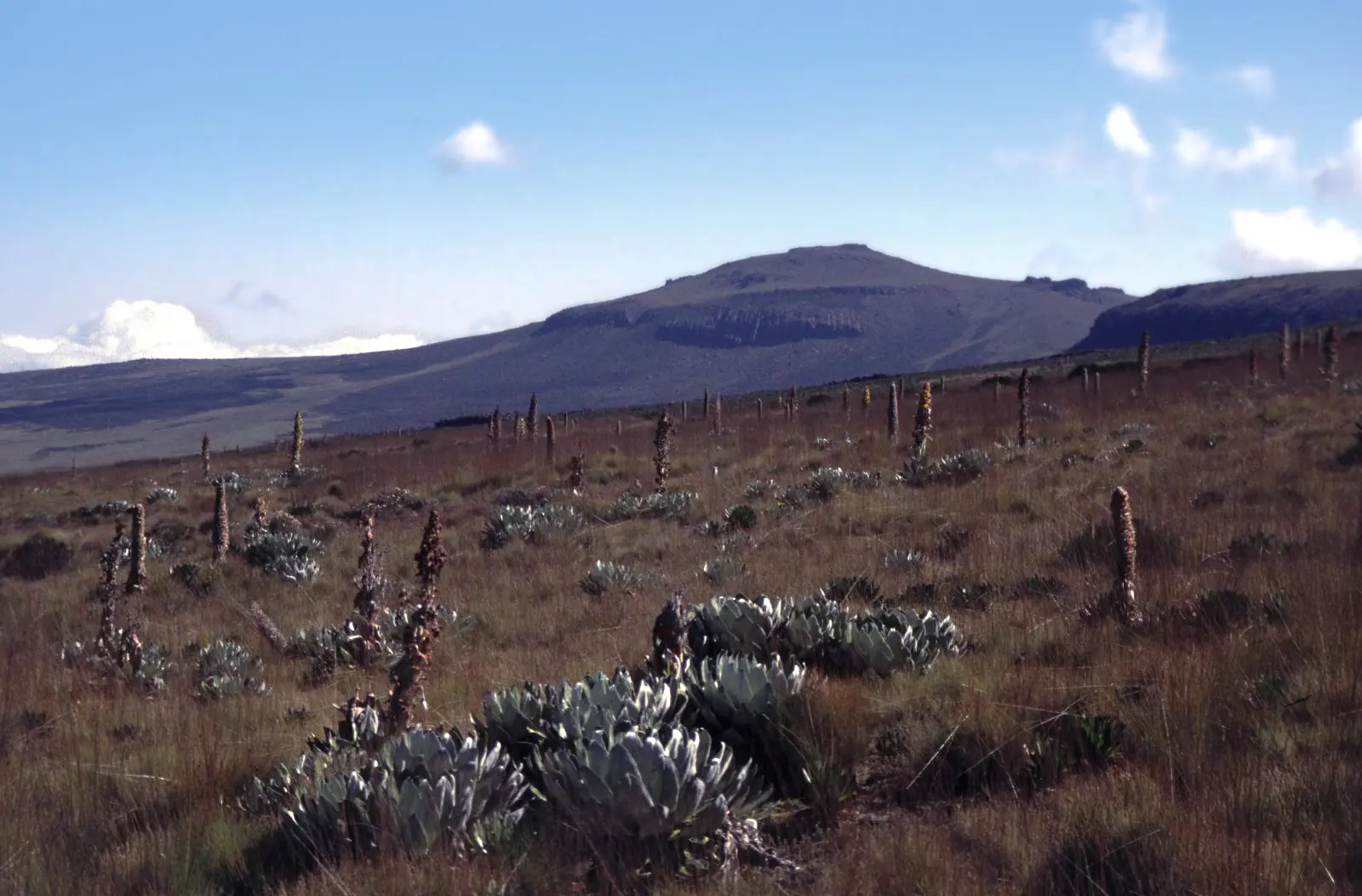
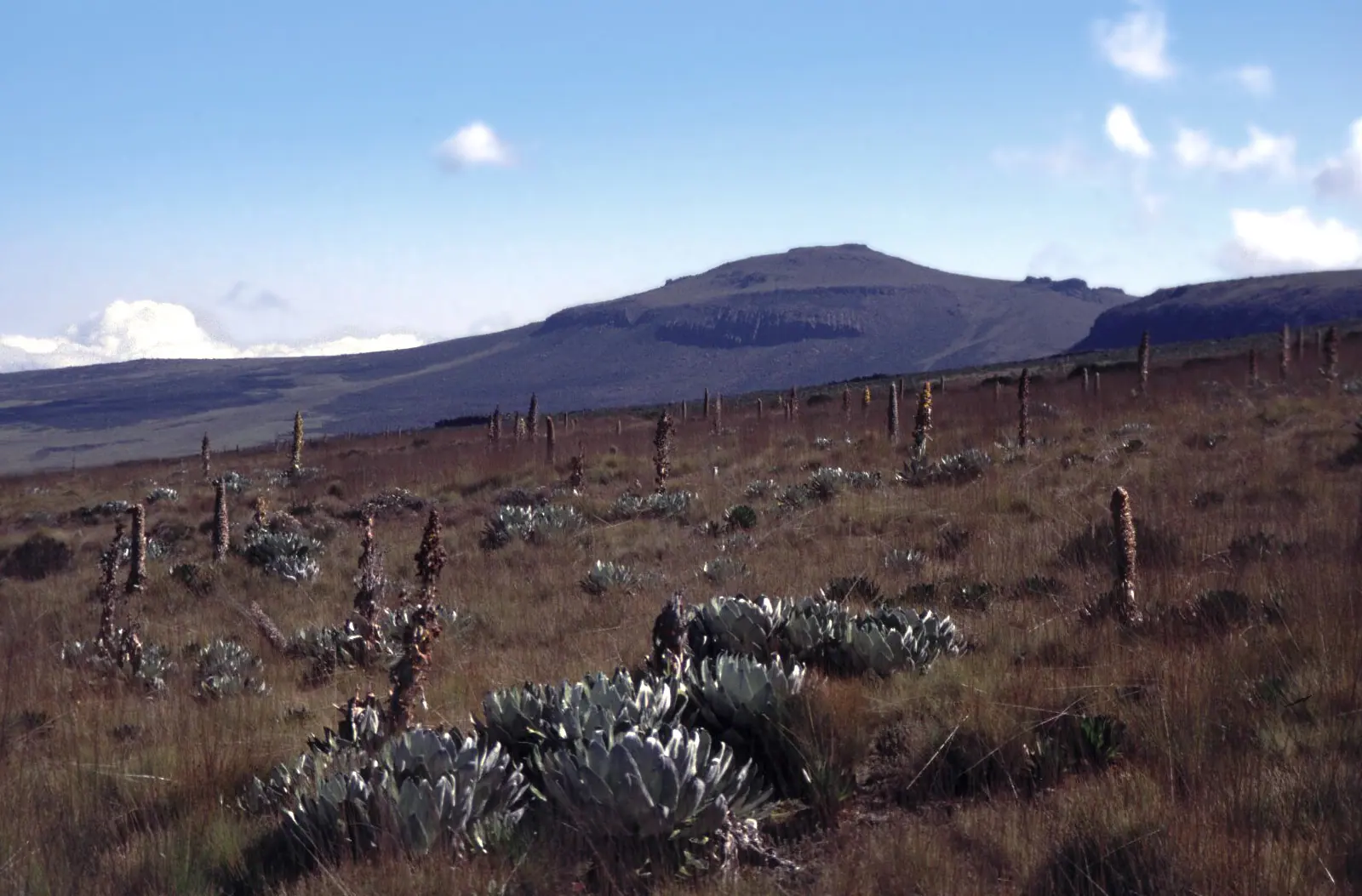
Between the Aberdare range and Mount Kenya sits Ol Pejeta Conservancy, a working cattle ranch turned rhino sanctuary and the most reliable place in the country to see both black and white rhino, along with a chimpanzee sanctuary on an island in the Ewaso Ng'iro. Further into the highlands, Aberdare National Park offers moorland, giant heathers and waterfalls such as Karuru and Gura, plus lodges with floodlit waterholes where animals appear through the night. Mount Kenya National Park protects Africa's second-highest massif, and fit hikers can reach Point Lenana at 4,985 metres on a four to five-day trek via the Sirimon or Chogoria routes.
These northern and highland parks reward a different pace: cold mornings, layered clothing, and long horizons rather than dense game. The best trekking and clearest summit views come in January and February and again in August and September, avoiding the rains of April, May and November. Combine Samburu with Ol Pejeta and Mount Kenya for a week that feels nothing like the Mara — drier, higher and far quieter.
Frequently asked questions
When is the best time to see the Great Migration in the Maasai Mara?
The herds generally arrive in the Mara from around July and stay until October, with the dramatic Mara River crossings most likely between late July and September. The exact dates shift each year with the rainfall, so early August to mid-September is the safest bet if river crossings are your priority.
How many days do I need in Kenya?
Seven to ten days lets you combine two or three parks with some coast time — for example three nights in the Maasai Mara, two in Amboseli or the Rift Valley lakes and three on the beach at Diani. If you only have five days, pick one safari area and Nairobi National Park rather than trying to cover the whole country.
Can I combine a safari with a beach holiday?
Easily. Light aircraft connect the Mara, Amboseli and Samburu with the coast, and flights from Nairobi to Mombasa or Ukunda take about an hour. A typical split is a four- or five-night safari followed by three or four nights at Diani, Watamu or Lamu.
Is Kenya a good destination for a first safari with children?
Yes. Short flights replace long drives, the parks around Nairobi let you see rhino and giraffe in a single morning, and private conservancies bordering the Mara allow walking and night drives that keep older children engaged. Many family-friendly camps also offer shorter game drives and swimming pools for the hot middle hours.
What do I need before travelling to Kenya?
Most visitors must apply online for a travel authorisation before departure and hold a passport valid for at least six months. A yellow fever certificate is required if you are arriving from a country with transmission risk, and malaria prophylaxis is usually recommended for the safari parks and the coast — check current advice with a travel clinic several weeks ahead.
Plan it — experiences in Kenya
Live search, booked directly with trusted providers.
Sort the rest of your trip
Everything for Kenya, in one place

More guides in Kenya
Top Things to Do in Kenya: Safari Icons, Coast and Must-See Landmarks
Kenya in One Week by Plane: A 7-Day Flying Safari Itinerary
Best Time to Visit Kenya: Seasons, Safaris and Where to Stay
Touring Kenya: Food, Culture and Local Experiences Beyond the Safari Jeep