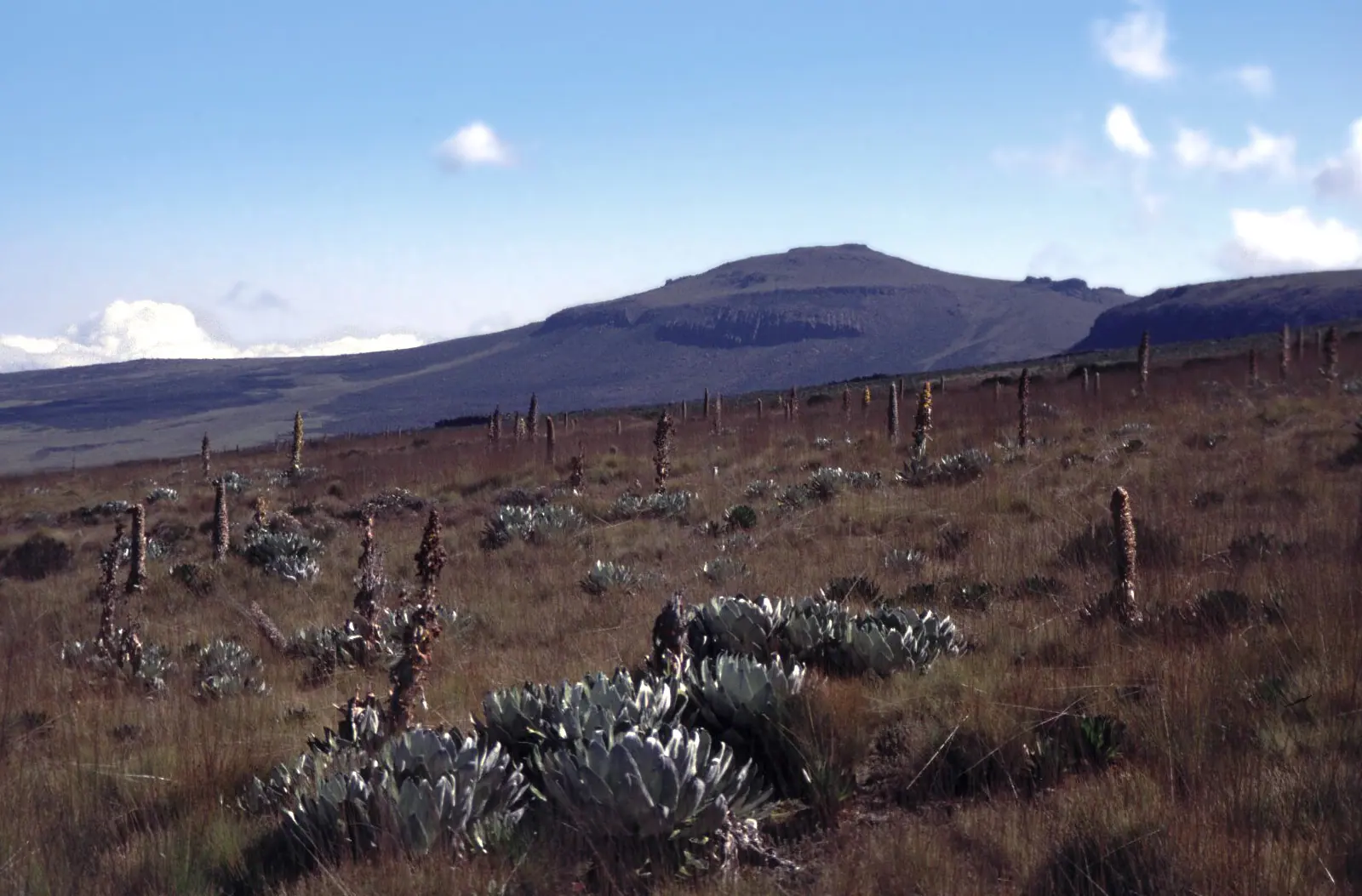
Kenya is one of the few countries where you can photograph rhinos against a city skyline at breakfast and watch a lioness cross a riverbed by dusk. The trick is choosing the right base for each leg — highland capital, dusty savannah, lake shore or Indian Ocean sand — because a Kenyan itinerary is really a series of very different holidays strung together.
Nairobi: The Highland Capital Where Almost Every Kenyan Trip Begins
Nairobi sits at roughly 1,700 metres, so the air is thin and the evenings are genuinely cool — pack a fleece even in the dry season. It is the only capital city with a full national park on its doorstep: Nairobi National Park begins a few minutes' drive from the business district, and on an early game drive you can find black rhino, buffalo, giraffe and even lion with tower blocks on the horizon behind them. Hotels cluster in a few distinct zones — Westlands and Parklands for restaurants and nightlife, leafy Karen and Langata for garden lodges near the wildlife sites, Gigiri for quiet embassy-district calm, and the airport corridor for anyone with a dawn flight to the coast or the Mara.
Build in a day for the city's own landmarks. The Giraffe Centre in Langata lets you hand-feed endangered Rothschild's giraffe from a raised platform; the Karen Blixen Museum occupies the old farmhouse of the woman behind Out of Africa; the Nairobi National Museum holds some of the finest early human fossils found anywhere; and Karura Forest offers walking and cycling trails through quiet indigenous woodland inside the city limits. For skyline views, ride up the Kenyatta International Convention Centre, and for souvenirs the Maasai Market, rotating between several city squares through the week, is the place to haggle for beadwork and soapstone.
Practical advice: one or two nights is usually enough before a safari, but Nairobi traffic is notorious, so choose a hotel close to whatever you plan to do rather than counting on crossing town. If you land late, stay near the airport and move into the city in the morning.
The Maasai Mara: Tented Camps and the Great Migration
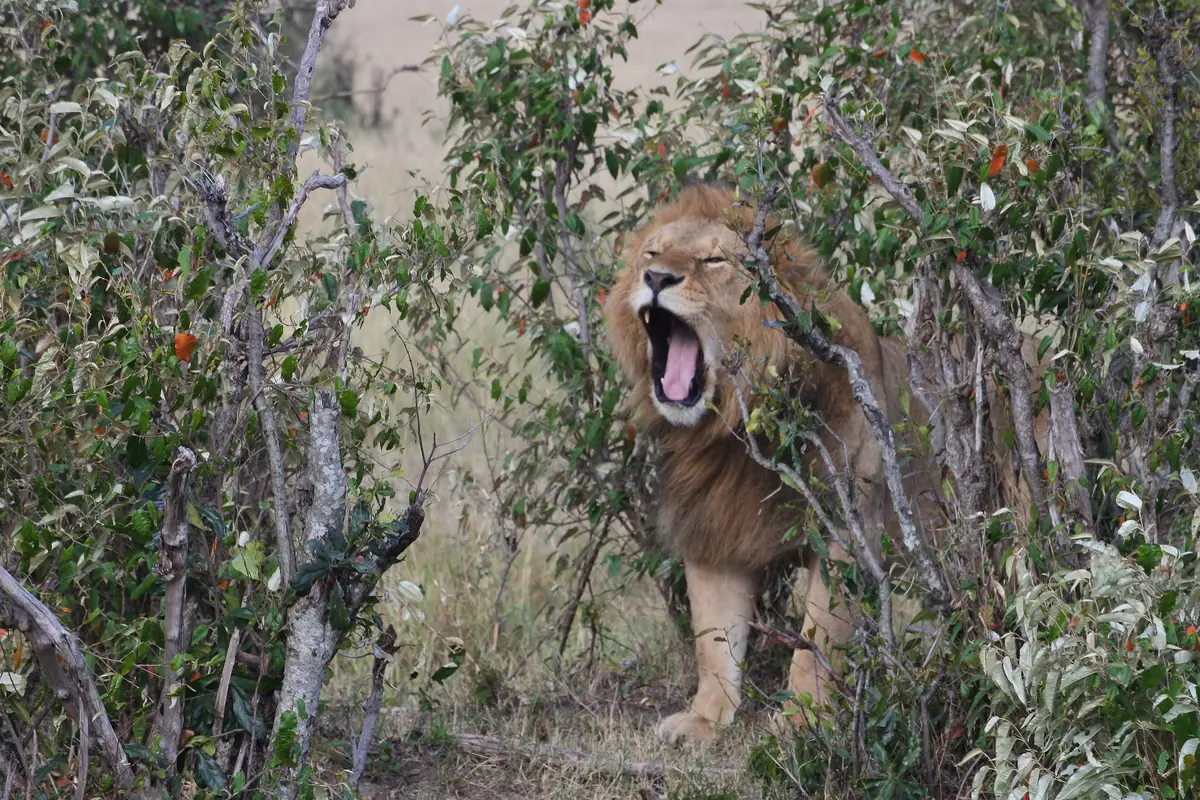
The Maasai Mara National Reserve is Kenya's headline act — rolling golden grassland studded with acacia, and the northern end of the great wildebeest migration that sweeps up from the Serengeti each year. The river crossings along the Mara River usually fall between July and October, unpredictable and often over in minutes, when herds bunch nervously on the bank before plunging through water where crocodiles wait. Beyond the river, the Mara Triangle in the west has fewer vehicles and big cat sightings that are famously reliable, while the Oloololo Escarpment gives the whole plain a dramatic backdrop.
Accommodation here divides into two broad choices. Camps inside the national reserve put you closest to the action but operate under park rules: no night drives, no walking safaris, and a crowd at a good sighting. Private conservancies bordering the reserve offer the same wildlife with far fewer vehicles, plus off-road driving, guided bush walks, night drives and cultural visits to Maasai homesteads — a strong option for photographers and anyone who wants a quieter dawn. Tented camps range from simple canvas with bucket showers to fully serviced luxury tents with plunge pools; book months ahead for migration season, when the best camps sell out.
A hot-air balloon flight at first light is the classic splurge, drifting over herds so dense the plain seems to move. Plan a minimum of three nights — two-night Mara trips feel rushed once you factor in the rough-road transfer or light-aircraft hop from Nairobi or the Rift Valley.
The Rift Valley Lakes: Nakuru, Naivasha and Elementaita
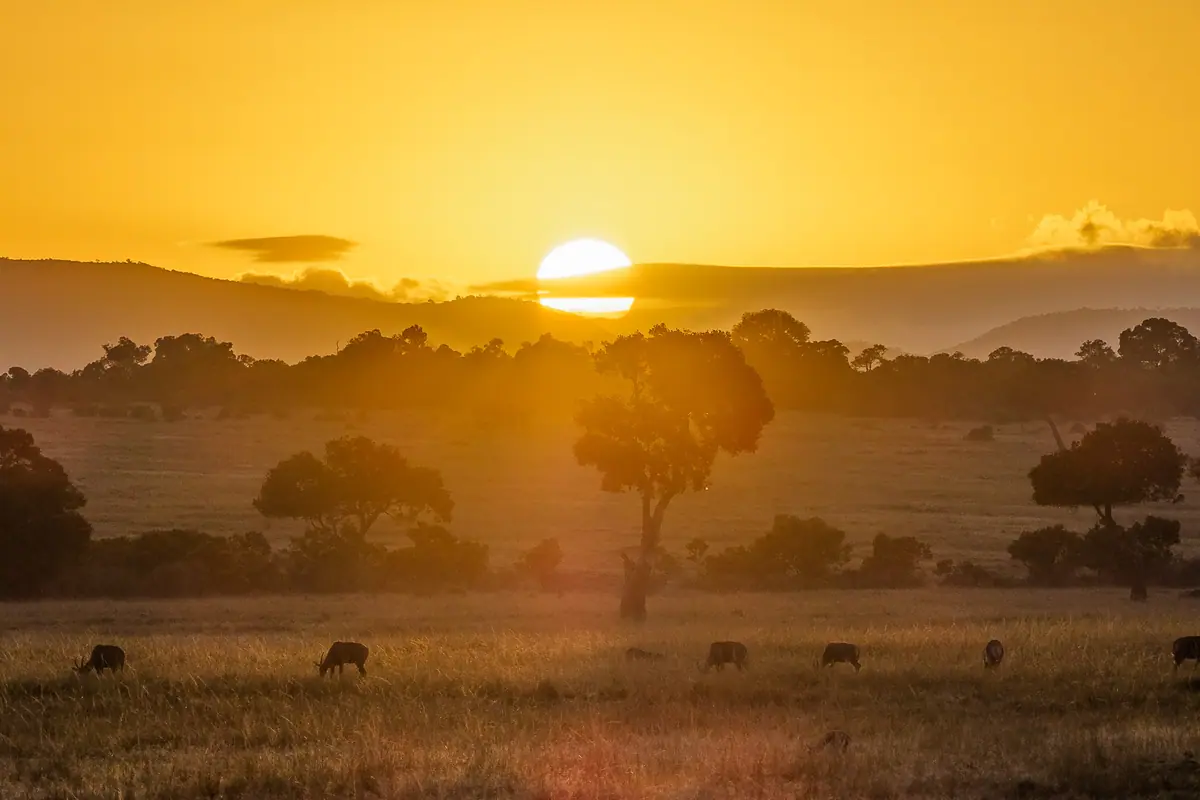
The Great Rift Valley carves a green fault line through western Kenya, and its soda lakes are a natural stop between Nairobi and the Mara. Lake Nakuru National Park is the easiest big-game park to reach from the capital: a fenced sanctuary where white rhino graze close to the road, Rothschild's giraffe browse the acacia, and thousands of flamingos and pelicans work the shallow alkaline water. Drive to Baboon Cliff for the classic panorama over the lake, and to Makalia Falls at the southern end for a picnic stop.
Lake Naivasha is the freshwater counterpoint — hippos snort offshore, fish eagles call from dead trees, and Crescent Island allows walking among grazing giraffe and zebra because there are no predators. Nearby Hell's Gate National Park is one of the few places in Kenya where you can hike and cycle among zebra and buffalo, with steaming geothermal vents and a gorge you can walk through with a local guide; the volcanic cone of Mount Longonot rises just to the south for a half-day climb with panoramic views. The smaller Lake Elementaita and the hot springs and geysers of Lake Bogoria, further north, make excellent detours for birdwatchers.
Where to sleep? Lakeside cottages and small lodges around Naivasha suit families and self-drive travellers, while Nakuru town offers practical mid-range hotels a short drive from the park gate. Expect cool, damp mornings, warm afternoons and mosquitoes at dusk — a lakeside banda with a screened veranda beats a town-centre room for atmosphere.
Amboseli, Tsavo and the Southern Parks
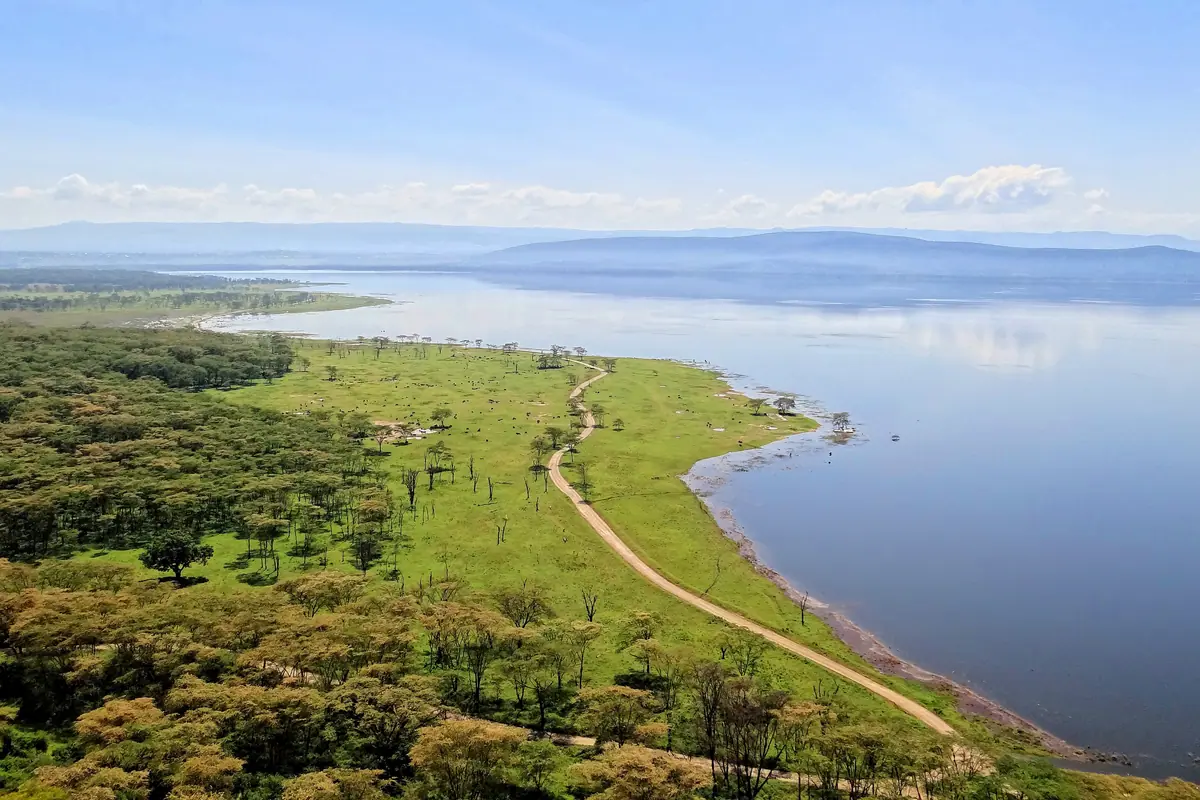
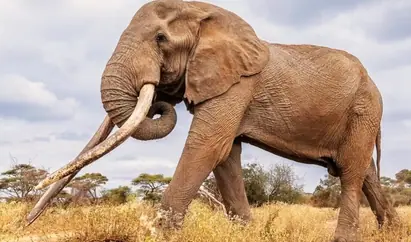
Amboseli National Park is the Kenya of the imagination: flat, dusty pans with immense elephant herds, including some of the last great tuskers, trudging between swamp and open plain. On a clear dawn, snow-capped Mount Kilimanjaro floats above the horizon just across the border, and the best photographs are usually taken from Observation Hill or from a lodge waterhole at first light. The swamps that feed the wildlife here are meltwater from the mountain, which is why the park stays green when everything around it bakes.
South and east of Amboseli, the vast twin parks of Tsavo West and Tsavo East are wilder, emptier and cheaper on park fees than the Mara. Tsavo East's red-dust elephants and the palm-fringed pools of the Galana River are a photographer's dream, while Tsavo West hides Mzima Springs, where you can watch hippo and barbel through an underwater viewing chamber, and the black lava flows of Shetani. The Chyulu Hills, a green volcanic ridge between the two, are prime walking-safari country.
Most visitors stay in lodges built around waterholes inside the parks, so game viewing continues over lunch, or in tented camps in the surrounding conservancies. This route pairs naturally with the railway between Nairobi and Mombasa, letting you trade a long drive for a scenic ride through the bush.
Samburu, Laikipia and Mount Kenya: The Northern Circuit
North of the equator the country changes character. Samburu National Reserve, with Buffalo Springs and Shaba alongside it, is dry, rugged and beautiful, cut by the Ewaso Ng'iro river, and it shelters species you will not see in the Mara's grasslands: Grevy's zebra, reticulated giraffe, gerenuk, Beisa oryx and Somali ostrich. Small, intimate lodges line the riverbank, and the heat means that pool-and-shade afternoons are part of the rhythm of a stay here.
On the Laikipia plateau to the south-west, a patchwork of private ranches and community conservancies has become Kenya's quiet conservation success story. Ol Pejeta Conservancy is the best-known, with high rhino densities, a chimpanzee sanctuary and night drives; neighbouring conservancies offer camel treks, lion-tracking on foot with researchers and fly-camping under the stars. Because these are working landscapes, you also get a genuine sense of how pastoralist communities and wildlife share the same ground.
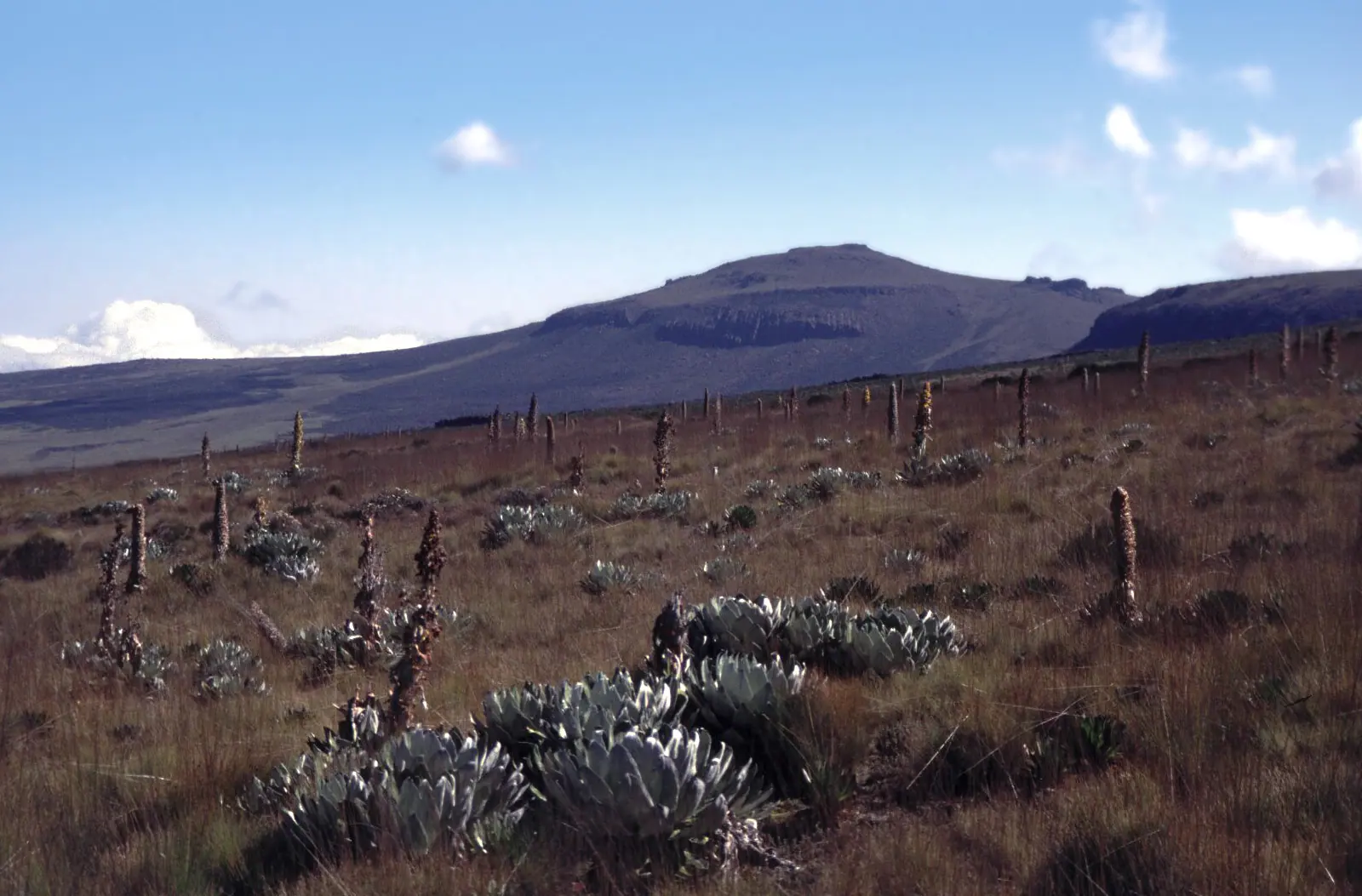
Mount Kenya, Africa's second-highest massif, anchors the region. Its national park protects glaciers, moorland and giant lobelia, and while the technical summits demand climbing experience, the trek to Point Lenana is a demanding but achievable multi-day hike for fit walkers. Cold, clear conditions from roughly June to September give the best views; lodges and bunkhouses at the mountain's base make a good resting point before or after the climb.
The Swahili Coast: Mombasa, Diani, Watamu and Lamu
Kenya's Indian Ocean coastline is 500 kilometres of reef-protected turquoise water, white sand and Swahili history, and it works as either a post-safari recovery or a holiday in its own right. Mombasa is the anchor: its Old Town is a maze of carved doors and narrow lanes, and Fort Jesus, a Portuguese fortress from the 1590s and a designated World Heritage site, tells the story of centuries of trade between Africa, Arabia and the wider ocean. North of the city, Nyali and Bamburi have the big beach resorts; south, the sands of Diani Beach and the marine park at Kisite-Mpunguti offer some of the easiest snorkelling and diving in East Africa.
Further up the north coast, Watamu and Malindi sit beside marine parks and the ruins of Gede, a mysterious abandoned Swahili town swallowed by forest, with the bird-rich Arabuko-Sokoke Forest next door — a good pairing of beach, ruins and birdwatching in a single day. At the far north, Lamu Old Town is the coast's most evocative stay: donkeys instead of cars, dhow sails at sunset, and guesthouses in centuries-old coral-stone houses, many with rooftop terraces. Neighbouring Shela has the quietest beaches.
Timing matters here. December to March brings hot, dry, calm weather and the clearest water; the long rains fall roughly from April to May, when many small guesthouses close, and the short rains arrive around November. Coastal resorts range from beachfront hotels with kids' clubs to boutique villas and Swahili-style guesthouses — book early for the Christmas and New Year peak, which is the busiest stretch of the coastal year.
Frequently asked questions
What is the best time of year to visit Kenya?
For wildlife, the dry seasons from January to February and July to October give the easiest game viewing because vegetation is thin and animals gather at water. The migration usually reaches the Maasai Mara between July and October. April and May bring heavy long rains, muddy roads and some closed camps, while November's short rains are shorter but still disruptive. The coast is at its best from December to March.
Should I stay inside a national park or in a private conservancy?
Park lodges and camps put you in the middle of the action and suit short trips, but they cannot offer night drives or walking safaris. Conservancies bordering parks such as the Maasai Mara or Amboseli usually cost more per night but allow off-road driving, night game drives, bush walks and far fewer vehicles at a sighting — often better value for photographers and anyone wanting a quieter experience.
How many days do I need for a Kenyan safari and beach trip?
Seven to ten days is a comfortable minimum: two nights in Nairobi or the Rift Valley lakes, three nights in the Maasai Mara or Amboseli, then three or four nights on the coast at Diani, Watamu or Lamu. Trying to fit the Mara, Amboseli and the beach into five days means spending most of your holiday in transit.
What should I pack for a Kenya trip?
Layers: Nairobi sits high and gets cold at night, while the coast and lowland parks are hot and humid. Bring neutral-coloured clothing for game drives, a wide-brimmed hat, high-factor sunscreen, insect repellent, binoculars and a good zoom lens. Avoid bright blue and black clothing on safari, as these colours can attract tsetse flies. Most lodges accept cards, but small tips in local currency are always useful.
Do I need any health or entry formalities before travelling to Kenya?
Most visitors need an approved electronic travel authorisation obtained online before departure, plus a passport valid for at least six months. Yellow fever vaccination certificates are required if you are arriving from certain countries. Malaria prophylaxis is strongly recommended for the coast and lowland parks, and it is wise to check current vaccination advice with a travel clinic several weeks before you fly.
Sort the rest of your trip
Everything for Kenya, in one place
Transfer in Kenya
Private driver waiting on arrival — no queues, no surprises.
Book a transfer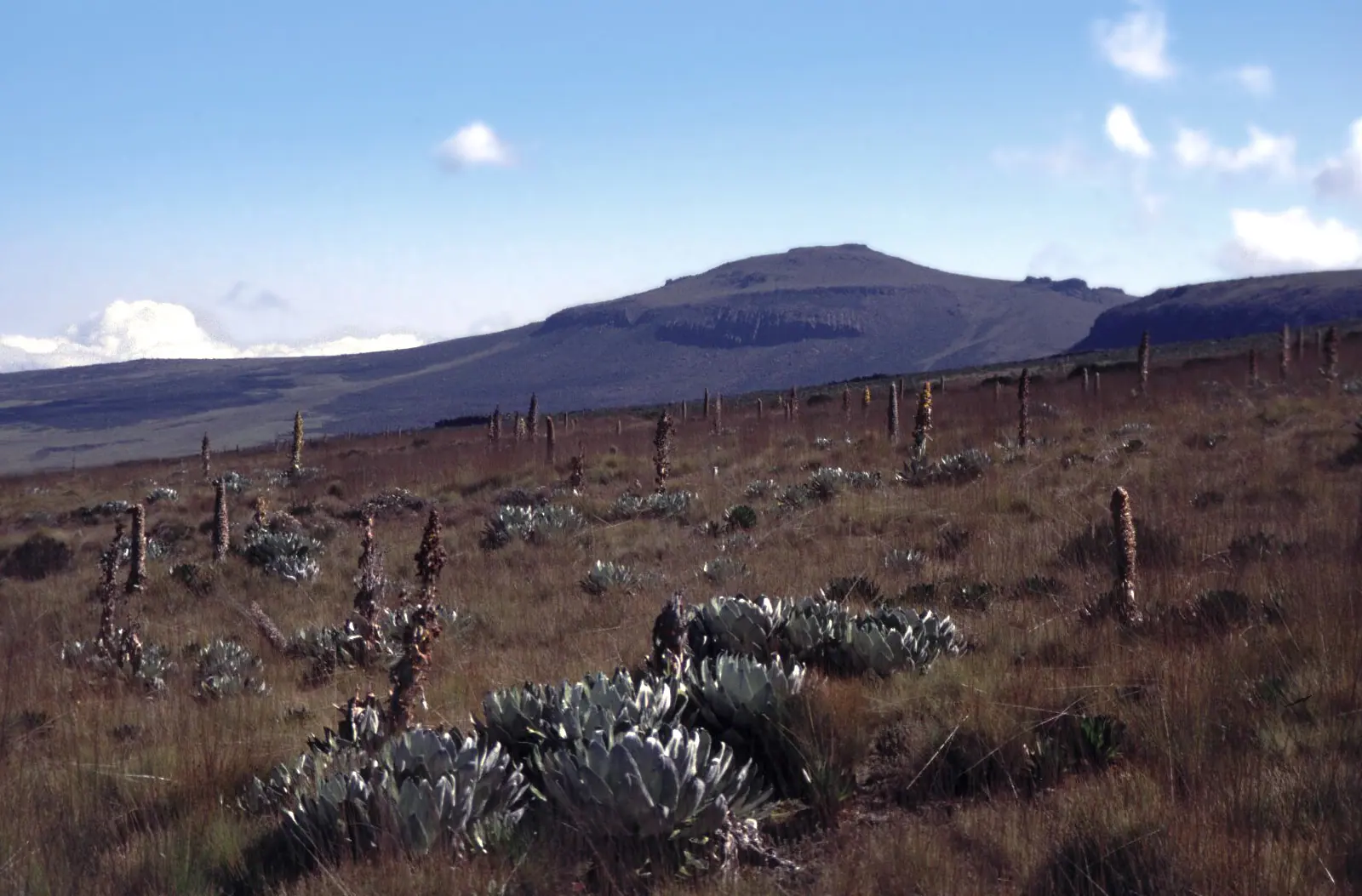
Things to do in Kenya
Skip-the-line tickets, guided tours and standout experiences.
See experiences
Stay online in Kenya
Travel eSIM — data the moment you land, no roaming bills.
Get an eSIMMore guides in Kenya
Best Places to Visit in Kenya: the Maasai Mara, the Coast and Beyond
Top Things to Do in Kenya: Safari Icons, Coast and Must-See Landmarks
Kenya in One Week by Plane: A 7-Day Flying Safari Itinerary
Best Time to Visit Kenya: Seasons, Safaris and Where to Stay