Kenya rewards travellers who look past the game-drive checklist and eat where the country eats, pray where it prays and celebrate where it celebrates. From charcoal smoke drifting over a Nairobi butchery to cardamom-scented pilau in Lamu's old lanes, this is a tour of Kenya told through its table, its festivals and its landmarks.
Kenya's Table: Nyama Choma, Ugali and the Ritual of Sharing
Kenyan cooking is built around fire and company. The centrepiece is nyama choma — goat, beef or mutton left over glowing charcoal until the fat crackles, then hacked into rough chunks and eaten with the fingers beside kachumbari, a bright relish of tomato, onion, chilli and coriander, and a thick slab of ugali, the maize-meal cake that works as both fork and filler. Nobody orders a private plate. Food lands in the middle of the table and circulates, and the meal stretches long after the meat is gone.
What lands on that table changes with the landscape. In the cool highlands around Nyeri and Thika you will find sukuma wiki, collard greens stewed with onion and tomato; githeri, a boiled mix of maize and beans that is genuine everyday fuel; and chapati, the layered flatbread that arrived with Indian Ocean trade and never left. In the Rift Valley towns, ask for mursik, a fermented milk served in a smoked gourd that tastes like ash and yogurt at once. After dark, roadside butcheries grill mutura, a dark sausage of minced meat, blood and spices, sold by the length and eaten standing up.
Meals keep loose hours here. Lunch can quietly become a two-hour affair, and the question that matters is not what is on the menu but what is on the grill today. Sweet mandazi doughnuts and small glasses of spiced chai with milk fill the gaps between meals, and in the coffee-growing country west and north of Nairobi, a cup of single-estate coffee is worth building a morning around.
Nairobi: The Capital That Starts With the Senses
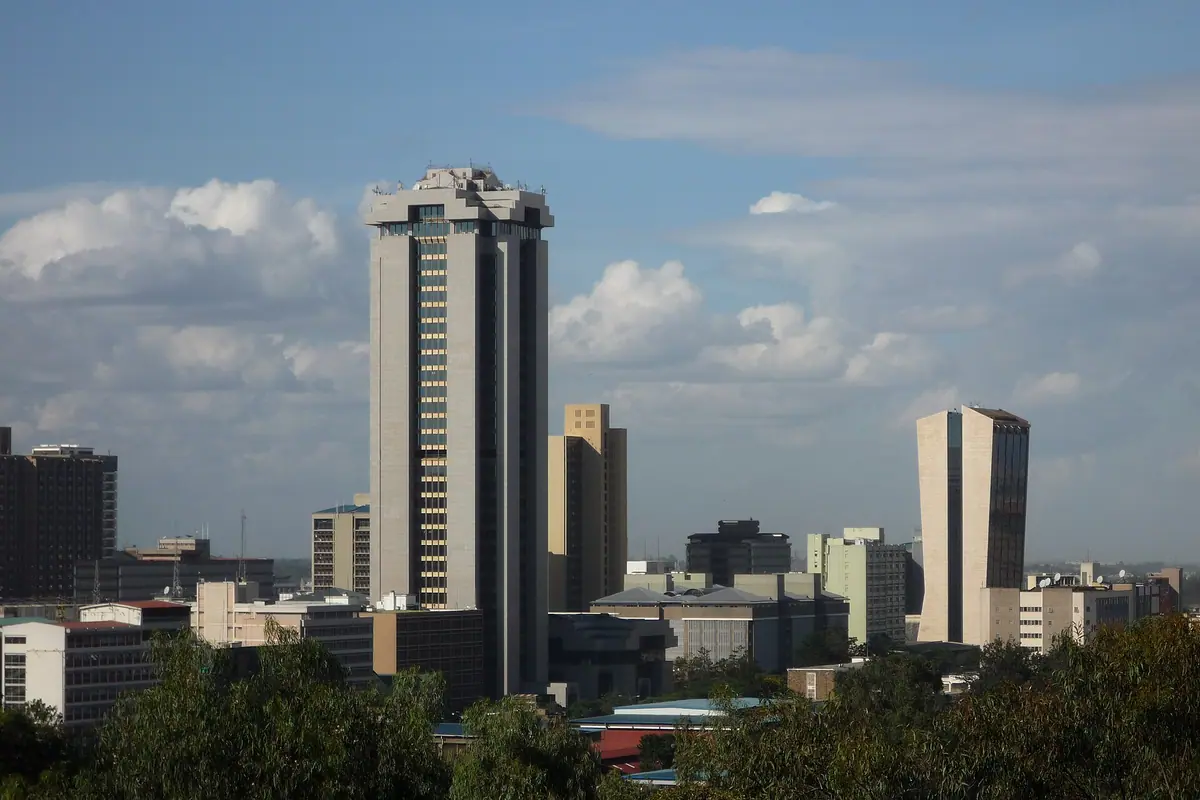
Nairobi is where most Kenya tours begin, and it is a city that hands you wildlife, history and street food within a few kilometres of each other. Nairobi National Park sits inside the city limits, a sweep of open plain where you can watch rhino and lion against a backdrop of office towers — a genuinely strange and unforgettable first game drive. Minutes away, the Giraffe Centre lets you hand-feed endangered Rothschild's giraffes at eye level, and the Karen Blixen Museum, set in the farmhouse of the author who wrote about colonial-era coffee farming, explains a slice of highland history.
For culture with a beat, the Bomas of Kenya stages traditional dance from across the country's communities, while the Maasai Market — a travelling craft fair that sets up in different corners of the city on different days — is the place to bargain for beadwork, soapstone and kikoi cloth. Etiquette matters: greet first, ask before photographing anyone, and treat the opening price as an invitation to talk rather than a final number.
Street food is the real introduction. Look for smokie pasua, a split sausage stuffed with kachumbari and chilli, potato bhajia fried in batter, triangular samosas and viazi karai, turmeric-stained potatoes in tamarind. Wash it down with fresh passion juice. In the evening, the city's nyama choma joints fill with families and colleagues, platters arriving with ugali and greens until the table is crowded.
The Swahili Coast: Lamu, Mombasa and the Coconut Kitchen
Kenya's Indian Ocean coast cooks to a different rhythm, one shaped by centuries of dhow trade with Arabia, Persia, India and beyond. The result is a cuisine of coconut milk, tamarind, cardamom, clove and lime. Pilau, rice simmered with whole spices and meat, and biryani, baked in layered pots, are the celebration dishes. Wali wa nazi, rice cooked in coconut, comes alongside mbaazi za nazi, pigeon peas in the same rich milk. Mahamri, sweet coconut doughnuts, appear at breakfast with tea, and grilled reef fish arrives simply dressed with lime.
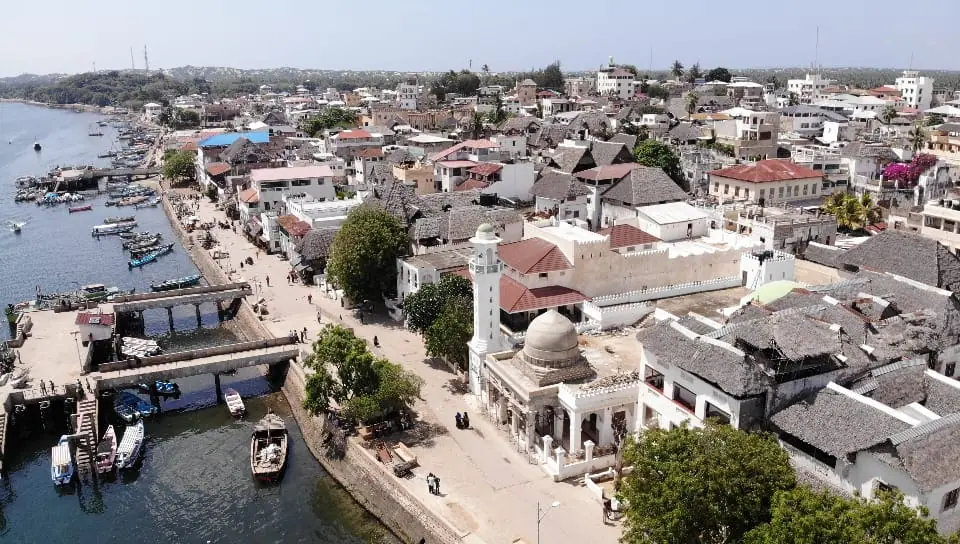
Lamu Old Town, a UNESCO-listed maze of coral-stone houses, carved doors and donkey-width alleys, is the purest expression of this world — no cars, just dhows on the channel and the call to prayer rolling over the rooftops. Time your visit to Maulidi, the annual celebration of the Prophet's birth, when pilgrims arrive from across the region and the island fills with processions, poetry and feasting. Further south, Mombasa's Fort Jesus, a Portuguese-built fortress overlooking the old harbour, anchors a waterfront of spice stalls and markets, and the streets of Old Town reward slow walking and slower eating.
Beaches are part of the culture, not a break from it. Diani Beach, south of Mombasa, offers white sand and warm shallows, while Watamu Marine National Park protects coral gardens and turtle-breeding beaches further north. Inland from Watamu, the Gede Ruins — a abandoned Swahili town swallowed by forest — makes a haunting half-day trip. Sailings on a wooden dhow at sunset, with a Dawa of vodka, lime and honey in hand, is the coast's signature ritual.
The Maasai Mara: Safari Culture and the Great Migration
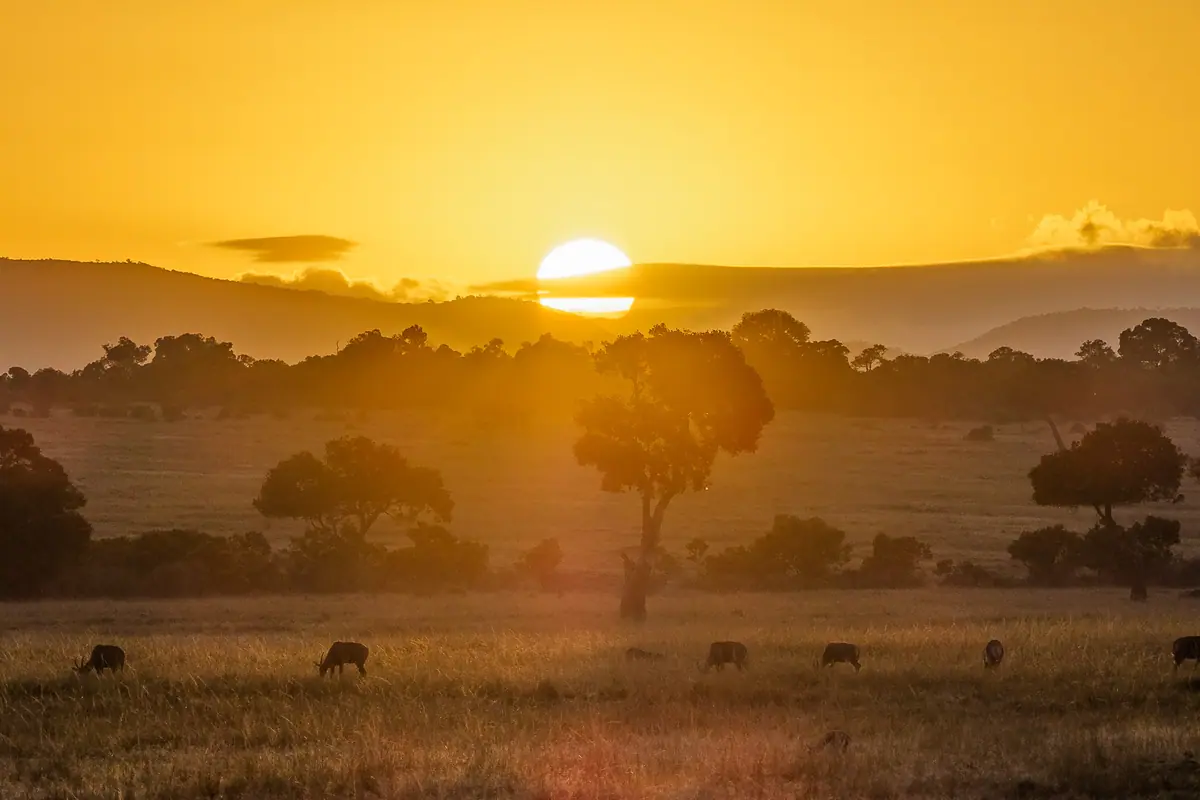
The Maasai Mara National Reserve is Kenya's most famous landscape, a rolling sea of grass where the horizon never quite ends. Between roughly July and October, the Great Migration pours north from the southern plains, and the Mara River crossings — where wildebeest plunge past waiting crocodiles — become the most dramatic wildlife spectacle on the continent. August and September usually bring the highest chances of a crossing, though nature keeps its own schedule.
Safari here is as much culture as wildlife. Many conservancies bordering the reserve are run with Maasai landowners, and a visit to a manyatta — a family compound of mud-and-dung houses ringed by thorn — can be arranged respectfully. Ask your hosts about the meaning behind beadwork colours, the adumu jumping dance and the role of age sets in Maasai society. Bring questions rather than cameras-first curiosity, and buy craft directly from the makers where possible.
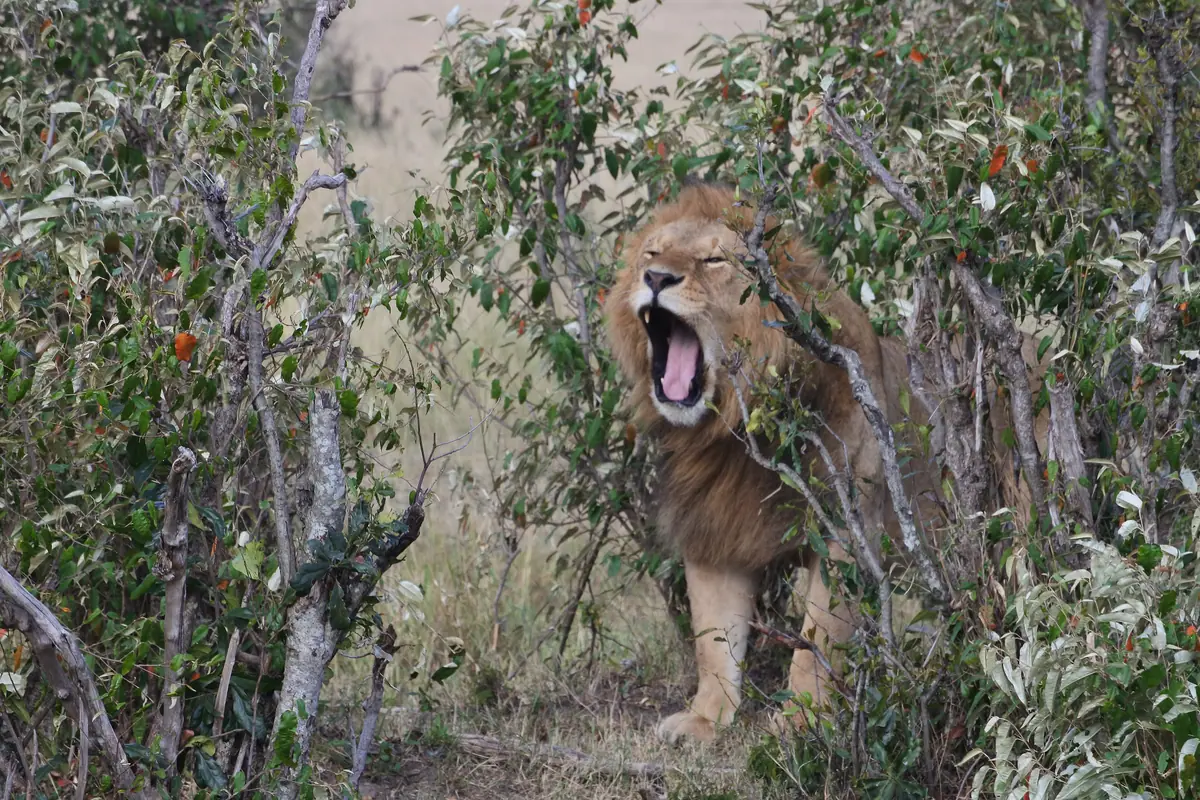
A hot-air balloon flight at dawn, drifting over herds that look like scattered pepper, is expensive and unforgettable. Back on the ground, game drives typically run early morning and late afternoon, with the middle of the day for eating and resting — which is exactly what the animals do. Three or four nights in the Mara gives you a fair shot at lion, cheetah, leopard and the big herds without rushing.
Amboseli, Samburu and the High Country
Amboseli National Park, southeast of Nairobi, is the place for elephants: huge-tusked families moving across dust plains with Mount Kilimanjaro floating behind them on clear mornings. The park's swamps, fed by underground streams from the mountain, pull in hippo, buffalo and more than 400 bird species. Early morning is when the mountain shows itself; by afternoon it usually hides in cloud.
North of the equator, Samburu National Reserve feels like another country — dry, pale and full of species you will not see in the Mara, including Grevy's zebra, reticulated giraffe, gerenuk, beisa oryx and Somali ostrich. Further north still, Lake Turkana, the world's largest desert lake, is reached via dusty roads and rewards the effort with volcanic moonscapes and the Turkana Festival, held in the Loyangalani area and drawing communities from across the region for dance, song and craft.
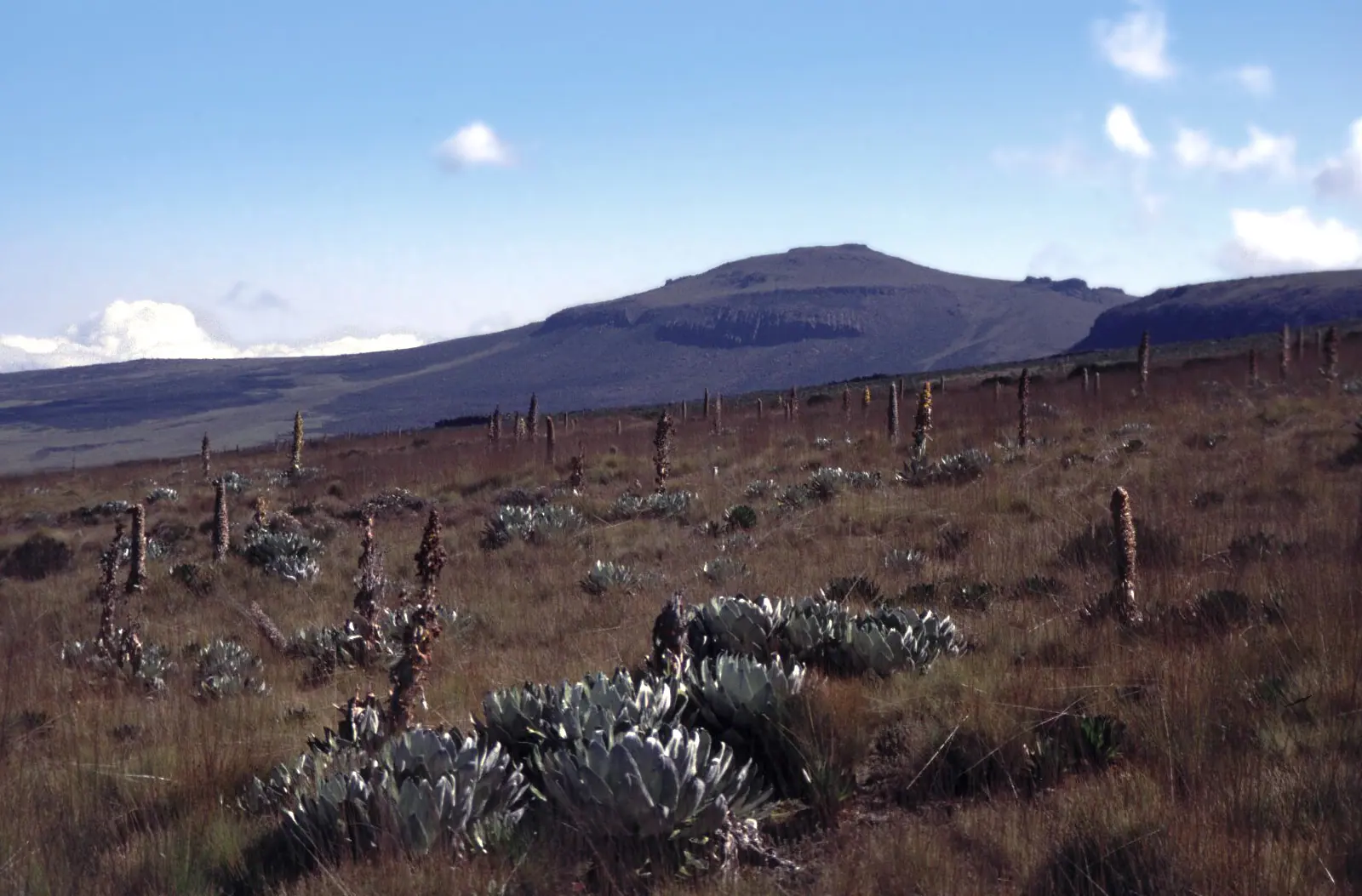
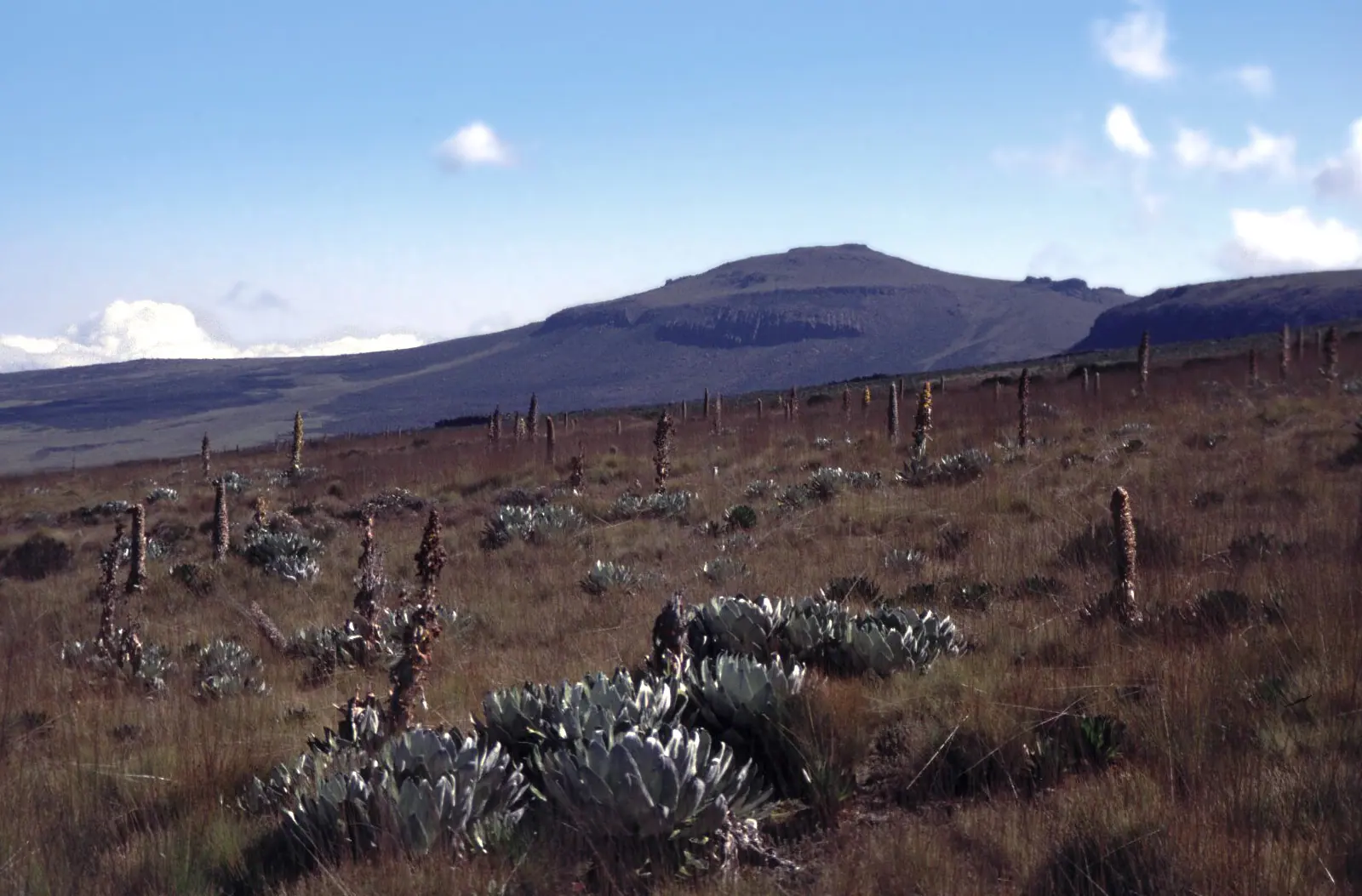
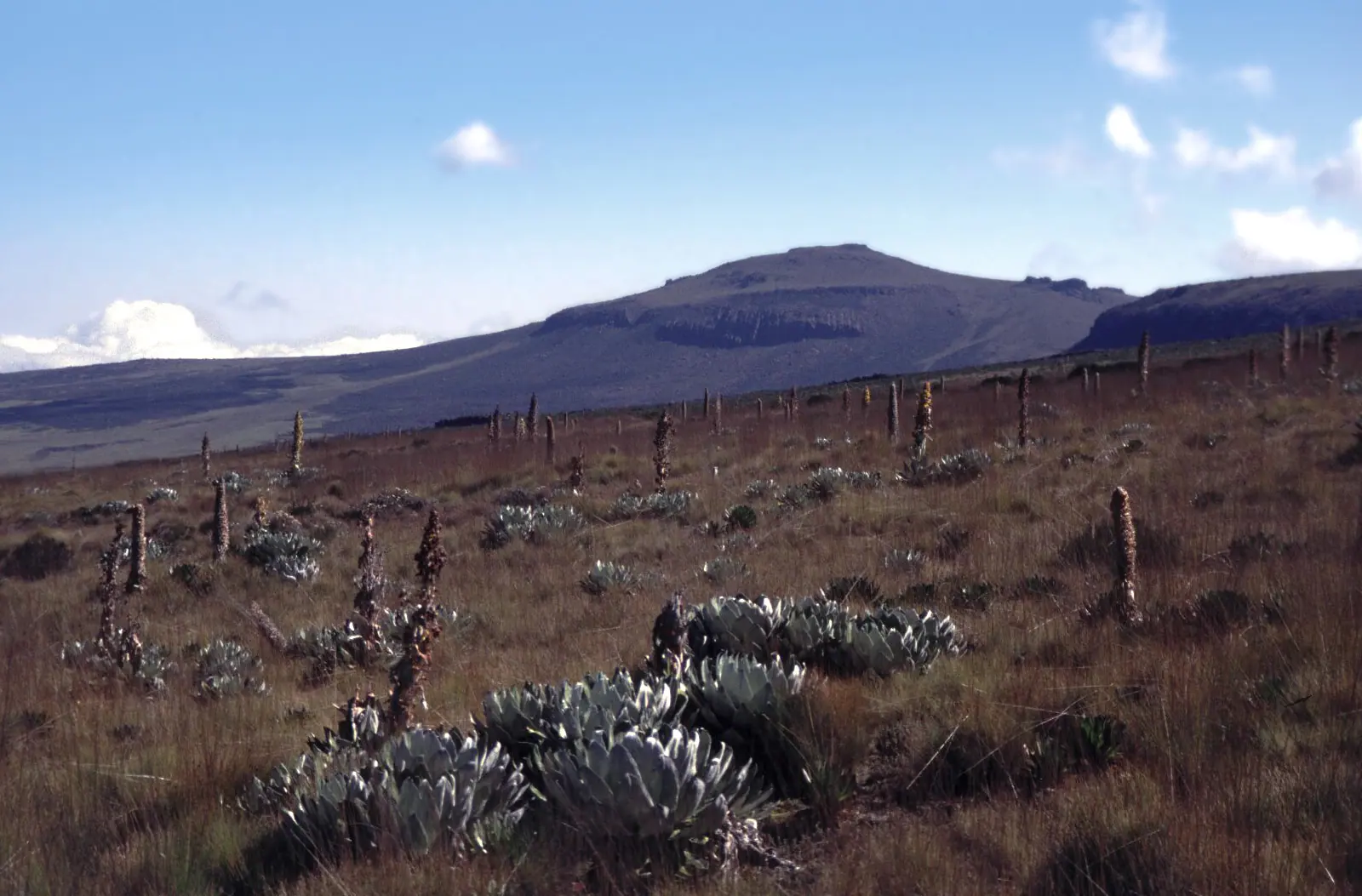
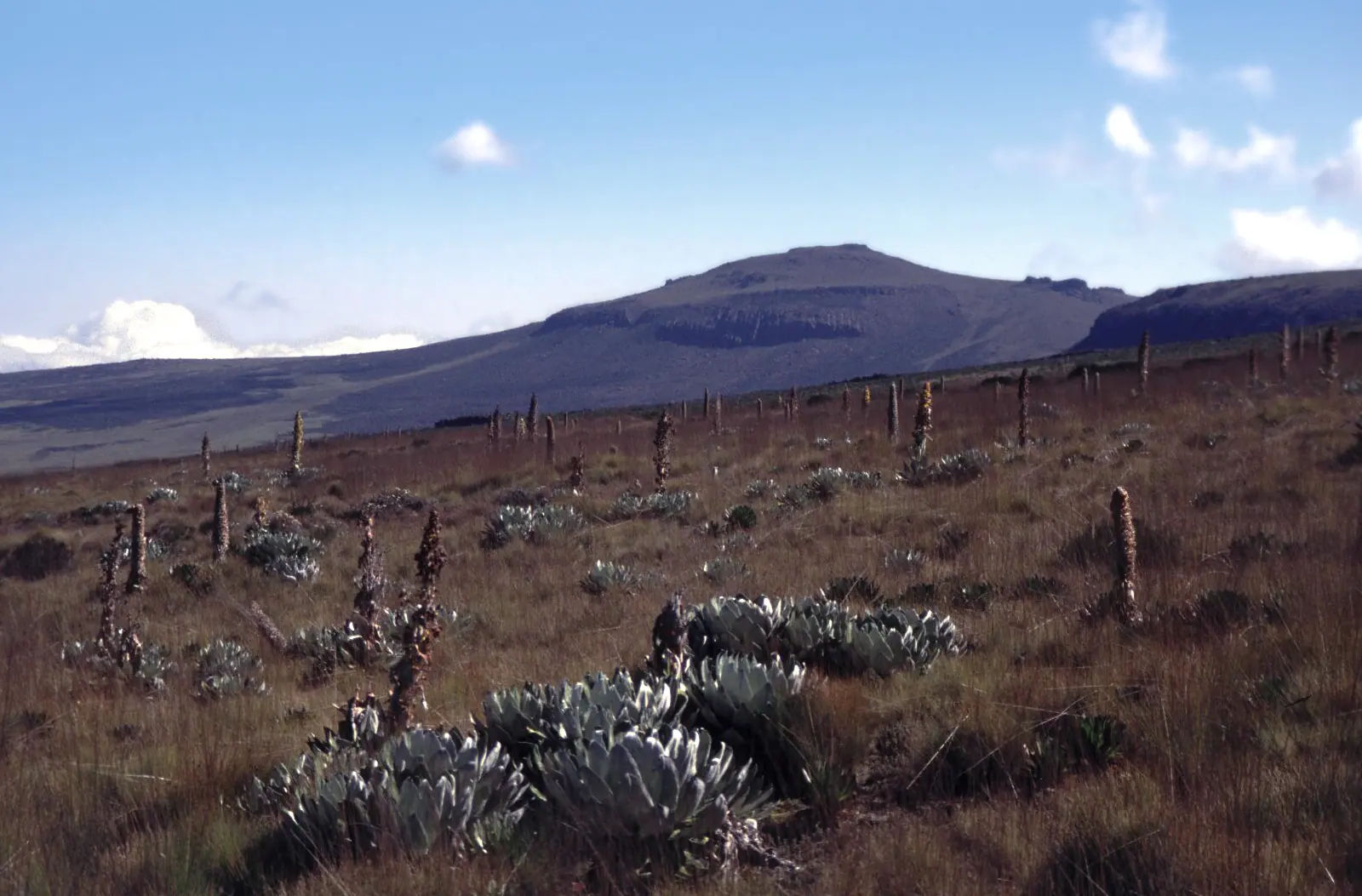
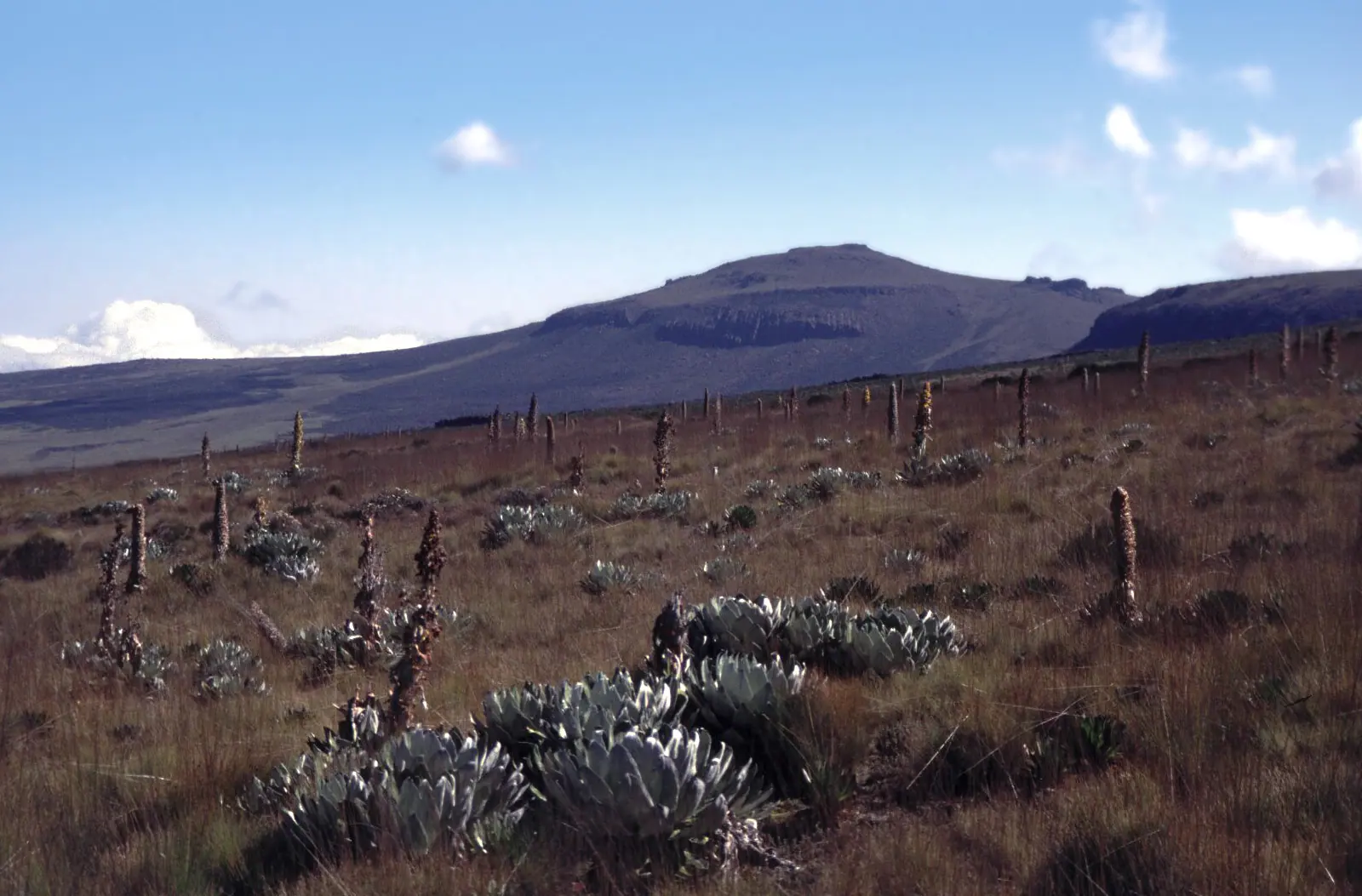
The high country offers a different kind of tour. Mount Kenya, Africa's second-highest mountain, can be climbed to Point Lenana without technical gear on a four- to five-day trek through bamboo forest and giant lobelia. Hell's Gate National Park, near Lake Naivasha, allows walking and cycling among zebra and giraffe, with the Ol Njorowa gorge cutting through the cliffs. Lake Nakuru and Lake Bogoria, in the Rift Valley, are the classic flamingo lakes, best after the rains when the water chemistry favours the birds.
Festivals, Manners and Moving Around
Kenya's calendar is worth planning around. The Maralal International Camel Derby draws riders and spectators to the northern highlands, a June marathon across a Laikipia conservancy turns wildlife country into a running course for a morning, and Mombasa Carnival fills the coast with floats and taarab music in November. Anywhere you go, ask locally what is happening that week — small church harvests, football finals and market days can be the best part of a tour.
Everyday etiquette is straightforward. Greet people before asking questions, use your right hand for eating and passing, and dress more modestly in Lamu and Mombasa's old quarters than you would on the beach. Tipping is customary but not aggressive: around ten percent in restaurants, and a daily thank-you for guides and drivers. Ask before photographing people, especially in pastoral communities.
Getting around is a mix of domestic flights between parks, private 4x4s with driver-guides for safaris, and matatus — privately run minibuses covered in murals and sound systems that are a cultural experience in themselves. Driving is on the left, and self-drive is only sensible with a sturdy vehicle and confidence on rough roads. Boda boda motorbike taxis handle short hops in towns. Build in buffer days: Kenyan roads and weather are honest about taking their time.
Frequently asked questions
When is the best time to visit Kenya for the Great Migration?
The herds usually arrive in the Maasai Mara from around July and stay through October, with river crossings most likely in August and September. January and February are excellent for wildlife in the south and for calving herds, while the long rains of April and May bring green landscapes, lower rates and fewer visitors.
What food should I try on a Kenya tour?
Start with nyama choma, charcoal-grilled goat or beef, served with ugali and kachumbari. Add sukuma wiki, githeri, chapati and mutura in the highlands and towns, then head to the coast for pilau, biryani, coconut rice, mbaazi za nazi, mahamri and grilled reef fish.
Is Kenya a good destination for a first safari?
Yes. Nairobi National Park offers a game drive inside the capital, Amboseli delivers elephants against Mount Kilimanjaro, and the Maasai Mara is the classic big-cat country. Plan at least three or four nights in one reserve rather than hopping between many, and use early morning and late afternoon drives.
How do travellers get between Kenya's parks and cities?
Small domestic flights link Nairobi, Mombasa, the Maasai Mara, Amboseli and Samburu, saving long drives on rough roads. On the ground, the usual options are a private 4x4 with a driver-guide, taxis, and matatu minibuses or boda boda motorbikes for short town trips. Driving is on the left.
What should I know about etiquette and entry formalities in Kenya?
Most visitors now need an electronic travel authorisation arranged online before arrival, plus a passport valid for at least six months. Greet people before asking questions, use your right hand for eating and passing items, tip around ten percent, ask before taking photographs, and dress more conservatively in Lamu and Mombasa's old towns.
Sort the rest of your trip
Everything for Kenya, in one place

More guides in Kenya
Best Places to Visit in Kenya: the Maasai Mara, the Coast and Beyond
Top Things to Do in Kenya: Safari Icons, Coast and Must-See Landmarks
Kenya in One Week by Plane: A 7-Day Flying Safari Itinerary
Best Time to Visit Kenya: Seasons, Safaris and Where to Stay