Kenya is too vast, too varied and far too beautiful to see from a single road, but its network of bush airstrips makes a week feel like three holidays. Fly from a rhino-dotted national park inside Nairobi's skyline to elephants framed by Kilimanjaro, then on to the Mara River crossing and warm Indian Ocean water before dinner. This is how to string it together.
Why a Flying Safari Beats a Driving One in Kenya
Kenya covers roughly 580,000 square kilometres, and the roads between its headline parks are long, dusty and slow — after heavy rain, sometimes impassable. Amboseli to the Maasai Mara is a full day of driving; by air it is barely an hour and a half, including a transit stop. Better still, the flying is part of the experience: from a low-flying light aircraft you look down on the Great Rift Valley's escarpments, the glaciers on Mount Kenya and, on clear mornings, Kilimanjaro's snow-capped summit poking above the cloud.
Wilson Airport, the country's busiest hub for light aircraft, sits just south of Nairobi's centre and links to well over a hundred gravel and dirt airstrips. Scheduled departures and private charters cover the classic circuit efficiently: Wilson to Amboseli takes about 45 minutes, Wilson to the Maasai Mara roughly 45 to 60 minutes, and the hop from the Mara to the coast about an hour after a Nairobi stopover. Your camp typically meets you on the strip in an open 4x4, often with a cold drink and a wildlife sighting before you have even reached your room.
Timing matters more than anything else. July to October is the driest, most reliable game-viewing window and the peak of the migration; January to March is also excellent, with short grass, newborn animals and fewer vehicles. June and November are quiet shoulder months with good value. April and May bring the long rains — some camps close entirely and dirt airstrips can turn soft — so if you are locked into those dates, plan on the coast and conservancies with all-weather runways.
Days 1–2: Nairobi, the Only Capital With a National Park Inside It
Start where the rhinos commute past office towers. Nairobi National Park covers around 117 square kilometres of open plain, acacia woodland and river gorge right on the city's southern edge, and it is the only national park in the world with a capital skyline on its horizon. A three- to four-hour dawn game drive can deliver black rhino, lion, buffalo, giraffe, eland and ostrich against a backdrop of glass-fronted high-rises — a disorienting, unforgettable first morning in Africa. Go at opening time, when cats are still active and the light is soft.
Spend the rest of the day in the leafy suburb of Karen. The Giraffe Centre lets you hand-feed endangered Rothschild's giraffes from a raised wooden platform, and the nearby Karen Blixen Museum preserves the colonial farmhouse of the woman behind 'Out of Africa', complete with original furniture and views over the Ngong Hills. The elephant orphanage inside the national park opens for a single daily viewing hour at 11am and must be booked in advance — watching hand-reared calves bottle-feed and wallow is one of Nairobi's great pleasures.
If you have a second afternoon, the Nairobi National Museum holds world-class collections of early hominid fossils and Kenyan ethnography, while the rooftop of the towering Kenyatta International Convention Centre gives a 360-degree panorama over the park and the city. Finish with a plate of nyama choma — grilled goat or beef eaten by hand with ugali and kachumbari — at a local grill house, then transfer to Wilson for the short flight south. Two nights in Nairobi is right; one feels rushed.
Accommodation splits neatly into two moods: boutique guesthouses and garden hotels in Karen and Westlands, close to the sights, or city-centre towers for a single efficient night before an early flight. Traffic is genuinely heavy between 7am and 9am and again from 5pm, so build slack into any transfer to Wilson Airport.
Days 3–4: Amboseli — Elephants Beneath Kilimanjaro
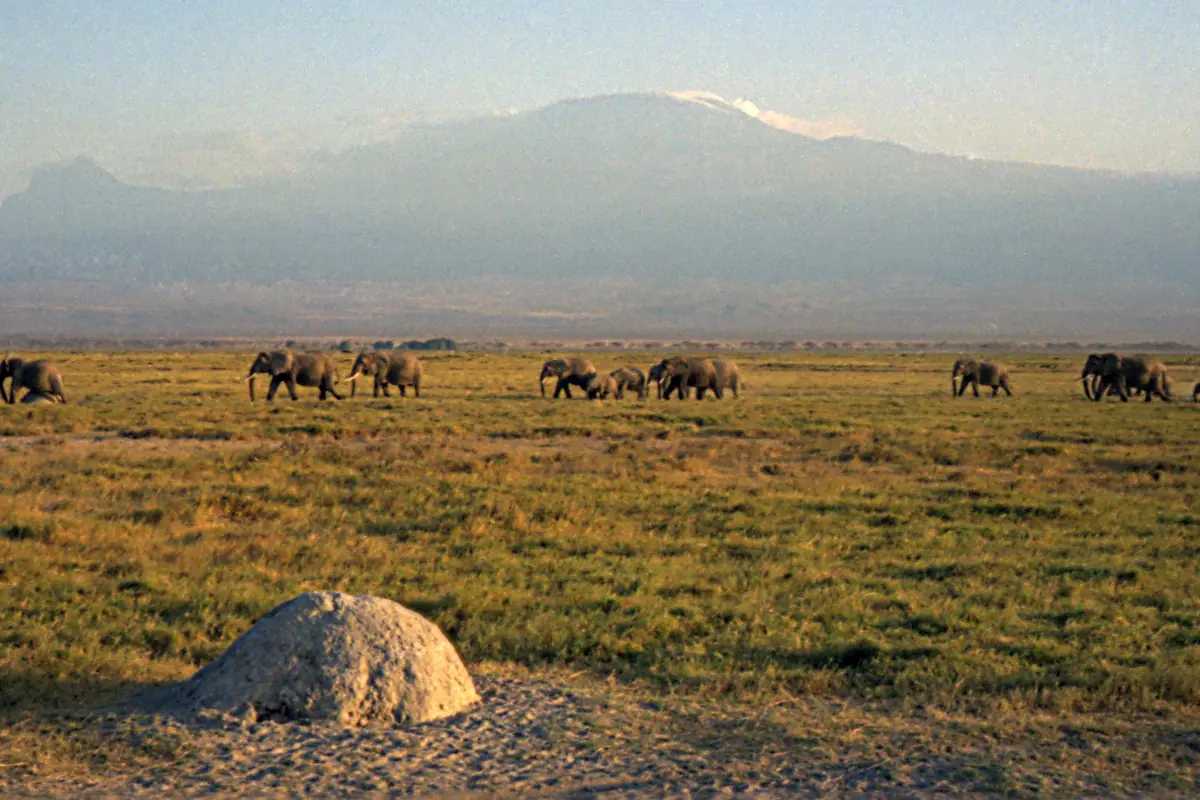
Forty-five minutes south-west of Nairobi, the aircraft descends over dusty plains and then, suddenly, green. Amboseli National Park is a patchwork of emerald swamps fed by snowmelt that filters underground from Kilimanjaro, Africa's highest mountain at 5,895 metres, looming just across the Tanzanian border. Because the water never dries, the park supports enormous, slow-moving herds of elephants, including some of the continent's last great tuskers, whose ivory almost brushes the ground.
Observation Hill is the park's only high point and the place to be at sunrise or sunset: from its summit you look out over hippo-filled marshes, the cracked white pan of Lake Amboseli and, on a clear morning, the full snow-topped mass of Kilimanjaro. Go early — the mountain is usually swallowed by cloud by mid-morning and often does not reappear until dusk. Between drives, look for lion, cheetah, spotted hyena, Maasai giraffe and more than 400 recorded bird species, with flamingos gathering whenever the pan holds water.
Two nights is the classic minimum; three lets you add a guided walk or a visit to a Maasai homestead on the park's edge, where you can learn about herding, beadwork and the cattle-centred culture that has shaped this landscape for centuries. Camps in the surrounding conservancies can offer night drives and off-road viewing that the national park itself does not permit. Bring binoculars and a long lens — the elephants here are habituated and often walk within metres of a stationary vehicle.
Days 5–6: The Maasai Mara, Big Cats and River Crossings
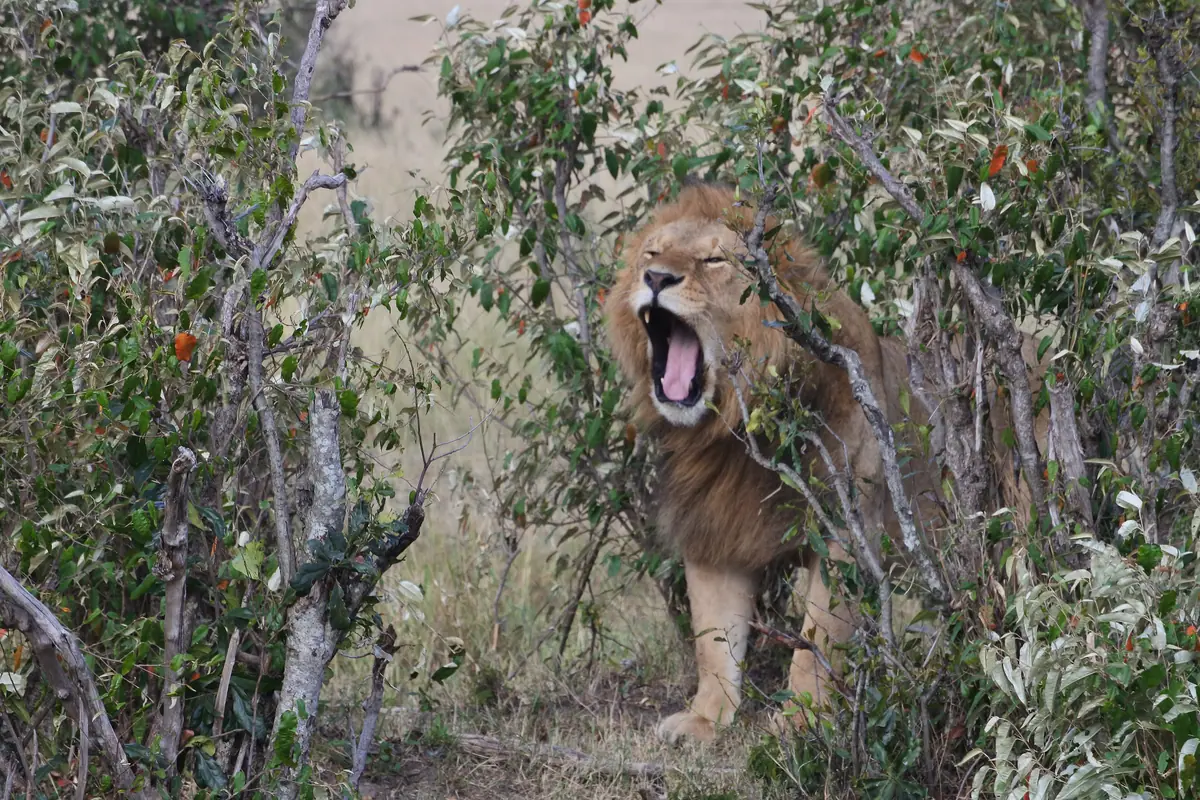
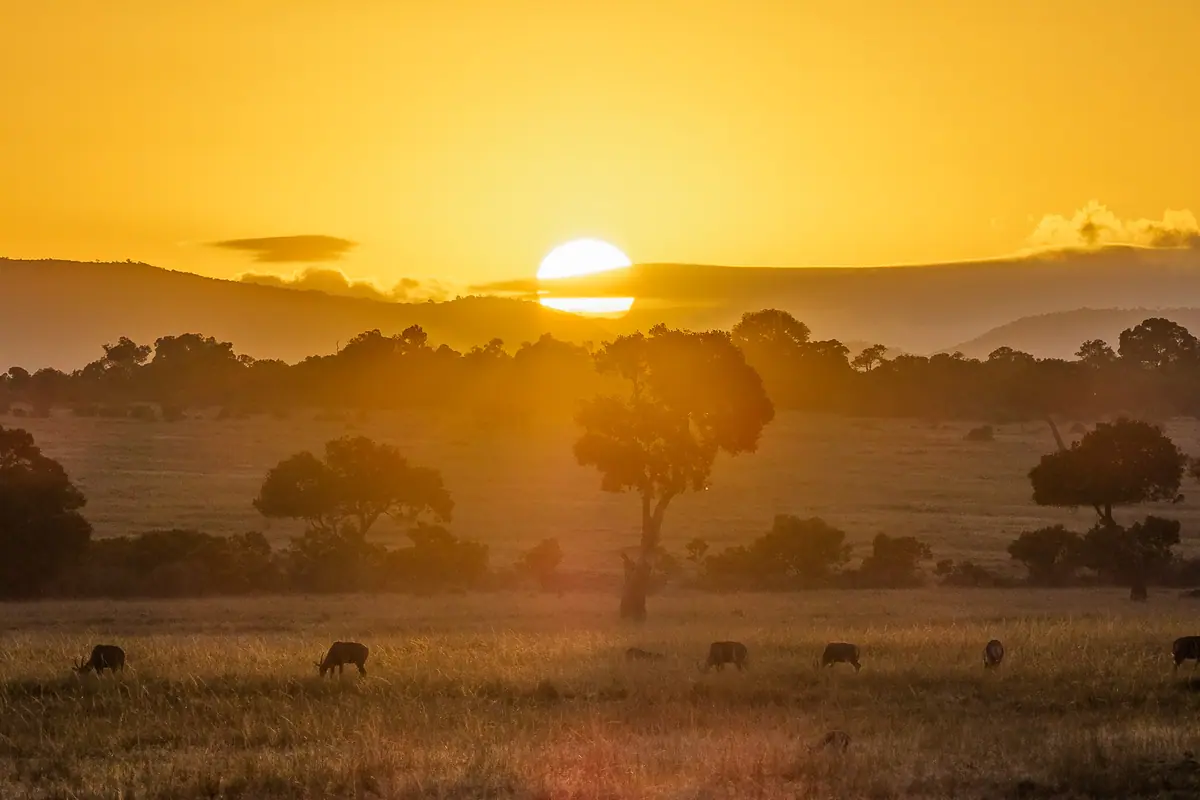
From Amboseli you fly back through Nairobi and on to the Maasai Mara, a journey of roughly two hours including the transit stop. The reserve and the private conservancies adjoining it form about 1,500 square kilometres of rolling grassland, riverine forest, marsh and granite kopjes — arguably the finest big-cat country on the planet, and home to one of the densest lion populations in Africa. Leopards drape themselves in the riverine thickets along the Mara River; cheetahs scan the short-grass plains from termite mounds.
Between July and October the Great Migration arrives: more than a million wildebeest, accompanied by zebra and gazelle, funnelling north from the Serengeti and braving the crocodile-filled Mara River at a handful of well-known crossing points. Crossings are chaotic, unpredictable and never guaranteed on a given day — the trick is to stay two or three nights with a guide who reads the herds' movements, rather than chasing a single riverbank for hours. Outside migration season the Mara is still superb, with resident predators, abundant plains game and far fewer vehicles.
A dawn hot-air balloon flight is the splurge most visitors remember longest: an hour drifting silently over waking herds, followed by a champagne bush breakfast on the plain. On the ground, the Oloololo Escarpment gives sweeping views over the Mara Triangle, the Musiara Marsh is a reliable leopard and lion stronghold, and the private conservancies allow night drives and walking safaris that the national reserve prohibits. Note which airstrip serves your camp — Mara Serena, Ol Kiombo, Musiara and Kichwa Tembo are all common — because a mismatched transfer can cost you an hour of prime game viewing.
Cold mornings are the surprise here: at around 1,500 to 1,800 metres, dawn temperatures can dip close to 10°C, so pack a fleece, a windproof layer and a warm hat alongside your sunscreen. Days warm quickly to the high twenties, and the light between 6am and 8am is the best you will photograph all week.
Day 7: The Indian Ocean — Diani Beach and Historic Mombasa
A morning flight from the Mara back to Nairobi, then an hour onward to the coast, and you have traded grassland for coral reef and coconut palms by lunchtime. Ukunda airstrip sits minutes from Diani Beach, a long ribbon of blinding white sand and warm, shallow water protected by a fringing reef that keeps the surf gentle and the swimming easy. Days here are for snorkelling, kitesurfing, dhow sailing at sunset and doing very little, punctuated by the resident black-and-white colobus monkeys in the coastal forest.
For something more active, take a dhow from Shimoni to the Kisite-Mpunguti Marine National Park and Wasini Island, where you can snorkel over coral gardens, spot dolphins and eat a Swahili seafood lunch of coconut-braised crab and rice. The reef here is one of the richest in East Africa and the boat ride alone is worth the early start.
In Mombasa, do not miss Fort Jesus, the imposing Portuguese fortress completed in 1593 and now a UNESCO World Heritage Site with a museum on Omani, Portuguese and Swahili history. Wander the narrow lanes of the Old Town past carved doors, shuttered balconies and spice shops, photograph the giant aluminium tusks on Moi Avenue, and end with a sunset cruise on Tudor Creek. If you prefer an even slower finish, swap the south coast for Lamu Old Town — a UNESCO-listed Swahili settlement with no cars, donkeys in the alleys and dhow traffic in the channel.
Flying Logistics, Seasons and Safari Etiquette
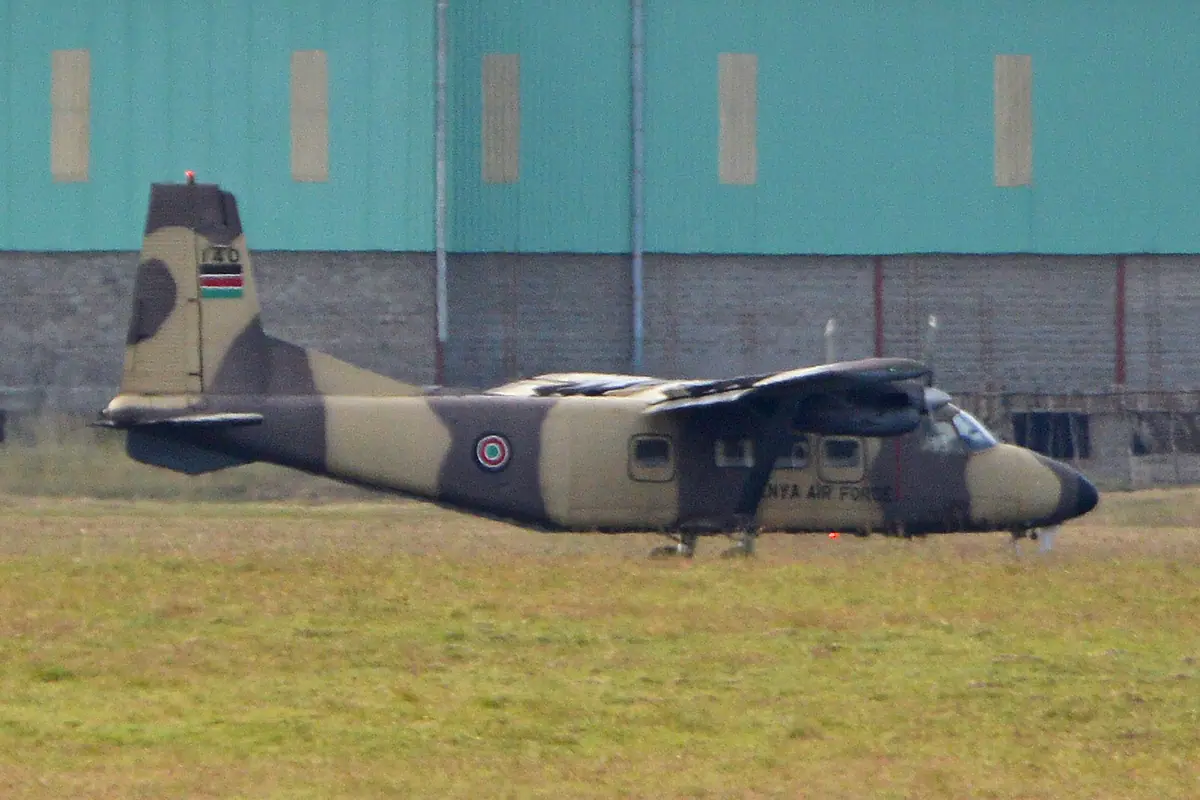
Light-aircraft baggage rules are strict and non-negotiable: most operators cap passengers at around 15 kilograms per person in soft-sided bags that can be squeezed into a small hold, with no hard-shell suitcases or wheeled cases. Bring a soft duffel plus a small day pack for cameras and medication, and leave anything surplus in storage in Nairobi. Seating is assigned for weight and balance, so you may not get a window — but ask, because the low-level flying over the Rift Valley and Mount Kenya is a highlight in itself. Plan to reach Wilson Airport about an hour before departure.
Health and packing deserve attention. A yellow fever certificate is required if you are arriving from a country where the disease is present, and malaria prophylaxis is generally advised for the coast and lowland parks — discuss your itinerary with a travel health professional before you go. Pack neutral-coloured clothing for walking safaris and avoid bright blue and black, which attract tsetse flies; add high-factor sunscreen, insect repellent, a buff for dust, spare camera batteries and binoculars. Kenya has banned single-use plastic bags, and flying drones requires a permit, so leave yours at home unless you have arranged one in advance.
On the ground, park and conservancy fees are almost always bundled into your camp rate, so the main extra is tipping: guides, drivers and camp staff are usually tipped separately, in local currency or US dollars, at the end of a stay. Always ask before photographing people, and treat Maasai villages as communities rather than photo sets. Two nights in Amboseli, two or three in the Mara and a final night on the coast is the rhythm that works best — enough time to settle, unpack and stop counting the hours between flights.
Frequently asked questions
How long are the safari flights, and which airport do they leave from?
Almost all light-aircraft safaris depart from Wilson Airport in Nairobi, a short drive south of the city centre. Expect around 45 minutes to Amboseli, 45 to 60 minutes to the Maasai Mara airstrips, and about an hour to the coast after a Nairobi transit stop. Arrive roughly an hour before departure for weighing and boarding.
What is the best time of year for this one-week flying itinerary?
July to October gives dry conditions, excellent game viewing and the Great Migration in the Maasai Mara. January to March is also superb, with short grass, newborn animals and fewer visitors. Avoid April and May, when the long rains arrive, some camps close and dirt airstrips become unreliable.
How much luggage can I take on a light aircraft?
Most operators limit passengers to about 15 kilograms per person in soft-sided bags — no hard suitcases or wheeled cases, which will not fit the hold. Carry cameras and medication in a small day pack, and store extra luggage at your Nairobi hotel or a left-luggage facility before you fly.
Do I need a yellow fever certificate or malaria tablets?
A yellow fever certificate is required if you are arriving from a country with transmission risk. Malaria prophylaxis is generally recommended for the coast and lowland parks such as Amboseli and the Mara. Confirm your personal requirements with a travel health clinic well before departure.
Can this itinerary be done in a week without feeling rushed?
Yes, if you keep the number of stops small. Two nights in Nairobi, two in Amboseli, two or three in the Maasai Mara and a final night on the coast works well. Short flights of under an hour mean you lose very little time to travel, but squeezing in a fourth park is what turns a holiday into a logistical exercise.
Sort the rest of your trip
Everything for Kenya, in one place

More guides in Kenya
Best Places to Visit in Kenya: the Maasai Mara, the Coast and Beyond
Top Things to Do in Kenya: Safari Icons, Coast and Must-See Landmarks
Best Time to Visit Kenya: Seasons, Safaris and Where to Stay
Touring Kenya: Food, Culture and Local Experiences Beyond the Safari Jeep