Honduras packs an improbable amount into a country the size of England: a Maya city whose carvings rival anything in the region, a coral reef that begins a few metres off the sand, cloud forest and coffee highlands, and Spanish colonial towns where the clock still keeps time. This is a country you can cross by road in a day, yet most travellers only ever see one corner of it.
Copán Ruinas: The Maya City of Carved Kings
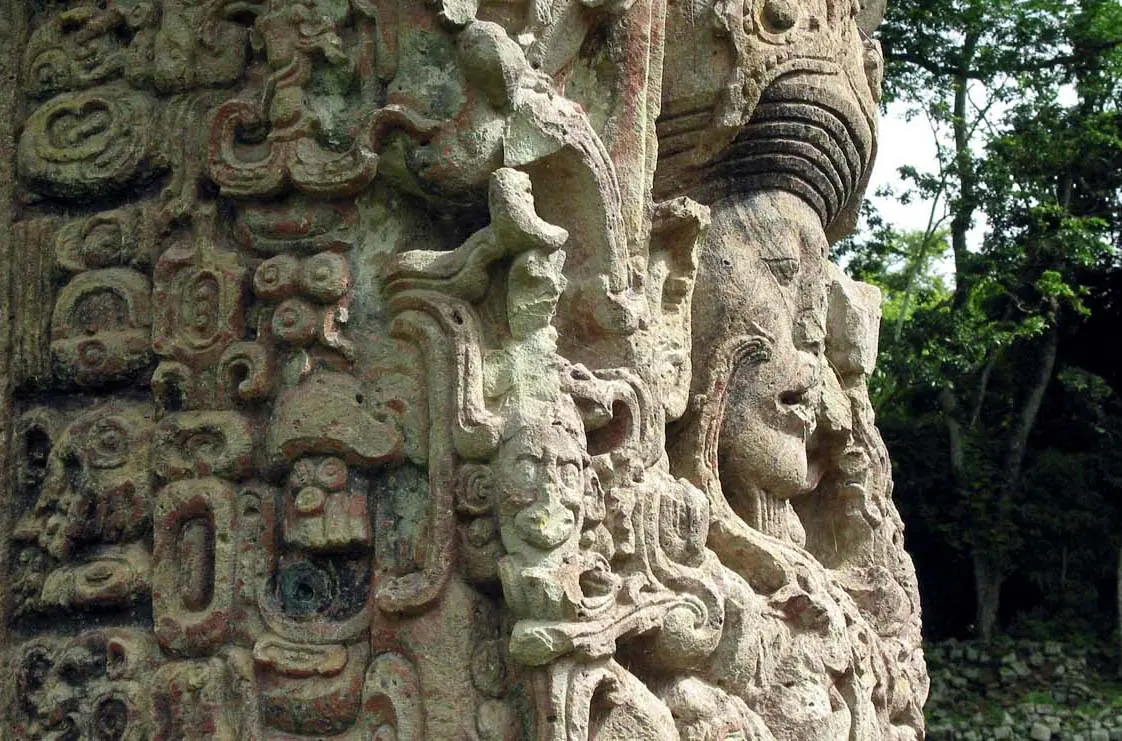
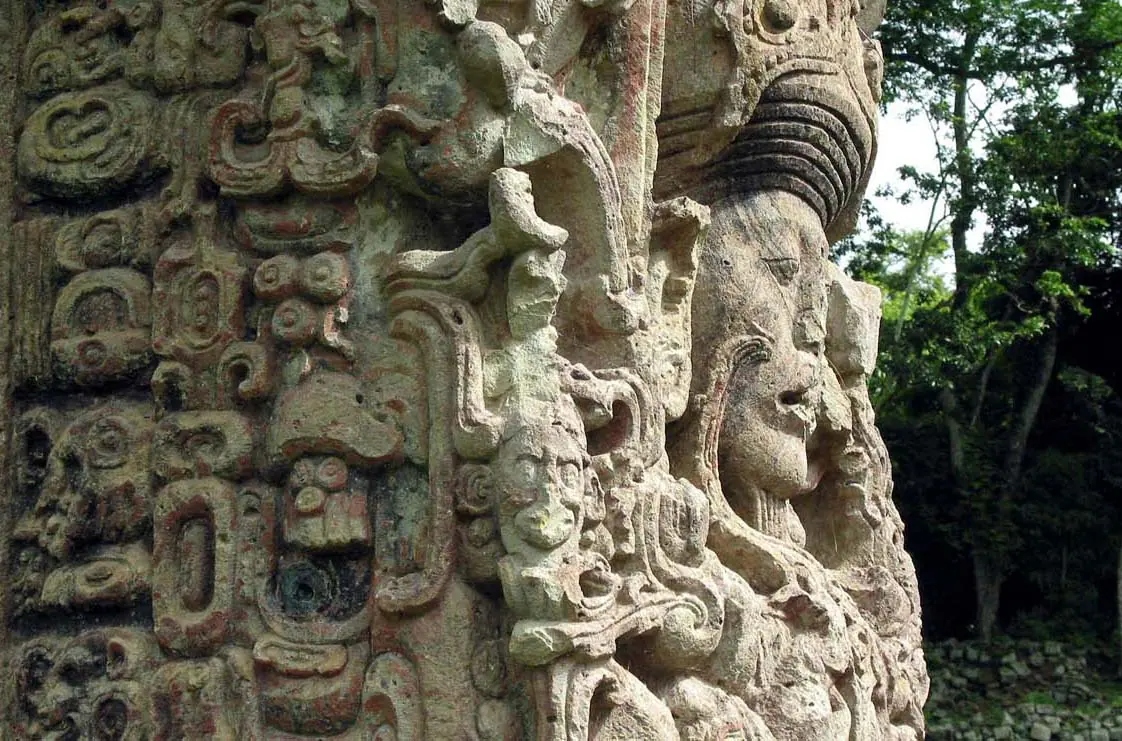
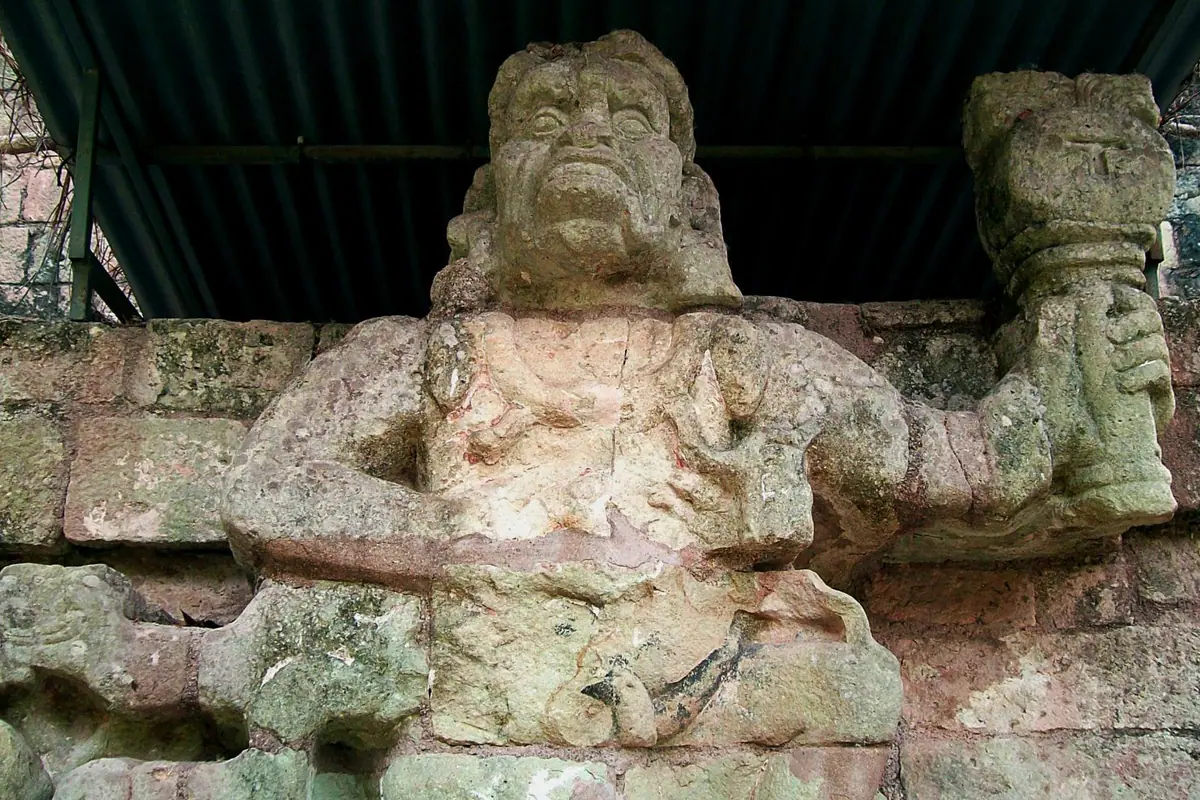
No trip to Honduras is complete without the western highlands town of Copán Ruinas, gateway to the archaeological site that made the country famous. The Great Plaza holds the tallest and most intricately carved stelae in the Maya world, portraits of rulers dated to the 8th century, while the Hieroglyphic Stairway climbs the Acropolis in a cascade of more than a thousand glyph blocks. Below the ball court, archaeologists have tunnelled into earlier buildings — including the Rosalila temple, found almost intact with its original red paint — and the tunnels are sometimes open to visitors on a separate ticket.
Plan on three to four hours for the ruins themselves, longer if you hire one of the local guides at the entrance, which is the single best investment you can make here. The site opens early and the light and the macaws both favour the first hours; by midday the plaza is hot and exposed, so bring water and a hat. Between November and April the weather is driest and the trails firm underfoot, while the green season from May to October turns the surrounding hills lush but leaves the stonework slick.
Stay in the town rather than day-tripping in from elsewhere: its cobbled lanes, small cafés and market make for an easy evening. Nearby, Las Sepulturas shows how the Maya elite actually lived, the Macaw Mountain bird park rehabilitates rescued parrots and toucans, and the Luna Jaguar hot springs steam in the valley a short drive away.
Roatán and the Bay Islands: Reef, Beaches and West End
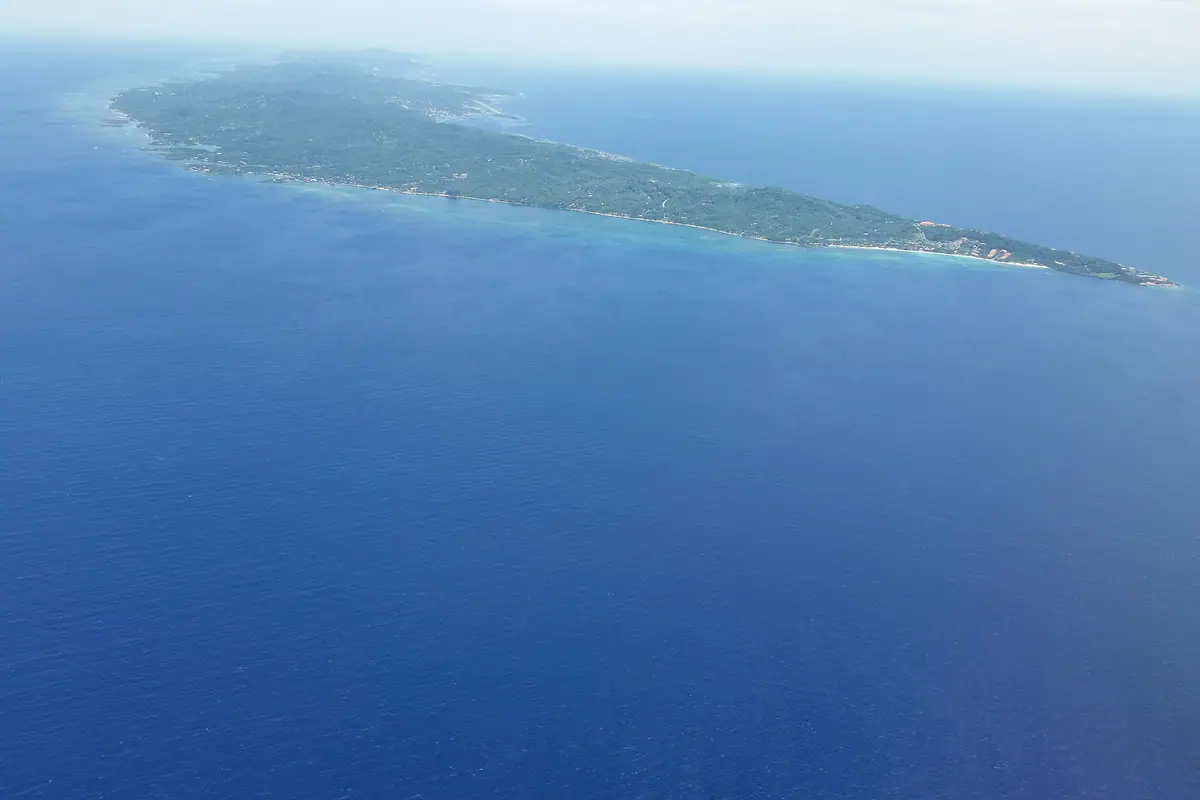
Roatán is the largest of the Bay Islands and the easiest place in the country to understand why divers keep coming back. The reef here is part of the same system that runs past Belize and Mexico, and it starts close enough to shore that you can swim out from West Bay Beach — a long, pale curve of sand regularly ranked among the finest in the Caribbean — and be over coral within minutes. West End Village, a sand-and-concrete strip of guesthouses, dive shops and beach bars, is the island's social heart, and Half Moon Bay between the two is a protected snorkelling spot calm enough for beginners.
Beyond the water there is more than enough to fill a lazy week. Gumbalimba Park combines zip lines with free-roaming capuchin monkeys and a small botanical trail; Carambola Botanical Gardens climbs a hillside of orchids and spice trees; and at Sandy Bay you can visit a rescue and rehabilitation centre for sloths and monkeys. On the island's quieter east end, Punta Gorda hosts the Garifuna community's Sunday drumming and dancing, and Camp Bay offers a stretch of sand that rarely sees a crowd.
Getting there is straightforward: short domestic flights from the mainland take under an hour, or you can take the ferry from La Ceiba, which runs about ninety minutes across open water and is far cheaper if slower. February to May brings the calmest seas and clearest visibility; September and October are the wettest months, though rain here usually passes quickly.
Utila and Cayos Cochinos: Whale Sharks and Tiny Cays
Utila, the smallest and cheapest of the Bay Islands, has built its reputation on two things: inexpensive dive training and whale sharks. The island sits on a migratory route, and although the giant filter-feeders can appear at any time of year, sightings cluster around March and April and again from August to October, often close to the full moon. Local operators run dedicated search trips, and even on the days when nothing surfaces, the dive sites along the north shore — coral pinnacles, swim-throughs and a small wreck — are worth the boat ride.
The island itself is laid-back to the point of horizontal: one main street, a scatter of wooden guesthouses, Water Cay for a beach afternoon and a mangrove-lined shoreline where you can kayak at sunset. Expect to slow down, and budget a few days rather than a rushed overnight.
South of Utila, Cayos Cochinos is a marine reserve of two small islands and a dozen cays, reachable by boat from La Ceiba or Roatán. The Garifuna village on Chachahuate — a handful of houses, a church and a few cooks serving fried fish and coconut rice — is the kind of place that resets your sense of scale. Snorkel the reef walls, walk the island trail in search of the endemic pink boa, and bring cash, since there is nothing resembling an ATM out here.
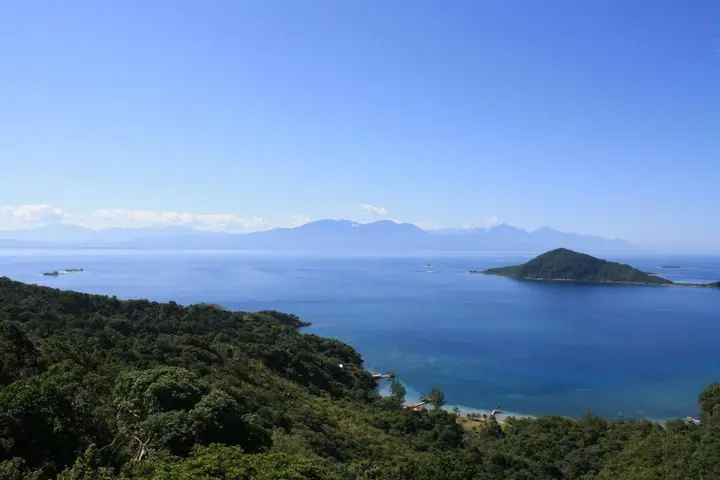
Pico Bonito, Cuero y Salado and the Caribbean Coast
The mainland coast around La Ceiba is where Honduras gets properly wild. Pico Bonito National Park rises in a green wall straight from the coastal plain, its ridges cloaked in rainforest and cut by rivers that tumble down to the sea. Trails lead to waterfalls and viewpoints — the hike to the El Bejuco falls is the classic half-day outing — while the Río Cangrejal below the park is one of Central America's better white-water rafting runs, with rapids that suit both first-timers and experienced paddlers.
Just west of La Ceiba, Cuero y Salado Wildlife Refuge protects a maze of mangroves and lagoons reachable only by an open-sided rail cart and then a small motorboat. Manatees graze here, along with howler monkeys, turtles and a long list of wading birds; go early in the morning for the best chance of spotting them. Further along the coast, Tela offers a gentle introduction to the region, with its botanical garden — planted in the 1920s and now a jungle of towering palms and fruit trees — and boat trips to the wetlands of Jeannette Kawas National Park, where Garifuna villages such as Tornabé keep their own rhythms.
This is the wettest part of the country, so pack a light rain shell whatever the month. December to April is driest; the coast stays hot and humid year-round, and mosquito repellent is not optional.
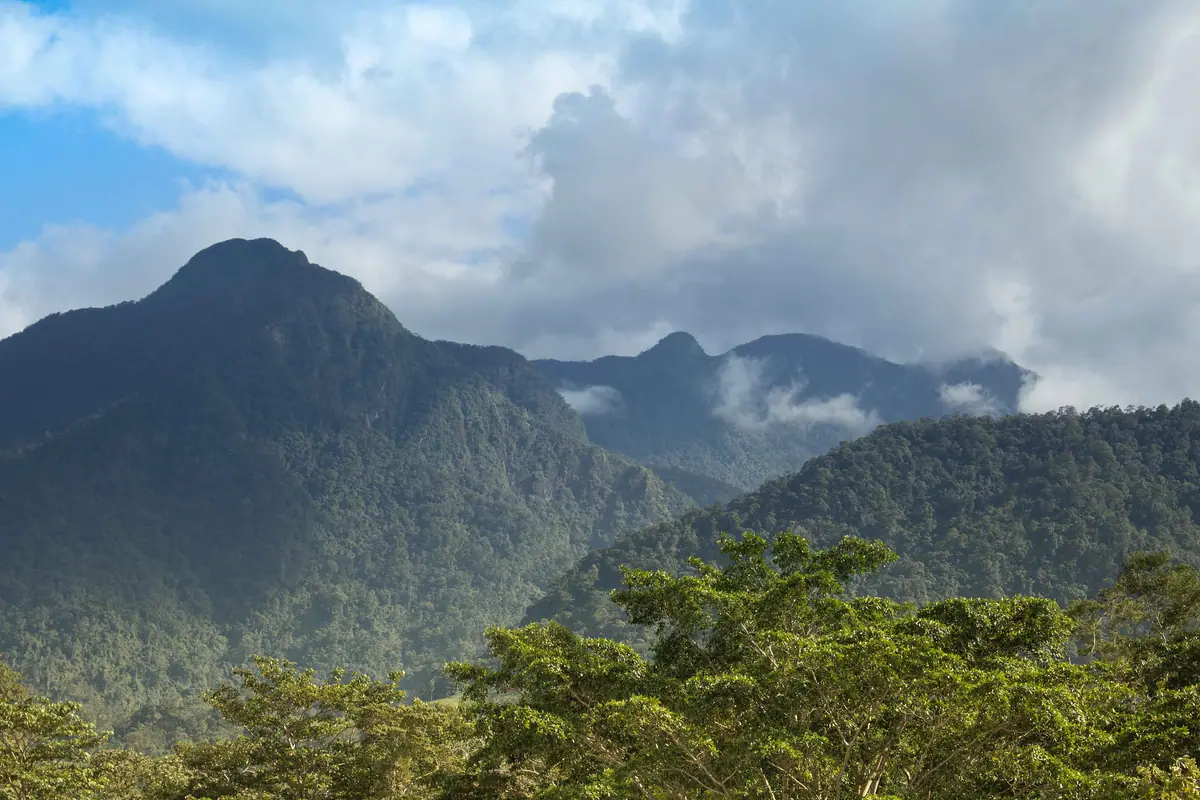
Lago de Yojoa, Pulhapanzak and the Western Highlands
In the middle of the country, Lago de Yojoa spreads out beneath misty hills, ringed by coffee farms, birding lodges and small restaurants serving fried fish straight from the water. It is the largest lake in Honduras and an easy stop between Copán, the Bay Islands and Tegucigalpa, with the archaeological site of Los Naranjos nearby and the Taulabé caves a short drive south. Birders come for the mix of forest and wetland species, and anyone can appreciate a kayak at dawn with the volcanoes reflected on the surface.
The lake's headline sight is Pulhapanzak, a thundering waterfall of roughly forty metres that you can view from a series of platforms or, for the brave, walk behind with a guide. Further west, the colonial town of Gracias sits in a bowl of pine-covered mountains at the edge of Celaque National Park, home to Cerro Las Minas, the country's highest peak at just under 2,850 metres. The climb is a serious overnight trek, but shorter trails and a hot spring outside town give you the highland atmosphere without the altitude headache.
Gracias itself is the reward: cobbled streets, whitewashed churches, a hilltop fortress viewpoint and coffee roasted on the surrounding slopes. The dry season from November to April is the time to hike; the same months are cool at night at this elevation, so bring a fleece.
Tegucigalpa, Comayagua and the Colonial Interior
Most travellers pass through the capital, but Tegucigalpa rewards a day. The Basílica de Suyapa, a modern shrine to the country's patron saint, draws pilgrims from across Central America, while the historic centre around Parque Central holds the cathedral, the old presidential palace and a cluster of small museums. Above the city, El Picacho park offers panoramic views and a towering statue of Christ, and the craft towns of Valle de Ángeles and Santa Lucía make an easy half-day escape into the pine hills.
West of the capital, Comayagua was the colonial capital and still feels like it. Its cathedral is the centrepiece, home to a remarkable clock brought from Spain centuries ago and often described as one of the oldest in the Americas; the surrounding streets hold colonial arcades and a good anthropology museum. Comayagua is also a convenient overnight stop on the road between Tegucigalpa and Copán or the lake.
On the north coast, the Castillo de San Fernando de Omoa is a squat 18th-century Spanish fortress built to guard against pirates, with cannons still pointing out to sea — one of the largest colonial forts in Central America. Further east, Trujillo's bay is where Columbus made landfall on his final voyage in 1502, and the town's Fortaleza de Santa Bárbara looks down on a coastline that feels far from the rest of the country. For the truly adventurous, the Río Plátano Biosphere Reserve in La Mosquitia is reachable only by small plane or long boat, and remains one of the least-visited rainforests in the region.
Frequently asked questions
When is the best time to visit Honduras?
The dry season from December to April is the safest bet overall: firm trails at Copán, calm seas and clear visibility in the Bay Islands, and cooler nights in the highlands. March and April are particularly good for Utila if whale sharks are your goal. May to October is greener and cheaper but wetter, with September and October the rainiest months and the peak of the Caribbean hurricane season.
How many days do I need for Copán Ruinas?
Allow two nights so you can see the ruins properly. The archaeological site takes three to four hours with a guide, and you'll want an afternoon for the town, the bird park and possibly the hot springs. Most travellers combine it with a border crossing into Guatemala or a drive back to the lake and the coast.
How do you get to Roatán and the Bay Islands?
Roatán has its own airport with short domestic flights from the mainland taking under an hour. The cheaper option is the passenger ferry from La Ceiba, roughly ninety minutes each way, which sells out in high season so book a day ahead. Utila is served by a separate, shorter ferry from the same port.
Can you really see whale sharks in Utila?
Yes, but they are wild animals and sightings are never guaranteed. The best windows are March to April and August to October, particularly around the full moon, when plankton blooms attract them. Choose an operator that limits the number of swimmers and keeps a respectful distance from the animals.
What should I eat and drink in Honduras?
Start with baleadas — thick flour tortillas filled with beans, cheese and cream — which are breakfast, lunch and late-night food all at once. On the coast, look for sopa de caracol, a coconut-milk conch soup, and anafres, a bubbling bean-and-cheese dip served in a clay pot. Coffee from the western highlands is excellent, and street stalls selling pastelitos and fried plantain are the cheapest way to eat well.
Plan it — experiences in Honduras
Live search, booked directly with trusted providers.
Sort the rest of your trip
Everything for Honduras, in one place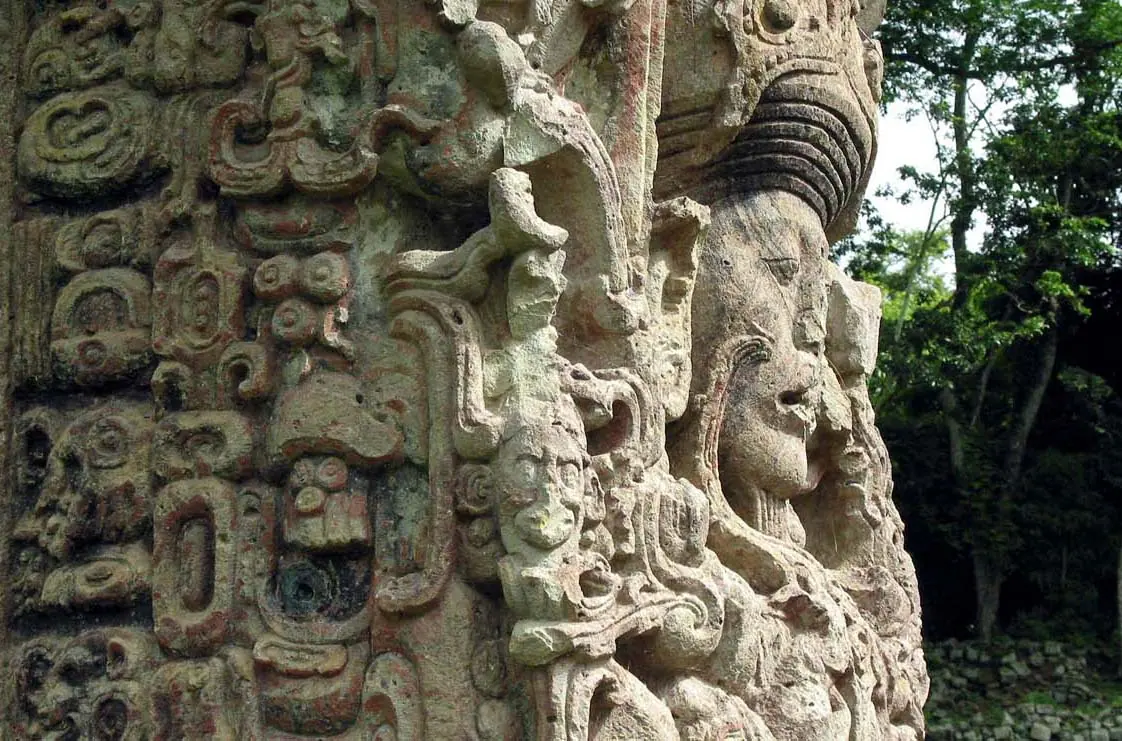
Stay in Honduras
Hotels, guesthouses and apartments — compared in one search.
Search hotels
Transfer in Honduras
Private driver waiting on arrival — no queues, no surprises.
Book a transfer
Stay online in Honduras
Travel eSIM — data the moment you land, no roaming bills.
Get an eSIM