Honduras packs a reef, a rainforest and one of the Americas' great Maya cities into a country you can cross in a day — but only if you sleep in the right place. Choosing your hotel here is really choosing your mornings: whether you wake to dive boats on Roatán, howler monkeys above Copán Ruinas, or mist rolling off the highland pines.
Choosing Your Base: How Hotels in Honduras Actually Work
Honduras is a country of tight little micro-regions rather than one big tourist circuit, and where you sleep decides what you see before breakfast. The Bay Islands in the Caribbean hold the widest range of rooms, from barefoot dive lodges and beach cabins to polished reef-front resorts. The western mainland is colonial and mountainous, with guesthouses in cobbled towns and farm stays among coffee bushes. The big cities are business territory, while the north coast mixes Garifuna villages, national parks and ferry ports. Rates tend to track access — to reef, ruins, reef-fringed beach or airport — more than marble bathrooms.
Timing shapes both price and comfort. The dry season runs roughly December through April, with clear water, easy road travel and the highest demand; Easter week and the Christmas–New Year stretch fill beach hotels months ahead, so book early or shift your dates. The rainy season from May to November brings afternoon downpours, lush green highlands and dramatically full waterfalls, plus the year's lowest room rates in September and October — though those months also sit inside hurricane season, so keep plans flexible. Divers and snorkellers chasing whale sharks around Utila should aim for the March–April and late-summer windows, when sightings are most common.
Practical logistics matter when you book. Roatán has its own airport at Coxen Hole, La Ceiba has Golosón airport beside the ferry terminals, and Tegucigalpa and San Pedro Sula handle most international arrivals. Ferries cross from La Ceiba to Roatán in a little over an hour and to Utila in roughly the same time; many island hotels offer pickup at the dock if you arrange it in advance. Carry lempiras for small guesthouses, family-run cabañas and national park entry fees — larger city and resort hotels take cards, but rural lodges sometimes don't.
Roatán and the Bay Islands: Dive Lodges and Reef-Front Resorts
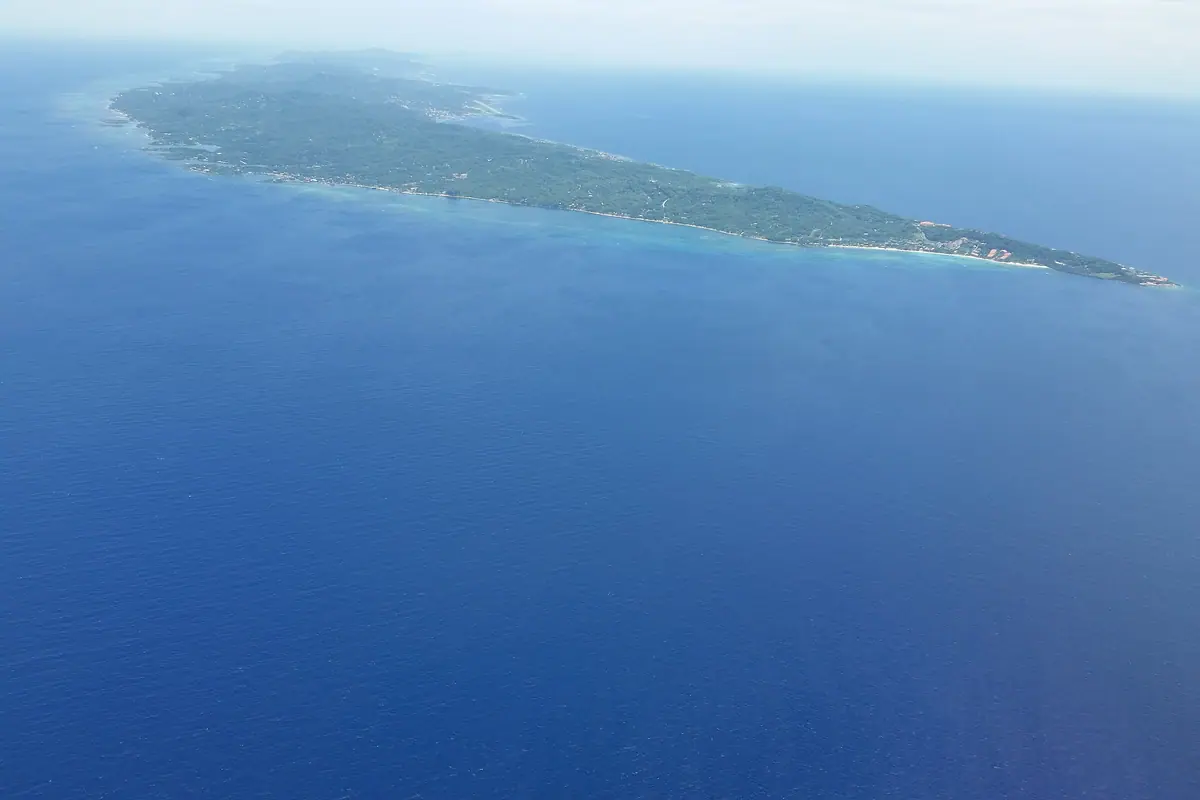
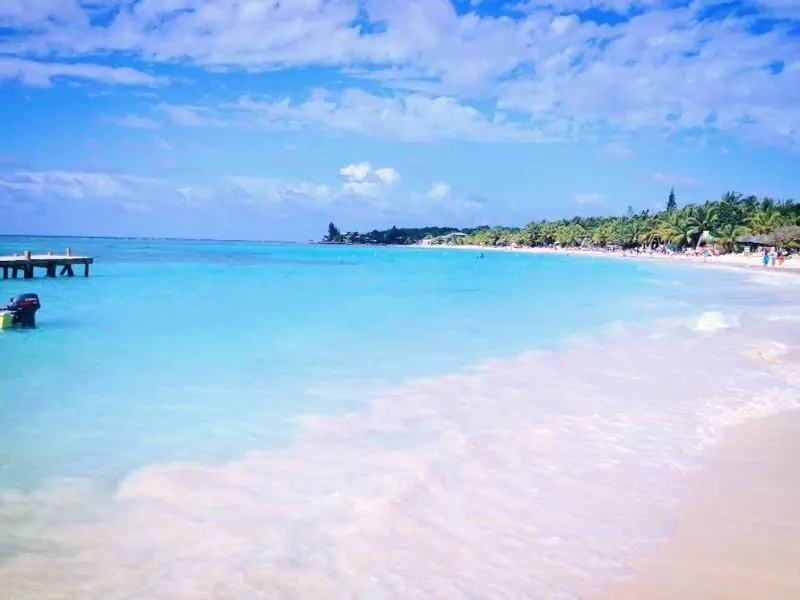
Roatán is the anchor of any island stay, and its hotel map is easy to read once you know the coast. West Bay Beach serves up the postcard: powder sand, calm turquoise shallows and resorts that open straight onto the reef. A short water-taxi hop away, West End is the diver's town — narrow sandy lanes, small hotels and guesthouses above dive shops, and a string of low-key bars and seafood grills. Sandy Bay is quieter and greener, French Harbour is a working fishing town with excellent fish restaurants, and the east end around Punta Gorda and Camp Bay belongs to Garifuna communities and off-grid cabañas where the road turns to gravel and the pace drops entirely.
Utila, an hour by ferry from La Ceiba, is the budget-and-backpacker island: Utila Town's waterfront is stacked with hostels, dive schools and simple rooms, with Chepes Beach as the local swimming spot. Accommodation here is cheerful rather than plush, and the draw is cost-effective dive training and the chance of swimming beside whale sharks on the island's southern drop-offs. Farther out, tiny Guanaja and the Cayos Cochinos archipelago offer rustic eco-lodges and island cabins reached only by boat, some on the Garifuna cay of Chachahuate. Bring cash, expect generator power, and treat the reef as the amenity.
Book island rooms early for Easter and Christmas, and consider the trade-off between beach and town: West Bay is best for swimming and sunsets, West End for walkability and dive logistics. Almost every property can arrange airport or ferry transfers, and snorkelling gear is usually rentable on site. If you're travelling in the wetter months, ask about boat schedules — crossings occasionally shift with weather.
Copán Ruinas: Colonial Guesthouses Beside the Maya World
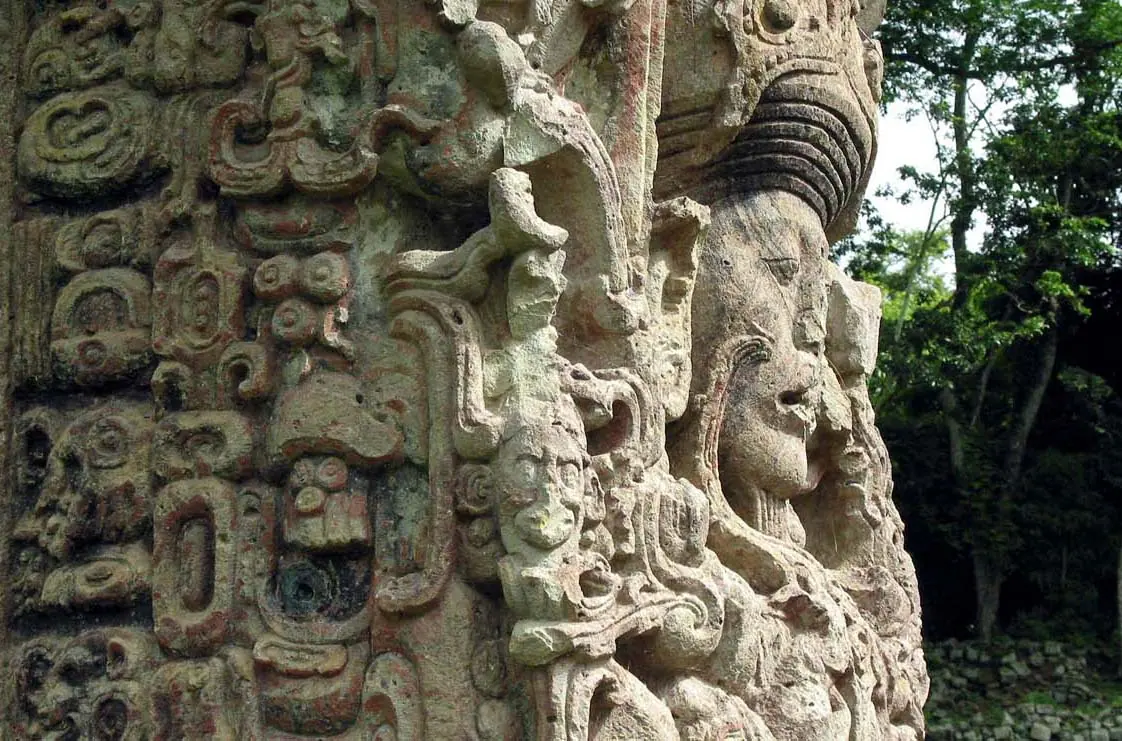
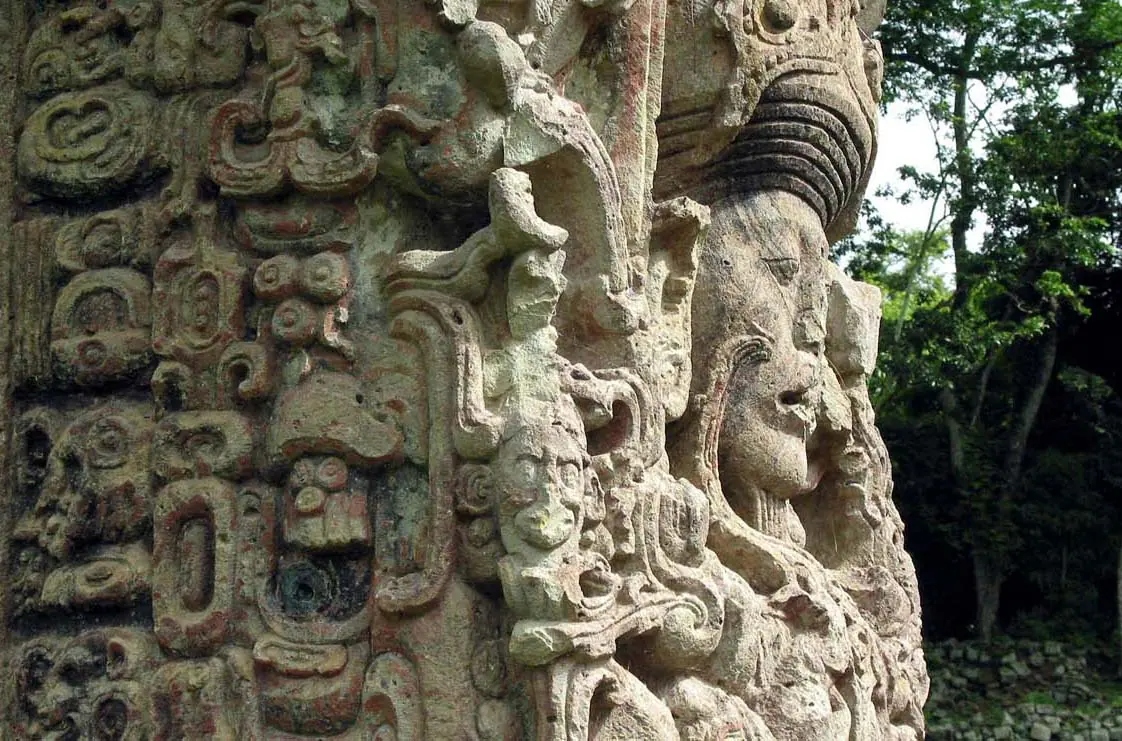
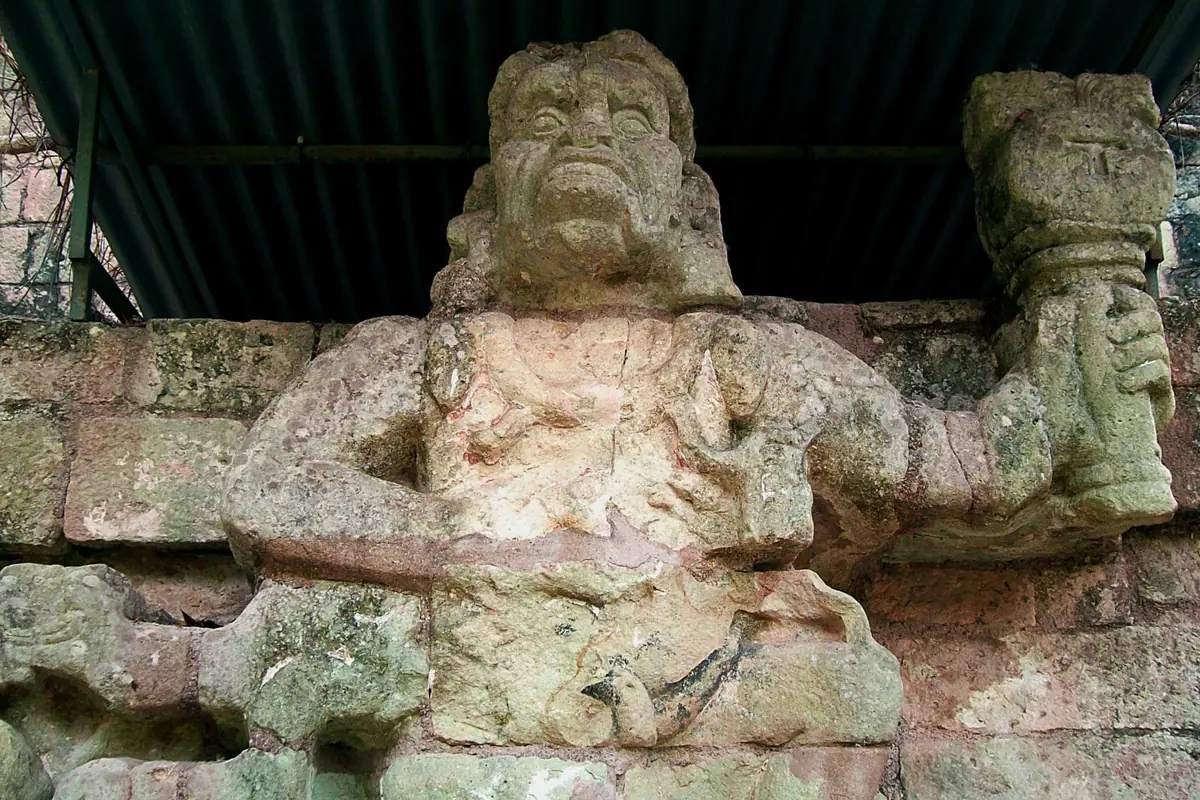
The town of Copán Ruinas is the most charming base on the mainland, a grid of cobblestone streets, whitewashed walls and hillside houses that sits a short walk from one of the most studied Maya sites in the world. The ruins themselves are the reason to come: the Hieroglyphic Stairway, the longest inscribed Maya text known; the Great Plaza with its carved stelae; the Acropolis and its ball court; and the Rosalila temple, preserved almost intact beneath a later pyramid. Allow a full morning for the site and its on-site sculpture museum, then add Las Sepulturas, the residential complex a short stroll down the valley path.
Hotels in town range from colonial-style boutique inns with courtyard gardens to simple family guesthouses and hostels, with a handful of rural finca stays out among the coffee slopes. Staying two nights is the sweet spot — one for the ruins, one for the surroundings. Between them you can visit Macaw Mountain Bird Park to see rescued scarlet macaws, soak in the thermal pools at Luna Jaguar hot springs, ride horses to nearby villages, or take a coffee and chocolate tour on the hillsides above town.
Copán sits at around 600 metres, so evenings are pleasantly cool after the humid coast. The dry months from December to April are the most comfortable for exploring on foot, while the wetter season turns the valley a deep green and fills the river below town. Arrange transport from San Pedro Sula or the Guatemalan border in daylight; the road winds, and arriving before dusk makes everything easier.
Tegucigalpa and San Pedro Sula: City Hotels for First and Last Nights
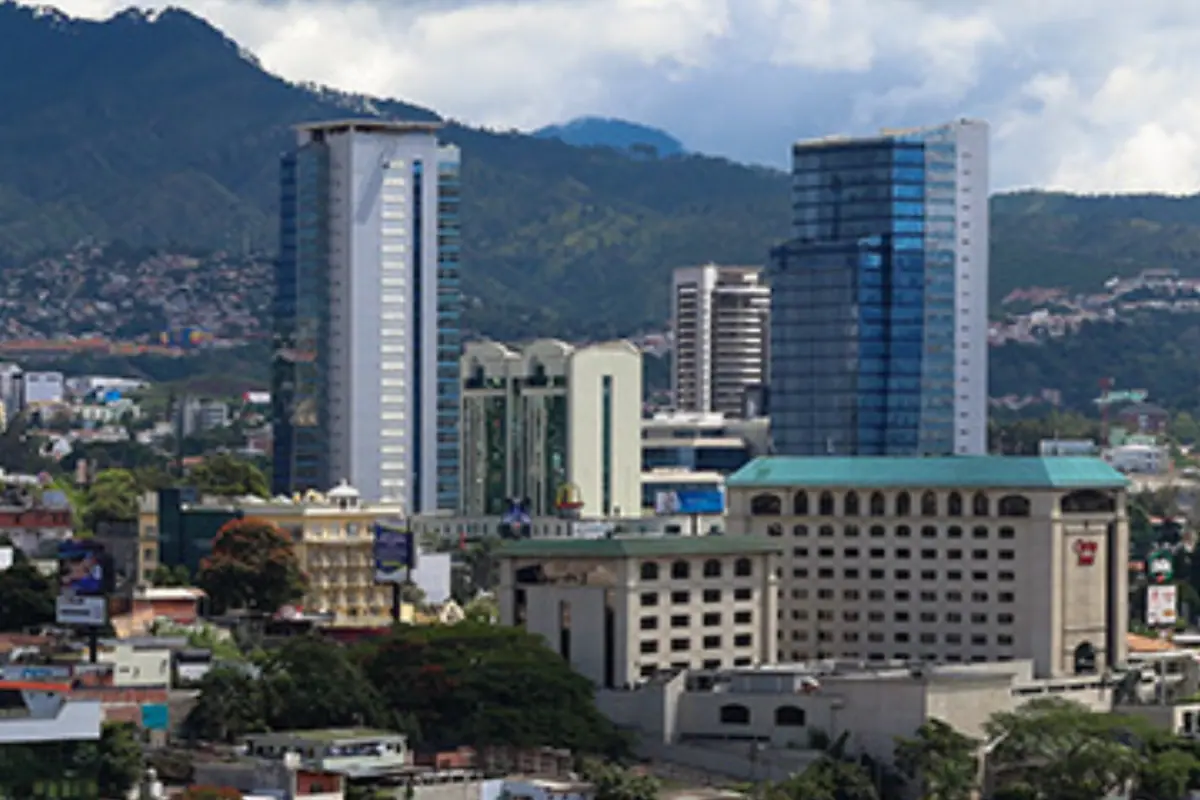
Tegucigalpa spreads across steep hills, and its better hotels cluster along Boulevard Morazán and the modern commercial districts, with a few characterful properties near the historic centre. The city rewards a day of wandering: the Basílica de Suyapa, the country's most important pilgrimage church; the cathedral and Parque Central; and the Museo para la Identidad Nacional, housed in a beautifully restored former palace, which makes sense of Honduran history in an afternoon. Climb to El Picacho in Parque Naciones Unidas for the giant Cristo del Picacho statue and sweeping valley views, and if you have an extra day, the craft town of Valle de Ángeles and the cooler hill village of Santa Lucía are both easy drives.
San Pedro Sula, the industrial capital in the north, is where many travellers land or connect toward Copán Ruinas and the coast. Its hotels are unapologetically practical — business towers near the airport and along the main boulevards, with pools, gyms and reliable Wi-Fi. Use a spare half-day for the Museo de Antropología e Historia and the central park, or push out to Cusuco National Park, a cloud forest of orchids and quetzals on the city's doorstep, and to Puerto Cortés or Omoa on the Caribbean for a seafood lunch.
In both cities, choose a hotel on a main avenue, use the property's airport transfer rather than hailing transport at night, and treat the city as a staging post rather than the highlight. Tegucigalpa's Toncontín approach is famously steep and short — if landings make you nervous, flying into San Pedro Sula and driving is a calmer option.
Lake Yojoa and the Western Highlands: Lakeside Cabins and Mountain Lodges
Between the two big cities, Lago de Yojoa is Honduras's weekend escape, and its lakeside cabins, small eco-lodges and fish restaurants make a relaxed two-night stop. The star attraction is Pulhapanzak Falls, a broad curtain of water you can walk behind or zip-line past, best in the wetter months when it thunders. Nearby are the archaeological remains at Los Naranjos, coffee and cacao farms that welcome visitors, and a bird list that keeps drawing binoculars to the shore — herons, kingfishers, toucans and migratory species in season.
West of the lake, the colonial town of Gracias is the base for Celaque National Park, whose cloud forest climbs to the country's highest peak and offers some of the best hiking in Central America. Local hotels are small and old-fashioned in the best sense: tiled roofs, interior courtyards, hot springs a short drive away and artisan workshops in the surrounding villages. Continue to Santa Rosa de Copán for handsomely restored colonial streets and cigar workshops, and to Comayagua, whose cathedral holds a celebrated centuries-old clock and a calm, arcaded plaza.
This is highland country, so expect cool nights, early mists and rougher roads — a sturdy vehicle helps, and hiring a local driver for the Celaque trailhead or the falls is money well spent. Book simple lodgings directly by phone or message if you can; several of the best family-run places are tiny and don't always appear in the big booking channels.
The Caribbean Coast: Tela, La Ceiba, Trujillo and the Mosquito Shore
Honduras's north coast is a string of beach towns backed by national parks, and each has its own hotel character. Tela offers relaxed beach hotels and guesthouses minutes from Jeannette Kawas National Park, a protected mosaic of lagoon, mangrove and reef reached by boat — and from the Lancetilla Botanical Garden, one of the largest tropical botanical collections in the region. Omoa, further west, pairs a good beach with the hulking Fortaleza de San Fernando de Omoa, a Spanish colonial fortress right on the sand.
La Ceiba is the coast's liveliest city and the ferry gateway to the Bay Islands, with hotels for every budget and a May carnival that fills them all. From here you can raft or hike in Pico Bonito National Park, whose jungle-clad slopes rise straight from the coastal plain, and boat through the Cuero y Salado Wildlife Refuge, a mangrove maze where manatees and monkeys are regularly seen. East along the shore, Trujillo is a sleepy, history-soaked town with a broad bay, the old Fortaleza de Santa Bárbara on its headland, and a handful of charming small hotels.
Beyond Trujillo the road fades into La Mosquitia, home to the Río Plátano Biosphere Reserve and accessible mainly by small aircraft. Lodges here are basic and community-run, guiding travellers by dugout canoe through rainforest and Miskito and Pech villages. It's a genuine expedition rather than a holiday, requiring advance arrangements, a flexible schedule and a tolerance for humidity — but for travellers who want the wildest version of Honduras, it is unforgettable.
Frequently asked questions
When is the best time to visit Honduras?
The dry season from December to April brings the most reliable weather for beaches, reefs and road travel, though Easter and Christmas are peak periods when island hotels fill fast. May to November is wetter and cheaper, with September and October offering the lowest rates but also the highest hurricane risk.
Which area is best for a first trip to Honduras?
A classic first itinerary pairs Roatán or Utila in the Bay Islands with Copán Ruinas on the mainland — reef and ruins, two very different worlds, connected by short domestic flights or a ferry-and-drive combination. Two to three nights in each gives you time to dive, snorkel or explore the Maya site properly.
How do I reach the Bay Islands?
Roatán has its own airport at Coxen Hole, and La Ceiba's Golosón airport sits next to the ferry terminals. Ferries run from La Ceiba to Roatán in a little over an hour and to Utila in about the same, and Utila also has a small airstrip. Most hotels will arrange pickup at the dock or airport if you ask in advance.
Should I carry cash or cards in Honduras?
Carry lempiras for small guesthouses, family cabañas, national park fees, water taxis and roadside food. Larger city hotels and resort properties generally accept cards, and US dollars are widely accepted on the Bay Islands, but rural lodges often work on cash only and ATMs are scarce outside the main towns.
What should I know about safety and getting around?
Stick to established tourist areas, travel between towns in daylight, and use transfers arranged by your hotel rather than flagging transport after dark. Domestic flights link the islands, La Ceiba and the cities; buses and shared vans cover the mainland cheaply. Check the weather before boat crossings in the wetter months, since schedules can shift.
Sort the rest of your trip
Everything for Honduras, in one place
Transfer in Honduras
Private driver waiting on arrival — no queues, no surprises.
Book a transfer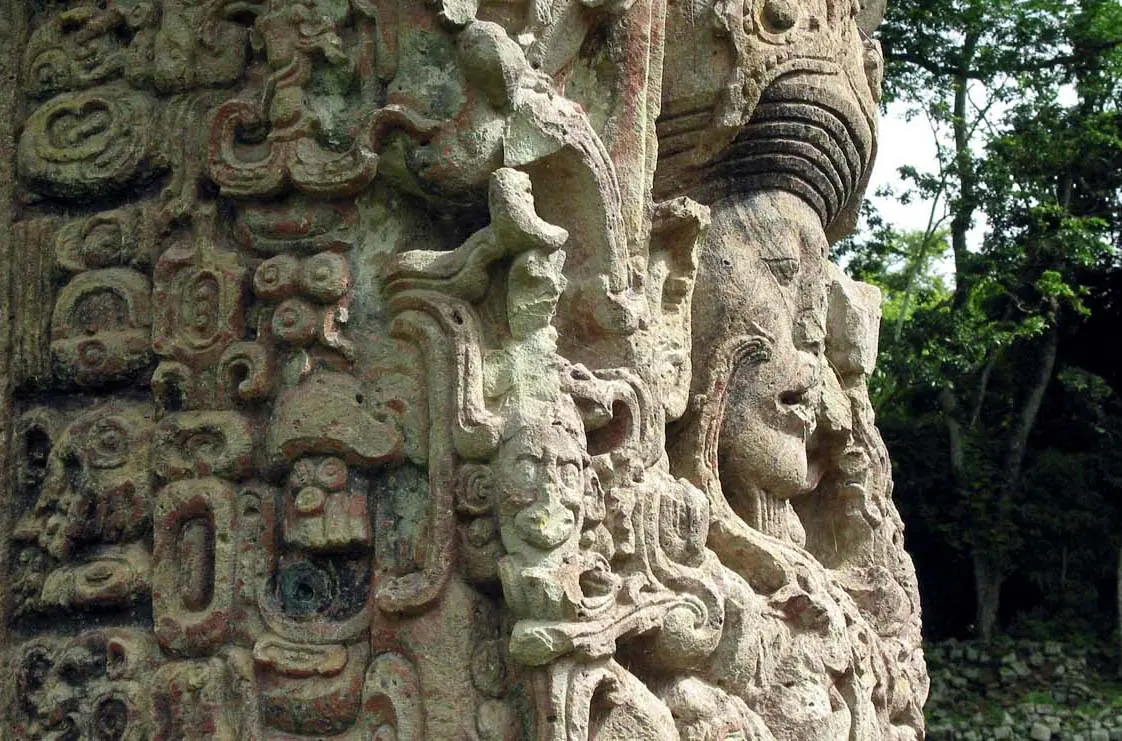
Things to do in Honduras
Skip-the-line tickets, guided tours and standout experiences.
See experiences
Stay online in Honduras
Travel eSIM — data the moment you land, no roaming bills.
Get an eSIM