Honduras packs an improbable amount into a country roughly the size of England: a Caribbean reef system you can snorkel straight off the sand, the most intricately carved Maya ruins in Central America, cloud forest peaks and colonial mountain towns strung along cobbled roads. The trick is knowing which corners reward the travel time — and this guide covers the ones that do.
Copán Ruinas: The Maya Masterpiece of the West
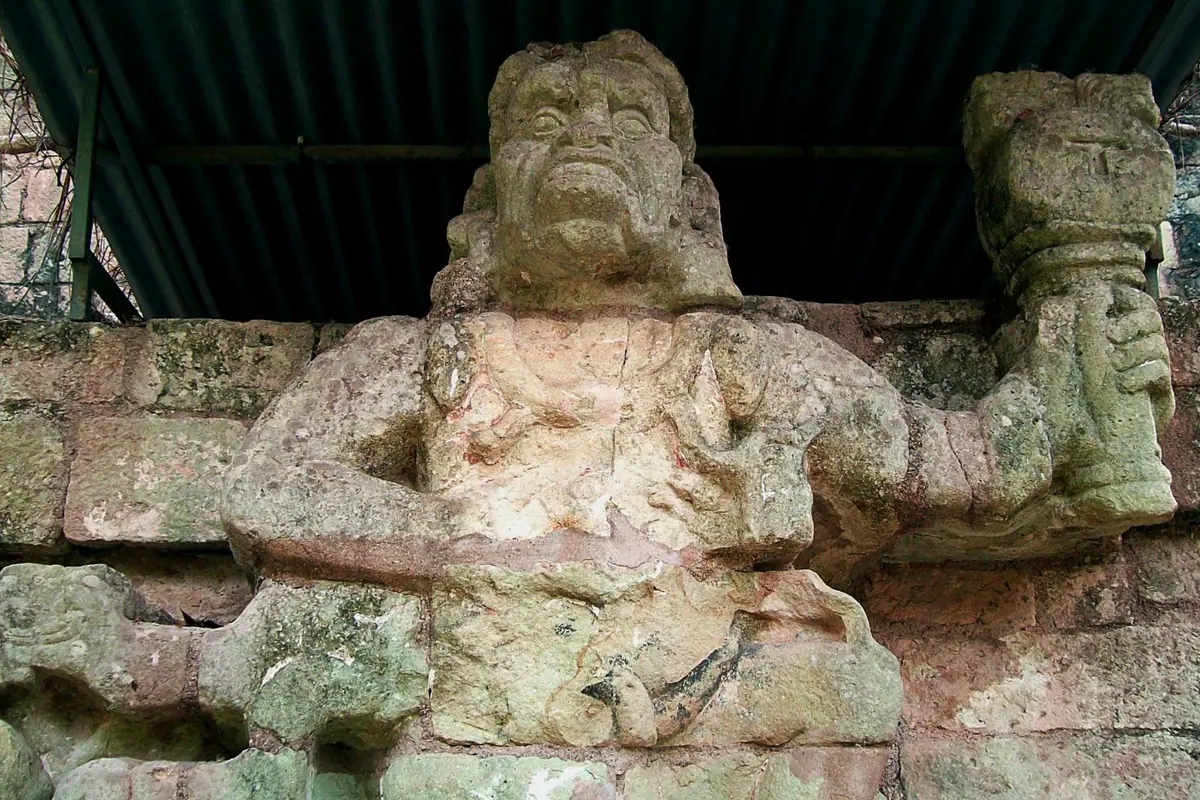
No site in Honduras carries more weight than Copán, a Maya city that flourished between the 5th and 9th centuries and is celebrated less for its scale than for the sheer density of its sculpture. The Great Plaza holds carved stelae — portrait monuments of rulers — that still show the faces of kings who commissioned them more than 1,200 years ago, while the Acropolis rises behind on a terraced hill. The Hieroglyphic Stairway, a 63-step narrative of glyph blocks recording dynastic history, is the longest inscription of its kind known from the Maya world, and the ball court, with its sloping benches and macaw-head markers, is one of the finest preserved anywhere.
Below the Acropolis, a tunnel system lets visitors walk inside the archaeological record itself, past the buried Rosalila temple, which was preserved intact when later rulers built over it. Allow three to four hours for the ruins proper, longer if you climb to the nearby residential compound of Las Sepulturas, where elites lived and where you will likely have the shade and the silence mostly to yourself.
The town of Copán Ruinas itself is the most pleasant base in western Honduras: steep cobbled lanes, small hotels, a lively plaza and a market worth a slow morning. Add the Macaw Mountain bird park, where rescued scarlet macaws screech through a forested gorge, and the Luna Jaguar hot springs, about 40 minutes out of town, where hot water spills down a hillside into a series of stone pools. The dry months from December through April are the most reliable for both ruins and hot springs; expect warm days and cool, clear evenings at roughly 600 metres of altitude.
Roatán and the Bay Islands: Reef, Beach and Dive Towns
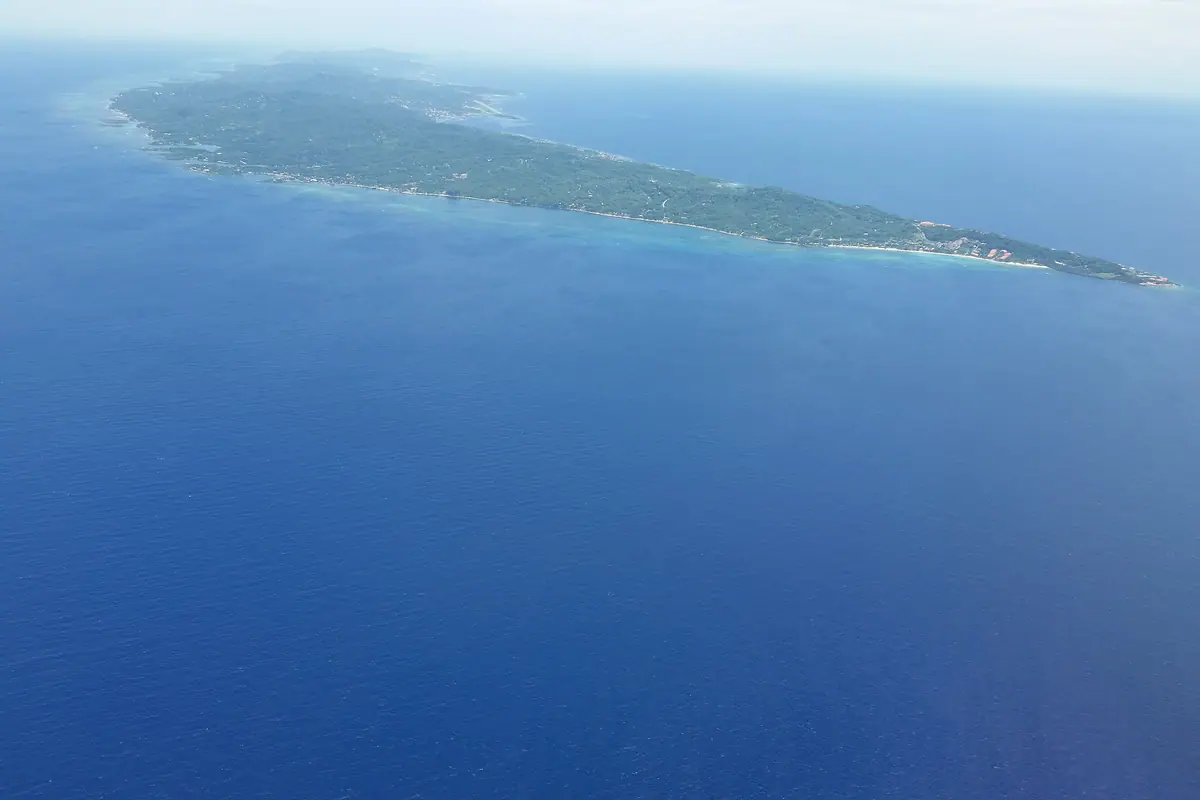
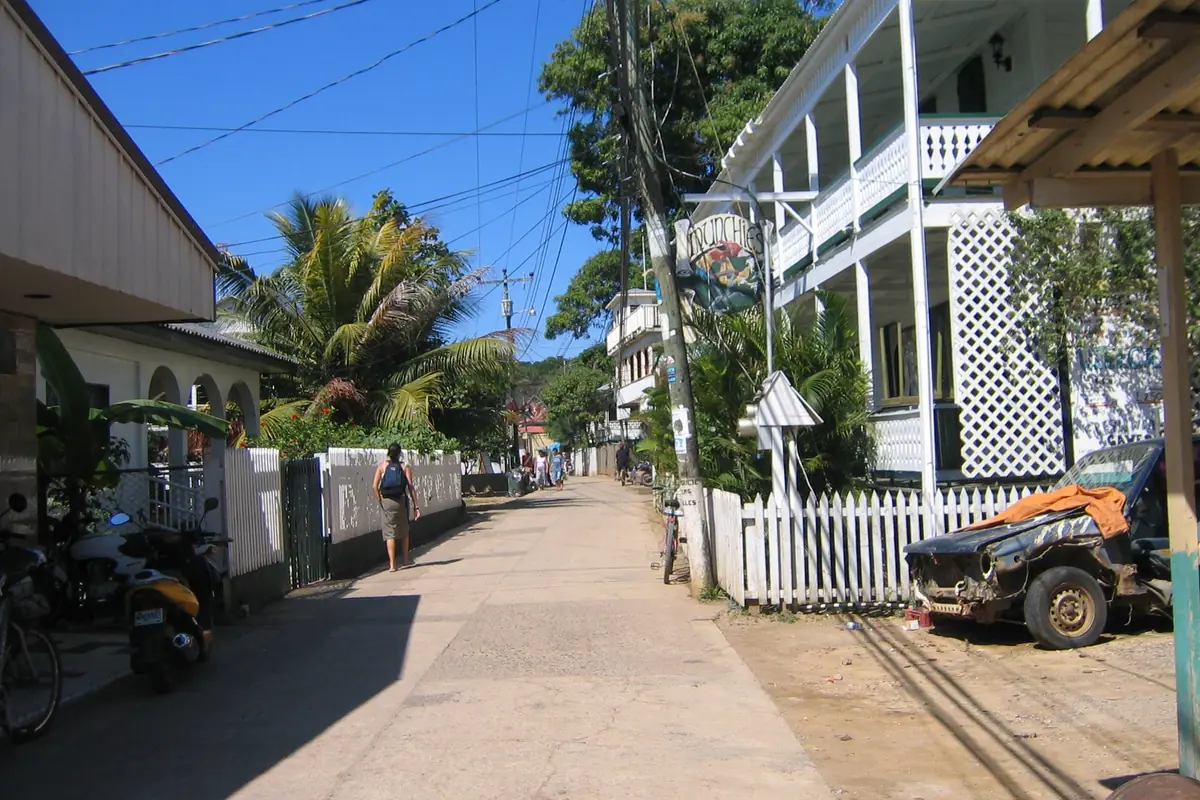
Roatán is the country's flagship island, a 60-kilometre sliver of pine-covered ridge sitting on the edge of the Mesoamerican Reef. West Bay Beach is the postcard: white sand, calm turquoise shallows and coral heads close enough to snorkel from shore. A short water-taxi ride away, West End is the island's traveller hub — sandy lanes, dive shops, waterfront bars and a genuinely laid-back rhythm that survives despite the cruise-ship traffic docking at Coxen Hole on busy days.
Diving and snorkelling define the visit. The reef wall drops away dramatically off Sandy Bay and the West End, with sites suited to complete beginners and to technical divers alike. Non-divers have just as much to do: Carambola Botanical Gardens climbs a hillside of palms and orchids, the iguana sanctuary at Arch's Iguana Farm is a raucous, unpolished delight, and Gumbalimba Park combines canopy walks with white-faced capuchins that will happily inspect your camera bag. Half Moon Bay, on the north shore, offers a gentler, quieter alternative for swimming.
The dry season from late November to April brings the clearest water and the most reliable sun, which is also when prices and crowds peak. Shoulder months in May and early December strike a good balance. Most travellers split their stay between West Bay for beach and West End for food and diving, and budget at least four or five nights — day-tripping from the mainland misses the point entirely.
Utila and the Cayos Cochinos: Whale Sharks and Garifuna Cays
Utila is the small, scruffy, irresistibly sociable sister island, and it has one claim that nowhere else in the region can match: the whale sharks that pass through its waters. Sightings peak around March and April and again from August into September, and several local operators run dedicated in-water excursions — with strict rules about distance, group size and no touching. Even outside those windows, Utila's reefs are healthy and shallow, which makes it one of the cheapest and friendliest places in the Caribbean to learn to dive.
Southwest of Roatán sit the Cayos Cochinos, a scatter of tiny cays and two small islands inside a marine protected area. There are no roads, no resorts and very little electricity beyond generators. You sleep in simple cabañas, eat fish caught that morning, and share the reef with nurse sharks, rays and reef fish. On Chachahuate, a Garifuna village of a few dozen families, visitors are welcomed for drumming, dancing and coconut-simmered seafood — a genuinely cultural stop rather than a performed one.
Reaching either place takes planning. Utila is served by a fast passenger ferry and small regional flights from the mainland, and the crossing can be rough between November and January, when northeast winds build. Cayos Cochinos is usually visited on a boat trip from Roatán or from the coast near La Ceiba, often as an overnight. Bring cash in small notes, reef-safe sunscreen and a tolerance for saltwater showers.
Lago de Yojoa and Pulhapanzak: Waterfalls, Caves and Coffee
The country's only significant natural lake sits in a volcanic basin halfway between the Caribbean coast and the highlands, ringed by coffee farms, mist and birdlife. Pulhapanzak, on the Río Lindo, is the showstopper: a broad curtain of water dropping some 43 metres into a gorge, with a walkway behind the falls for those willing to get soaked. Below the main cascade, guided groups crawl and swim through the caves at the base — bring shoes you do not mind ruining.
Around the lake, the village of Los Naranjos has one of the oldest archaeological sites in Honduras, with earthen mounds and a small museum, while the Taulabé Caves, cut into the limestone beside the highway, hold stalactites and a resident colony of bats. Coffee lovers should spend a morning on a finca, walking the shaded rows of Bourbon and Typica trees and tasting the cup at the source; the harvest runs roughly from November to March, which is also the driest and most comfortable time to hike.
This is a good region for travellers moving overland between Copán and the coast. Two or three nights gives you time for the falls, the caves, a coffee tour and a kayak or boat trip on the lake. Birders should carry binoculars: the wetland margins turn up herons, kingfishers, motmots and, if you are lucky, the flash of a toucanet.

La Ceiba, Pico Bonito and the Caribbean Lowlands
Pico Bonito National Park rises in a green wall behind La Ceiba, one of the wettest and most biologically rich corners of the country. Trails climb from river level into cloud forest and elfin woodland, past waterfalls and swimming holes, and the park is a stronghold for trogons, toucans and howler monkeys. The Río Cangrejal, which drains the massif, is the country's whitewater playground, with rafting and kayaking runs graded from gentle family floats to genuinely punchy Class IV in the rainy months.
Down on the coastal plain, the Cuero y Salado Wildlife Refuge is reached by an odd, memorable journey on a small rail cart and then by boat through mangrove channels. Manatees feed in these lagoons, though they are shy and sightings are never guaranteed; the birdlife, however, is dependable and dense. Further west, near Tela, the Lancetilla Botanical Garden spreads across thousands of hectares of experimental and native forest — one of the largest tropical botanical gardens in the Americas — and the Punta Sal lagoon, protected as Jeanette Kawas National Park, mixes mangroves, reef and jungle-backed beach.
History buffs should not skip the Fortaleza de San Fernando de Omoa, a vast 18th-century Spanish coastal fortress near the Guatemalan border, complete with moat, ramps and cannons overlooking the sea. The coast is wettest from September through January, when afternoon downpours are routine; February to May is the better window for rafting rivers and hiking the park trails.
The Ruta Lenca and Highlands: Gracias, Comayagua and Tegucigalpa
The Ruta Lenca threads through pine-clad mountains and whitewashed villages with tiled roofs, and its anchor is Gracias, a small colonial town of uneven cobbles and quiet churches. Above it, Celaque National Park protects the country's highest peak, Cerro Las Minas, at 2,849 metres, in a cloud forest that supplies water to the whole valley; the climb is a serious full-day undertaking with a guide. Closer to town, the Aguas Termales hot springs and the old fort on the hill above the plaza make an easy, pleasant day.
Comayagua, the former colonial capital, centres on a cathedral whose clock — a Moorish mechanism of Arabic numerals and lunar display — is said to be among the oldest working clocks in the Americas, moved here in the 17th century. The colonial museum, the archaeology collection and the arcaded plaza reward a half-day. Continue south and you reach Tegucigalpa, the capital, set in a bowl of hills: the Basílica de Suyapa, one of the most important pilgrimage churches in Central America, the Museo para la Identidad Nacional, and the lookout at El Picacho all justify a stop, as does the pretty artisan village of Valle de Ángeles just outside the city.
For wilderness rather than colonial towns, the Río Plátano Biosphere Reserve in La Mosquitia is the great, remote frontier — a UNESCO-listed expanse of rainforest, lagoons and Miskito and Pech communities reachable only by light aircraft or long river journeys, and only with a reputable local guide. It is not a casual add-on. For everyone else, the highlands are best between December and April, when trails are dry and nights are cold enough for a fleece.
Frequently asked questions
What is the best time of year to visit Honduras?
For the Bay Islands and the Caribbean coast, the sweet spot is late November to April, when the water is clearest and rain is least likely. The highlands around Copán, Gracias and Tegucigalpa are also driest from December to April, though cold nights in the mountains call for layers. May to October is greener and cheaper, but expect heavy afternoon downpours on the north coast and the tail end of the Atlantic hurricane season between June and November.
How many days do you need in Honduras?
Ten days to two weeks lets you cover the essentials without rushing: two or three nights at Copán Ruinas, four or five on Roatán or Utila, and a couple of nights in the Lago de Yojoa area or La Ceiba for waterfalls, rafting and rainforest. A one-week trip usually means choosing either the Maya west or the islands — trying to do both in seven days involves long, tiring overland transfers.
Is Roatán or Utila better for diving and snorkelling?
Roatán suits divers and non-divers who want variety: bigger resorts, dozens of dive sites along a dramatic wall, excellent shore snorkelling at West Bay and a wide choice of restaurants. Utila is smaller, cheaper and more social, with a reputation as one of the least expensive places in the Caribbean to earn a certification, plus the seasonal chance of whale sharks. If you want comfort and easy logistics, pick Roatán; if you want budget and marine life encounters, pick Utila.
How do you travel between the mainland and the Bay Islands?
Roatán and Utila are both served by small regional flights from the mainland, and by passenger ferries — the Roatán crossing takes roughly 75 to 90 minutes, while Utila is a shorter hop. Crossings can be choppy, particularly from November to January, so travellers prone to seasickness should fly or take morning sailings. On the mainland, comfortable intercity buses link Copán Ruinas, the Lago de Yojoa area, La Ceiba, Comayagua and Tegucigalpa.
What should you know before visiting Copán Ruinas?
Go early, ideally at opening, to walk the Great Plaza and climb the Hieroglyphic Stairway before the heat and the tour groups arrive; a licensed guide at the entrance transforms the carvings from decoration into readable history. Bring water, a hat and sturdy shoes, since the Acropolis involves uneven steps. Combine the ruins with the Macaw Mountain bird park and the Luna Jaguar hot springs, and stay overnight in town rather than attempting a long day trip — the site deserves a full morning, and the town is half the pleasure.
Plan it — experiences in Honduras
Live search, booked directly with trusted providers.
Sort the rest of your trip
Everything for Honduras, in one place
Stay in Honduras
Hotels, guesthouses and apartments — compared in one search.
Search hotels
Transfer in Honduras
Private driver waiting on arrival — no queues, no surprises.
Book a transfer
Stay online in Honduras
Travel eSIM — data the moment you land, no roaming bills.
Get an eSIMMore guides in Honduras

Honduras Food, Culture and Local Experiences: A Guide to Baleadas, Garífuna Drums and Maya Ruins

Best Time to Visit Honduras: Weather, Whale Sharks and When Hotels Fill Up

Top Things to Do in Honduras: Maya Ruins, Caribbean Reefs and Colonial Towns

Hotels in Honduras: Where to Stay and What to See