Honduras punishes the road-bound traveller: the Maya temples of Copán sit near the Guatemalan border, the reef-fringed Bay Islands float far off the Caribbean coast, and the mountain spine between them turns a short map distance into a punishing drive. Treat it as a country of short hops instead, and a single week suddenly holds ruins, cloud forest, coffee highlands and coral shallows.
Choosing Your Airport, Your Season and Your First Flight
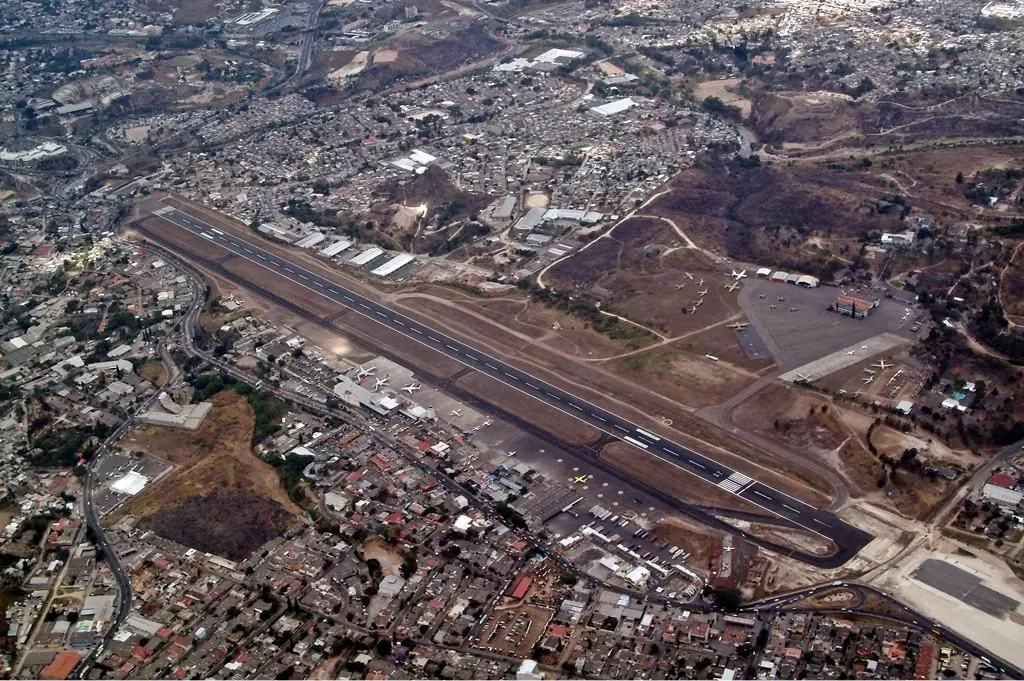
Honduras has four practical entry points, and the one you pick shapes the whole week. The central gateway sits in the Comayagua valley, roughly an hour from Tegucigalpa, and handles the widest range of long-haul arrivals. San Pedro Sula, in the hot industrial north, is the closest airport to Copán and the north-coast parks. Toncontín, wedged into a bowl of hills above the capital, is famous for its dramatic, short-runway approach; only specially qualified crews land there, and the views of the ridge line sliding past your window are worth the white knuckles. Roatán's own airport takes seasonal nonstops from North America, which lets you fly in and go straight to the water.
Flight times are gentle: roughly two hours from Florida, three to four from Texas, Georgia or Toronto, and longer from Europe via a North American or Central American connection. Fares swing hard with season. December through April is the dry window, with February to May offering the clearest water visibility on the reef; the trade-off is peak-season fares and busy dive boats. May to November is the green season — lush, cheaper, with heavy afternoon showers and a hurricane risk that peaks in September and October. Whale sharks pass Utila between roughly March and April and again from August into September, which is the single best reason to bend your dates.
Between the mainland and the islands, small turboprops and regional carriers do the heavy lifting, linking San Pedro Sula, La Ceiba, Tegucigalpa, Roatán, Utila and Guanaja. Luggage is strict on these hops — soft-sided bags, modest weight limits, and a habit of weighing everything at check-in — so pack a duffel rather than a hard case. Book morning departures where you can; afternoon thunderstorms build fast over the mountains and delay the last flights out.
Days 1–2: Copán Ruinas and the Great Maya Plaza
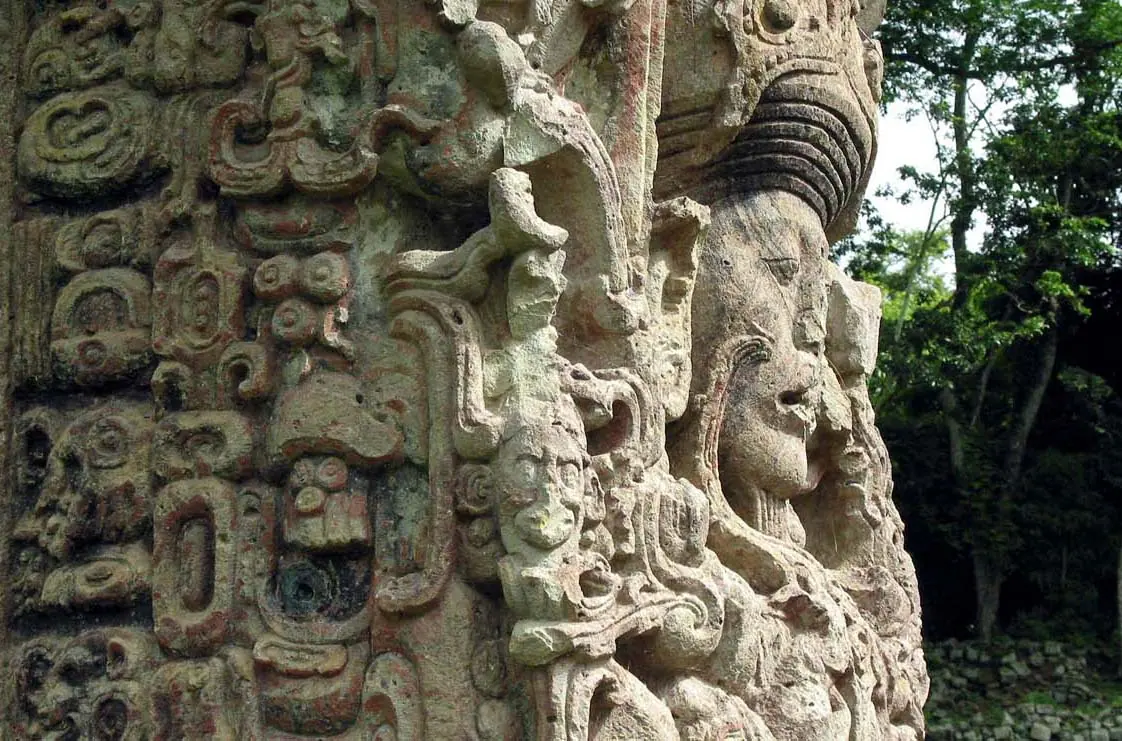
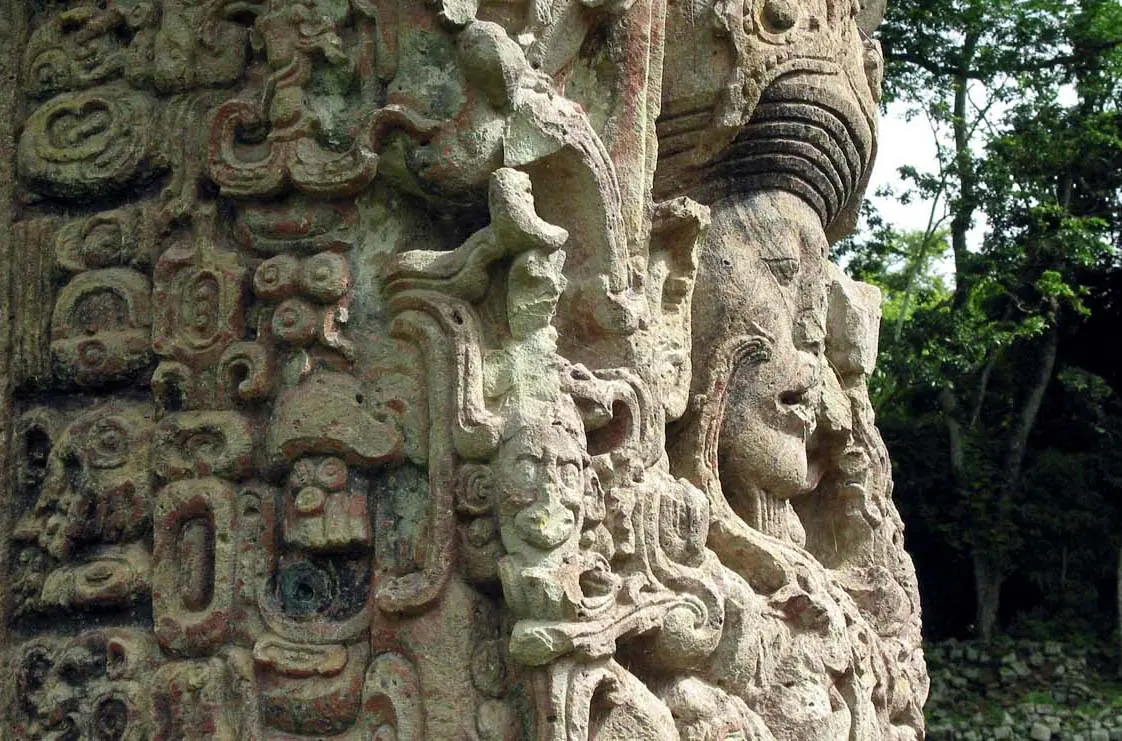
Land at San Pedro Sula and head west into the hills toward Copán Ruinas, a cobbled colonial town of whitewashed walls and red-tile roofs that exists because of what lies twenty minutes beyond it. The Copán archaeological site is one of the great Maya cities, and unlike the enormous ceremonial centres of the north, it is compact, walkable and astonishingly dense with carved stone. Start on the Great Plaza, ringed by stelae portraits of rulers so finely cut you can still read the feathers on their headdresses, then climb the Acropolis to the Hieroglyphic Stairway, the longest inscribed Maya text known, its sixty-plus steps stacked with glyph blocks.
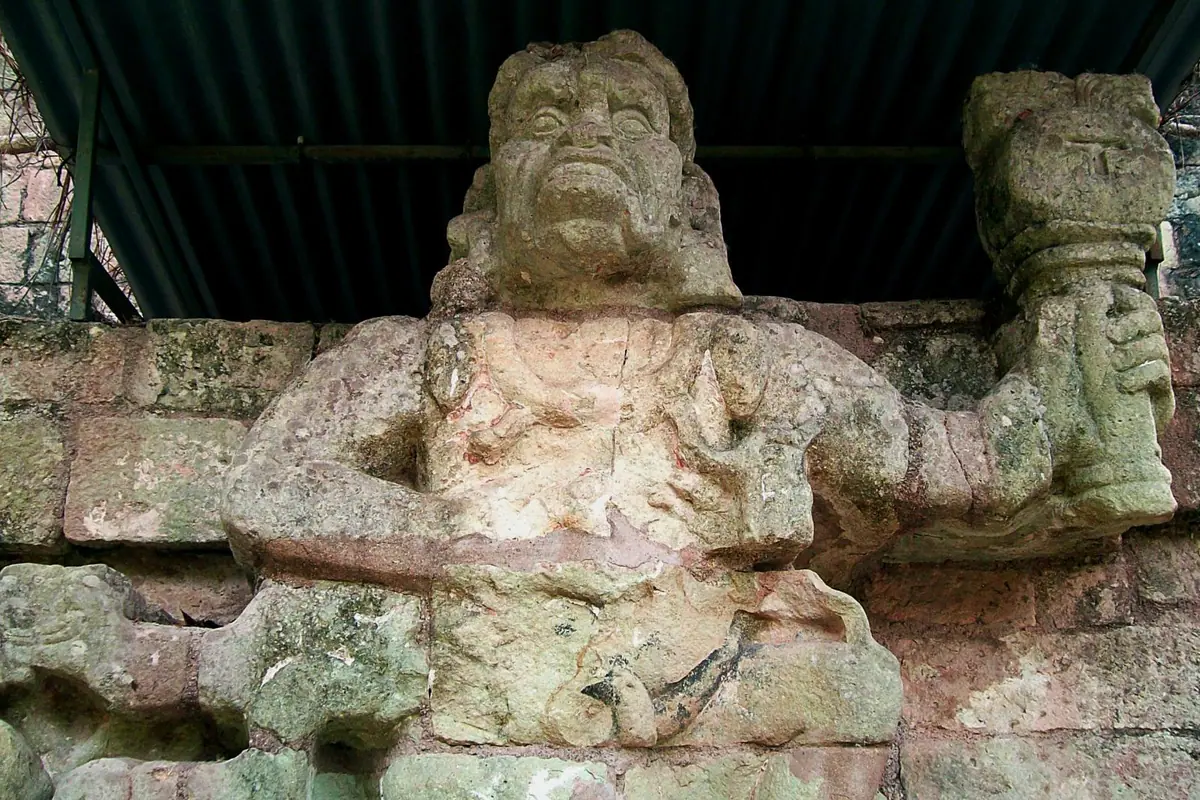
Go early, ideally at opening, before the tour vans arrive and while the light rakes across the carvings. Devote three to four hours to the ruins themselves, then add the site museum, where the Rosalila temple is reconstructed at full scale in its original painted colours — the real thing remains sealed and protected inside a pyramid. Across the valley, the Las Sepulturas residential complex shows how the nobility actually lived, with benches, courtyards and drainage that feel startlingly domestic.
Keep the afternoon loose. The Macaw Mountain bird park on the edge of town shelters rescued scarlet macaws, the species that once flew over the plaza, and the surrounding hills hide riverside hot springs where you can soak with a drink while the sun drops behind the pines. Copán sits at around 600 metres, so nights are pleasantly cool — bring a light layer even in the dry season.
Day 3: Lake Yojoa, Pulhapanzak Falls and Coffee Country
The drive east from Copán toward Lake Yojoa rolls through some of the country's best coffee country, and the lake itself — Honduras's largest natural body of fresh water — sits in a bowl of forested ridges between San Pedro Sula and the capital. Birders treat the shoreline as a pilgrimage: herons, kingfishers, trogons and hundreds of recorded species work the reeds and the shade-grown slopes above. Kayaks and small boats go out for bass fishing and for views back at Santa Bárbara mountain, which rises behind the water.
The set piece of the day is Pulhapanzak, a wide, thundering waterfall on the Río Lindo where the river drops about 43 metres into a swimming basin. Paths lead down to the rocks and behind the curtain of water; expect to get soaked, and expect slippery stone. Nearby, the Taulabé caves burrow into the hillside with stalactites and a resident bat colony, and the Los Naranjos archaeological site at the lake's edge traces settlement back thousands of years, long before the Maya built their cities.
This is also the place to slow down: lakeside lodges and coffee fincas let you tour a Beneficio, cup the day's roast and sleep to the sound of frogs. If you would rather trade lakes for mountains, swap this day for a run west to Gracias and Celaque, where Honduras's highest cloud forest climbs above a lovely colonial town.
Days 4–5: Island Time on Roatán and Utila
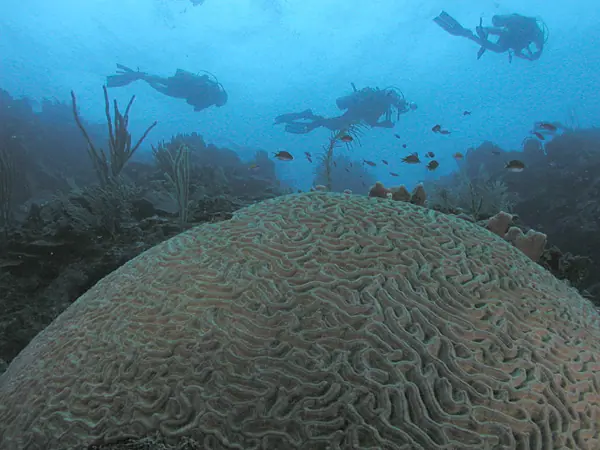
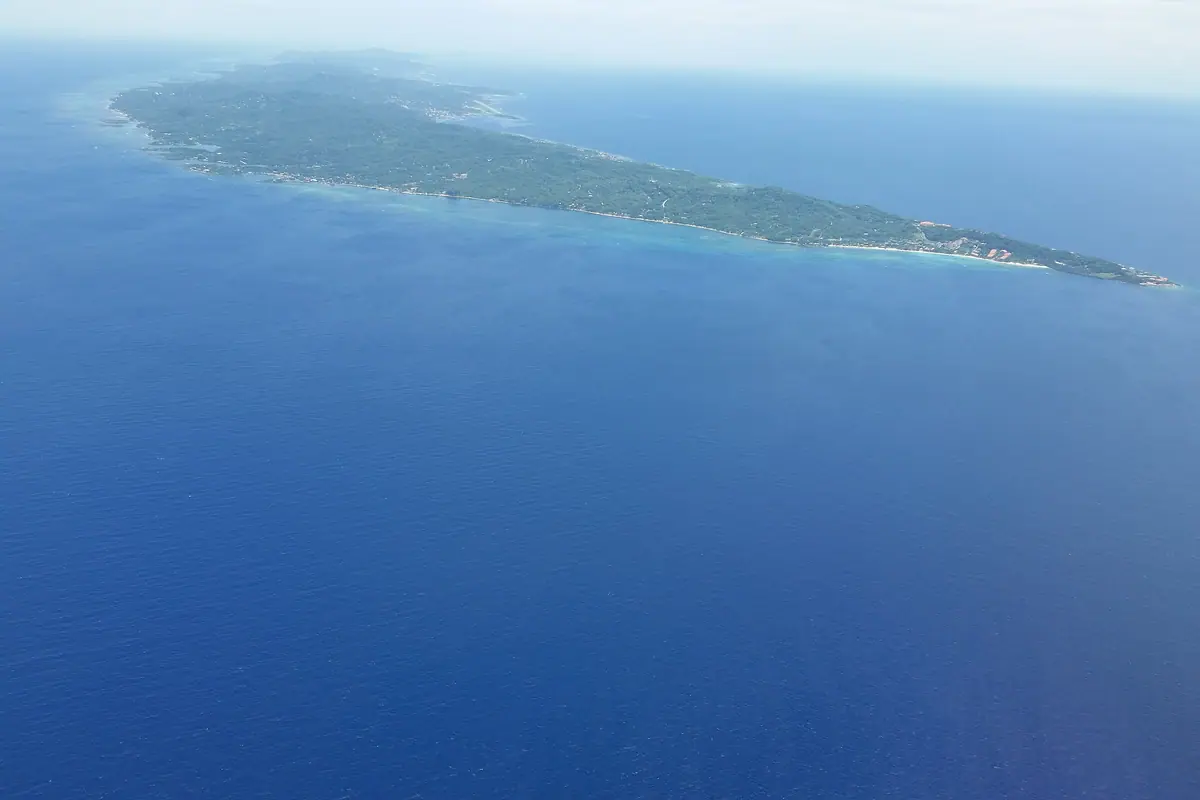
Fly from San Pedro Sula or La Ceiba to Roatán, where the plane lands almost on the waterline and the Mesoamerican Barrier Reef begins a few fin kicks offshore. Base yourself around West End for budget guesthouses, dive shops and a barefoot village atmosphere, or West Bay for the postcard version — a long curve of white sand that ranks among the finest beaches in the Caribbean. Half Moon Bay, just north of West End, is calm enough for easy snorkelling, and the wall dives along the reef drop away into blue with turtles, eagle rays and reef sharks cruising past.
On land, Roatán's highlights are modest but charming: the Carambola Botanical Gardens climb a hillside of orchids and spice trees with views over the reef, the iguana sanctuary near Sandy Bay is a hit with children, and Garifuna villages along the north shore serve coconut seafood that tastes like the island itself. Two full days is enough for four or five dives plus a lazy beach afternoon.
If you want the quieter, quirkier sister island, fly or take the ferry onward to Utila, where dive certification is the main industry and whale sharks are the prize. Boat captains scout for the sharks' surface shadows in the calm months, usually from March to April and again in late summer, and sightings are never guaranteed — but even a miss leaves you snorkelling over pristine coral in warm, shallow water. Guanaja, further east, suits anyone who wants pine-covered peaks, waterfalls and almost nobody else.
Day 6: La Ceiba, Pico Bonito and the Wild North Coast
Hop back to La Ceiba, the scruffy, likeable port town that acts as the mainland's doorway to the islands. Immediately behind it, Pico Bonito National Park lifts a green wall of rainforest to nearly 2,500 metres, its trails threading past waterfalls and swimming holes. Further along the coast, the Cuero y Salado Wildlife Refuge protects mangroves and lagoons where manatees graze; you reach it by a small rail trolley through old banana plantation land, then drift by boat in near silence looking for howler monkeys and river turtles.
Down the coast at Tela, the Jeannette Kawas National Park guards lagoons, palm-lined beaches and coral patches, while the Lancetilla Botanical Garden — established as a tropical research collection — spreads towering bamboo, mango and spice trees over a valley of trails. Rafters and kayakers head for the Río Cangrejal just outside La Ceiba, where Class III rapids cut between boulders the size of cars. Cap the day with a plate of fried fish and plantain on a beach shack veranda, watching the Caribbean go dark.
Day 7: Tegucigalpa, La Tigra and Wheels Up
Finish with a morning flight to the capital, dropping through the hills into Toncontín for one last dose of scenery. Tegucigalpa's core is compact and easily walked: the Basílica de Suyapa, a vast modern shrine that is the country's most important pilgrimage site, sits just outside the centre, while the Parque Central, the whitewashed cathedral and the Museum for National Identity fill a few pleasant hours with history and strong coffee.
If you have a full day before your departure, head up into the pine and cloud forest of La Tigra National Park, an hour above the city, where trails run from the El Rosario visitor sector to waterfalls and mossy ridgelines alive with quetzals and hummingbirds. The artisan villages of Valle de Ángeles and Santa Lucía make an easier alternative, with cobbled lanes, woodcarving workshops and views back over the valley. Leave a generous buffer before your international connection — mountain weather and capital traffic are both famously unreliable — and you will end a week that covered Maya temples, a volcanic lake, rainforest rivers and a coral reef without ever spending a full day on a bus.
Frequently asked questions
How many domestic flights do I need for a one-week Honduras trip?
Realistically three or four: one on arrival or transfer day, one to reach Roatán or Utila, one back to the north coast or the capital, and one final hop before your international departure. Each domestic sector is short — usually 30 to 60 minutes in a turboprop — but allow a half-day either side for transfers, luggage weighing and weather delays.
When is the best time of year to fly into Honduras?
December to April is the dry season and the most reliable window for ruins, hiking and reef visibility, though February to May brings the clearest water. The green season from May to November is cheaper and greener but wetter, with the highest hurricane risk in September and October. Whale shark season off Utila runs roughly March to April and August to September.
Which airport should I fly into for this itinerary?
San Pedro Sula works best if you want to start with Copán and finish on the islands. The Comayagua valley gateway suits trips centred on Tegucigalpa, Lake Yojoa and La Tigra, while Roatán's airport is ideal if you plan to spend the whole week on the Bay Islands and skip the mainland.
How long do I need at Copán Ruinas?
Two nights is ideal. That gives you three to four hours in the archaeological site at opening time, an hour or two in the sculpture museum with its full-scale painted temple reconstruction, and enough slack to visit Las Sepulturas, the bird park or the riverside hot springs without rushing to the next transfer.
Should I bring cash, and what should I pack?
Carry lempira in small notes for markets, tuk-tuks, national park fees and village eateries, since card machines are patchy outside cities and islands. Pack a soft-sided duffel to meet domestic flight weight limits, quick-dry clothing, reef-safe sunscreen, insect repellent for the lowlands, and a light fleece — Copán, La Tigra and the highland towns get genuinely cool at night.
Sort the rest of your trip
Everything for Honduras, in one place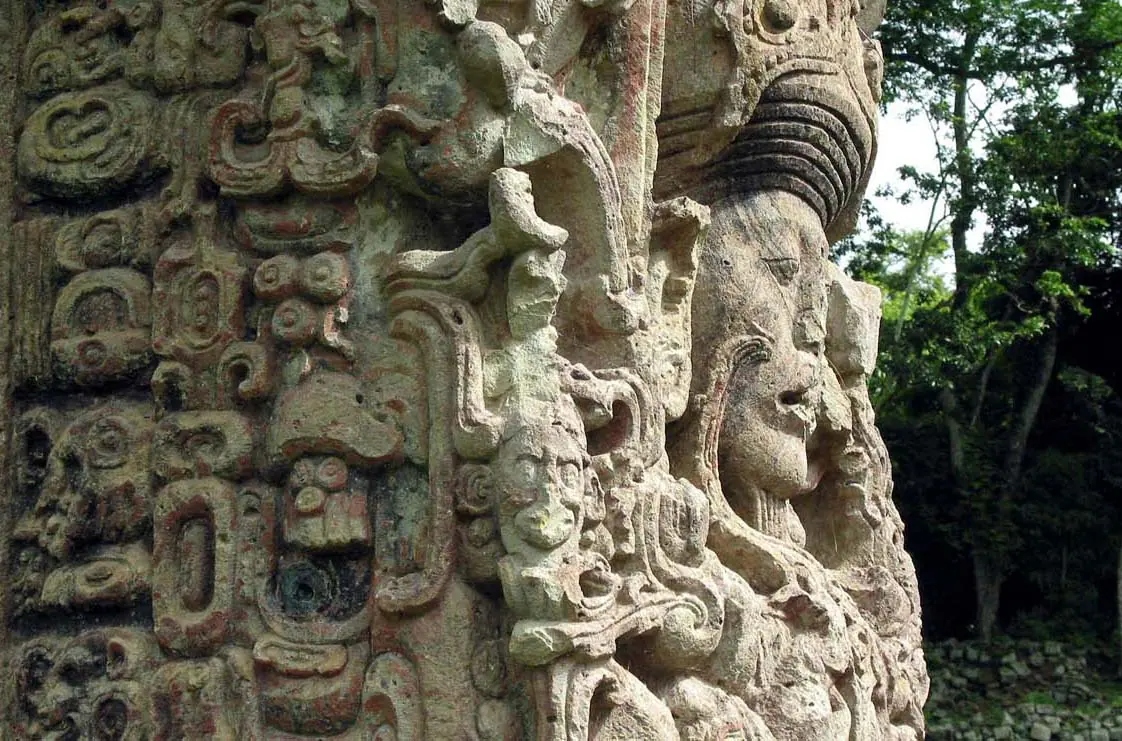
Stay in Honduras
Hotels, guesthouses and apartments — compared in one search.
Search hotels
Transfer in Honduras
Private driver waiting on arrival — no queues, no surprises.
Book a transfer
Travel insurance
Medical cover, delays and lost baggage — sorted before you go.
Get covered