Honduras packs a Caribbean reef, a Maya city, cloud-forest peaks and a coffee highland into one small country, and no single month suits them all. The trick is knowing which corner you want — and which week the rest of the country wants it too.
How Honduras' Seasons Actually Work
Honduras doesn't have one climate, it has three running side by side. The Pacific and central highlands — Tegucigalpa, Comayagua, Gracias, the Maya ruins at Copán Ruinas — follow a clean pattern: a dry, sunny stretch from roughly December through April, and a wet season from May or June to November. In the highlands around Tegucigalpa and Celaque, that dry season means cool, crisp mornings and mild afternoons, while March and April turn hot and hazy before the rains break.
The Caribbean side is a different animal. The north coast around Tela, La Ceiba and Trujillo, plus the Bay Islands of Roatán, Utila and Guanaja, gets rain in almost every month, with the heaviest downpours between September and January. Trade winds keep things bearable, and showers tend to arrive as short, heavy afternoon bursts rather than all-day drizzle. One local quirk worth knowing: the canícula, a brief dry spell that often settles in around late July and August, gives the whole country a second little summer.
Water temperature in the Bay Islands hovers around 26–29°C year-round, which is why diving and snorkelling never really stop. What changes is visibility, wind and surface conditions — and those shift more week to week than month to month.
December to April: The Dry-Season Sweet Spot
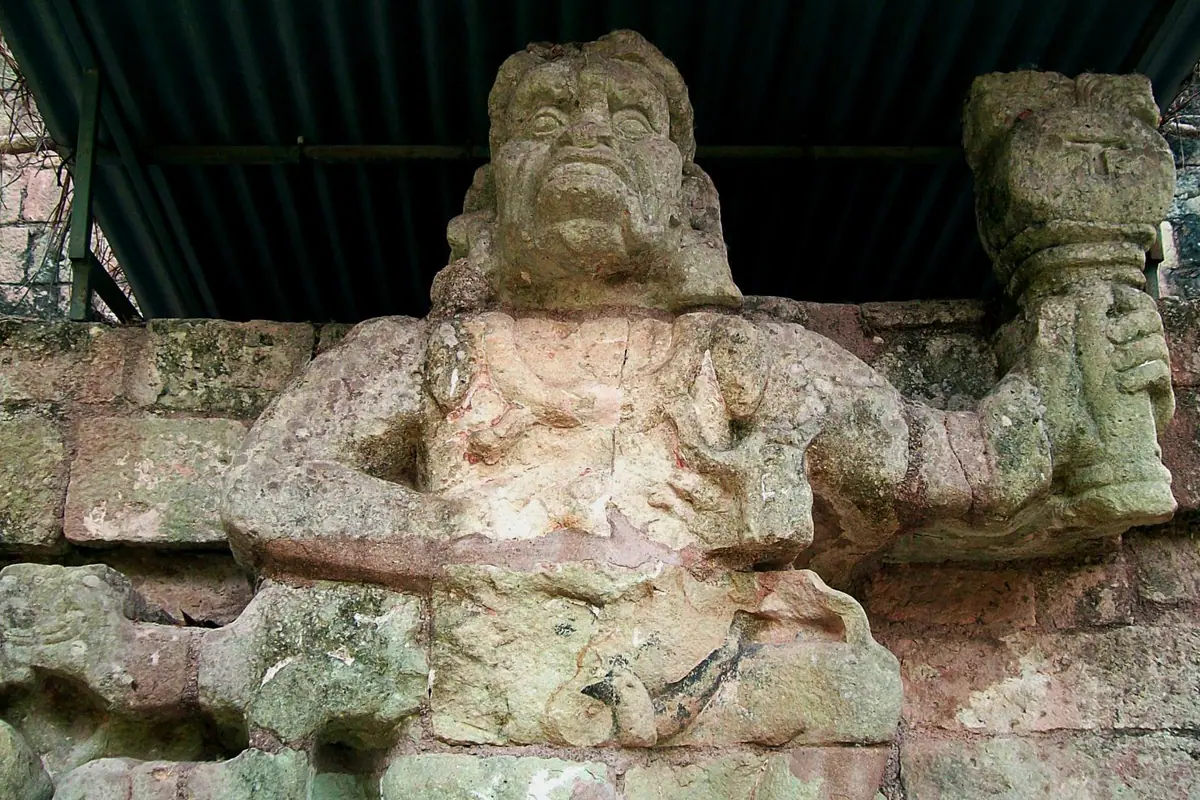
If you want one window that works almost everywhere, aim for late January through April. Roads to Copán Ruinas dry out, the Hieroglyphic Stairway and the ball court at the Copán archaeological site stand in clear light, and the jungle trails to Las Sepulturas stop being a mud bath. In the western highlands around Gracias and Santa Rosa de Copán, this is also coffee harvest time, so you can walk drying patios and small farms while the pickers are still working the slopes of Celaque.
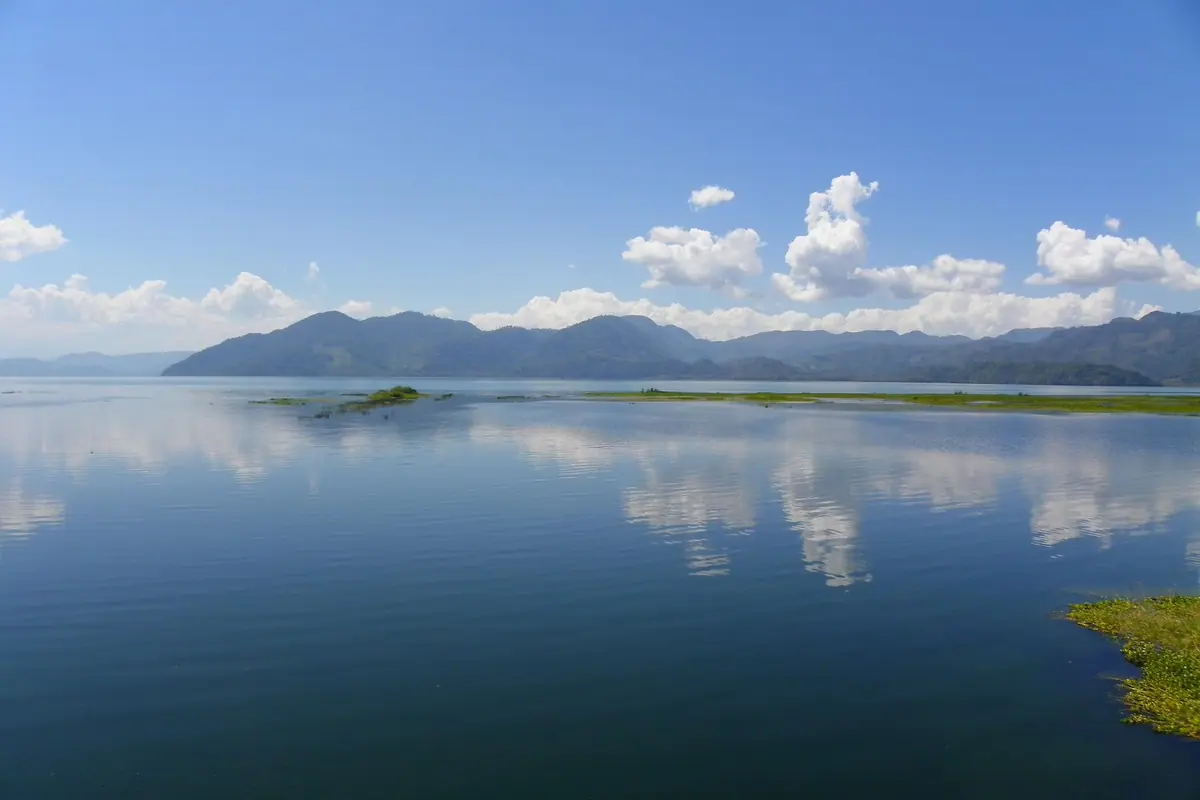
February and March are the quietly perfect months: Copán is warm but not brutal, Lago de Yojoa is calm enough for kayaks and birding at sunrise, and the waterfall at Pulhapanzak is swimmable rather than thundering. Day trips from the lake reach the botanical collection at Lancetilla near Tela, the fortress at Omoa, and the colonial churches of Comayagua, where the dry heat feels manageable before the rains arrive.
Hotel-wise, this is high season on the reef but shoulder season in the interior. Beach properties on Roatán's West Bay and West End charge their top rates from December into April, and dive lodges fill weeks ahead. Inland towns like Copán Ruinas, Gracias and Comayagua stay relaxed until Semana Santa, so booking three to six weeks out is usually enough.
May to November: Waterfalls, Green Hills and Fewer Crowds
The rainy season scares off more travellers than it should. Yes, May through November is wet, with the heaviest rain from September into early November, and the Atlantic hurricane season technically runs from June to the end of November with the riskiest weeks falling between mid-August and late October. But in practice, mornings are often bright, storms roll through in an afternoon, and the country turns impossibly green. Hotel rates drop, trails and viewpoints empty out, and the cloud forest around Pico Bonito and the Río Cangrejal near La Ceiba is at its most alive with orchids, ferns and birds.
This is the season for water. Pulhapanzak, on the western edge of Lago de Yojoa, is at full roar, and the cave-and-canyon tour behind the falls is at its most dramatic. The rivers feeding Lago de Yojoa and the wetlands of Cuero y Salado fill up, drawing herons, kingfishers and manatees, while the remote Río Plátano Biosphere and the Mosquitia coast — accessible only by boat or small plane — are for serious expedition travellers who accept real rain.
For hotels, the green season means negotiable rates at eco-lodges, cabañas and small guesthouses, but it also means checking access. Dirt roads to the most remote fincas and jungle lodges can turn slick, some island dive shops cut back their schedules, and a handful of beach hotels on the north coast close for maintenance in September and October. If you're heading to the Mosquitia or deep into the highlands, ask about road conditions before you commit.
The Bay Islands Run on Their Own Calendar
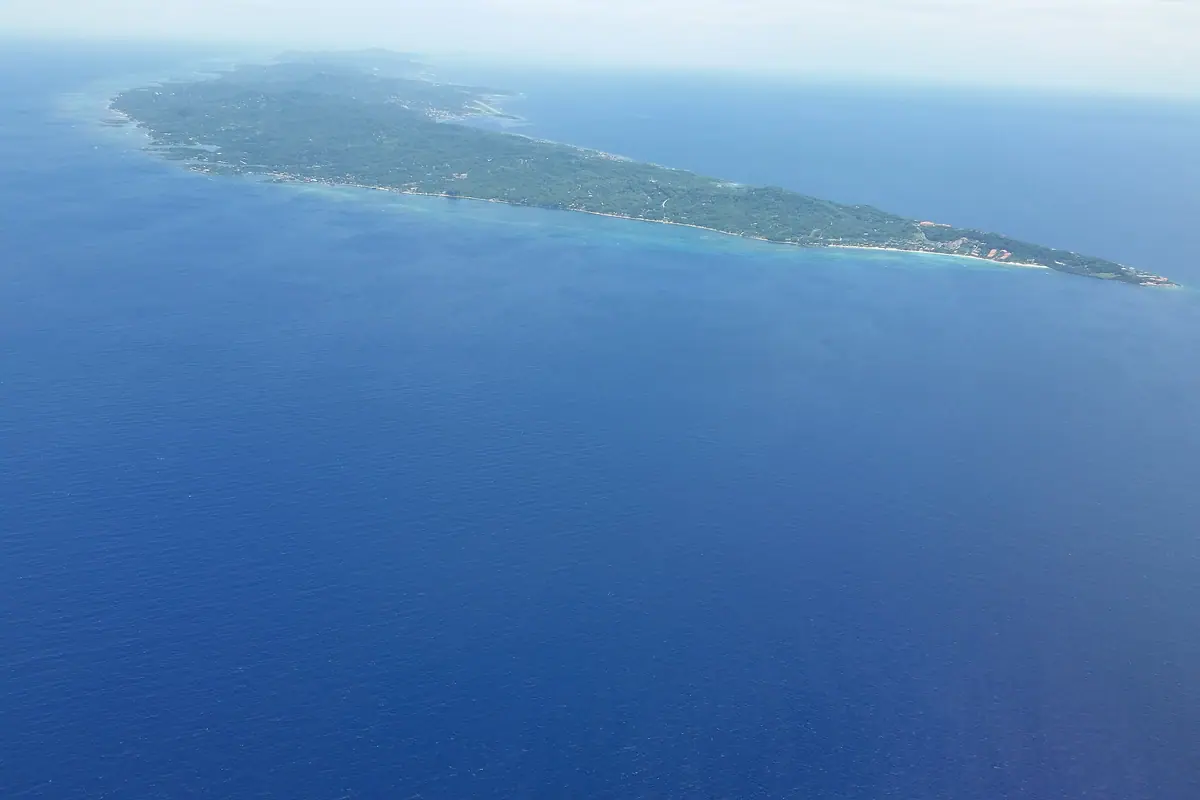
Roatán, Utila and Guanaja ignore the mainland's dry and wet seasons. Diving is excellent all year, with the clearest water often arriving in the drier, breezier months from February to May, and the warmest, calmest seas from August to October when the trade winds ease. Roatán's signature sights — the reef walls off West End, the shallow coral gardens of West Bay Beach, the iguana-filled mangroves and the butterfly and bird collections at Gumbalimba Park, plus the quiet east-end fishing villages around Punta Gorda and Oak Ridge — are visitable in any month. Just expect a couple of passing showers even in the so-called dry season.
Utila is the island with a genuine seasonal hook. Its whale sharks, the gentle giants that feed in the plankton-rich water off the island's north side, are most reliably seen from March to April and again from August to October, though sightings happen sporadically year-round. Dive lodges and small hotels in Utila's East Harbour book out fast in those two windows, especially around Easter and during the mid-year school holidays.
Guanaja and the Cayos Cochinos, reached by boat from Roatán or the mainland, are the quietest options and the most weather-dependent. Crossings get choppy when the northerly winds pick up between November and January, so plan flexible travel days and keep a buffer before any international flight home.
Festivals and Peak Dates That Fill Every Room
Honduras celebrates hard, and a handful of dates will decide whether you find a room or not. Semana Santa, the week leading up to Easter, is the big one: beaches on Roatán, Tela and Trujillo fill with domestic holidaymakers, Comayagua stages elaborate processions and sawdust carpets through its colonial streets, and ferry and bus seats sell out days in advance. Christmas, New Year and the first week of January are a second crunch, particularly on the islands and at Lago de Yojoa.
A few more dates are worth building a trip around. Garifuna Settlement Day on 19 November brings drumming, dancing and a re-enactment of the arrival by boat to Punta Gorda on Roatán, Trujillo and Tela, and it's one of the most vivid cultural events in the country. San Pedro Sula throws its Feria Juniana in late June, La Ceiba's carnival fills the north coast in May, and Tegucigalpa's patron-saint fair takes over the capital in October with parades around the historic centre and the Basílica de Suyapa.
For hotels, the rule is simple: book two to three months ahead for Semana Santa, Christmas and New Year, and three to six months ahead if you want a specific dive lodge or beachfront room on Utila or West Bay. Outside those windows, most of the country is pleasantly easy to book on short notice, and walk-in rates in the green season can be surprisingly soft.
Matching Your Hotel to the Season and the Region
Where you sleep should follow the season, not the other way round. In the dry months, base yourself in Copán Ruinas' colonial centre within walking distance of the Parque Central and the ruins entrance, or take a lakeside cabaña at Lago de Yojoa with a terrace facing the water and the volcano. In the green season, shift your money toward places that make rain pleasant — a riverfront eco-lodge on the Río Cangrejal, a hot-spring hotel outside Gracias after a damp hike in Celaque, or a West End guesthouse on Roatán where a wet afternoon is just an excuse for a second dive course.
In the capital, most visitors use Tegucigalpa as a one-night stop, staying in the Colonia Palmira and Boulevard Morazán area near the historic centre, the Basílica de Suyapa and Parque Central. San Pedro Sula works the same way, useful as an airport hub rather than a destination, while the north-coast towns of Tela and Trujillo reward a couple of nights with Caribbean beaches, the fortress at Omoa and Garifuna villages all within reach.
Practical kit matters as much as timing. Pack quick-dry clothing and a light rain shell for May through November, reef-safe sunscreen and a rash guard for the islands, and a fleece for highland nights around Gracias, Comayagua and Tegucigalpa, where evenings can drop to around 15°C. Bring cash for small guesthouses on Utila and in the Mosquitia, and remember that a flexible onward date is your best insurance during September and October.
Frequently asked questions
What is the best month to visit Honduras overall?
February to April is the safest all-round window. The highlands and Maya ruins at Copán Ruinas are dry, the Bay Islands have calm seas and good visibility, and the worst of the Caribbean rain and hurricane risk has not yet arrived. March is a particular favourite because whale sharks start appearing off Utila.
Does hurricane season affect Roatán and the Bay Islands?
The Atlantic hurricane season runs June to November, with the highest risk from mid-August to late October. The Bay Islands sit further south than most Caribbean storm tracks and are often spared, but storms do pass. Travel insurance, flexible bookings and a buffer day before flying home are wise in September and October.
When can I see whale sharks in Utila?
The most reliable months are March to April and August to October, when plankton blooms draw them to the water north of the island. Sightings occur sporadically at other times of year, but if whale sharks are your priority, plan around those two windows and book your dive lodge early.
Is the rainy season a bad time to visit Copán Ruinas?
Not at all. May to November brings afternoon downpours and lush green hillsides, but mornings are usually clear enough to explore the Hieroglyphic Stairway and the ball court. Trails to Las Sepulturas get muddy, so bring grippy shoes, and expect lower hotel rates and far thinner crowds.
When do hotels in Honduras sell out?
Semana Santa, the week before Easter, is the busiest period nationwide, followed by Christmas and New Year. Book two to three months ahead for those dates, and three to six months ahead for beachfront rooms on Roatán, dive lodges on Utila, or anything around Lago de Yojoa and the north coast during local festivals.
Sort the rest of your trip
Everything for Honduras, in one place
Transfer in Honduras
Private driver waiting on arrival — no queues, no surprises.
Book a transfer
Things to do in Honduras
Skip-the-line tickets, guided tours and standout experiences.
See experiences
Stay online in Honduras
Travel eSIM — data the moment you land, no roaming bills.
Get an eSIMMore guides in Honduras

Honduras Food, Culture and Local Experiences: A Guide to Baleadas, Garífuna Drums and Maya Ruins

Best Places to Visit in Honduras: Maya Ruins, Caribbean Reefs and Cloud Forest

Top Things to Do in Honduras: Maya Ruins, Caribbean Reefs and Colonial Towns

Hotels in Honduras: Where to Stay and What to See