Honduras rewards the traveler who arrives hungry — for food, for rhythm, for ruins half-swallowed by jungle. Between the Maya stelae of Copán Ruinas and the coconut-scented kitchens of the Caribbean coast, this is a country best understood through its table, its drum lines and its market mornings.
Baleadas, Tapado and Hudutu: How Honduras Eats
Start with the baleada, the dish that quietly runs the day. A thick flour tortilla is slapped onto a hot comal, spread with refried red beans, softened with mantequilla crema and finished with crumbled queso seco; ask for it "con todo" and you will also get scrambled egg, slices of avocado and sometimes shredded meat. Street carts and comedores sell them at dawn, at lunch and again after midnight, and eating one standing on a corner in Copán Ruinas or Tegucigalpa tells you more about daily life than any museum label. Order alongside catrachas — crisp fried tortillas piled with beans and cheese — and anafres, a bubbling clay pot of beans and melted cheese that arrives with tortilla chips for scooping.
On the Caribbean side, the cooking shifts to coconut. Garífuna kitchens simmer tapado, a celebratory soup of whole fish, green plantain, yuca and coconut milk scented with coriander and coconut oil; sopa de caracol, a conch soup built on the same coconut base, tastes best in ports where the conch actually comes ashore, such as Trujillo, Tela and Roatán. Look too for rondón, a slow-simmered seafood and root-vegetable stew, and for hudutu — pounded green plantain beaten with coconut milk and served with a fish broth you eat with a spoon in one hand and a ball of the plantain mash in the other. Machuca, mashed plantain with coconut and seafood, and ereba, the thin cassava bread baked on a griddle, round out a coastal menu that has almost nothing in common with the highlands.
Inland, order plato típico: red beans, rice, fried tajadas, a tangle of pickled cabbage, a spoon of crema and grilled meat or egg. Pollo con tajadas shows up everywhere, yuca con chicharrón is the classic bar snack, and enchiladas hondureñas — a fried tortilla under meat sauce, pickled onion, boiled egg and cheese — are nothing like the Mexican version. Save room for sweets from the eastern towns of Yoro and Danlí, where rosquillas en miel arrive glazed in dark cane syrup, and for highland coffee from Marcala, Copán and the Lenca villages, grown on slopes that have been farmed for generations.

Copán Ruinas and the Maya West: Temples, Stelae and Cobbled Streets
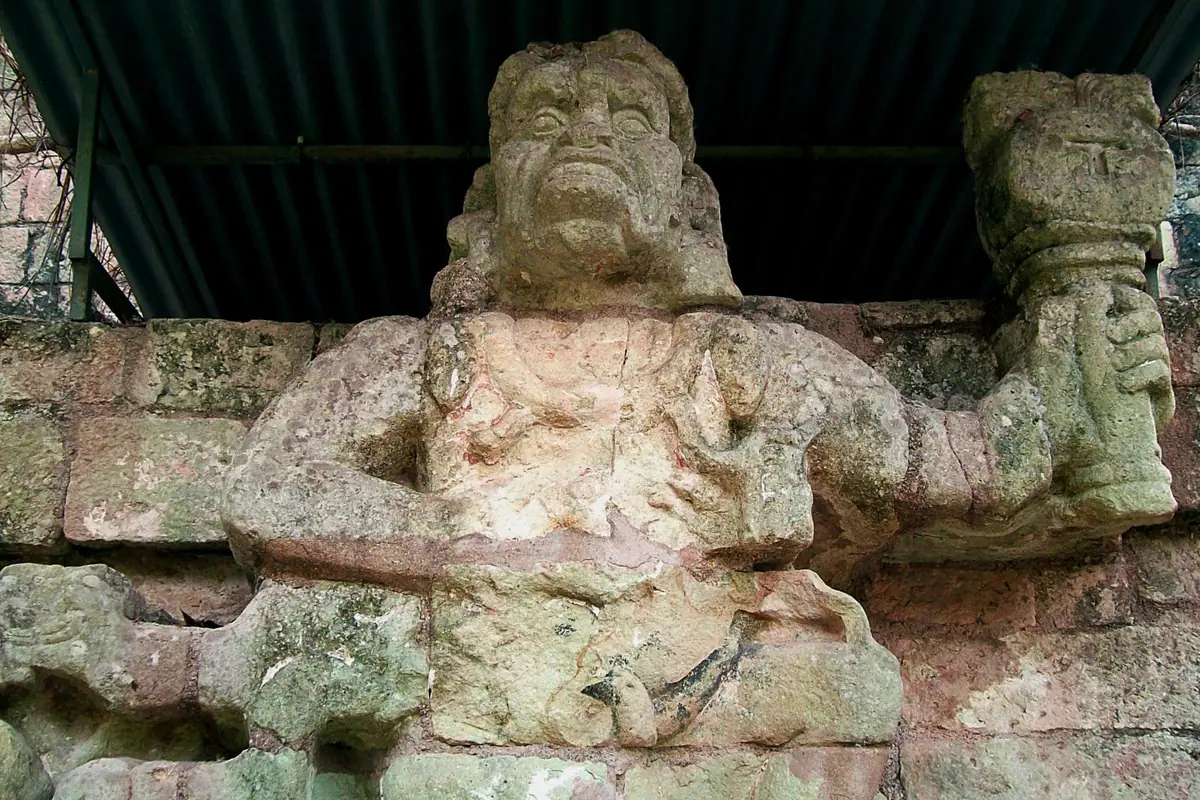
No first trip is complete without Copán, the southernmost great Maya city and arguably the most sculptural. The Great Plaza is a forest of carved stelae — full-length royal portraits in stone, still legible after more than a thousand years — while the Hieroglyphic Stairway climbs a pyramid in a single cascading text, the longest carved Maya inscription known. Below it, the ball court's macaw-head markers and the Acropolis tunnels hint at how many cities are stacked under this one, including the painted Rosilila temple preserved intact inside an earlier structure. A full-scale replica of that temple, displayed in a purpose-built sculpture museum nearby, makes the carvings readable in a way the sun-bleached originals are not.
Give Copán Ruinas two or three days rather than an afternoon. Go at opening, when the parrots are loud and the tour groups have not yet arrived, and hire one of the licensed local guides at the entrance — the site is far richer with someone who can read the glyphs aloud. The town itself is a pleasant base of cobbled lanes, small hotels and family comedores, with the Macaw Mountain bird park, butterfly gardens and horseback rides to outlying stelae filling the gaps between ruins. The archaeological residential zone of Las Sepulturas, a short walk from the main site, shows how the city's elite actually lived.
Beyond Copán, the west unfolds slowly. Santa Rosa de Copán offers colonial streets and tobacco farms where you can watch cigars being rolled by hand, while Gracias — the old colonial capital of the region — makes a base for the Lenca villages and the cloud forest of Celaque. La Campa is the place to see Lenca pottery shaped and burnished without a wheel, and the whitewashed village church at San Manuel de Colohete sits like a postcard on its ridge. This whole corner is at its best from November through April, when the trails are dry and the coffee harvest is in full swing.
Drumbeat Coast: Garífuna Culture and the Bay Islands
The north coast is where Honduras sounds different. The Garífuna, descendants of West Africans, Carib and Arawak peoples who arrived on Roatán in the late eighteenth century after being exiled from the Lesser Antilles, live in villages such as Punta Gorda on Roatán, Triunfo de la Cruz near Tela, and Trujillo further east. Their language holds African, Arawak, Carib and French threads; their music runs on the primera and segunda drums, with punta rhythms for dancing and paranda guitar songs for storytelling; and at Christmas the masked Yankunu dance spills through the streets. Around April, Punta Gorda fills with drumming, food stalls and dance for its annual heritage celebration — one of the most joyful days on the island calendar.
Travelers are welcome, but the etiquette matters. Arrange village visits, cooking sessions or drumming lessons through local guides or community-run organizations rather than turning up with a camera, ask before photographing people or homes, and buy food, drums and crafts directly from the makers. A morning spent pounding plantain for hudutu and learning the drum patterns is worth far more than a bus-window view of the coast. Trujillo, with its long sweep of beach and the crumbling walls of an old Spanish fort, is an easy place to combine all of it with a few days of slow coastal living.
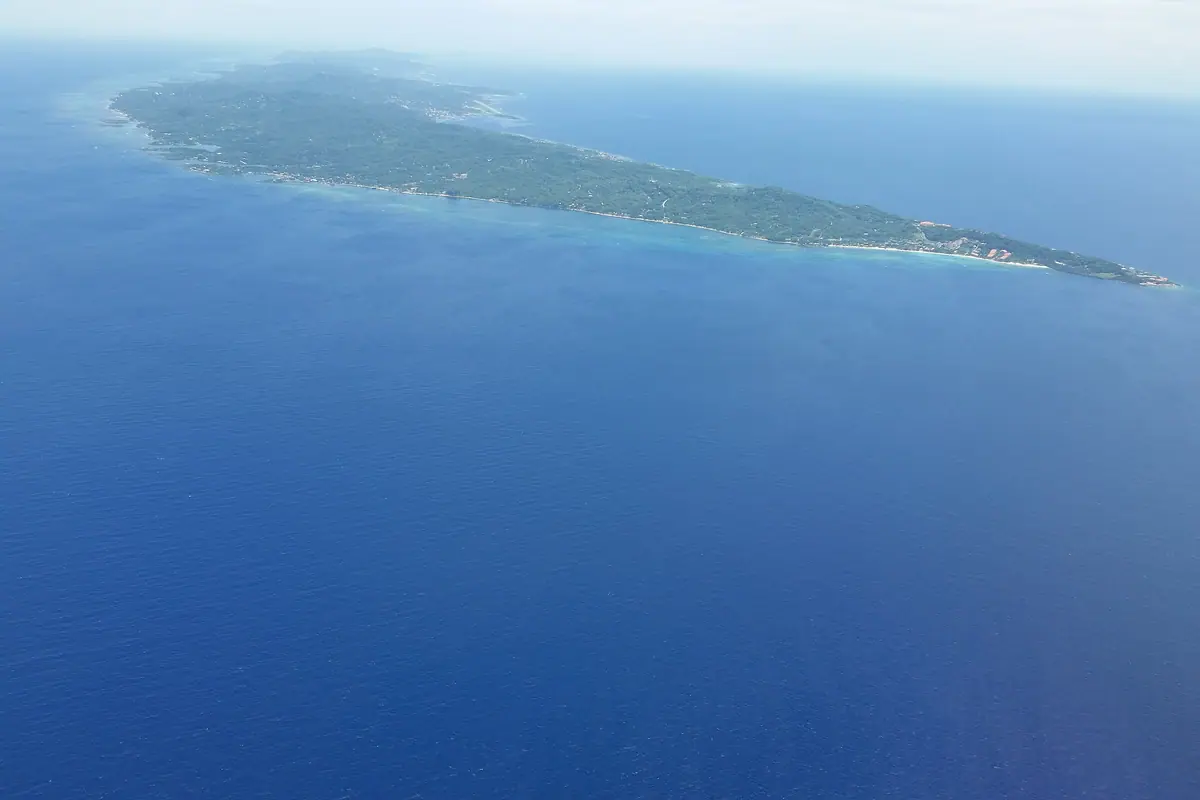
Then there are the islands. Roatán's West End is a sandy lane of dive shops, seafood grills and guesthouses, while West Bay Beach a short water-taxi ride away offers some of the clearest water in the Caribbean, reef close enough to snorkel from shore. Utila is smaller, cheaper and beloved by divers, with whale sharks passing in spring and again in late summer. Farther southwest, the Cayos Cochinos marine reserve hides Garífuna hamlets such as Chachahuate, where you can eat fresh fish and rice under a palm roof with your feet in the sand. Back on the mainland, the wildlife refuge at Cuero y Salado and the sprawling tropical botanical garden at Lancetilla, near Tela, are worth a day each before you reach the waterfalls and forest trails of Pico Bonito behind La Ceiba.
Cloud Forest and Coffee: Gracias, Marcala and the Lenca Highlands
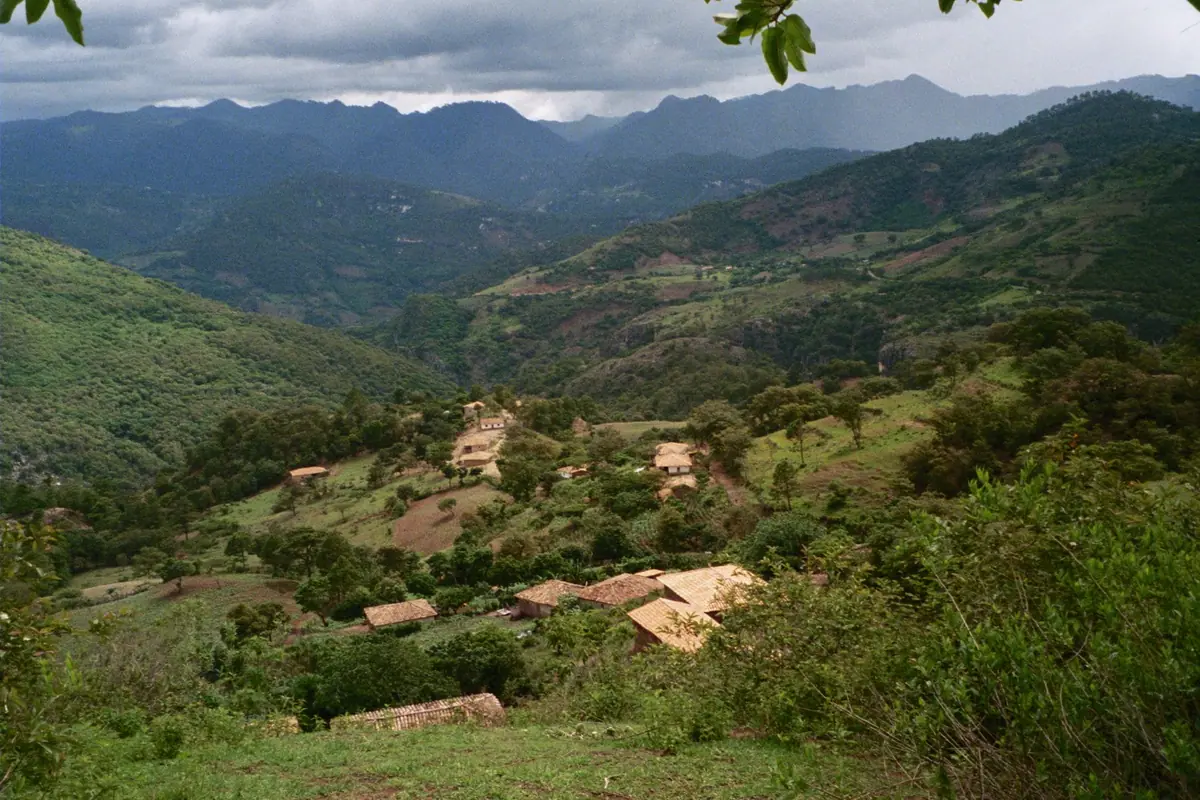
Honduras's highlands are cool, green and quietly magnificent. West of Gracias, Celaque National Park protects a cloud forest rising to the country's highest peak, where trails climb through dripping moss, tree ferns and quetzal habitat — go early, expect mud, and take a local guide for the summit route. Gracias itself is a low, tiled-roof colonial town with hot springs just outside it, and from its plaza you can organize trips to Lenca weaving villages, coffee farms and the pottery town of La Campa. In La Esperanza and Intibucá, the Lenca heartland, market days bring potatoes, woven cloth and a strong sense of an indigenous culture that never disappeared.
Coffee is the thread that ties this region together. The slopes around Marcala are among the most respected growing zones in Central America, and between November and March the harvest turns the hillsides into a hive of pickers and drying patios. Many small fincas welcome visitors for a walk through the rows, a tour of the wet mill and a tasting of the day's lots; ask at your guesthouse for a family farm rather than a big estate, and you will usually end up drinking coffee in someone's kitchen. The Lenca ceremonial tradition of the guancasco, in which neighboring villages exchange visits and offerings, still takes place in these mountains and is a reminder that hospitality here is a ritual, not an industry.
A few hours east, Lago de Yojoa is the country's easy-going lake escape: fishermen selling fried bass and tajadas along the shore, kayaks, birding at first light, and hiking to the archaeological site of Los Naranjos. Nearby Pulhapanzak is the most spectacular waterfall in the country, a thundering curtain you can walk behind with a guide, and the caves and coffee farms around the lake make it a natural stop between Copán and the Caribbean coast. Allow two or three nights here if you want to slow down properly.
Festivals, Markets and the Rhythms of the Calendar
Honduran festivals are not staged for visitors, which is exactly why they are worth planning around. The nation's largest pilgrimage takes over Tegucigalpa on 3 February for the feast of the Virgin of Suyapa at the Basílica de Suyapa, where the capital's streets fill with pilgrims who have walked in from every department. In Comayagua, Semana Santa is the country's most atmospheric Holy Week: processions wind through the colonial center past carpets of colored sawdust laid overnight, and the cathedral — home to an ancient clock with Moorish origins that has marked the hours since the sixteenth century — becomes the focal point of the whole town. In mid-May, La Ceiba throws its Carnival, a week of parades, music and street food on the Caribbean coast.
Highland calendars run on harvests and saints. The rains of May and June bring the curious phenomenon in Yoro known as the lluvia de peces, when fish are said to appear on the ground after heavy storms; in Intibucá, potato festivals celebrate the crop that anchors highland cooking; and Marcala's coffee towns throw their own parties when the picking ends. For markets, Mercado Guamilito in San Pedro Sula is the classic place to buy Lenca pottery, carved wood and leather, while the smaller weekly markets in Santa Rosa de Copán, Gracias and La Esperanza are better for everyday goods and far less picked over. Valle de Ángeles, in the hills above Tegucigalpa, is another reliable stop for crafts, furniture and pottery.
Music ties the map together. You will hear punta and paranda along the coast, marimba and guitar in the western highlands, and a constant background of Latin pop and reggaetón everywhere else. Cigars are another point of local pride: the tobacco valleys around Santa Rosa de Copán and Danlí produce leaf that gets rolled by hand in small factories, and a short tour of a rolling room is one of the most unexpectedly satisfying hours you can spend inland.
Practical Wisdom: Seasons, Timing and Local Etiquette
Timing matters more here than in many Central American destinations. The dry season from December through April is the sweet spot for the Maya west, the Lenca highlands and lake country, with clear trails, cool nights and easy road travel. The Caribbean coast and Bay Islands are greener and wetter, but the driest and clearest stretch usually falls from late winter into spring, which is also when Utila's whale sharks are most reliably seen; September to November is the wettest, storm-prone window on that side. Pack layers for highland towns such as Gracias and Copán Ruinas, where evenings can be genuinely chilly, and reef-safe sunscreen, bug repellent and rain gear for the north coast.
A comfortable loop looks like this: two or three days at Copán Ruinas, two around Lago de Yojoa, two or three on the north coast for Tela, Lancetilla and Pico Bonito, then four or five on Roatán or Utila. Ten days to two weeks lets you do all of it without rushing; if you only have a week, choose either the Maya west or the islands rather than trying to do both. Tourist shuttles connect Copán, the lake, La Ceiba and the ferry terminals, public buses are cheap but slow, and small domestic flights save a long day of driving. Carry lempira in cash for village markets, comedores and tips, and expect small bills to make life easier.
On etiquette, a few habits go a long way. Greet people with "buenos días" or "buenas tardes" before asking a question, dress modestly for churches and village visits, and always ask before photographing people, especially in Garífuna and Lenca communities. Hire local guides for the Mosquitia and for any serious cloud-forest hiking, travel by day rather than at night on rural roads, and check current travel advisories before you commit to remote routes. Most of all, eat where the locals eat: the baleada cart, the market stall with the longest line and the fishing village kitchen with no sign at all are where Honduras shows you what it is.
Frequently asked questions
When is the best time to visit Honduras?
December through April is the most reliable window, with dry trails in the Maya west and the Lenca highlands and comfortable temperatures everywhere. The Bay Islands are pleasant year-round but driest from late winter into spring, which is also prime whale-shark season off Utila. September to November brings the heaviest rain and storm risk to the Caribbean coast.
What should I eat first in Honduras?
Start with a baleada con todo — flour tortilla, refried beans, crema, crumbled cheese, egg and avocado — then move on to the coast for tapado, sopa de caracol and hudutu. Inland, order plato típico and pollo con tajadas, and finish with rosquillas en miel from Yoro or Danlí and coffee from Marcala.
How many days do I need for Copán Ruinas and the Bay Islands?
Give Copán Ruinas two or three days to see the ruins, the sculpture museum and Las Sepulturas without rushing, then allow four or five days on Roatán or Utila. Adding Lago de Yojoa and the north coast around Tela and La Ceiba brings a comfortable loop to ten days or two weeks.
Is Utila or Roatán better for diving and snorkeling?
Roatán has the widest variety of reef sites and the easiest logistics, with shore snorkeling straight off West Bay Beach and a lively base at West End. Utila is smaller, cheaper and more backpacker-oriented, and it is the better bet if you want a chance of swimming with whale sharks in spring or late summer.
How do I visit Garífuna and Lenca communities respectfully?
Go with a local guide or a community-run organization rather than arriving unannounced, ask permission before taking photographs, and buy food, drums, pottery and textiles directly from the people who make them. Learning a few words of greeting, dressing modestly and paying fairly for lessons or meals keeps tourism in local hands.
Sort the rest of your trip
Everything for Honduras, in one place
Stay in Honduras
Hotels, guesthouses and apartments — compared in one search.
Search hotels
Transfer in Honduras
Private driver waiting on arrival — no queues, no surprises.
Book a transfer
Stay online in Honduras
Travel eSIM — data the moment you land, no roaming bills.
Get an eSIMMore guides in Honduras

Best Places to Visit in Honduras: Maya Ruins, Caribbean Reefs and Cloud Forest

Best Time to Visit Honduras: Weather, Whale Sharks and When Hotels Fill Up

Top Things to Do in Honduras: Maya Ruins, Caribbean Reefs and Colonial Towns

Hotels in Honduras: Where to Stay and What to See