France rewards travellers who resist the urge to sprint through it. The country packs cathedrals, châteaux, tidal islands, lavender plateaus and Alpine cable cars into a space you can cross by high-speed train in a single afternoon — which means the real skill is choosing what to skip. Here is how to see the headline sights properly, and what to pair them with.
Paris: The Landmarks That Genuinely Earn Their Reputation
Start with the Eiffel Tower, and treat it as a half-day rather than a photo stop. The lift to the summit sells out weeks ahead in summer, so book a timed slot the moment your dates firm up; if you miss out, the second-level stairs ticket still delivers the view and a fraction of the queue. Arrive from the Trocadéro side for the classic approach, then walk the Champ de Mars as the lights come on at dusk.
The Louvre is vast enough to defeat the optimistic — pick two wings and accept you will not see it all. The Mona Lisa draws the crush, but the Winged Victory of Samothrace, the Egyptian antiquities and the medieval foundations beneath the courtyard reward slower wandering. Nearby, Notre-Dame has reopened after its restoration on the Île de la Cité, and Sainte-Chapelle, a short walk away, holds the finest stained glass in the city.
Cross to Montmartre for the white domes of Sacré-Cœur and the painters' square of Place du Tertre, then work back through the Musée d'Orsay, whose impressionist collection sits inside a converted Belle Époque railway station. Climb the Arc de Triomphe for the twelve-avenue view down the Champs-Élysées, and finish with an evening stroll along the Seine's stone quays — a UNESCO-listed landscape in its own right.

Versailles, Giverny and the Day Trips Around the Capital
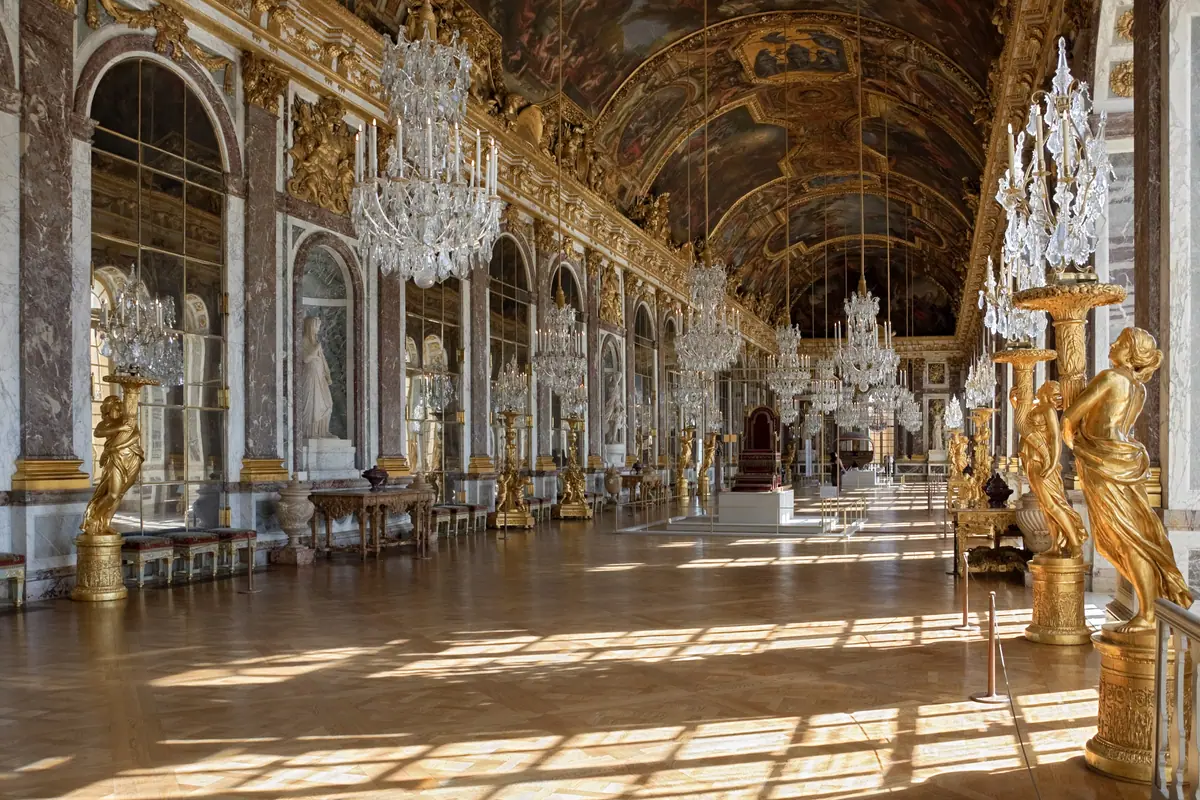
The Palace of Versailles is the single most ambitious sight in France: 2,300 rooms, the Hall of Mirrors lined with 357 panes, and gardens laid out by André Le Nôtre that stretch to a man-made horizon. Go on a weekday, arrive for opening, and budget four to six hours — the Grand Trianon and Marie Antoinette's rustic hamlet at the far end of the estate are usually half-empty because most visitors never make it that far.
An hour west, Claude Monet's garden at Giverny is a different kind of pilgrimage. The Japanese bridge and water-lily pond are at their best from late April through June, when the wisteria and iris are out; July and August bring heat and coach groups, so book a morning slot. The village itself is small, so pair it with a stop in Rouen or a slow lunch in Vernon.
If you have a third spare day, the forest of Fontainebleau hides both a royal château and world-class bouldering, while Vaux-le-Vicomte — the estate that got its owner arrested for outshining the king — is quieter and arguably more elegant than Versailles. Chartres Cathedral, with its 12th-century blue glass, is an easy train ride and short enough to combine with an afternoon in the Loire.
Mont Saint-Michel, Normandy and the Atlantic Edge
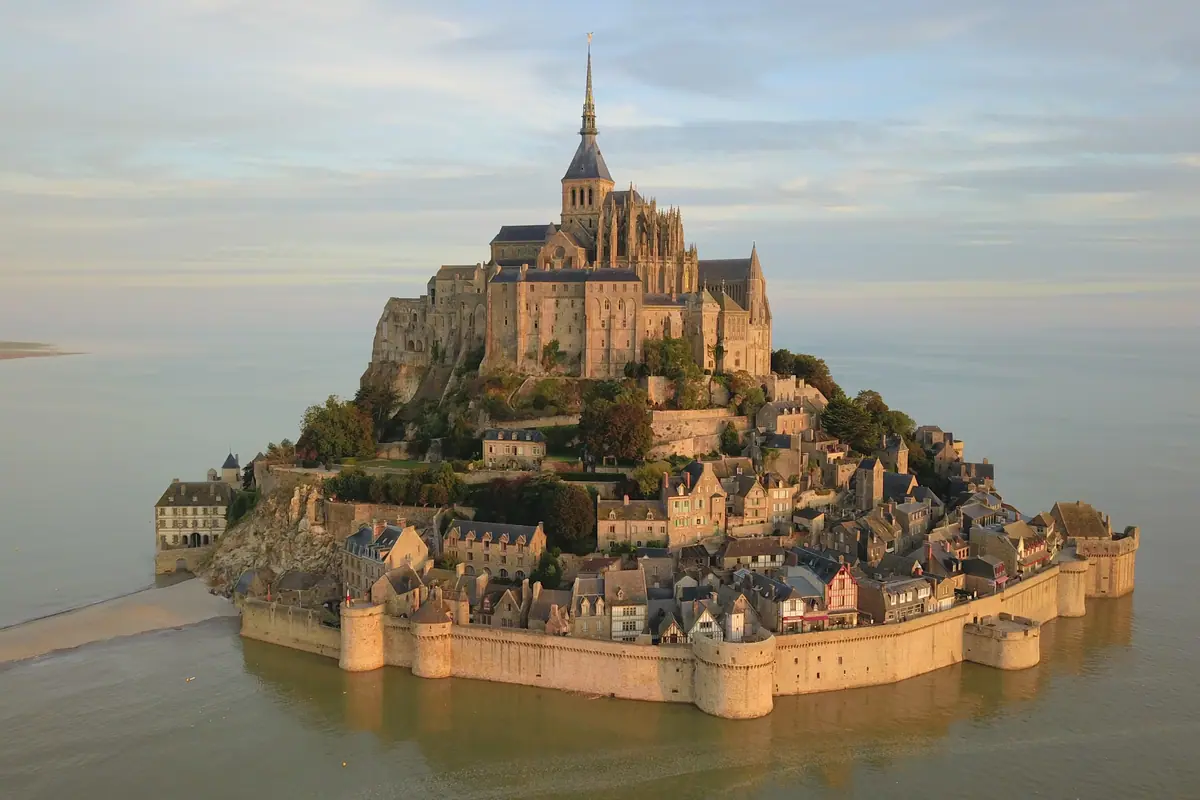
Mont Saint-Michel rises out of tidal flats on the Normandy-Brittany border, and the tides that surround it are among the fastest in Europe — the sea can advance at the pace of a galloping horse. The abbey at the summit is the reward, reached by a steep, cobbled climb past the Grande Rue. If you can, stay overnight inside the walls or in a nearby village: once the day-trippers leave, the island becomes something close to magical.
Normandy carries the weight of the 1944 landings. The beaches at Omaha and Utah, the cliff-top battery at Pointe du Hoc, and the vast cemetery above Omaha Beach at Colleville-sur-Mer are sobering and essential. Inland, the Bayeux Tapestry — a 70-metre embroidered chronicle of the Norman conquest — is displayed in a purpose-built gallery, and Rouen's cathedral and old quarter make a natural stop on the road back toward Paris.
Further west, the chalk arches of Étretat draw painters and hikers, while the harbour at Honfleur, with its tall slate-fronted houses around a basin, is one of the prettiest towns on the coast. Give Normandy three days at minimum; the distances look short on a map but the country roads are slow and the seafood lunches are long.
Loire Châteaux and the Vineyards of Bordeaux
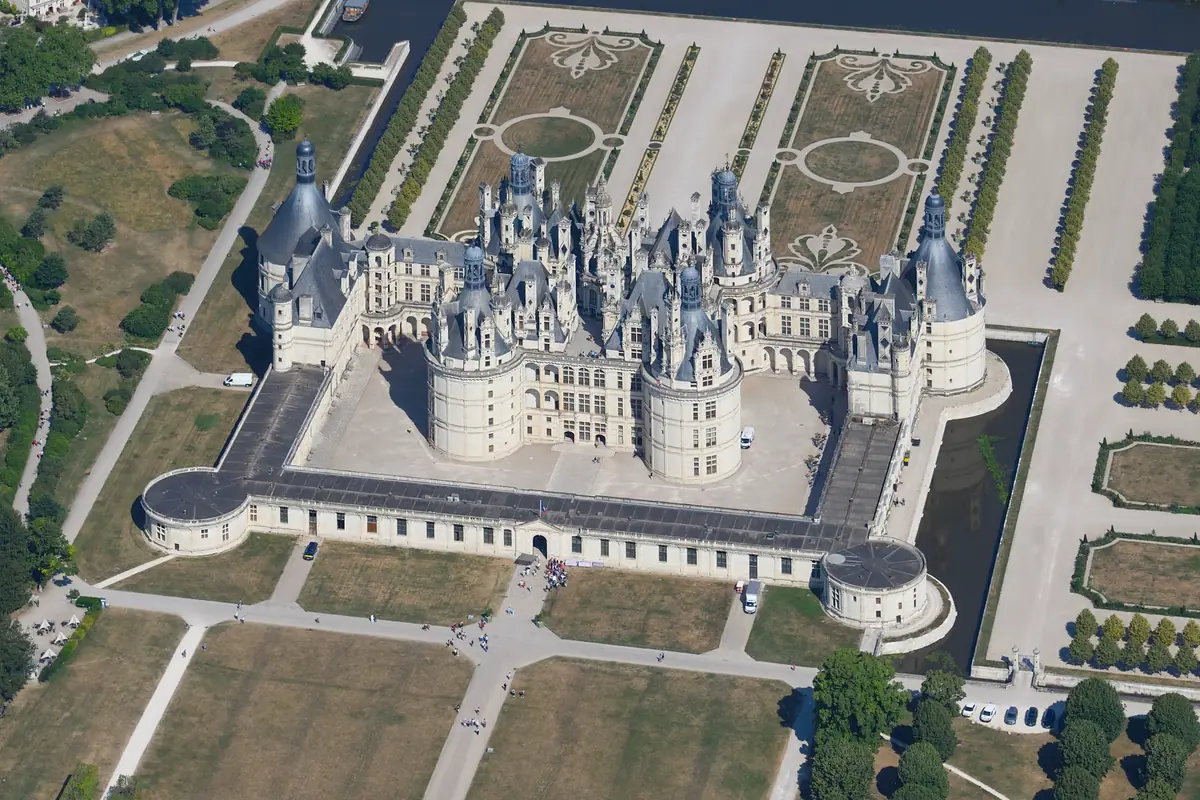
The Loire Valley is château country, and the greatest hits are unmissable. Chambord is the largest, a 426-room hunting lodge with a double-helix staircase attributed to Leonardo da Vinci's circle. Chenonceau is the most photographed, arching across the River Cher on a bridge built for parties. Villandry is the most beautiful garden, with geometric kitchen beds and a water garden that takes hours to exhaust.
The best way to see the region is by bicycle along the riverside routes, hopping between Amboise — where Leonardo spent his final years at Clos Lucé — Blois, and Chinon. The season runs April to October, and September is ideal: warm, quieter, and grape-harvest time in the surrounding vineyards.
Southwest, Bordeaux pairs grand 18th-century architecture with wine. The Water Mirror in front of the Place de la Bourse is a shallow granite slab that turns the city into a reflection pool, and the Cité du Vin explains the region's appellations across several floors. From there, day trips reach the Médoc châteaux, the medieval lanes of Saint-Émilion, and the Dune du Pilat — Europe's tallest sand dune, backed by pine forest and the Atlantic.
Provence, the French Riviera and the Alps
Provence delivers Roman ruins, papal palaces and lavender. The Pont du Gard, a three-tier aqueduct spanning the Gardon gorge, is the best-preserved Roman monument in France, and the amphitheatre at Arles still hosts bullfights and concerts. Avignon's Palais des Papes — the largest Gothic palace in Europe — sits beside the famous broken bridge over the Rhône. Lavender blooms on the Valensole plateau roughly from mid-June to mid-July; outside that window the fields are green and the crowds thinner.
The Riviera is a string of distinct towns rather than one destination. Nice has the long Promenade des Anglais and the Cours Saleya market, Monaco brings its harbour and royal palace, and the hill village of Èze offers a Mediterranean view from an exotic garden perched 400 metres above the sea. Cannes and Saint-Tropez are at their best in May, June and September, when the beaches are bearable and the roads move.
Inland, the Alps turn summer into a second season. Chamonix's cable car climbs to the Aiguille du Midi at 3,842 metres, with a glass box suspended over a 1,000-metre drop toward Mont Blanc. Lake Annecy offers cycling and swimming, and the Verdon Gorge, near Provence, is the place to kayak between limestone walls that plunge hundreds of metres.
Alsace, Burgundy and the Practical Rhythms of Travelling France
Alsace feels almost Germanic: Strasbourg's pink-sandstone cathedral and the half-timbered lanes of La Petite France sit a short tram ride from the European Parliament, while Colmar's canals and the Route des Vins thread through vineyards producing riesling and gewürztraminer. December brings the celebrated Christmas markets, but late September, during the grape harvest, is arguably the loveliest time to drive the route.
Burgundy is the counterpoint — quieter, agricultural, obsessed with terroir. Beaune's Hôtel-Dieu, with its multi-coloured geometric roof, is the region's most photographed building, and the vineyards of the Côte d'Or roll north toward Dijon. Buy a tasting in a village cellar rather than a city bar, and time your visit to the third weekend of November if you want to see the famous charity wine auction atmosphere.
The practicalities matter as much as the sights. High-speed trains link Paris to Bordeaux, Lyon, Marseille and Strasbourg in two to three hours, but rural areas need a car. May, June, September and October offer the best weather-to-crowd ratio; July and August bring heat in the south and heavy demand everywhere. Many museums close on Mondays, small shops shut on Sundays and between roughly noon and 2pm, and some city businesses empty out for much of August. Reserve popular monuments and high-speed rail seats well in advance, and always greet shopkeepers with a bonjour before asking a question.
Frequently asked questions
How many days do you need to see France properly?
Ten days to two weeks lets you combine Paris with two other regions without constant travelling — for example Paris, Normandy and the Loire, or Paris, Provence and the Riviera. A first trip of five to seven days is best spent in Paris with one day trip to Versailles or Giverny. Distances are manageable by high-speed train, but countryside regions deserve at least two or three nights each.
What is the best time of year to visit France?
Late April to June and September to October give you mild weather, open attractions and thinner crowds. July and August are hot in Provence and on the Riviera and busy everywhere, with many smaller businesses in cities closed for part of August. Winter suits city breaks, Alpine skiing and Alsace's Christmas markets, but some rural sites reduce their hours.
Do I need to book the Eiffel Tower and other major sights in advance?
Yes for the busiest monuments. Eiffel Tower summit tickets, Versailles, the Louvre and the Aiguille du Midi cable car all sell out days or weeks ahead in peak season. Book timed entries as soon as your dates are fixed, and aim for the first slot of the day or a late-afternoon visit to avoid the worst congestion.
Can you travel around France without a car?
Cities and major regions are easy by train — Paris to Lyon, Bordeaux or Marseille takes two to three hours, and regional lines reach most cathedral towns. You will want a car for rural areas such as the Loire châteaux, the Alsace wine route, the lavender plateaus of Provence and parts of Normandy, where buses are infrequent and some sights sit well outside the nearest village.
What should first-time visitors not miss outside Paris?
Prioritise Mont Saint-Michel and the Normandy landing beaches, the châteaux of the Loire such as Chambord and Chenonceau, the Palace of Versailles, and either Provence — with the Pont du Gard and Avignon — or the Riviera, with Nice and Èze. If you have a full two weeks, Alsace and Burgundy add vineyards, half-timbered towns and some of the country's best food.
Plan it — experiences in France
Live search, booked directly with trusted providers.
Sort the rest of your trip
Everything for France, in one place
Stay in France
Hotels, guesthouses and apartments — compared in one search.
Search hotels
Transfer in France
Private driver waiting on arrival — no queues, no surprises.
Book a transfer
Stay online in France
Travel eSIM — data the moment you land, no roaming bills.
Get an eSIMMore guides in France
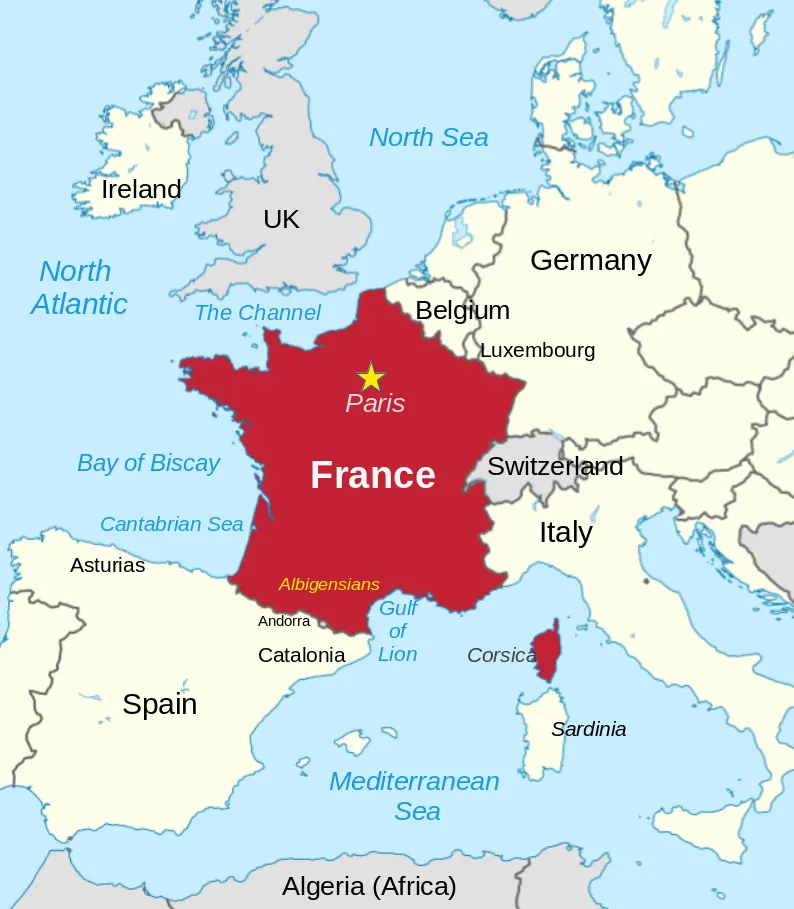
One Week in France by Air: A 7-Day Itinerary from Paris to the Riviera, Provence and the Atlantic
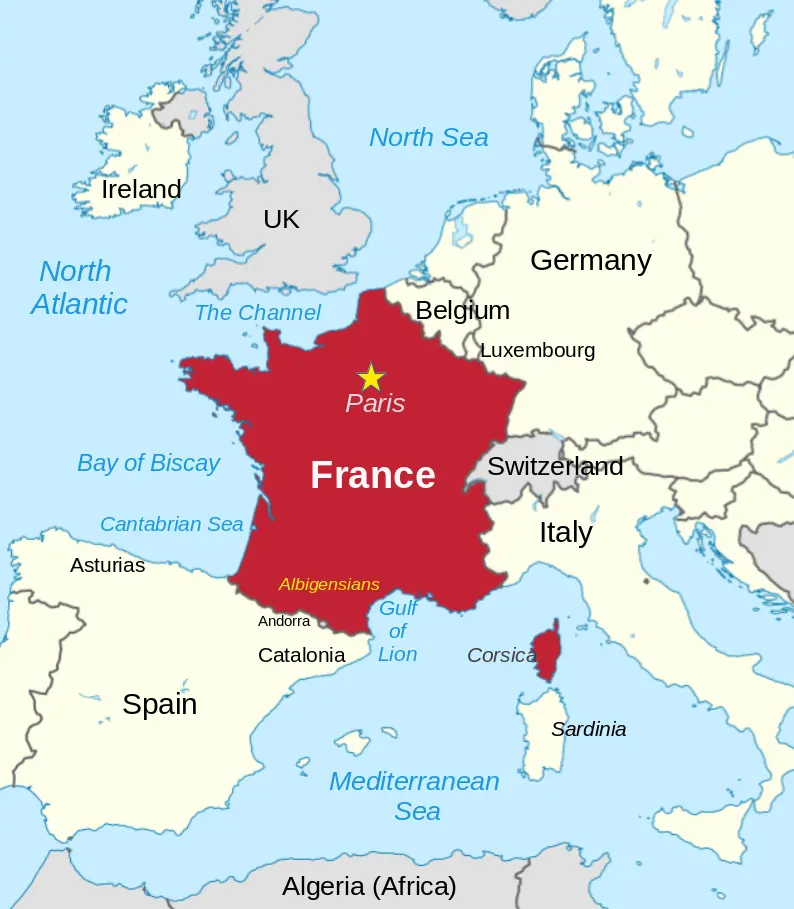
Best Places to Visit in France: Paris, Provence, the Loire and Beyond
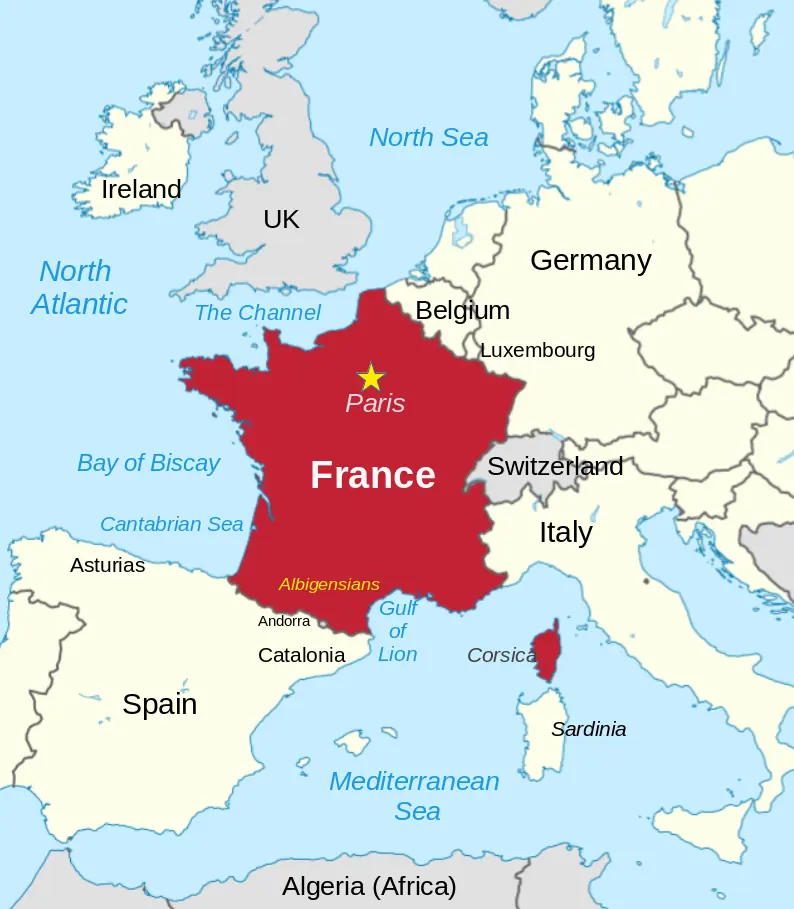
A Tour of France: Food, Culture and Local Experiences Worth Building a Trip Around
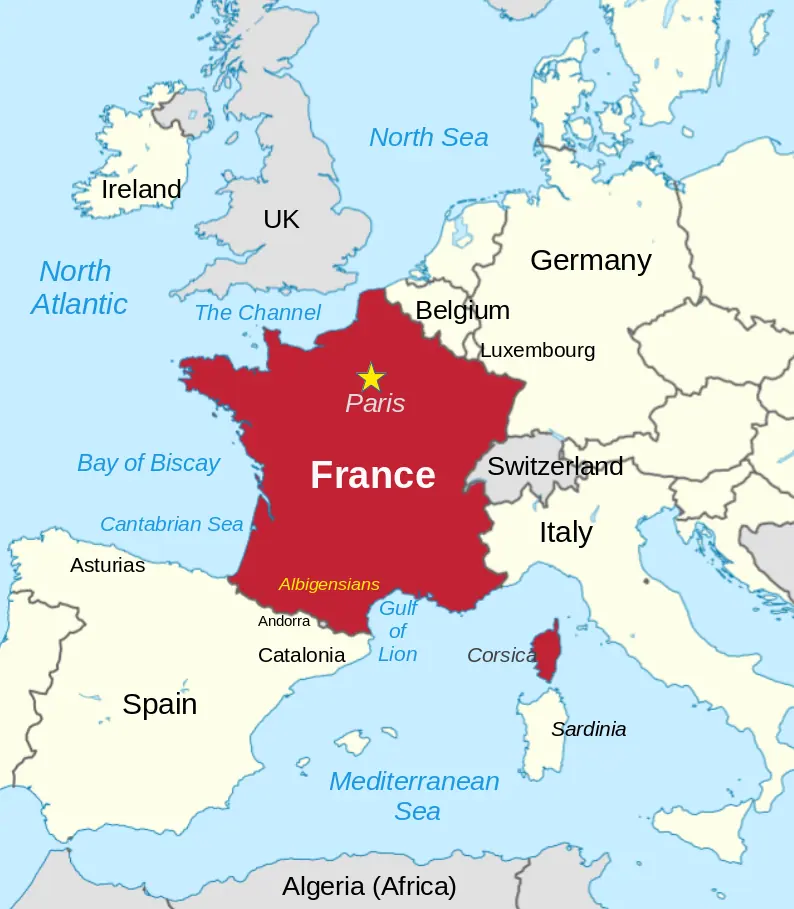
Where to Stay in France: Top Cities, Hotels and Must-See Sights
Where to Stay in Lyon: A First-Timer's Guide to Hotels by Neighbourhood
