France is deceptively large — the distance from the Channel to the Mediterranean is roughly the same as from London to Rome's latitude, and a single week spent entirely on one region means missing the rest. By mixing two or three short domestic hops with trains and a rental car at each end, you can stand under the Eiffel Tower on Monday, swim off the Calanques on Wednesday and watch the sun drop behind the Dune du Pilat on Friday. This is how to stitch those pieces together without spending your holiday in transit.
Days 1–2: Paris, from the Louvre to the Heights of Montmartre
Start where almost every French journey starts. Two days in Paris is tight but workable if you pick a single cluster of sights per half-day. Give your first morning to the Louvre — even a focused four-hour visit will only cover the Denon wing, the Mona Lisa, the Winged Victory of Samothrace and the Egyptian rooms — then walk the Seine to the freshly restored Notre-Dame and the jewel-box stained glass of Sainte-Chapelle on the Île de la Cité. Cross to the Left Bank for the Musée d'Orsay's Impressionist galleries, which occupy a converted Belle Époque railway station, and finish at the Eiffel Tower, preferably on the hour as the lights begin to sparkle after dark.
Day two belongs to the west and the north. Take the RER C suburban line out to Versailles, where the Hall of Mirrors, the royal apartments and the vast formal gardens of André Le Nôtre can easily absorb five or six hours — go on a weekday morning to beat the coach groups. Back in the city, spend the late afternoon climbing the butte of Montmartre past the vineyard and the artists' square of Place du Tertre to the white domes of the Sacré-Cœur, where the steps give you one of the best free panoramas in Europe. Finish with a walk down to the Arc de Triomphe and the Champs-Élysées, or stay on the hill for dinner in a small bistro near Rue des Abbesses.
Practical notes: central Paris is best covered on the metro and on foot, and most national museums close one day a week — the Louvre on Tuesdays, the Musée d'Orsay on Mondays. Pre-booked timed entries to the Eiffel Tower and the Louvre save an hour or more of queueing in high season.

Day 3: Fly South to Nice and the Côte d'Azur
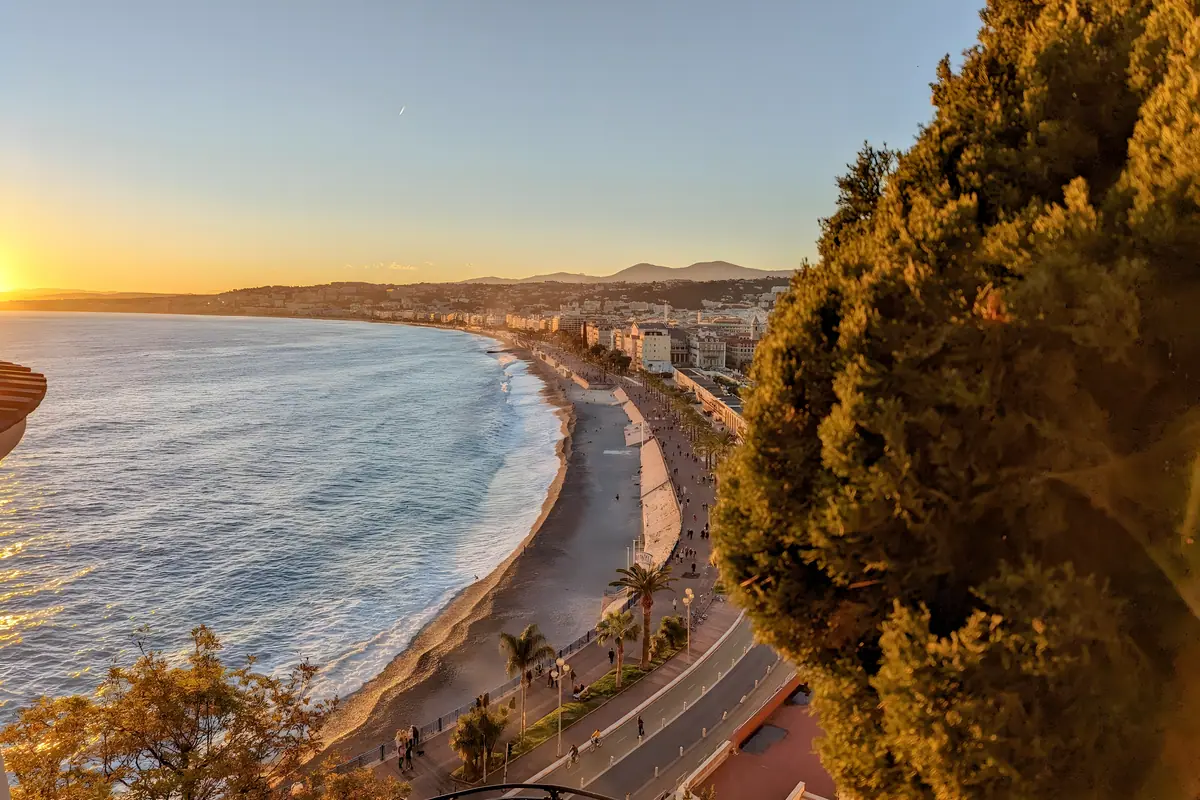
A morning flight of about an hour and twenty minutes puts you on the Mediterranean in time for lunch — the single most valuable hop in this itinerary. From Nice Côte d'Azur airport a tram or a twenty-minute bus ride drops you in the city centre, and the Promenade des Anglais unrolls along a bay so blue it looks retouched. Walk the curve of the promenade toward Castle Hill (Colline du Château), where a free lift and a short climb deliver views over the Baie des Anges, the port and the red roofs of Vieux Nice.
Spend the afternoon in the old town, threading the narrow ochre streets to the Cours Saleya market, which sells flowers and produce in the morning and turns into a dining terrace at night. If you have energy left, the Musée Matisse and the Marc Chagall National Museum are both small enough to enjoy in under two hours. For a taste of the Riviera beyond the city, the cliff-top village of Èze, the bay at Villefranche-sur-Mer and the principality of Monaco are all reachable by a half-hour train ride along the coast.
Best months here are May, June and September, when the sea is warm enough for a swim but the promenade is not shoulder-to-shoulder. July and August bring intense heat and traffic; February rewards visitors with the Lemon Festival in the nearby town of Menton and near-empty museums.
Day 4: Marseille, Provence and the Calanques
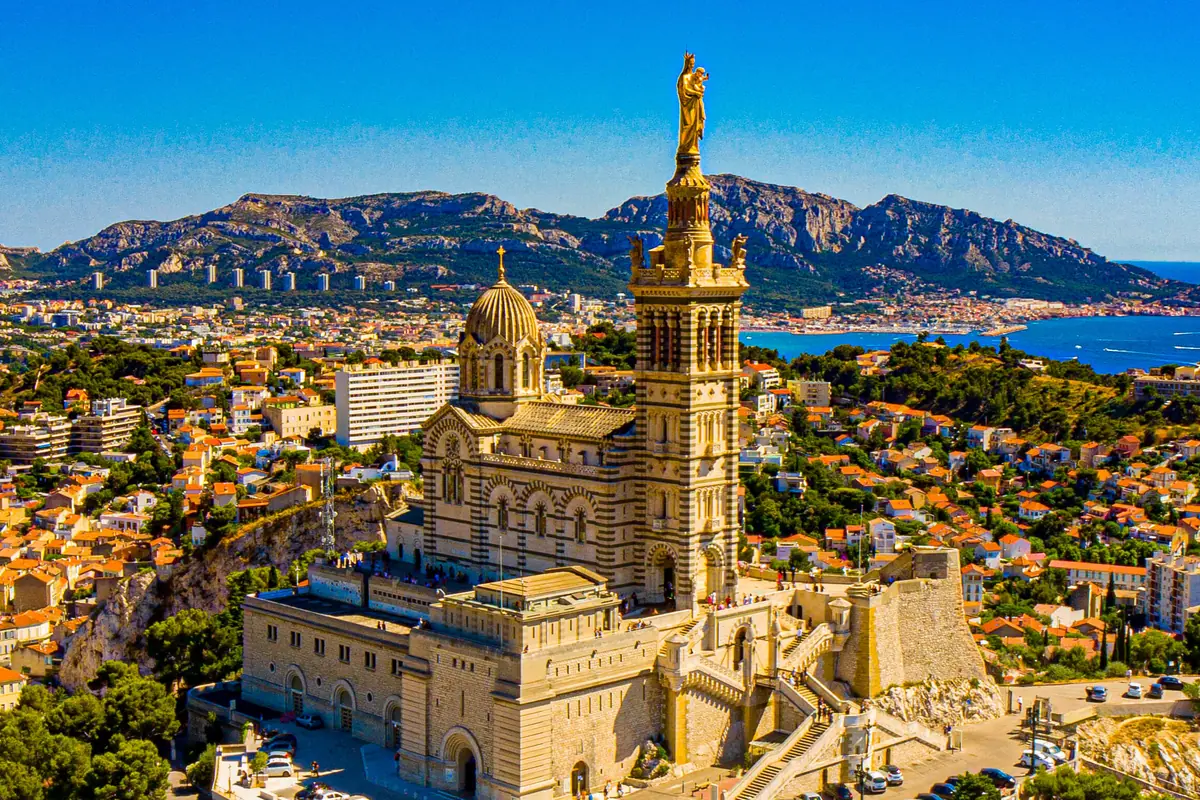
Fly west for roughly thirty-five minutes, or take a two-and-a-half-hour train along the coast, and you land in France's oldest city. Marseille rewards a full day: start at the Vieux-Port, where fishermen still sell the morning catch, then walk or take bus 60 up to Notre-Dame de la Garde, the hilltop basilica whose golden Madonna watches over every ship entering the harbour. The MuCEM, a striking museum at the mouth of the old port, tells the story of Mediterranean civilisations and connects to the 17th-century Fort Saint-Jean by a footbridge.
Provence's headline natural sight lies just south of the city: the Calanques, a chain of limestone fjords between Marseille and Cassis, with the Calanque d'En-Vau and Calanque de Sormiou the most photographed. In summer access is often restricted on fire-risk days, so check locally and go early by boat or on the marked hiking trails. Inland, the lavender fields around the Luberon plateau bloom from mid-June to mid-July, and the Roman Pont du Gard aqueduct and the Palais des Papes in Avignon make a strong half-day loop if you have a car.
Late spring and early autumn are ideal: the mistral wind clears the sky, the trails are open and the sea is still swimmable into October. Carry water on any Calanques walk — shade is scarce and the limestone radiates heat.
Day 5: Fly West to Bordeaux and the Atlantic Coast
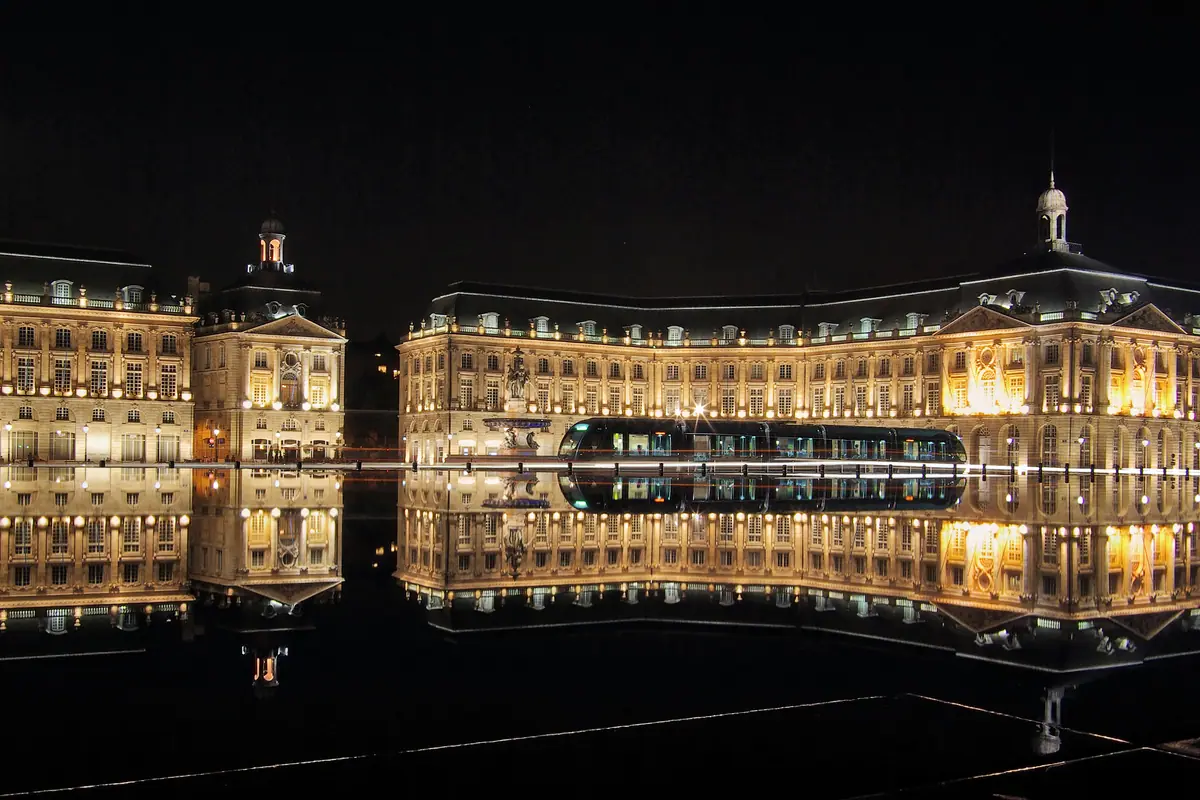
An hour and twenty minutes in the air crosses the whole of southern France and lands you in Bordeaux, a city of pale limestone that was declared a World Heritage site for its sheer coherence. Begin at the water mirror on Place de la Bourse, where a shallow film of water reflects the 18th-century façade and children shriek through it in summer, then walk the quays to the Cité du Vin, an interactive museum devoted to wine culture with a tasting room on the top floor. The Gothic Cathedral of Saint-André and the elegant Triangle d'Or shopping streets fill out an easy afternoon.
The real draw lies an hour west. Take a train or drive to Arcachon and climb the Dune du Pilat, Europe's tallest sand dune at roughly 110 metres, where the view takes in the pine forest of Les Landes on one side and the Atlantic on the other. Wine lovers should instead point the car east to Saint-Émilion, a hilltop village of underground monolithic churches and surrounding grand cru vineyards, or north to the Médoc châteaux along the Route des Vins.
Allow at least three hours for the dune and the beach below it — the climb up the sand is slower than it looks, and the sunsets from the ridge are worth waiting for. September and early October are the sweet spot: the harvest is underway, the light is long and golden, and coastal crowds have thinned.
Days 6–7: Loire Châteaux and Mont Saint-Michel
For the finale, fly or take the high-speed train north toward the Loire Valley, the classic château country. Chambord is the showstopper — a vast Renaissance hunting lodge with a double-helix staircase reputedly sketched by Leonardo da Vinci — while Chenonceau, which arches across the River Cher, and the terraced kitchen gardens of Villandry are the most romantic. Two châteaux in a day is a realistic maximum; each visit takes two to three hours plus travel between them. Base yourself in Amboise or Tours and hire a car, since rural bus services are thin.
If you have a full extra day, drive northwest to Mont Saint-Michel, the tidal island abbey that rises out of a flat bay in Normandy. Check tide tables before you go: at high water the mount becomes an island, and the speed of the incoming tide across the sands is genuinely dramatic. Allow three to four hours on the island for the abbey, the ramparts and the village lanes, and stay overnight nearby if you want to see it lit up after the day-trippers leave.
An alternative final chapter, if you prefer cities to châteaux, is a flight to Strasbourg for the pink sandstone cathedral, the half-timbered lanes of Petite France and the Christmas markets that transform the city from late November. Whichever route you choose, keep the last night near your departure airport — domestic check-in queues in France can be brisk, but a 90-minute buffer on a Friday evening is never wasted.
Frequently asked questions
Should I fly or take the train between French cities?
Flying wins on long north–south legs such as Paris to Nice or Paris to Marseille, where the flight takes about 80 minutes against five to six hours by rail. Trains are better for shorter hops — Paris to Bordeaux in a little over two hours, or Marseille to Nice in two and a half — because they run city centre to city centre and need no airport transfer or check-in time. A sensible mix is two or three flights and trains for everything else.
What is the best time of year for this itinerary?
Late May, June and September are the strongest months overall: long daylight, warm sea in the south, lavender in Provence from mid-June, and the grape harvest in Bordeaux from September. July and August are hot, crowded and expensive, particularly on the Côte d'Azur, and many small shops and restaurants close for the holidays. Winter suits city breaks — Paris, Strasbourg and Lyon — but the Calanques and coastal swimming are off the table.
How far ahead should I book domestic flights?
Roughly four to eight weeks ahead is the sweet spot for French domestic routes, when fares are still reasonable but schedules are stable. Fares rise steeply in the last fortnight and around school holidays, and the cheapest seats on popular morning departures sell out first. Booking the first and last flights of the day is usually the most economical choice if your schedule allows it.
Can I do this route without hiring a car?
Yes, for the cities. Paris, Nice, Marseille and Bordeaux are all easily managed on public transport, and regional trains link the coast and the vineyards. A car becomes genuinely useful for the Calanques trailheads, the Loire châteaux, the Médoc wine route and Mont Saint-Michel, so consider hiring one for two or three days rather than the whole week, and pick it up and drop it off at the same place to avoid one-way fees.
How much luggage can I take on short domestic flights?
Budget carriers flying within France typically include only one small personal item in the base fare, with cabin bags and checked hold luggage charged separately and more expensive if added at the airport. Weigh and measure your bag at home, and if you are combining flights with trains, remember that rail has no weight limit and no liquid restrictions — handy if you plan to bring wine home from Bordeaux.
Sort the rest of your trip
Everything for France, in one place
Stay in France
Hotels, guesthouses and apartments — compared in one search.
Search hotels
Transfer in France
Private driver waiting on arrival — no queues, no surprises.
Book a transfer
Travel insurance
Medical cover, delays and lost baggage — sorted before you go.
Get coveredMore guides in France
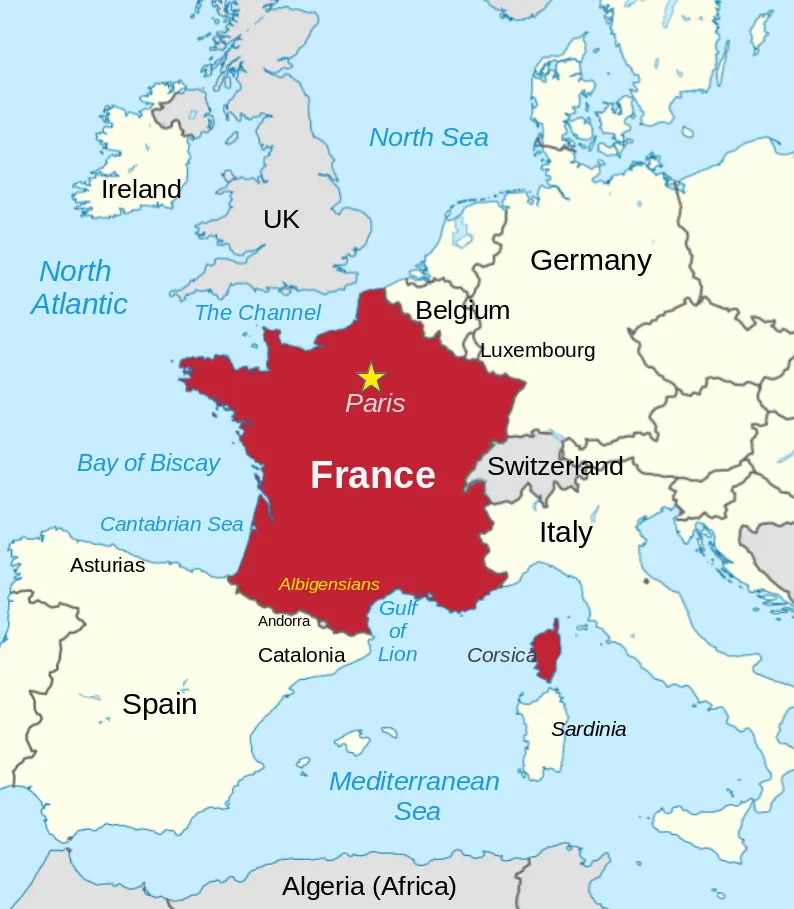
Top Things to Do in France: Landmarks and Experiences Worth Building a Trip Around
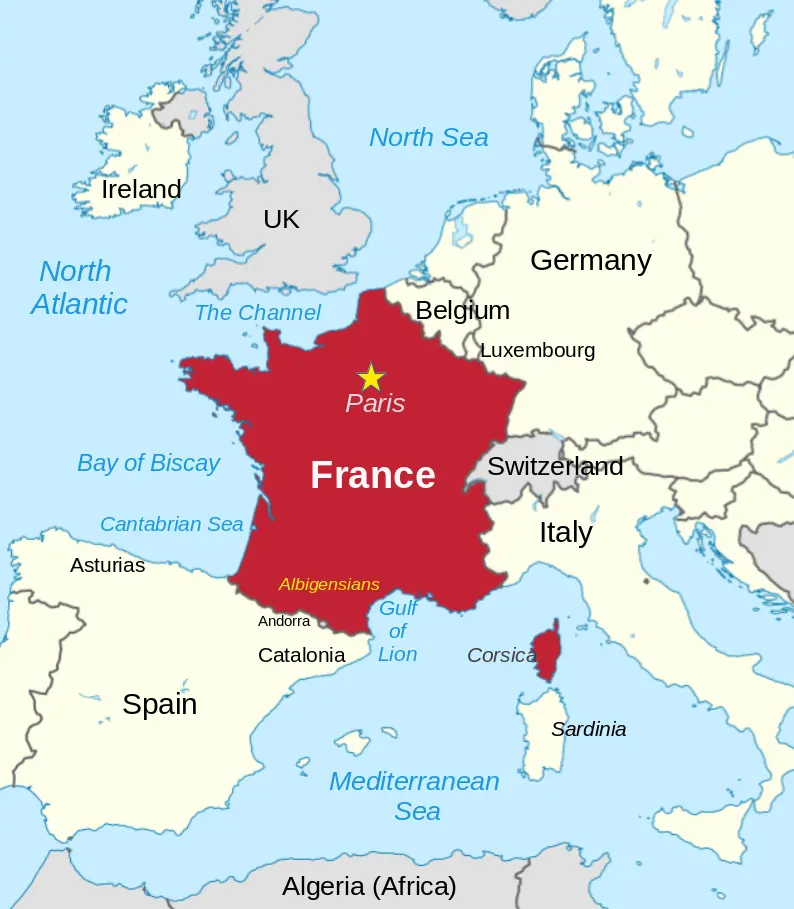
Best Places to Visit in France: Paris, Provence, the Loire and Beyond
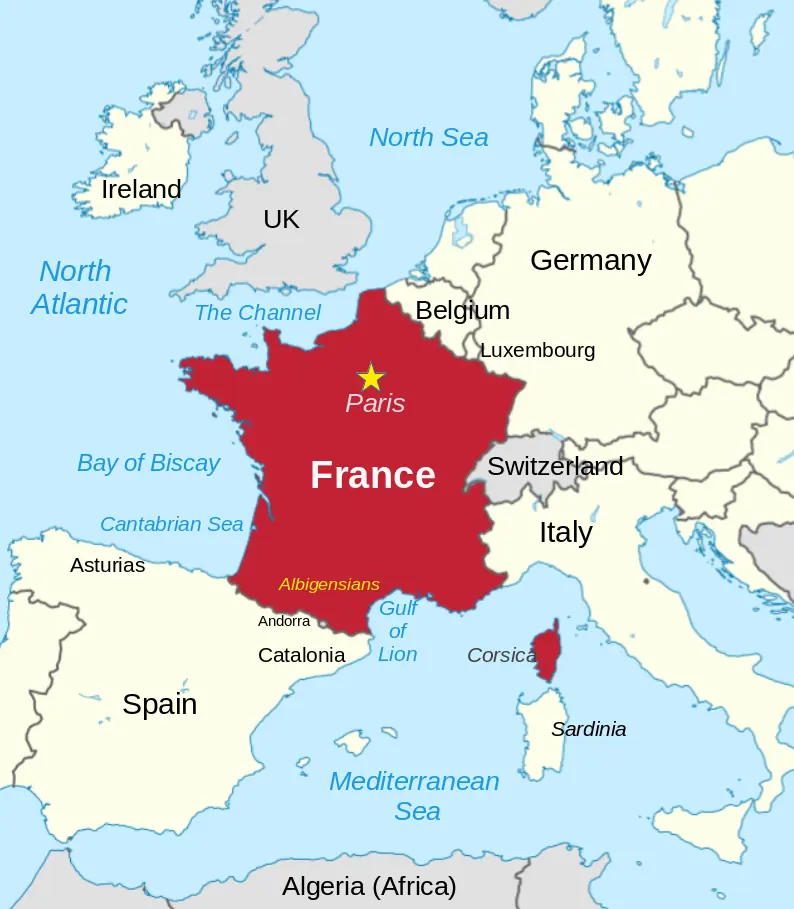
A Tour of France: Food, Culture and Local Experiences Worth Building a Trip Around
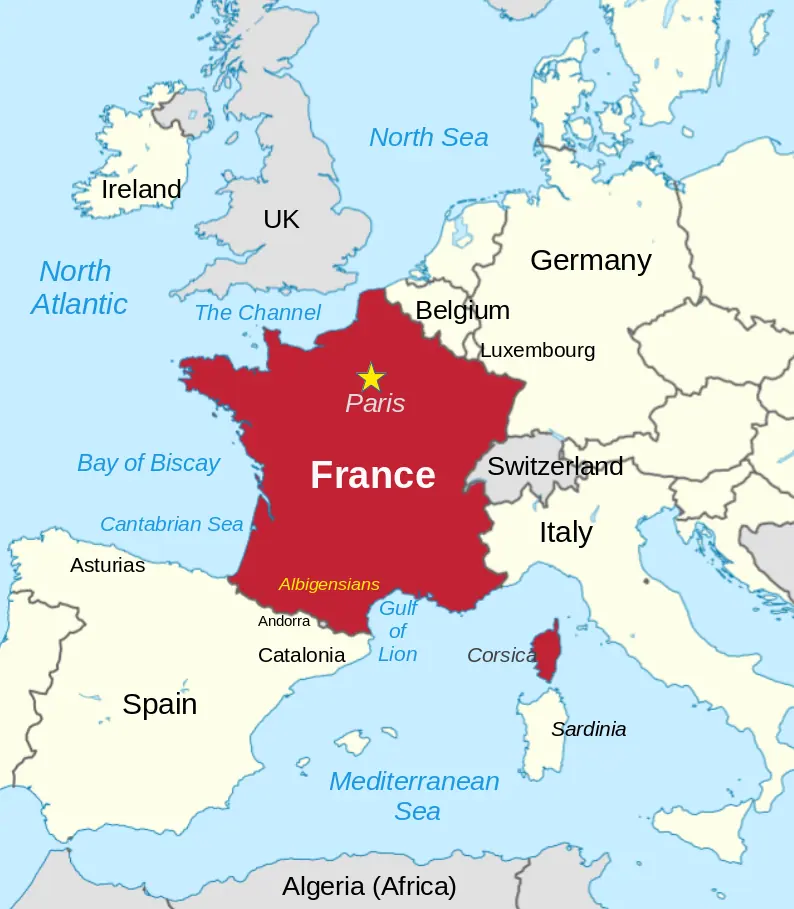
Where to Stay in France: Top Cities, Hotels and Must-See Sights
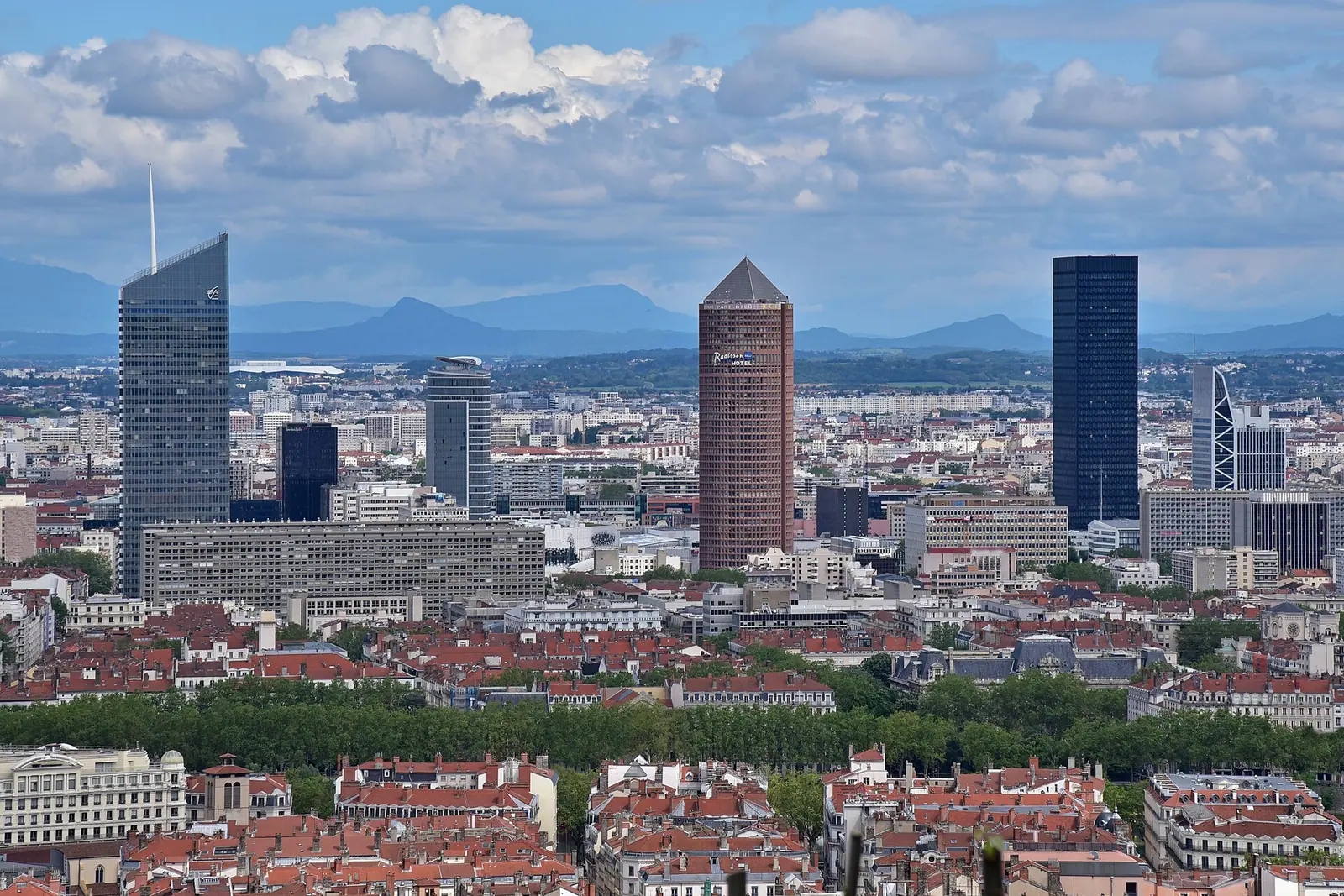
Where to Stay in Lyon: A First-Timer's Guide to Hotels by Neighbourhood
