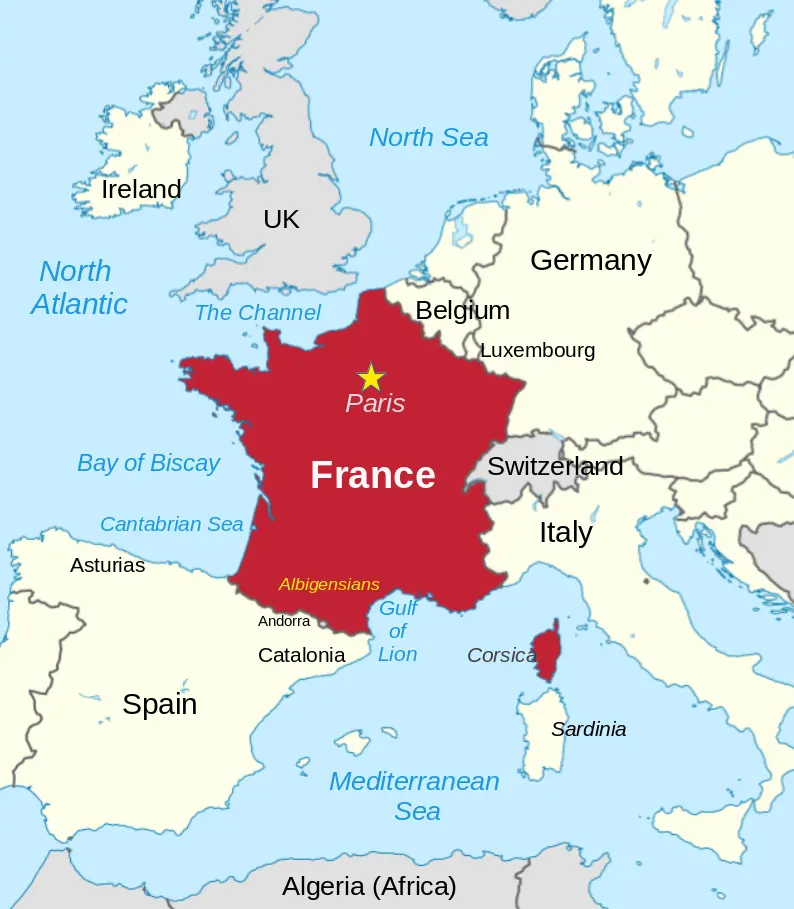
France is not one destination but a dozen, stitched together by high-speed rail, village markets and the daily ritual of a long lunch. The trick is to stop treating it as a checklist and tour it the way the French do — region by region, season by season, with a fork in one hand.
Paris: Where a Tour of France Begins
Almost every itinerary starts in the capital, and the city earns the habit. The Eiffel Tower still delivers its jolt from the Trocadéro esplanade at dusk; the Louvre holds the Mona Lisa, the Winged Victory of Samothrace and tens of thousands of other works; the Musée d'Orsay turns a Belle Époque railway station into the finest impressionist collection anywhere. Notre-Dame has returned to full voice after its restoration, Sainte-Chapelle's upper chapel glows with 13th-century glass, and the Sacré-Cœur watches over Montmartre, the most village-like quarter in the city. Give Paris three or four days, reserve the big museums in advance, and walk the seams between arrondissements rather than riding beneath them.
Eating well here is mostly a matter of timing and geography. Lunch is when bistrots hand out their plat du jour and chalkboard menus at their most generous; dinner rarely gets going before 19:30. Shop along rue Mouffetard, rue Cler or the Marché d'Aligre for baguette tradition, raw-milk cheese and stone fruit, and seek out the small natural-wine bars along Canal Saint-Martin. Two phrases carry you a long way — bonjour on entering any shop, l'addition s'il vous plaît when you want the bill. Many family-run places close for the final two weeks of August, so check ahead if you travel late in the summer.
Versailles, Giverny and the Art of the Day Trip
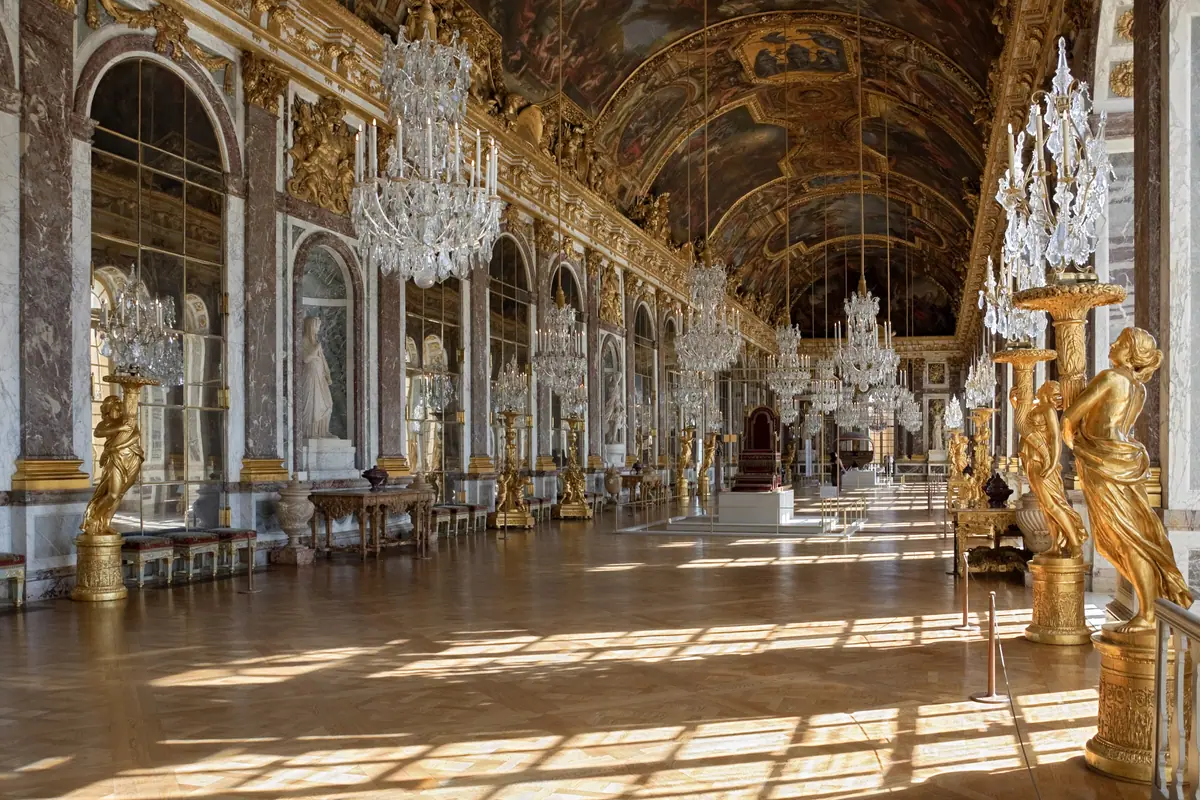
The Palace of Versailles is the grandest excursion in Europe: the Hall of Mirrors, the King's Grand Apartments, Le Nôtre's geometry stretched to the horizon, the Grand Trianon and Marie-Antoinette's thatched hamlet. Musical fountain shows animate the gardens on weekends from spring into early autumn. Arrive at opening on a weekday rather than a Saturday, book a timed entry, and budget a full day — the estate is roughly forty minutes from central Paris by train, and the walk from the gates out to the Trianons alone swallows an hour.
Giverny is the quieter counterpoint. Monet's pink-walled house and the water-lily pond with its Japanese bridge look uncannily like the paintings, especially through late May and June when the roses and irises peak. Go on a weekday morning; by noon the narrow paths are shoulder to shoulder. Round out the wider region with Auvers-sur-Oise, where Van Gogh spent his last months, the palace and forest of Fontainebleau, or Chantilly, whose princely art collection and whipped cream both justify the train ride.
Bordeaux, the Loire and Burgundy: France's Wine Roads
Begin in Bordeaux itself, where 18th-century facades face the Garonne across the shallow mirror of the Miroir d'Eau, and the Cité du Vin explains the region's trade with more imagination than a standard cellar tour. Saint-Émilion, a hilltop knot of limestone lanes above an underground monolithic church, sits in the middle of the vineyards. September and October bring harvest and low golden light; many estates require appointments booked weeks ahead, and the classified châteaux of the Médoc are easiest to visit midweek.
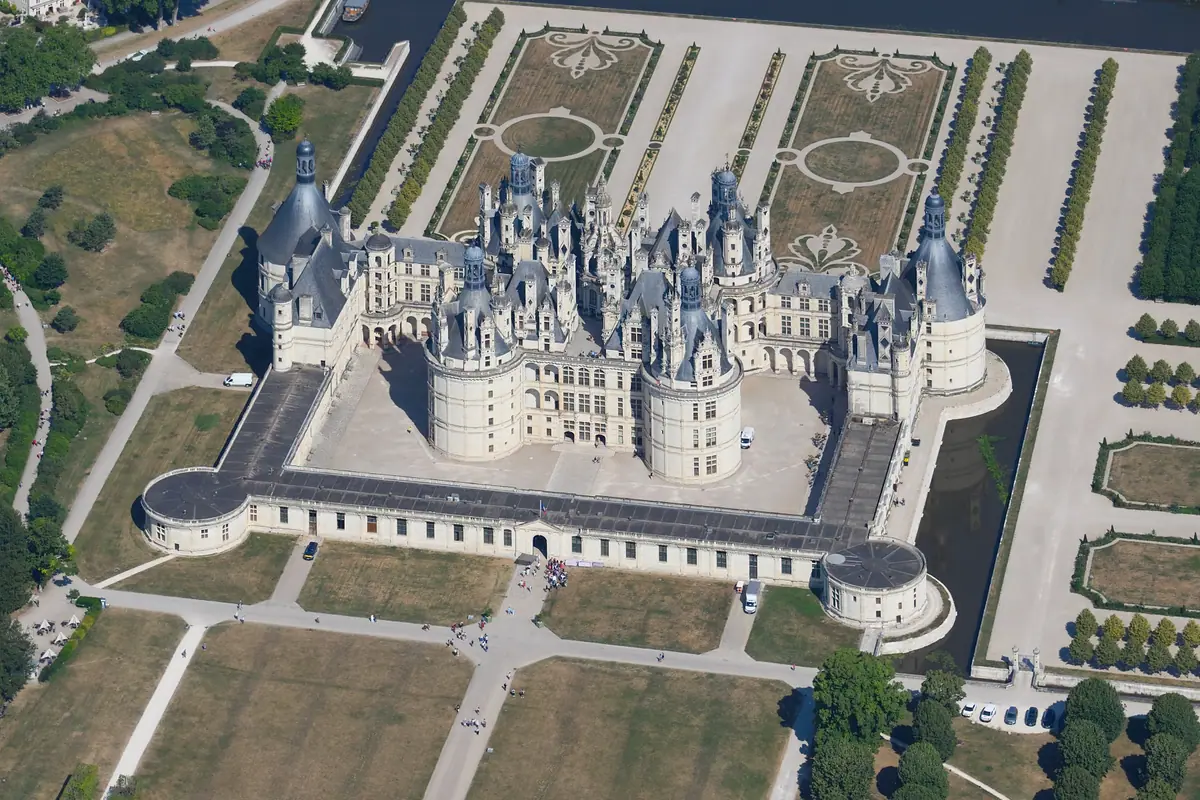
In the Loire Valley the châteaux do the talking: Chambord with its double-helix staircase and skyline of chimneys, Chenonceau arching over the Cher, Villandry's geometric kitchen gardens, and Amboise, where Leonardo da Vinci spent his final years at Clos Lucé. Base in Tours, Blois or Amboise, add a car or a bicycle, and allow three days. Cool Chinon reds and Vouvray whites taste best at small family domaines rather than polished tasting rooms.
Burgundy compresses the same pleasures onto a narrower map. Beaune's Hospices with its polychrome roof, the Route des Grands Crus threading through Gevrey-Chambertin and Vosne-Romanée, and Dijon's Palais des Ducs and mustard shops make an easy two- or three-day loop. Cellars in the Côte de Nuits open by appointment, and the November auction weekend fills every hotel in Beaune months in advance.
Lyon, Alsace and the Gastronomic East
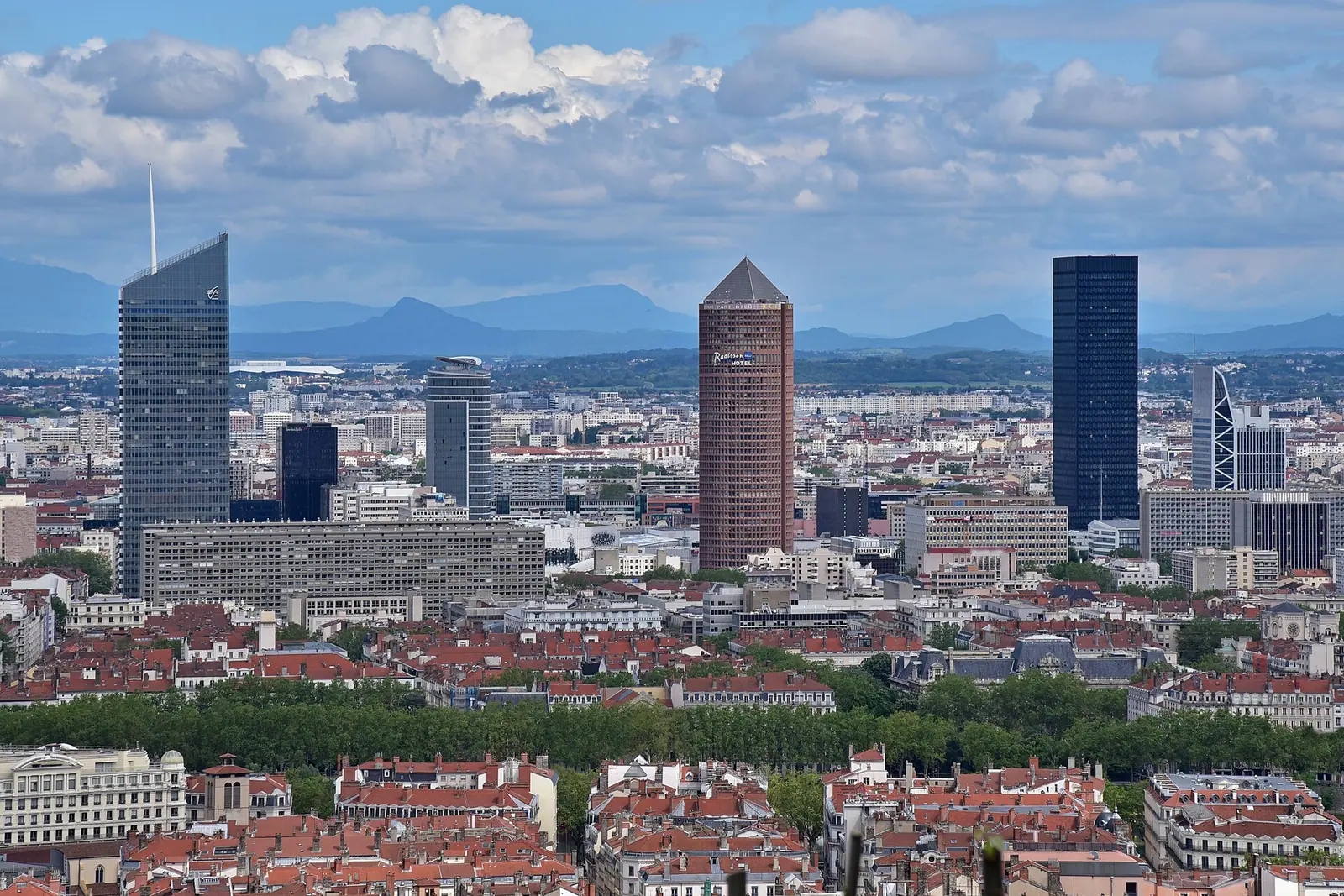
Lyon calls itself the gastronomic capital of France and backs it up daily. Wander the traboules — hidden passageways threading through Vieux Lyon — climb to the Basilica of Notre-Dame de Fourvière for the city's best view, then shop the Croix-Rousse market or the grand covered halls of the Presqu'île. In a traditional bouchon, order quenelles in cream sauce, salade lyonnaise and a plate of pink pralines, and expect a tableside argument about which neighbourhood does it best.
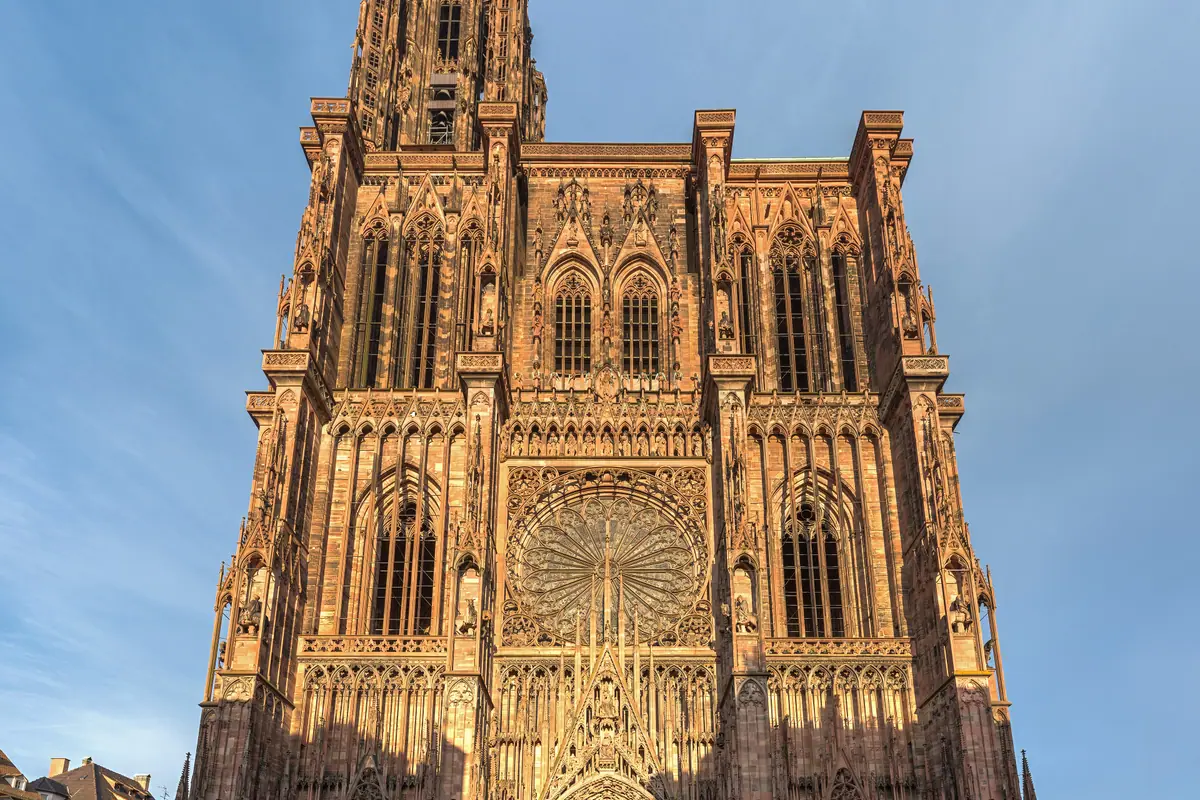
Alsace looks and tastes like nowhere else in the country. Strasbourg Cathedral's single pink spire dominates the old town, while the canals of Petite France and Colmar's Little Venice sit among half-timbered houses painted in wine-gum colours. The Route des Vins links Riquewihr, Eguisheim and Kaysersberg through riesling and gewurztraminer vineyards; choucroute, kougelhopf and munster cheese are the local constants. May, June and September are the sweet spots — December brings the famous Christmas markets, along with serious crowds and cold, so book rooms by early autumn.
Provence and the Côte d'Azur: Markets, Lavender and Roman Stone
Provence rewards slow driving. Avignon's Palais des Papes anchors a walled city of theatre and cafés; the Pont du Gard carries a Roman aqueduct three tiers high above the river; Arles and Nîmes keep amphitheatres you can still walk into. Les Baux-de-Provence perches on a rocky spur, and further west the ramparts of Carcassonne make a full medieval city. Lavender blooms from mid-June to mid-July on the Valensole plateau and around Sault — outside that window you get green fields, which is fine, but not what most people picture.
On the coast, Nice is the most rewarding base: the Cours Saleya market for flowers, olives and socca, the Promenade des Anglais for a sunset walk, and the Matisse and Chagall museums for rainy afternoons. Marseille offers the Vieux-Port, the pilgrimage church of Notre-Dame de la Garde and boat trips into the Calanques near Cassis. Eat bouillabaisse where it's actually from, along with pissaladière, tapenade, olive oil and very cold rosé. Markets start early and many stalls pack up by one o'clock, so set an alarm.
Normandy, Brittany and Mont Saint-Michel
Mont Saint-Michel is the image most travellers carry home: an abbey stacked on a tidal island, cut off twice a day by one of Europe's fastest-moving tides. Stay overnight on the island or just off it and you get the place nearly to yourself at dawn, when day-trippers are still on the road. Allow two days in the bay and pair it with the Bayeux Tapestry, the D-Day landing beaches and the memorial at Colleville-sur-Mer, and Rouen's cathedral, painted by Monet in a famous series.
Normandy's table is built on cream and apples — camembert, cider, Calvados, crêpes and grilled seafood in Honfleur's harbour. The chalk needle of Étretat and the half-timbered lanes of Honfleur both deserve half a day each. Cross into Brittany for the ramparts of Saint-Malo, the standing stones of Carnac, the old town of Quimper and oysters straight off the boats at Cancale. The weather shifts fast even in July; pack a windproof layer and treat rain as an excuse for another galette.
Frequently asked questions
How many days do you need for a tour of France?
Ten to fourteen days is the realistic minimum for a first trip. Paris alone deserves three or four days, then pick two or three regions rather than racing the whole map: one week per region gives you markets, a long lunch and at least one proper day trip. Three weeks lets you link Paris, the Loire, Provence and Normandy without spending your holiday in transit.
When is the best time to visit France?
Late April to June and September to October are the sweet spots almost everywhere — mild weather, open businesses, fewer crowds. July and August are hot in the south and packed on the coast, and some city restaurants close in August. Lavender peaks from mid-June to mid-July in Provence, wine harvest runs through September and October, and Alsace's Christmas markets take over late November and December.
Can you tour France without a car?
Yes, for most classic itineraries. High-speed trains link Paris with Lyon, Marseille, Bordeaux, Strasbourg and beyond, and regional lines reach Avignon, Beaune, Colmar, Bayeux and Tours. A car only becomes essential for the Loire châteaux, Provençal lavender roads and rural Normandy. Where you do drive, expect tolls on the motorways, narrow village streets, and everything shutting for two hours at lunchtime.
What are the must-see landmarks on a first visit?
The Eiffel Tower, the Louvre and Montmartre's Sacré-Cœur in Paris; the Palace of Versailles; Mont Saint-Michel; the Pont du Gard and Avignon's Palais des Papes in Provence; the châteaux of Chambord and Chenonceau; Strasbourg Cathedral; and the medieval walls of Carcassonne. Mixing two or three of these with a local market day will tell you more about the country than a rush through all of them.
What should I know about food markets and local etiquette?
Markets run early, so arrive before ten in the morning and bring cash for small stalls. Always say bonjour when entering a shop or market stand, and au revoir on leaving — it's expected, not optional. Lunch is the value meal in most bistrots, the bill only arrives when you ask for l'addition, and tipping is a small rounding-up rather than a percentage. Trying your French, even badly, changes the entire tone of the exchange.
Sort the rest of your trip
Everything for France, in one place
Stay in France
Hotels, guesthouses and apartments — compared in one search.
Search hotels
Transfer in France
Private driver waiting on arrival — no queues, no surprises.
Book a transfer
Stay online in France
Travel eSIM — data the moment you land, no roaming bills.
Get an eSIM