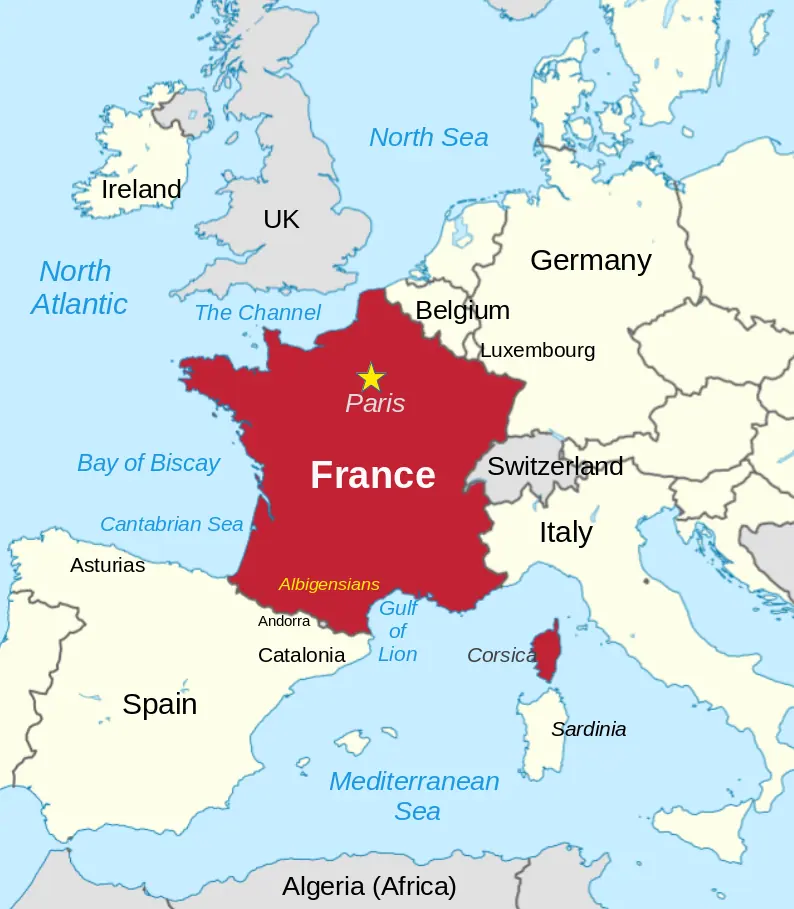
Lyon rewards the traveller who picks an address as carefully as they pick a bouchon. The city is split by two rivers and lifted by two hills, and where you sleep decides whether your days start with a tram ride or a five-minute stroll to a Renaissance courtyard. Get the neighbourhood right and the rest of Lyon unfolds easily.
Two Rivers, Two Hills: Getting Your Bearings Before You Book
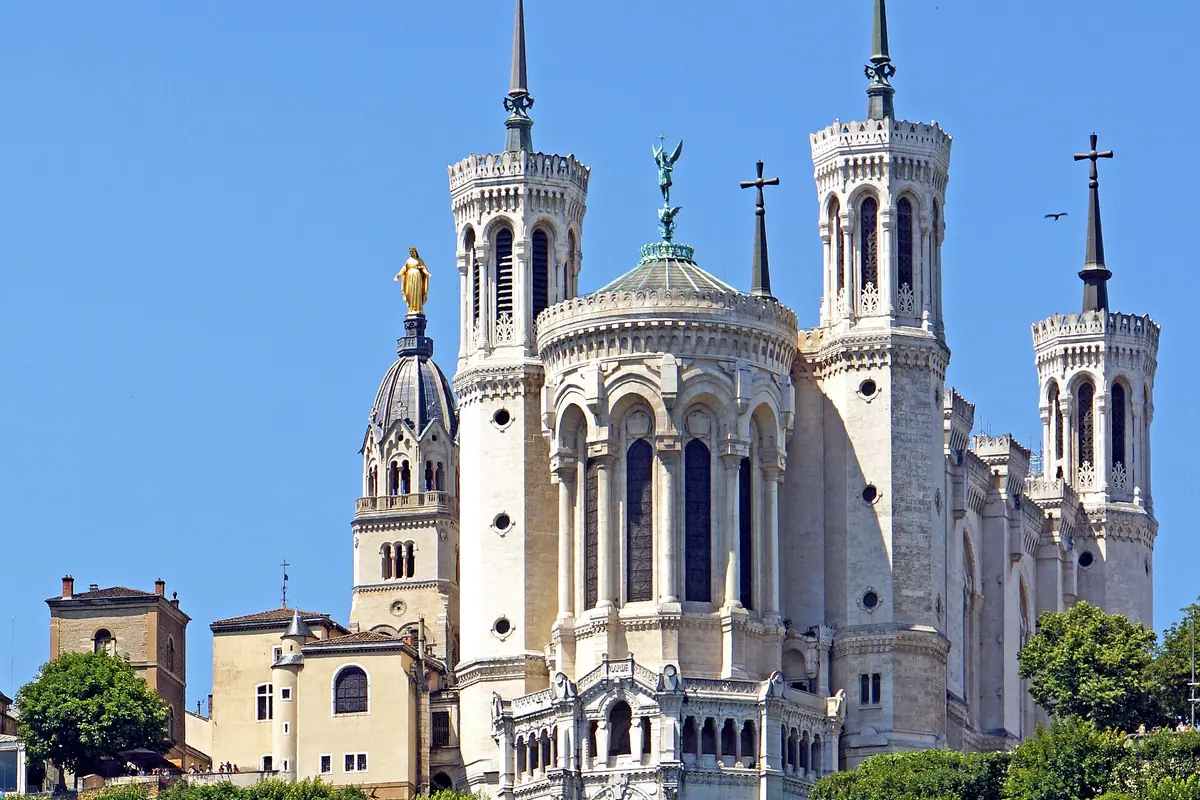
Lyon sits at the meeting point of the Saône and the Rhône, which braid around a long, narrow peninsula known simply as the Presqu'île. Almost everything a first-time visitor wants — the grand square at Bellecour, the shopping streets, the museum quarter around Terreaux, the riverbank promenades — is on or within a short walk of that peninsula. West of the Saône rises Fourvière, crowned by its basilica, with the Renaissance lanes of Vieux Lyon clinging to the slope below. East of the Rhône, the city flattens out into the business towers and leafy boulevards of the newer districts.
The practical upshot: choose a hotel on the Presqu'île and you can walk to most of the headline sights; choose one on a hill or in an outer district and you will lean on the metro, which is fast, cheap and unusually good for a city of this size. Four metro lines plus two funiculars stitch the whole place together, and no journey between the centre and the outskirts takes much more than fifteen minutes. What changes dramatically between neighbourhoods is atmosphere: tourist-busy, locally residential, quietly grand or purely functional.
First-timers also underestimate scale. Central Lyon is compact enough that two nights in the wrong district is a real waste, but spread out enough that you should not imagine walking from a suburban hotel to dinner. Look at the address on a map, find the nearest metro stop, and count the stations to Bellecour or Hôtel de Ville before you commit.
Presqu'île: The Central, Do-Everything Base
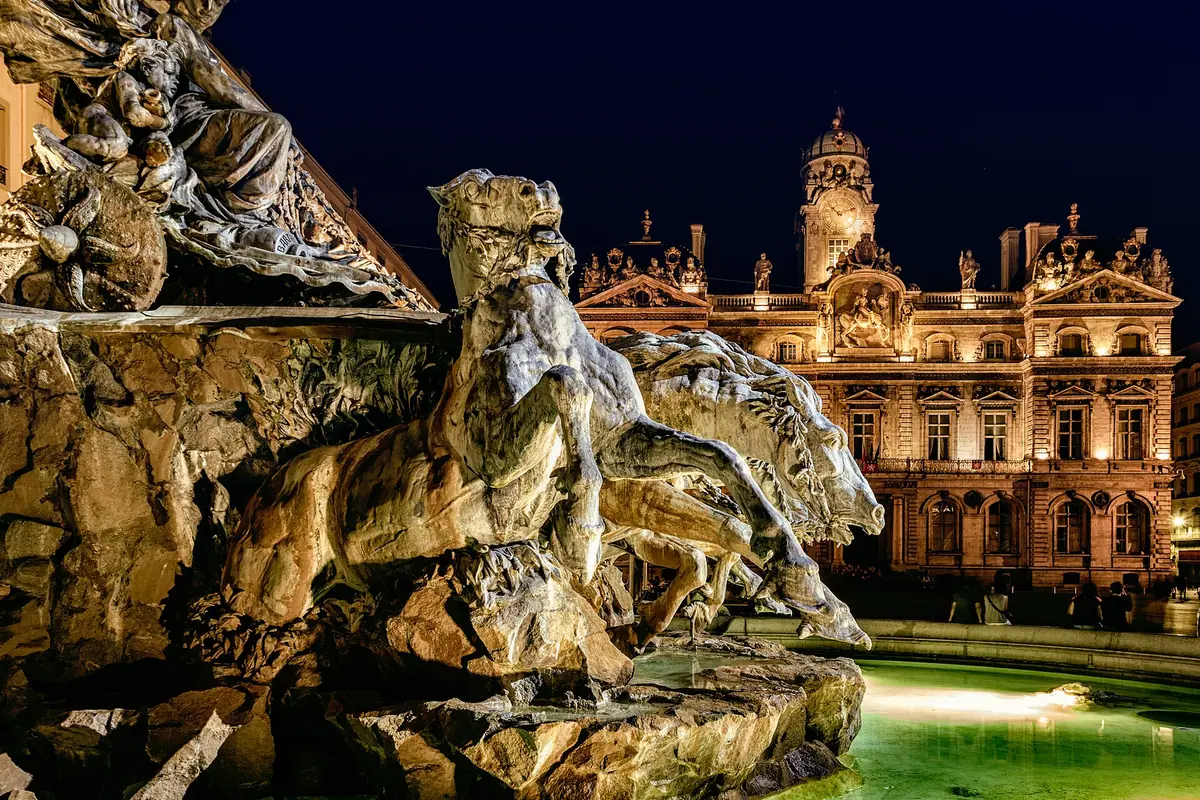
The peninsula between the two rivers is where most first-time visitors should land. Around Bellecour you get broad, elegant squares, the city's main tourist office and immediate access to Vieux Lyon across the river — a ten-minute walk over the bridge and you are in the middle of the old town. North of that, the Cordeliers and Terreaux area puts you beside the opera house, the fine arts museum and the pedestrian shopping arteries of rue de la République and rue Victor Hugo, with the hill of Croix-Rousse visible at the end of the street.
Hotels here range from grand nineteenth-century buildings with high ceilings and wrought-iron balconies to modern, compact rooms tucked above cafés. Evening life is concentrated in a few streets thick with restaurants — rue Mercière and the lanes around rue des Marronniers are the classic hunting grounds, though locals will nudge you towards the streets behind the place des Terreaux or across to Vieux Lyon for anything more serious. You pay for the convenience, both in rates and in noise: rooms facing a square or a restaurant row can be lively until well after midnight, so ask for an interior or courtyard-facing room if you sleep lightly.
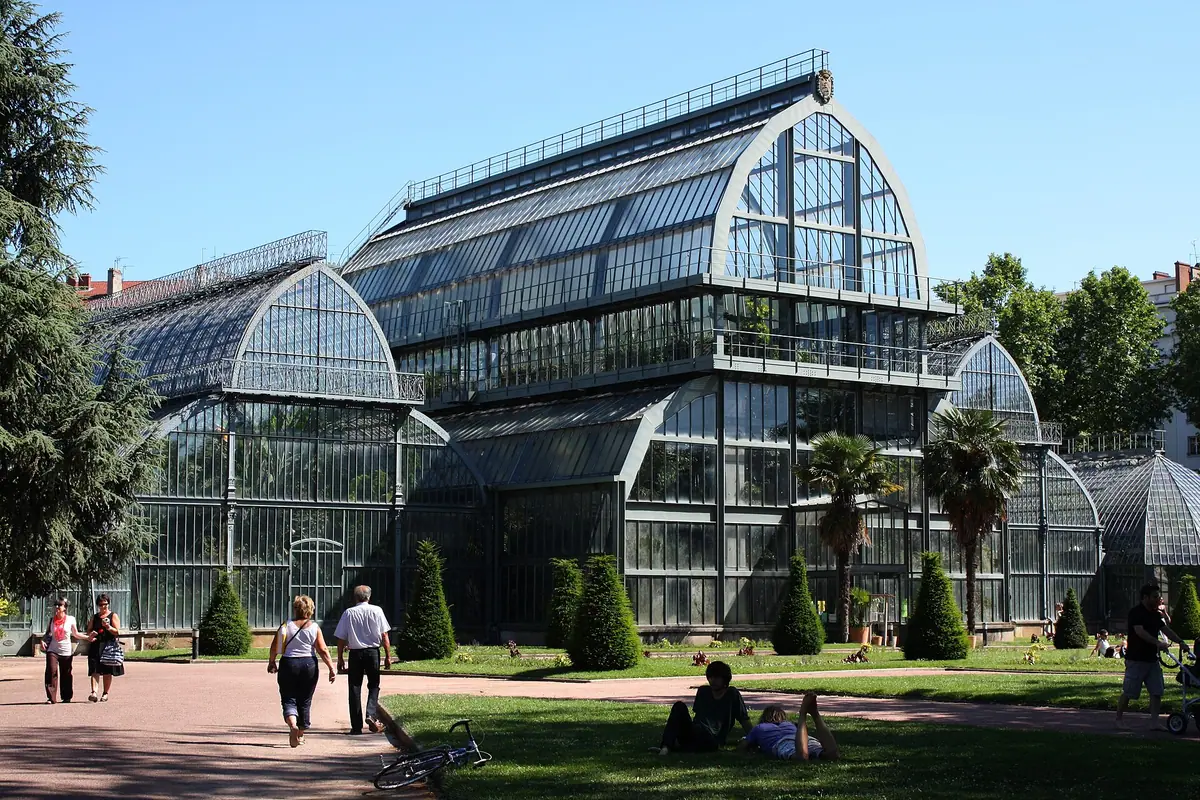
Distances really do collapse here. From a Bellecour hotel you can walk to Vieux Lyon, the confluence of the rivers, the big indoor market in the business district, and the botanic garden in the Parc de la Tête d'Or — that last one a pleasant forty-minute stroll up the Rhône. This is also the best base if you are in town for a weekend and refuse to spend it underground.
Vieux Lyon and Fourvière: Renaissance Stone and Hilltop Calm
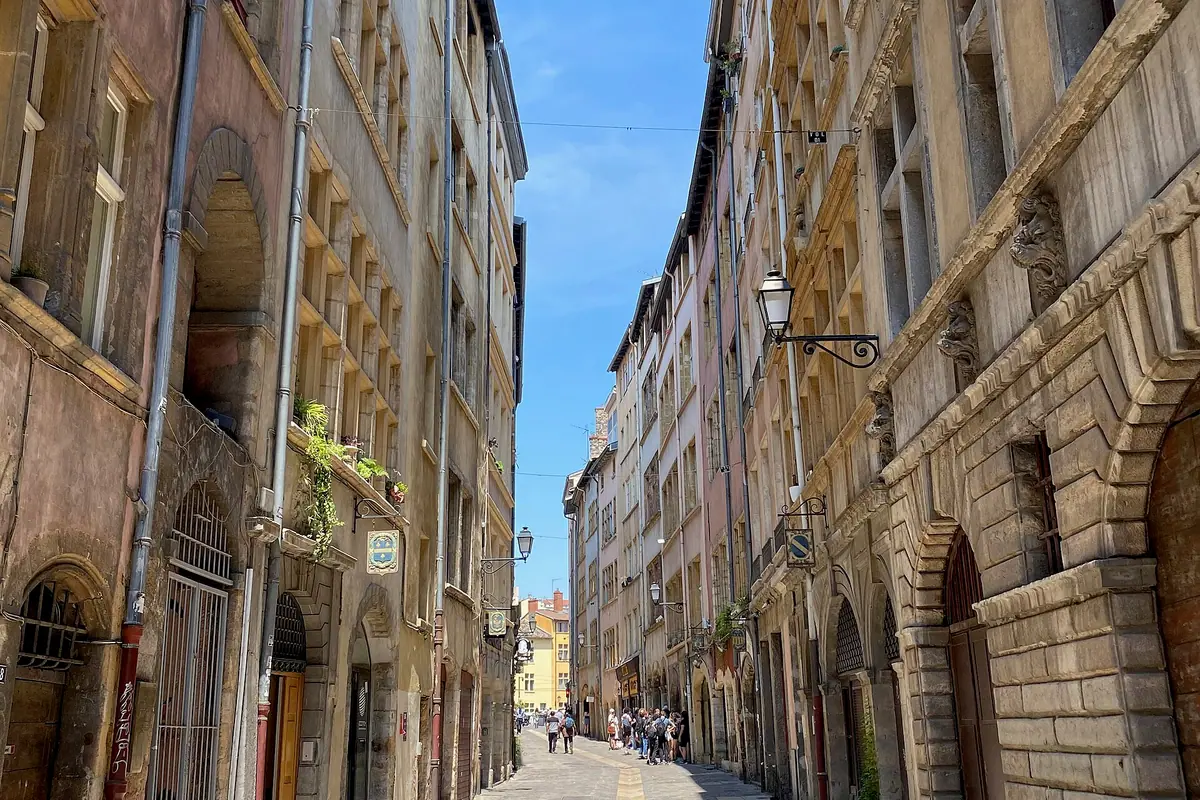
Vieux Lyon is the largest surviving Renaissance quarter in the country, a knot of ochre and pink buildings, hidden passageways and candlelit courtyards running along the right bank of the Saône. Staying here means stepping out of your door into cobbled lanes, the Gothic cathedral of Saint-Jean, and the funicular that climbs to the basilica of Fourvière in a few minutes. Many buildings have been converted into small independent hotels and apartment-style rooms, often with original beams, vaulted stone and windows looking over tiled roofs.
The trade-off is twofold. Daytime crowds pour through the two main streets, so a ground-floor room facing rue Saint-Jean will be anything but serene between late morning and early evening. And the district quiets down at night in a way that is charming on a Monday and slightly limiting if you want a late dinner or a nightcap near your bed. Ask about heating and air conditioning especially carefully here — thick stone walls keep things cool in July but some converted buildings have no cooling at all, and winter damp can make an underheated room feel colder than the outside temperature suggests.
Fourvière itself, up on the hill, offers quieter, view-driven stays with a real sense of separation from the city, reached by funicular or a steep walk. It suits travellers with a car or those who plan to spend their evenings in the old town anyway. Be aware that the last funicular runs relatively early, and the walk back up the montée is genuinely steep — beautiful, but not something you want to do in heels at midnight.
Croix-Rousse and the Brotteaux: Living Like a Local
Croix-Rousse, on the hill north of the centre, was built by silk weavers and still feels like a village with its own rhythm. The long boulevard is the spine: a market runs along it most mornings, the cafés fill with regulars, and the tall-ceilinged apartments above were designed to hold looms — which is why the rooms are airy and the windows enormous. Metro line C, a cog railway that hauls you up the slope, connects the district to the Hôtel de Ville end of the Presqu'île in a few minutes. Staying here is the best choice if you want local bakeries, small wine bars and a real neighbourhood rather than a tourist stage set.
The catch is the hills. Croix-Rousse is full of stepped passages and steep lanes, which is delightful on foot and tiring with luggage; check exactly how far your hotel is from a metro exit and whether the walk involves stairs. Evenings are quiet and family-oriented, and some bars and restaurants close on Sundays and Mondays.
Across the river on the eastern side of the Presqu'île, the Brotteaux and the streets around the Parc de la Tête d'Or offer a calmer, more residential kind of grandeur. This is where you find leafy boulevards, the city's botanic garden and lake, and a stretch of serious restaurants that locals rate highly. It is a fifteen-minute walk or a couple of metro stops from the centre, and it works very well for families and for anyone who values a quiet night over proximity to the crowds.
Part-Dieu, Perrache and Confluence: Practical and Well Connected
The business district of Part-Dieu, east of the Rhône, is not pretty — it is a cluster of towers, offices, a large shopping centre and the city's main railway station. What it is, undeniably, is convenient. High-speed trains from Paris arrive here in around two hours, an express tram links the airport to the area in under half an hour, and hotels are plentiful, modern and geared toward efficiency, with reliable air conditioning, lifts and 24-hour receptions. If you have an early train, a single night between connections, or a work trip, this is the sensible answer, and the centre is only a few metro stops away.
Perrache, at the southern tip of the Presqu'île, is a similar proposition for regional trains and buses, with cheaper hotel stock and a grittier feel. It puts you within walking distance of the confluence district, where the two rivers finally meet and the striking modern museum on the point sits beside new riverside architecture and riverside paths. Rooms here cost less than in the heart of the peninsula, and the tram and metro give you quick access to everything else.
For longer stays, serviced apartments and aparthotel-style properties cluster around both stations and in the newer eastern districts. They make sense if you want a kitchen and laundry, or if you are travelling as a family and cannot face restaurant bills three times a day. Just be honest about how much you value walking out into old stone streets versus saving money and taking a tram.
Booking Smart: Room Sizes, Air Conditioning, Seasons and City Tax
French hotel rooms are generally smaller than travellers from North America or Australia expect, and Lyon is no exception — a "superior" double may be twenty square metres, and a budget single can feel like a well-designed cupboard. Read the square-metre figure rather than the photographs, and if space matters, look at converted apartments in Croix-Rousse or Vieux Lyon. Air conditioning is far from universal in older buildings and in some small independent properties; during a July or August heatwave, when temperatures can push past 35°C, that single detail will decide whether you sleep. Confirm it in writing before you book.
Expect the quoted rate to exclude breakfast, which is usually a simple continental spread and often better value at a nearby café with a terrace. A small nightly tourist tax per person is added to your bill at checkout, and city-centre parking is scarce and expensive — underground garages exist beneath the main squares, but many central streets are pedestrian-only and Vieux Lyon is effectively car-free. If you are driving, ask your hotel about a reserved space before you arrive, not after.
Timing matters enormously. April to June and September to October bring the best weather for wandering, with mild days and long light. The first weekend of December, when the city fills with the Festival of Lights, is the busiest of the year — book months ahead and expect premium rates. August is hot and quiet, with some family-run places closing for holidays, while late November brings the new-wine celebrations and a lively, crowded few days. Whatever the season, note that many shops close on Sundays and a good number of restaurants shut on Sundays and Mondays, so plan your first and last meals accordingly and reserve popular tables a few days ahead.
Frequently asked questions
Which neighbourhood is best for a first visit to Lyon?
The Presqu'île, especially around Bellecour, Cordeliers or Terreaux. You can walk to Vieux Lyon, the main squares and the shopping streets, and two metro lines plus easy river crossings make the rest of the city quick to reach. It costs more and can be noisier than outlying districts, so request a courtyard-facing room if you are a light sleeper.
Do I need air conditioning in a Lyon hotel?
From June to early September, yes — heatwaves regularly push temperatures above 35°C, and many older buildings, including converted Renaissance properties in Vieux Lyon, have no cooling at all. Confirm it directly rather than assuming, and treat it as a deciding factor for summer bookings.
When is the most expensive time to stay in Lyon?
The first weekend of December, when the Festival of Lights draws very large crowds, is the peak. Spring weekends, the new-wine celebrations in late November and major trade-fair weeks in the business district also push rates up and fill the better central hotels. April to June and September to October are the sweet spots for weather, with more reasonable availability outside event weekends.
Is it easy to reach Lyon's centre from the airport and main stations?
Yes. High-speed trains from Paris and other cities arrive at the main business-district station, a few metro stops from the centre, and an express tram connects the airport to that same area in under half an hour. Regional trains also stop at Perrache, at the southern end of the peninsula, which is walkable to much of the centre.
Should I stay in Vieux Lyon or on the Presqu'île?
Choose Vieux Lyon for atmosphere — cobbled lanes, Renaissance courtyards, the cathedral and the funicular to Fourvière — and accept heavier daytime crowds and quieter evenings. Choose the Presqu'île for convenience, more restaurant choice at night and easier transport links. They are only a short walk apart, so the decision is really about mood rather than distance.
Sort the rest of your trip
Everything for Lyon, in one place
Transfer in Lyon
Private driver waiting on arrival — no queues, no surprises.
Book a transfer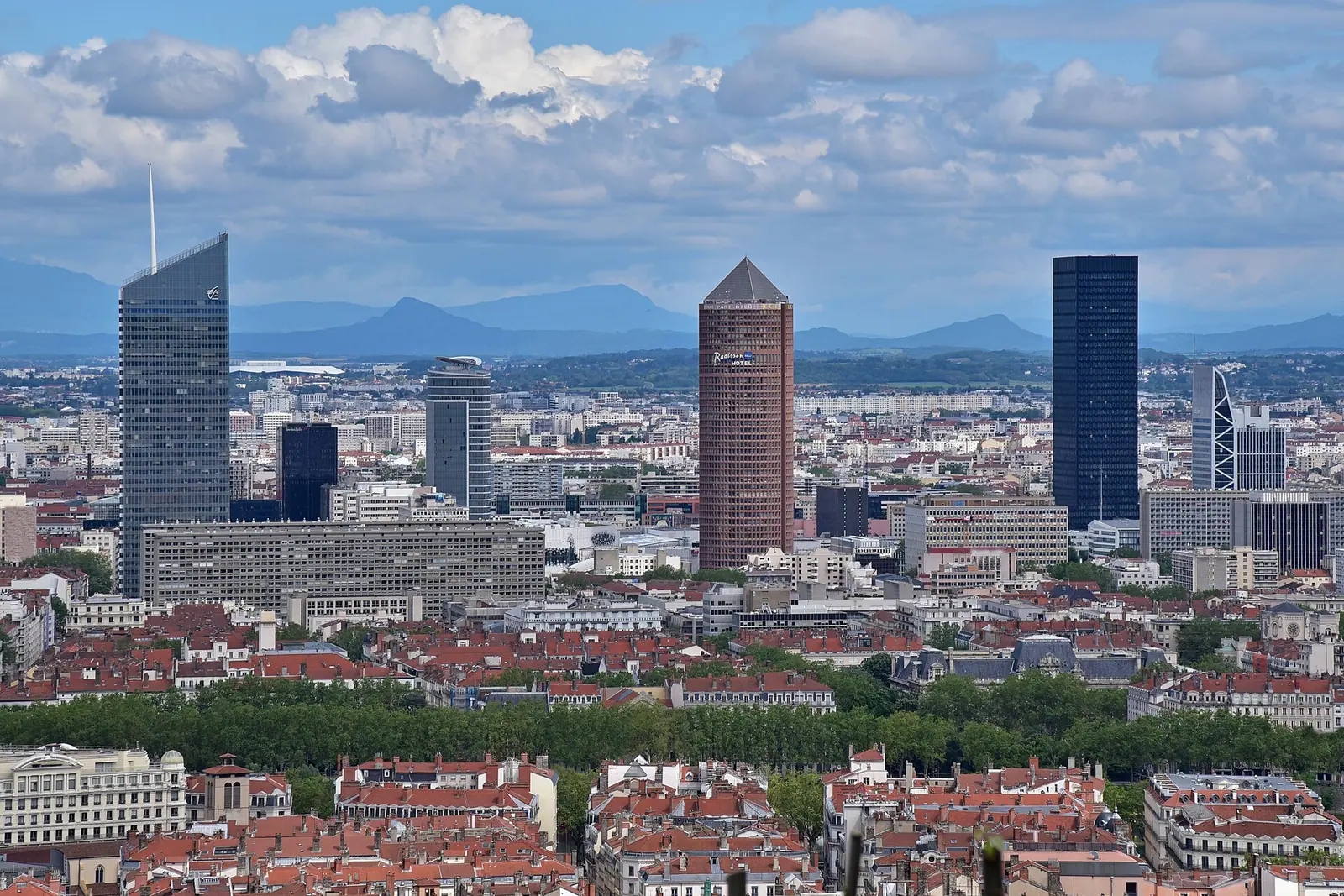
Things to do in Lyon
Skip-the-line tickets, guided tours and standout experiences.
See experiences
Stay online in France
Travel eSIM — data the moment you land, no roaming bills.
Get an eSIM