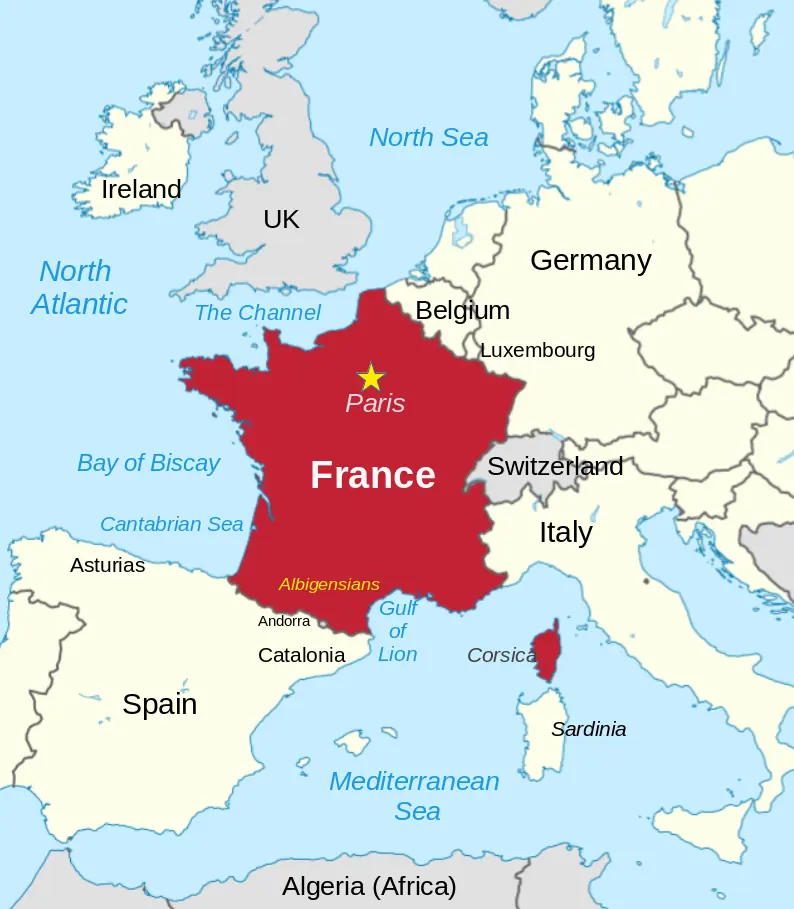
France rewards the traveller who chooses a base as carefully as a destination: sleep within sight of the Eiffel Tower, in a restored château above the Loire, or in an Alpine village where the bakery opens before the cable car. The country's hotels run from Parisian rooms the size of a generous wardrobe to farmhouse inns where dinner is whatever the kitchen garden produced that morning. Get the location right and the sights arrange themselves around you.
Paris: Choose the Arrondissement Before the Hotel
Choosing a hotel in Paris is really a question about which version of the city you want to wake up to. For a first visit, the compact heart — the 1st to 8th arrondissements — puts the Louvre, the Sainte-Chapelle and Notre-Dame on Île de la Cité within walking distance of your bed. Rooms here are small and rarely cheap, but you save an hour of tunnelling through the Métro every single day.
If the Eiffel Tower is the picture in your head, look at the 7th and 15th arrondissements, where upper-floor balconies frame the ironwork and the Musée d'Orsay sits a bridge away. For atmosphere over convenience, the 18th around Montmartre delivers Sacré-Cœur, the old vineyard slopes and some of the city's friendliest small hotels. The 5th and 6th suit readers: the Panthéon, the Luxembourg Gardens and the Latin Quarter's bookshops and bistros are all on foot.
A few things worth knowing before you book. Parisian rooms are measured in square metres and often start around fourteen, so check the floor plan rather than the photos; air conditioning is not universal in pre-war buildings, which matters in a July heatwave. Ask whether there is a lift if stairs are an issue, and note that small properties frequently close reception between midday and late afternoon. Reserve two to three months ahead for spring and autumn, and expect August to be quiet in the centre, with neighbourhood bakeries and bistros taking their own holidays.

The Icons That Should Shape Your Route
Certain sights justify a detour on their own. In Paris, the Eiffel Tower, the Louvre with the Mona Lisa and the Winged Victory, Notre-Dame de Paris on its island, the stained-glass jewel box of the Sainte-Chapelle, Sacré-Cœur above Montmartre and the Arc de Triomphe at the head of the Champs-Élysées form the spine of any first trip. Add the Musée d'Orsay for impressionist canvases in a converted railway station, and you have four full days accounted for before you have left the city limits.
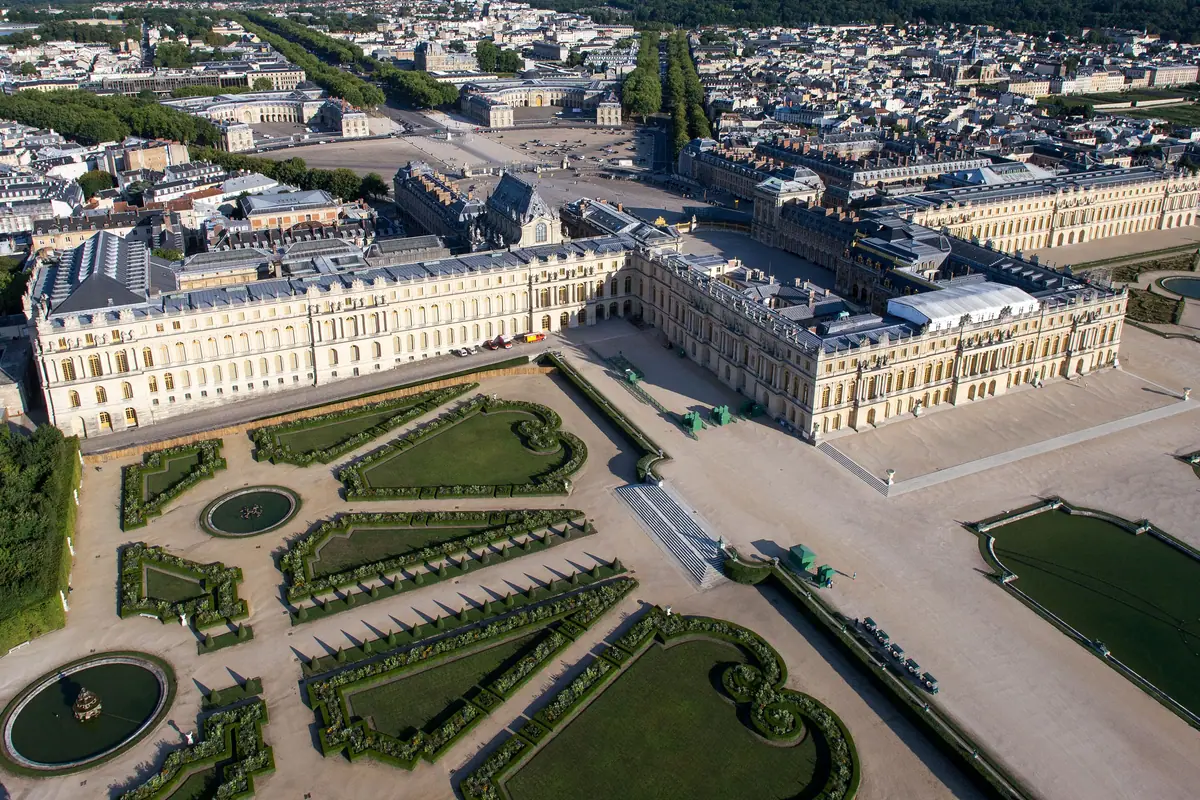
The Palace of Versailles, with its Hall of Mirrors and endless gardens, sits about forty minutes out by train. Most visitors rush there and back in an afternoon; staying overnight in the town instead lets you walk the gardens after the coaches have gone and see the fountains without a crowd in front of them.
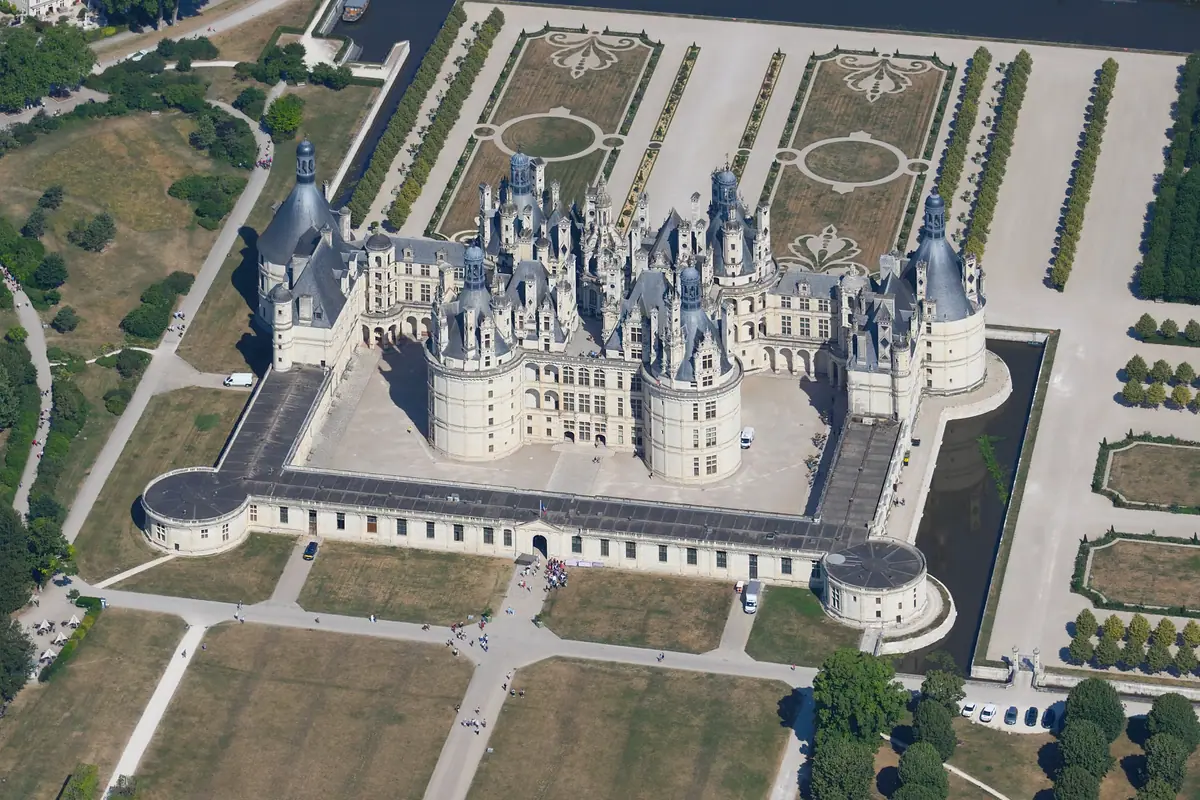
Beyond Paris, the country's showpieces are spread wide: the Pont du Gard, a Roman aqueduct near Nîmes; the walled Cité de Carcassonne; the Palace of the Popes in Avignon; the Roman amphitheatres of Arles and Nîmes; and the Loire's châteaux, led by Chambord and Chenonceau. Trying to see all of them in one trip means living on trains. Pick two or three regions and let each one breathe.
Lyon, Marseille and the Riviera: City Hotels with Character
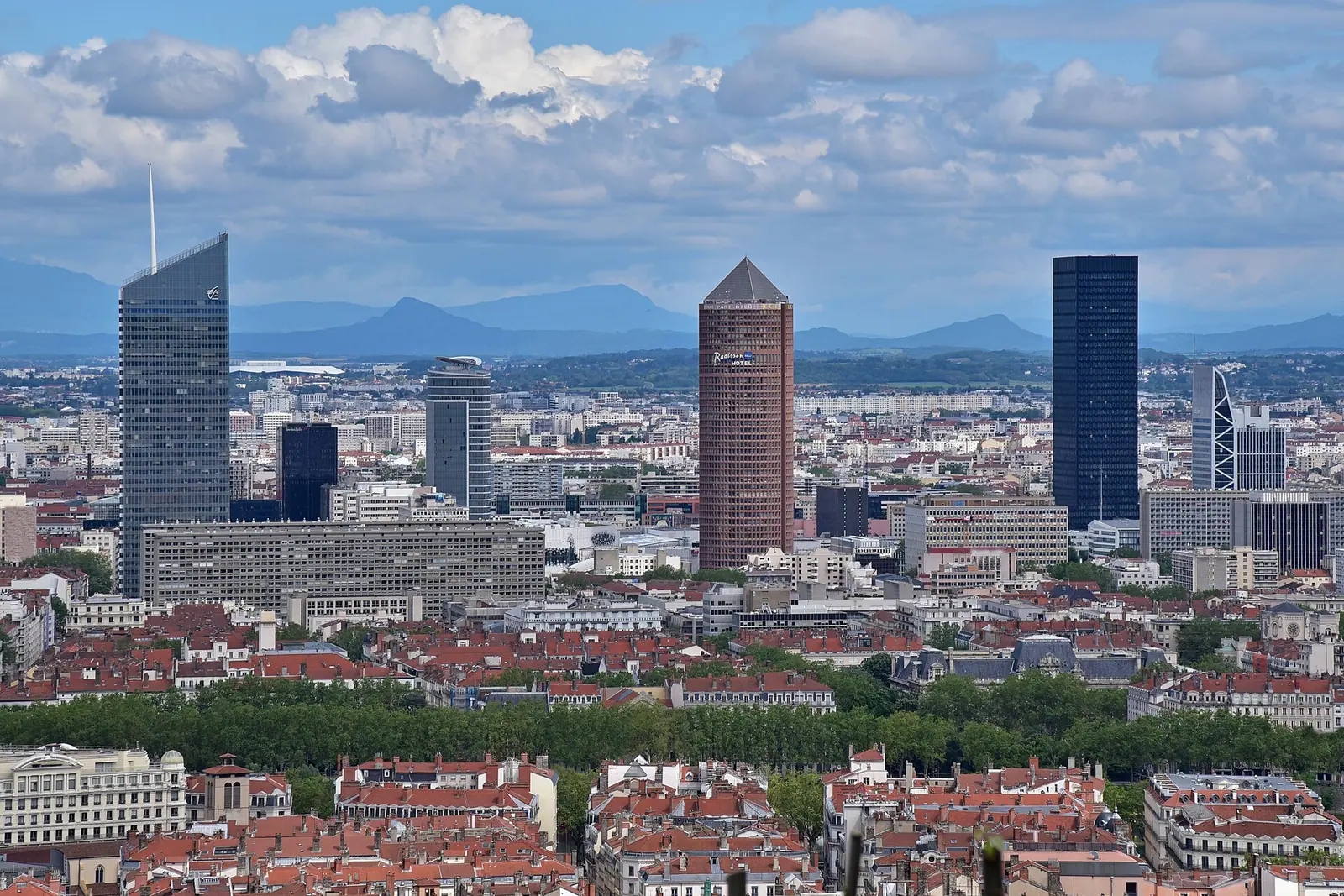
Lyon is France's gastronomic capital and its hotels reflect that: boutique conversions in the Presqu'île put you between the Rhône and Saône, a short walk from Vieux Lyon's traboules — the hidden passageways threading through Renaissance courtyards — and the funicular up to Notre-Dame de Fourvière. The city is compact, so almost anywhere central works, but the peninsula around Place Bellecour is the easiest base for a two-night stay.
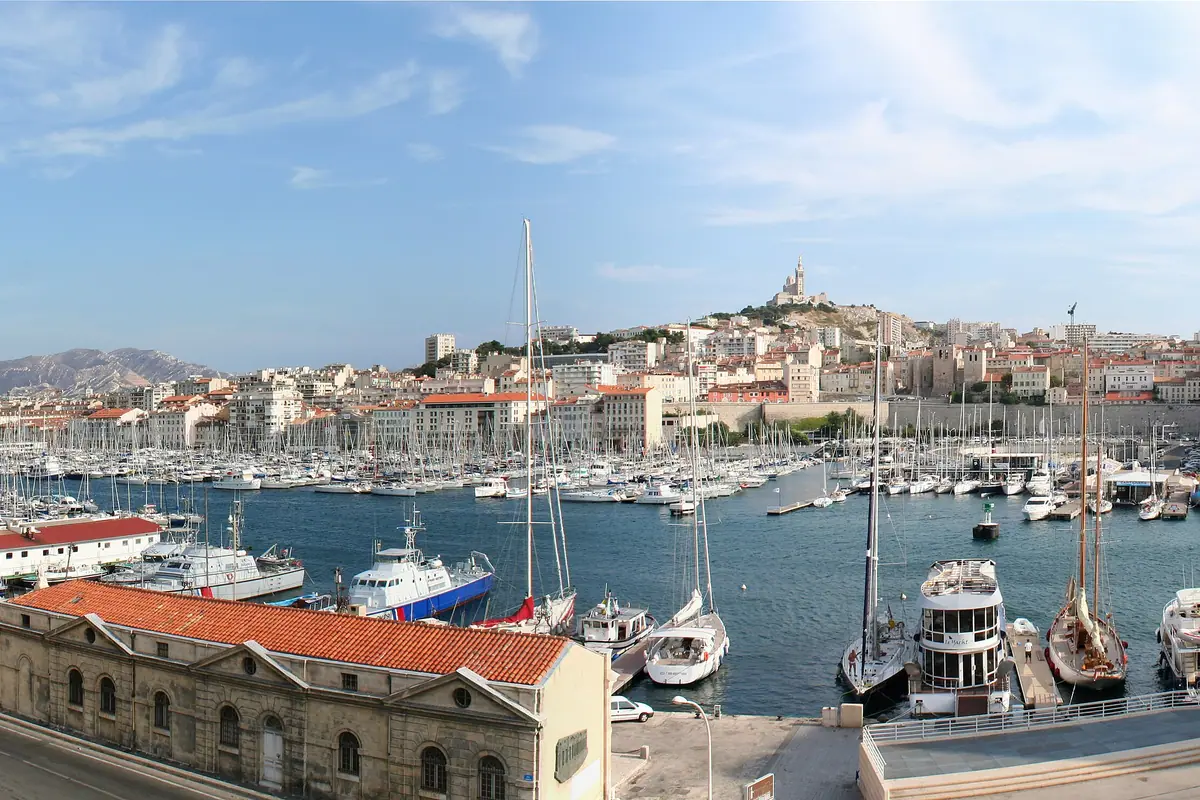
Marseille is louder, saltier and better value. Hotels near the Vieux-Port put you at the foot of the MuCEM and a boat ride from the Calanques, the limestone inlets east of the city that deserve a full day. Climb to Notre-Dame de la Garde for the view, then eat bouillabaisse within sight of the water.
On the Riviera, Nice rewards staying central rather than on the outskirts: the Promenade des Anglais curves for seven kilometres, the old town's Cours Saleya market fills mornings with flowers and socca, and trains run cheaply along the coast to Monaco, Antibes and Cannes. Book well ahead for July and August, when sea-view rooms sell out months in advance.
Practicalities matter more than usual here. Summer heat peaks in late July and August; the best months for city-hopping are May, June, September and early October, when terraces are open and queues are shorter.
Châteaux, Vineyards and Village Inns: The Loire, Burgundy and Bordeaux
Staying in a château is not only for honeymooners. Across the Loire Valley, several historic houses and their outbuildings have become small hotels, some with towers, moats and breakfast served in a vaulted kitchen. Use them as a base for Chambord, Chenonceau and Amboise, and drive the quiet river roads between vineyards instead of the motorway.
Burgundy trades grandeur for warmth. In Beaune, the Hospices de Beaune with its polychrome roof anchors a walkable old town, and the surrounding villages are full of family-run inns where the cellar list is longer than the menu. South-west of there, Bordeaux offers the Miroir d'Eau and Place de la Bourse in the city, with Saint-Émilion's monolithic church and the vineyards of the Médoc within an hour.
For something wilder, the Dune du Pilat rises above the Atlantic surf near Arcachon — climb it at sunset and stay the night in a pine-shaded guesthouse nearby. Carcassonne in the south gives you the rare chance to sleep inside a medieval walled city, though the hotels within the ramparts are small and fill fast in summer.
Alps, Alsace and Normandy: Chalets, Wine-Town Guesthouses and Coastal Manors
Chamonix sits beneath Mont Blanc and the Aiguille du Midi cable car, and its hotels split neatly between grand old railway-era palaces and modern spa lodges. Winter prices peak over the February school holidays; summer is superb value for hikers, with lifts running and mountain huts open. Annecy, an hour away, offers a gentler lakeside alternative with canals and a turreted island prison at its centre.
Alsace feels like a different country. Strasbourg's cathedral and the half-timbered lanes of Petite France make a fine city base, while Colmar and the wine villages along the Route des Vins — Riquewihr, Eguisheim — are full of geranium-decked guesthouses. Come in late spring or during the December markets, and book early for both.
Normandy delivers the coast and the past together. Mont Saint-Michel, the abbey-island that rises out of the tidal flats, is best experienced by staying on or near it and walking the causeway at dusk. Nearby Bayeux holds the tapestry and the landing beaches are within easy reach, while Honfleur's timbered harbour and the white cliffs of Étretat round out a coastal loop.
Practical Matters: Seasons, Stars and Settling In
French hotels carry an official star rating from one to five, awarded on measurable criteria such as room size, lift access and languages spoken at reception — so it tells you about facilities rather than charm. A two-star can be a delight and a four-star can feel anonymous. Read recent guest reviews for the details that matter: noise, mattress age, whether the bar actually opens.
Timing shapes everything. Late spring and early autumn are the sweet spots for most of the country; July and August bring heat in the south and crowds on every coast, while August also empties Paris of locals. Winter suits museum cities, Alpine skiing and Alsace's markets, but some rural hotels and restaurants close from November to March, or shut on Sunday and Monday nights outside high season.
Expect to pay a small city tax per person per night, collected on site, and to find breakfast charged separately — often a buffet that is convenient rather than memorable. Small-town hotels may close their reception for part of the afternoon, so confirm your arrival time in advance. And when comparing places, remember that proximity to the things you actually came to see is worth more than a spa you will never use.
Frequently asked questions
What is the best time of year to visit France?
May, June, September and early October suit most itineraries, with mild weather, open terraces and manageable queues. July and August are hot in the south and crowded on the coast; August is unusually calm in Paris. Winter is ideal for museums, Alpine skiing and Alsace's Christmas markets, but some rural hotels and restaurants close entirely between November and March.
Do French hotels charge a tourist tax?
Yes. A city tax is added per person, per night, and is normally collected at check-in or added to your final bill. The amount rises with the hotel's official star rating and varies from town to town, so it is worth asking about when you book rather than being surprised at checkout.
Are French hotel star ratings a good guide to quality?
They grade facilities, not atmosphere. Stars reflect criteria such as room size, lift access, reception hours and services offered, so a simple two-star with thoughtful owners can beat a tired four-star. Use the rating for practical expectations and recent guest comments for the character of the place.
Should I base myself in Paris for the whole trip?
Only if Paris is the point of the trip. For anything beyond the capital, moving every two or three nights works better: Lyon, Marseille or Nice for the south, a Loire or Burgundy base for châteaux and vineyards, and Chamonix, Strasbourg or Bayeux for the Alps, Alsace and Normandy. France's high-speed rail network makes these hops short and easy.
How far ahead should I book hotels in France?
For spring and autumn, two to three months is comfortable. For July and August on the Riviera, in Alsace during the December markets, and for any château or rampart-side room, book three to six months ahead. Off-season travellers in smaller towns can often decide a few days out, but confirm that the hotel's restaurant and reception are open.
Sort the rest of your trip
Everything for France, in one place
Transfer in France
Private driver waiting on arrival — no queues, no surprises.
Book a transfer
Things to do in France
Skip-the-line tickets, guided tours and standout experiences.
See experiences
Stay online in France
Travel eSIM — data the moment you land, no roaming bills.
Get an eSIM