Eritrea rewards the traveller who likes their history layered and their landscapes abrupt: a modernist capital on a cool highland plateau, a sweltering Red Sea port of coral-block houses, and a scatter of ancient Aksumite ruins that almost nobody visits. It is not a destination you drift through — it is one you plan carefully, then remember for a long time.
Asmara: Wandering a Modernist Capital on the Highlands
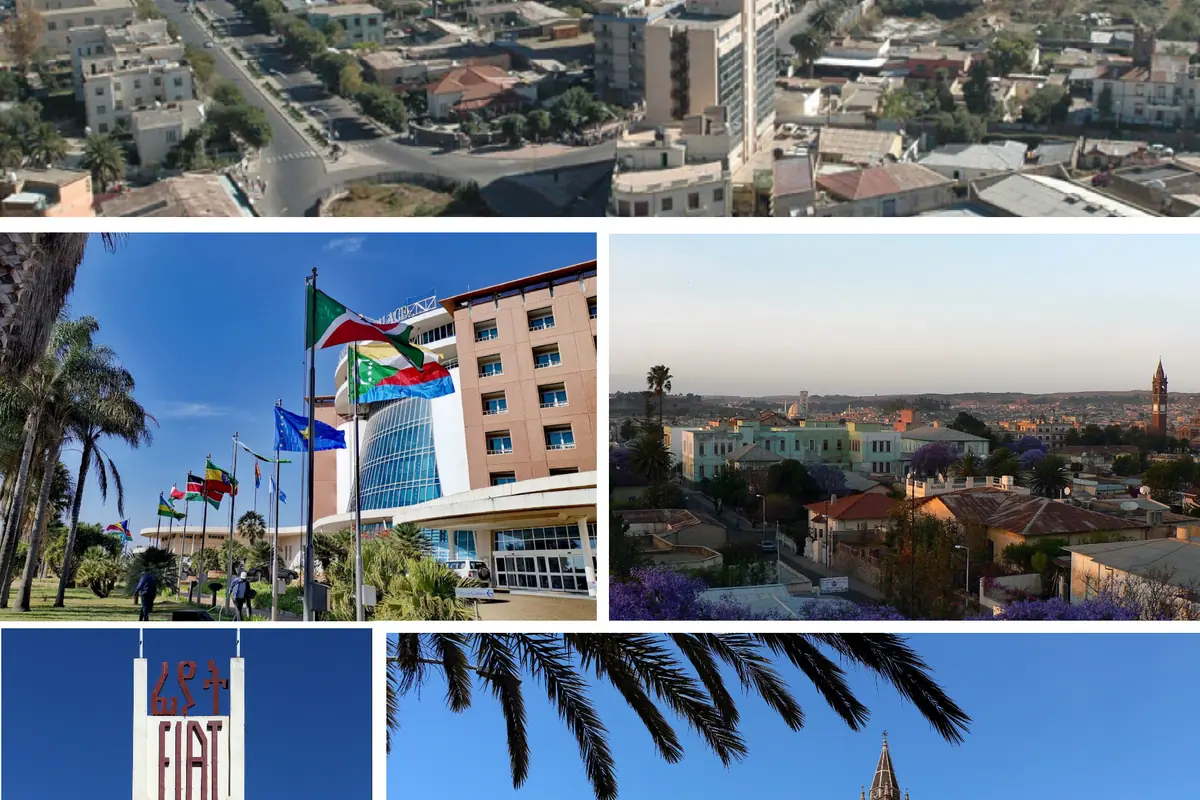
Asmara sits at around 2,325 metres on the Eritrean plateau, which is why the air is thin, the light is sharp and the nights are genuinely cold. The city's great surprise is its architecture: an entire 1930s modernist and Art Deco cityscape, built during the Italian colonial period and recognised as a World Heritage listing in 2017. Its spine is Liberation Avenue, a long palm-lined boulevard where locals stroll in the early evening, pausing at pavement cafés that have been pouring macchiatos for generations.
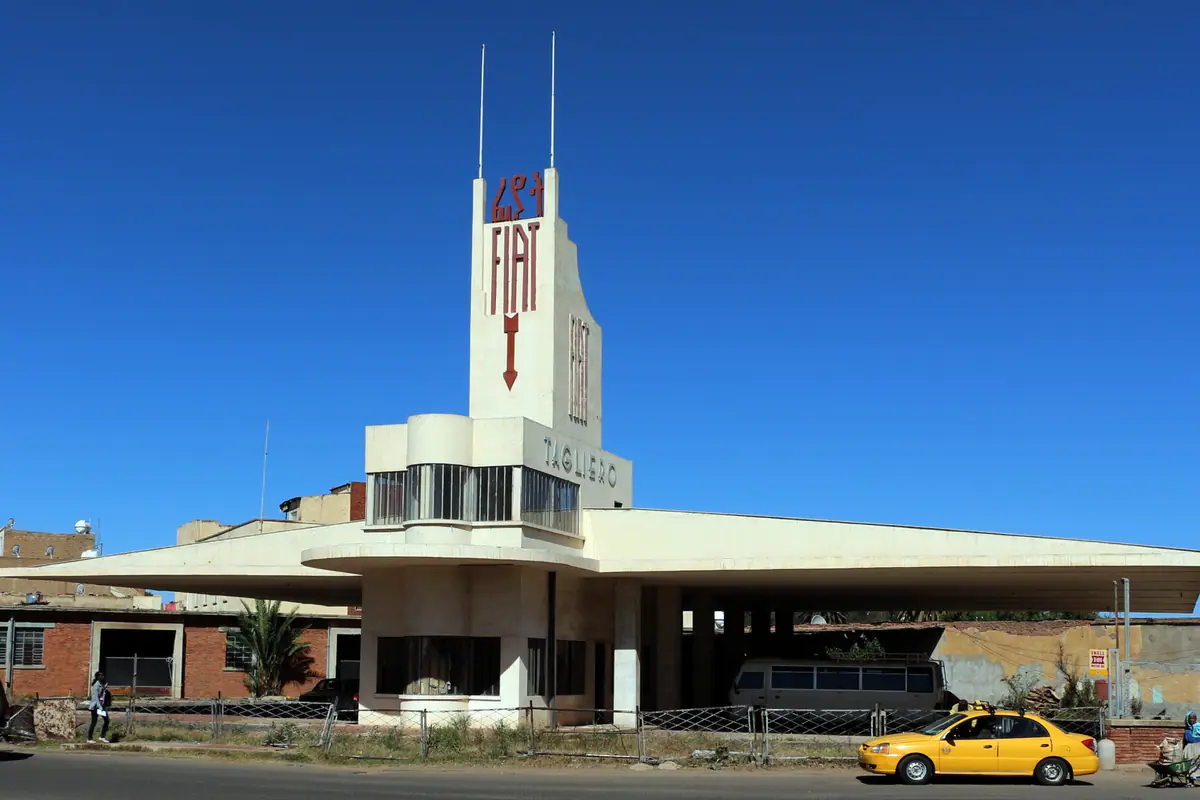
Walk it slowly and the landmarks come thick and fast. The Fiat Tagliero building is the showstopper — a 1938 service station shaped like a plane about to take off, its two concrete wings projecting into space with no visible support. Nearby, the Cinema Impero and Cinema Roma still wear their curved façades and neon-era lettering, while the Opera House, the former Italian governor's palace and the Casa del Fascio (now a government ministry) fill in the rest of the story. At the eastern end of the centre, the Enda Mariam Orthodox Cathedral and the Al Khulafa Al Rashedin Mosque stand within a few minutes' walk of each other, a neat summary of the city's mixed faiths.
Give Asmara at least two full days, and spend part of one of them in the Medebar market, where sacks of berbere, incense, baskets and coffee beans spill across the stalls. Order a coffee ceremony if you can — the beans are roasted, ground and poured in front of you, and it takes a leisurely half hour. This is a walking city: flat, safe-feeling and compact, best explored on foot between long café stops.
Museums, Memorials and the Tank Graveyard
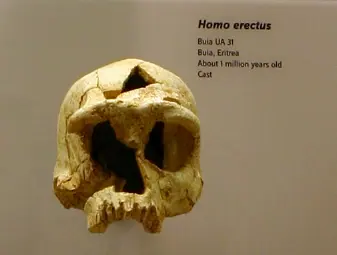
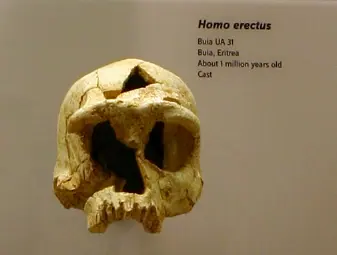
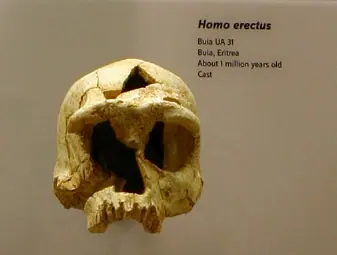
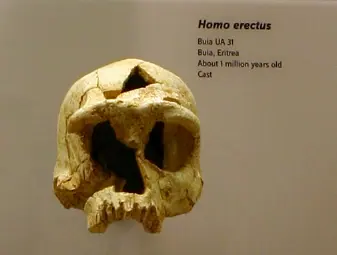
The National Museum of Eritrea in central Asmara is small but worthwhile, pairing prehistoric stone tools and Aksumite finds from sites like Adulis with rooms devoted to the long independence struggle. It sets up everything you will see later on the road, from the ancient ruins on the plateau to the memorials around the capital. Allow an hour, and go in the morning when it is quiet.
On the southern edge of the city, the Martyrs' National Park is a terraced memorial of stone walkways and planted gardens honouring those who died in the war of independence. It is a solemn, beautifully maintained place with wide views back over the rooftops, and Eritreans come here on weekends to walk and reflect.
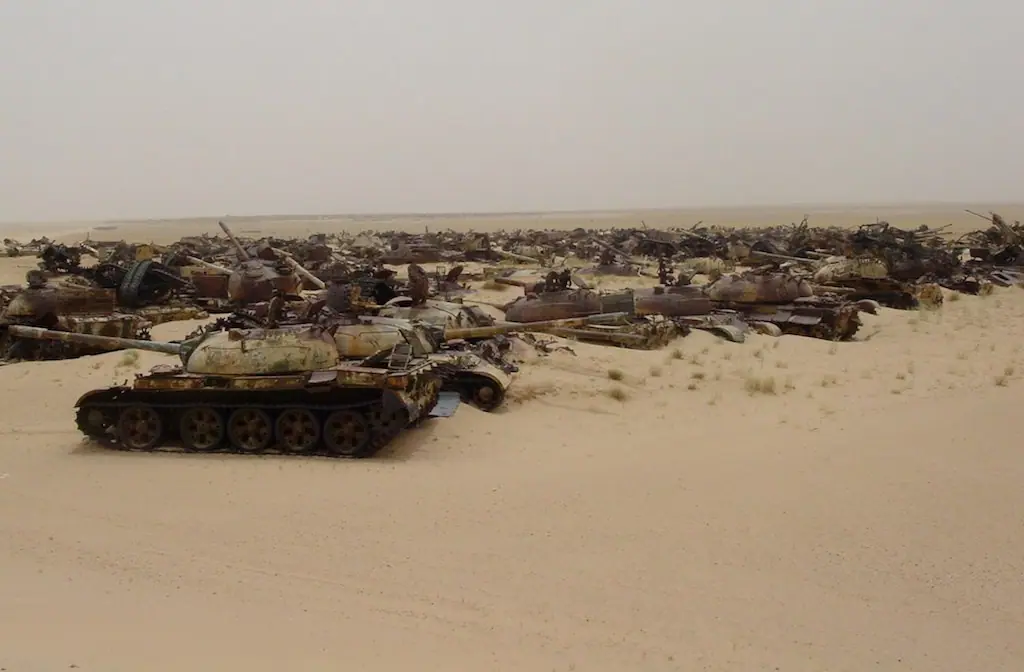
Then there is the Tank Graveyard, an open field of rusting armoured vehicles left from the 1998–2000 border war, half-swallowed by grass and cactus. It is eerie rather than ghoulish, and it says more about the country's recent past than any exhibit. A little further out, the Italian cemetery and the old railway station are quiet reminders of the colonial era — and note that photographing military sites, airports, police and government buildings is not permitted anywhere in the country.
Down the Escarpment: The Railway, Nefasit and Debre Bizen
The single most memorable experience in Eritrea may be the narrow-gauge railway that drops from the highlands to the coast. Built between the 1880s and the 1930s, the roughly 118-kilometre line from Asmara to Massawa climbs and falls through dozens of tunnels, viaducts and hairpin curves, and restored steam locomotives still haul occasional heritage excursions down the escarpment. If a departure happens to coincide with your dates, take it — the section through the mountains to Nefasit is spectacular, with the coastal plain opening up far below.
Nefasit itself is a small, sleepy town clinging to the escarpment, and above it sits the Debre Bizen monastery, founded in the 14th century and reached only by a steep hike of an hour or two. It is one of the oldest monastic libraries in the region, holding ancient manuscripts in Ge'ez, and it is open to men only; women can admire it from the trail below. Dress modestly and ask locally before setting off.
The drive down the same escarpment passes through the Semenawi Bahri green belt, often called the Filfil area — a rare stretch of real forest in a country that is mostly arid, with juniper, wild olive and good birdlife. Pull over at the viewpoints on a clear morning and you can pick out the Red Sea glittering on the horizon before you drop into the heat.
Massawa: Coral, Heat and the Dahlak Islands
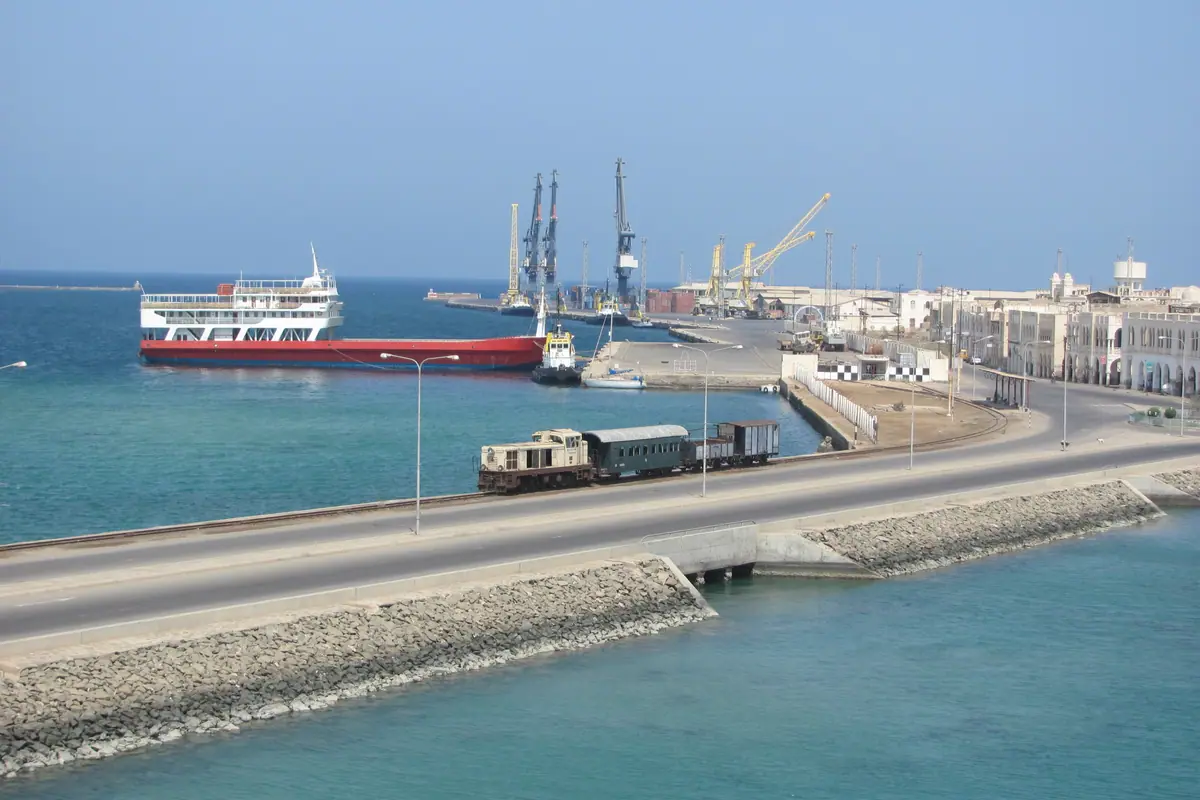
Massawa is a different planet from Asmara — a Red Sea port of two islands joined by causeways, where summer temperatures regularly push past 40°C and the architecture is a jumble of Ottoman, Egyptian and Italian layers. The old town's centrepiece is the 15th-century Sheikh Hanafi Mosque, its minaret built from coral blocks, and the Imperial Palace associated with Emperor Yohannes IV. Much of the city was rebuilt after a devastating earthquake in 1921, which gives the waterfront its slightly melancholy, half-empty grandeur. Come between November and March, and start sightseeing at dawn.
Offshore lies the Dahlak Archipelago, a scattering of hundreds of islands where only a handful are inhabited. Dahlak Kebir is the largest, with old cisterns and Kufic Arabic inscriptions hinting at a trading past that predates many better-known Red Sea ports. The reefs here are largely unexplored by divers and in good condition; visibility is best in the cooler months, and dolphins are common, with dugongs occasionally reported in the shallow bays.
For an easier taste of the sea, day boats run from Massawa to small sandy islands such as Green Island, where you can snorkel off the beach and eat grilled fish. South along the coast, the salt pans of the Bay of Anfile have been worked for centuries and draw flamingos, while further south still lie the ruins of Adulis, the ancient Aksumite port that once linked the highland kingdom to the trade routes of the Red Sea.
Keren, Qohaito and the Aksumite Ruins of the Highlands
About 90 kilometres northwest of Asmara, Keren is Eritrea's second city and its most atmospheric market town. The Monday camel market is the big draw, a swirl of livestock, traders and dust on the edge of town, but Keren also has the Tigu, an enormous sycamore fig that serves as a local gathering point, and the Mariam Dearit shrine, a pilgrimage church built into the hollow of a giant baobab tree. The Commonwealth war cemetery on the ridge above town commemorates the 1941 battle fought here, and the views over the valley are excellent.
East of Asmara, near the town of Adi Keyh, the plateau holds one of the country's most underrated archaeological sites. Qohaito was an Aksumite city spread across a high plateau at roughly 2,600 metres, and today you can walk between the Temple of Mariam Wakino, the stone dam known as Safira and hundreds of unexcavated mounds, with rock paintings on the surrounding cliffs. Bring sun protection and water — there is almost no shade and no facilities.
Further south near Senafe, Metera (also written Matara) is another Aksumite town, famous for the Hawulti, a carved monolith bearing an ancient Ge'ez inscription. It is a short detour from the road to the border, and it pairs well with a scramble up Emba Soira, at 3,018 metres the highest point in Eritrea. In the far north, the town of Nakfa — which gave its name to the national currency — remains a place of pilgrimage for Eritreans, surrounded by the trenches and hills of the liberation war.
Planning Your Trip: Seasons, Permits and Practical Rhythms
Timing matters enormously here. The highlands are at their best from October to March, with dry, sunny days and cold nights — pack a fleece for Asmara even in the dry season. The rains arrive roughly from June to September and turn the plateau green but make rural roads muddy. The Red Sea coast is oppressively hot for much of the year, so Massawa and the Dahlak islands belong in the November-to-March window too. A sensible first trip of seven to ten days covers Asmara, the escarpment, Massawa and one highland ruin or Keren.
Most nationalities need a visa arranged in advance, and — crucially — foreign visitors also need a travel permit to go anywhere outside Asmara. These are arranged through a licensed local operator or the relevant regional administration, and they specify names and dates, so build your itinerary before you apply. Expect checkpoint stops on the road to Massawa and Keren; carry your passport and permit, and be patient. Independent travel is possible but heavily structured, and hiring a car with a driver-guide is the practical norm.
The country runs on cash. The currency is the nakfa, ATMs are scarce and cards are accepted almost nowhere, so bring clean, recent foreign banknotes to change in Asmara. English is widely understood, Italian survives among older residents, and Tigrinya and Arabic are the everyday languages. Alcohol is legal and widely available, coffee culture is superb, and internet and mobile coverage outside the cities is slow to nonexistent — which, after a day or two on the escarpment, stops feeling like a problem.
Frequently asked questions
When is the best time to visit Eritrea?
October to March is ideal for the highlands, with dry, mild days and cold nights in Asmara, and it is also the only comfortable window for the Red Sea coast at Massawa and the Dahlak islands. The highland rainy season runs roughly June to September, and coastal summer heat is extreme.
Do I need a permit to travel outside Asmara?
Yes. Foreign visitors need a travel permit for anywhere beyond the capital, arranged in advance through a licensed local tour operator or the regional administration. Permits list names and dates, so plan your route first, and carry your passport alongside the permit for checkpoint stops on the Massawa and Keren roads.
How many days do you need in Eritrea?
Seven to ten days is a realistic first visit: two or three days in Asmara, a day on the escarpment and the railway, two or three days in Massawa and the Dahlak islands, plus a side trip to Keren or the Aksumite ruins at Qohaito or Metera.
Is there good diving and snorkelling in Eritrea?
The Dahlak Archipelago offers some of the least-visited reefs in the Red Sea, with good visibility from November to March. Day boats from Massawa also run to small sandy islands such as Green Island for easy snorkelling, and dolphins are frequently seen offshore.
What should I know about money and connectivity?
Eritrea is a cash economy: the currency is the nakfa, ATMs are rare and cards are almost never accepted, so bring clean foreign banknotes to exchange in Asmara. Mobile and internet coverage is patchy outside the main cities, so download maps and confirm bookings before you leave the capital.
Plan it — experiences in Eritrea
Live search, booked directly with trusted providers.
Sort the rest of your trip
Everything for Eritrea, in one place
Stay in Eritrea
Hotels, guesthouses and apartments — compared in one search.
Search hotels
Transfer in Eritrea
Private driver waiting on arrival — no queues, no surprises.
Book a transfer
Stay online in Eritrea
Travel eSIM — data the moment you land, no roaming bills.
Get an eSIM