Eritrea is a country that rewards slow, curious travellers: a modernist highland capital where espresso is still served on palm-lined boulevards, a heat-hazed Red Sea port of coral-block alleys, and a scatter of island camps in water so clear it looks filtered. Because hotel rooms are limited and clustered in a handful of towns, choosing your base wisely shapes everything else about the trip.
Asmara: Where Eritrea's Best Hotel Choice Begins
Almost every journey here starts and ends in Asmara, a capital spread across a highland plateau roughly 2,300 metres above sea level. The altitude explains the city's famously agreeable climate — warm, dry afternoons, cool evenings and a clarity of light that photographers chase — and it explains why the great majority of the country's hotel rooms sit here. Look for places along and just off Liberation Avenue, around the Medebar market district, and on the quieter residential streets behind the cathedral, where you can walk to dinner rather than negotiate a taxi.
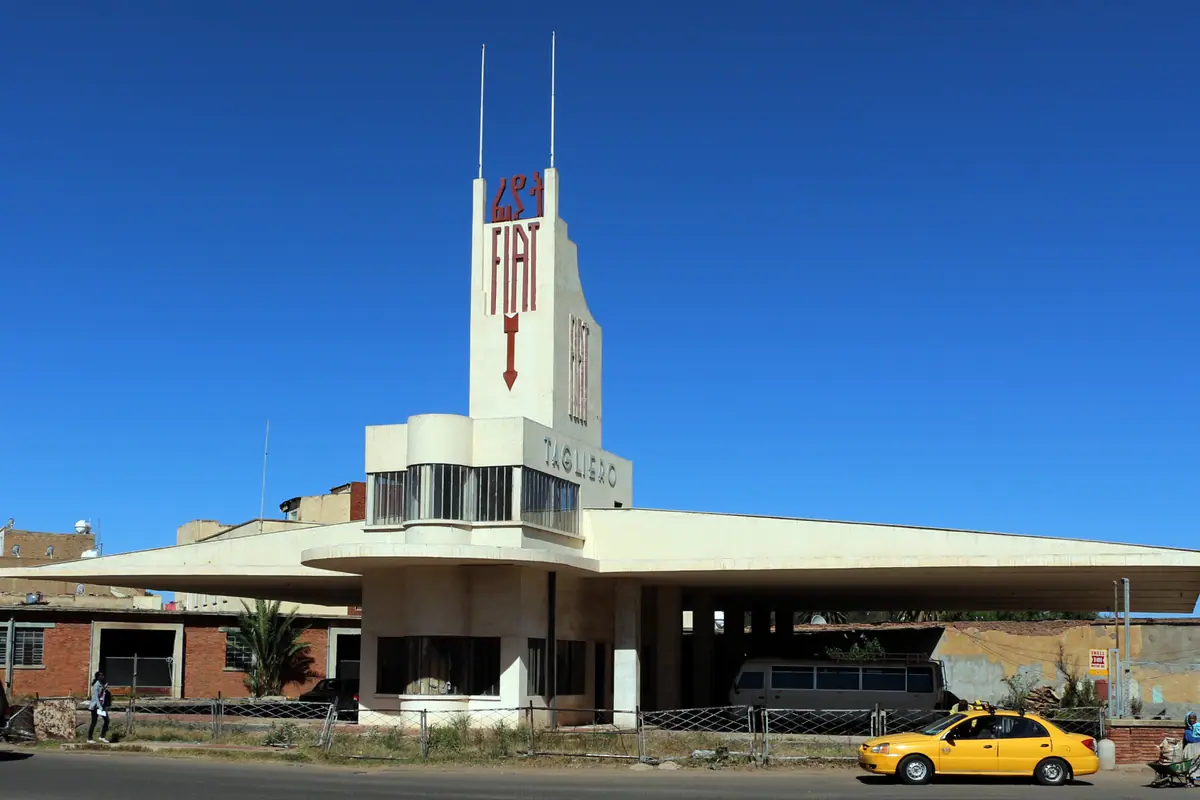
The setting does half the work. Asmara holds one of the densest concentrations of early twentieth-century modernist architecture anywhere in the world, so moving between your hotel and your next coffee is itself the sightseeing. Cinema Impero still faces a boulevard of palms with its vertical signage intact, while the Fiat Tagliero building — a futurist service station whose concrete wings cantilever dramatically over the forecourt — is the city's most photographed structure. Within a few blocks you will pass the Lombard-Romanesque Cathedral of Asmara, the twin-towered Enda Mariam Orthodox Cathedral and the minaret of the Al Khulafa Al Rashidun Mosque rising over the market crowds.
In practical terms, rooms range from restored colonial-era properties with high ceilings, shutters and faded grandeur to plain modern blocks with air conditioning and satellite television. Expect comfortable beds and generous breakfasts, but treat hot water, Wi-Fi and electricity as moody rather than guaranteed; many buildings run on generators or tanked water. Rates are modest by global standards, and paying in local currency with cash smooths everything. Ask for a room away from the street if you are sensitive to early-morning traffic and call to prayer.
Massawa: Red Sea Hotels and the Gateway to the Dahlak Islands
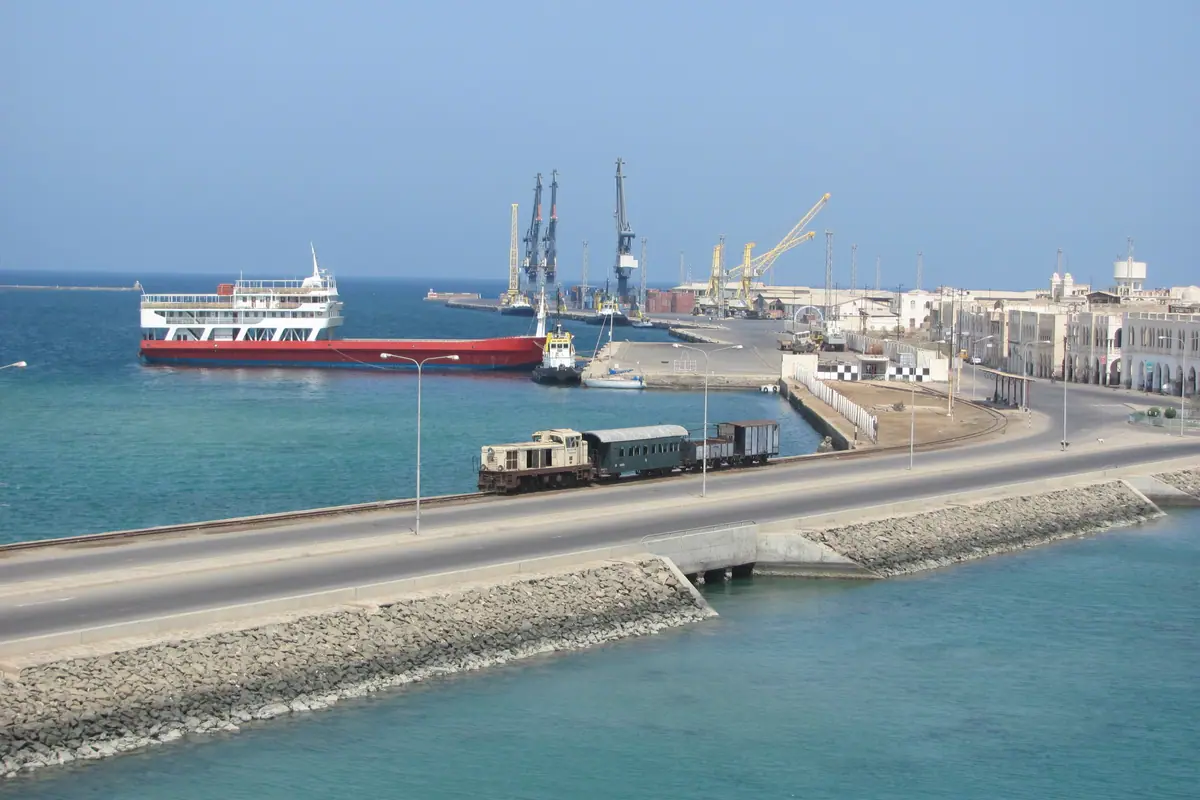
The drive from Asmara down to Massawa takes two to three hours, and it is one of Africa's great descents: the road corkscrews off the escarpment, cacti replace junipers, and the air thickens with salt and heat with every switchback. Massawa itself is split between the mainland, the island old town reached by causeways, and Taulud island, and this geography decides where you sleep. Sea-front properties on Taulud catch the breeze and offer the widest choice, while the old town hides small guesthouses inside coral-block houses that have been standing for centuries.
Walking the old town is the reason to stay here rather than commute from the highlands. The Sheikh Hanafi Mosque, with its carved coral-stone minaret and shaded courtyard, is among the oldest surviving mosques in the region, and the rambling Imperial Palace above the waterfront hints at the port's Ottoman, Egyptian and later European layers. Fishermen still mend nets along the harbour wall, the covered market smells of cardamom and dried fish, and the whole place slows to a crawl in the afternoon heat. Bring loose, light clothing and a hat; sunglasses are not a fashion statement here.
Most travellers who come this far push on into the Dahlak Archipelago, a scatter of more than a hundred islands reachable by boat from the port. Diving and snorkelling are outstanding, with reef walls, wreck sites and coral gardens in water that stays warm for much of the year. Island stays are basic — simple camps, shared facilities, meals of fresh fish — and access generally requires a permit arranged in advance through local operators. October to April is the comfortable window; midsummer on the coast is punishingly hot and humid, and hotel rooms without reliable air conditioning become a trial.
Keren: Highland Guesthouses and a Legendary Camel Market
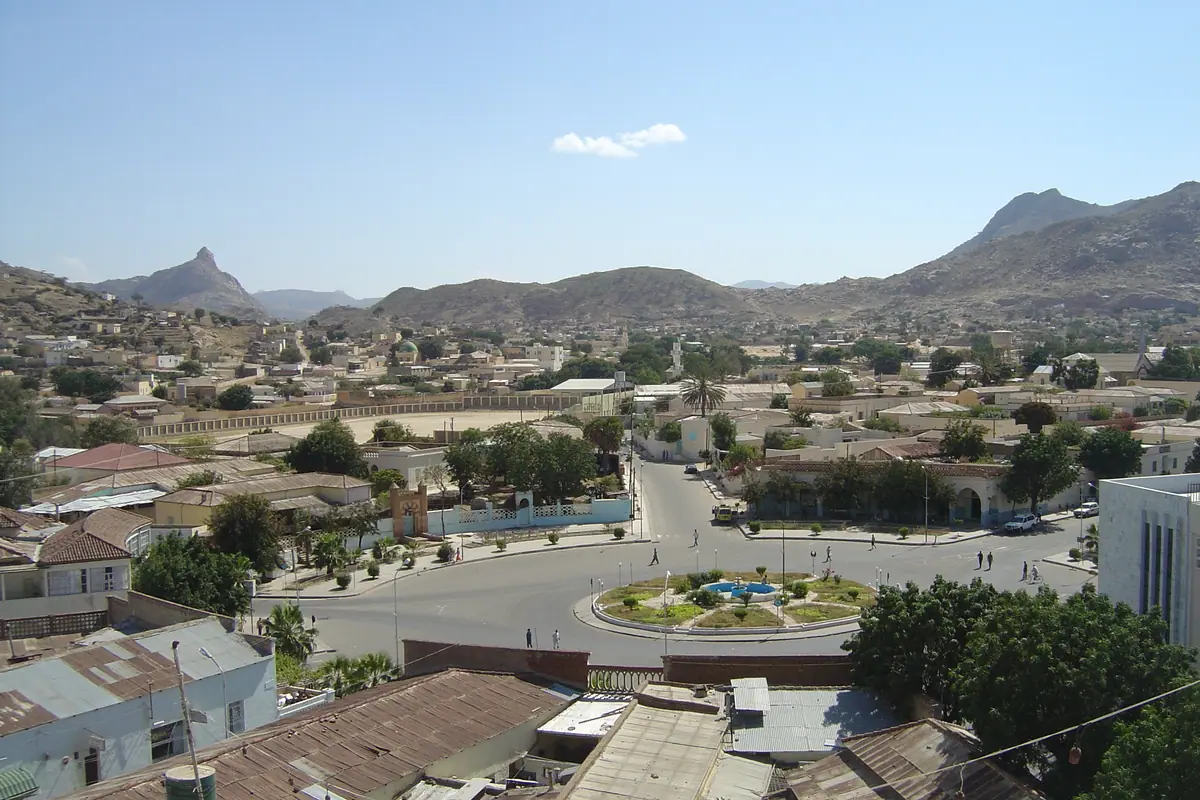
Keren sits about two hours northwest of Asmara, lower and greener than the capital, cupped by granite hills that glow orange at sunset. There is no grand hotel strip here — accommodation is a scatter of small family-run guesthouses and modest town hotels, most of them within walking distance of the main market street. Rooms are simple, breakfasts are often served on a covered terrace, and the welcome tends to be warmer and more personal than in the bigger cities.
The town's headline attraction is its camel market, held on Mondays and reputed to be one of the largest in the Horn of Africa. Herders arrive from the lowlands the night before, and by mid-morning the open ground is a slow churn of camels, goats, cattle, coloured blankets and animated negotiation. Come early, ask before photographing anyone, and expect to be pulled into conversation. Beyond the market, the shrine of Mariam Dearit is set inside the hollow trunk of an enormous baobab tree, a genuinely strange and peaceful place of pilgrimage, while the Tigu area south of town holds the Italian war cemetery and remnants of the fierce 1941 battle for Keren.
Because Keren is a market town rather than a tourist town, the handful of decent rooms fill quickly on Sunday nights before market day and during major Orthodox festivals. Book ahead or arrive early. Bring cash — card machines are rare — and be prepared for shared bathrooms in the smaller guesthouses. Two nights is usually enough to see the market, the baobab shrine and the surrounding hills at an unhurried pace.
The Highlands Railway and the Green Belt of Semenawi Bahri
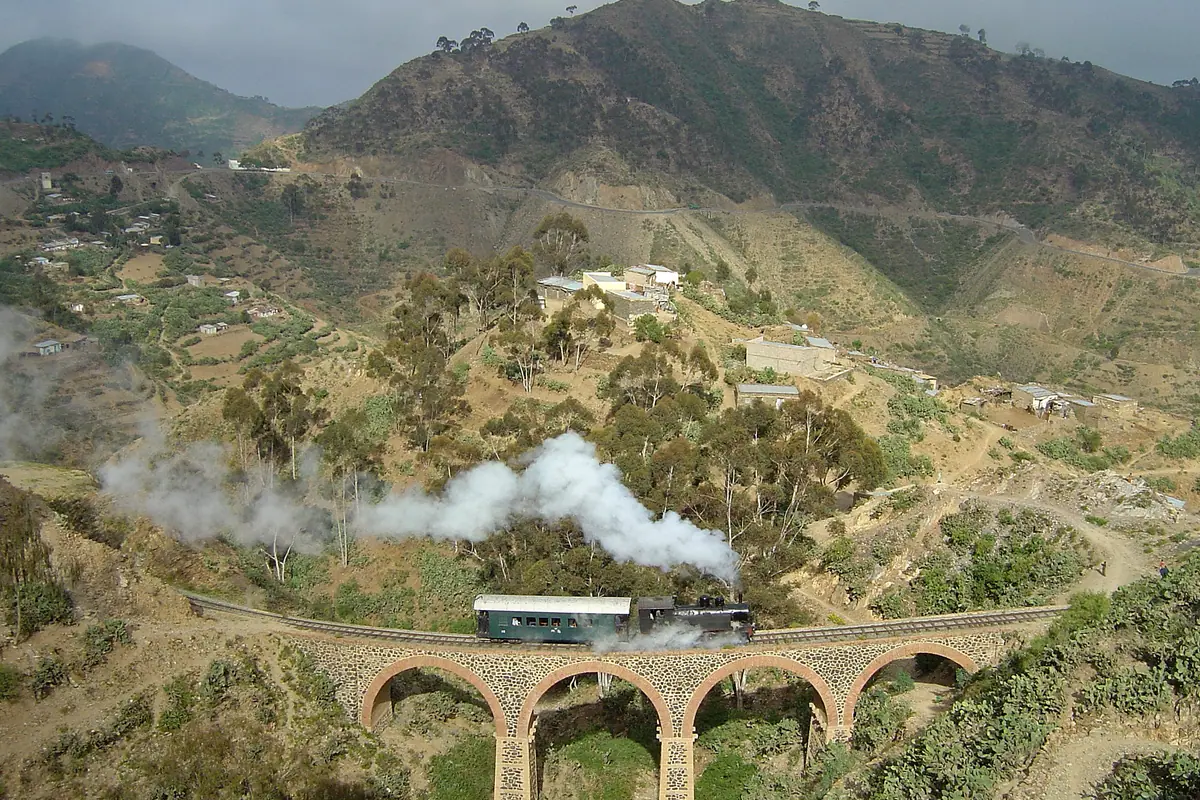
One of Eritrea's most memorable experiences is a ride on the highlands railway, a narrow-gauge line laid across the escarpment more than a century ago and painstakingly brought back into use. Steam-hauled excursions from Asmara climb and tunnel their way towards Nefasit, crossing stone viaducts with the plains falling away below. Because departures are irregular and often arranged around groups, the sensible plan is to keep your base in Asmara and treat the railway as a day trip rather than moving hotels for it.
Northeast of the capital, the escarpment road towards the coast passes through Semenawi Bahri, a belt of forest and grassland that is the country's most accessible taste of real wilderness. The area around Filfil Solomuna is greener and cooler than the coast below, with viewpoints that drop away towards the Red Sea plains, troops of vervet monkeys, klipspringers on the crags and an impressive list of birds. Accommodation inside the park is deliberately low-key: a few simple lodges and camps with basic rooms, shared dining and no pretence of luxury.
Access to the park generally requires a permit and a four-wheel-drive vehicle with a local driver-guide, since the tracks turn to slick clay after rain. September and October, once the rains have passed, are the most rewarding months: the grass is high, the light is clean and the escarpment is at its greenest. Carry water, cash and supplies from Asmara, and do not count on phone signal once you leave the main road.
Qohaito, Senafe and the Southern Highlands
South of Asmara, the road runs towards the Ethiopian border through high, stony country dotted with the ruins of an older civilisation. The Qohaito plateau is the highlight: a wide, wind-scoured tableland scattered with the remains of an ancient town, temple platforms, cisterns and stretches of dressed stone that few visitors ever see. Further south, at Senafe, the Hawulti monument — a carved stone bearing an ancient Ge'ez inscription — stands as a reminder that this was once the northern edge of a powerful trading realm. Nearby Matara preserves its own ruins and a weathered stele.
Accommodation out here is genuinely limited. Adi Keyh and Senafe have a few basic pensions and town lodgings used mostly by traders and officials, with shared facilities and simple food. Most travellers sensibly make the southern highlands a long day trip from Asmara, leaving early and returning before dark, which keeps you in a comfortable bed and avoids the region's thin choice of rooms. If you do want to stay overnight, arrange it in advance rather than arriving hopeful.
Distances look short on a map but take real time: roads are rough in places, livestock wanders freely, and there are no cash machines or card facilities once you leave the capital. Travel beyond certain zones also requires a permit, so sort out paperwork before you set off. Take more water than you think you need, wear shoes with grip for scrambling over ruins, and give yourself the better part of a day to do Qohaito justice.
Choosing Your Base: Seasons, Bookings and Local Etiquette
Timing shapes everything. October to March is the sweet spot: dry, bright and comfortable in the highlands, with cold nights in Asmara from December to February, and pleasant, breezy conditions along the Red Sea coast. June to September brings the highland rains, which turn the plateau green and produce dramatic afternoon downpours rather than all-day drizzle. The coast in those months is brutally hot and humid, and lowland towns such as Massawa become uncomfortable for anyone without air conditioning.
Hotel inventory across the country is small, so book ahead rather than improvising, especially around Independence Day in late May, Orthodox Christmas and Epiphany in early-to-mid January, and Meskel in late September, when domestic travel surges and good rooms vanish. A sensible itinerary gives three nights in Asmara, two or three around Massawa and the islands, one or two in Keren, and a day trip south, which adds up to roughly eight to ten days.
Finally, a few habits make life easier. Carry nakfa in cash and keep small notes for tips and market purchases; card payment is rare outside a handful of city hotels. Passports are often requested at check-in, so keep yours handy and expect it to be returned with the paperwork done by hand. Dress modestly away from the coast, ask permission before photographing people, and accept that water and power can be intermittent. None of this is a problem — it is simply part of travelling in a country that sees few visitors and treats them well.
Frequently asked questions
Which cities in Eritrea have the best choice of hotels?
Asmara has by far the widest range, from restored early-twentieth-century buildings with high ceilings to straightforward modern hotels with air conditioning. Massawa comes second, with sea-front rooms on Taulud island and small guesthouses in the coral-stone old town. Keren offers modest family-run guesthouses, while towns in the southern highlands such as Adi Keyh and Senafe have only basic pensions — which is why most visitors day-trip there from the capital.
When is the best time of year to visit Eritrea?
October to March is the most comfortable window. The highlands are dry and bright, with chilly nights in Asmara from December to February, and the Red Sea coast is warm without being overwhelming. June to September brings rain to the plateau and oppressive heat and humidity along the coast, though the landscapes are at their greenest in September and October, which is also ideal for the escarpment forests.
Do I need a permit to travel outside Asmara?
Generally yes. Travel beyond the capital and a few nearby areas usually requires a permit, and access to places such as the Dahlak Archipelago and the Semenawi Bahri green belt almost always does. Permits are arranged in advance, often with the help of a local operator or your accommodation, and you should carry your passport and paperwork with you on the road.
What are hotels in Eritrea actually like?
Expect comfortable beds, generous breakfasts and genuinely hospitable staff, but not polished international standards. Rooms range from faded colonial-era grandeur with shutters and high ceilings to plain modern blocks. Hot water, electricity and Wi-Fi can be intermittent, many properties rely on generators and tanked water, and card payment is rare, so plan on paying in local currency with cash.
How many days do you need in Eritrea?
Eight to ten days lets you settle in properly: three nights in Asmara for the architecture, markets and museums, two or three around Massawa and the Dahlak islands for the coast and diving, one or two in Keren for the Monday camel market, and a long day trip south to the Qohaito plateau and Senafe. Shorter trips usually mean choosing between the highlands and the Red Sea.
Sort the rest of your trip
Everything for Eritrea, in one place
Transfer in Eritrea
Private driver waiting on arrival — no queues, no surprises.
Book a transfer
Things to do in Eritrea
Skip-the-line tickets, guided tours and standout experiences.
See experiences
Stay online in Eritrea
Travel eSIM — data the moment you land, no roaming bills.
Get an eSIM