Eritrea is a country of two climates stacked on top of each other: an Art Deco highland capital at 2,300 metres where you may want a jacket at dinner, and a Red Sea coast where the same evening feels like a warm bath. Choosing the right months decides whether you spend your days climbing through cool mountain air to monasteries and ancient ruins, or floating over coral in the Dahlak Archipelago. It also decides which rooms you can actually get, and how comfortable they will be.
Why Eritrea's Travel Calendar Runs on Two Clocks
Almost everything about a trip here is dictated by altitude. Asmara sits on a highland plateau at roughly 2,300 metres, where daytime temperatures hover pleasantly in the low twenties for most of the year and the air is thin, bright and dry. Drop 2,300 metres down the escarpment — a drive of only about 100 kilometres to Massawa — and you land in a completely different world of humidity, salt flats and sea-level heat that can push past 40°C in the summer months.
The practical upshot is that the classic window for combining both halves of the country runs from roughly October to March. In those months the highlands are dry and clear, the coast is at its most bearable, and the Red Sea is calm enough for diving. April and May are transitional: still dry, but the coast begins to bake and dusty haze settles over the plateau before the rains arrive.
The great divider is the kremti, the highland rainy season, which generally runs from June into September and peaks in July and August. Afternoon downpours turn Asmara's jacaranda-lined streets green and heavy, and can loosen sections of the escarpment road to the coast. It is not a reason to cancel — the capital functions perfectly well — but it is a reason to plan coast and desert time carefully, or to stay on the plateau.
One more calendar to keep in mind: travel outside the capital normally requires an official permit for foreign visitors, arranged in advance. That administrative rhythm, more than the weather, often determines how much ground you can cover in a single trip.
Asmara: The Highland Capital That Works Almost All Year
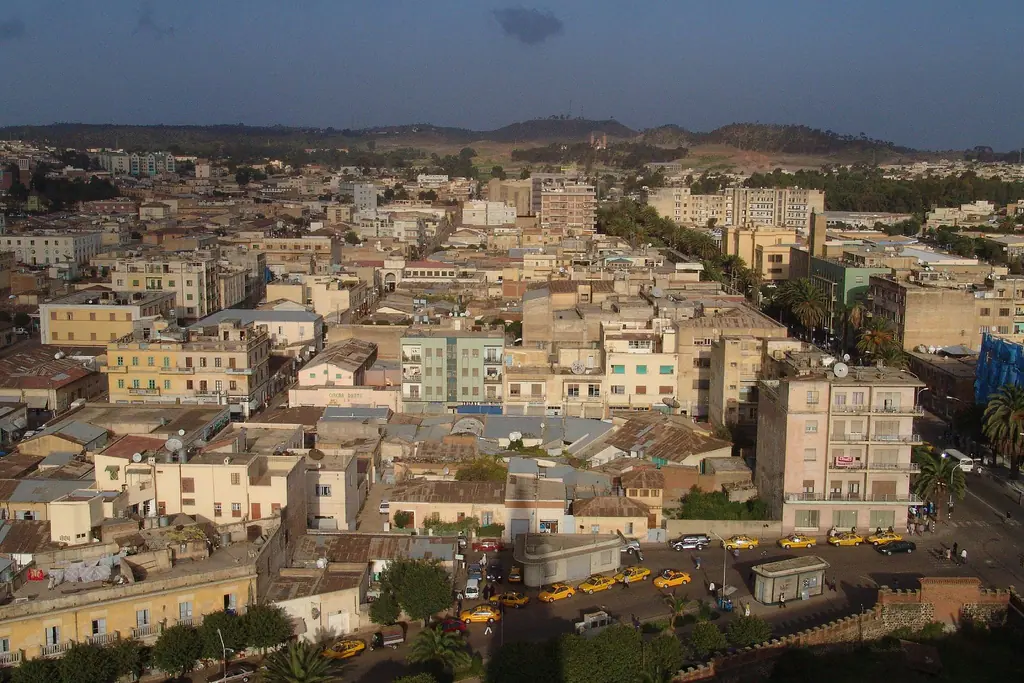
Asmara is the rare African capital you can visit in almost any month, and October to May is when it is at its most enjoyable — dry, sunny and cool. December to February brings the sharpest edge: days are gorgeous, but nights can fall close to single digits, and because most buildings have no central heating, a warm layer for evenings matters more than you would expect this close to the equator. June to September is green, moody and wet, with rain usually arriving in the afternoon rather than all day.
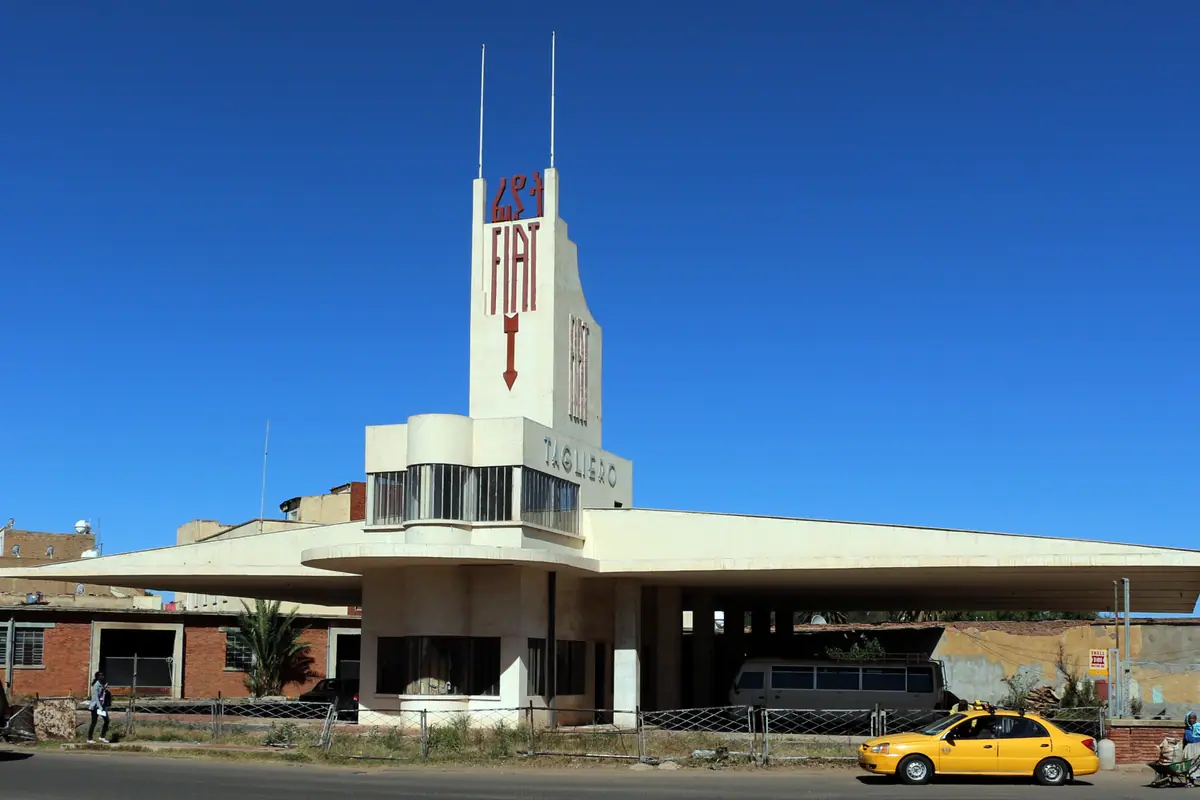
The city itself is the attraction: an entire UNESCO-listed ensemble of 1930s modernist and Art Deco architecture, built during the Italian colonial period and remarkably intact. Walk Liberation Avenue (Harnet Avenue), the wide palm-lined spine of the city, and you pass the Fiat Tagliero Building, shaped like a grounded aeroplane with cantilevered wings, and the Cinema Impero, whose curved façade still reads as a golden-age movie palace. Nearby stand the Teatro Asmara, the Catholic cathedral, the Enda Mariam Orthodox Cathedral and the Al Khulafa Al Rashiudin Mosque, whose minaret and towers frame one of the most photographed corners of the capital.
Allow two or three unhurried days. Spend a morning at the National Museum of Eritrea for the country's archaeology and liberation history, then lose an hour in the Medeber market, a sprawling warren of workshops where metal is beaten into stoves, coffee pots and shoes. Finish at the Martyrs' National Park and Bahti Meskerem Square, where the independence flame was lit, for the city's best sense of its own story.
If the seasonal steam excursion on the old Eritrean Railway is running, take it: the line drops off the escarpment through tunnels and hairpin curves engineered in the 1920s, and it is one of the great short rail journeys anywhere.
The Red Sea Coast: Massawa and the Dahlak Archipelago
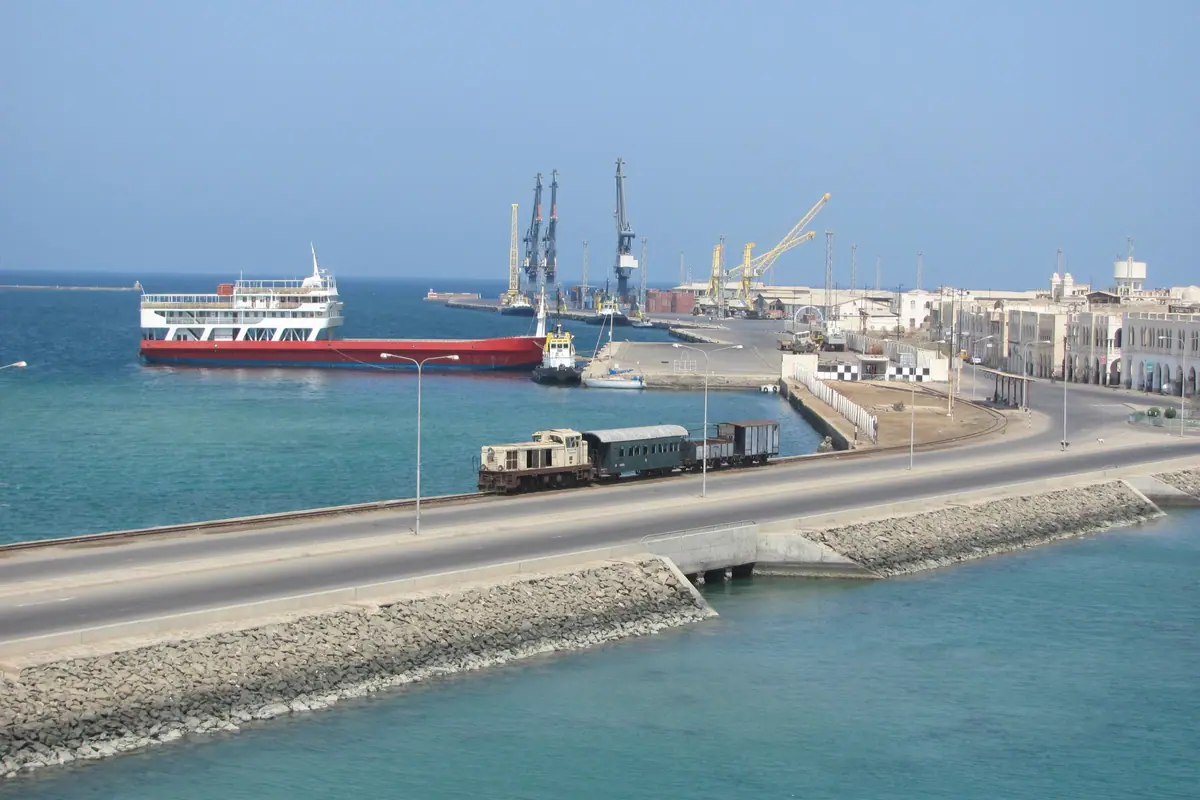
The coast has the opposite problem to the highlands: it is hot for much of the year, so timing is everything. November through March is the sweet spot in Massawa, with warm days, cooler evenings and a breeze off the water. February is especially lively, when the city marks the anniversary of its liberation with parades, boat races and crowds along the corniche — book rooms well ahead if you want to be there for it.
Massawa rewards slow wandering. The old town on Massawa Island is a tight grid of coral-stone houses, Ottoman-era arches and shuttered merchants' buildings, anchored by the Sheikh Hanafi Mosque, one of the oldest Islamic structures in the country, and the Imperial Palace overlooking the harbour. Cross the causeway to Taulud Island for the palm-lined waterfront and boatmen offering trips to Green Island, a sandbar ring of turquoise shallows ideal for a lazy afternoon swim.
For divers, the Dahlak Archipelago is the real draw, and the season follows the same logic: October to May brings calmer seas and clearer water, with visibility often at its best in the cooler months. Reefs around islands such as Dahlak Kebir and Dissei hold wrecks, coral gardens and reef fish in numbers that make the long boat ride worthwhile. From May to September, heat and humidity make the coast tough going, and afternoon haze and choppy water are common.
One caution worth repeating: the descent from Asmara to Massawa crosses a dramatic, exposed escarpment, and in the rainy months the road can be affected by washouts or rockfall. In the dry season it is a spectacular couple of hours; in July and August, check conditions before you commit.
The Danakil and the Afar Lowlands: A Cool-Season-Only Destination
Eritrea's share of the Danakil Depression is one of the hottest inhabited places on the planet, and there is really only one sensible time to go: the cool months from November to February. Even then, daytime temperatures can be punishing, and the landscape — salt pans, volcanic rock, shimmering horizons — offers no shade and no relief. Outside that window, the heat becomes genuinely dangerous rather than merely uncomfortable.
The classic excursion heads toward Lake Assale and the surrounding salt flats, where Afar salt cutters still work the crust by hand and camel caravans load white slabs for the long haul inland. Watching that labour at dawn, before the sun turns the pan into a furnace, is one of the most arresting experiences in the country. Nearby volcanic terrain and the raw geology of the rift make the region unforgettable, though it demands a properly equipped 4x4, an experienced guide and a realistic sense of your own limits.
Assab, far to the south on the Red Sea, follows coastal rules rather than highland ones: winter is the only comfortable season for exploring its beaches and offshore reefs. For all of these lowland areas, arrange permits and logistics long before you travel — this is not a region to improvise in.
The Highland Circuit: Keren, Qohaito, Adulis and the Green Belt
Once the rains end in September and October, the highlands open up for the country's best road trip. October to April is the window for the loop north and south of Asmara: the market town of Keren, with its famous camel and livestock market, the shrine of Mariam Dearit built into a vast baobab, and the sombre battlefield sites on the surrounding hills.
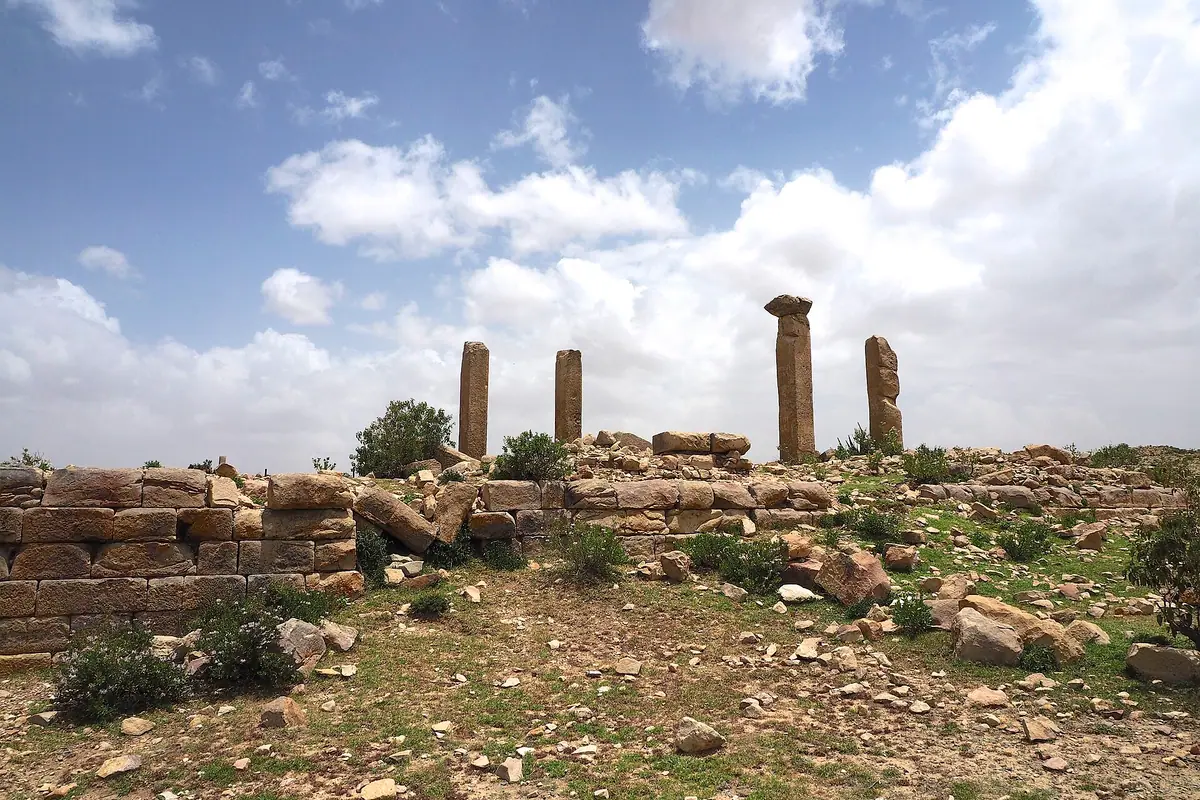
South of the capital, the road toward Senafe passes two of Eritrea's most important archaeological landscapes. The Qohaito plateau holds pre-Aksumite ruins, temple platforms and rock art scattered across open grassland, while nearby Matara preserves the remains of an ancient city. Further toward the coast lie the ruins of Adulis, the Red Sea port that once connected this region to the wider ancient world — an evocative, windblown site that rewards anyone interested in how this coast traded for millennia.
Do not miss the monastery of Debre Bizen, perched high on its own mountain near Nefasit and reached by a steep footpath through juniper and olive. The approach from the coast road, climbing through the Filfil Solomuna green belt and the forested ridges of the Semenawi Bahri, is the loveliest stretch of driving in Eritrea — lush after the rains, dusty and golden by February. Spring months bring wildflowers and clear light, but also the first heat haze; December and January offer the crispest photography conditions.
How the Seasons Shape Where You Sleep
Eritrea's accommodation is limited and characterful rather than luxurious, and the seasons change what you should look for. In Asmara, the most atmospheric rooms are in converted Italian-era buildings with high ceilings, tiled floors, shutters and balconies over Liberation Avenue. Their thick walls keep the heat out beautifully in the dry months, but they also hold the chill: from December to February, ask for extra blankets and expect cold floors in the morning. Most properties rely on tank water and occasional power cuts, so a torch and a refillable bottle are sensible packing.
On the coast, the priorities flip. Look for air conditioning, ceiling fans, and rooms facing the sea or a shaded courtyard in Massawa and along the Red Sea; in the hot months, an un-air-conditioned room becomes genuinely hard to sleep in. Coastal guesthouses fill up fast around Fenkil week in February, and the highland capital books out around Independence Day in late May and Martyrs' Day in June, as well as during Orthodox Timket in mid-January, when processions of white-robed worshippers fill the streets and hotels. Plan those dates months ahead, and confirm reservations directly by phone or email.
Expect a mostly cash economy: hard currency is widely used for tourist services, card payment is rare outside a handful of larger city properties, and keeping small notes makes life much easier. Rooms outside the capital — in Keren, Massawa or toward the lowlands — are simple, so bring a sleep sheet, earplugs and a headlamp. And always confirm that your permit covers the regions you plan to visit before you lock in bookings, because a room you cannot legally reach is no bargain at all.
If you want a single rule of thumb: October and November are the finest all-round months, February and March are the best compromise for coast plus highlands, and the deep summer belongs to Asmara alone.
Frequently asked questions
What is the single best month to visit Eritrea?
October and November are the strongest all-round choices: the highland rains have finished, Asmara is sunny and mild, and the Red Sea coast is still comfortable enough for Massawa and boat trips to Green Island. February and March are a close second, especially if you want to combine the coast with the highland circuit, though coastal heat begins to build.
Is Asmara cold, and do hotels have heating?
Days are mild year-round, but from December to February nights in the highland capital can drop close to single digits. Most buildings, including the Italian-era hotels, have no central heating, so pack a warm layer and ask for extra blankets. For the rest of the year, Asmara is comfortable to cool.
When is the rainy season in the Eritrean highlands?
The kremti rains generally run from June through September, heaviest in July and August, and usually arrive as afternoon downpours rather than constant rain. The capital copes fine, but the escarpment road down to Massawa can be affected, and lowland desert travel is best avoided entirely in those months.
What is the best time for diving in the Dahlak Archipelago?
October to May offers calmer seas and clearer water, with the coolest months typically delivering the best visibility. From May to September, heat, humidity and choppier conditions make boat trips less pleasant and less reliable.
Do I need a permit to travel outside Asmara?
Yes — foreign visitors normally need an official permit to travel beyond the capital, arranged in advance through the relevant authorities with your itinerary and accommodation details. Coastal, lowland and Danakil trips should all be cleared before you book rooms, and it is wise to confirm requirements close to your travel dates.
Which festivals fill hotels fastest?
Fenkil commemorations in Massawa in February, Timket in mid-January, Independence Day in late May and Martyrs' Day in June are the busiest periods, particularly in Asmara and on the coast. Book well ahead for those dates and re-confirm your reservation directly before travelling.
Sort the rest of your trip
Everything for Eritrea, in one place
Transfer in Eritrea
Private driver waiting on arrival — no queues, no surprises.
Book a transfer
Things to do in Eritrea
Skip-the-line tickets, guided tours and standout experiences.
See experiences
Stay online in Eritrea
Travel eSIM — data the moment you land, no roaming bills.
Get an eSIM