Chad is the kind of country that rewards the curious traveller with landscapes most people never picture: black volcanic peaks rising out of Saharan sand, sandstone canyons painted with 6,000-year-old cattle herders, and lakes stranded in the dunes that have held fresh water for millennia. It is vast, hot and logistically demanding, but the sights here — Lake Chad, Zakouma, the Ennedi Massif, Tibesti and Ounianga — are genuinely unlike anywhere else on the continent.
Lake Chad and the Chari Delta: Africa's Shrinking Inland Sea
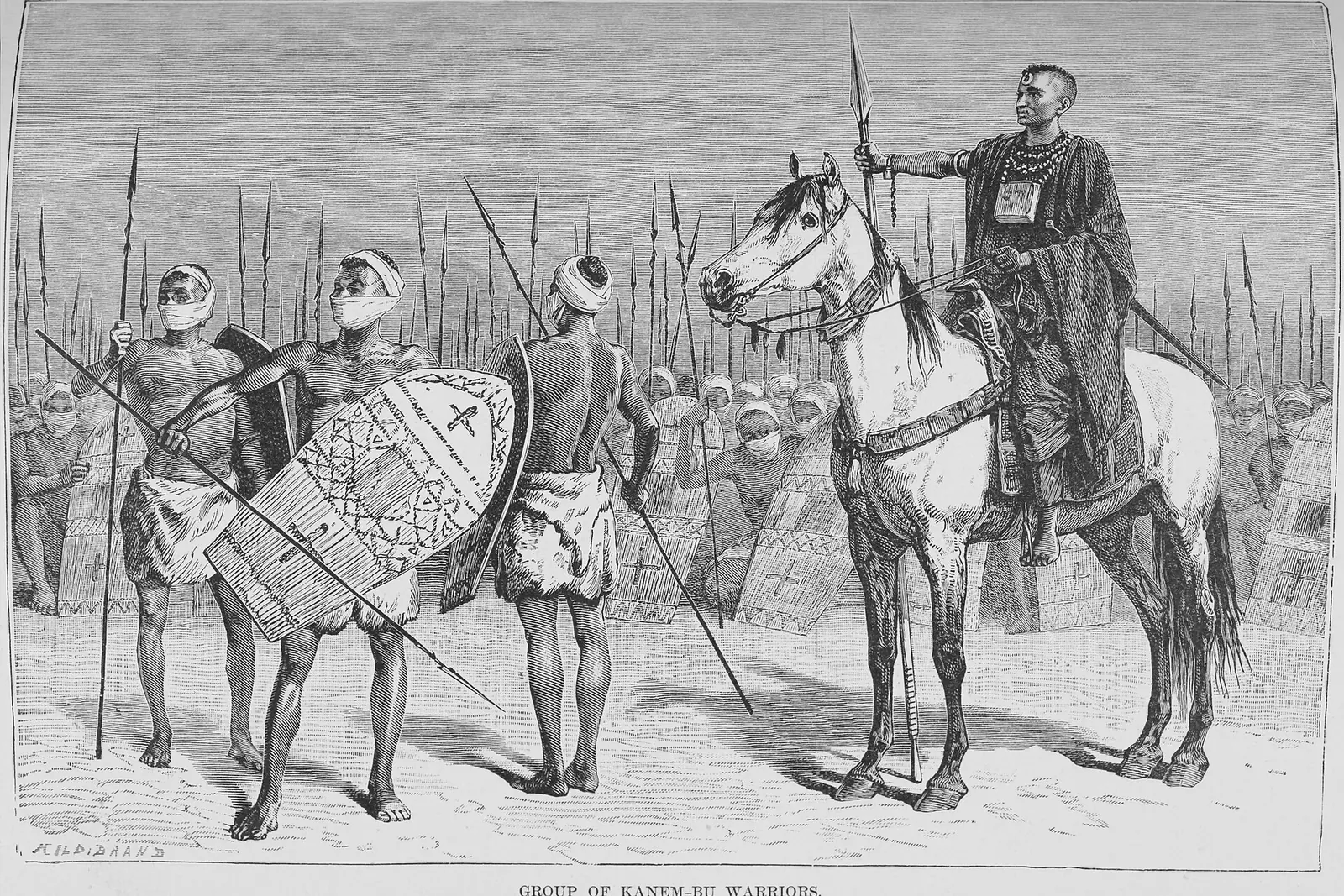
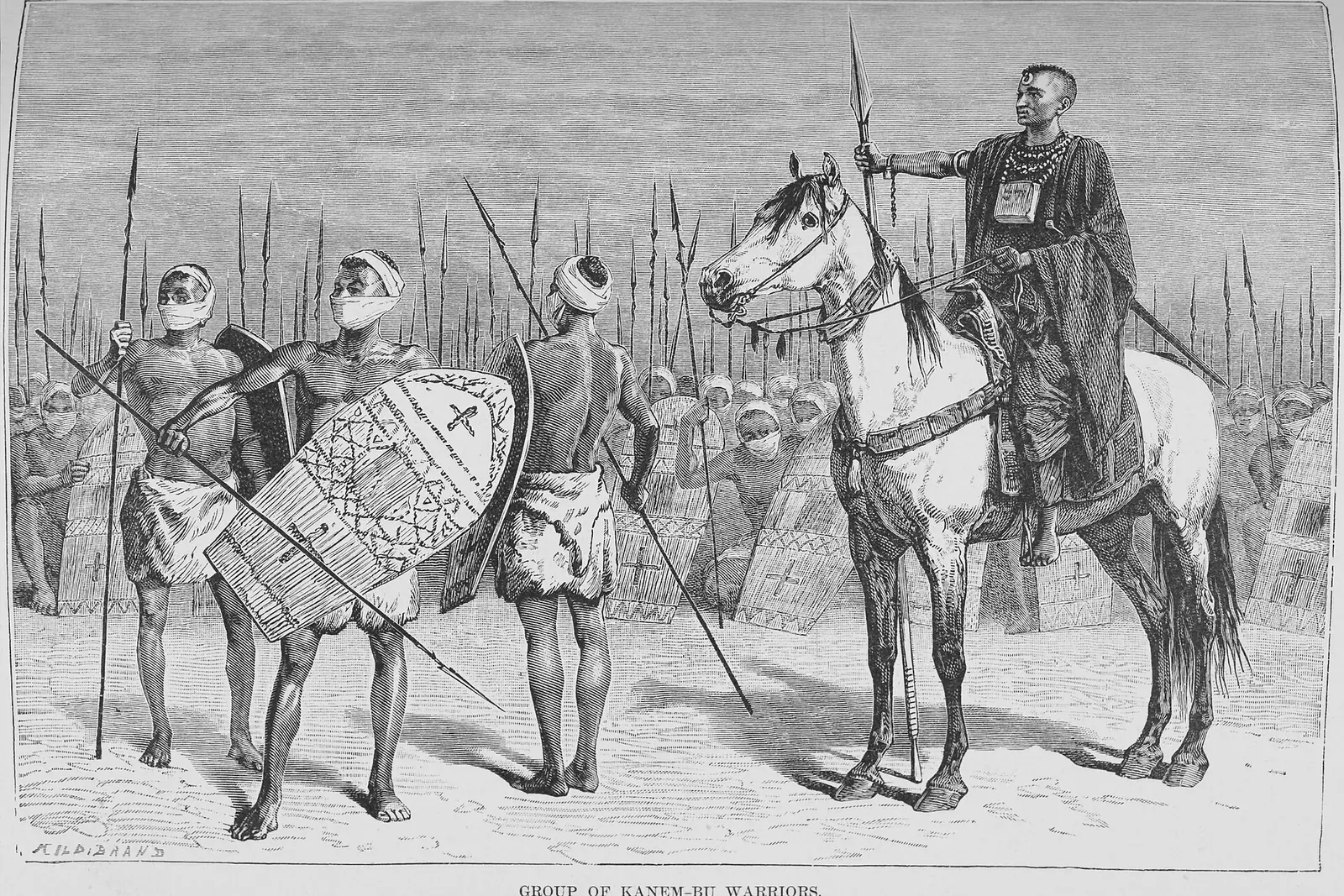
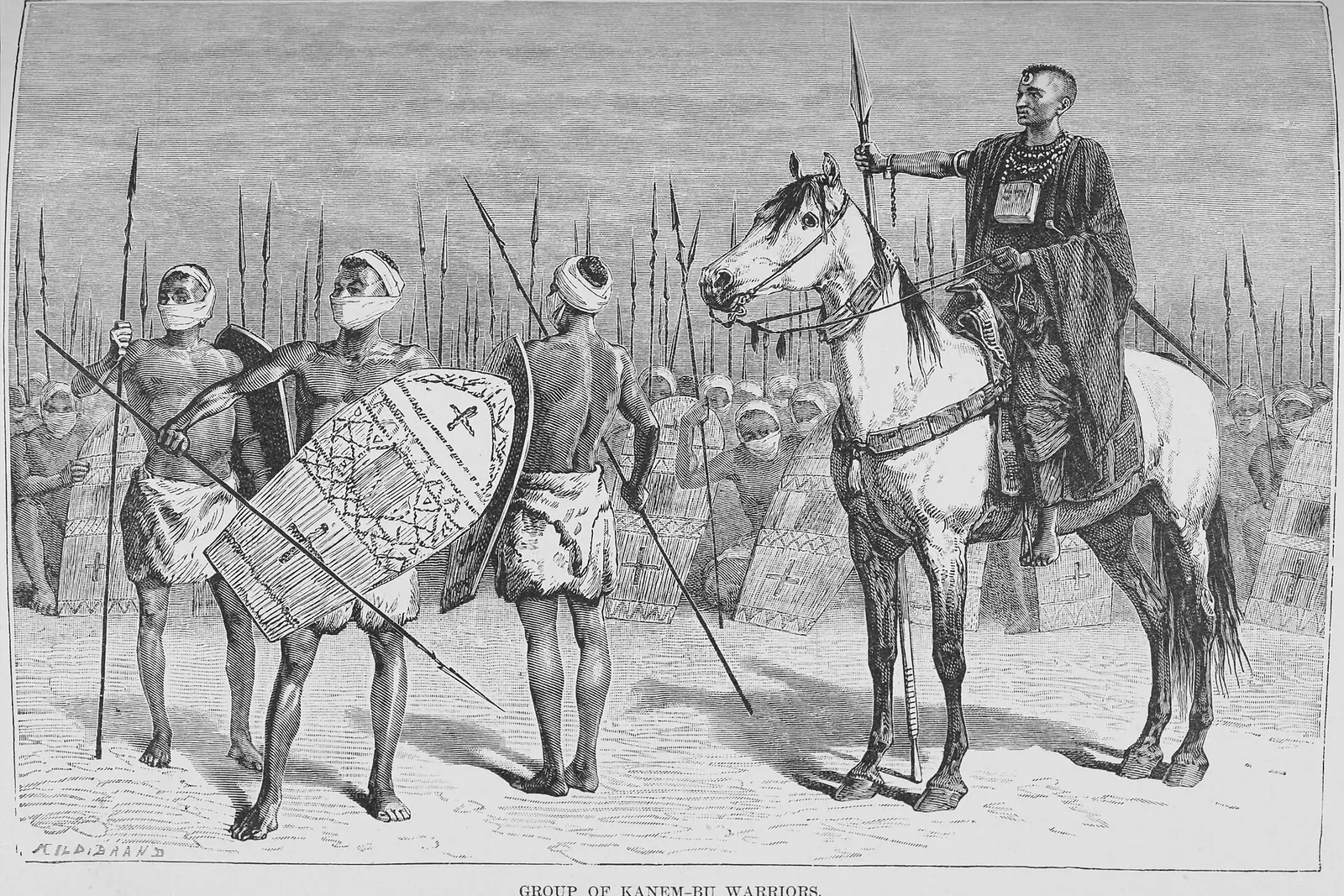
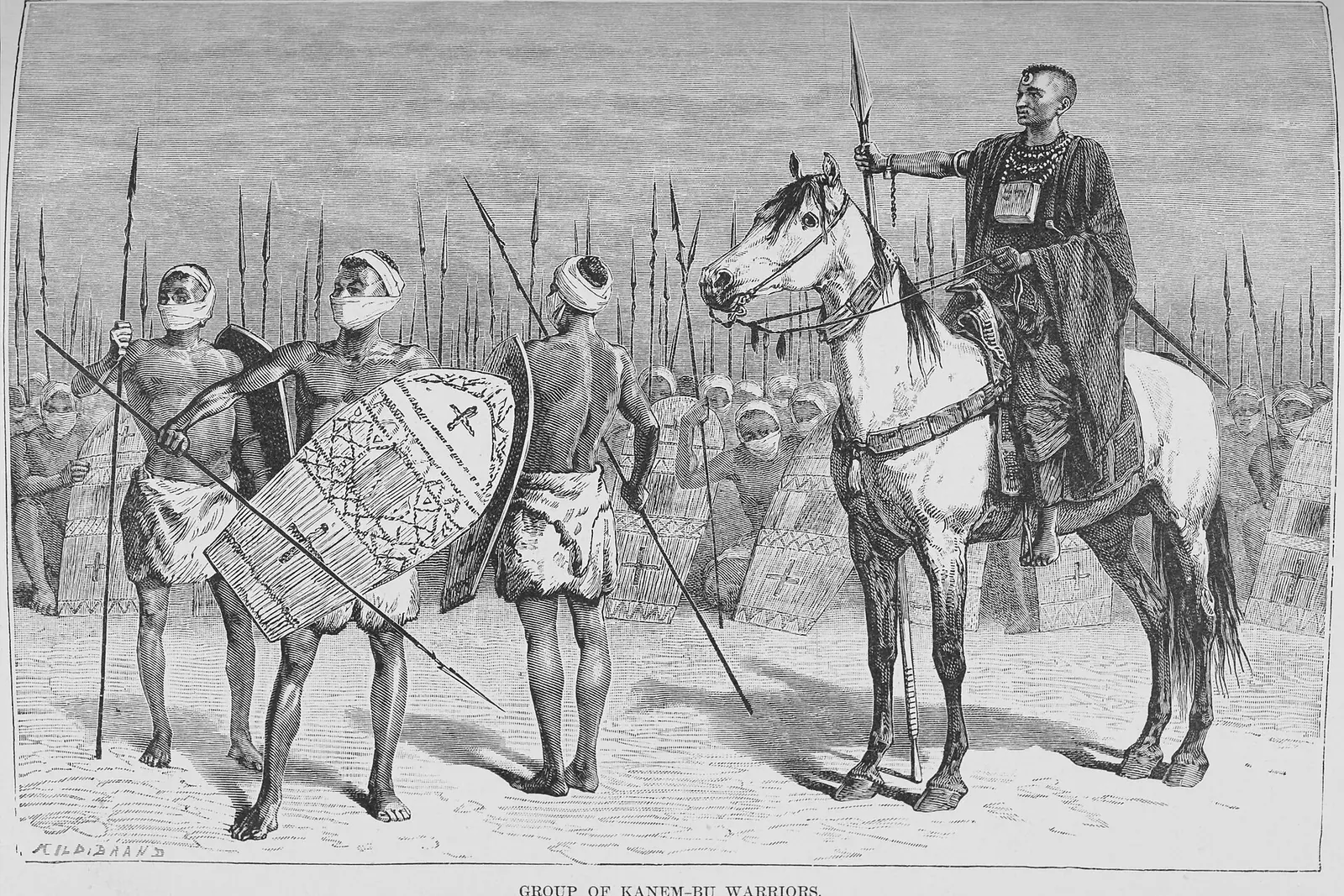
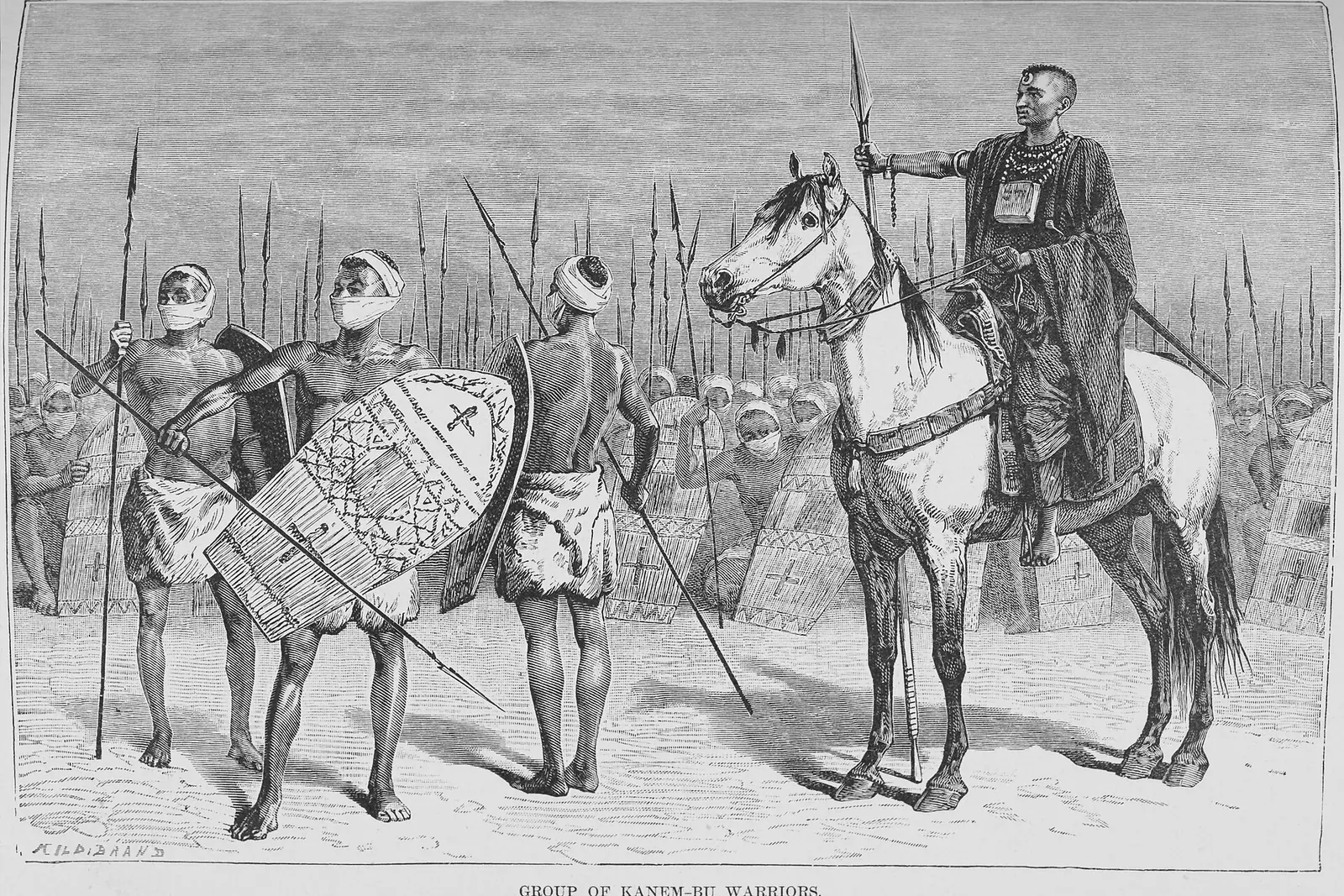
Lake Chad is the image most people carry of this country, and seeing it in person is stranger and more beautiful than any photograph suggests. It is a shallow, endlessly rearranging mosaic of open water, papyrus, reed islands and floating mats of ambatch wood rather than a single blue expanse. From the lake port at Bol, roughly a half-day's drive east of N'Djamena, you can take a motorised pirogue out among the channels where Buduma and Kanembu fishing families live on islands that shift with the water levels, drying fish on racks and poling dugouts through corridors of green.
The lake's Chadian shore is fed by two great rivers, the Chari and the Logone, which merge at the edge of the capital before spilling north-east. A short drive from N'Djamena to Douguia on the Chari River gets you a sandy bank lined with fishing canoes, makeshift smokehouses and place to watch the sun drop behind the far bank — one of the easiest and most rewarding half-day outings in the country. Birdlife along the delta is excellent from November onwards, when pelicans, storks, herons and crowned cranes gather as water levels peak after the rains.
Timing matters enormously here. The lake is at its fullest and most navigable between November and February, when the air is also dry and comparatively cool. By April and May the heat becomes punishing, and in September the wider region around the lake hosts a very different spectacle: Wodaabe pastoralist gatherings with their famous dances and elaborate face painting, held as part of seasonal celebrations across the Sahelian belt.
Zakouma National Park: Elephants and Sudanian Savanna
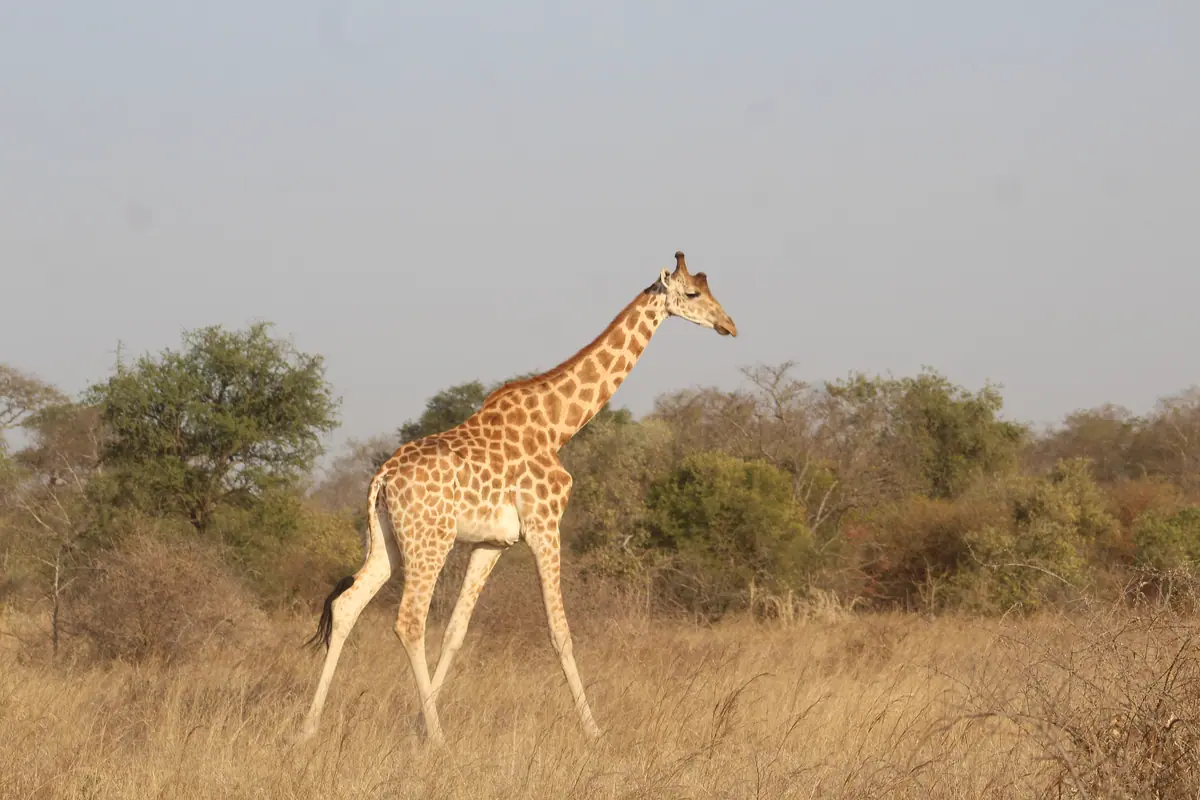
Zakouma, in the south-eastern Salamat region around 800 km from the capital, is the country's great wildlife success story and its most rewarding safari destination. It protects one of the last intact stretches of Sudanian savanna in Central Africa — a flat, golden plain of Terminalia woodland, floodplain and seasonal waterholes that fills with game as the dry season tightens. Elephant herds move in matriarchal family groups, often accompanied by calves, and they share the park with Kordofan giraffe, tiang, roan antelope, buffalo, warthog, and predators including lion and leopard, along with several hundred species of birds.
Visiting is deliberately low-key. Zakouma is not a self-drive park: access is arranged in advance through the handful of small permanent camps inside or beside the reserve, reached by light aircraft on a dirt airstrip or by a long 4x4 drive in the dry season. Once there, you explore in open vehicles with a guide, and in some periods on foot or after dark, which makes for a much quieter and more intimate experience than the busier safari circuits elsewhere in Africa.
The practical window runs roughly from November to April, outside the rains that turn the black cotton soil to glue and close the tracks. December to March is the sweet spot: the grass is short, the heat is manageable, and animals concentrate around the remaining water. Plan on three to four nights to make the journey worthwhile, and expect simple but comfortable tented accommodation, early starts and the constant background hum of doves and francolins.
The Ennedi Massif: Canyons, Rock Art and the Guelta d'Archei
The Ennedi Massif in the far north-east is Chad's showstopper. A sandstone plateau the size of a small country, it has been carved by wind and ancient water into a labyrinth of canyons, towers, pillars and arches — including some of the largest natural arches on Earth, spanning wide enough to shelter a cathedral. The colours shift through the day from ochre to deep rust to violet, and the silence between the rock walls is total.
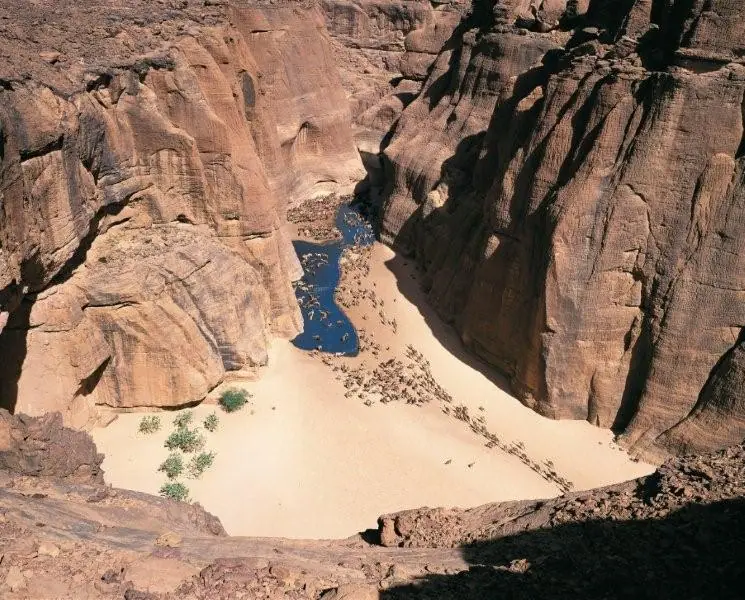
At its heart lies the Guelta d'Archei, a near-mythical pool of dark water trapped in a canyon where a relict population of Nile crocodiles survives in the middle of the desert. Camels are watered here each day by Tubu herders, and the scene — black rock, green water, crocs on the sand, animals filing down a narrow gorge — is one of the most extraordinary in the Sahara. Elsewhere in the massif, the rock art is the real treasure: the engraved and painted panels at Niola Doa depict pastoralist figures with elaborate hairstyles and body decoration, while the painted shelters of Manda Guéli and the Bachikele area preserve cattle, giraffes, ostriches and hunters in ochre and white.
Fada is the gateway town, reached by chartered aircraft or by an arduous drive, and from there expeditions run for a week or more with 4x4s, local guides and camp crews. The season runs from November to February. Temperatures swing from hot afternoons to genuinely cold desert nights, all water must be carried or cached, and routes are dictated by where wells still hold out. This is not terrain for independent novices: north of the capital, permits, a registered guide and official authorisation are required, and travel is normally done in convoy.
The Tibesti Mountains: Emi Koussi, Trou au Natron and the Roof of the Sahara
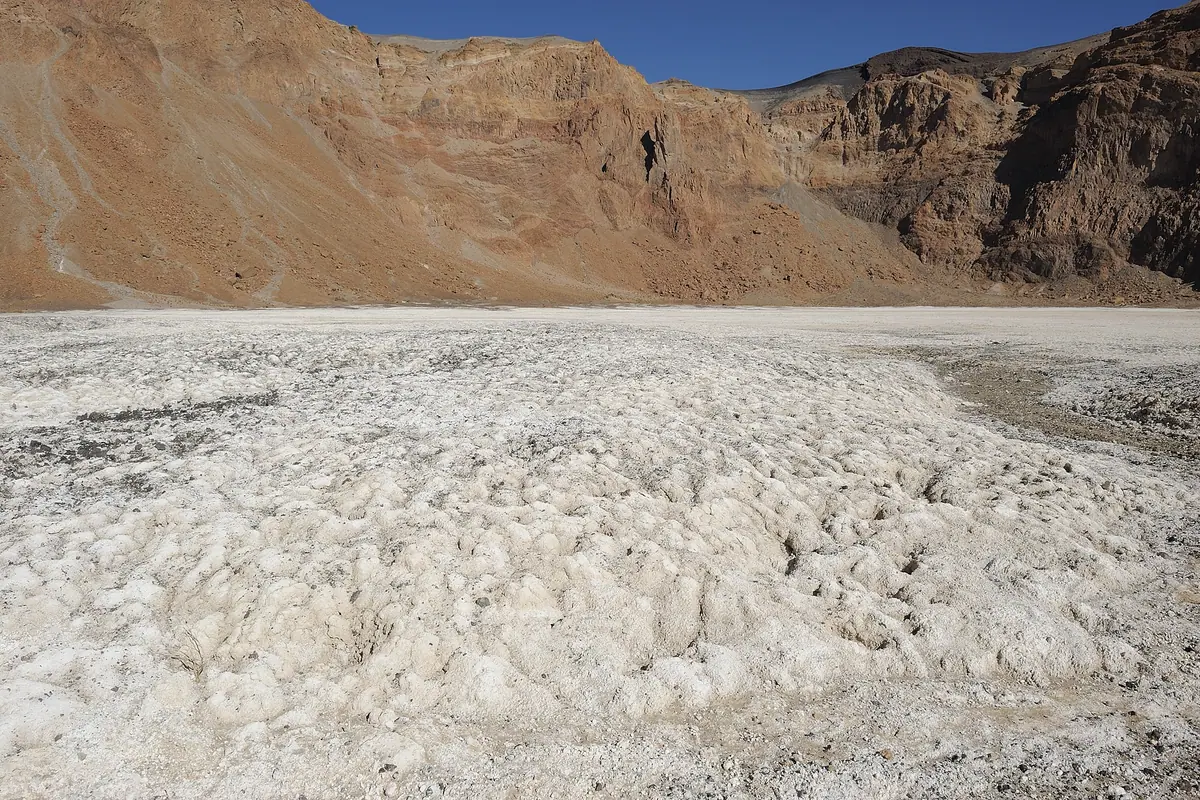
West of the Ennedi, the Tibesti Mountains rise abruptly from the desert floor as a volcanic massif of black basalt, ash cones and granite spires. The highest point in the entire Sahara stands here: Emi Koussi, a broad dormant volcano reaching about 3,445 metres, with a caldera wide enough to hold its own landscape of cinder cones and salt pans. Nearby, the Trou au Natron is a collapsed crater floored with a pale crust of natron salt and dotted with miniature volcanic vents, giving it the appearance of a bleached, alien amphitheatre.
These mountains are also the homeland of the Tubu, whose towns and gardens cling to the few places where water rises — Bardaï is the best known, with a small oasis of date palms fed by springs, and hot springs can be found in the surrounding valleys. Rock art and ancient fortifications are scattered across the massif, often within walking distance of the settlements, and the night sky at altitude, far from any electric light, is astonishing.
Realistically, reaching Tibesti is the hardest travel in Chad. Access requires authorisation arranged in N'Djamena, registered local operators, a sturdy 4x4 and often a security escort, with long, corrugated drives from Faya-Largeau or the Ennedi side. November to February is the only comfortable window, and even then you should pack for freezing nights and hot, dusty days. Expect to sleep in tents, eat simple camp food and go for long stretches without a shower — and to remember the trip for the rest of your life.
The Ounianga Lakes: A Chain of Water in the Dunes
The Ounianga lakes, split into two groups — Ounianga Kebir and Ounianga Serir — are one of the Sahara's genuine wonders, and are recognised as a World Heritage site. Nearly a dozen lakes sit in a shallow basin ringed by dunes, with no river feeding them; instead they are supplied by ancient fossil groundwater moving slowly beneath the desert. Some are so salty that mineral crusts form along the shore, while others are fresh enough to drink, and reed beds and palm stands grow between the sand ridges.
Lake Yoan in the Kebir group is the most photographed, a bright turquoise sheet of water ringed by ochre dunes; the Serir group, including its largest lake, is shallower and greener, fringed with reeds that draw waterbirds. The light early in the morning and late in the afternoon turns the dunes deep orange and the water almost unreal, and the contrast of a place where you can watch fish and dragonflies in the middle of the desert is disorienting in the best way.
Getting here usually means flying or driving into Faya-Largeau, a desert town with a celebrated palm grove and a long history as a caravan crossroads, then continuing with a 4x4 and guide. Visiting is camping-based, best between November and February when days are warm rather than brutal. The lakes combine naturally with an Ennedi expedition — many travellers link the two in a single northern loop lasting two to three weeks, carrying all fuel, food and water with them.
N'Djamena, Gaoui and the Practical Side of Travelling Chad
Chad's capital is not a sightseeing city in the conventional sense, but it is worth two unhurried days before you head north or south. The Grand Marché is the place to browse woven mats, leatherwork, silver jewellery and brightly dyed fabrics, while the national museum holds remarkable collections of Sao terracotta figures and archaeological finds from the Djourab desert — including material relating to Toumaï, one of the oldest hominin fossils ever discovered. Avenue Charles de Gaulle slices through the commercial centre, and the riverside on the Chari and Logone is a fine place for an evening breeze and grilled fish.
Just outside the city, Gaoui is a small village of earthen architecture famous for its pottery, made by women using techniques passed down over centuries; you can watch the coiling and firing, buy pieces directly, and see an older style of Sahelian building that has largely disappeared from the capital. It pairs well with a visit to the local livestock market, where camels, cattle and goats are traded in clouds of dust and noise.
Practicalities shape any Chad itinerary. The best months overall are November to February: dry, dusty, and relatively cool, with the harmattan haze softening the light. March to May brings extreme heat, often above 40°C, and June to September is the rainy season, when the south turns green but many tracks become impassable. Visas are required in advance, the economy runs on cash, French and Arabic are the working languages, and travel outside the capital and the south generally requires permits and a registered operator. There is no passenger rail network, so internal flights and charters plus 4x4s with drivers are the standard way to cover distance. Give yourself at least ten days for a serious trip, and far more if the Ennedi and Tibesti are on your list.
Frequently asked questions
When is the best time to visit Chad?
November to February is the most comfortable window across the whole country: dry, dusty air, cooler nights and open tracks in both the northern deserts and the southern parks. March to May is brutally hot, often well over 40°C, and June to September is the rainy season in the south, when roads and airstrips can be unusable.
Do I need permits or a guide to visit Zakouma, the Ennedi Massif and Tibesti?
Yes. Zakouma is only accessible through pre-arranged camps and guided game drives, and the northern massifs require authorisation arranged in N'Djamena, a registered local operator, a compulsory guide and, in the Tibesti and border areas, security clearance. Independent travel in the far north is not realistic.
How much time should I allow for a Chad trip?
Allow at least seven to ten days for the capital plus Lake Chad or Zakouma, three to four nights inside Zakouma itself, and two to three weeks if you want to include the Ennedi Massif, Ounianga or the Tibesti Mountains, since long 4x4 transfers and camp logistics eat up days.
How do you get around Chad?
There is no passenger railway, and paved roads are largely confined to the region around N'Djamena. Practical travel means charter or scheduled internal flights to hubs such as Fada and the Zakouma airstrip, combined with 4x4 vehicles, drivers and guides hired through local operators, plus camping equipment for the desert routes.
Is Chad safe for travellers?
Conditions vary widely and change quickly, so check your government's current travel advice before booking and follow it closely. Border zones with neighbouring countries and some northern regions carry specific warnings, and most visitors travel on organised itineraries with local operators, register with their embassy, and avoid moving after dark outside the capital.